

Can Statins Cause Hair Loss? Evidence, Causes & Treatment
 ChatGPT
 Claude
 Perplexity
 Grok
Grok
 Gemini

Millions of people worldwide take statins every day to lower cholesterol and reduce the risk of heart attacks and strokes. Yet many patients who notice increased shedding after starting treatment ask the same question: can statins cause hair loss?
The answer is not entirely straightforward.
Some patients report statins hair loss or increased shedding after beginning cholesterol-lowering medication. A small number of case reports and post-marketing safety reports have suggested a possible association. At the same time, scientific evidence remains limited, and most people taking statins never experience noticeable hair loss.
This creates uncertainty.
If your hair starts thinning shortly after beginning atorvastatin, rosuvastatin, or another statin, it is natural to wonder whether the medication is responsible. The challenge is that hair loss has many potential causes.
Age, genetics, stress, illness, nutritional deficiencies, thyroid disorders, and hormonal changes can all contribute to shedding. In many cases, these factors may be more likely explanations than the medication itself.
Statin-related hair loss appears to be uncommon, and physicians should evaluate other possible causes before assuming cholesterol medication is responsible. One point deserves special emphasis.
Patients should never stop taking statins without medical guidance. Many advises that discontinuing statins without consulting a healthcare professional may increase cardiovascular risk in certain individuals.
“When patients notice sudden shedding after starting a medication, the first step is understanding the pattern rather than immediately stopping treatment. Careful evaluation often reveals important clues,” says Dr. Ahmet Murat, founder of Hermest Hair Clinic.
This guide examines what current evidence says about statin side effects hair loss, whether specific medications such as atorvastatin hair loss or rosuvastatin hair loss are more likely, how to recognize medication-related shedding, and what treatment options may help if hair loss occurs.
Quick Insights
- Can statins cause hair loss? Rarely. Current evidence suggests this side effect is uncommon.
- Most cases of suspected statins hair loss involve diffuse shedding rather than permanent baldness.
- Telogen effluvium is the most likely pattern when medication-related shedding occurs.
- Genetics, illness, stress, nutritional deficiencies, and hormonal changes are often more common causes of hair loss than statins.
- Patients should never stop statin therapy without discussing concerns with their prescribing physician.
- A professional scalp evaluation can help determine whether shedding is related to medication, androgenetic alopecia, or another underlying condition.
What Are Statins and Why Are They Prescribed?
Before discussing statins hair loss, it helps to understand why these medications are prescribed so frequently. Statins are among the most widely used medications in modern medicine. Their primary purpose is reducing levels of low-density lipoprotein cholesterol, commonly called LDL or “bad” cholesterol.
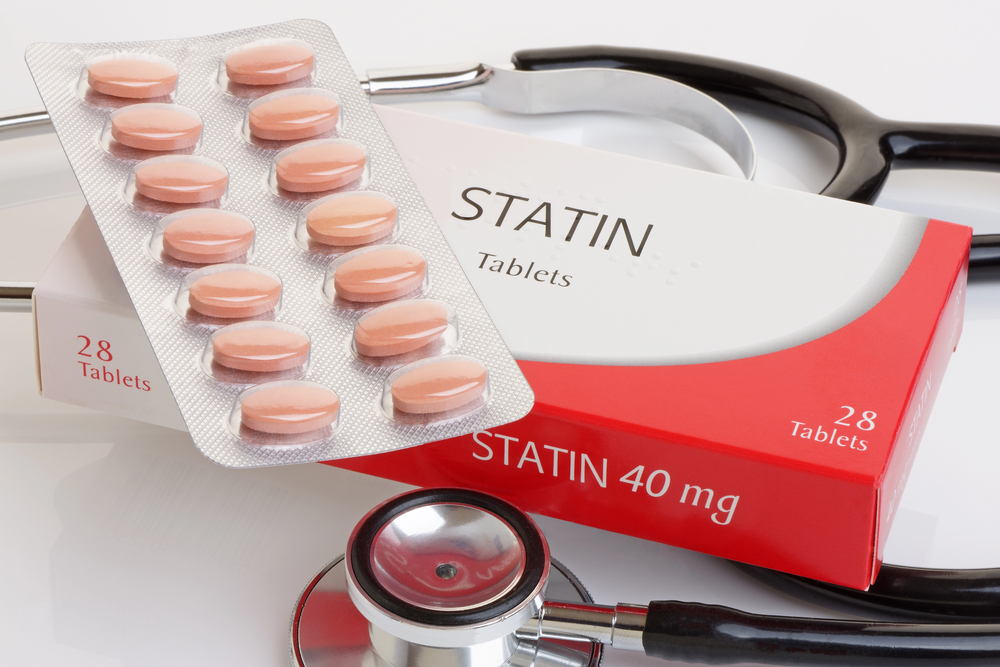
Lowering LDL cholesterol can significantly reduce the risk of cardiovascular events in many patients.
This is why statins remain a cornerstone of preventive cardiology.
How Statins Lower LDL Cholesterol
Statins work by blocking an enzyme in the liver called HMG-CoA reductase. This enzyme plays a central role in cholesterol production.
When the enzyme is inhibited, the liver produces less cholesterol and removes more LDL cholesterol from the bloodstream.
Over time, this process can help:
- Reduce LDL cholesterol levels
- Slow plaque formation in arteries
- Lower the risk of heart attack
- Lower the risk of stroke
For many individuals, these benefits can be substantial.
Common Statins Prescribed Worldwide
Several statins are currently available.
The most commonly prescribed medications include:
- Atorvastatin (Lipitor)
- Rosuvastatin (Crestor)
- Simvastatin (Zocor)
- Pravastatin (Pravachol)
- Lovastatin (Mevacor)
Patients searching atorvastatin hair loss, rosuvastatin hair loss, or simvastatin hair loss are often trying to determine whether a specific medication is responsible for their shedding.
Current evidence does not clearly show that one statin consistently causes more hair loss than another.
Individual responses vary considerably.
Why Stopping Statins Suddenly Can Be Risky
Patients concerned about cholesterol medication hair loss sometimes stop their medication immediately. That decision can carry risks.
Patients should speak with their physician before discontinuing statin therapy. Stopping treatment without medical supervision may increase cardiovascular risk in certain individuals.
Alternative options may exist.
These could include:
- Dose adjustment
- Switching statins
- Investigating other causes of shedding
- Additional medical evaluation
“Hair loss should always be investigated carefully, but cardiovascular health must remain a priority. Treatment decisions work best when made collaboratively with the prescribing physician,” says Dr. Ahmet Murat.
Can Statins Really Cause Hair Loss?
Patients who notice shedding after starting cholesterol medication often ask a simple question: Is the statin responsible? The answer is possibly, but probably not in most cases.
Current evidence suggests that statins hair loss can occur, but it appears to be uncommon. Most people taking statins never develop noticeable hair shedding, and researchers have not established a strong, consistent relationship between statin use and hair loss.
This is important to remember. Correlation does not always mean causation.
What Official Sources Say
Several medical sources acknowledge that hair loss has been reported in some statin users. Also Drug-induced hair loss associated with statins appears to be rare and that other causes should be investigated first.
Hair loss has also been listed as a possible adverse event in post-marketing reports for certain statins.
However, these reports do not prove that the medication directly caused the shedding.
They simply indicate that an association was observed.
Why the Evidence Is Limited
One reason this topic remains controversial is the lack of large, high-quality studies.
Most available evidence comes from:
- Individual case reports
- Post-marketing surveillance
- Adverse event databases
- Small observational studies
These sources are valuable.
They also have limitations.
For example, many statin users are older adults.
Age itself increases the likelihood of experiencing:
- Androgenetic alopecia
- Hormonal changes
- Medical conditions linked to shedding
- Use of multiple medications
Separating the effects of the medication from these factors can be challenging.
Why Millions Use Statins Without Hair Loss
This perspective often gets lost online. Worldwide, millions of people take statins every day. If statin side effects hair loss were common, dermatologists and cardiologists would likely encounter it far more frequently.
Most patients tolerate statins without experiencing significant changes in hair density.
This does not mean medication-related shedding never happens.
It simply suggests that it is not a common outcome.
“When evaluating possible medication-related hair loss, timing, pattern, and medical history are often more informative than the medication list alone,” says Dr. Ahmet Murat.
Could Something Else Be Responsible?
Patients often attribute shedding to a newly prescribed statin when other factors may be involved.
Common alternatives include:
- Thyroid disease
- Iron deficiency
- Recent illness
- Emotional stress
- Rapid weight loss
- Existing male pattern baldness
A comprehensive evaluation frequently helps clarify the situation.
What Type of Hair Loss Could Statins Cause?
When medications contribute to hair loss, they usually do not produce sudden bald patches or dramatic hairline recession. Instead, the pattern tends to be more subtle.
If a statin is involved, the most likely presentation is medication-induced alopecia, often appearing as diffuse shedding across the scalp.
Understanding this pattern can help patients recognize when further evaluation may be needed.
Medication-Induced Shedding
Drug-related hair loss typically affects the normal hair growth cycle. Rather than damaging the follicle permanently, certain medications may push a larger number of hairs into the resting phase prematurely.
Several months later, those hairs are shed. This process can feel alarming.
Fortunately, it is often temporary.
Patients commonly notice:
- Increased hair in the shower
- More hairs on pillows
- Greater shedding during brushing
- Mild reduction in overall density
The shedding usually occurs across the entire scalp rather than affecting one specific region.
Telogen Effluvium
The most common form of drug-induced hair loss is called telogen effluvium. In telogen effluvium, a larger-than-normal percentage of hair follicles enter the telogen, or resting, phase.
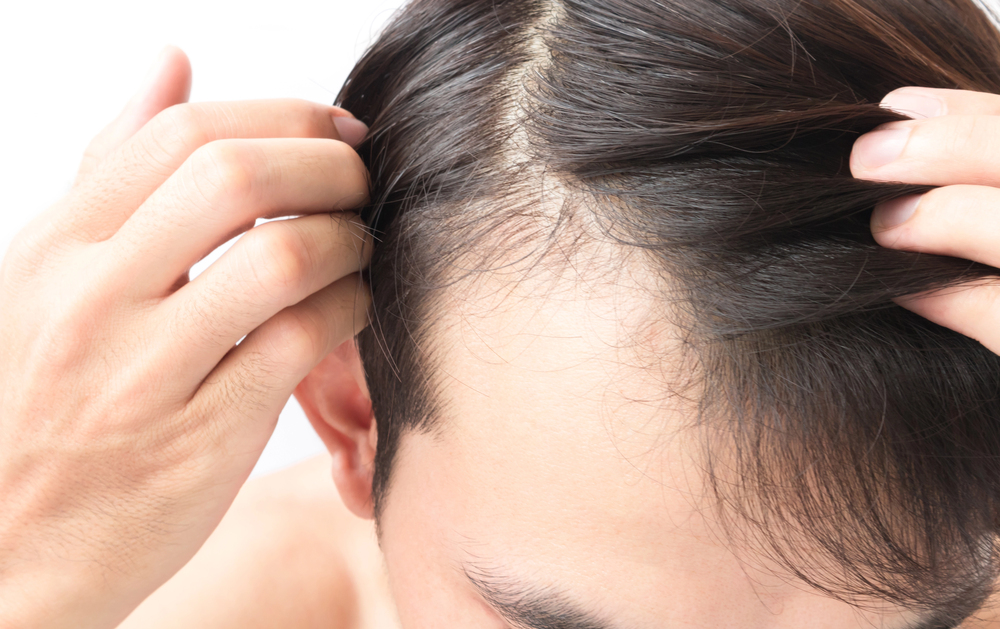
Several weeks or months later, those hairs are shed.
According to dermatology literature, medication-related telogen effluvium often begins approximately two to four months after exposure to the triggering factor.
This timing matters.
If shedding begins only a few days after starting a statin, another explanation may be more likely.
“One of the first questions we ask patients is when the shedding began. The timeline often provides valuable clues about whether medication could realistically be involved,” says Dr. Ahmet Murat.
Diffuse Thinning vs Pattern Baldness
Patients frequently worry that increased shedding means permanent baldness. That is not always the case.
Telogen effluvium generally causes diffuse thinning.
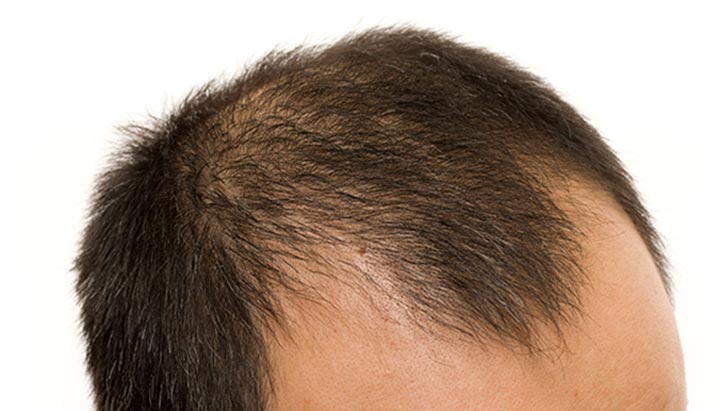
By contrast, androgenetic alopecia usually produces:
- Temple recession
- Crown thinning
- Progressive hairline changes
- Follicle miniaturization
This distinction is important because treatment strategies differ significantly.
A scalp examination can often help determine whether the shedding pattern resembles temporary hair shedding or a more progressive form of hair loss.
Atorvastatin, Rosuvastatin and Simvastatin: Is One More Likely?
Patients often search for specific medications rather than statins as a group. Queries such as atorvastatin hair loss, rosuvastatin hair loss, and simvastatin hair loss are extremely common online. The reason is understandable.
If shedding begins after starting a new medication, people naturally want to know whether that particular drug has a reputation for causing hair loss.
At present, there is no strong evidence showing that one statin consistently causes more hair loss than another.
Individual responses appear to vary considerably.
Atorvastatin Hair Loss Reports
Atorvastatin, sold under the brand name Lipitor, is one of the most frequently prescribed statins worldwide.
Some patients have reported increased shedding while taking atorvastatin.
Hair loss has also appeared in post-marketing safety reports.
However, researchers have not established a clear causal relationship.
Given the enormous number of people taking atorvastatin, isolated reports alone cannot determine whether the medication directly caused the shedding.
Rosuvastatin Hair Loss Concerns
Rosuvastatin, commonly known as Crestor, has generated similar discussions.
Some patients describe diffuse shedding that developed after beginning treatment.
Again, available evidence remains limited.
No large studies have demonstrated that rosuvastatin causes hair loss at a higher rate than other statins.
The majority of users do not experience noticeable thinning.
Simvastatin and Older Reports
Simvastatin has been available for many years.
As with other statins, occasional reports of hair loss have emerged over time.
The challenge remains the same.
Many patients taking simvastatin are older adults who may simultaneously experience:
- Androgenetic alopecia
- Hormonal changes
- Medical illnesses
- Nutritional deficiencies
- Use of additional medications
Any of these factors could contribute to shedding.
For patients strongly concerned about cholesterol medication hair loss, discussing alternatives with the prescribing physician may be appropriate. Possible options could include:
- Dose adjustment
- Switching medications
- Monitoring the shedding pattern
- Evaluating other causes
Any changes should always occur under medical supervision.
Which Statin Is Most Likely to Cause Hair Loss?
Current evidence does not clearly show that atorvastatin, rosuvastatin, simvastatin, or other statins are more likely than others to cause hair loss. Reports exist for several statins, but medication-related shedding appears uncommon overall.
The next step is determining whether the shedding is actually related to the statin or whether another underlying condition may be responsible.
How to Tell If Hair Loss Is From Statins or Something Else
When shedding begins after starting a new medication, it is easy to assume the medication is responsible. Sometimes that assumption is correct. Often, it is not.
Hair loss is a multifactorial condition. Genetics, health changes, stress, nutritional deficiencies, and medications can all influence the hair growth cycle.
The challenge is identifying which factor is actually responsible.
Timing After Starting Medication
The timeline is usually the first clue. If a statin contributes to medication-induced alopecia, the shedding typically does not begin immediately.
Most cases of telogen effluvium develop approximately two to four months after exposure to a triggering factor.
This delay occurs because hair follicles need time to transition into the resting phase before shedding becomes noticeable.
Questions worth asking include:
- When was the statin started?
- When did shedding begin?
- Was there another health event around the same time?
The answers often provide valuable insight.
Other Medications May Be Involved
Many patients taking statins also use additional medications.
Several drug classes have been associated with hair shedding, including:
- Blood pressure medications
- Antidepressants
- Anticoagulants
- Certain hormone therapies
- Some weight-loss medications
Reviewing the entire medication list is often more informative than focusing on a single drug.
Thyroid Disease, Iron Deficiency and Stress
Medical conditions frequently masquerade as statins hair loss.
Common examples include:
- Iron deficiency
- Thyroid disorders
- Recent illness
- Surgery
- Rapid weight loss
- Significant emotional stress
According to Mayo Clinic, these factors are well-recognized causes of diffuse hair shedding.
Laboratory testing may sometimes help identify an underlying issue.
Could It Be Androgenetic Alopecia?
This is one of the most common scenarios seen in clinical practice. A patient begins taking a statin. Several months later, they notice thinning.
Closer examination reveals early androgenetic alopecia rather than drug-induced hair loss.
Signs suggesting pattern hair loss include:
- Receding temples
- Crown thinning
- Progressive density reduction
- Family history of baldness
“Hairline changes and follicle miniaturization often point toward androgenetic alopecia rather than medication-related shedding. A detailed scalp examination can usually clarify the picture,” says Dr. Ahmet Murat.
Why Self-Diagnosis Can Be Difficult
Hair loss patterns frequently overlap. Seasonal shedding, telogen effluvium, medication effects, and male pattern baldness may occur simultaneously.
This is why professional evaluation can be so valuable.
Accurate diagnosis often determines the success of treatment.
Is Hair Loss From Statins Reversible?
For most patients, this is the question that matters most. If a statin is contributing to hair shedding, will the hair grow back? In many cases, the answer is yes.
When medications trigger telogen effluvium, the shedding is often temporary and reversible. The hair follicles usually remain alive beneath the scalp, which means regrowth is possible once the trigger is removed or the hair cycle normalizes.
That said, recovery timelines can vary considerably.
What Happens in Drug-Induced Shedding?
Most cases of suspected medication-induced alopecia involve disruption of the normal hair growth cycle rather than permanent follicle damage.
A larger number of follicles prematurely enter the resting phase. Several months later, those hairs are shed.
The important point is this:
The follicles themselves often survive.
This distinguishes drug-induced hair loss from scarring forms of alopecia, where follicles may be permanently destroyed.
How Long Does Regrowth Take?
Hair recovery rarely happens overnight. If shedding is truly related to a medication, improvement often begins gradually after the trigger is addressed.
Many patients notice:
- Reduced shedding within several weeks
- Early regrowth over subsequent months
- Progressive density improvement over time
Since scalp hair typically grows about one centimeter per month, visible recovery requires patience.
Several months may pass before changes become obvious.
“Patients often expect immediate improvement once the suspected trigger is addressed. Hair biology does not work that quickly. Regrowth usually occurs gradually,” says Dr. Ahmet Murat.
When Shedding May Not Reverse Completely
Not every patient experiences complete recovery. This is particularly true when another condition exists alongside the suspected medication effect.
Examples include:
- Androgenetic alopecia
- Chronic telogen effluvium
- Thyroid disease
- Nutritional deficiencies
In these situations, addressing the medication alone may not fully restore density.
This is one reason proper diagnosis matters.
Why Pattern Hair Loss Creates Confusion
A common scenario occurs when patients develop visible thinning after starting statins.
The statin receives the blame.
Detailed examination later reveals underlying male pattern baldness that had been progressing silently for years.
In such cases, hair loss may continue regardless of medication changes.
“Several different forms of hair loss can coexist. Identifying all contributing factors gives patients the best opportunity for successful treatment,” explains Dr. Ahmet Murat.
What Should You Do If You Notice Hair Loss on Statins?
Discovering increased shedding after starting a new medication can be worrying. Many patients immediately consider stopping the statin. That reaction is understandable.
It is not usually the best first step.
Since statins play an important role in reducing cardiovascular risk, any treatment changes should be made carefully and under medical supervision.
Do Not Stop Statins Suddenly
This point deserves special attention. Patients should not discontinue statin therapy without consulting their healthcare provider.
For individuals taking statins to reduce the risk of heart attack or stroke, stopping treatment abruptly may have important health consequences.
Hair loss can be distressing.
Protecting cardiovascular health remains equally important.
Speak With Your Doctor or Cardiologist
If you suspect statins hair loss, schedule an appointment with the physician who prescribed the medication.
The consultation may include discussion of:
- When shedding began
- The pattern of hair loss
- Other medications being taken
- Recent illnesses or stressors
- Personal and family history of hair loss
These details often help determine whether the medication is a likely contributor.
Ask About Dose Adjustment or Alternatives
In some situations, the prescribing physician may consider:
- Adjusting the dosage
- Switching to another statin
- Evaluating alternative medications
- Continuing treatment with monitoring
Any medication changes should always be individualized.
There is no universal solution.
“Patients should never feel they must choose between their heart health and their hair. Careful assessment often reveals multiple management options,” says Dr. Ahmet Murat.
Track Your Shedding Pattern
Simple documentation can be surprisingly helpful.
Consider keeping a record of:
- When shedding started
- Changes in medication
- Photographs of the scalp
- Areas affected by thinning
Serial photographs often reveal whether hair loss is stable, improving, or progressing.
Consider a Hair Evaluation
A scalp examination may identify signs suggesting another diagnosis.
For example:
- Androgenetic alopecia
- Telogen effluvium
- Seasonal shedding
- Nutritional deficiencies
Understanding the exact cause often guides the most effective treatment strategy.
Avoid Self-Treatment Pitfalls
Patients frequently respond to shedding by rapidly trying multiple products.
Changing shampoos, supplements, and treatments simultaneously can make interpretation difficult.
A systematic approach usually produces better results.
“The first objective is always diagnosis. Once we know why the shedding is happening, selecting appropriate treatment becomes much easier,” explains Dr. Ahmet Murat.
Statins vs Male Pattern Baldness
One of the biggest challenges in evaluating statins hair loss is distinguishing medication-related shedding from male pattern baldness. The two conditions can occur at the same time.
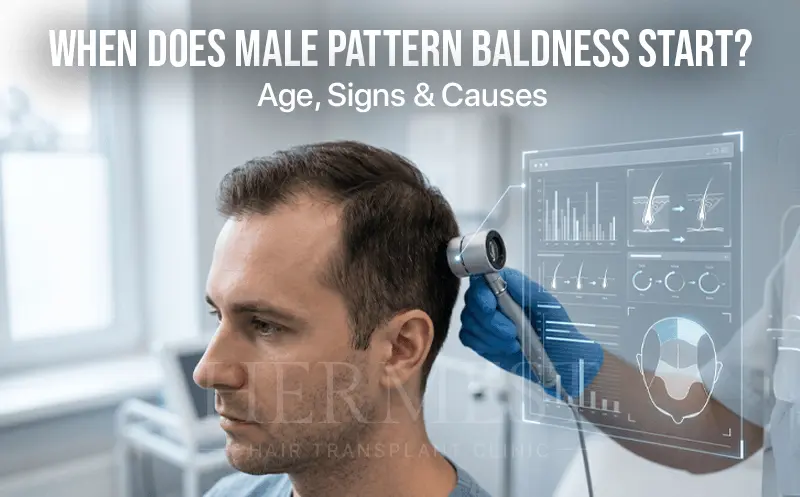
They can also look surprisingly similar during the early stages.
This overlap often leads patients to blame a recently prescribed medication when another process has been developing gradually for years.
Understanding the differences can provide valuable clues.
Hairline Recession
Hairline changes are often the first sign of androgenetic alopecia.
Men with pattern hair loss frequently notice:
- Receding temples
- A deeper M-shaped hairline
- Gradual frontal thinning
Medication-related shedding rarely produces these changes.
If the frontal hairline continues moving backward over time, male pattern baldness becomes more likely.
Crown Thinning
The crown is another area worth monitoring.
Progressive thinning at the vertex of the scalp strongly suggests androgenetic alopecia rather than drug-induced hair loss.
Patients sometimes overlook these changes because crown thinning develops slowly.
Comparing recent photographs with older images can be helpful.
Miniaturization
This is one of the most important diagnostic features.
Miniaturization occurs when follicles progressively produce thinner, shorter hairs.
It is considered a hallmark of male pattern baldness.
Medication-related shedding usually does not cause miniaturization.
Instead, telogen effluvium typically produces diffuse shedding from otherwise healthy follicles.
A detailed scalp examination can often detect miniaturization long before significant baldness becomes obvious.
“Miniaturization tells us a great deal about what is happening beneath the surface. When we see progressive follicle miniaturization, androgenetic alopecia becomes the leading consideration,” says Dr. Ahmet Murat.
Diffuse Shedding Across the Entire Scalp
When a medication contributes to hair loss, the pattern is usually more generalized.
Patients often notice:
- Increased hair in the shower
- Uniform thinning across the scalp
- Sudden onset of shedding
This diffuse pattern is more consistent with telogen effluvium.
Why Both Conditions Can Occur Together
A patient may begin taking statins while already experiencing early androgenetic alopecia.
If temporary shedding occurs simultaneously, the combination can make hair loss appear much worse.
This is one reason comprehensive evaluation is so valuable.
Several contributing factors may be present at the same time.
“Hair loss is rarely caused by a single factor. In many consultations, we identify a combination of genetic, medical, and lifestyle influences affecting the patient’s hair,” explains Dr. Ahmet Murat.
Can You Have a Hair Transplant While Taking Statins?
Many patients taking statins worry that cholesterol medication could prevent them from having a hair transplant. In most cases, the answer is reassuring.
Yes, patients can usually undergo hair transplantation while taking statins.
Statin use alone does not automatically disqualify someone from procedures such as FUE, Sapphire FUE, or DHI.
However, medical history and overall cardiovascular health remain important considerations.
Statins and Surgical Planning
Hair transplantation is a minimally invasive surgical procedure. Before surgery, every patient should undergo a thorough medical assessment.
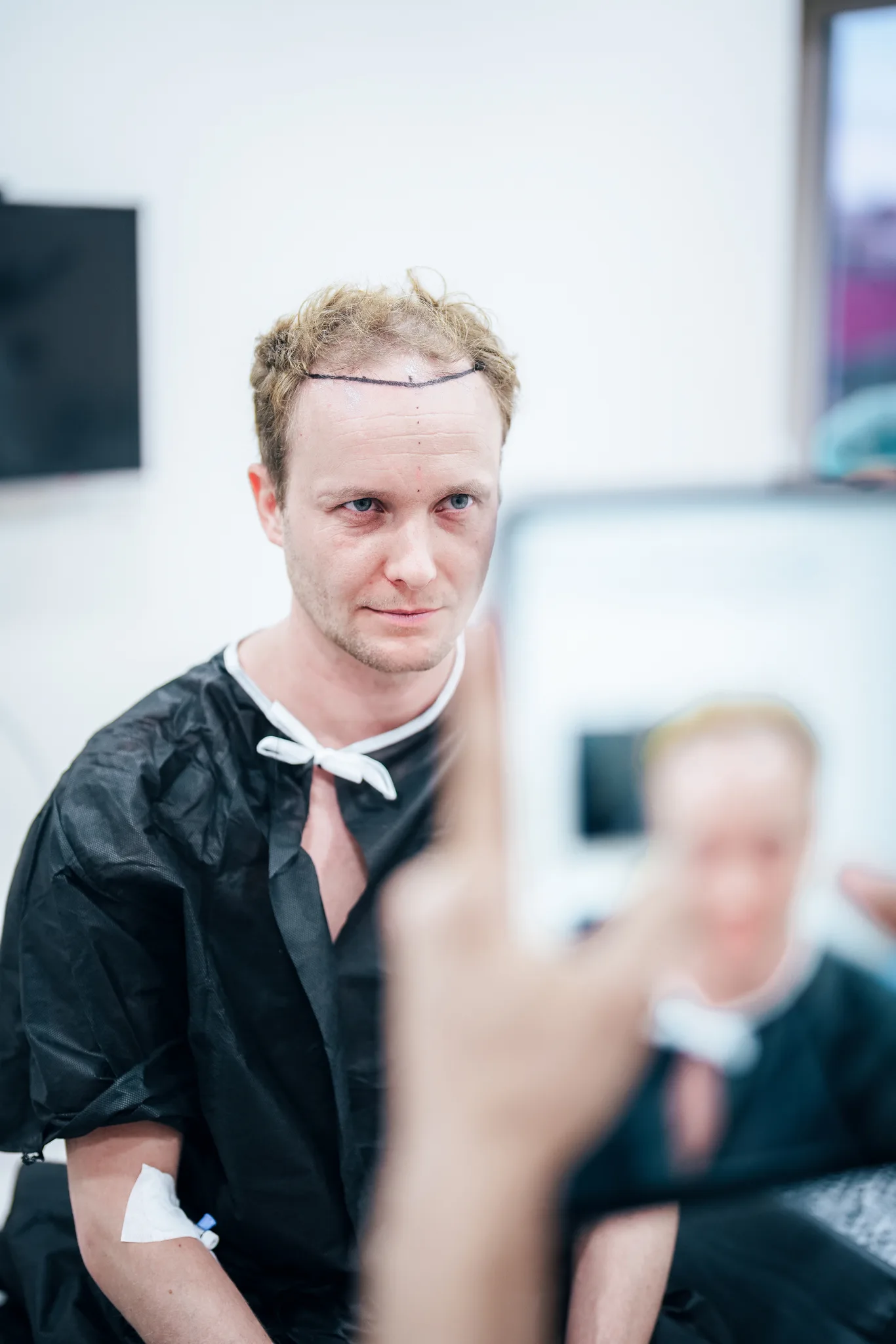
For patients taking statins, the consultation typically includes reviewing:
- The reason for statin therapy
- Cardiovascular history
- Current medications
- Previous heart procedures
- General health status
This information helps determine whether any additional precautions are necessary.
The statin itself is rarely the main concern.
The underlying cardiovascular condition often matters more.
Heart Health and Medical Clearance
Some patients taking statins have a history of:
- Coronary artery disease
- Previous heart attack
- Stroke
- Hypertension
- Diabetes
These conditions do not automatically prevent hair transplantation.
They may require additional evaluation before surgery.
In certain situations, medical clearance from the patient’s cardiologist may be recommended.
Patient safety always comes first.
“Hair transplantation should be approached as a medical procedure, not simply a cosmetic treatment. Understanding the patient’s overall health is an essential part of achieving safe and successful outcomes,” says Dr. Ahmet Murat.
Medication Review Before Surgery
A comprehensive medication review is performed before surgery at Hermest.
This review helps identify medications that could affect:
- Bleeding risk
- Healing
- Anesthesia planning
- Postoperative recovery
Statins are usually continued unless the patient’s physician advises otherwise.
Patients should never discontinue prescribed medications without medical guidance.
The Hermest Approach With UNIQUE FUE®
At Hermest Hair Clinic, every patient undergoes detailed preoperative evaluation before UNIQUE FUE® planning begins.
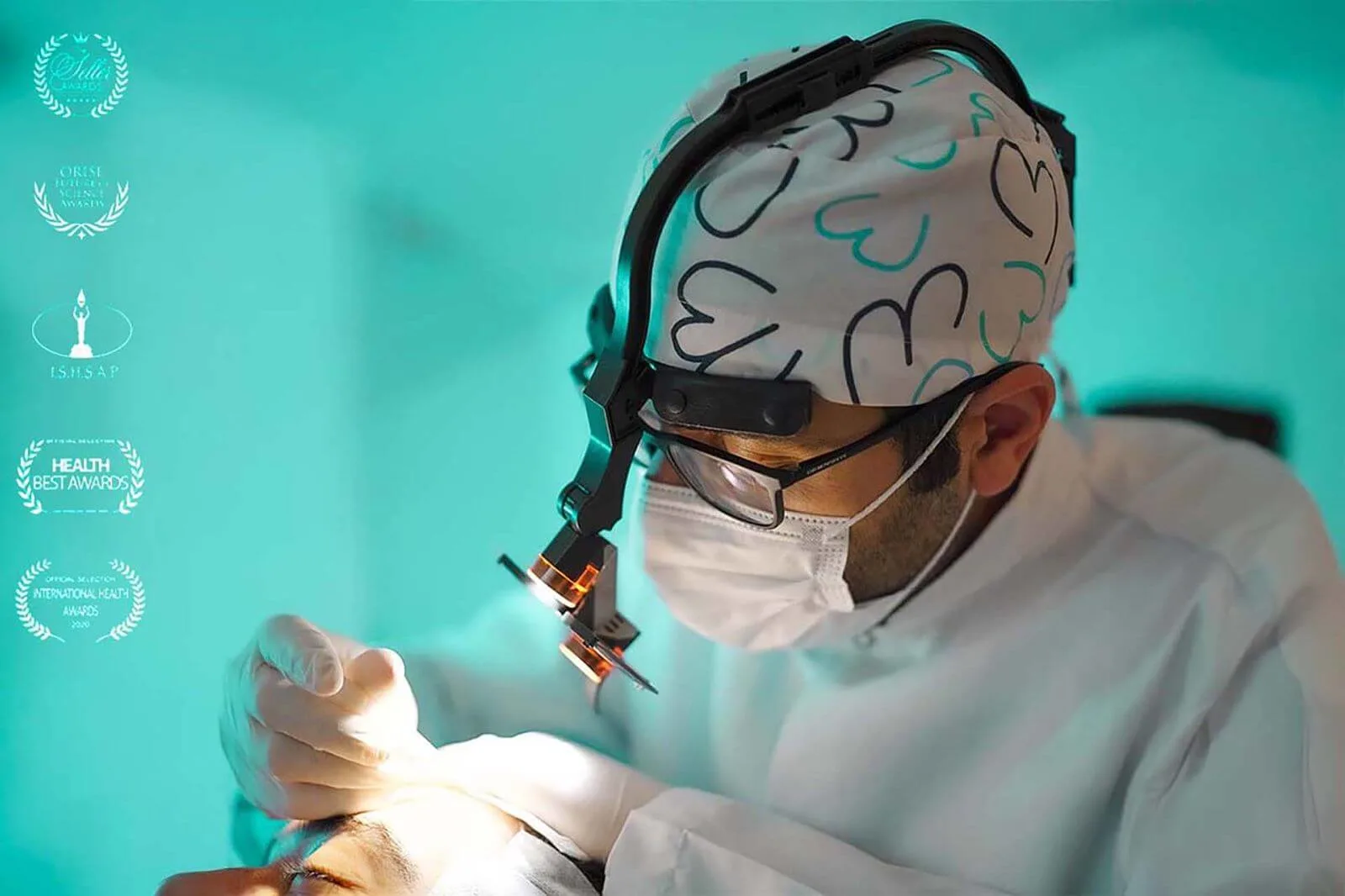
The assessment includes:
- Hair loss diagnosis
- Donor area analysis
- Medical history review
- Long-term restoration planning
For patients experiencing suspected statins hair loss, identifying the true cause of shedding is particularly important.
A temporary telogen effluvium may require a different approach than progressive androgenetic alopecia.
“The success of a hair transplant depends not only on the surgery itself but also on understanding the patient’s ongoing hair loss pattern and future needs,” explains Dr. Ahmet Murat.
FAQs About Statins and Hair Loss
Yes, statins may rarely be associated with hair loss. Some case reports and post-marketing safety reports have described hair shedding in people taking statins. However, current evidence suggests that statins hair loss is uncommon, and many other factors such as genetics, stress, illness, thyroid disease, or nutritional deficiencies are often more likely explanations.
Ready to Find Out What’s Really Causing Your Hair Loss?
Hair loss rarely has a single explanation.
If you have noticed increased shedding while taking statins, identifying the true cause is the most important step. Medication may play a role, but genetics, scalp health, nutrition, stress, and underlying medical conditions often contribute as well.

At Hermest Hair Clinic, Dr. Ahmet Murat and his team provide comprehensive hair and scalp evaluations designed to uncover the factors affecting your hair and create a personalized long-term restoration strategy.
Whether you are experiencing diffuse shedding, progressive thinning, or considering UNIQUE FUE® hair transplantation, our team can help you understand your options.
“Patients often feel relieved once they understand why their hair loss is occurring. A clear diagnosis removes uncertainty and allows us to focus on the right treatment approach,” says Dr. Ahmet Murat.
Schedule your consultation with Hermest Hair Clinic today and take the first step toward understanding and treating your hair loss with confidence.