
Thyroid Disorders and Iron Deficiency and Hair Loss
 ChatGPT
 Claude
 Perplexity
 Grok
Grok
 Gemini

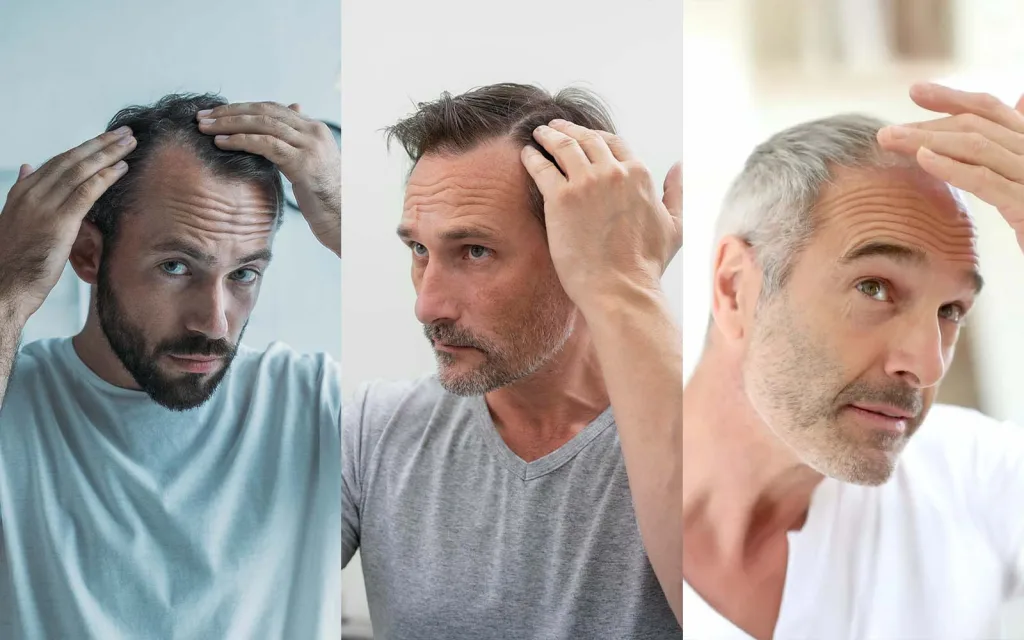
Hair health reflects the body’s internal balance, and two of the most common hidden disruptors are thyroid disorders and iron deficiency. When the thyroid gland slows (hypothyroidism) or becomes overactive (hyperthyroidism), or when serum ferritin and iron stores drop, the hair growth cycle can be interrupted. The result is often diffuse hair thinning, brittle texture, and excessive shedding that standard hair-care routines cannot fix.
This guide explains the science behind thyroid disorders and hair loss, the link between iron deficiency and hair loss, and how these two conditions can interact to create stubborn hair loss due to thyroid and iron deficiency. Drawing on current medical research and clinical expertise, it covers:
- How low or high TSH levels and hair loss, and changes in free T4 and T3, influence follicle activity.
- The role of autoimmune thyroid disease hair loss, including Hashimoto’s thyroiditis hair loss and Graves’ disease hair loss.
- The importance of serum ferritin hair loss thresholds and what low ferritin hair loss means for scalp health.
- Evidence-based recovery strategies like thyroid hormone replacement hair regrowth, levothyroxine hair loss treatment, and iron supplementation hair regrowth (oral or IV iron infusion hair regrowth).
- Lifestyle and nutritional support: diet for healthy hair thyroid, iron-rich foods for hair growth, and key vitamins like D, zinc, and biotin.
- Realistic timeline for hair regrowth after thyroid treatment and timeline for hair regrowth after iron therapy.
Expert insight – Dr. Ahmet Murat, Hermest Hair Clinic:
“Correcting thyroid imbalance and ferritin deficiency is not just about lab numbers. It restores the scalp environment so follicles can re-enter their growth phase and produce strong, healthy strands.”
By the end, you’ll understand how to recognize early signs of thyroid-related hair loss, get the right blood tests for hair loss diagnosis, and choose a complete treatment plan to encourage lasting regrowth.
How the Hair Growth Cycle Works & What Disrupts It
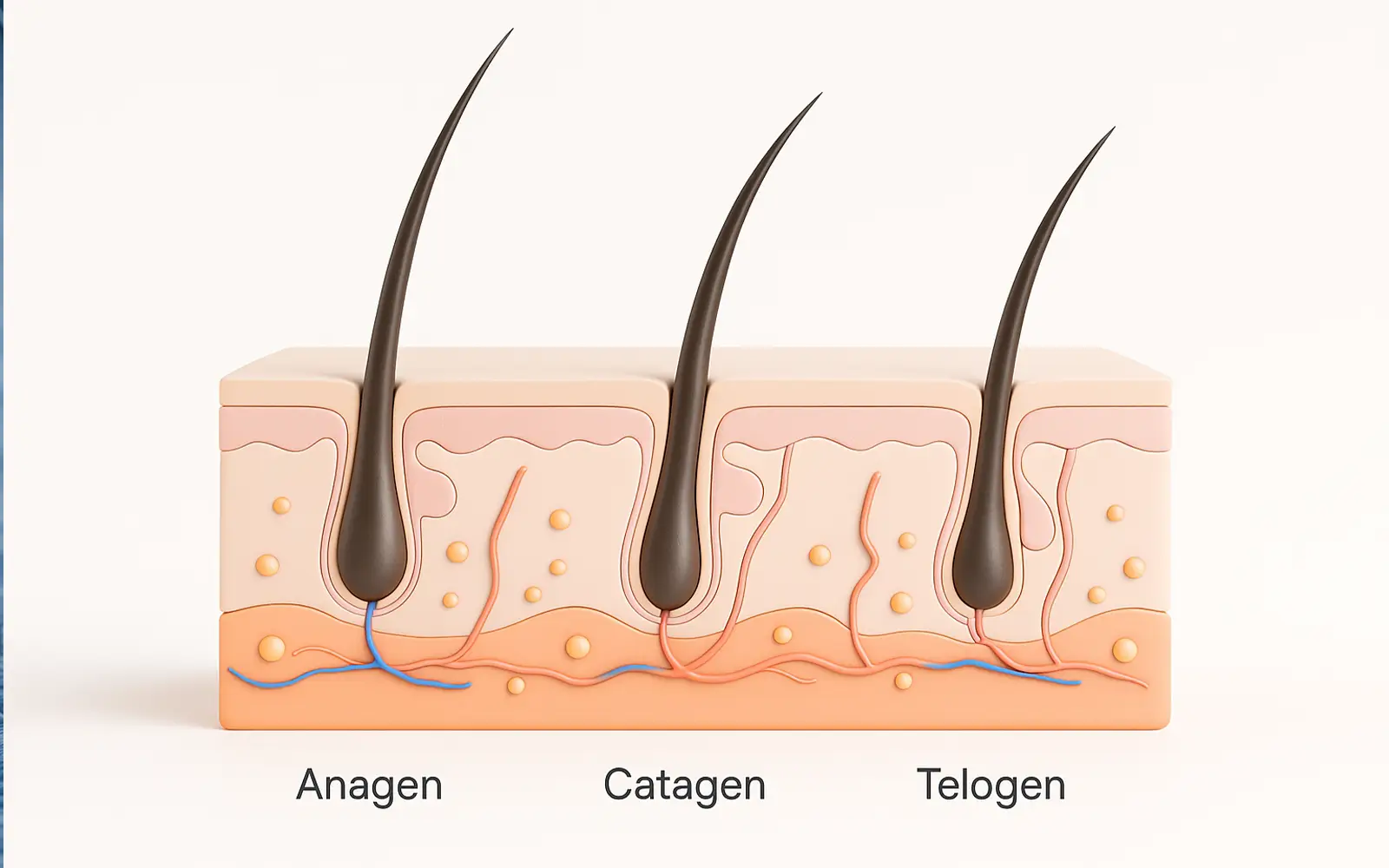
Healthy hair relies on a predictable cycle of growth, rest, and renewal. Understanding this hair growth cycle explains why both thyroid disorders and iron deficiency hair loss can cause shedding and thinning.
The Four Phases of Growth
- Anagen (growth phase): Lasts 2–7 years and produces new hair shafts. Roughly 85–90% of healthy scalp hairs are in this phase.
- Catagen (transition): A brief 2–3 week period when follicles shrink and detach from the blood supply.
- Telogen (resting): Lasts 2–4 months, during which the hair is retained but no new growth occurs.
- Exogen (shedding): Old hairs fall out and new anagen growth begins.
Any factor that shortens anagen or extends telogen can lead to thinning and telogen effluvium thyroid—a common pattern in thyroid-related conditions.
Thyroid Hormones and Follicles
Thyroid hormones (T3 and T4) regulate metabolism inside the follicle’s dermal papilla cells. Low hormone levels in hypothyroidism hair loss slow cell turnover and shorten anagen, while hyperthyroidism hair loss can push follicles prematurely into telogen. Abnormal TSH levels and hair loss act as an early warning sign. Autoimmune conditions such as Hashimoto’s thyroiditis hair loss and Graves’ disease hair loss add inflammatory stress that further weakens follicles.
Iron’s Role in Hair Follicle Biology
Iron is essential for oxygen delivery and DNA synthesis in growing hair. Low ferritin hair loss occurs when ferritin—a key iron-storage protein—drops below the level needed to support active growth, even when hemoglobin is normal (can low iron cause hair loss even with normal hemoglobin). Without adequate iron, follicles cannot sustain anagen, leading to diffuse thinning.
Dr. Ahmet Murat explains:
“Follicles are energy-hungry. If thyroid hormone or iron supply falls, the growth cycle falters, and shedding follows.”
Understanding how hair loss due to thyroid and iron deficiency starts at the follicle level sets the stage for targeted testing, accurate diagnosis, and effective regrowth strategies.
Thyroid Disorders: Types, Mechanisms & Hair Loss
The thyroid gland regulates metabolism, energy use, and cell turnover—including in hair follicles. When its hormone production is off balance, the result is often significant thyroid disorders and hair loss.
Hypothyroidism Hair Loss
An underactive thyroid slows cellular activity, shortening the anagen (growth) phase and prolonging the telogen (resting) phase. Hypothyroidism hair loss typically shows as diffuse hair thinning thyroid, brittle hair hypothyroidism, and sometimes dry hair thyroid disorder.
- TSH levels and hair loss: Elevated TSH with low free T4 and T3 hair loss signals hypothyroidism.
- Common cause: Hashimoto’s thyroiditis hair loss, an autoimmune condition where the immune system attacks thyroid tissue.
- Treatment: thyroid hormone replacement hair regrowth, often with levothyroxine hair loss treatment, restores normal hormone levels and can trigger regrowth within months.
Hyperthyroidism Hair Loss
When the gland is overactive, as in Graves’ disease hair loss, metabolism speeds up and follicles cycle too quickly. This causes premature entry into the telogen phase and diffuse shedding. Symptoms can include patchy hair loss thyroid and overall hair fragility.
- TSH levels and hair loss: TSH is typically suppressed, while T4 and T3 are elevated.
- Restoring balance—whether through medication, radioactive iodine, or surgery—allows hair to re-enter a normal growth cycle.
Autoimmune Thyroid Disease and Hair Loss
Both Hashimoto’s and Graves’ are autoimmune thyroid disease hair loss conditions, and inflammation plays a key role. In some cases, autoimmunity overlaps with other hair loss conditions like alopecia areata, compounding shedding.
Dr. Ahmet Murat emphasizes:
“A detailed thyroid panel—TSH, free T4, free T3, and antibodies—is essential. Correcting hormone levels is the first step in hair recovery.”
Timely diagnosis and treatment allow hair regrowth after thyroid treatment, though full restoration follows the natural hair regrowth timeline, often taking 3–12 months depending on severity.
Iron Deficiency & Hair Loss
Iron is crucial for carrying oxygen to hair-follicle cells and supporting DNA synthesis. When levels drop, the hair growth cycle slows, leading to iron deficiency and hair loss even if standard blood counts appear normal.
Low Ferritin and Hair Loss
Ferritin is the body’s main iron-storage protein. Studies show that low ferritin hair loss can occur even when hemoglobin is normal—answering the question can low iron cause hair loss even with normal hemoglobin with a clear yes.
- Optimal ferritin for hair growth is often above 70 ng/mL, a threshold many specialists consider necessary (does ferritin need to be above 70 for hair growth).
- Low ferritin weakens follicles, causing diffuse hair thinning thyroid patients to experience worsened shedding.
Iron and Thyroid Connection
Iron supports thyroid enzymes such as thyroid peroxidase. Low iron or ferritin can impair hormone production, making thyroid disorders and iron deficiency hair loss more severe. People with hypothyroidism are particularly prone to low ferritin because reduced stomach acid hampers iron absorption.
Testing and Diagnosis
Comprehensive iron studies for hair loss include:
- Serum ferritin
- Serum iron
- Total iron-binding capacity (TIBC)
- Transferrin saturation
These tests complement a full blood tests for hair loss diagnosis panel and are often combined with scalp biopsy thyroid hair loss if the cause is unclear.
Treatment and Regrowth
Correcting iron deficiency through oral iron therapy for hair loss or, in severe cases, IV iron infusion hair regrowth, helps follicles re-enter the anagen phase. Consistency is vital; most patients notice hair regrowth after iron supplementation within 3–6 months, matching the natural timeline for hair regrowth after iron therapy.
Dr. Ahmet Murat points out:
“Restoring ferritin to optimal levels is as important as balancing thyroid hormones. Only when both are corrected can the hair cycle truly recover.”
Understanding how iron interacts with thyroid hormones clarifies why hair loss due to thyroid and iron deficiency often requires a combined treatment approach.
Symptoms & Diagnosis: What to Look For

Because thyroid disorders and iron deficiency hair loss often overlap, recognizing early warning signs and ordering the right tests is essential for quick treatment and hair regrowth after thyroid treatment or iron supplementation.
Main Symptoms
- Diffuse hair thinning thyroid or sudden telogen effluvium thyroid (excessive shedding)
- Brittle hair hypothyroidism, dry hair thyroid disorder, or patchy hair loss thyroid in severe hyperthyroidism
- Fatigue, weight changes, cold or heat intolerance
- Pale skin, brittle nails, or craving non-food substances (pica) linked to iron deficiency and hair loss
- Delayed hair regrowth despite normal hemoglobin (can low iron cause hair loss even with normal hemoglobin)
Women are more susceptible to female hair loss thyroid and iron because of monthly iron loss and higher autoimmune thyroid risk, while male hair loss thyroid and iron tends to present as diffuse thinning rather than patterned baldness.
Diagnostic Testing
Blood tests for hair loss diagnosis:
- Thyroid panel: TSH levels and hair loss, free T4 and T3 hair loss, and thyroid antibodies (for Hashimoto’s thyroiditis hair loss or Graves’ disease hair loss).
- Iron studies for hair loss: Serum ferritin, serum iron, transferrin saturation, and total iron-binding capacity to identify low ferritin hair loss.
Scalp biopsy thyroid hair loss or trichoscopy may be performed if autoimmune alopecia is suspected.
Setting a Baseline & Monitoring
Specialists often take photographs and use dermoscopy to track hair regrowth progress during treatment. Repeat testing at 3–6 month intervals helps assess the timeline for hair regrowth after thyroid treatment or timeline for hair regrowth after iron therapy.
Dr. Ahmet Murat advises:
“Lab numbers guide us, but we always match them with symptoms and scalp findings to build an accurate, personalized plan for regrowth.”
Early recognition and thorough testing ensure that hair loss due to thyroid and iron deficiency is treated at its root, improving the chances for strong, lasting healthy hair growth.
Treatment & Recovery Strategies

Reversing thyroid disorders and iron deficiency hair loss requires correcting hormone imbalances and rebuilding iron stores while supporting the scalp’s hair growth cycle. A combined approach gives the best chance for sustained regrowth.
Thyroid-Focused Therapies
- Thyroid hormone replacement hair regrowth: Restores normal hormone levels, allowing follicles to re-enter the anagen (growth) phase.
- Levothyroxine hair loss treatment: The standard therapy for hypothyroidism. Hair shedding often slows within 6–8 weeks, with noticeable hair regrowth after thyroid treatment typically appearing in 3–6 months.
- For Graves’ disease hair loss or other hyperthyroid states, antithyroid drugs, radioactive iodine, or surgery normalize hormone output and help follicles recover.
Iron Repletion
- Iron supplementation hair regrowth is essential when serum ferritin hair loss is confirmed.
- Oral iron therapy for hair loss (like ferrous sulfate) is first-line, while IV iron infusion hair regrowth may be recommended for severe cases or absorption issues.
- Optimal ferritin targets are often above 70 ng/mL for healthy follicle activity. Visible hair regrowth after iron supplementation aligns with the timeline for hair regrowth after iron therapy, usually 3–6 months.
Combination Therapy
Many patients benefit from combination therapy thyroid iron hair loss, addressing both hormone imbalance and ferritin deficiency. Coordinating iron intake and thyroid medication timing—often by taking iron at least four hours apart from levothyroxine—prevents absorption issues.
Supportive & Preventive Measures
- Diet for healthy hair thyroid with iron-rich foods for hair growth, plus key nutrients like zinc, vitamin D, and biotin for hair growth
- Managing stress and hair loss thyroid and improving sleep and hair health
- Using gentle shampoos (best shampoo for thyroid-related hair loss) and avoiding harsh chemical treatments
Dr. Ahmet Murat explains:
“Balancing thyroid hormones and ferritin together is crucial. Only when both systems stabilize can the scalp regain strong, steady growth.”
A personalized plan blending medical treatment, iron therapy, and lifestyle support offers the best path to reverse hair loss due to thyroid and iron deficiency and maintain healthy hair growth long term.
Timelines & What to Expect
Successful reversal of thyroid disorders and iron deficiency hair loss takes time, since the hair growth cycle itself lasts several months. Setting realistic expectations helps patients stay committed and track their hair regrowth after thyroid treatment or iron supplementation.
Early Weeks: Hormone and Iron Stabilization
- Thyroid hormone replacement hair regrowth: Lab values like TSH levels and hair loss and free T4 and T3 hair loss begin to normalize in 4–8 weeks, but hair shedding may temporarily continue.
- Iron supplementation hair regrowth: Ferritin rises gradually. Even with oral iron therapy for hair loss, it may take 6–12 weeks to reach the optimal ferritin threshold (often above 70 ng/mL).
Three to Six Months: Visible Changes
- Patients typically notice less shedding and early new growth during this period.
- Regrowth is more consistent in those combining levothyroxine hair loss treatment with oral or IV iron infusion hair regrowth, especially when addressing low ferritin hair loss and autoimmune thyroid disease hair loss together.
Six to Twelve Months: Full Recovery Phase
- Most patients see clear improvement in density and texture, especially when following a diet for healthy hair thyroid with iron-rich foods for hair growth and supplements like biotin for hair growth.
- Persistent thinning beyond a year may suggest ongoing stress and hair loss thyroid issues, suboptimal hormone levels, or an alternative condition such as telogen effluvium thyroid or alopecia areata.
Ongoing Monitoring
- Regular blood tests for hair loss diagnosis (thyroid panel and iron studies for hair loss) every 3–6 months ensure levels remain stable.
- Trichoscopy and periodic photography help track hair regrowth progress and confirm that the follicles are re-entering the anagen phase.
Dr. Ahmet Murat advises:
“Patience is key. Hair cycles are slow, so we monitor labs and scalp health closely to confirm steady regrowth.”
By aligning treatment with the natural hair regrowth timeline, patients can anticipate steady, lasting recovery from hair loss due to thyroid and iron deficiency.
Prevention & Maintenance

After correcting thyroid disorders and iron deficiency hair loss, consistent care is essential to keep follicles strong and prevent relapse. Supporting the hair growth cycle through balanced hormones, optimal iron, and daily habits ensures lasting results.
Monitor Thyroid Function Regularly
- Schedule blood tests for hair loss diagnosis at least twice a year to track TSH levels and hair loss, along with free T4 and T3 hair loss.
- Adjust levothyroxine hair loss treatment as recommended to maintain stable hormone levels.
- Watch for early signs of thyroid-related hair loss, such as brittle texture or sudden shedding, to catch issues quickly.
Maintain Healthy Iron Stores
- Recheck serum ferritin hair loss and complete iron studies for hair loss every 6–12 months.
- Aim to keep ferritin above 70 ng/mL, which supports ongoing hair regrowth after iron supplementation.
- Include iron-rich foods for hair growth—lean meats, leafy greens, legumes—and pair them with vitamin C for better absorption.
- If needed, use oral iron therapy for hair loss or occasional IV iron infusion hair regrowth under medical guidance.
Supportive Lifestyle Habits
- Eat a varied diet for healthy hair thyroid rich in protein, omega-3s, and biotin for hair growth.
- Address vitamin D deficiency hair loss and zinc deficiency hair loss through diet or supplements.
- Manage stress and hair loss thyroid with mindfulness or yoga, and prioritize sleep and hair health for optimal follicle renewal.
Gentle Hair Care
Use the best shampoo for thyroid-related hair loss and avoid harsh chemicals or tight hairstyles that can trigger breakage or telogen effluvium thyroid.
Dr. Ahmet Murat notes:
“Ongoing lab checks and consistent nutrition are your insurance policy. They prevent silent relapses and keep the scalp in a growth-ready state.”
By combining medical follow-up, targeted nutrition, and gentle care, patients can protect their investment in treatment and enjoy long-term freedom from hair loss due to thyroid and iron deficiency.
FAQs on Thyroid Disorders and Iron Deficiency and Hair Loss
Yes. Both hypothyroidism hair loss and hyperthyroidism hair loss disrupt the hair growth cycle, leading to diffuse hair thinning thyroid, telogen effluvium thyroid, and brittle strands.
Conclusion
Thyroid disorders and iron deficiency hair loss often develop silently and reinforce each other. Imbalances such as hypothyroidism hair loss, hyperthyroidism hair loss, or low ferritin hair loss can shorten the anagen phase and trigger telogen effluvium thyroid. Fortunately, when addressed early with targeted medical care and nutritional support, the hair growth cycle can recover.
Correcting hormone levels through thyroid hormone replacement hair regrowth—including levothyroxine hair loss treatment—and restoring iron stores with iron supplementation hair regrowth, oral iron therapy for hair loss, or IV iron infusion hair regrowth forms the cornerstone of treatment.
Most patients notice less shedding within 6–8 weeks, and visible hair regrowth after thyroid treatment or iron supplementation typically appears in 3–6 months, aligning with the natural hair regrowth timeline.
Supportive strategies like a diet for healthy hair thyroid, iron-rich foods for hair growth, and key nutrients such as vitamin D, zinc, and biotin for hair growth help protect results. Ongoing lab checks—TSH levels and hair loss, free T4 and T3 hair loss, and iron studies for hair loss—ensure long-term stability.
Dr. Ahmet Murat of Hermest Hair Clinic reminds patients:
“Addressing both thyroid balance and ferritin stores together gives follicles the environment they need for healthy, lasting growth.”
Restore Your Hair with Hermest Hair Transplant Clinic
If you’re experiencing hair loss due to thyroid and iron deficiency, the specialists at Hermest Hair Transplant Clinic in Istanbul can help.
Our team combines advanced diagnostics with personalized treatments—ranging from hormone optimization and iron therapy to cutting-edge hair restoration options.
Book your free online consultation today to receive a tailored treatment plan with clear timelines, transparent pricing, and expert guidance for long-term healthy hair growth.