
Best Age for Hair Transplant: Timing, Techniques & Advice
 ChatGPT
 Claude
 Perplexity
 Grok
Grok
 Gemini


Choosing the best age for hair transplant is a key step in ensuring long-lasting and natural-looking results. Many patients wonder if they’re too young or too old, but age alone isn’t everything. What truly matters is whether your hair loss has stabilized, your donor hair quality is sufficient, and your expectations align with your age and hair condition.
In this guide, we break down the ideal age for hair transplant, discuss risks and advantages by age group, and share insights from Dr. Ahmet Murat and our surgical team. Whether you’re in your 20s or your 60s, you’ll find real answers here.
At a Glance: Best Age for Hair Transplant
- The best age for hair transplant is usually between 30 and 45, when hair loss has stabilized and donor areas remain strong.
- A hair transplant in your 20s can be successful if loss is stable and expectations are realistic, but premature surgery carries long-term risks.
- A hair transplant over 50, or even at hair transplant age 60, is not only possible but can deliver excellent outcomes with the right planning and technique.
- What age can you get a hair transplant? Ideally from age 25 onward—hair transplant age 18 is typically discouraged unless under specific clinical conditions.
- Hair loss stabilization and donor hair quality are more important than age itself.
- FUE vs DHI choices should be made based on coverage needs, hair type, and age-related goals.
- For women, the female hair transplant age varies and depends more on the underlying cause and pattern of thinning than on numbers alone.
Dr. Ahmet Murat concludes:
“At Hermest, we don’t just ask ‘how old are you?’—we ask ‘what’s the full story behind your hair loss?’ That’s how we deliver results that last, look natural, and age well.
What Is the Ideal Age for Hair Transplant?
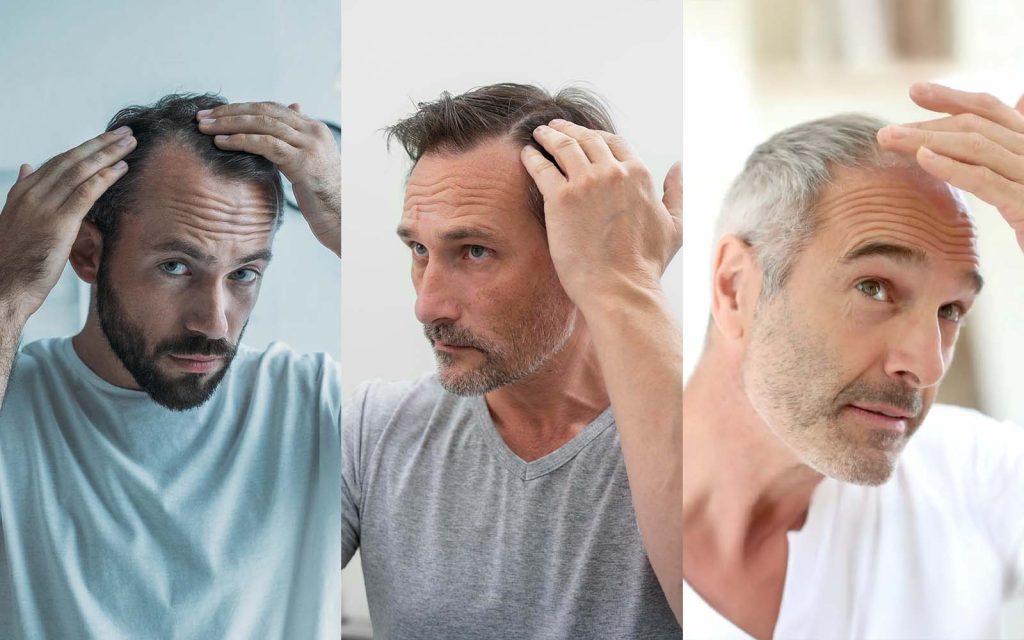
The most recommended hair transplant age range is between 30 and 45 years old. At this stage, most individuals have experienced a consistent pattern of hair loss, which allows surgeons to plan a more accurate and sustainable transplant.
Why this range works:
- Hair loss has typically stabilized.
- The donor hair quality is still strong.
- There’s enough density to allow for natural coverage.
- Patients in this range are usually emotionally and financially ready.
This doesn’t mean other age groups are excluded. It just means results are most predictable in this group.
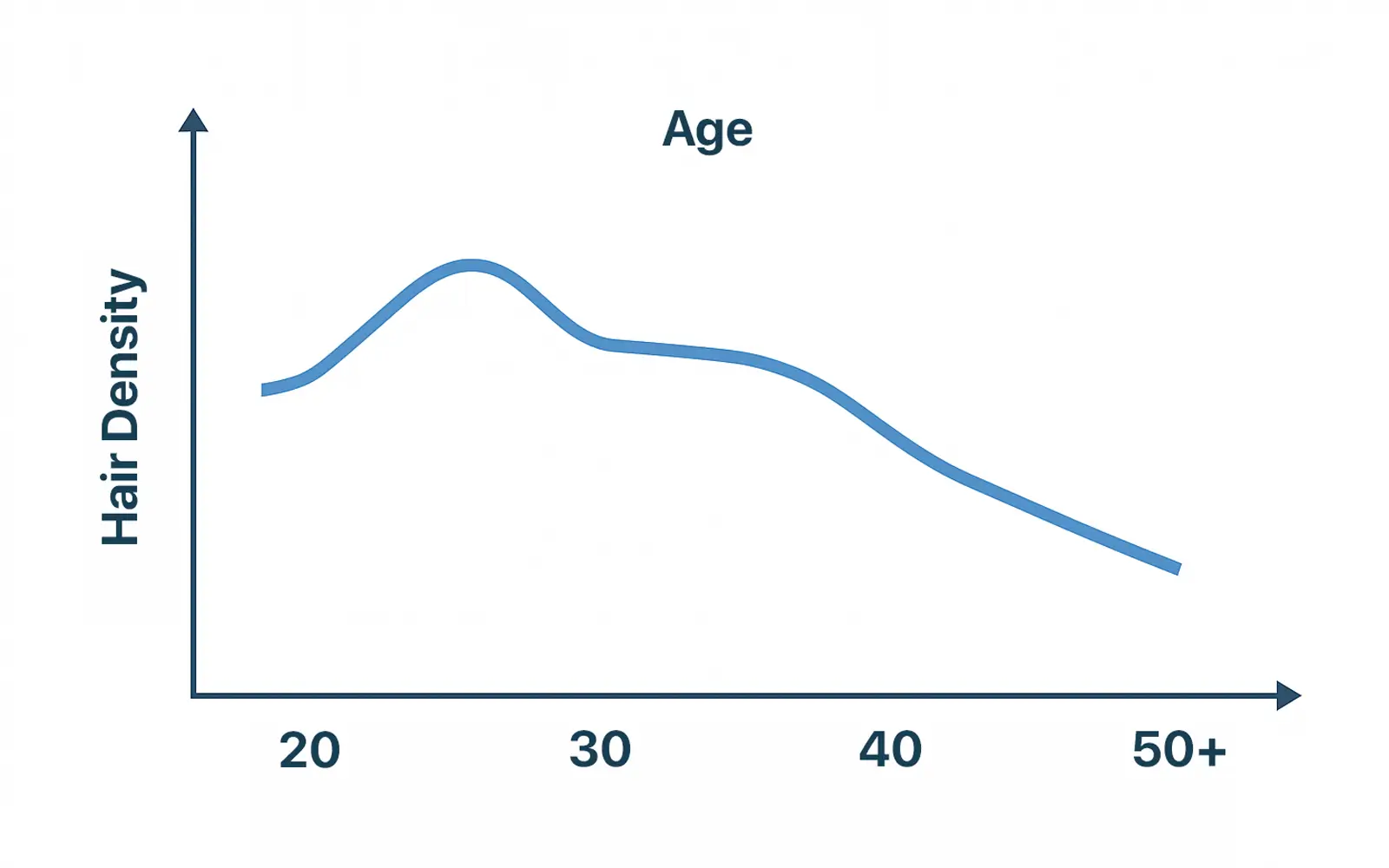
Hair density comparison by age:
What Is the Minimum Age for Hair Transplant?
A common question is: what age can you get a hair transplant? While legally possible at 18, most experienced surgeons—including our team—recommend waiting until at least age 25.
Why waiting is important:
- Hair loss is often still progressing in younger patients.
- Early transplants risk unnatural-looking results later.
- The donor area may be over-harvested if future loss isn’t accounted for.
- Younger patients often request low, aggressive hairlines, which may not age well.
Dr. Ahmet Murat says:
“If a patient is under 25, we rarely proceed without confirming hair loss stabilization. We prioritize medical treatments first. A rushed transplant can lead to multiple corrections later.”
So, is hair transplant age 18 ever acceptable?
Only in exceptional cases—like trauma or scarring alopecia—where the pattern of loss is not progressive. But for most men with male pattern baldness, surgery is best postponed until the mid-to-late 20s.
Hair Transplant in Your 20s: Risks and Opportunities
Many patients consider a hair transplant in their 20s—especially those who begin experiencing early male pattern baldness. While it’s not entirely ruled out, it comes with unique challenges.
[elementor-template id=”19247″]
Potential risks in your 20s:
- Hair loss is usually not yet stable, which increases the risk of continued thinning after the transplant.
- Early surgery can result in islands of transplanted hair surrounded by new bald patches.
- Aggressive hairline designs often requested by younger patients may look unnatural as they age.
Dr. Ahmet Murat explains:
“We always assess whether the patient’s hair loss has been stable for at least 12–24 months. In younger patients, we often delay surgery until we see consistent results from medical therapy first.”
When can a transplant be considered in your 20s?
If:
- Hair loss has stabilized (no major shedding for 1–2 years)
- You’re already on finasteride or minoxidil to maintain existing hair
- You have realistic expectations about long-term maintenance
We also recommend conservative designs, avoiding ultra-low hairlines, and always preserving donor area for future procedures.
Hair Transplant Over 50: Is It Too Late?
Many patients wonder if they’ve missed their chance once they pass the age of 50. The truth is, a hair transplant over 50 can be just as successful—sometimes even more so—when properly evaluated.
Advantages after age 50:
- Hair loss is usually stable, which makes planning easier.
- Expectations are more realistic, leading to higher satisfaction.
- Many patients prioritize natural improvement rather than youthful density.
Considerations:
- Healing may take slightly longer due to skin changes.
- Donor hair quality needs to be thoroughly assessed, especially for those with medical conditions.
- Density may be lower, but results can still look very natural.
Dr. Ahmet Murat says:
“We’ve had excellent outcomes with patients in their late 50s and even early 60s. As long as their donor area is healthy and they’re in good overall health, age isn’t a barrier to success.”
The key to success in this age group lies in careful planning and managing expectations. With proper technique and patient selection, hair transplant age 60 is entirely reasonable.
Factors That Matter More Than Age
While many people focus on the ideal age for hair transplant, the truth is that chronological age is less important than several other clinical and personal factors. Here’s what truly influences transplant success:
Hair Loss Stabilization
This is one of the most important requirements. A successful transplant depends on your hair loss being predictable and consistent. If you’re still actively shedding, there’s a risk that the transplanted area will remain intact while surrounding hair continues to thin.
Dr. Ahmet Murat emphasizes:
“We always evaluate whether the patient’s hair loss has been stable for 12 months or more. If not, we focus on medical stabilization before recommending surgery.”
Donor Hair Quality
A full, dense donor area—usually located on the back and sides of the scalp—is essential. Regardless of age, poor donor hair quality can limit the amount of transplantable hair and reduce the success rate.
Scalp Health and Elasticity
Healthy, flexible skin allows for smoother graft placement and better healing. Factors like sun damage, scarring, or medical conditions can affect this—sometimes more so than age itself.
Expectations and Lifestyle
Patients in their 30s may want aggressive density and low hairlines, while those in their 50s may prefer conservative coverage. What’s important is that expectations align with what’s medically and aesthetically appropriate for the individual.
Hair Transplant Candidacy by Age Group
| Age Range | Suitability | Key Considerations | Risks | Recommended Strategy |
|---|---|---|---|---|
| 18–24 | Not recommended (except for special cases) | Hair loss still evolving, unstable pattern | High risk of future thinning, overharvesting | Medical treatment first (e.g., finasteride), monitor progression |
| 25–29 | Conditional | Some cases may be stable, but must confirm | Future loss likely; aggressive hairlines risky | Conservative design, ongoing stabilization, DHI preferred |
| 30–39 | Ideal | Hair loss usually stable, donor area strong | Minimal | Natural density, personalized hairline, FUE or DHI |
| 40–49 | Very suitable | Clear loss pattern, lower aesthetic demands | Minor decrease in skin elasticity | Medium density restoration, realistic planning |
| 50–59 | Suitable with assessment | Donor strength varies, healing slower | Slightly reduced yield | Focus on framing, conservative density, consider health status |
| 60+ | Possible with good donor health | Requires medical clearance, soft design | Slower healing, reduced skin laxity | Small-scale restoration, realistic goals, low trauma methods |
FUE vs DHI: Which Technique Fits Your Age?
When it comes to selecting a technique, age can play a role in determining which method will offer better outcomes. Both FUE (Follicular Unit Extraction) and DHI (Direct Hair Implantation) are widely used and effective, but certain age groups may benefit more from one over the other.
FUE: Best for Larger Areas and Mature Hair Loss
- Ideal for patients with extensive balding, typically in their 30s or older
- Allows for a higher number of grafts in a single session
- Slightly more visible scabbing during healing, which may matter less to older patients
- Suitable for those who are not concerned about shaving the donor and recipient areas
DHI: Precision for Younger and Female Patients
- Suitable for younger patients or those with early-stage thinning
- Often preferred by women or men who want to avoid shaving their head
- Allows for more control in graft angle and density, especially in frontlines
- Shorter recovery time and less bleeding
Dr. Ahmet Murat says:
“At Hermest, we choose between FUE and DHI based on medical logic, not marketing. For younger patients with minimal loss, DHI provides finesse. For older patients needing coverage, FUE delivers density.”
The decision isn’t about which technique is ‘better’ in general—it’s about matching the right method to the patient’s age, hair type, and aesthetic goals.
Female Hair Transplant Age and Considerations
Hair loss in women is often more diffuse and less predictable than in men, which makes timing and technique especially important. There is no fixed female hair transplant age—suitability depends more on the type and cause of hair loss than a number.
Common triggers in women:
- Hormonal changes (postpartum, perimenopause, menopause)
- Androgenetic alopecia (female pattern baldness)
- Traction alopecia from tight hairstyles
- Scarring alopecia from previous medical treatments
When is the right time?
- Once medical causes are ruled out (thyroid disorders, anemia, PCOS)
- After trying non-surgical treatments like minoxidil or PRP
- If the donor area is dense enough and the thinning is localized
Dr. Ahmet Murat states:
“We see excellent results with female patients between 30 and 55. The key is defining the type of hair loss clearly. Many clinics avoid working with female hair loss due to its complexity, but at Hermest, we have protocols designed specifically for women.”
Hair transplants for women are typically more delicate, often performed using DHI to preserve surrounding hair. Candidates are assessed through detailed trichoscopic evaluation and scalp analysis.
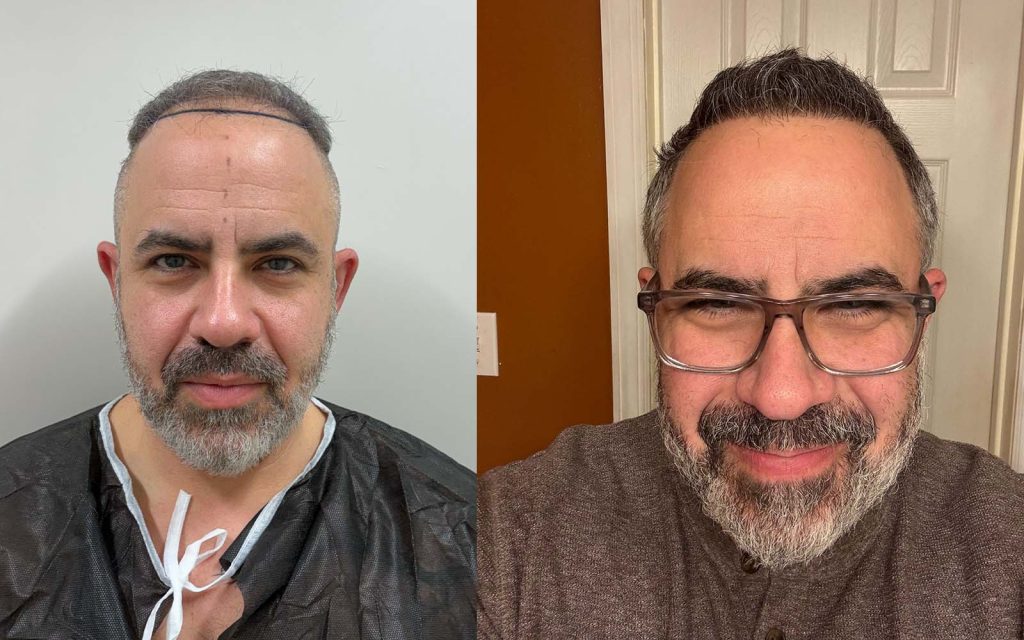
Statistics & Trends: Best Age for Hair Transplant
- Over 60% of hair transplant patients are between ages 30 and 50 – According to the ISHRS (2023), the most common age range for patients undergoing hair transplant surgery is 30–50, aligning with hair loss stabilization.
- Only 6% of patients are under age 25 at the time of transplant – Younger patients are treated cautiously due to the unpredictability of future hair loss and the risk of overharvesting donor zones. (Source: ISHRS Practice Census)
- Hair transplant procedures increased by 34% globally from 2019 to 2022 – Driven by demand in men under 40 and advanced methods like FUE and DHI. (Source: ISHRS 2023 Report)
- Turkey performs more than 450,000 hair transplants annually, many for patients aged 25–45 – Turkey remains the top destination for patients seeking high-density transplants at younger ages. (Source: Turkish Health Tourism Association, 2024)
- 80% of patients who had transplants after age 50 reported high satisfaction but requested conservative designs – Older patients prioritize natural framing over youthful density. (Source: Journal of Aesthetic Surgery, 2023)
- Finasteride can slow hair loss progression in 88% of men aged 25–35 – This often delays the need for surgery or enhances post-transplant retention. (Source: American Hair Loss Association)
- DHI technique is 26% more commonly used in patients under 35 – DHI is favored in younger age groups for its precision and no-shave approach. (Source: European Hair Restoration Clinics Study, 2023)
- Patients aged 20–29 are 2.5x more likely to need a second transplant within 10 years – Due to progressive loss beyond the initially transplanted area. (Source: International Hair Research Foundation, 2022)
- Only 15% of women undergoing hair transplants are under 35 – Female hair loss often appears later in life and is treated surgically only when other therapies are insufficient. (Source: ISHRS Female Hair Loss Report)
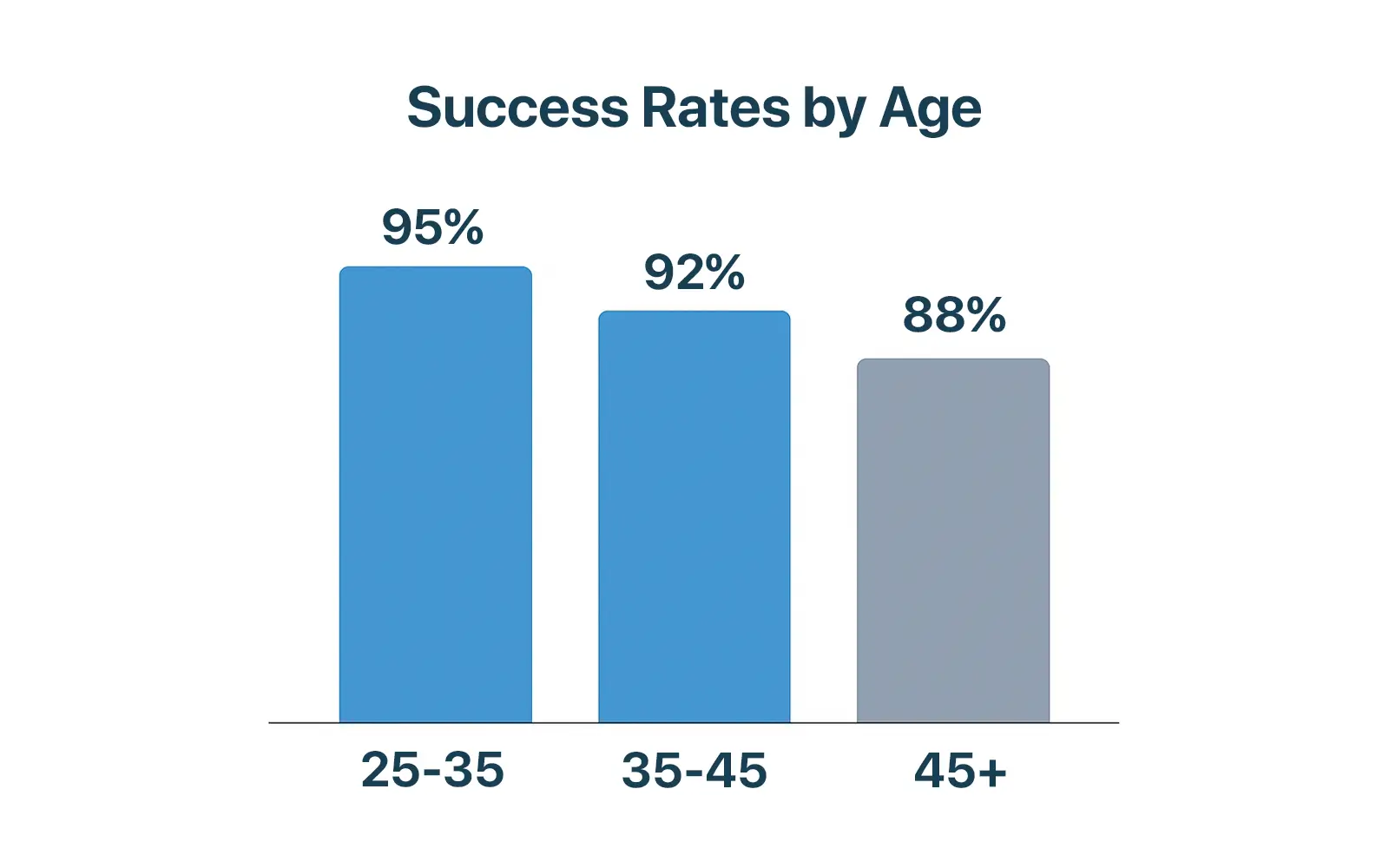
- Up to 92% graft survival rate is achievable in patients aged 30–45 when using high-density Sapphire FUE – This age range delivers optimal healing, predictable design, and high satisfaction. (Source: Hermest Hair Clinic Internal Data, 2024)
Important Questions & Answers
What happens if you get a hair transplant too early?
Getting a hair transplant too early—especially before hair loss stabilizes—can lead to uneven results as native hair continues to thin. It often creates unnatural gaps that require corrective surgeries later. Most surgeons recommend waiting until at least your mid-20s with stable loss before proceeding.
Who is not a good candidate for a hair transplant?
People with uncontrolled hair loss, poor donor hair density, unrealistic expectations, or certain medical conditions (like uncontrolled diabetes or clotting disorders) may not be suitable candidates. A full consultation including scalp analysis is essential to determine eligibility.
How do doctors determine hair loss stabilization?
Doctors assess stabilization by examining changes over 12–24 months, comparing trichoscopic images, and reviewing patient history. If there’s little to no shedding and the Norwood stage hasn’t changed, hair loss may be considered stable enough for surgery.
Why is donor hair quality so important for transplant success?
Donor hair—usually from the back and sides of the scalp—must be thick, healthy, and resilient. If donor density is low or the follicles are weak, transplant results will be thin and may not last. Donor quality directly affects long-term coverage and natural appearance.
Will a second hair transplant be needed later in life?
Yes, it’s possible. Hair loss may progress over time, even after a successful first transplant. Some patients choose a second session years later for density enhancement or to cover newly thinned areas. This is why long-term planning is critical from the start.
What’s the difference between transplanting at age 30 vs. age 50?
At 30, hair loss may still be progressing, requiring conservative design and medical treatment. At 50, loss is often stable, allowing for more defined planning. Healing may be slower at older ages, but satisfaction tends to be higher due to more realistic expectations.
How long should I try medication before considering surgery?
Most doctors recommend trying FDA-approved treatments like finasteride or minoxidil for 6–12 months to assess hair retention. These treatments can slow loss and even regrow some hair. If results plateau or loss continues, surgery may be considered.
Where is the donor hair taken from in a transplant?
Donor hair is usually harvested from the occipital scalp—back and sides of the head—because it’s genetically resistant to balding. These hairs are more likely to stay permanently after transplantation, making them ideal for both FUE and DHI procedures.
Thinking About a Hair Transplant?
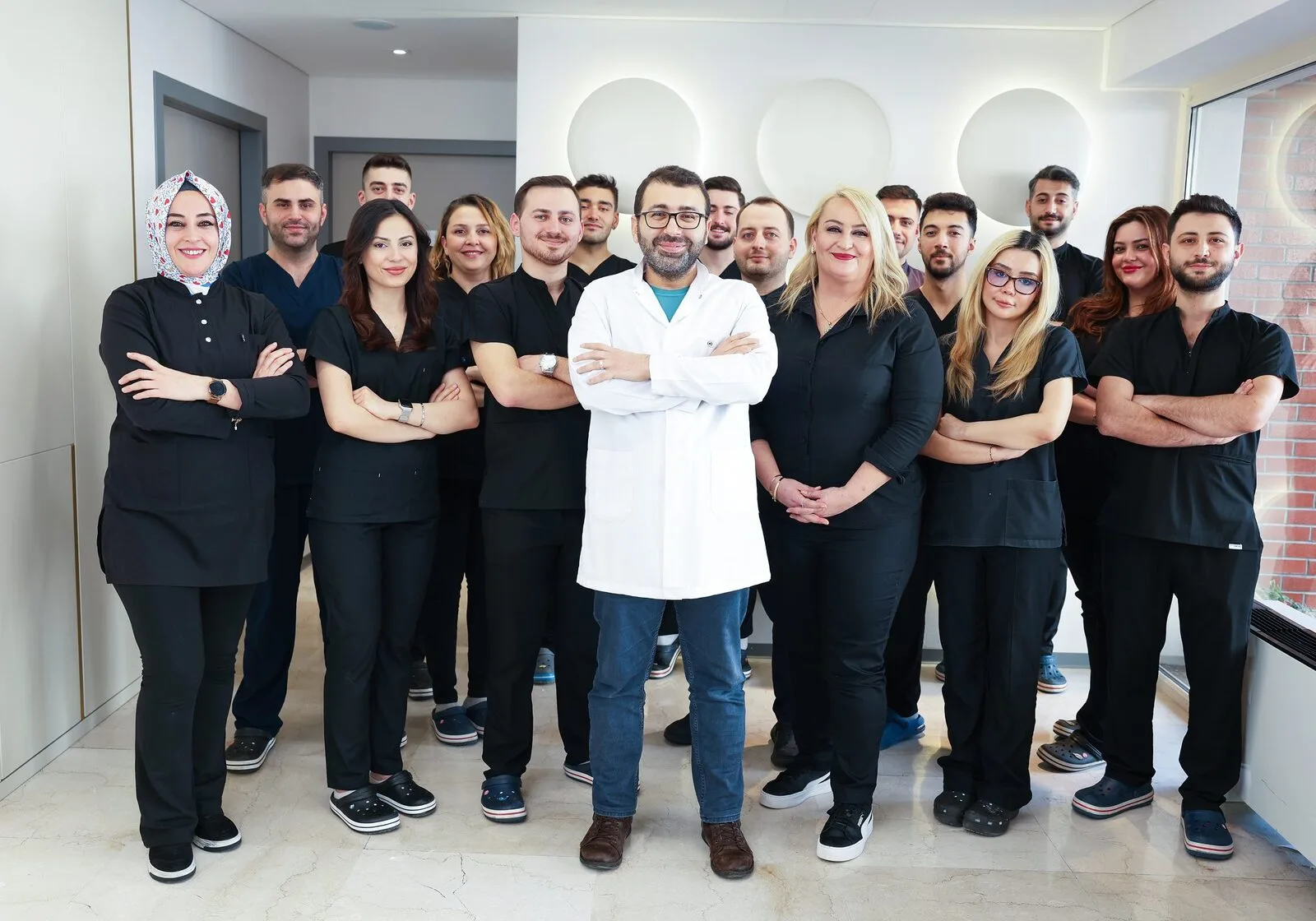
Whether you’re in your 20s or beyond 60, the right time is when your hair loss is stable, your donor area is ready, and you’re working with a clinic that tailors treatment to your profile. Schedule a consultation with Hermest Clinic today to schedule your free consultation and receive a scientifically backed, age-appropriate treatment plan from experts who understand what really matters.
Who evaluates if you’re ready for a transplant at Hermest Hair Clinic?
At Hermest, your candidacy is assessed by a senior medical team led by Dr. Ahmet Murat. We conduct trichoscopic analysis, evaluate donor density, review your hair loss history, and consider your age, goals, and expectations before proposing any surgical solution.
How does Hermest ensure age-appropriate transplant results?
We design hairlines and densities based on each patient’s age, facial structure, and progression pattern. Our medical team uses advanced techniques like Sapphire FUE or DHI, selected case by case, to achieve natural, sustainable outcomes—whether you’re 25 or 65.