Age-Related Hair Thinning
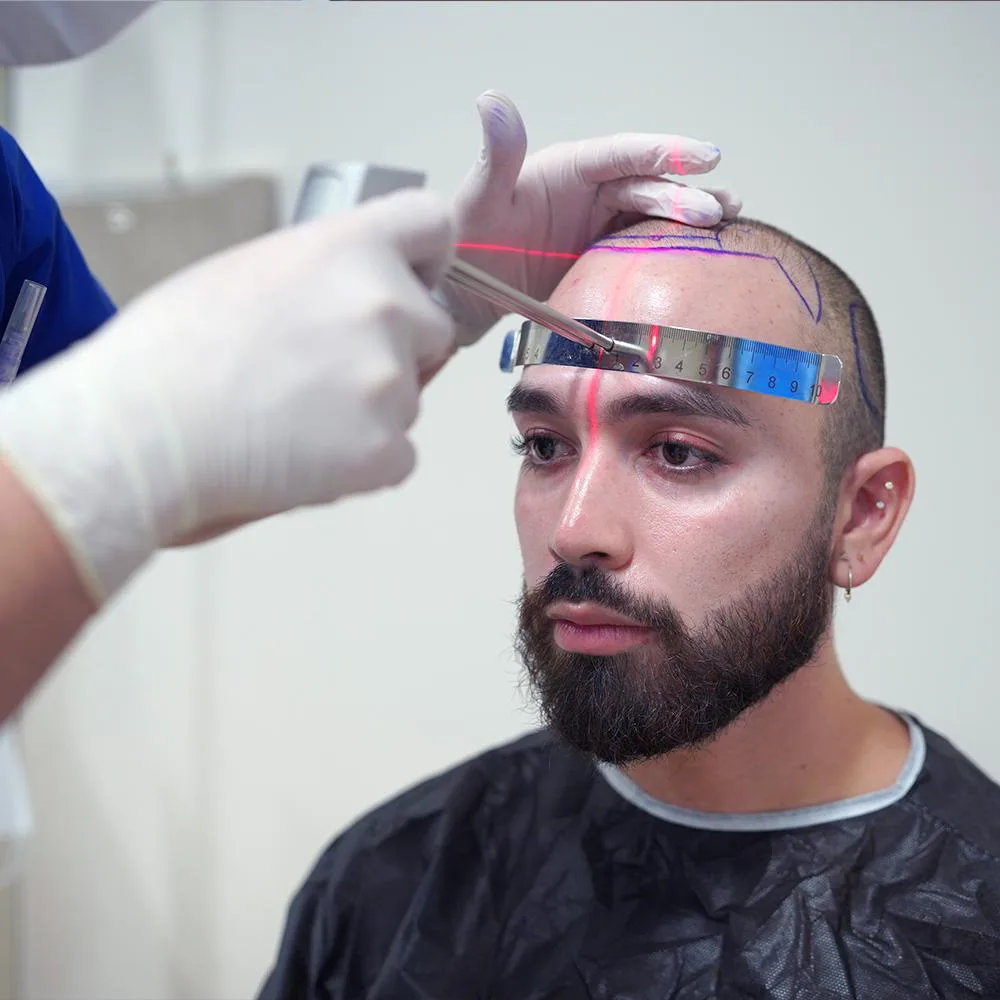
One of the most common hair loss reasons is simply getting older. As people age, hair follicles shrink, the growth phase shortens, and new hairs grow thinner. This affects both men and women, although patterns differ. In men, FUE hair transplant becomes more common as a corrective option for male pattern baldness, while in women, diffuse thinning is more frequent due to hormonal shifts after menopause.
Unlike some other causes, age-related hair loss tends to be gradual and permanent. However, treatments like minoxidil, PRP therapy, and lifestyle adjustments may slow the process.
Stress-Induced Hair Loss (Telogen Effluvium)
Stress doesn’t just impact your mind; it shifts your hair into the resting phase. This results in a type of shedding called telogen effluvium, where more follicles than usual stop producing hair for a period of time.
Common triggers include:
- Emotional stress (grief, anxiety, trauma)
- Physical stress (illness, surgery, weight loss)
- Major life changes (job loss, divorce, burnout)
Shedding typically begins 2–3 months after the stressor and may last several months. Unlike scarring alopecias, follicles are not permanently damaged—recovery is possible with time, reduced stress, and healthy nutrition.
Pregnancy Hair Loss Causes & Postpartum Shedding
Many women enjoy thicker hair during pregnancy due to elevated estrogen, but this often reverses after childbirth. As hormone levels drop, a sharp increase in shedding, postpartum telogen effluvium, can occur.
This usually begins around 2–4 months after delivery and resolves within 6–12 months. Still, it can be alarming if unexpected. Supportive care includes:
- A nutrient-dense diet (especially iron, zinc, biotin)
- Stress management and adequate sleep
- Gentle styling and scalp massage to stimulate circulation