

PRP Treatment: Benefits, Procedure, Cost & Effectiveness
 ChatGPT
 Claude
 Perplexity
 Grok
Grok
 Gemini

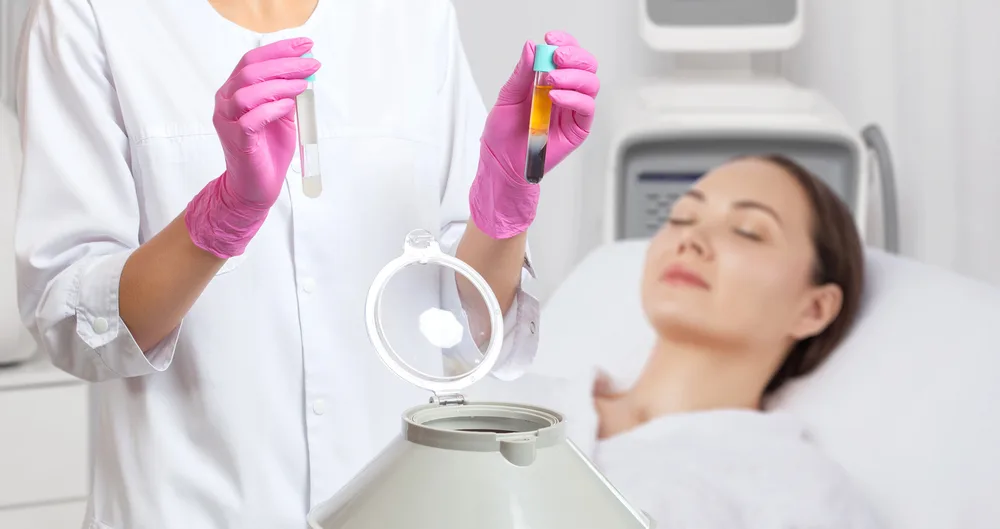
Hair thinning, skin aging, or slow healing can take a toll on both appearance and confidence. Over the last decade, PRP treatment — also known as platelet-rich plasma therapy — has become one of the most in-demand solutions for these concerns. By using your own blood plasma enriched with growth factors, doctors can naturally stimulate repair, regeneration, and new cell activity in targeted areas.
Originally developed in regenerative medicine, PRP is now widely applied in aesthetics. PRP hair treatment is used to slow shedding and encourage regrowth in cases of early-to-moderate hair loss, while PRP skin treatment improves elasticity, reduces fine lines, and helps with acne scars. Because it is an autologous plasma injection — meaning it comes from your own body — the risk of complications is very low compared to synthetic fillers or surgical interventions.
Dr. Ahmet Murat explains: “PRP works because it enhances what the body is already capable of doing. Our role is to prepare the plasma correctly, inject it precisely, and guide the patient with proper aftercare. This scientific and patient-focused approach is what ensures success.”
In this article, we’ll break down exactly how PRP works, its main benefits, potential side effects, who qualifies as a good candidate, treatment costs worldwide, and why countries like Turkey are becoming popular destinations for PRP therapies. By the end, you’ll have a clear, evidence-based picture of whether PRP is the right choice for your hair, skin, or overall wellness goals.
Quick Overview: What Is PRP Treatment?
Platelet-rich plasma (PRP) therapy is a minimally invasive procedure that uses the patient’s own blood to stimulate natural healing and regeneration. By concentrating platelets and growth factors through a centrifuge process, doctors can inject PRP into targeted areas to promote cell repair, tissue recovery, and follicle activity.
The main uses of PRP treatment include:
- PRP hair treatment – strengthens existing follicles, slows shedding, and supports regrowth in early-to-moderate hair loss.
- PRP skin treatment – improves elasticity, smooths wrinkles, reduces acne scars, and restores radiance.
- Regenerative medicine applications – supports healing in joints, tendons, and wounds.
Why it matters: Unlike drugs or synthetic fillers, PRP relies on your body’s own biology. This makes it safe, natural, and compatible with both aesthetic and medical goals.
Key facts at a glance:
- Procedure length: ~45–60 minutes
- Downtime: minimal, usually none
- Sessions: 3–6 initial treatments, then PRP maintenance every 6–12 months
- Common areas: scalp (for hair), face (for skin), and medical applications (orthopedics)
- Safety: generally well tolerated, with only mild, temporary side effects
In short, PRP is more than a cosmetic trend — it’s part of a growing field of regenerative medicine, giving patients a natural way to restore vitality in hair, skin, and beyond.
What Is PRP Treatment & How It Works
PRP treatment, or platelet-rich plasma therapy, is based on a simple but powerful concept: the body can heal itself when given the right stimulation. Platelets in our blood contain growth factors — natural proteins that promote repair, collagen formation, and new cell development. By isolating and concentrating these platelets, doctors can inject them back into the body where regeneration is needed.
PRP Procedure Steps
The process usually takes less than an hour and involves:
- Blood Draw – A small amount of blood is collected from the patient.
- Centrifugation – The blood is spun at high speed to separate red cells from plasma rich in platelets.
- Preparation – The concentrated plasma is refined into an injectable solution.
- Injection – Using fine needles, the PRP is injected into the target area: scalp, face, or other tissues.
Since PRP comes from the patient’s own blood, it’s considered an autologous plasma injection, which significantly reduces the risk of allergy or rejection.
The Science Behind PRP
Once injected, growth factors in PRP trigger the body’s repair mechanisms. In the scalp, they stimulate dormant follicles, improving thickness and density. In the skin, they boost collagen and elastin production, improving texture, tone, and elasticity. In medicine, PRP supports tendon and joint healing.
Dr. Ahmet Murat says: “Patients often ask if PRP really works. The science is clear: growth factors enhance natural healing processes. But the outcome depends on technique. That’s why we use precise preparation and injection methods — the details matter for real, lasting results.”
This biological approach explains why PRP is gaining ground as a safe, versatile solution across both aesthetic and medical fields.
PRP for Hair Loss
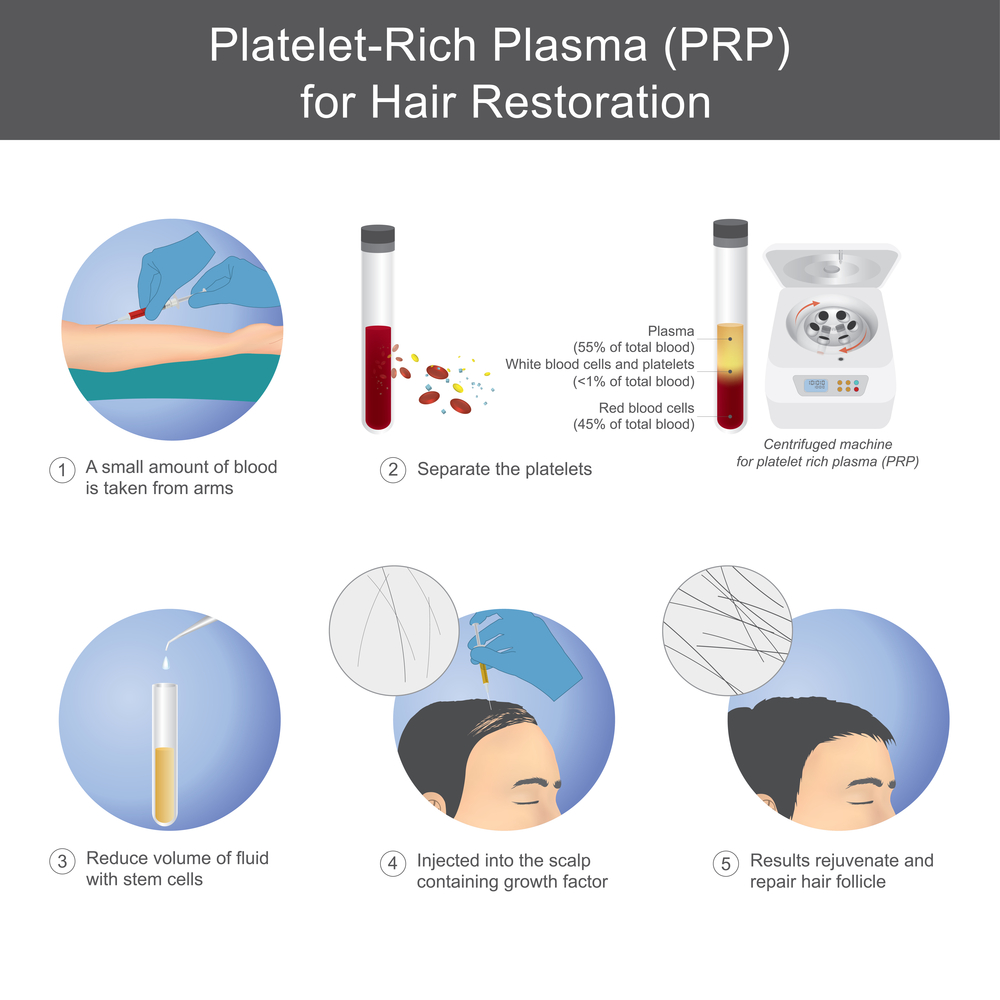
Among all applications, PRP hair treatment has become the most widely discussed and researched. Hair loss affects both men and women, often leading to stress and reduced confidence. While medications like minoxidil or finasteride are common, they don’t work for everyone. This is where PRP for hair loss provides a non-surgical, natural alternative.
How PRP Helps the Scalp
When injected into the scalp, platelet-rich plasma delivers concentrated growth factors directly to the follicles. These signals:
- Stimulate dormant follicles back into activity
- Increase blood supply to the scalp
- Strengthen existing hair shafts
- Slow down shedding and miniaturization
For women, PRP is especially useful for diffuse thinning, while men often use it to improve density in early to moderate balding stages.
PRP for Alopecia Areata and Female Hair Loss
Beyond androgenetic hair loss, studies show PRP may help patients with alopecia areata — an autoimmune condition that causes patchy bald spots. It has also gained attention as a safe option for female hair loss, especially in cases where hormone-based treatments aren’t suitable.
PRP vs Hair Transplant
It’s important to understand that PRP is not a substitute for surgical restoration. In areas where follicles are completely lost, a transplant is the only permanent solution. However, many patients choose a PRP vs hair transplant combined approach. Using PRP alongside or after surgery helps graft survival, speeds healing, and improves long-term density.
Dr. Ahmet Murat explains: “PRP is one of our most effective tools for patients who are not yet ready for surgery or want to boost their transplant results. We don’t see it as an ‘either/or’ choice but as part of a spectrum of treatments we personalize for every case.”
PRP’s versatility makes it a cornerstone therapy for modern hair restoration strategies.
PRP for Skin Rejuvenation
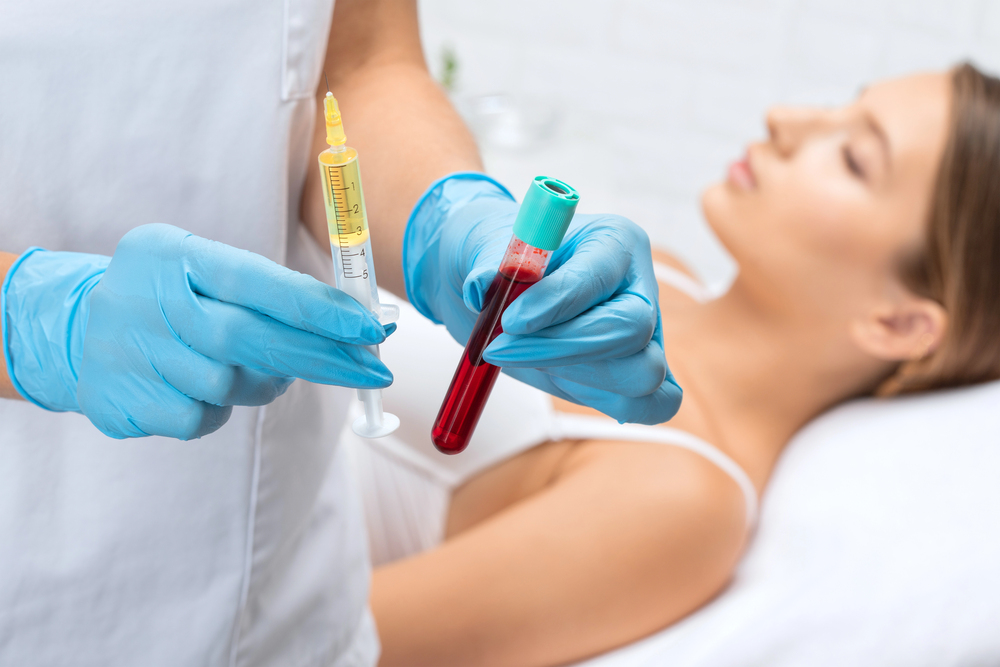
While often associated with hair restoration, PRP skin treatment has become a major trend in aesthetic medicine. By harnessing the regenerative power of platelets, doctors use platelet-rich plasma therapy to restore skin quality, improve texture, and promote a youthful appearance.
How It Works for Skin
When injected into the face or applied with microneedling, PRP delivers growth factors that:
- Stimulate new collagen and elastin production
- Improve circulation and tissue repair
- Enhance hydration and skin thickness
- Support cell turnover for a fresher look
This natural boost helps address common skin concerns without synthetic fillers or invasive surgery.
PRP for Wrinkles and Fine Lines
One of the biggest PRP benefits for skin is wrinkle reduction. Collagen loss is the main reason skin sags with age. By reactivating collagen production, PRP softens fine lines and restores firmness, particularly around the eyes and mouth.
PRP for Acne Scars and Texture
Patients with acne scars often benefit from PRP combined with microneedling. The plasma accelerates healing, reduces scar depth, and evens out texture. Improvements appear gradually, giving results that look natural rather than “done.”
The “Vampire Facial” Trend
Popularized in media, the so-called “vampire facial” is essentially PRP applied to the face after microneedling. Though trendy, its foundation lies in real science: stimulating natural repair through autologous plasma.
Dr. Ahmet Murat says: “Skin aging is a biological process we can’t stop, but we can slow it down. PRP works by reactivating your skin’s own repair mechanisms. We’ve seen excellent outcomes in patients who wanted smoother skin without relying on artificial fillers.”
From wrinkles to acne scars, PRP offers a safe and minimally invasive way to rejuvenate skin and restore confidence.
Benefits & Effectiveness of PRP
One reason PRP treatment has become so popular is its wide range of applications. By relying on concentrated platelets and their growth factors, it supports regeneration in hair, skin, and even medical fields like orthopedics.
PRP Benefits for Hair
- Increases follicle activity and thickness
- Reduces shedding and slows miniaturization
- Improves overall scalp health
- Works for both men and women, including female hair loss and alopecia areata cases
Clinical studies report that most patients experience visible improvement in density after 3–6 sessions. The best outcomes are seen in early to moderate hair loss rather than complete baldness.
PRP Benefits for Skin
- Reduces wrinkles and fine lines
- Improves acne scars and uneven texture
- Boosts elasticity and hydration
- Promotes natural radiance without synthetic fillers
Results build gradually, with smoother, firmer skin typically visible after 2–3 sessions. Because it’s based on the body’s own biology, improvements appear natural and long-lasting.
PRP in Regenerative Medicine
Beyond aesthetics, regenerative medicine PRP is used in sports and orthopedics for tendon injuries, arthritis, and wound healing. This highlights its versatility and strong scientific foundation.
Evidence and Effectiveness
While results vary, PRP has consistently shown a high patient satisfaction rate. It is most effective when combined with a structured plan — whether as stand-alone therapy or alongside transplants and microneedling.
Dr. Ahmet Murat explains: “Patients often ask, ‘How effective is PRP?’ The answer is that it works best when used in the right context. For thinning hair or skin rejuvenation, PRP is an excellent non-surgical solution. But the key is proper evaluation and technique — not every patient is the same.”
With proven applications in both aesthetics and medicine, PRP stands out as a reliable and science-backed therapy.
Who Is a Good Candidate for PRP?
Although PRP treatment is safe and versatile, it isn’t suitable for everyone. Knowing the right PRP candidate criteria helps set realistic expectations and ensures patients achieve the best outcomes.
Ideal Candidates for Hair
Patients with early to moderate thinning benefit most from PRP for hair loss. This includes men with receding density and women experiencing diffuse shedding. Those with functioning but weakened follicles respond well, since PRP stimulates them back into activity. Conditions like female hair loss and alopecia areata may also improve, though results vary depending on severity.
Ideal Candidates for Skin
For PRP skin treatment, patients concerned with early signs of aging — fine lines, loss of elasticity, or acne scars — are excellent candidates. Since the therapy uses autologous plasma injections (your own blood), it’s a natural option for people wanting results without synthetic fillers or invasive surgery.
General Health Criteria
- Non-smokers or those willing to reduce smoking (since it impairs healing)
- Individuals without severe chronic illnesses affecting immunity
- Patients not taking blood-thinning medications that interfere with clotting
- Those committed to completing several sessions and following aftercare
Who Should Avoid PRP?
- Patients with blood clotting disorders or platelet dysfunction
- Women who are pregnant or breastfeeding
- Individuals with severe anemia or active scalp/skin infections
- Cancer patients currently undergoing chemotherapy (PRP may resume afterward)
Dr. Ahmet Murat notes: “We carefully screen each patient before beginning PRP. The treatment is safe, but it must be personalized. Our philosophy is simple — if the patient isn’t likely to benefit, we advise alternative options. Trust is built on honesty, not overselling.”
Side Effects & Safety of PRP
One of the main reasons platelet-rich plasma therapy has gained such popularity is its strong safety profile. Since PRP is derived from the patient’s own blood, it is considered an autologous plasma injection, which minimizes the risk of allergic reactions or rejection. Still, as with any medical procedure, there are potential side effects to be aware of.
Common Side Effects
Most patients tolerate PRP well, but some temporary reactions may occur at the injection site, including:
- Mild redness or swelling
- Tenderness or soreness
- Bruising
- Itching or slight scalp sensitivity
These usually resolve within a few days and rarely interfere with daily activities.
Rare or Serious Risks
Though uncommon, certain issues can occur if protocols aren’t followed:
- Infection (when sterile technique is not observed)
- Injury to blood vessels or nerves
- Excessive pain or prolonged inflammation
- Scarring (very rare)
The likelihood of these complications is low when treatment is performed by qualified medical professionals in a sterile environment.
Why PRP Is Considered Safe
Because PRP uses the patient’s own blood, the therapy avoids the risks associated with synthetic fillers, foreign substances, or donor tissue. Its autologous nature is what makes PRP one of the safest procedures in both aesthetic and medical settings.
Dr. Ahmet Murat says: “Safety is always our first priority. We take every precaution — from proper centrifuge calibration to sterile injection techniques. Patients often feel reassured when they learn PRP comes from their own blood. This is what makes it both safe and natural.”
In summary, PRP side effects are usually mild and temporary, and the treatment is widely regarded as safe. Choosing an experienced provider is the key factor in ensuring consistent results and minimizing risks.
Procedure Timeline, Sessions & Maintenance
Although PRP treatment is a relatively quick procedure, results are not instant. Understanding the timeline, session frequency, and aftercare helps patients set realistic expectations and achieve the best outcomes.
Typical Procedure Timeline
The entire process takes around 45–60 minutes and follows the standard PRP procedure steps:
- A small blood draw from the patient
- Centrifugation to concentrate platelet-rich plasma
- Preparation of the injectable solution
- Fine-needle injections into the target area (scalp, skin, or joints)
Most patients can return to their normal routine immediately after treatment.
PRP Frequency & Sessions
To see visible improvements, patients usually need a series of treatments:
- Hair restoration: 3–6 sessions, spaced 4–6 weeks apart
- Skin rejuvenation: 3–4 sessions, spaced about a month apart
- Maintenance: every 6–12 months to sustain results
Improvements develop gradually, as follicles or skin tissue respond to growth factors over time.
PRP Post-Treatment Tips
After each session, patients are advised to:
- Avoid washing the treated area for 12–24 hours
- Skip saunas, swimming pools, or strenuous workouts for 1–2 days
- Refrain from anti-inflammatory medications (like ibuprofen) that may interfere with platelet activity
- Maintain a healthy diet and lifestyle to support healing
Dr. Ahmet Murat explains: “One of the most important aspects of PRP is consistency. A single session won’t deliver long-term results. We always prepare a treatment plan that includes follow-up and maintenance. Patients who stay committed see stronger, more lasting outcomes.”
PRP Cost
The price of PRP treatment varies widely around the world. Costs depend on the clinic, country, number of sessions, and whether the therapy is combined with other procedures. Since PRP is used for both hair and skin, pricing structures may also differ by indication.
Average PRP Cost per Session
- United States: $500 – $1,500 per session
- United Kingdom: £400 – £900 per session
- Europe (Germany, France, Spain): €350 – €800 per session
- Asia (India, Thailand): $200 – $600 per session
- Middle East: $250 – $700 per session
For PRP hair treatment, many clinics recommend 3–6 initial sessions followed by yearly maintenance, which can make the total cost add up. PRP skin treatment packages are usually priced slightly lower per session, but still require multiple visits.
Packages and Discounts
Many clinics offer PRP packages with bundled pricing for multiple sessions. For example, three scalp treatments may be priced at a reduced rate compared to paying individually. Some aesthetic centers also combine PRP with microneedling or laser therapies, which can increase overall cost but often improve results.
Factors That Influence Cost
- Geographic location and clinic reputation
- Technology and centrifuge equipment used
- Doctor’s expertise and time invested
- Additional treatments included in the package
Dr. Ahmet Murat notes: “Patients sometimes focus only on price, but quality and safety matter far more. A poorly prepared PRP sample will not deliver results, no matter how affordable it is. We explain costs transparently, but we also emphasize the value of precise technique and long-term results.”
Ultimately, PRP cost should be viewed as an investment in gradual, natural improvement. While pricing differs globally, patients should prioritize expertise and safety over the cheapest option.
PRP Treatment in Turkey
Over the past decade, Turkey has become a leading destination for medical tourism, and PRP treatment in Turkey is among the most requested procedures. International patients are drawn by the combination of affordable prices, modern clinics, and highly experienced doctors who specialize in both aesthetic and regenerative medicine.
Why Patients Choose Turkey for PRP
- Advanced clinics: Equipped with state-of-the-art centrifuge systems and sterile environments.
- Expertise: Doctors with international training and extensive experience in PRP hair treatment Turkey and PRP skin treatment Turkey.
- Cost advantage: Prices are typically 50–70% lower than in the US or UK, without compromising quality.
PRP Cost in Turkey
On average, PRP cost Turkey is:
- Hair treatment: $150 – $300 per session
- Skin treatment: $200 – $400 per session
- Package deals: often 3–6 sessions bundled for further savings
This makes Turkey one of the most cost-effective destinations worldwide, especially for patients needing multiple sessions.
PRP Combined with Hair Transplants
Many international patients choose Turkey for hair transplants, and clinics often recommend combining PRP with hair transplant surgery. PRP helps newly transplanted follicles heal faster, increases graft survival rates, and accelerates visible results.
Dr. Ahmet Murat explains: “Turkey’s reputation in hair restoration is well established. PRP plays a vital role in supporting transplants, but it also stands on its own as a treatment for thinning hair or skin rejuvenation. Our approach is to integrate PRP into a broader treatment plan that fits each patient’s unique needs.”
With affordable pricing, world-class expertise, and modern facilities, Turkey continues to attract patients seeking reliable PRP therapies alongside other cosmetic procedures.
Combining PRP with Other Treatments
While PRP treatment is effective on its own, many clinics enhance outcomes by combining it with other therapies. Because PRP uses natural growth factors to boost healing and regeneration, it pairs well with procedures that stimulate or repair the scalp and skin.
PRP vs Hair Transplant

For patients with advanced baldness, PRP alone is not enough since inactive follicles cannot be revived. In these cases, a hair transplant is the definitive solution. However, PRP vs hair transplant should not be seen as a competition — they are often complementary.
Combining PRP with Hair Transplant
Many surgeons now recommend combining PRP with hair transplant surgery. PRP injections before or after the procedure help:
- Increase graft survival rates
- Accelerate healing of donor and recipient areas
- Reduce scarring and inflammation
- Support faster visible growth
This combination has become standard practice in many leading clinics.
PRP with Microneedling
For skin rejuvenation, PRP with microneedling is one of the most popular combinations. Microneedling creates tiny controlled injuries in the skin, and PRP amplifies healing by flooding the area with growth factors. This results in improved collagen production, reduced acne scars, and smoother texture.
PRP with Mesotherapy or Other Therapies
PRP can also be combined with mesotherapy, laser treatments, or stem cell–based approaches. The synergy between these techniques often produces more visible and longer-lasting improvements compared to PRP alone.
Dr. Ahmet Murat notes: “We rarely rely on PRP in isolation. By tailoring treatment plans, we combine PRP with hair transplant or skin therapies for maximum benefit. The key is to customize — no two patients have the same needs, so no two protocols should be identical.”
These combinations highlight PRP’s role as a versatile tool that strengthens the results of both surgical and non-surgical treatments.
PRP Treatment Statistics & Trends
- 70–80% of patients with early to moderate hair loss report visible improvement in density after PRP therapy (Texas Dermatology & Laser Specialists).
- A randomized trial showed a 13% increase in hair density after three PRP sessions compared to baseline (Selphyl, 2023).
- The global PRP market size was valued at USD 476 million in 2023 and is projected to reach USD 1.1 billion by 2030 with a 12.5% CAGR (Grand View Research).
- PRP hair treatment is the second most common non-surgical therapy recommended for androgenetic alopecia after minoxidil and finasteride (ISHRS, 2024).
- A 2022 meta-analysis confirmed PRP’s efficacy in both male and female pattern hair loss, with significant improvements in hair count and thickness (Journal of Cosmetic Dermatology, 2022).
- In the US, the average PRP cost per session ranges from $500 to $1,500, while in Europe it’s €350–€800, and in Turkey $150–$300 (Healthline).
- The “Vampire Facial,” a PRP-based cosmetic procedure, grew by over 120% in popularity between 2015 and 2022, driven by social media trends (American Academy of Aesthetic Medicine).
- Around 60% of hair transplant patients now combine surgery with PRP to enhance graft survival and healing (Cleveland Clinic, 2024).
- A survey found over 85% patient satisfaction among those receiving PRP for skin rejuvenation, citing natural results and minimal downtime (Dermatologic Surgery, 2021).
- By 2025, Turkey is expected to perform over 2 million annual PRP and hair-related procedures, solidifying its role as a global hub for affordable regenerative therapies.
FAQs on PRP Treatment
PRP treatment, or platelet-rich plasma therapy, is a non-surgical procedure that uses concentrated platelets from your own blood. These growth factors are injected into the scalp, skin, or joints to stimulate healing, improve hair density, and boost collagen for smoother skin.
Conclusion
PRP treatment has become one of the most trusted regenerative therapies in both hair restoration and skin rejuvenation. By using your body’s own platelets, it stimulates natural repair processes, making it a safe and versatile option. Whether you’re considering PRP for hair loss, PRP skin treatment, or even combining PRP with a transplant, the therapy offers a minimally invasive way to improve density, texture, and overall confidence.
Key takeaways:
- PRP procedure steps are simple and safe, with little downtime.
- Benefits include stronger follicles, reduced shedding, smoother skin, and improved elasticity.
- Best suited for patients with early-to-moderate hair loss or mild skin aging.
- Side effects are minimal, as it’s an autologous plasma injection.
- Maintenance every 6–12 months keeps results stable.
- PRP cost varies worldwide but is more affordable in medical tourism hubs like Turkey.
Dr. Ahmet Murat concludes: “PRP is not a miracle cure, but when performed with the right protocols, it delivers impressive results. At Hermest, we integrate PRP into holistic treatment plans — sometimes as a stand-alone therapy, other times as part of a transplant — to achieve the most natural and lasting outcomes.”
Take the Next Step with Hermest Hair Clinic
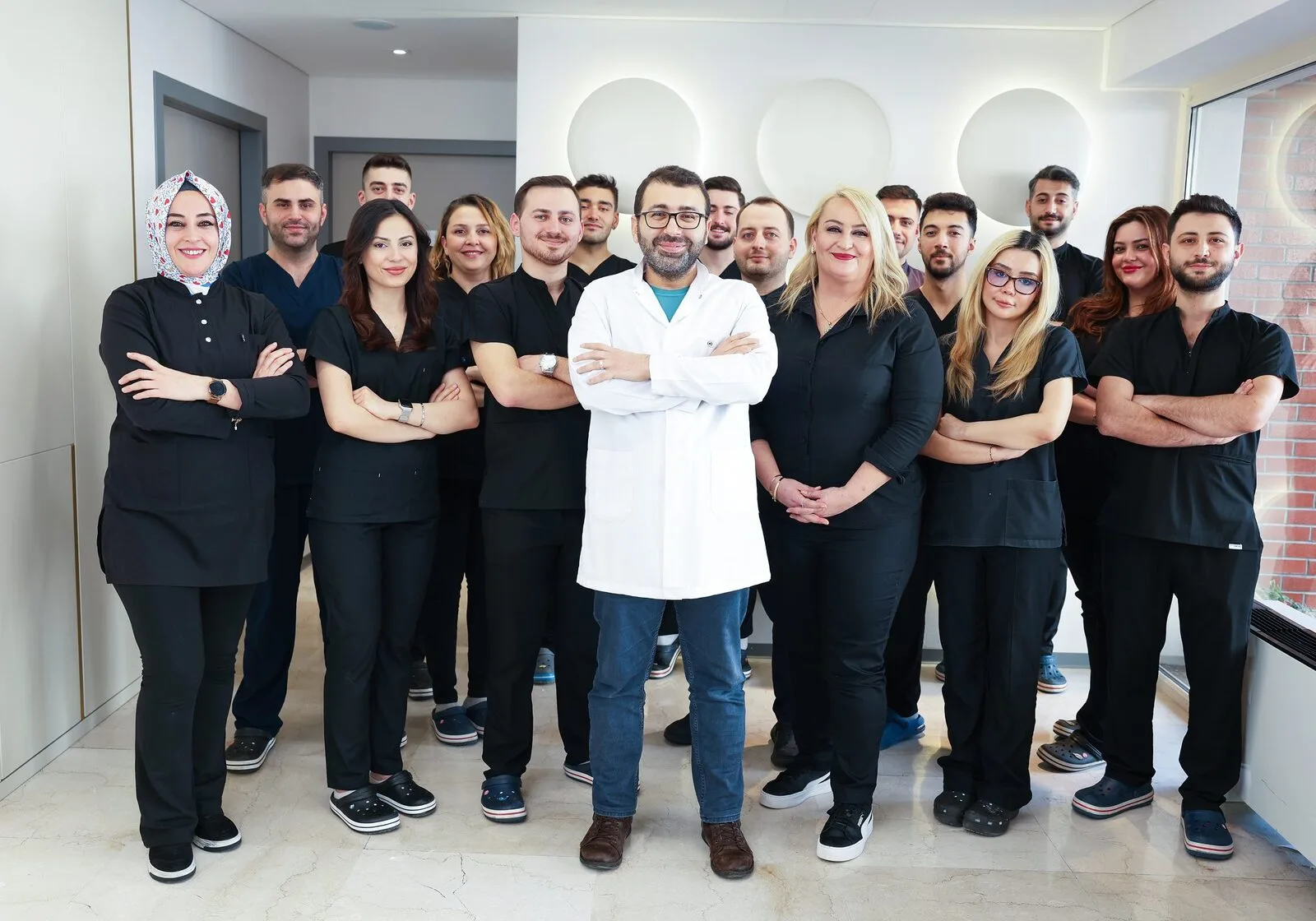
If you are experiencing hair thinning, skin aging, or want to enhance transplant results, Hermest Hair Transplant Clinic offers advanced, science-based PRP protocols tailored to your needs. Our team combines precision, experience, and patient-focused care to ensure you see real improvements.
Contact Hermest Hair Clinic today to schedule your consultation and explore whether PRP — alone or combined with other treatments — is the right step for restoring your confidence and natural look.