Free Hair Analysis

All-In Safety Protocol™

Hermest Hair Clinic's Standard of Patient Safety

A hair transplant is often talked about as a cosmetic treatment, but it is surgery. It can take several hours, it is done under local anaesthesia, and it involves medicines that act on your whole body, not just your scalp. That is why every operation at Hermest Hair Clinic is planned as a medical procedure first, and your safety matters to us as much as your result.

The All-In Safety Protocol™ (AISP) is the safety standard our clinic built on this idea. It covers every stage of your treatment with us, from your first consultation to the end of your first year after surgery. Below, we explain each of its six parts in plain language: what we do, who does it and what it means for you.

All-In Safety Protocol™ seal of Hermest Hair Clinic

The Protocol at a Glance

If you only have a minute, this is the short version:

  • A licensed clinic and certified doctors. Your operation takes place in a clinic licensed by the Turkish Ministry of Health, under doctors who hold the Ministry's Hair Transplant Practitioner Certificate.
  • A cardiologist in the clinic. Our cardiologist checks your heart before surgery and stays in the clinic throughout your operation.
  • Two specialist views. Dermatological and cardiological findings are weighed together before your treatment plan is made.
  • Tests before surgery. Blood tests, allergy and anaesthesia checks and a full review of your medical history.
  • Sterile instruments and strict hygiene. Sterilised instruments, single-use materials and documented hygiene steps.
  • 12 months of follow-up. Our team stays with you until your final result, even after you fly home.

1. A Licensed Clinic and a Certified Medical Team

Our clinic in Kadıköy, Istanbul, is licensed by the Istanbul Provincial Health Directorate of the Turkish Ministry of Health, and its Hair Transplant Unit holds its own operating permit, approved for five procedure rooms. A clinic receives these documents only when it meets defined standards, including infection control, patient safety and emergency preparedness.

You do not have to take our word for it. You can see our licences from the Ministry of Health on our certificates page, each with its document number and issuing authority.

A licence covers the building. The people inside it matter just as much. Our doctors hold the Turkish Ministry of Health Hair Transplant Practitioner Certificate, and Dr. Nesim Tüğen also holds the Ministry's Aesthetic and Cosmetic Applications Certificate. Our team follows new research and techniques in the field closely and takes part in the congresses, symposia and training events of national and international hair restoration societies.

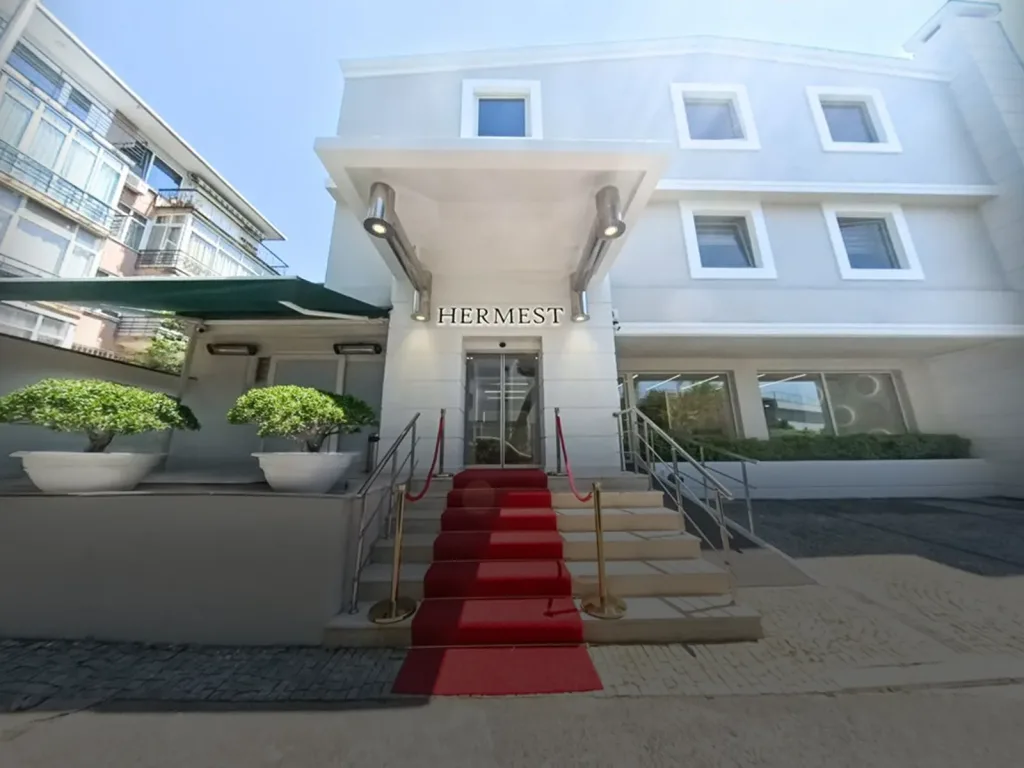
Entrance of the Hermest Hair Clinic building in Istanbul

2. A Cardiologist in the Clinic and Emergency Readiness

This is one of the things that sets Hermest apart. Our Medical Director, Dr. Ahmet Murat, is a cardiology specialist. He checks your heart before surgery and is in the clinic for the whole of your operation, which he supervises together with Dr. Nesim Tüğen.

Why a cardiologist? The local anaesthetic used in a hair transplant often contains adrenaline, which can briefly speed up the heart. For most people this settles quickly, but for someone with high blood pressure or a heart condition it needs a trained eye. A review in the Journal of Cutaneous and Aesthetic Surgery recommends a heart check and a doctor's assessment before surgery, especially for patients over 40, and monitoring of heart rate and blood pressure during the procedure.

During your operation:

  • your heart rate and oxygen level are tracked continuously
  • your blood pressure is checked at regular intervals
  • our nurses and both doctors keep an eye on these readings throughout

Our second doctor, Dr. Nesim Tüğen, has worked as an emergency medicine physician and has completed adult and paediatric advanced life support training. Emergency medicine teaches a doctor to spot the first signs of a problem, set priorities and act straight away. With cardiology and emergency experience in the same clinic, our team can respond the moment something changes.

If a medical emergency happens: the clinic is equipped with a defibrillator, oxygen supply, patient monitors and an emergency drug kit. If a patient needs hospital care, they are taken by ambulance to one of the Florence Nightingale hospitals, with which we have a contract.

This extra layer of care is especially reassuring if you live with a long-term condition, take regular medication or are an older patient.

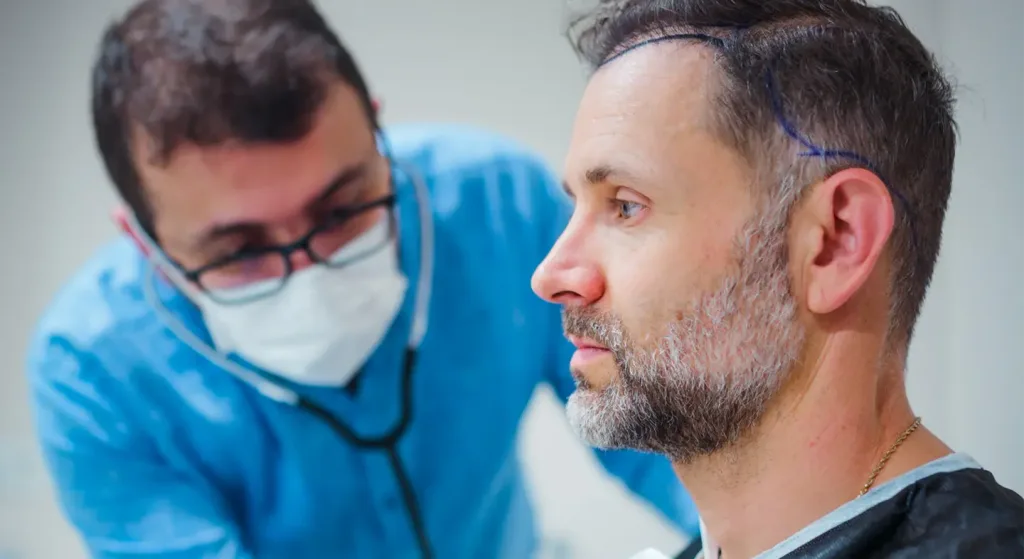
Hermest doctor checking a patient with a stethoscope before a hair transplant

3. Multidisciplinary Review: Two Specialties, One Plan

A good result depends on surgical skill, but also on an accurate picture of your overall health. That is why every case at Hermest is reviewed by a multidisciplinary team that brings dermatological and cardiological expertise together:

  • Dermatological assessment: what is causing your hair loss, how healthy your scalp is and how much your donor area can safely give.
  • Cardiological assessment: whether your general health is suitable for the procedure.
  • Joint decision: your treatment plan is drawn up by weighing both sets of findings together.

For you, this means your plan is built around your health, not only your hairline. If something needs attention first, we tell you openly, and the operation goes ahead only when it is safe for you.

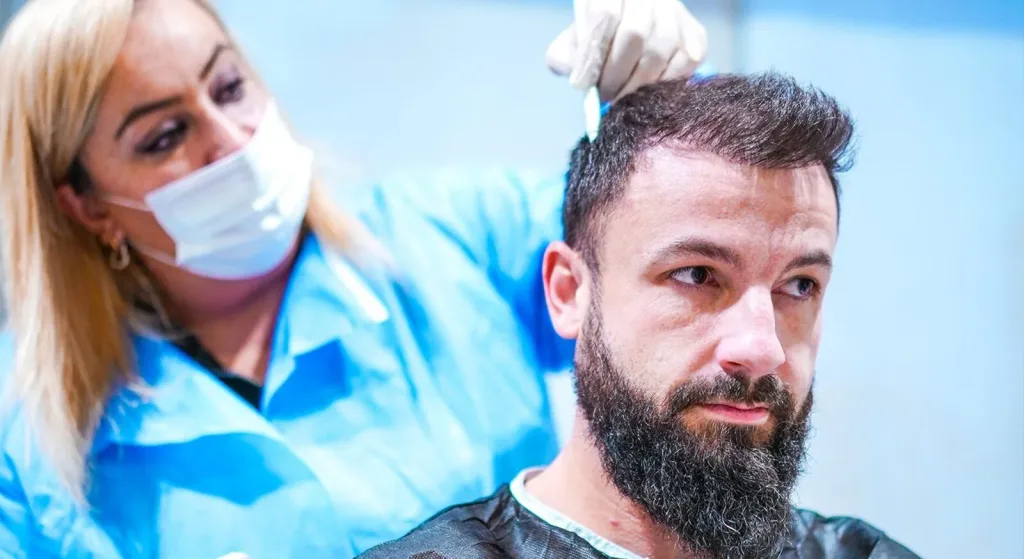
Hermest team member examining a patient's scalp and hair before a hair transplant

4. Thorough Health Checks Before Surgery

Before your operation, you have:

  • a full blood analysis
  • allergy and anaesthesia checks
  • a cardiac check-up with Dr. Ahmet Murat
  • a detailed review of your medical history and the medicines you take

These checks look for anything that could affect your safety on the day, such as how well your blood clots, signs of infection, long-term conditions and current medications. The aim is to find risks before the day of surgery, not during it, and to prepare a treatment plan for you as an individual. The operation goes ahead only when your results show that you are ready.

What you can do: tell us about every medicine you take, especially blood thinners and heart or blood pressure medicines. Please never stop or change a medicine on your own before surgery. If a change is needed, your doctors will decide it together with you.

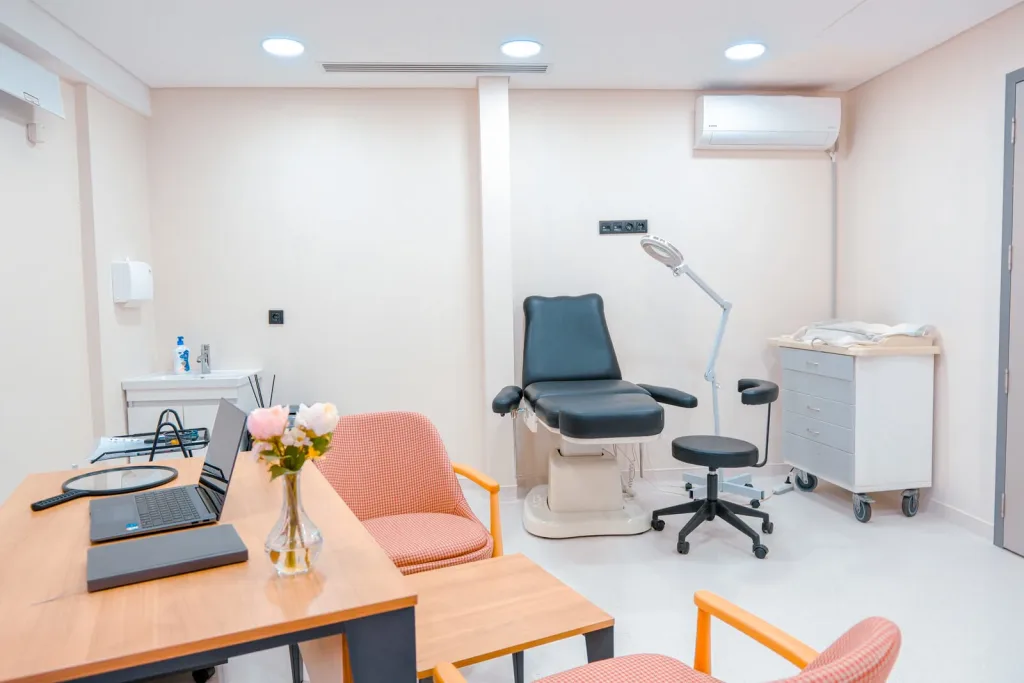
Examination room with a treatment chair and examination lamp at Hermest Hair Clinic

5. Sterile Instruments and Strict Hygiene

Infection is a risk in any surgery, so hygiene is built into every step of your treatment. All surgical instruments and equipment go through sterilisation before use, and single-use materials are used once and then discarded.

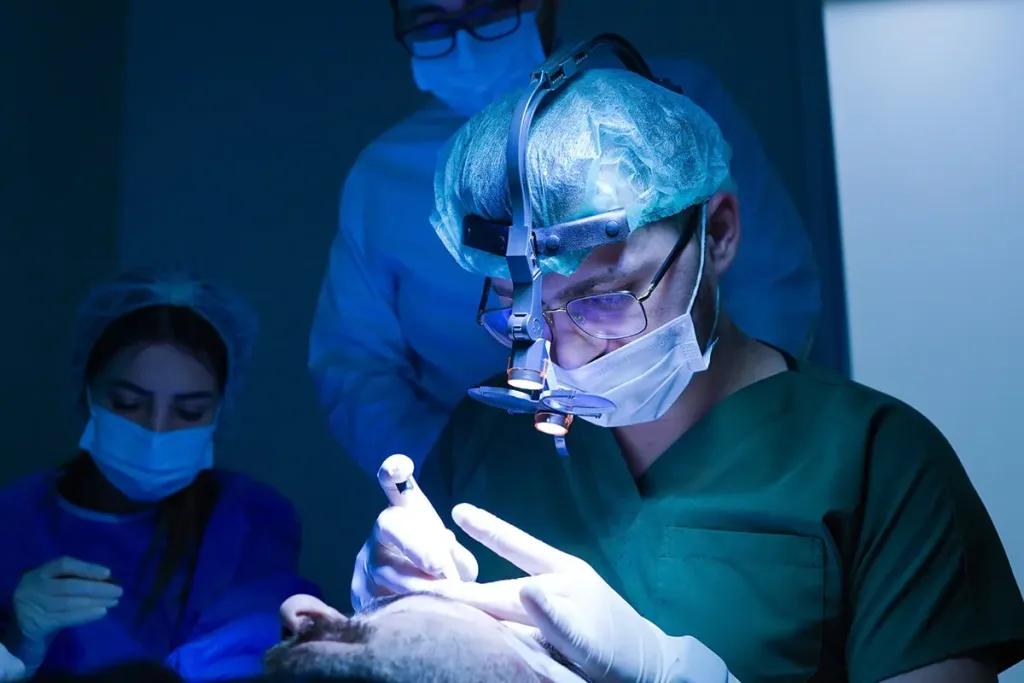
Every step, from the hygiene of the procedure room to the handling of each material, is carried out and documented in a way that keeps the risk of infection as low as possible. During your operation, our medical team works in surgical caps, masks and gloves.

Hermest surgical team in caps, masks and gloves during a hair transplant in the operating room

6. Twelve Months of Follow-Up After Surgery

Your treatment does not end when you leave the clinic. Before you go, a doctor checks you again, including the treated area and all your vital signs. And because a hair transplant takes about a year to show its final result, you then stay in a planned follow-up programme for 12 months. It includes:

  • step-by-step monitoring of your healing
  • checks of your result at set points along the way
  • answers to your questions from our specialist team
  • updated care and treatment advice whenever you need it

Our Follow-Up team stays in touch with you throughout this time. When something looks different from what is normally expected, they discuss it with our doctors straight away, so that any problem is noticed as early as possible. If you travelled to us from abroad, this support continues after you return home.

What the first year usually looks like: every patient heals at their own pace, but as a rough guide, the scabs fall off around day 10, new hair starts to settle in from about the third month, growth and the new hairline are clearly visible by month 6, and the final result shows at around 12 months. Our hair transplant timeline explains each stage in more detail.

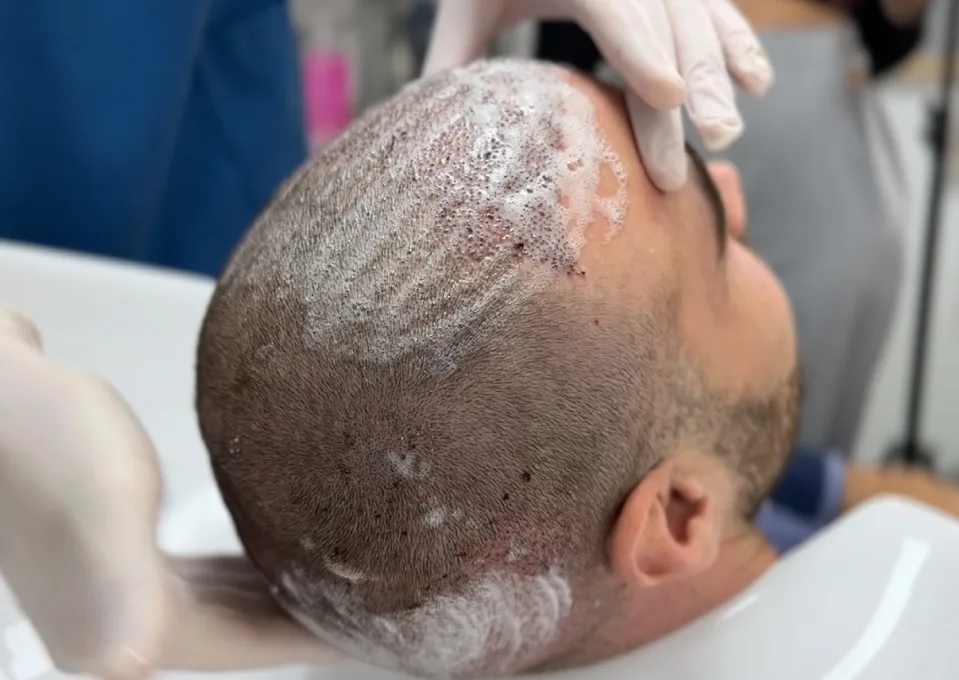
Nurse gently washing a patient's scalp after a hair transplant

How You Can Check Our Safety Yourself

A safety promise is only worth something if you can check it. Before you book with any clinic, including ours, we suggest you:

  • Look at the documents. Our licences and permits are shown in full on our certificates page, with the document number and issuing authority of each one.
  • Verify the operating permit. Our Hair Transplant Unit permit carries a verification code that you can check on the Turkish e-Government portal.
  • Check the doctors. Both doctors' diplomas and Ministry certificates are shown on their profile pages.
  • Ask who does what. Ask who will check your heart, who opens the channels and who will be in the clinic on the day of your operation. A trustworthy clinic answers these questions clearly.

For more on what to look for, read our guide to the red flags to watch for when choosing a clinic in Turkey.

Why the All-In Safety Protocol™?

At a time when the hair transplant industry often puts speed and volume first, Hermest Hair Clinic chose a different order of priorities: safety first, aesthetics second. The AISP brings our years of surgical experience and our patient-centred approach together in one clear standard, and it guides the care of every patient we treat. More than 20,000 patients from 62 countries have trusted us with their treatment.

Our patients do not only trust us with their hair. They trust us with their health. The All-In Safety Protocol™ is the name of our commitment to that trust.

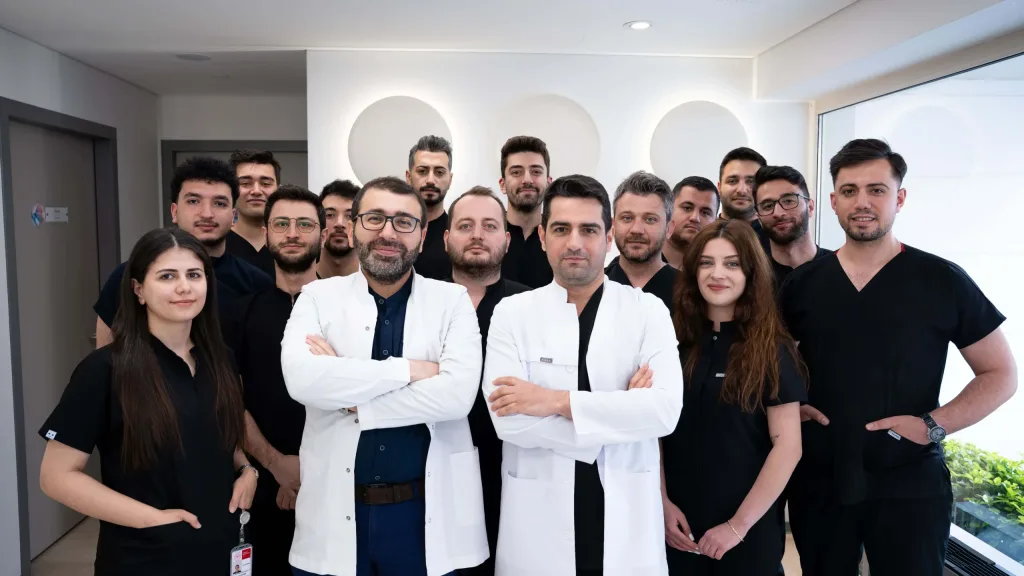
Hermest Hair Clinic doctors and clinical team in the Istanbul clinic

Frequently Asked Questions About Patient Safety

These are the safety questions our patients ask us most often.

Is a hair transplant safe?

Serious complications are rare when a hair transplant is done by an experienced team in a licensed clinic. Like any surgery, it still carries some risk, such as infection, bleeding or a reaction to a medicine. The AISP is designed to find these risks early and keep them as low as possible. You can read more about possible complications and risks in our detailed guide.

Who looks after me during the operation?

Your operation is carried out by our medical team under the supervision of Dr. Ahmet Murat and Dr. Nesim Tüğen, who share medical responsibility for it. Dr. Nesim Tüğen opens the recipient channels for every patient, and Dr. Ahmet Murat, our cardiologist, is in the clinic throughout.

I have high blood pressure or a heart condition. Can I still have a hair transplant?

That depends on your condition, and it is exactly what your cardiac check-up is for. Dr. Ahmet Murat looks at your medical history, the medicines you take and your current health, and the operation goes ahead only if it is safe for you. Please tell us about your condition when you first contact us, and never stop a medicine on your own.

What happens if there is a medical emergency?

Our clinic is equipped with a defibrillator, oxygen and emergency medication, and our doctors and nurses are on site during every operation. If a patient needs hospital care, they are taken by ambulance to one of the Florence Nightingale hospitals, with which we have a contract.

What if I have a problem after I fly home?

Contact our Follow-Up team. They stay in touch with you for 12 months after your operation, and if something looks unusual, they discuss it with our doctors. Especially in the first days after surgery, tell us straight away if you notice anything unusual or do not feel well.

WhatsApp

Support

Hi! How can we help you?