
Hair Shedding vs Hair Loss: How to Tell the Difference
 ChatGPT
 Claude
 Perplexity
 Grok
 Gemini

Hair Shedding vs Hair Loss can look similar, but they are not always the same problem. Shedding 50 to 100 hairs daily is a normal part of the hair growth cycle. Excessive shedding often happens after illness, stress, or hormonal changes and may be temporary. Progressive hair loss, however, can cause visible thinning, a receding hairline, or bald patches.
The important thing is knowing what is happening to your hair and why. This guide explains the key differences, common causes, signs of regrowth, and when to seek medical help.
Quick Insights
- Losing 50–100 hairs daily is a normal part of the hair growth cycle.
- Excessive shedding can result from stress, illness, childbirth, hormonal changes, or nutritional deficiencies.
- Temporary shedding often improves within 3–6 months, although full regrowth may take longer.
- Progressive hair loss may cause a receding hairline, widening part, or thinning crown.
- Hair transplants may help selected patients with permanent pattern hair loss but are not usually needed for temporary shedding.
- Persistent shedding, bald patches, or scalp irritation require professional medical evaluation.
Hair Shedding vs Hair Loss: 7 Key Differences
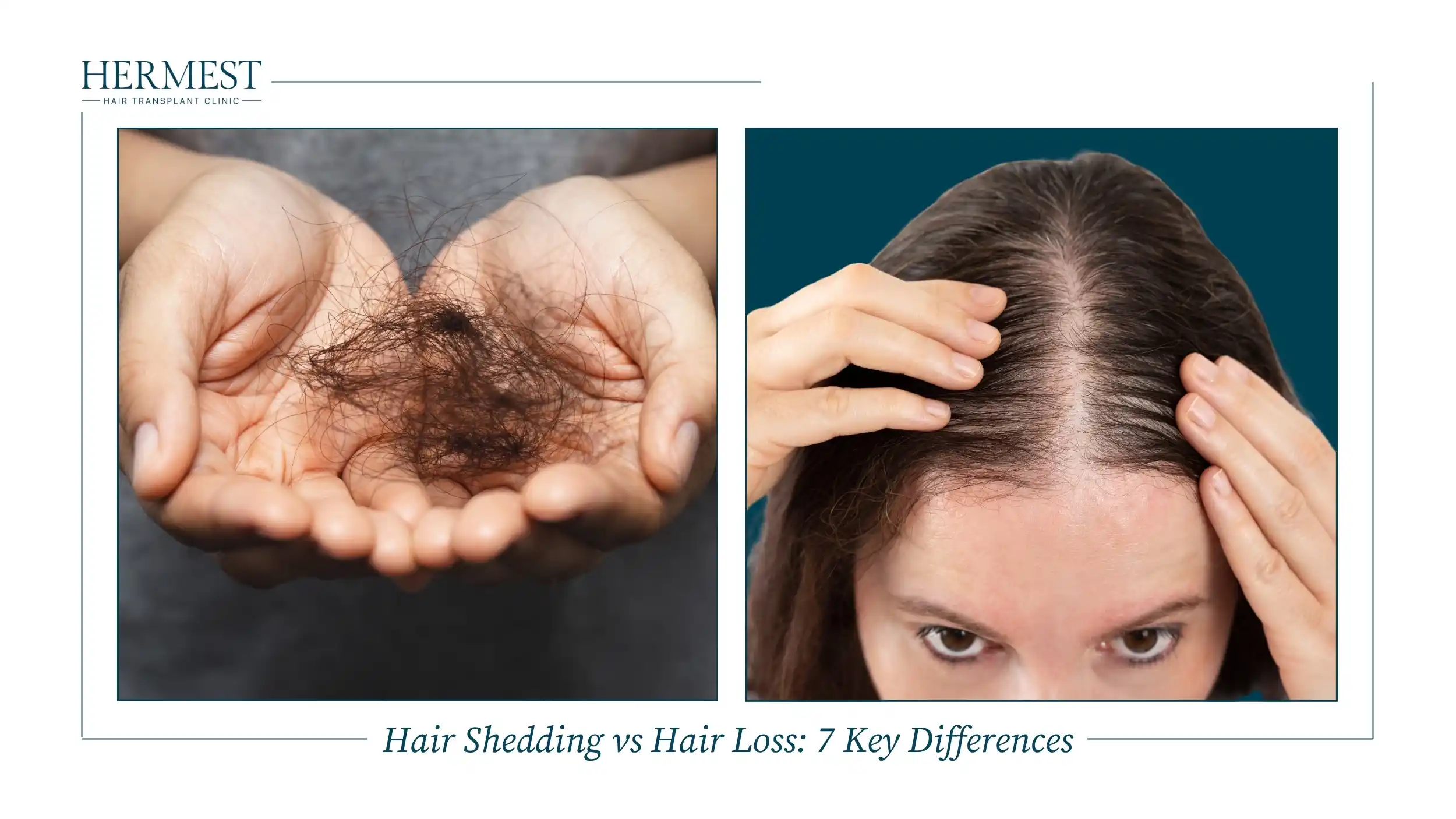
Hair shedding is the natural process of releasing old hair strands so new ones can grow. Hair loss is a broader medical term that also includes conditions where hair stops growing normally or becomes progressively thinner. Excessive shedding can itself cause hair loss, and both problems can occur together.
| Feature | Hair Shedding | Progressive Hair Loss |
|---|---|---|
| 1. Amount | Usually 50–100 hairs daily; more during excessive shedding | Hair may thin without noticeably increased shedding |
| 2. Onset | Often sudden after a triggering event | Commonly gradual, although some types appear suddenly |
| 3. Pattern | Usually spread across the scalp | May affect the hairline, crown, part line, or specific patches |
| 4. Hair follicles | Follicles usually remain capable of normal regrowth | Follicles may become smaller, inflamed, or damaged |
| 5. Scalp appearance | Often normal, even when overall density decreases | May show thinning, bald patches, or scalp inflammation |
| 6. Duration | Often temporary when caused by a resolved trigger | May continue or progress without treatment |
| 7. Common causes | Normal hair cycle, stress, childbirth, illness | Genetics, autoimmune disease, hormonal disorders, scalp conditions |
The main difference is not simply how many hairs fall out. The pattern of thinning, duration, scalp condition, and ability of new hair to grow are equally important.
How Much Hair Shedding Is Normal Per Day?
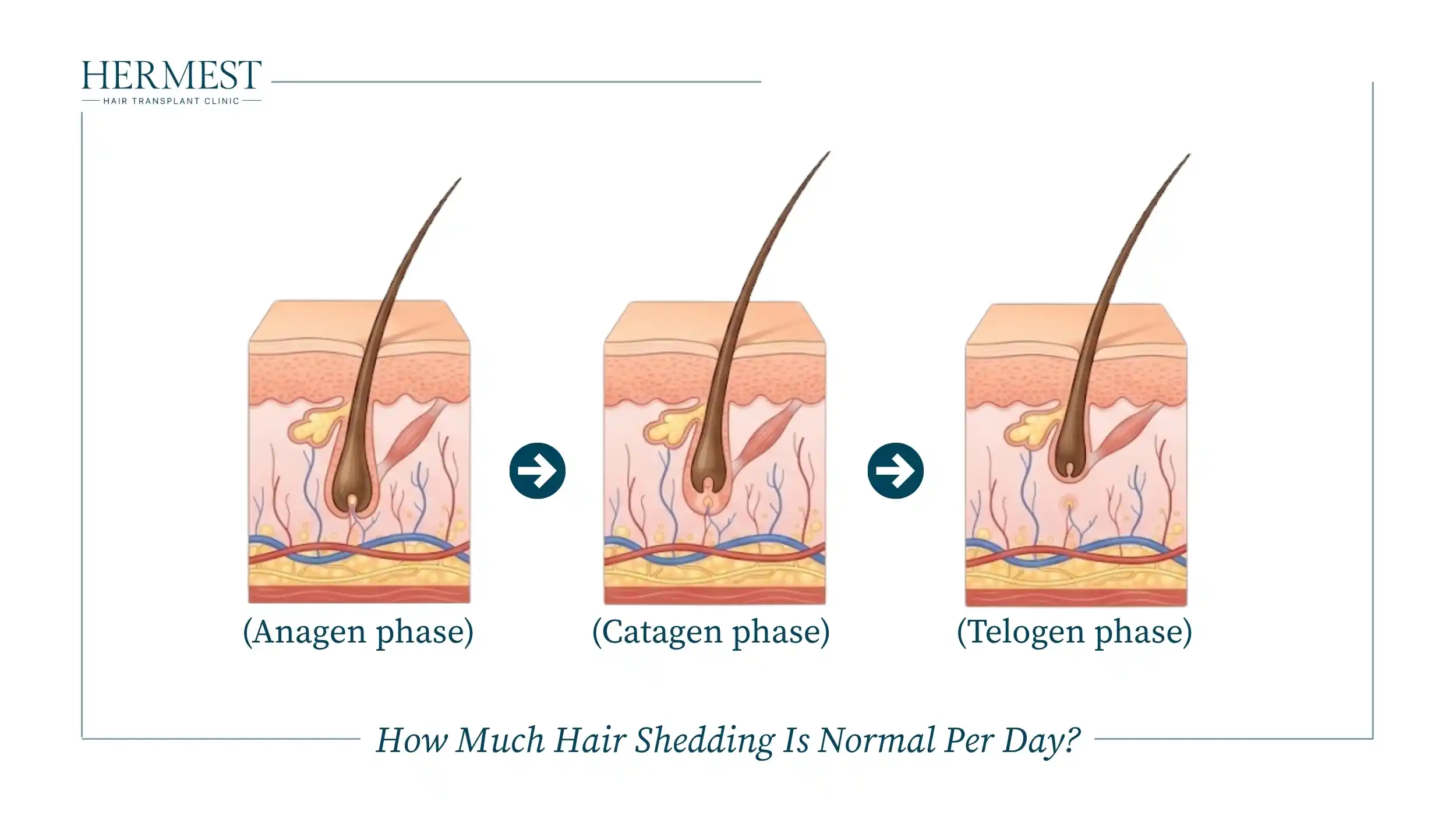
Losing around 50 to 100 hairs daily is considered normal for many adults. The amount varies depending on the hair growth cycle, washing frequency, and brushing habits. Losing more than usual does not automatically mean permanent baldness.
Hair follows a continuous growth cycle with three main phases:
- Anagen phase: The active growth stage, when follicles produce new hair.
- Catagen phase: A short transition stage when active growth stops.
- Telogen phase: The resting stage, after which the old hair eventually sheds.
Each follicle follows its own cycle. This is why normal shedding does not leave everyone with visible bald areas.
According to the American Academy of Dermatology, excessive shedding can occur when physical or emotional stress causes more hairs than usual to enter the resting phase.
Is Hair Falling Out in the Shower Normal?
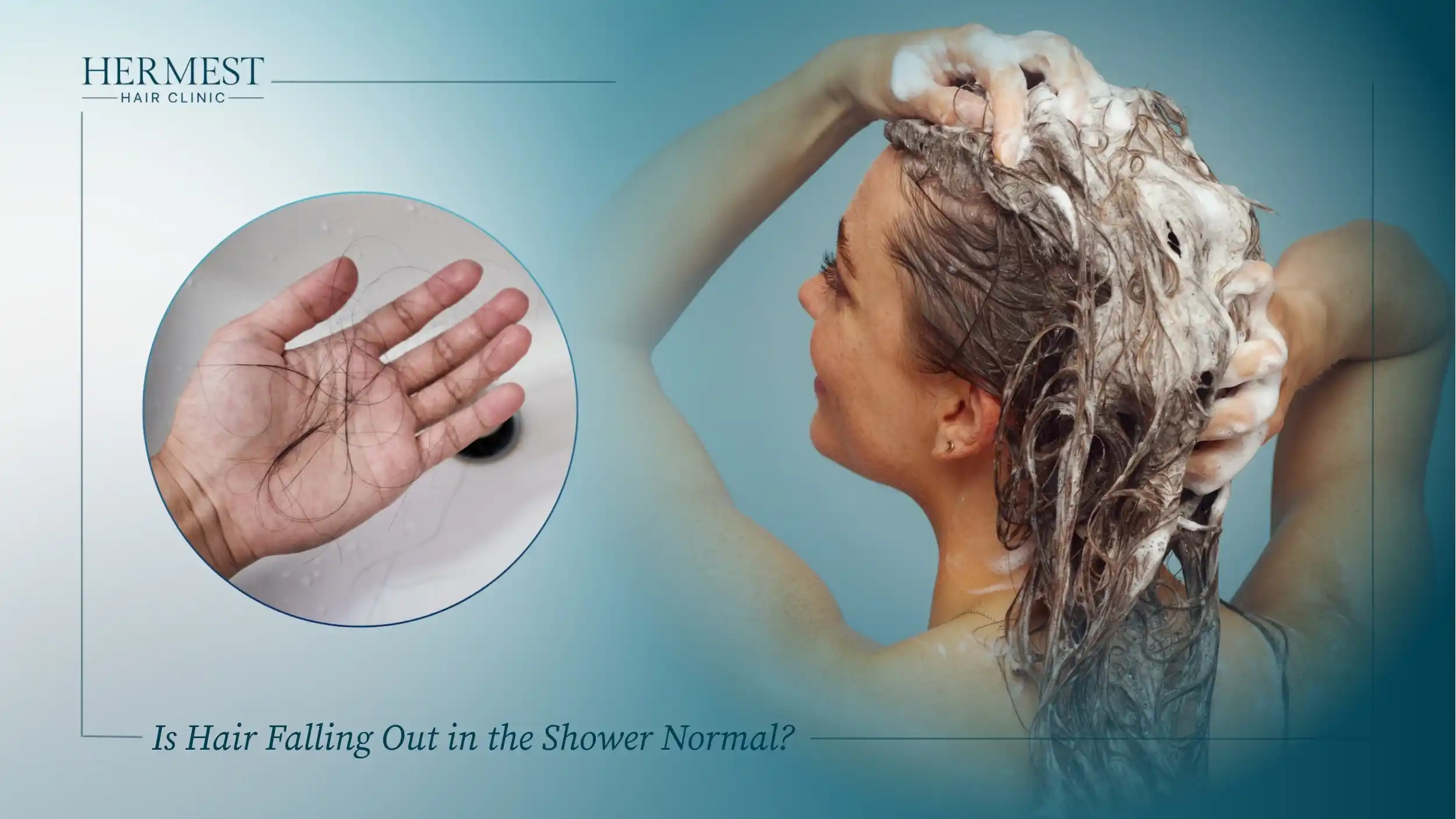
Yes. Finding hair in the shower drain is normal because washing and detangling release strands that have already completed their growth cycle.
You might notice more fallen hair after several days without washing, especially if you have long or curly hair. However, a sudden increase that continues over several weeks deserves attention.
What Does Excessive Hair Shedding Look Like?
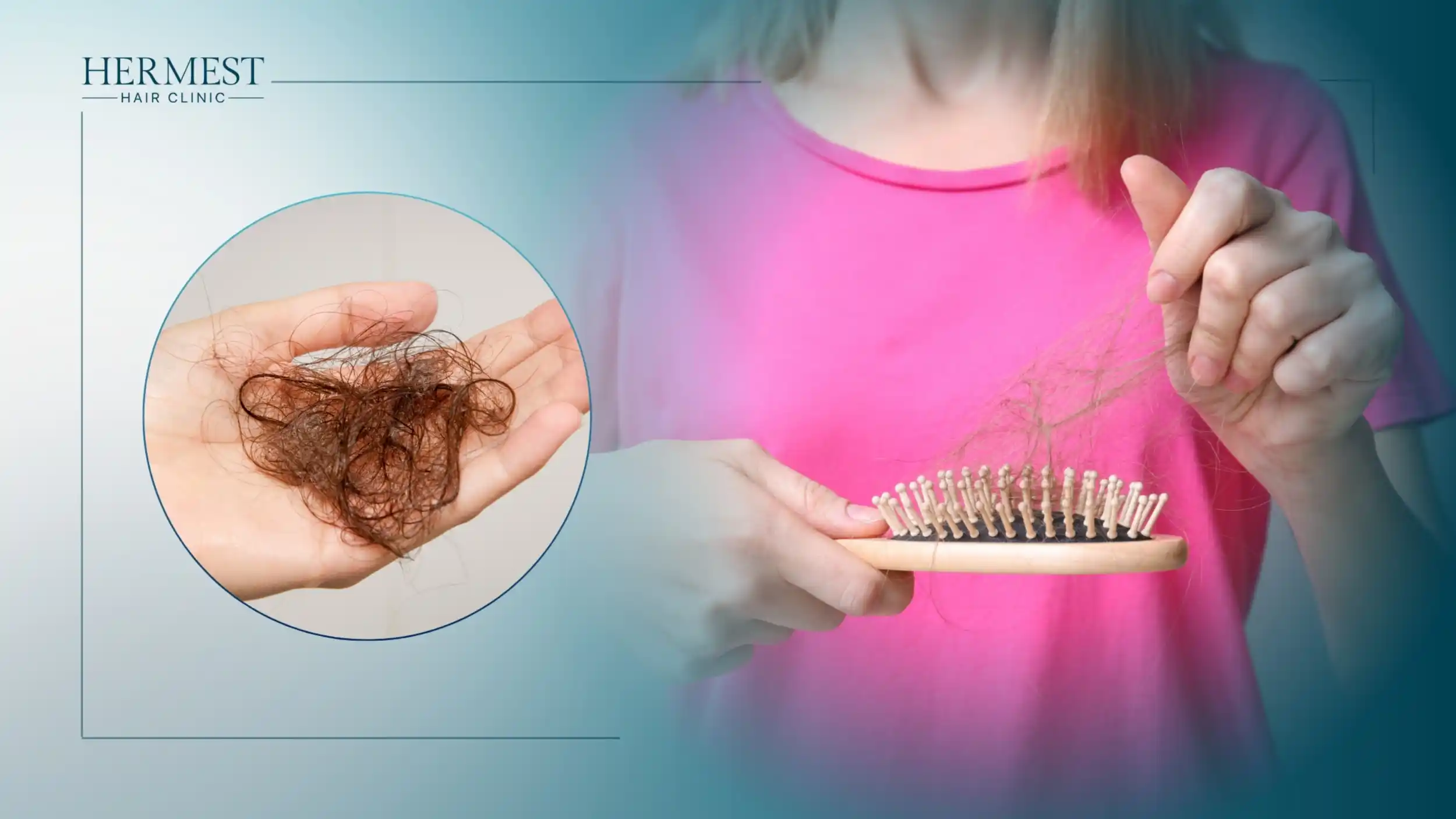
Excessive shedding may cause unusually large amounts of hair to collect in your brush, shower drain, or on your pillow. You may also notice a thinner ponytail or reduced overall volume.
The medical term for excessive shedding is telogen effluvium. Unlike ordinary daily shedding, it often follows a physical or emotional trigger.
How Can You Tell If Your Hair Is Shedding or Thinning?
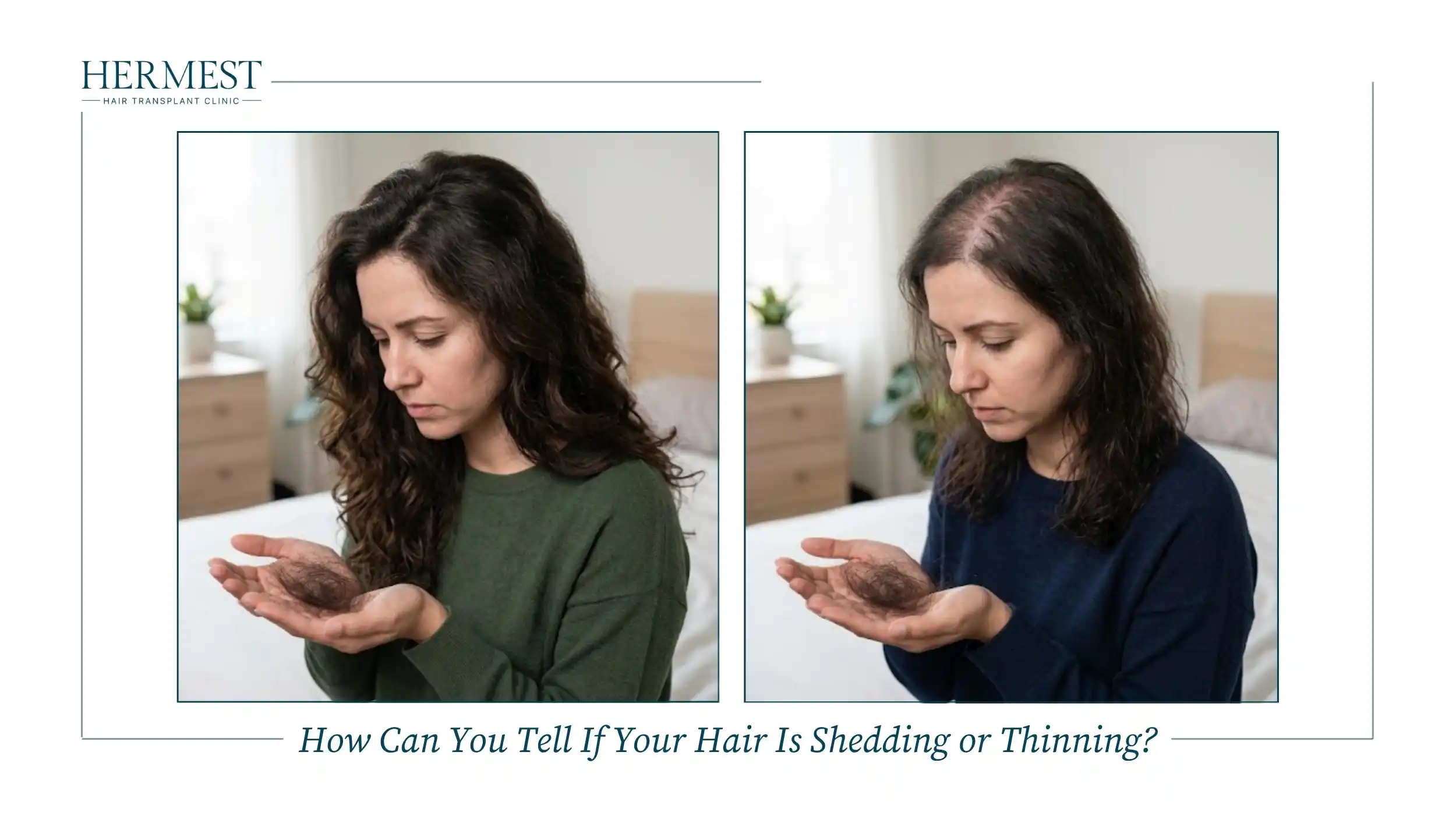
You can often notice differences by observing when the problem started and where your scalp is becoming more visible. Sudden shedding across the scalp may suggest a temporary disturbance, while gradual changes around the crown or hairline can indicate progressive thinning. Only a medical evaluation can confirm the cause.
A Hair Shedding vs Hair Loss assessment should consider these signs together rather than relying on the number of hairs in your brush.
The number of hairs you lose is not always the best indicator of hair loss. We also examine changes in hair density, scalp condition, and the pattern of thinning.
Dr. Ahmet Murat, Medical Director, Hermest Clinic
Signs of Normal or Excessive Hair Shedding
Common signs include:
- Increased hair fall during washing or brushing.
- Loose strands appearing across the scalp rather than one specific area.
- Reduced overall hair volume after illness, childbirth, or stress.
- No clear receding hairline or isolated bald patch.
These signs may suggest temporary shedding, but they do not confirm it.
Early Signs of Progressive Hair Loss
Progressive thinning can produce more noticeable changes in hair density.
In men, the hairline may gradually recede around the temples, or thinning may develop at the crown. In women, a widening hair part and increasing scalp visibility are common signs of female-pattern hair loss.
These changes can happen even when daily hair shedding seems normal.
What Does Hair Shedding With a White Bulb Mean?
A small white bulb at the end of a shed hair is often a club-shaped collection of keratin. It is commonly seen when a hair naturally completes its cycle and separates from the scalp.
The white tip does not mean the entire hair follicle has been pulled out. However, its presence cannot tell you whether your shedding is normal or excessive.
Hair breakage is different. It occurs when the hair shaft snaps because of heat styling, chemical treatments, friction, or physical damage. Broken strands are often shorter and may not have a club-shaped tip.
Why Is My Hair Shedding So Much?
Excessive hair shedding commonly happens after stress, illness, childbirth, surgery, or rapid weight loss. These events can disrupt the growth cycle and cause more follicles to enter the telogen phase. Shedding often becomes noticeable two to three months after the triggering event.
Temporary Causes of Excessive Hair Shedding
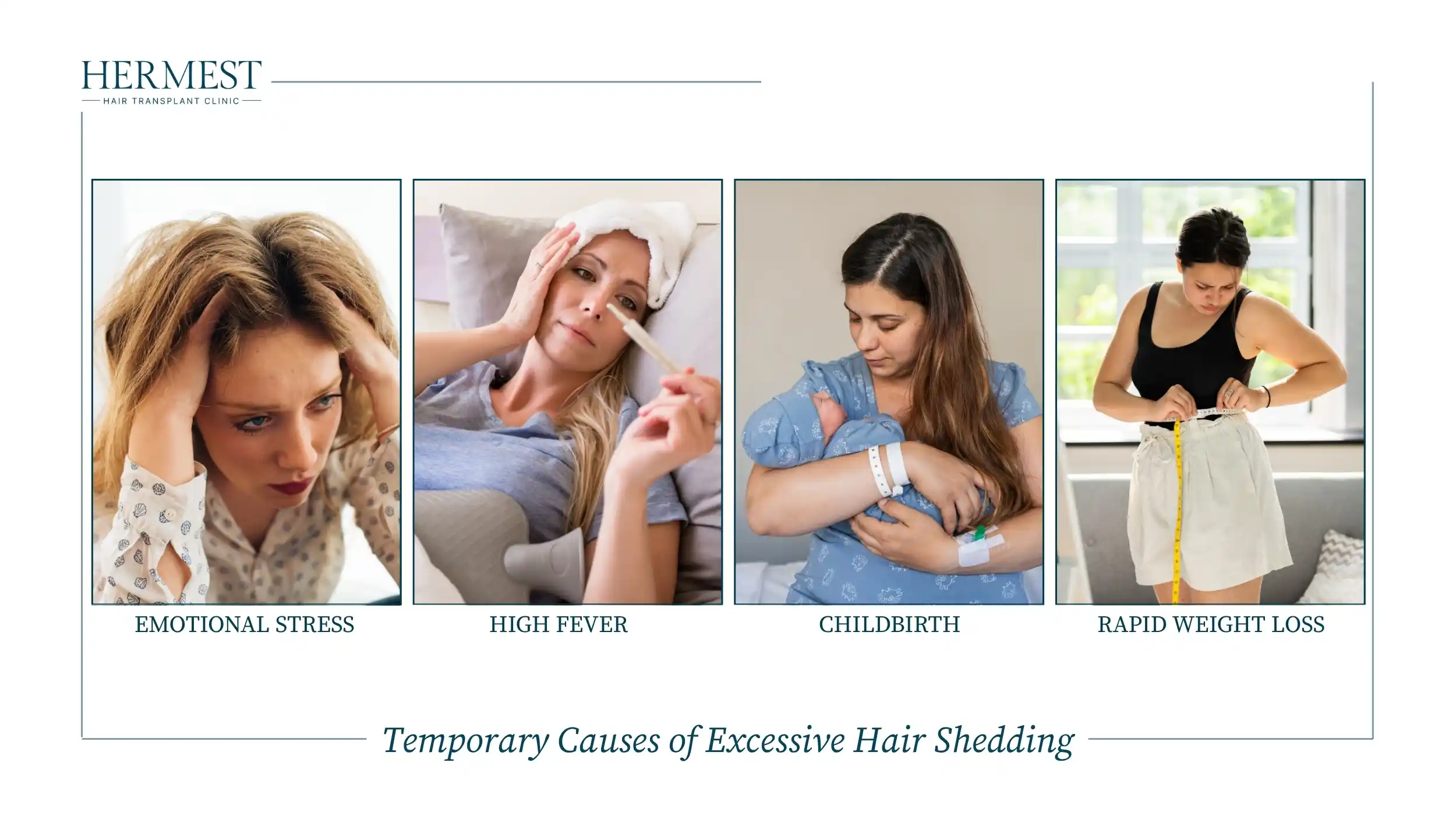
Common triggers include:
- Physical or emotional stress: Significant stress may disrupt the normal growth cycle.
- High fever or illness: The body may temporarily shift more follicles into the resting phase.
- Childbirth: Hormonal changes after pregnancy can cause postpartum shedding.
- Rapid weight loss: Restricted diets and inadequate nutrition can affect hair growth.
- Medication changes: Some medicines can contribute to shedding.
These triggers are associated with telogen effluvium, which often improves when the underlying cause is resolved.
Medical Conditions That Cause Hair Loss
Not every case of hair fall is temporary. Some conditions affect the hair follicle itself or interfere with normal regrowth.
These include androgenetic alopecia, alopecia areata, thyroid disorders, scalp infections, and inflammatory scalp diseases.
Male-pattern baldness commonly affects the hairline and crown. Female-pattern hair loss often produces gradual thinning across the top of the scalp.
Read our guides on the causes of hair loss and causes of female hair loss for a detailed explanation of these conditions.
Does Hair Grow Back After Shedding?
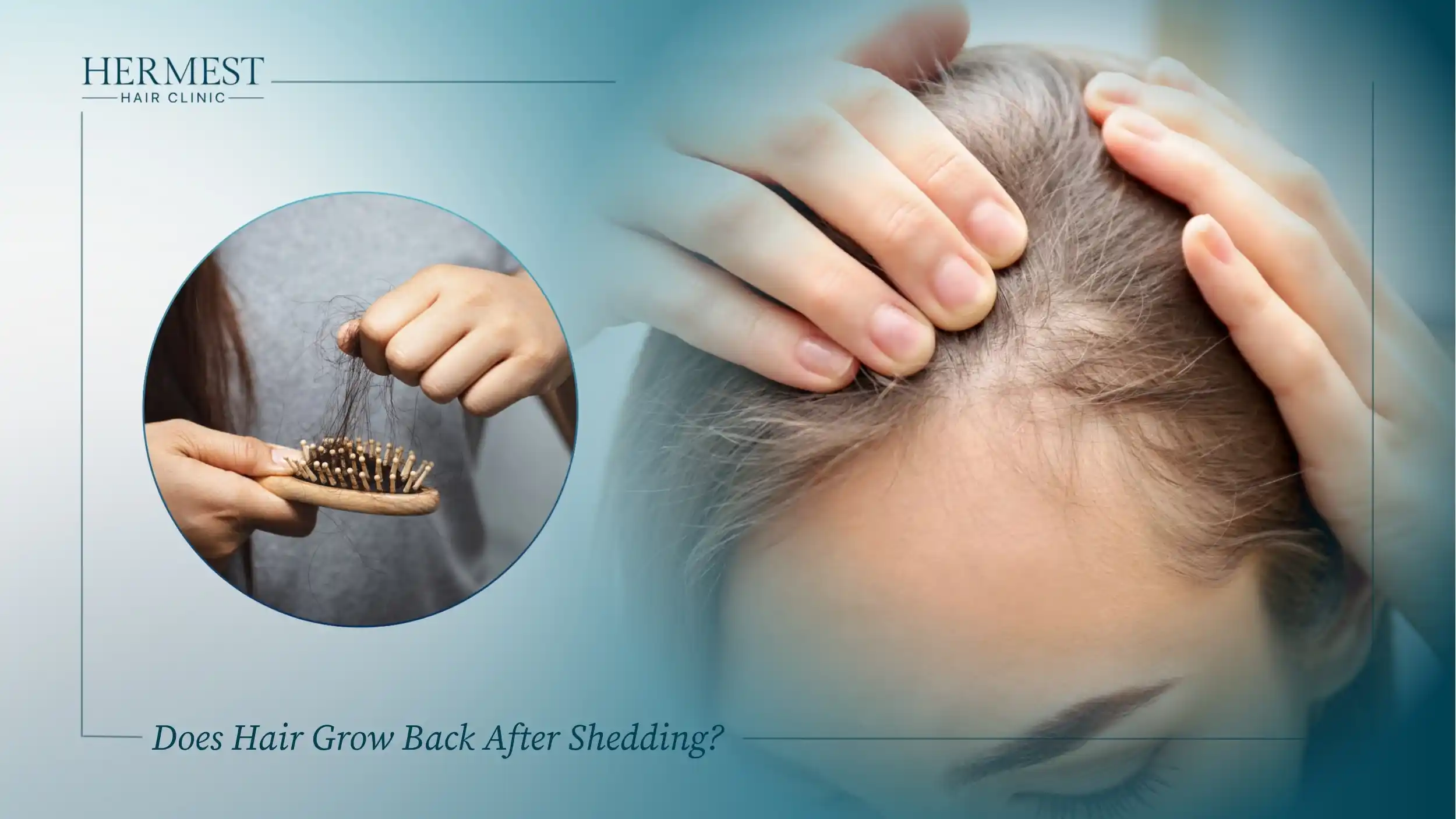
Yes, hair commonly grows back after temporary shedding when the underlying trigger has resolved, and follicles remain healthy. Regrowth takes time because follicles must return to their active growth phase. However, recovery depends on the condition responsible for the shedding.
Normal hair shedding is part of the renewal process. Excessive shedding caused by telogen effluvium can also improve without surgical treatment.
How Long Does Excessive Hair Shedding Last?
Acute telogen effluvium often lasts around three to six months. Some people notice improvement sooner, while others continue shedding for longer.
Hair fullness may take six to nine months or more to recover, depending on the trigger, hair length, and individual growth cycle.
Shedding that continues beyond six months may be classified as chronic telogen effluvium, although other causes must be considered.
What Are the Signs of Hair Regrowth?
Possible signs of recovery include:
- Fewer loose hairs during washing or brushing.
- Short new hairs appearing around previously thinned areas.
- Gradual improvement in hair density.
- A fuller-looking part line or ponytail over time.
Short hairs alone do not prove recovery because breakage and follicle miniaturization can look similar. Comparing photographs taken under consistent lighting may help you monitor changes.
How to Stop Excessive Hair Shedding
The best way to manage excessive shedding is to identify and address its underlying cause. Temporary shedding may improve after recovery from illness, nutritional correction, or reduced physical stress. There is no proven method to stop every type of hair fall immediately.
Hair Care and Lifestyle Changes That May Help
A few practical steps can protect your existing hair:
- Eat enough protein and maintain a balanced diet.
- Avoid crash dieting and rapid weight loss.
- Use a gentle shampoo and conditioner suited to your scalp.
- Limit excessive heat styling and harsh chemical treatments.
- Avoid tight hairstyles that pull on your hair roots.
- Seek medical advice if shedding begins after a medication change.
These steps can reduce avoidable damage, but they cannot reverse every medical cause of hair loss.
Can Vitamins, Shampoos, and Hair Serums Stop Shedding?
Hair supplements may help when shedding is linked to a confirmed nutritional deficiency. Iron, vitamin D, zinc, and protein are important for healthy hair growth, but taking supplements without a deficiency may offer little benefit.
Similarly, cosmetic shampoos and serums may improve softness, volume, and breakage without treating the underlying follicle condition.
The Mayo Clinic’s guidance on hair thinning and shedding explains why hair products cannot correct every form of hair loss.
Medical treatments such as topical minoxidil can help certain types of pattern hair loss, but they are not appropriate for every cause of shedding. Consult a qualified clinician before starting treatment, especially if you are pregnant, breastfeeding, or taking other medications.
When Should You See a Doctor for Hair Shedding?
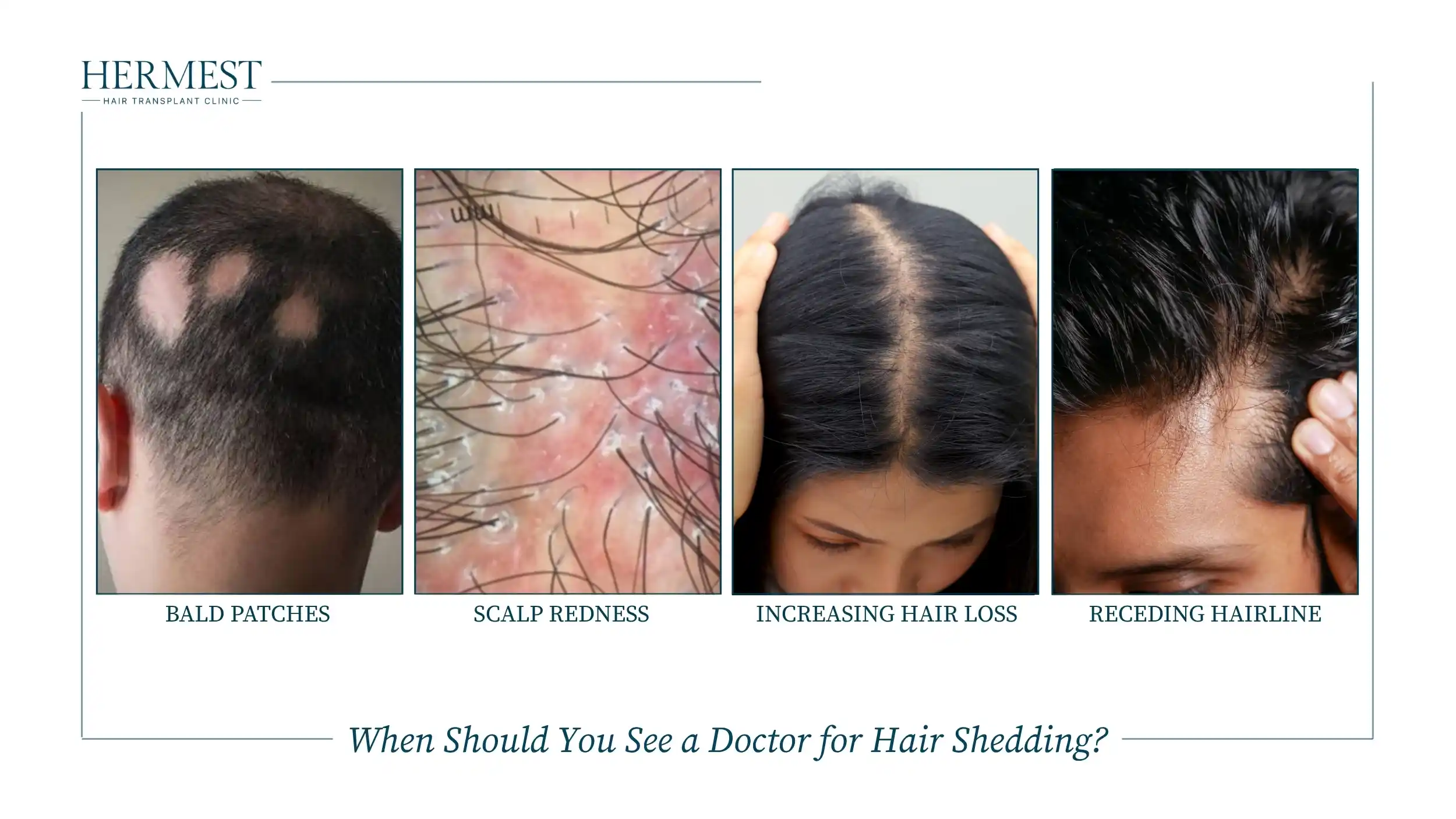
You should consult a dermatologist if shedding is sudden, persistent, or accompanied by visible thinning or scalp symptoms. Early assessment is particularly important when hair loss appears in patches, or the scalp becomes painful, red, or inflamed. Some conditions can permanently damage follicles without timely treatment.
Arrange a medical evaluation if you experience:
- Sudden or rapidly increasing hair loss.
- Bald patches or a steadily receding hairline.
- Persistent shedding lasting several months.
- Scalp redness, pain, severe itching, or scaling.
- Hair fall accompanied by fatigue, unexplained weight changes, or other health symptoms.
Persistent hair shedding should be evaluated before starting treatment. Identifying the underlying cause helps us recommend the most appropriate approach and avoid unnecessary procedures.
Dr. Ahmet Murat, Medical Director, Hermest Clinic
How Is the Cause of Hair Loss Diagnosed?
A doctor usually begins by reviewing your medical history, medications, recent illnesses, and the pattern of hair loss.
A scalp examination or trichoscopy may help identify thinning, miniaturization, or inflammation. Blood tests for iron status, thyroid function, or nutritional deficiencies may be recommended when clinically indicated.
Our guide to diagnosing hair loss explains how different conditions are evaluated before treatment.
Can Hair Transplant Surgery Help With Permanent Hair Loss?
Hair transplant surgery may help selected patients with stable pattern hair loss and sufficient healthy donor hair. However, it is not a routine treatment for normal shedding or temporary telogen effluvium. The underlying cause should be identified before any surgical recommendation.
When Is a Hair Transplant Appropriate?
A transplant may be considered when hereditary hair loss has created areas of thinning or baldness that are unlikely to recover sufficiently with medical treatment alone.
A suitable patient needs adequate donor follicles, reasonable scalp health, and realistic expectations. Active scalp disease or uncontrolled shedding may require treatment or monitoring first.
Learn how we determine whether someone is a suitable candidate for a hair transplant.
Why a Hair Consultation Comes Before Surgery
At Hermest Clinic in Istanbul, we believe identifying the cause of hair loss is essential before discussing hair restoration.
A consultation can help assess the pattern of thinning, donor hair availability, scalp condition, and available treatment options. For suitable patients, we can also explain the role of an FUE hair transplant in restoring hair to selected areas.
If shedding is temporary, we recommend addressing the underlying condition rather than proceeding directly to surgery.
Frequently Asked Questions
Identify possible causes, maintain balanced nutrition, avoid damaging hairstyles, and treat any diagnosed condition.
Get a Professional Hair and Scalp Consultation at Hermest Clinic
Understanding Hair Shedding vs Hair Loss is the first step toward choosing the right treatment. If you notice persistent shedding, a widening hair part, a receding hairline, or unexplained thinning, a professional assessment can help identify the possible cause.
At Hermest Clinic in Istanbul, we provide personalized hair restoration consultations to evaluate your hair loss concerns and discuss suitable options. Our goal is to help you understand whether you need medical evaluation, monitoring, or a hair restoration procedure.
Book your hair consultation with Hermest Clinic today and take the first step toward understanding your hair loss and finding the right solution.