
Am I a Good Candidate for Hair Transplant? Complete Eligibility Guide
 ChatGPT
 Claude
 Perplexity
 Grok
Grok
 Gemini


If you’ve been losing hair and wondering “am I a good candidate for hair transplant?”, you’re already asking the right question. Most people jump straight to graft numbers or techniques, but the truth is simpler: the success of any procedure depends on whether your pattern, donor capacity, health, and long-term goals genuinely support it. Your hair transplant candidacy determines how natural your result will look today — and how well it will blend with future hair changes.
People often reach us unsure, frustrated, or even overwhelmed. Some worry their donor area isn’t strong enough. Others don’t know if their thinning is stable or still evolving. Many fear making the wrong decision at the wrong time. These are real concerns, and they matter far more than clinic marketing or viral before-after photos.
This guide helps you understand hair transplant eligibility from the perspective of surgeons who evaluate thousands of cases. You’ll learn what makes someone an ideal candidate, who is not a good candidate for hair transplant, and which factors truly influence long-term success. We also break down donor requirements, pattern behaviour, health considerations, and realistic expectations so you can see where you stand with clarity — not guesswork.
At Hermest Hair Clinic, we evaluate every patient through detailed pattern mapping, safe donor zone analysis, trichoscopy, and long-term forecasting. It’s not about saying “yes” quickly; it’s about giving you the right plan for your biology and your future.
Dr. Ahmet Murat says:
“Candidacy isn’t judged by how much hair you’ve lost. It’s judged by how stable your pattern is, how strong your donor area is, and how your hair will age over the next decade. That’s where real planning begins.”
Quick Insights: Candidate for Hair Transplant
- You’re a good candidate for hair transplant when your hair loss follows a stable, predictable pattern and your donor zone is strong.
- Pattern matters more than the size of your bald area. True candidates show clear male or female-pattern behaviour, not random shedding.
- A healthy, DHT-resistant donor zone with sufficient donor hair is the foundation of any result.
- Your goals should match your donor capacity. Natural, age-aligned density always lasts longer than overly aggressive designs.
- Medical stability matters. Thyroid, iron, hormones, or active scalp inflammation must be treated first.
- You may not qualify during periods of aggressive or diffuse thinning, but treatment can improve your eligibility.
- Being too young isn’t about age — it’s about instability. Unpredictable shedding requires stabilisation before surgery.
- Women qualify when donor zones remain strong and central thinning follows a predictable pattern.
- If you’re not a candidate, you can improve your position through finasteride, minoxidil, PRP, scalp treatments, or lifestyle adjustments.
- Beard, eyebrow, and facial hair procedures require separate criteria and advanced planning to ensure natural flow.
- Revision cases and scar repairs are possible with the right donor strategy, including careful beard graft compatibility checks.
- A transplant cannot replace unlimited hair. Donor supply is finite and must be budgeted wisely.
- Proper planning prevents you from “running out” of grafts too early and ensures your results age gracefully.
How to Tell If You’re a Good Candidate for Hair Transplant
Before getting deep into the details, it helps to get a fast, clear snapshot of whether you match the profile of a good candidate for hair transplant. This quick overview gives you an honest starting point, especially if you’ve been asking yourself “how do I know if I am a candidate for hair transplant?”

Think of this as your first self-check.
Most people who qualify share a few common traits:
- Patterned loss, not random shedding
- Stable hair loss, not aggressive, unpredictable thinning
- A healthy, DHT-resistant donor zone with sufficient donor hair
- Goals aligned with realistic hair transplant expectations
- No uncontrolled health issues that disturb healing
- Willingness to manage future hair loss medically if needed
Short. Clear. Actionable. This is the framework surgeons use when deciding who qualifies for a hair transplant.
Dr. Ahmet Murat adds:
“If we cannot protect your long-term result, we don’t proceed. A hair transplant should age with you, not work only for a short period. That’s why donor analysis, pattern evaluation, and long-term forecasting are non-negotiable.”
At Hermest, our team performs a precise pre-check using:
- Trichoscopic donor analysis
- Donor area miniaturisation scanning
- Follicular unit density measurement
- Hair calibre evaluation
- Long-term hair loss forecasting
This method identifies your strengths and weak points early. It’s especially useful for anyone wondering “is my donor area strong enough?” or “which Norwood levels are suitable for hair transplant?”
Fast Yes/No Guide
You’re likely a strong hair transplant Istanbul candidate if:
- Your loss matches androgenetic alopecia
- Your donor area shows donor dominance and stable density
- You’re NW2–NW5 with predictable progression
- You’re healthy enough for minor surgical procedures
You’re likely not ready if:
- You have rapid progressive hair loss
- Your donor area is miniaturised
- You have medical conditions preventing hair transplant
- Your goals don’t match your donor capacity
Step 1: Understand Your Hair Loss Pattern (Norwood, Female Patterns, Diffuse Thinning)
A major part of hair transplant candidacy is understanding the pattern behind your thinning. Many people think they qualify just because they “see a bald spot”, but surgeons look far deeper. Your pattern reveals stability, future risk, and whether you’re truly a good candidate for hair transplant — not just today, but long term.
Why Pattern Matters More Than Area Size
Hair loss isn’t random. True candidates usually show a predictable pattern linked to androgenetic alopecia, which responds best to surgical restoration. When someone asks “how to tell if you are a good candidate?”, the first answer is:
Check if your hair loss fits a known pattern.
Patterns guide:
- Your long-term plan
- Your ideal hairline design
- Your donor strategy
- Your graft needs
- Your future maintenance
A tiny thinning spot with progressive hair loss might actually be riskier than a larger, stable area. Pattern tells the truth.
Male Pattern Baldness & Norwood Stages
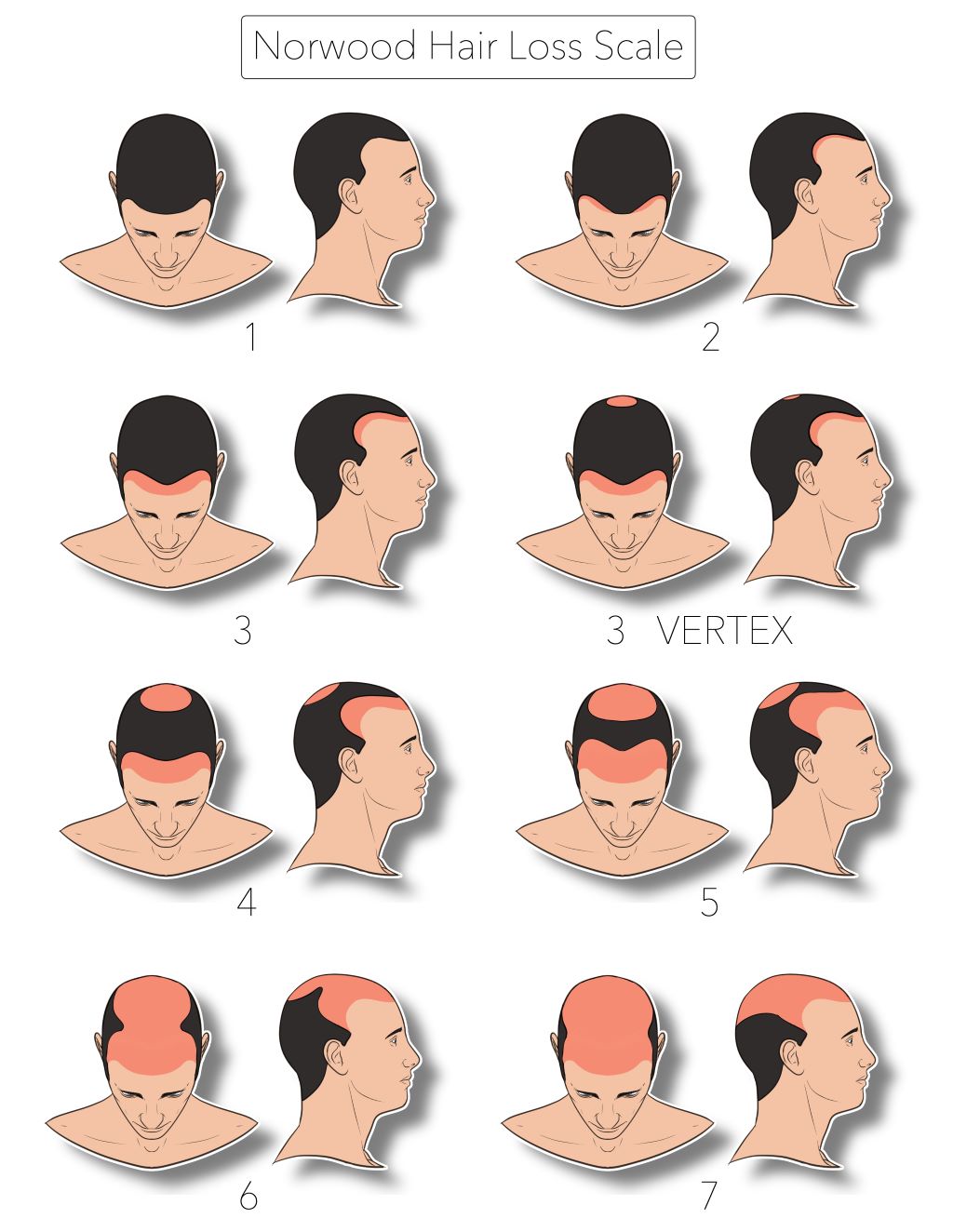
For men, the Norwood scale hair transplant evaluation is the gold standard. It helps determine:
- Whether loss is stable
- Whether density is predictable
- Whether your donor zone can meet future needs
- Whether your design should be conservative or full coverage
Common insights by stage:
- NW2–NW3 → Often excellent male pattern baldness candidate
- NW3V–NW4 → Good as long as donor hair density is consistent
- NW5–NW6 → Eligible with strategic planning or multi-session restoration
- NW7 → Case-by-case; donor dominance and hair calibre matter most
Dr. Ahmet Murat explains:
“Norwood is not just a scale. It’s a forecast. When I evaluate a patient, I’m not planning for one year. I’m planning for how their pattern will look at 40, 50, or 60. That’s how we avoid unnatural islands of hair.”
Hermest uses trichoscopy hair transplant screening, miniaturisation rate mapping, and safe donor zone mapping to avoid future mismatches.
Can Women Be Good Candidates? Yes — With the Right Pattern
Many women wonder “can women be good hair transplant candidates?”. The answer is yes, when pattern is stable and donor regions remain strong. Women qualify when they have:
- Patterned central thinning
- Intact donor density
- Minimal miniaturisation in the donor area
- No active hormonal instability
Women with diffuse thinning hair transplant concerns often need medical stabilisation first.
Diffuse Thinning, TE, and Atypical Patterns
People with diffuse thinning across the entire scalp may ask: “can you get a hair transplant with diffuse thinning?”
You can, but only if the donor zone is unaffected. Diffuse patterns can hide early donor miniaturisation — making surgery unsafe until stabilised.
Hermest uses:
- Trichoscopic donor analysis
- Follicular unit density mapping
- Scalp health evaluation
to catch issues early.
Dr. Ahmet Murat:
“Diffuse thinning demands precision. If donor stability is questionable, we don’t proceed. We stabilise the scalp first, then reassess.”
Step 2: Assess Your Donor Area: The Real Currency of a Hair Transplant
Even if your pattern is predictable, you’re only a good candidate for hair transplant when your donor area can support the journey. Most patients focus on the bald area in front. Surgeons focus on the back and sides, because this zone determines your lifetime supply of grafts. Your donor strength directly affects hair transplant eligibility, density, and long-term success.
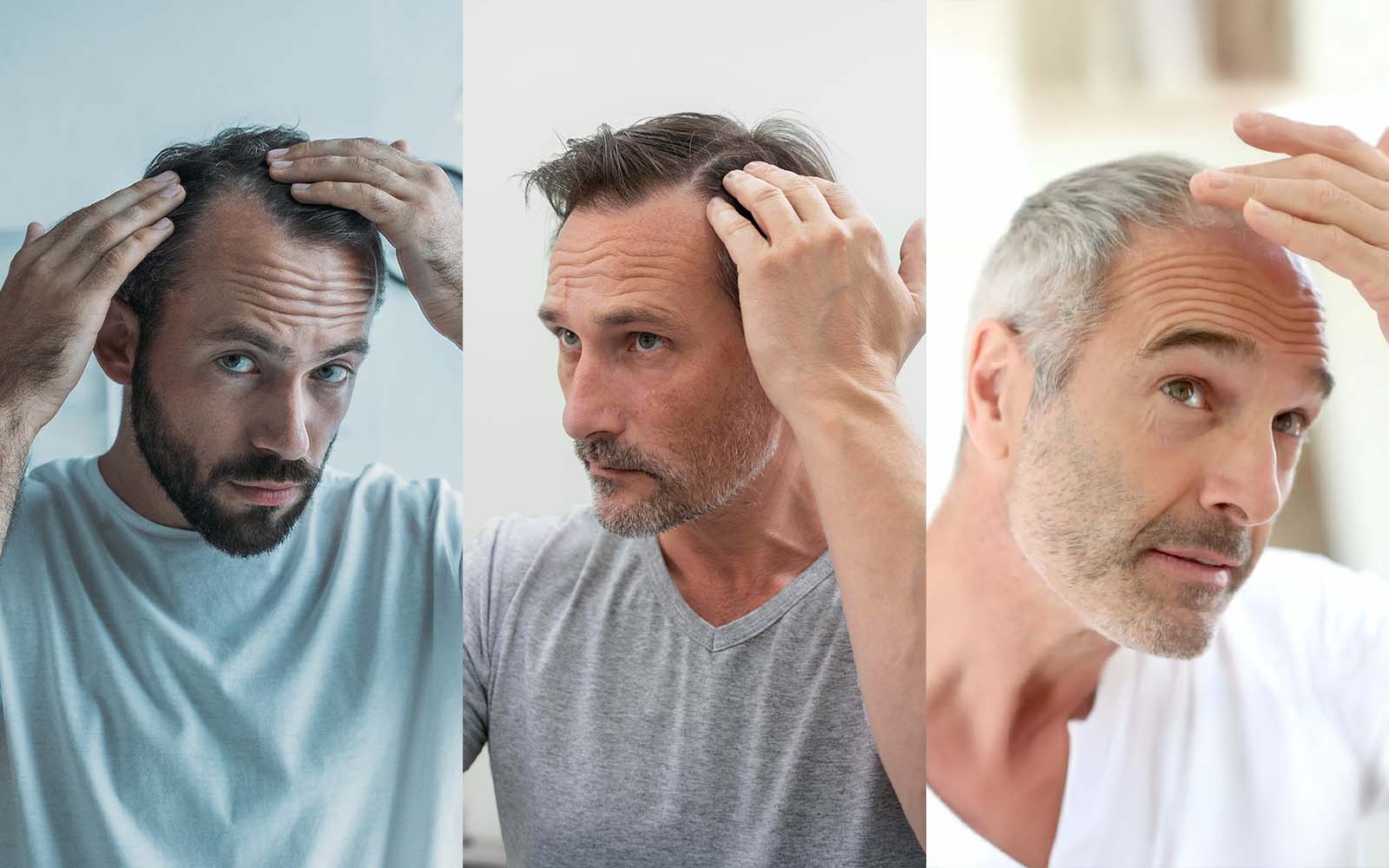
This is why we often tell patients: Your donor is your budget. Your plan must fit your resources.
What Makes a Donor Area Strong?
When someone asks “is my donor area strong enough?”, the answer depends on four core factors:
- Donor hair density
- Hair calibre (thick hair, curly hair, coarse hair create better coverage)
- Donor dominance in the occipital zone
- Low miniaturisation rate
A strong donor zone contains DHT-resistant follicles that continue growing for life. These hairs maintain their stability even after being moved — which is key for an FUE hair transplant candidate.
Hermest measures these through trichoscopy hair transplant analysis and follicular unit density calculations. This helps us tailor your graft plan instead of guessing.
Dr. Ahmet Murat says:
“A good donor area doesn’t just mean ‘hair on the back.’ We study density, calibre, and hidden miniaturisation. If your donor weakens in five years, your transplant will weaken with it. Our job is to prevent that.”
Signs Your Donor May Be Weak
If you’re worried about hair transplant donor area requirements, look for these early signals:
- Miniaturised hairs in the donor region
- Noticeable thinning behind the ears or nape
- Uneven density patches
- Family history of donor thinning
- History of aggressive shedding or unstable loss
Weak donors are not a “no forever,” but they need stabilisation before moving forward.
Special Cases — Body, Beard, and Mixed Donor Use
Some patients ask whether beard hair transplant candidate or body hair transplant (BHT) suitability helps when scalp donor is limited.
Yes, but only when:
- Beard grafts match your scalp needs
- Body hair has acceptable calibre and growth
- Scalp laxity and skin health allow proper blending
Mixed donor use is helpful in revision hair transplant candidate cases.
Hermest ensures compatibility through hair calibre evaluation, graft survival simulation, and safe donor zone mapping.
How Much Donor Hair Do You Need?
This depends on:
- Your pattern
- Your goals
- Future risk
- Your long-term maintenance plan
Hermest designs graft plans using hairline vector planning and multi-session restoration plan forecasting. The aim is to never “run out” early.
Step 3: Age and Hair Loss Stability
Your age and the behaviour of your hair loss shape your entire hair transplant candidacy. Many people think, “If I’m losing hair, I should fix it now.” But timing matters. A strong candidate isn’t defined by how much hair is missing — but by how predictable the loss is.
A stable pattern gives you control. An unstable pattern controls you.
This is why age and stability often make or break hair transplant eligibility, especially for younger patients experiencing aggressive shedding.
Are You Too Young for a Transplant?
A common question is: “can you get a hair transplant young?”. You can, but that doesn’t always mean you should. Patients in their early 20s often have:
- Fast-changing patterns
- Unclear long-term progression
- Early aggressive loss
- High future demand on limited donor supply
These cases require careful forecasting.
Dr. Ahmet Murat explains:
“When someone asks, ‘am I too young for a hair transplant?’ I don’t look at their age first. I look at the behaviour of their loss. If it’s unstable, even a 28-year-old may not be ready. Stability protects the future.”
We always check:
- Miniaturisation rate
- Norwood trajectory
- Family history
- DHT sensitivity clues
Hermest builds every plan with your 10-year outcome in mind — not just the next few months.
Best Age for Hair Transplant
Most strong candidates fall between:
- 25–50 for men
- 28–55 for women
This is because patterns of androgenetic alopecia assessment become more predictable, donor zones are easier to map, and long-term plans can be structured safely.
But exceptions exist — when your pattern is stable and donor dominance is clear.
Stable vs Progressive Hair Loss
To understand who qualifies for a hair transplant, you must understand the difference between:
Stable hair loss
- Thinning slows down
- Miniaturisation plateaus
- Pattern becomes predictable
- Medication, if used, maintains or slows loss
Progressive hair loss
- Rapid changes in shape or density
- Widening thinning zones
- Shedding spikes
- Donor area miniaturisation creeping in
Unstable patterns risk creating “islands” of transplanted hair surrounded by future baldness.
Hermest uses long-term hair loss forecasting to decide timing, especially for NW3–NW5 patients.
Do You Need to Treat Your Hair Before a Transplant?
If your loss is active, yes. Stabilisation may involve:
- Finasteride stabilisation before transplant
- Minoxidil stabilisation before transplant
- Platelet-rich plasma adjunct (PRP)
- Hormonal evaluation for women
Stabilising loss protects your donor and ensures grafts age naturally.
Step 4: Health, Safety, and Medical Conditions
Even if your pattern and donor area look promising, you’re only a good candidate for hair transplant when your health supports safe healing. This step often gets overlooked, yet it plays a major role in hair transplant eligibility. A strong candidate is someone whose body can handle the minor surgical process and sustain growth afterward.
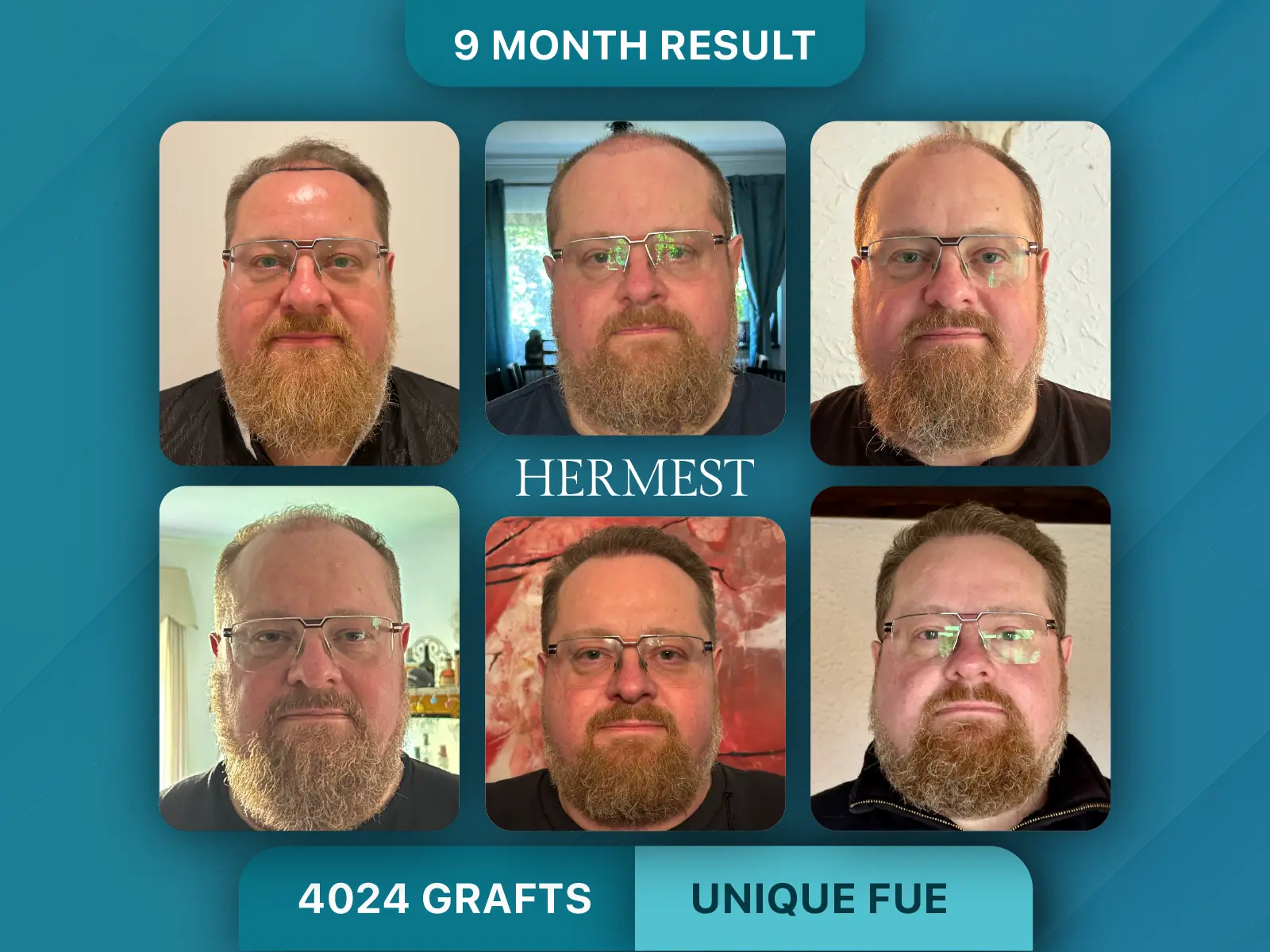
Think of this section as the safety lens every surgeon uses before giving approval.
Conditions That May Delay a Transplant
Some patients ask, “what tests are needed before hair transplant?”. At Hermest, we frequently request basic labs, a medical history review, and a scalp evaluation. These protect you from unnecessary risks.
You may need to postpone surgery if you have:
- Uncontrolled diabetes
- Severe hypertension
- Active infections
- Autoimmune flares
- Untreated thyroid issues
- Severe anaemia
- Bleeding-related problems
These situations don’t permanently disqualify you — but they need stabilisation first.
Dr. Ahmet Murat says:
“Transplant success isn’t only about grafts. It’s about how your body supports healing. If something in your health increases risk, we guide you through fixing it before surgery. Protecting the patient always comes first.”
Medical Conditions Preventing Hair Transplant
This is where who is not a good candidate for hair transplant becomes clearer. Some conditions create outcomes that are unpredictable or unsafe:
- Active scarring alopecia contraindications
- Alopecia areata (unpredictable recurrence)
- Uncontrolled trichotillomania hair transplant candidate issues
- Severe diffuse miniaturisation in the donor
- Untreated psychiatric conditions affecting appearance perception
These cases require medical or psychological treatment before considering surgery.
Smoking, Alcohol, and Lifestyle Factors
Lifestyle directly affects graft survival. Risk factors include:
- Heavy smoking
- Excessive alcohol
- Poor wound healing
- High stress affecting shedding
- Sleep issues influencing recovery
These factors increase complications and reduce graft survival.
Hermest guides patients through perioperative risk assessment, including how to adjust habits to protect growth.
Safe Hair Transplant Conditions — How Hermest Screens Patients
To ensure safe outcomes, we conduct:
- Scalp health evaluation
- Trichoscopy hair transplant imaging
- Miniaturisation rate analysis
- Blood pressure and glucose checks
- Medication review
- An honest discussion about mental readiness
Our approach aims to remove unsafe candidates early while offering:
- Stabilisation
- Medical therapy
- Hair transplant alternatives if not a candidate
- Future reassessment
This creates long-term reliability and trust.
Step 5: Hair Characteristics and How They Shape Your Result
Even if your pattern and health look perfect, you’re only a good candidate for hair transplant when your hair characteristics support full, natural-looking coverage. These details are often underestimated, yet they heavily influence realistic hair transplant expectations, density illusion, and overall artwork of the result.
Your hair’s personality matters as much as your donor supply.
Why Hair Calibre, Texture, and Colour Change Everything
When people ask “how to tell if you are a good candidate?”, most think about how bald they are. But surgeons think about how well your hair can hide baldness.
Main characteristics:
- Hair calibre evaluation: Thicker strands cover more scalp
- Texture: Wavy or curly hair creates shadows and fullness
- Hair colour vs skin tone coverage: Similar shades blend better
- Follicular unit structure: Multi-hair grafts vs singles
A patient with thick, coarse, wavy hair may need fewer grafts than someone with fine, straight strands. Two patients with the same Norwood stage may need completely different plans.
Dr. Ahmet Murat explains:
“Coverage is an illusion. Thick or slightly wavy hair casts shadows and creates a fuller look with fewer grafts. When I design a case, I match your hair’s natural behaviour with your long-term pattern.”
How Hair Characteristics Affect Your Hairline Design
Your hairline is the first thing people see. Designing it requires precision, especially for FUE hair transplant candidate and DHI candidate cases.
We consider:
- Natural direction of your native hairs
- Density potential of each graft
- Hairline vector planning
- Your facial proportions
- Age-appropriate positioning
A patient with low-density, fine hair may need a slightly higher hairline to avoid future gaps. Someone with dense, strong donor hair can enjoy a more refined, lower design that remains believable.
Hermest matches each hairline to long-term stability, not short-term density.
Matching Your Hair Type to the Right Technique
Different characteristics respond differently to FUE, DHI, or FUT approaches.
Examples:
- Curly hair → better handled with enlarged visualisation to avoid transection
- Thick grafts → strong for mid-scalp and crown
- Single-hair follicles → perfect for the hairline
- Fragile hair → benefits from lower manipulation environments
Hermest tailors the method to your biology, not the other way around.
Beard, Eyebrow, and Body Hair Considerations
If someone asks, “can body or beard hair help if my donor is limited?” — yes, in specific cases. However:
- Beard graft compatibility must be confirmed
- Body hair must show reliable growth cycles
- Mixed grafts must blend with scalp hair
- Texture mismatch is evaluated carefully
These options work well for repair or revision hair transplant candidate cases when used strategically.
Step 6: Expectations, Design, and Long-Term Planning
Your goals and expectations shape whether you’re truly a good candidate for hair transplant. Even with a perfect donor and a stable pattern, the final outcome depends on how well your expectations match what modern FUE or DHI can realistically create. A great transplant isn’t about chasing perfection. It’s about achieving a natural, believable look that remains stable for decades.
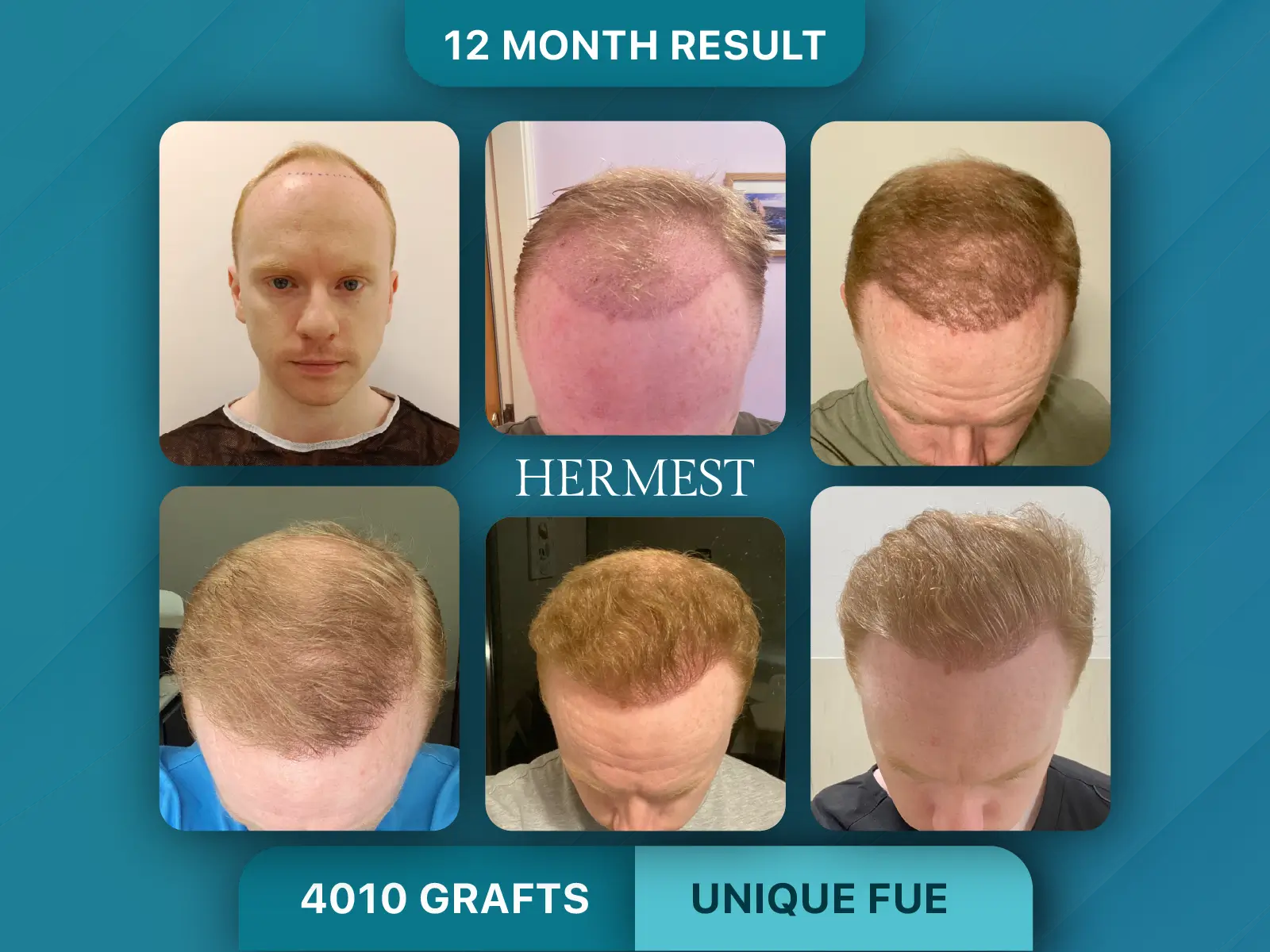
This is the part where your mindset matters as much as your hair.
Understanding What a Transplant Can — and Cannot — Achieve
When patients ask “how to tell if you are a good candidate?”, we look at more than your scalp. We look at your expectations.
A transplant can:
- Rebuild a natural hairline
- Increase apparent density
- Reduce the “bald look”
- Improve confidence and overall appearance
A transplant cannot:
- Restore teenage density
- Stop future loss without support
- Fill every single thin area in one session
- Override limited donor supply
Coverage is an illusion created by direction, design, and density — not by replacing every lost hair.
Dr. Ahmet Murat notes:
“A beautiful result comes from harmony, not volume. I design for your future self. That means a natural flow, believable density, and a plan that ages gracefully.”
The Importance of Hairline Planning
The hairline is where art meets medicine. It shapes your face and defines the entire result.
Good candidates accept:
- Age-appropriate placement
- Slightly conservative positioning for long-term stability
- A design that matches donor capacity
- A natural transition zone with single-hair grafts
At Hermest, we use hairline vector planning to recreate the direction and behaviour of your original hair. This helps avoid the “wig-like” look that poor planning creates.
Multi-Session Planning and Future Safeguards
Some patients need one session. Others need two, especially at higher Norwood stages.
We create a multi-session restoration plan when needed, using:
- Donor protection strategies
- Graft budgeting for future zones
- Long-term hair loss forecasting
- Density mapping tailored to future progression
This prevents the nightmare scenario: running out of donor hair too early.
Hermest always keeps graft survival and donor preservation at the core of the design process.
Avoiding Unrealistic or Risky Goals
Certain expectations signal that someone may not yet be ready:
- Wanting a very low, youthful hairline with limited donor supply
- Expecting a NW6 restoration in a single session
- Requesting density that matches areas with native hair
- Refusing medical support despite progressive loss
These aren’t deal-breakers, but they require honest discussions so your long-term plan remains safe.
Step 7: Who Is NOT a Good Candidate? (And What to Do Instead)
A strong result depends on placing the right person in the right procedure at the right time. Understanding who is not a good candidate for hair transplant is just as important as knowing who qualifies. A clear “not yet” saves you from long-term regret, wasted donor supply, and unnatural outcomes.
This section addresses the cases where surgery doesn’t serve the patient — at least for now — and what you can do to fix that.
Unstable or Aggressive Hair Loss
Patients with progressive hair loss that changes every few months often ask, “do I need to treat my hair before transplant?”.
Yes. When shedding is rapid or unpredictable, results won’t align with future patterns. Transplanted areas may stay dense while native hair continues thinning, creating unnatural gaps.
Signs of instability:
- Sudden increases in shedding
- Rapid changes in temple or crown shape
- Miniaturisation spreading into the donor zone
- Thinning that continues despite lifestyle changes
These cases require stabilisation, not immediate surgery.
Dr. Ahmet Murat says:
“If your pattern is shifting every few months, we press pause. We stabilise first, or the transplant will not blend with the future.”
Weak or Miniaturised Donor Area
Some patients have thinning even in the donor zone. This directly affects hair transplant donor area requirements.
You may not qualify if:
- Donor density is too low
- Miniaturisation rate is high
- The safe donor zone boundary is narrow
- Hair calibre is too fine to provide coverage
If the donor area fails quality checks, transplanting becomes risky.
Medical Conditions Preventing Hair Transplant
Some conditions require full control before surgery:
- Alopecia areata
- Scarring alopecia
- Uncontrolled trichotillomania hair transplant candidate issues
- Autoimmune scalp disorders
- Uncontrolled diabetes or thyroid conditions
- Significant anaemia
- Bleeding tendencies
- Severe anxiety or body-image disorders
These aren’t rejections — they’re protective measures.
Unrealistic Expectations or Unsafe Requests
A transplant must remain believable and durable. You may not be ready if you:
- Expect teenage density
- Request a very low hairline with limited donor supply
- Refuse medical support despite clear ongoing loss
- Want perfect coverage in one session at high Norwood stages
- These expectations can exhaust your grafts early.
Hermest ensures each design fits your future pattern, not just your present appearance.
What to Do If You’re Not a Candidate — Right Now
If surgery is not recommended today, there are effective steps to increase eligibility:
Medical Stabilisation
- Finasteride stabilisation before transplant
- Minoxidil stabilisation before transplant
- PRP applications for growth support
- Addressing iron, thyroid, or vitamin deficiencies
- Hormonal regulation for female patients
Non-Surgical Options
- SMP (scalp micropigmentation)
- Styling adjustments
- Temporary hair systems or fibres
Surgical Reassessment Later
We re-evaluate after stabilisation or treatment to see whether candidacy improves.
Step 8: Special Cases: Women, Beard/Brow Restoration, Revision Work, and Scarring
Some patients don’t fit the classic pattern of a male hair transplant Istanbul candidate, yet they still wonder whether they qualify. Special cases require different evaluation steps, stricter analysis, and sometimes unique techniques to guarantee natural-looking results. Hermest handles these cases with careful planning, because the margin for error is small — and expectations are often higher.
This section helps you understand where you stand if your situation is a little different.
Women as Hair Transplant Candidates
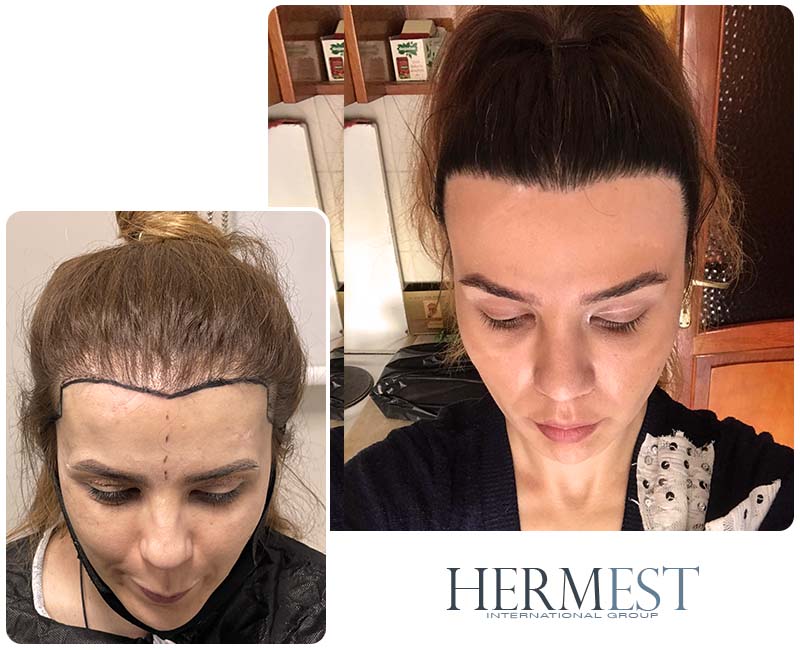
A common question we hear is: “can women be good hair transplant candidates?”.
Yes, many are. But the rules differ. Women who qualify typically have:
- A stable central-thinning pattern
- Intact donor hair density
- Minimal donor area miniaturisation
- Hormonal balance or regulated treatment
- No active inflammatory scalp diseases
The biggest issue in women is diffuse thinning. When both the recipient and donor zones thin together, the transplant becomes ineffective.
Dr. Ahmet Murat explains:
“Women require deeper analysis. If the donor is stable, results can be excellent. If miniaturisation touches the donor, surgery pauses until stability returns.”
We always perform trichoscopic donor analysis and sometimes hormonal screening to ensure long-term success.
Beard, Eyebrow, and Facial Hair Transplants
These procedures attract patients who want precision aesthetics. But they require different candidacy criteria than scalp surgery.
Strong candidates for facial procedures have:
- Dense beard or scalp donor regions
- Good hair calibre for blending
- Clear growth directions in the target area
- Healthy skin without scarring or inflammation
You may qualify as a beard hair transplant candidate if your beard is patchy but your donor zone is strong. You may qualify as an eyebrow transplant candidate if your brow density is weak due to over-plucking or genetics.
Hermest matches graft types to specific areas so texture, calibre, and flow look natural.
Body Hair Transplant (BHT) Suitability
Some patients lack a strong scalp donor zone and ask about body hair options. BHT is possible only when:
- Body hair shows reliable growth cycles
- Hair calibre matches (or can blend with) scalp hair
- Skin flexibility and graft survival factors are favourable
Common donor zones include the chest, under-chin beard, and occasionally the abdomen.
BHT is often used in revision hair transplant candidate cases or for crown density enhancement.
Revision and Repair Procedures
Patients seeking repair often deal with:
- Overharvested donor areas
- Pluggy or old-fashioned hairlines
- Visible FUT scars
- Sparse density after poor graft survival
- Asymmetrical designs
Repair demands advanced planning, because donor resources are limited.
Hermest focuses on:
- Redesigning the ideal hairline design
- Using micro-grafts to break up unnatural density patterns
- Enhancing coverage with compatible beard grafts
- Minimising scarring visibility
- Rebuilding density through strategic placement
These cases require a surgeon who understands both anatomy and aesthetics.
Scarring Alopecia and Trauma Cases
Not all scars disqualify patients, but every scar requires caution.
Candidates need:
- A non-active, fully stable scar
- Healthy blood supply in the area
- No signs of inflammatory recurrence
- A donor area strong enough to support restoration
Some scars respond well to transplants; others require PRP or SMP before or after surgery.
Hermest evaluates scars using scalp health evaluation, safe donor zone mapping, and sometimes biopsy collaboration with dermatology partners.
Step 9: How a Proper Candidacy Assessment Works (Consultation Process)
Most people try to judge their own hair transplant eligibility from photos, mirrors, or online guesses. But true hair transplant candidacy requires a structured evaluation. A proper consultation reveals things you cannot see on your own — donor dominance patterns, hidden miniaturisation, scalp health, long-term progression risks, and whether your goals match your biology.
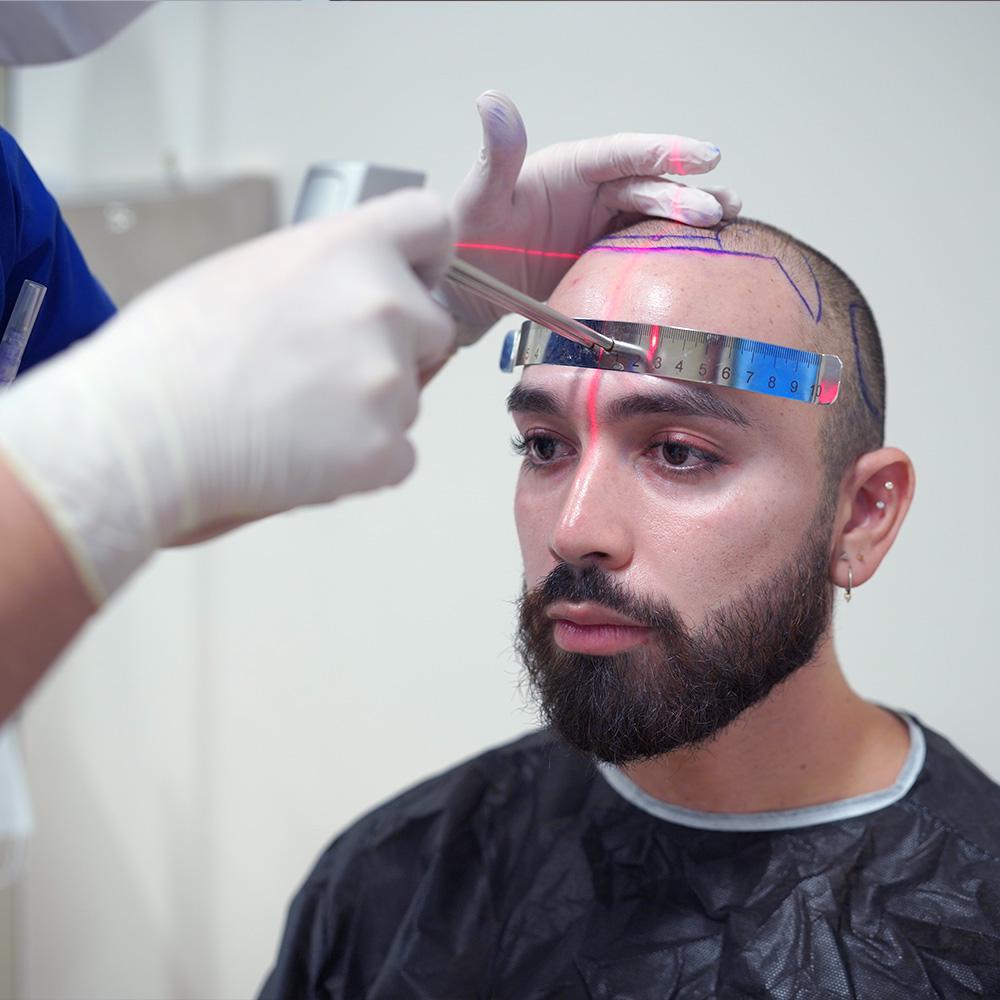
Hermest uses a clinical, data-based process that removes guesswork and protects you from bad decisions.
Detailed History and Pattern Review
Your consultation starts with a conversation. Not just about your hair — but about your journey, fears, and goals.
We ask about:
- Age of onset
- Rate of change
- Family history patterns
- Previous treatments
- Stress, illness, lifestyle factors
- Hormonal or medical issues
- Medications affecting shedding
This shapes your androgenetic alopecia assessment and helps us understand whether your pattern is stable, improving, or in decline.
Trichoscopy and Donor Analysis
Next, we examine your scalp using:
- High-resolution trichoscopy hair transplant imaging
- Miniaturisation rate mapping
- Follicular unit density measurement
- Donor dominance evaluation
- Safe donor zone mapping
- Hair calibre evaluation
- DHT-resistance checks in the occipital zone
This answers important questions like:
- “is my donor area strong enough?”
- “can I run out of donor hair?”
- “how much donor hair do you need?”
This is the stage where many clinics rush. We don’t.
Dr. Ahmet Murat emphasises:
“A careful donor study is the foundation of everything. If we misjudge this area, we risk overharvesting or building a design your donor cannot support. Our method protects your future, not just your present.”
Hairline & Density Planning
Once your donor and pattern are mapped, we create a long-term plan.
This includes:
- Age-appropriate hairline positioning
- Hairline vector planning
- Graft allocation based on density needs
- Matching hair characteristics to technique (FUE vs DHI)
- Multi-zone planning (front–mid–crown)
- Estimation of future sessions if needed
Every design respects your donor limitations and long-term progression.
Health & Safety Check
We conduct a structured review to identify:
- Medical requirements for hair transplant
- Hidden contraindications for hair transplant
- Hormonal or nutritional deficiencies
- Conditions requiring stabilisation
- Risk factors affecting graft survival
This ensures safe hair transplant conditions before proceeding.
Digital Photos or Online Assessment for International Patients
Many patients begin with an online photo assessment.
What we check remotely:
- Hairline recession pattern
- Crown density
- Donor thickness (basic estimation)
- Skin health
- Early miniaturisation clues
- General pattern classification (NW scale)
What still requires in-clinic evaluation:
- Trichoscopy
- Accurate graft planning
- Donor zone boundaries
- Hidden miniaturisation
- True follicular unit density
Remote assessments provide clarity. In-clinic confirms precision.
Transparent Recommendations
By the end of consultation, you leave with:
- Your exact pattern stage
- Donor strength grade
- Expected density range
- Whether you qualify today
- Whether treatment is needed first
- Whether you’re a strong, borderline, or delayed candidate
- A personalised graft plan
- A multi-session restoration plan if needed
- Technique recommendations (FUE, DHI, or mixed)
- Pricing based on your goals, not a generic package
Hermest avoids one-size-fits-all promises. We build your plan around biology, not marketing.
Step 10: Alternatives When You’re Not a Candidate (And How to Become One)
Not everyone who asks “am I a candidate for hair transplant?” is ready for surgery immediately. Some need stabilisation. Some need medical support. Others simply need time. What matters is that you don’t lose hope — many patients who were “not suitable” at first eventually became strong candidates after the right preparation.
This section helps you understand your path forward if surgery isn’t the right choice today.
Medical Treatments That Improve Eligibility
If your hair loss is active or your donor zone shows early miniaturisation, you may need treatment before considering surgery. Medical therapy strengthens existing follicles, slows progression, and improves future density.
Common stabilisation options:
- Finasteride stabilisation before transplant
- Minoxidil stabilisation before transplant
- PRP (platelet-rich plasma adjunct)
- Low-level laser therapy
- Addressing thyroid, iron, vitamin, or hormonal issues
- Reducing inflammation through dermatological support
These therapies don’t “replace” a transplant — they help make it successful.
Dr. Ahmet Murat shares:
“Many patients improve eligibility simply by calming the scalp and stabilising the pattern. When we treat the cause first, the transplant becomes safer and more predictable.”
Lifestyle Adjustments That Support Eligibility
Some factors weaken your candidacy but can be changed.
Improvements that help:
- Cutting down smoking to improve graft survival
- Reducing high alcohol intake before surgery
- Managing chronic stress
- Improving sleep quality
- Stabilising weight fluctuations
- Treating scalp inflammation or dandruff
These steps help create safer conditions and reduce complications.
SMP, Styling, and Temporary Visual Solutions
If you’re not yet a FUE hair transplant candidate, you still have non-surgical options:
- SMP (scalp micropigmentation) for fuller appearance
- Hair fibres for instant coverage
- Temporary styling techniques
- Density-enhancing haircuts
- Concealers designed for thinning areas
These work particularly well for:
- Diffuse thinning
- Early miniaturisation
- Patients stabilising loss before transplant
- Those preparing for future surgery
Surgical Alternatives When Donor Is Limited
If your donor supply cannot support a full transplant, partial or alternative strategies may help:
- Crown-only or hairline-only design
- Mixed donor use in specific cases
- Beard graft compatibility checks
- Small repairs or camouflage procedures
- Staged restoration with a multi-year plan
Hermest evaluates each of these options based on your pattern and donor biology.
When to Reassess Candidacy
We often reassess after:
- 6–12 months of medical therapy
- Stabilised miniaturisation
- Improved donor density
- Resolved scalp inflammation
- Corrected hormonal or nutritional deficiencies
- Lifestyle improvements affecting recovery
Many patients who didn’t qualify initially return to find that they now fit the profile of a good candidate for hair transplant — safely and confidently.
Step 11: 12-Point Self-Check: Are You a Good Candidate?
This self-check helps you quickly understand your hair transplant candidacy before a full consultation. It’s simple, honest, and based on the exact criteria surgical teams use when deciding who is a good candidate for hair transplant — and who needs stabilisation first.
If you’ve been wondering “am I a good candidate for hair transplant?” or “how do I know if I am a candidate for hair transplant?”, this checklist gives clarity.
Read each point and give yourself a realistic yes/no.
Your 12-Point Candidacy Checklist
- Your hair loss matches a predictable pattern – Male (Norwood) or female-pattern thinning, not random shedding.
- Your hair loss is stable – No rapid changes in density, shape, or coverage.
- Your donor zone is consistent and strong – Good donor hair density, low donor area miniaturisation, healthy occipital dominance.
- Your hairline goals match your donor capacity – You’re willing to accept a natural, age-appropriate design.
- You understand long-term behaviour – You recognise that hair loss continues and grafts must blend with the future.
- You are healthy enough for minor surgery – No uncontrolled diseases or contraindications for hair transplant.
- You accept realistic coverage expectations – You know that full density isn’t always possible in one session.
- You’re ready to support your native hair medically – Open to stabilisation: finasteride, minoxidil, PRP, or lifestyle adjustments.
- Your scalp is in good condition – No active inflammation, infections, or scarring alopecia.
- You have no psychiatric barriers – No untreated trichotillomania, severe anxiety, or body-image disorders.
- You have future graft needs in mind – You’re open to a multi-session restoration plan if your Norwood stage demands it.
- Your expectations match surgical reality – You want natural, believable improvement — not unrealistic perfection.
How to Interpret Your Score
If you answered “Yes” to most questions: You’re likely a strong hair transplant Istanbul candidate or hair transplant Turkey candidate. Next step: professional consultation.
If your answers were mixed: You may qualify after stabilisation or targeted treatment. This is extremely common.
If you answered “No” to many: You may need non-surgical options or medical support before surgery.
Dr. Ahmet Murat notes:
“Every patient has a path, even if the first step isn’t surgery. What matters is timing and planning — not rushing.”
FAQs
You qualify when your hair loss follows a predictable pattern, your donor zone is strong, and your scalp is healthy enough for surgery. Stable androgenetic alopecia, good donor hair density, and realistic goals are the core requirements.