

All About Hair Follicles: Causes and Solutions for Inflammation
 ChatGPT
 Claude
 Perplexity
 Grok
Grok
 Gemini

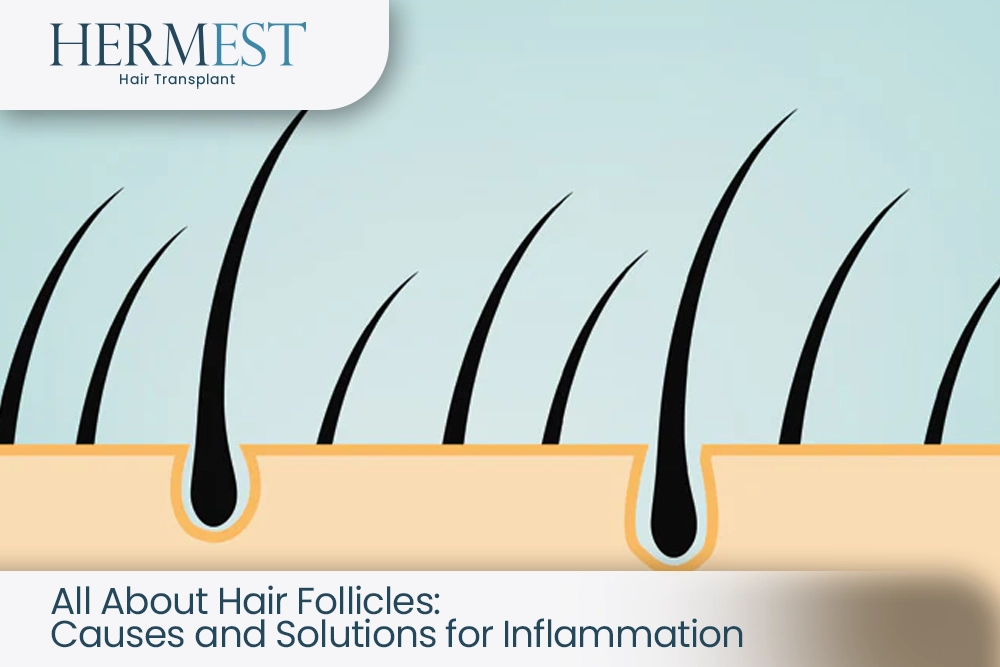
Hair follicle inflammation is one of those issues people feel before they understand. You touch your scalp, move your hair, or wash it, and suddenly it hurts. The most common questions are direct: why do my hair follicles hurt, why are my hair follicles sore, or whether it’s a clogged hair follicle or an infected hair follicle.
In most cases, that discomfort comes from irritation, blockage, or early inflammation around the follicle. It can stay mild and disappear. It can also progress into scalp folliculitis, which involves bacteria, yeast, or ingrown hairs. Folliculitis often begins as small, tender bumps around hair follicles that may itch, burn, or become painful if inflammation deepens.
Not every painful follicle means infection. And not every “pimple” on the scalp is the same condition. That confusion is exactly where most people get stuck.
We’ll explore this in a way that actually helps you decide:
- what your symptoms likely mean
- whether you’re dealing with clogged follicles, irritation, or infection
- what you can safely do today
- when it’s time to step in early and protect your hair
Dr. Ahmet Murat explains:
“Patients often assume pain means infection. In reality, many cases are caused by simple irritation or blockage. Making the right distinction is half of the treatment.”
If your scalp feels tender, sore, or inflamed, you’re in the right place. Let’s start by decoding what that pain actually means.
Quick Insights
- Hair follicle pain is most often caused by inflammation rather than infection, even when it feels intense.
- A clogged hair follicle can create soreness and sensitivity without actually being infected.
- Everyday triggers like product buildup, sweat, friction, and shaving are common causes of clogged hair follicles.
- Early symptoms such as mild tenderness or small bumps are usually reversible when addressed quickly.
- An infected hair follicle typically shows pus, swelling, and increasing pain, which may need targeted treatment.
- Not all cases require antibiotics, and using the wrong treatment can worsen scalp imbalance.
- Recurrent or worsening symptoms often point to an underlying issue that needs proper evaluation.
- Prolonged inflammation can affect hair growth and, in some cases, lead to thinning or permanent damage.
- Consistent scalp care and reducing triggers are key to preventing future flare-ups.
- If you keep wondering why are my hair follicles sore, identifying the root cause is the most effective way to resolve it.
Why do my hair follicles hurt?
Pain in the follicles usually points to inflammation. That inflammation can come from irritation, blockage, or infection. The key is understanding which one you’re dealing with.
What sore hair follicles usually mean
When people say “why are my hair follicles sore”, they are describing localized inflammation around the follicle opening. This can feel like tenderness when touching the scalp, a slight burning sensation, or even pain when moving hair.
The most common triggers include:
- mild bacterial irritation
- yeast overgrowth
- trapped oil and product buildup
- ingrown hairs
- friction from tight styles or helmets
According to American Academy of Dermatology, follicle irritation often begins as small red or white bumps that can feel sensitive before becoming visibly inflamed.
Short version. Pain is usually inflammation first, infection later.
Why the scalp can hurt when hair moves
This is one of the most searched complaints. Hair itself doesn’t hurt, but the follicle does. When inflammation builds, even slight movement can trigger discomfort.
Common reasons include:
- pressure from tight ponytails or braids
- buildup from styling products blocking follicles
- sweating and oil accumulation
- early-stage folliculitis
- sensitive scalp conditions like dermatitis
The scalp has a dense nerve supply. That’s why even mild inflammation feels more intense than expected.
Does hair follicle pain mean infection?
Not always. This is where many people jump to the wrong conclusion.
Pain alone does not confirm an infected hair follicle. Infection usually adds extra signs:
- visible pus or whiteheads
- swelling and warmth
- spreading redness
- crusting or oozing
If those are missing, you are more likely dealing with irritation or clogged hair follicles, not infection.
Dr. Ahmet Murat emphasizes this clearly:
“Not every painful follicle requires antibiotics. In many cases, the cause is simple irritation or blockage. Using the wrong treatment can disrupt the scalp further. Identifying the cause comes first.”
Understanding this distinction early helps you avoid overtreatment and focus on the right solution.
What is hair follicle inflammation?
Hair follicle inflammation sounds complex, but the idea is simple. The follicle becomes irritated, blocked, or invaded by microbes, and your body reacts. That reaction creates redness, tenderness, and sometimes visible bumps.

This is the stage where many people notice clogged hair follicles, small painful spots, or early signs of an infected hair follicle.
What a hair follicle does
Each follicle is a tiny structure that anchors your hair into the skin. It produces hair and connects to oil (sebaceous) glands that keep the scalp hydrated.
When everything works normally:
- oil flows freely to the surface
- dead skin sheds without blocking the opening
- hair grows without resistance
When this balance breaks, problems start.
What happens when a follicle gets inflamed or blocked
Inflammation usually begins quietly. Oil, sweat, dead skin, or product residue can build up and block the follicle opening. This creates the classic clogged hair follicle situation.
At this stage, you may notice:
- small tender bumps
- mild itching or burning
- sensitivity when touching or brushing
If bacteria or yeast enter that blocked follicle, it can progress into an infected hair follicle, which looks more like a pimple with pus.
According to American Academy of Dermatology, folliculitis often starts as superficial inflammation but can deepen if not managed early.
Short progression: Clogged → Inflamed → Infected.
Inflamed vs clogged vs infected hair follicles
This is where most people get confused, so let’s simplify it:
- Clogged hair follicles: Blocked by oil, sweat, or product buildup. Mild discomfort, no pus, no spreading.
- Inflamed follicles: Red, tender, slightly swollen. Pain when touched. Early irritation stage.
- Infected hair follicle: Pus-filled bumps, warmth, more intense pain. May spread or form crusts.
Dr. Ahmet Murat explains:
“The earlier you catch follicle inflammation, the easier it is to reverse. Once infection sets in, treatment becomes more structured and sometimes longer.”
This distinction matters. It determines what you should do next.
Common causes of sore, clogged, or infected hair follicles
Most people focus on symptoms. The real breakthrough comes when you understand the cause. Pain, bumps, or clogged hair follicles are usually the result of a trigger that disrupts the scalp environment.
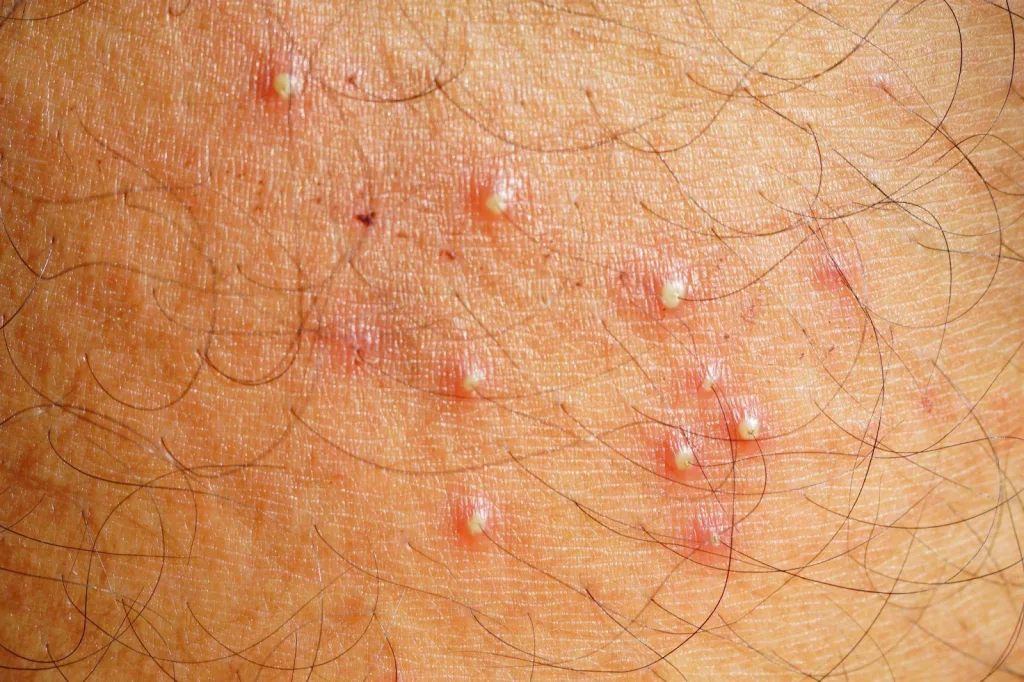
Let’s break down the most common ones clearly.
Bacterial folliculitis
This is the classic form behind an infected hair follicle. It often involves bacteria like Staphylococcus entering a damaged or blocked follicle.
You may notice:
- pus-filled bumps
- redness and warmth
- increasing tenderness
According to Mayo Clinic, bacterial folliculitis often starts as small pimples but can worsen if irritation continues.
Yeast or fungal folliculitis
This one is often missed. Yeast (Malassezia) thrives in oily, sweaty environments, especially on the scalp.
Signs tend to include:
- itchy, uniform bumps
- burning sensation
- flare-ups after sweating
This is common in people who sweat a lot or use heavy hair products.
Ingrown hairs and razor bumps
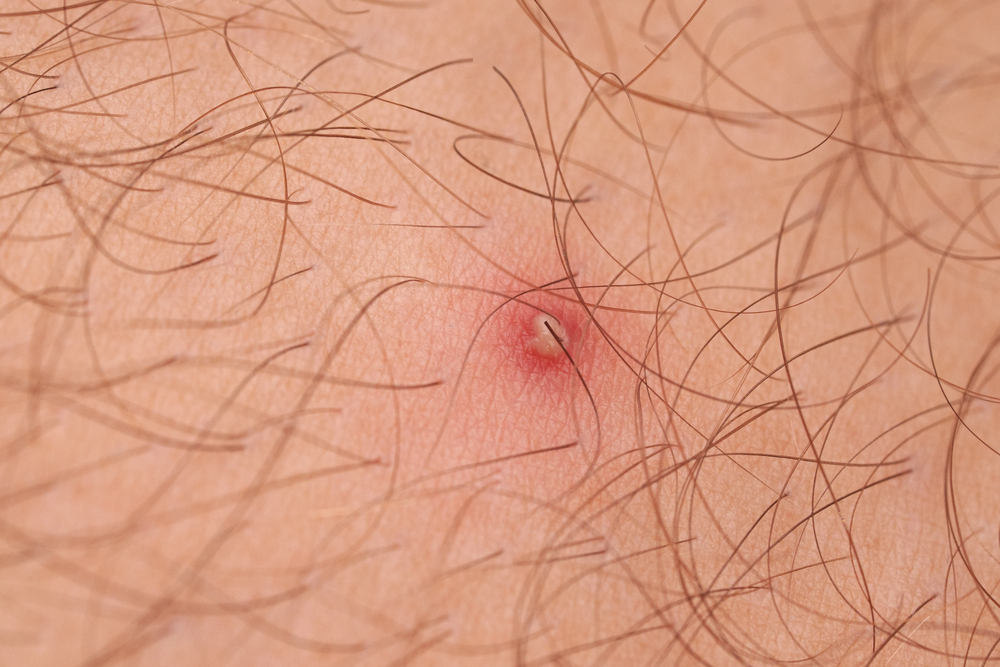
Ingrown hairs trap the hair inside the follicle. That creates inflammation and sometimes infection.
Typical clues:
- painful bumps after shaving
- localized soreness
- visible trapped hair
This is one of the top reasons people ask why do my hair follicles hurt after grooming.
Product buildup, sweat, and oil
This is one of the biggest content gaps in competitor articles. Many cases are not infection at all.
Heavy styling products, dry shampoo, oils, and sweat can:
- block follicle openings
- trap bacteria
- trigger irritation
Result? Clogged hair follicles that feel sore but are not infected.
Tight hairstyles and friction
Constant pulling or pressure irritates follicles over time.
Common triggers:
- tight ponytails or braids
- helmets or hats
- friction from pillows or headwear
This creates inflammation without infection, especially along the hairline.
Hot tub exposure and contaminated water
Poorly maintained pools or hot tubs can introduce bacteria into follicles. This leads to sudden outbreaks of tender bumps.
Often appears:
- within 24–48 hours
- in areas exposed to water
Medication-related folliculitis
Some medications can trigger follicle inflammation as a side effect. This is less common but important in persistent cases.
Immune-related or chronic conditions
Certain conditions affect how your skin reacts:
- chronic scalp folliculitis
- folliculitis decalvans
- dissecting cellulitis
These can lead to repeated inflammation and even hair loss if ignored.
Dr. Ahmet Murat notes:
“If follicle pain keeps coming back in the same areas, we don’t treat it as a simple irritation. Recurrent patterns often point to an underlying trigger that needs targeted management.”
Understanding your trigger changes everything. It tells you what to stop, what to treat, and what to monitor next.
What does a clogged or infected hair follicle look and feel like?
Most people don’t struggle with treatment first. They struggle with recognition. Is it irritation, a clogged hair follicle, or an infected hair follicle? The answer depends on how it looks, how it feels, and how it evolves over time.
Early signs of a clogged follicle
This is the stage many people miss. The follicle is blocked, but not yet infected.
You may notice:
- small bumps without pus
- mild tenderness when touching the scalp
- slight itching or tight feeling
- discomfort when brushing or moving hair
This is where people start searching “why do my hair follicles hurt”. At this point, it’s usually buildup or irritation, not infection.
Short insight. This stage is reversible.
Signs of inflammation
As irritation increases, the follicle becomes more reactive.
Look for:
- redness around the follicle
- more noticeable soreness
- sensitivity when hair moves
- a burning or stinging sensation
This is the transition phase between clogged hair follicles and something more active. If managed here, it often settles quickly.
Signs of an infected hair follicle
When bacteria or yeast take over, symptoms become more obvious.
Typical signs include:
- white or yellow pus-filled bumps
- increased swelling and warmth
- stronger, throbbing pain
- crusting or scabbing
Infected follicles often resemble acne-like pustules and can spread if not treated properly.
This is the point where many cases turn into true folliculitis.
Signs it may be more than simple folliculitis
Some patterns should not be ignored. They suggest deeper or chronic conditions.
Watch for:
- repeated flare-ups in the same area
- patches of hair thinning or loss
- larger painful lumps under the skin
- draining or oozing lesions
- clusters of bumps that merge
These can indicate more complex conditions like folliculitis decalvans or dissecting scalp disorders.
Dr. Ahmet Murat explains:
“When inflammation starts affecting hair growth or keeps returning, we look beyond simple folliculitis. Early evaluation can prevent permanent damage.”
This is a key turning point. Recognizing severity early protects your follicles.
Scalp folliculitis vs other look-alike conditions
Many people assume every bump or sore follicle is the same thing. It isn’t. This is where misdiagnosis happens, and it’s a major gap in most articles.
If you’re dealing with clogged hair follicles, soreness, or an infected hair follicle, you need to know what you’re actually looking at.
Folliculitis vs scalp acne
These two look very similar at first.
Folliculitis:
- centered around individual hair follicles
- often itchy or tender
- can form small pustules
Scalp acne:
- deeper, more painful bumps
- not always centered on a follicle
- often linked to oil overproduction
Acne tends to sit deeper. Folliculitis stays more superficial unless it progresses.
Folliculitis vs ingrown hair
This is one of the most common confusions, especially after shaving.
Ingrown hair:
- hair trapped under the skin
- localized pain
- visible looped or embedded hair
Folliculitis:
- multiple bumps
- may spread
- can include pus
If you’re asking “why do my hair follicles hurt after shaving”, ingrown hairs are often the cause.
Folliculitis vs seborrheic dermatitis
This condition is linked to yeast and scalp oil balance.
Seborrheic dermatitis:
- greasy flakes
- widespread itching
- redness without pus
Folliculitis:
- distinct bumps
- tenderness
- sometimes infection
They can overlap, especially when yeast is involved.
Folliculitis vs scalp psoriasis
Psoriasis is inflammatory but not infection-based.
Psoriasis:
- thick, silvery scales
- clearly defined patches
- minimal pus
Folliculitis:
- smaller bumps
- follicle-centered
- may contain fluid
Psoriasis rarely causes the same type of sharp follicle pain.
Folliculitis vs chronic scarring conditions
This is where things get serious.
Conditions like:
- folliculitis decalvans
- dissecting cellulitis
can cause:
- recurring inflammation
- permanent hair loss
- scarring over time
According to American Academy of Dermatology, early identification of scarring scalp disorders is key to preventing long-term damage.
Dr. Ahmet Murat says:
“The biggest mistake we see is treating every scalp issue the same way. Each condition has a different pathway, and using the wrong approach delays recovery.”
This section matters more than most people realize. Correct identification changes everything.
How do you treat inflamed or painful hair follicles?
Treatment depends on one thing first. What’s actually causing the problem.
A clogged hair follicle, mild irritation, and an infected hair follicle do not need the same approach. Getting this right early saves time and prevents worsening.
What you can do at home
For early-stage symptoms, simple steps often work.
Start with:
- gentle scalp cleansing (no harsh scrubbing)
- warm compress to reduce inflammation
- avoiding tight hairstyles or friction
- stopping heavy styling products temporarily
These steps help when symptoms come from buildup or irritation.
Short truth. Less is often more at this stage.
Which shampoos or washes may help
Choosing the right wash depends on the trigger.
Options include:
- antifungal shampoos (for yeast-related folliculitis)
- benzoyl peroxide washes (for bacterial overgrowth)
- mild clarifying shampoos (for product buildup)
According to American Academy of Dermatology, medicated cleansers can reduce microbial load and calm inflammation when used correctly.
When antibiotics help and when they don’t
This is a major confusion point.
Antibiotics help if:
- there is a clear infected hair follicle
- pus, spreading redness, or worsening pain appears
They do not help when:
- follicles are just clogged
- irritation is caused by products or friction
- yeast is the underlying trigger
Using antibiotics unnecessarily can disrupt the scalp balance.
When antifungals are the better answer
If symptoms include:
- persistent itching
- uniform bumps
- flare-ups after sweating
then yeast is often involved. Antifungal shampoos or treatments work better in these cases.
Treatments doctors may prescribe
If symptoms don’t improve or worsen, medical treatment may be needed.
Doctors may use:
- topical antibiotics or antiseptics
- oral antibiotics for deeper infections
- antifungal medications
- anti-inflammatory treatments
Persistent or severe folliculitis may require targeted therapy after identifying the cause.
Dr. Ahmet Murat explains:
“We don’t treat every case aggressively. The goal is to match the treatment to the cause. Over-treatment can delay healing just as much as under-treatment.”
Treatment is not about doing more. It’s about doing the right thing at the right time.
What not to do
When dealing with sore or inflamed follicles, small habits can either calm the scalp or push it toward infection. Many cases that start as simple clogged hair follicles become more serious because of a few common mistakes.
Should you squeeze, scratch, or pop follicle bumps?
Short answer: no.
It’s tempting, especially when you see a bump that looks like a pimple. But squeezing or scratching:
- pushes bacteria deeper into the follicle
- increases inflammation
- raises the risk of scarring
- can turn a mild issue into an infected hair follicle
This is one of the fastest ways to make things worse.
Can shaving make it worse?
Yes, especially if the scalp or skin is already irritated.
Shaving over inflamed follicles can:
- create micro-cuts
- trigger ingrown hairs
- spread bacteria across nearby follicles
If you’re asking “why do my hair follicles hurt after shaving”, irritation and ingrown hairs are often the reason.
Pause shaving until the area calms down.
Are heavy styling products making it worse?
In many cases, yes. This is often overlooked.
Products like:
- waxes
- oils
- dry shampoo
- thick conditioners
can build up and block follicle openings. That leads directly to clogged hair follicles and ongoing irritation.
If symptoms started after changing products, that’s a strong clue.
Over-washing or harsh scrubbing
Trying to “clean it out” aggressively can backfire.
Harsh scrubbing:
- damages the scalp barrier
- increases sensitivity
- worsens inflammation
The goal is gentle cleansing, not stripping the scalp.
Ignoring early symptoms
Many people wait until pain increases or bumps spread. Early-stage inflammation is much easier to reverse.
According to American Academy of Dermatology, early care can prevent folliculitis from progressing into deeper infection.
Dr. Ahmet Murat advises:
“The biggest mistake is treating the scalp aggressively. When follicles are inflamed, they need calming, not force. Gentle care often resolves the issue before it escalates.”
Small actions matter here. They often decide how far the problem goes.
When should you see a doctor?
Most cases of sore or irritated follicles improve with simple care. But some situations need medical attention. Knowing the difference early can prevent complications and protect your hair.
Red flags that need medical review
If you notice any of the following, it’s time to get evaluated:
- increasing pain instead of improvement
- spreading redness or swelling
- large, deep, or very painful bumps
- fever or general discomfort
- swollen lymph nodes nearby
- clusters of pus-filled lesions
These signs suggest a progressing infected hair follicle, not just irritation.
Deeper or spreading folliculitis may require prescription treatment to prevent further complications.
Signs of scarring scalp disease
This is one of the most important content gaps many articles miss.
Watch closely for:
- patches of thinning or hair loss
- repeated flare-ups in the same area
- thick crusting or scabbing
- painful lumps under the skin
- areas that don’t fully heal
These may point to conditions like folliculitis decalvans or dissecting scalp disorders. These are not typical clogged hair follicles. They can damage follicles permanently if delayed.
Short truth. Time matters here.
What a dermatologist may do to diagnose the cause
Diagnosis is usually straightforward but targeted.
A specialist may:
- examine the scalp closely
- take a swab to identify bacteria or yeast
- check for fungal involvement
- review hair care habits and triggers
- rarely, perform a biopsy in unclear cases
According to American Academy of Dermatology, identifying the exact cause allows treatment to be precise rather than trial-and-error.
Dr. Ahmet Murat explains:
“If symptoms repeat or don’t respond within a reasonable time, we investigate deeper. Early diagnosis prevents long-term follicle damage and unnecessary treatments.”
Waiting too long is the real risk. Early action keeps things simple.
Can inflamed hair follicles cause hair loss?
The simple answer is yes, but not always. Most cases of sore or irritated follicles do not lead to permanent hair loss. The outcome depends on how deep the inflammation goes and how long it lasts.
Temporary shedding vs lasting hair loss
In early stages, inflammation can disrupt the hair growth cycle. This may cause temporary shedding.
You might notice:
- increased hair fall during washing
- weaker strands in affected areas
- mild thinning where follicles feel sore
This type of loss is usually reversible. Once the inflammation settles, hair often grows back normally.
When hair follicles are at risk
Problems begin when inflammation becomes deeper or persistent.
Higher risk situations include:
- untreated infected hair follicle
- repeated flare-ups in the same area
- chronic scalp folliculitis
- prolonged blockage from clogged hair follicles
Over time, ongoing inflammation can damage the follicle structure itself.
According to American Academy of Dermatology, certain inflammatory scalp conditions can lead to permanent hair loss if not treated early.
Conditions that carry scarring risk
Some conditions go beyond simple follicle irritation.
These include:
- folliculitis decalvans
- dissecting cellulitis
- severe, untreated bacterial folliculitis
Signs that raise concern:
- shiny or smooth patches where hair no longer grows
- thick scarring or hardened skin
- multiple follicles merging into larger lesions
This is called scarring alopecia. Once the follicle is destroyed, regrowth is not possible.
When early treatment protects hair
The good news is timing changes everything.
If you manage inflammation early:
- follicles remain intact
- hair growth continues normally
- long-term damage is avoided
Dr. Ahmet Murat explains:
“Hair loss doesn’t happen overnight. It’s usually the result of ongoing inflammation that wasn’t addressed early. When we intervene in time, follicles can fully recover.”
That’s the key takeaway. Inflammation is the warning sign, not the final outcome.
How to prevent clogged or infected hair follicles from coming back
Prevention is not about doing more. It’s about removing the trigger that caused the problem in the first place. Most recurring cases of clogged hair follicles or an infected hair follicle follow patterns.
Break the pattern, and recurrence drops.
Smart scalp hygiene without over-washing
Clean does not mean stripped.
Washing too aggressively can:
- disrupt the scalp barrier
- increase oil rebound
- worsen irritation
A better approach:
- wash regularly based on your scalp type
- use gentle, non-irritating formulas
- avoid harsh scrubbing
According to American Academy of Dermatology, balanced cleansing supports scalp health without triggering inflammation.
Product choices that reduce buildup
This is one of the most overlooked causes.
If you frequently deal with clogged hair follicles, review your products:
- avoid heavy waxes and oils on the scalp
- limit dry shampoo buildup
- rinse thoroughly after conditioning
Lightweight, scalp-friendly products reduce blockage and irritation.
Shaving and grooming habits that lower risk
Improper shaving often leads to soreness and ingrown hairs.
To reduce risk:
- avoid shaving over irritated skin
- use clean, sharp tools
- follow hair growth direction
- don’t rush
This is especially important if you’ve experienced pain and wondered why do my hair follicles hurt after grooming.
Managing sweat, heat, and friction
Sweat creates a perfect environment for irritation and microbial growth.
Helpful habits:
- shower after intense sweating
- avoid prolonged tight headwear
- keep the scalp dry when possible
Friction and heat are silent triggers.
Prevention for recurring or sensitive scalps
If symptoms repeat, you need a more structured routine.
Consider:
- periodic use of medicated shampoos
- rotating products to avoid buildup
- monitoring early signs like tenderness or itching
Prevention plays a key role in reducing recurrent folliculitis episodes.
Dr. Ahmet Murat advises:
“Recurrent follicle problems are rarely random. There is always a trigger. When we identify and control it, long-term relief becomes much easier.”
Consistency matters here. Small adjustments prevent bigger problems.
Quick answers to common questions
How long does hair follicle inflammation last?
Hair follicle inflammation can last anywhere from a few days to several weeks. Mild irritation or a clogged hair follicle often improves within 3–7 days with proper care. If the follicle becomes infected or repeatedly irritated, symptoms may persist longer and require targeted treatment such as medicated shampoos or prescription therapy.
Why do my hair follicles hurt at night?
Pain at night is often more noticeable due to reduced distraction and increased sensitivity. Lying on the scalp can also create pressure on inflamed follicles. If you’re asking why do my hair follicles hurt more at night, it may be linked to ongoing inflammation, friction from pillows, or untreated scalp conditions like early folliculitis.
What triggers sudden hair follicle pain?
Sudden pain usually comes from an acute trigger. Common causes include heavy product buildup, sweating, tight hairstyles, or bacterial irritation. A clogged hair follicle can quickly become inflamed if the scalp environment changes. In some cases, hot weather or poor scalp hygiene can accelerate this process.
How can I tell if hair follicle pain is from stress?
Stress does not directly infect follicles, but it can increase inflammation and sensitivity. If you experience why are my hair follicles sore during stressful periods without visible bumps or pus, the cause may be heightened scalp sensitivity. Stress can also worsen existing conditions like dermatitis or folliculitis.
Will hair follicle pain go away without treatment?
Yes, mild cases often resolve on their own. If the issue is simple irritation or clogged hair follicles, the body can clear it naturally. However, if pain persists, spreads, or shows signs of an infected hair follicle, it usually won’t improve without proper care and may require medical treatment.
Who is more likely to develop follicle inflammation?
People with oily scalps, frequent sweating, or heavy product use are more prone to follicle issues. Those who shave regularly or wear tight hairstyles are also at higher risk. Individuals with weakened immune systems or chronic skin conditions may experience more persistent or severe inflammation.
Where do clogged hair follicles appear most often?
They commonly appear on the scalp, beard area, neck, and areas exposed to friction or sweat. On the scalp, clogged hair follicles often develop where oil, sweat, and styling products accumulate. The hairline and crown are frequent problem areas, especially in people who use multiple hair products.
How do dermatologists confirm folliculitis?
Dermatologists usually diagnose folliculitis through a visual scalp examination. In persistent or unclear cases, they may take a swab to identify bacteria or yeast. This helps distinguish between irritation, fungal involvement, or an infected hair follicle, allowing for more precise and effective treatment.
Why do hair follicles hurt after wearing a hat or helmet?
Hats and helmets create heat, pressure, and friction. This combination can irritate follicles and trap sweat, leading to inflammation. If you notice discomfort and wonder why do my hair follicles hurt, prolonged headwear without ventilation may be a contributing factor, especially during warm weather.
Will changing shampoo help with sore hair follicles?
It can, depending on the cause. If the issue is related to buildup or yeast, switching to a medicated or lighter formula may reduce inflammation. However, if symptoms involve an infected hair follicle, shampoo alone may not be enough, and targeted treatment might be required.
Get Expert Help Before It Progresses
If you’re dealing with ongoing scalp discomfort, repeated clogged hair follicles, or signs of an infected hair follicle, don’t wait until it turns into hair loss or scarring.
Early evaluation makes a real difference.
At Hermest Hair Transplant Clinic, we go beyond surface-level treatment. Our team analyzes your scalp condition, identifies the exact trigger, and builds a targeted plan to calm inflammation and protect your follicles long-term.

You’ll get:
- a professional scalp assessment
- clear diagnosis of irritation vs infection
- personalized treatment recommendations
- guidance to prevent recurrence
Dr. Ahmet Murat advises:
“The earlier we identify the cause, the easier it is to restore balance. Waiting often turns a simple issue into a complex one.”
Get your scalp evaluated by experts who focus on long-term hair health. Request your free consultation today and stop guessing what your scalp needs.