

Seasonal Hair Loss: Causes, Recovery & Treatment Guide
 ChatGPT
 Claude
 Perplexity
 Grok
Grok
 Gemini

If you’ve ever noticed more hair in your shower drain during autumn, you’re not alone. Many people experience an increase in seasonal hair loss during certain times of the year, particularly in late summer and fall. This often leads to understandable concern. Is the shedding normal? Is it temporary? Or could it be the beginning of something more serious?
The reassuring news is that increased seasonal hair shedding is a real phenomenon that has been observed in scientific studies. Researchers have documented seasonal fluctuations in the hair growth cycle, with some studies finding higher numbers of hairs entering the resting phase during summer before shedding increases in autumn.
That said, not every case of increased shedding is truly seasonal. This distinction matters.
Many people assume they are experiencing autumn hair loss when the real cause may be androgenetic alopecia, iron deficiency, thyroid disease, or chronic telogen effluvium. Understanding the difference can help prevent delayed diagnosis and unnecessary anxiety.
According to research published in PubMed, seasonal changes in hair growth and shedding appear to occur naturally in humans, although scientists continue investigating the exact biological reasons behind these fluctuations. Some experts believe sunlight exposure, hormonal rhythms, and evolutionary adaptations may all play a role.
“One of the most common mistakes we see is assuming every increase in shedding is either completely normal or automatically a sign of permanent hair loss. The truth is usually somewhere in between,” says Dr. Ahmet Murat, founder of Hermest Hair Transplant Clinic.
At Hermest, many patients seek consultations after noticing sudden increases in hair fall during autumn. Some are experiencing temporary seasonal hair thinning. Others discover an underlying condition that requires treatment.
This guide explains what current research says about seasonal hair loss, why shedding often increases during certain months, how long it typically lasts, how to distinguish it from pattern baldness, and when it may be time to seek professional evaluation.
Quick Insights
- Seasonal hair loss is a real phenomenon supported by scientific research.
- Increased shedding most commonly occurs during late summer and autumn.
- Most cases are temporary and improve within several weeks or months.
- Seasonal shedding differs from androgenetic alopecia, which causes progressive follicle miniaturization and long-term thinning.
- Persistent shedding, hairline recession, or worsening density should be evaluated by a qualified hair restoration specialist.
What Is Seasonal Hair Loss?
Many people become alarmed when they notice increased shedding during certain months of the year. The good news is that temporary fluctuations in hair shedding can be completely normal.
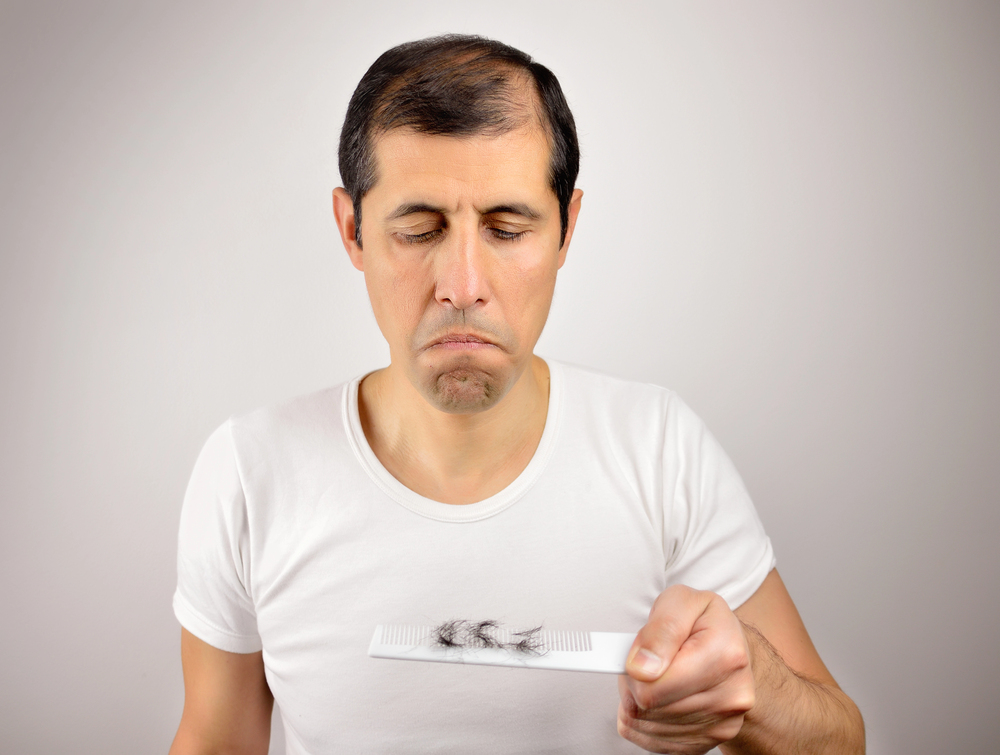
This phenomenon is commonly referred to as seasonal hair loss or seasonal hair shedding. It describes a temporary increase in hair fall that tends to occur during specific times of the year, most often in late summer and autumn.
Unlike permanent hair loss conditions, seasonal shedding is usually short-lived and does not typically lead to lasting baldness.
Understanding Seasonal Shedding
Hair does not grow continuously. Every follicle follows a repeating cycle consisting of growth, transition, rest, and shedding phases.
At any given moment, thousands of follicles are in different stages.
This natural cycle means some degree of daily hair loss is expected.
Most healthy individuals lose approximately 50 to 100 hairs per day. During periods of seasonal hair shedding, that number may temporarily increase.
You may notice:
- More hairs in the shower
- Increased shedding while brushing
- Hair on pillows or clothing
- Slightly reduced overall density
These changes can appear dramatic, even when they remain within a normal range.
The Hair Growth Cycle
To understand why seasonal changes occur, it helps to understand the hair cycle.
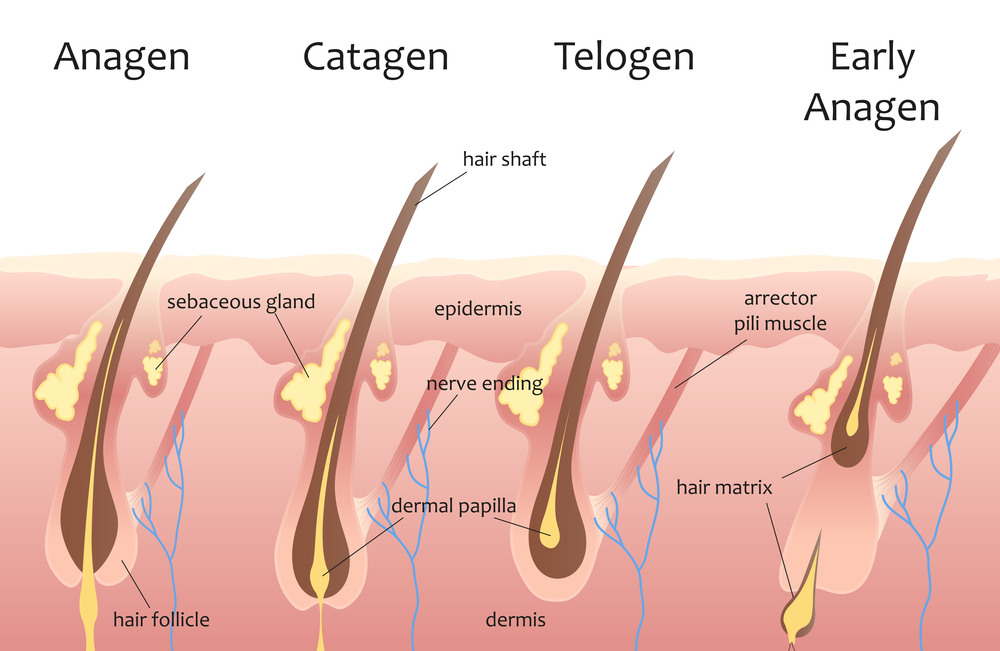
The four main phases include:
- Anagen (growth phase)
- Catagen (transition phase)
- Telogen (resting phase)
- Exogen (shedding phase)
Most scalp hairs remain in the growth phase for several years before eventually entering the resting and shedding stages.
Research published in PubMed has demonstrated seasonal variations in these phases, particularly involving the proportion of hairs entering the telogen stage.
Why Shedding Increases During Certain Months
Scientists believe seasonal shedding may occur when larger numbers of hairs enter the resting phase simultaneously.
Several studies have observed increased telogen activity during summer, followed by increased shedding during autumn.
This pattern helps explain why many people experience hair loss in autumn or fall hair shedding even though the biological changes may have started months earlier.
“Seasonal shedding is usually a reflection of the natural hair cycle rather than damage to the follicles themselves. The key question is whether the shedding eventually slows and normal growth resumes,” says Dr. Ahmet Murat.
Is Seasonal Hair Loss Real?
Many people have heard conflicting opinions about seasonal hair loss. Some dermatologists acknowledge it. Some dismiss it entirely.
This leaves patients wondering whether the extra shedding they notice every autumn is genuine or simply coincidence.
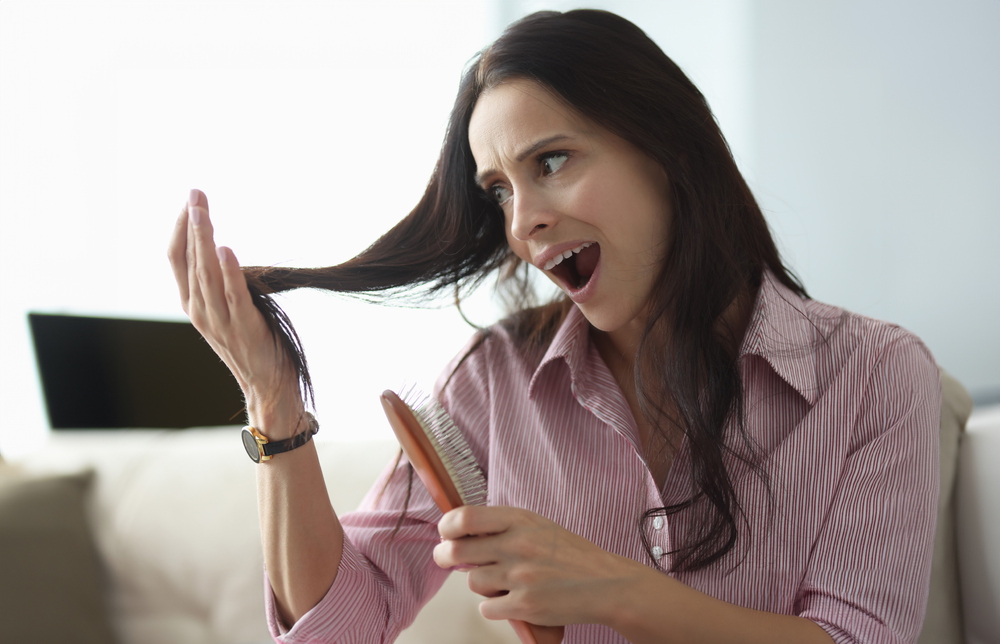
Current evidence suggests seasonal shedding is real, though the effect is often smaller and more complex than many people assume.
What Scientific Studies Found
Researchers have been studying seasonal changes in hair growth for decades.
Several studies published in PubMed identified fluctuations in the percentage of hairs entering different stages of the growth cycle throughout the year.
One frequently cited study observed higher numbers of hairs entering the telogen, or resting, phase during summer months. Increased shedding tended to follow several weeks later, particularly during autumn.
Another study examining healthy women found a noticeable seasonal pattern, with elevated telogen percentages occurring during summer and greater shedding observed in early fall.
These findings support the idea that autumn hair loss is not simply a myth.
A biological pattern appears to exist.
Why Autumn Shedding Is Most Common
One reason many people search for “why do I lose more hair in the fall” is that the timing feels surprisingly predictable.
Researchers believe follicles may respond to seasonal influences such as:
- Daylight exposure
- Hormonal fluctuations
- Environmental changes
- Circadian rhythm adjustments
The exact mechanism remains unclear.
What appears more consistent is the timing.
Many studies report shedding peaks between late summer and autumn.
This pattern has been observed across different populations and geographic regions.
Why Experts Still Debate the Exact Cause
The existence of seasonal shedding is generally accepted. The cause remains less certain. Scientists continue debating whether the phenomenon developed as an evolutionary adaptation or whether environmental factors drive the changes.
Some researchers propose that humans may retain remnants of seasonal biological rhythms that were more pronounced in our distant ancestors.
Others believe sunlight exposure and hormonal signaling may play larger roles.
No single explanation has been universally accepted.
“The evidence supporting seasonal shedding is stronger than many people realize. The uncertainty lies in explaining exactly why it happens rather than whether it happens at all,” says Dr. Ahmet Murat.
Not Every Autumn Shed Is Seasonal
Many patients assume all fall shedding is normal. That assumption can be risky.
Increased shedding may sometimes reflect:
- Androgenetic alopecia
- Iron deficiency
- Thyroid disease
- Chronic telogen effluvium
- Hormonal changes
A seasonal pattern does not automatically rule out an underlying condition.
Why Does Hair Shedding Increase in Autumn?
For many people, the timing feels almost predictable. The weather begins to change. Leaves start falling. Then suddenly, more hair appears in the shower, hairbrush, and sink.
This recurring pattern has led researchers to investigate why hair loss in autumn occurs more frequently than during other seasons.
Although scientists do not yet have all the answers, several theories help explain the phenomenon.
Summer Telogen Accumulation Theory
This is currently one of the most widely accepted explanations. Research suggests that a greater percentage of scalp hairs may enter the telogen, or resting, phase during summer.
The catch is that shedding does not happen immediately. Follicles typically remain in the resting stage for several weeks before the hair is released.
As a result, many of those hairs are shed during late summer and autumn rather than during the summer itself.
This delayed timing aligns with findings from studies examining seasonal hair shedding patterns in healthy individuals.
Sunlight and Photoperiod Changes
Scientists have also explored the role of sunlight.
Day length influences numerous biological processes, including hormone production, circadian rhythms, and cellular activity.
Some researchers believe changing daylight exposure may influence follicle cycling.
This theory may help explain why fall hair shedding appears relatively consistent from year to year.
The exact biological pathway remains under investigation.
Evolutionary Explanations
Another interesting theory involves human evolution.
Some scientists propose that humans may retain remnants of seasonal hair-growth patterns inherited from distant ancestors.
Historically, increased hair retention during summer may have offered protection against ultraviolet radiation.
Greater shedding later in the year may have been part of a natural renewal cycle.
The evidence remains incomplete, but the concept continues to attract scientific interest.
Environmental and Lifestyle Factors
Not all seasonal shedding is necessarily driven by biology alone.
Several factors may contribute:
- Increased UV exposure during summer
- Changes in diet
- Travel-related stress
- Dehydration
- Seasonal lifestyle disruptions
These influences may affect the hair growth cycle and amplify temporary shedding.
“Many patients focus only on the season itself. In reality, summer sun exposure, stress levels, nutrition, and overall health may all contribute to the shedding pattern we see in autumn,” says Dr. Ahmet Murat.
Why Some People Shed More Than Others
Not everyone experiences the same degree of shedding.
Factors such as genetics, scalp health, age, hormonal status, and underlying hair conditions may influence how noticeable seasonal changes become.
This explains why one person barely notices a difference while another becomes highly concerned.
What Does Seasonal Hair Loss Look Like?
One reason seasonal hair loss causes so much anxiety is that it often appears suddenly. You may wash your hair one morning and notice far more strands than usual. A few days later, the brush seems fuller.
Then you begin checking your hairline in the mirror. This reaction is completely understandable.
The challenge is distinguishing normal seasonal hair shedding from signs of a developing hair loss condition.
Diffuse Shedding Across the Scalp
One of the defining characteristics of seasonal shedding is that it tends to occur evenly across the scalp.
Dermatologists often describe this as diffuse shedding.
Rather than affecting one specific area, hair fall occurs more generally.
You may notice shedding from:
- The top of the scalp
- The sides
- The back
- The crown
This pattern differs from many forms of androgenetic alopecia, where thinning often concentrates around the temples or crown.
More Hair in the Shower and Brush
For most people, the first sign is simply seeing more shed hairs.
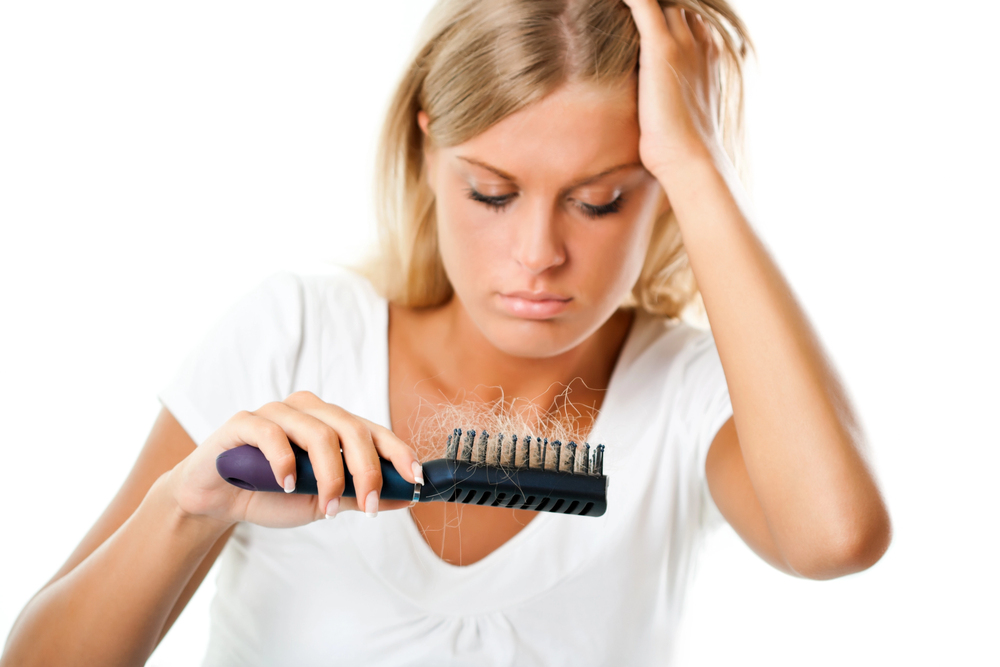
Common observations include:
- Hair accumulating in the shower drain
- Increased shedding while brushing
- More strands on pillows
- Hair appearing on clothing
The amount can seem alarming.
Yet many cases remain within a normal biological response.
This is why visual shedding alone rarely provides a diagnosis.
Temporary Reduction in Density
Some individuals notice their hair feels slightly thinner during periods of increased shedding.
Ponytails may feel smaller.
Styling may become more difficult.
The scalp may seem slightly more visible under bright lighting.
In true temporary hair shedding, these changes are usually mild and improve as the growth cycle normalizes.
Why the Hairline Usually Stays Intact
This is one of the most useful clues.
With seasonal hair thinning, the frontal hairline generally remains stable.
You typically do not see:
- Progressive temple recession
- New bald patches
- Significant crown expansion
- Rapid pattern changes
Those findings may suggest another diagnosis.
“The pattern matters as much as the amount. Diffuse shedding with a stable hairline often points toward temporary shedding, whereas progressive recession raises different questions,” says Dr. Ahmet Murat.
When Appearance Alone Can Be Misleading
A person may experience normal autumn shedding while simultaneously developing male pattern baldness or female pattern hair loss.
This is why ongoing monitoring is important.
How Long Does Seasonal Hair Loss Last?
For most people, the biggest concern is not the shedding itself. It is the uncertainty.
When hair continues falling for several weeks, many begin wondering whether the process will ever stop. This is especially common among people experiencing autumn hair loss for the first time.
Fortunately, true seasonal hair shedding is usually temporary.
The hair cycle continues moving forward, and new hairs typically replace those that were shed.
Typical Duration of Seasonal Shedding
Most seasonal shedding episodes last several weeks rather than several months.
Many individuals notice increased shedding for approximately:
- Six to eight weeks
- Occasionally up to twelve weeks
- Sometimes shorter depending on the individual
The exact timeline varies.
Factors such as age, stress levels, nutrition, hormonal changes, and overall scalp health may influence how noticeable the shedding becomes and how quickly recovery occurs.
One reason people become worried is that shedding often seems to peak suddenly before gradually slowing.
This pattern is normal.
When Regrowth Usually Begins
Hair growth does not stop when shedding starts.
New hairs often begin developing before older hairs are completely released.
The challenge is that visible regrowth takes time.
Many people notice improvement within several months after shedding declines.
Early regrowth may appear as:
- Fine new hairs
- Improved density
- Reduced scalp visibility
- Less daily shedding
Patience is important.
Hair grows slowly.
Even healthy follicles generally produce only about one centimeter of growth per month.
When Symptoms Become Concerning
Not every case that lasts through autumn is actually seasonal.
Professional evaluation becomes more important when:
- Shedding continues beyond three months
- Density continues decreasing
- Hairline recession develops
- Crown thinning becomes noticeable
- Bald patches appear
These findings may suggest something other than temporary hair shedding.
Conditions such as androgenetic alopecia, chronic telogen effluvium, thyroid disorders, or nutritional deficiencies can sometimes be mistaken for seasonal changes.
“The key difference is recovery. Seasonal shedding typically improves on its own. Persistent progression deserves further investigation,” says Dr. Ahmet Murat.
Why Some People Think It Lasts Longer
Another common source of confusion involves timing.
The shedding phase may end before visible density fully returns.
As a result, patients sometimes believe the shedding is continuing when they are actually waiting for regrowth to catch up.
This distinction helps explain many online discussions about prolonged seasonal hair thinning.
Seasonal Hair Loss vs Androgenetic Alopecia
This is arguably the most important section in the entire article.
Many people searching for seasonal hair loss are not actually worried about seasonal shedding.
They are worried about going bald. That concern is understandable.
The difficulty is that temporary shedding and androgenetic alopecia can sometimes look similar in the early stages. Both may involve increased hair fall, reduced density, and visible changes in the scalp.
Yet they are fundamentally different conditions.
Key Differences
Seasonal shedding is typically temporary.
Androgenetic alopecia is progressive.
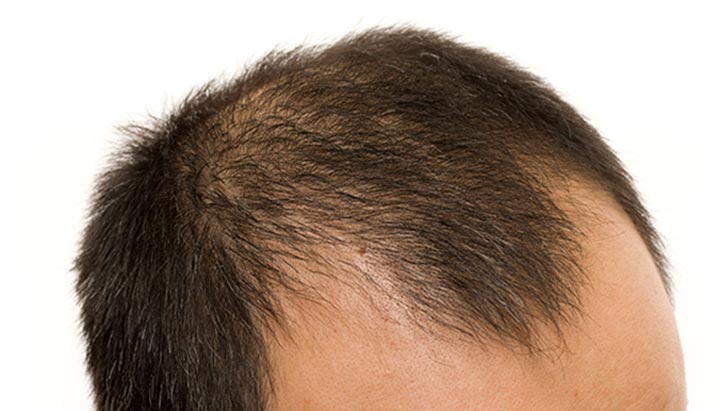
With seasonal shedding, follicles continue functioning normally. The hair cycle shifts temporarily, leading to increased hair fall before returning to its usual pattern.
With pattern hair loss, follicles gradually shrink over time through a process called miniaturization.
Without treatment, the condition generally worsens.
Hairline Changes
One of the easiest ways to distinguish the two conditions involves the frontal hairline.
In most cases of seasonal hair shedding:
- The hairline remains stable
- Temple recession does not progress
- Crown expansion does not accelerate
By contrast, male pattern baldness often produces:
- Receding temples
- A deeper M-shaped hairline
- Crown thinning
- Progressive changes year after year
For women, female pattern hair loss often appears as widening of the part line and gradual reduction in density around the top of the scalp.
Miniaturization
This is the feature most people cannot see themselves.
Miniaturization occurs when follicles gradually produce thinner and shorter hairs.
It is a hallmark of androgenetic alopecia.
Seasonal shedding does not typically create miniaturized hairs.
This is one reason scalp examination remains valuable.
A trained specialist can often identify miniaturization long before obvious baldness develops.
“The amount of shedding is not always the most important clue. We often learn more by examining the quality of the remaining hairs and looking for signs of follicle miniaturization,” says Dr. Ahmet Murat.
When Seasonal Shedding and Pattern Hair Loss Overlap
A person can experience both conditions simultaneously.
For example:
- Normal autumn shedding may occur
- Existing male pattern baldness may continue progressing
- The combined effect may appear dramatic
This is why relying solely on the season can be misleading.
When to Seek Evaluation
Professional assessment becomes worthwhile if you notice:
- Progressive hairline recession
- Crown thinning
- Widening part line
- Reduced density year after year
- Shedding that never fully resolves
These findings deserve closer examination.
Seasonal Hair Loss vs Telogen Effluvium
After reading about seasonal hair loss, many people encounter another term that sounds remarkably similar:
Telogen effluvium.
The confusion is understandable.
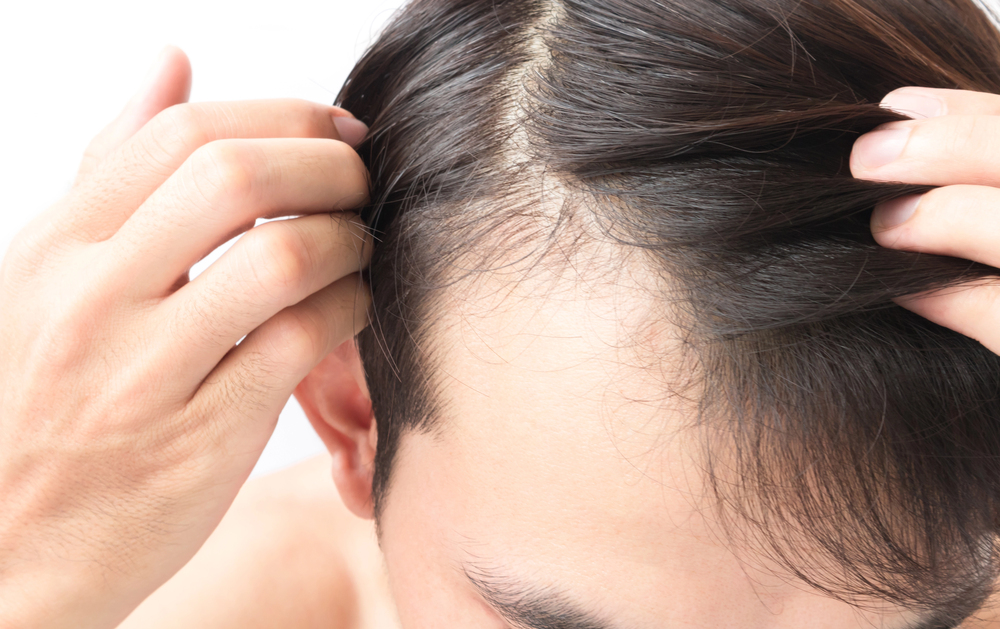
Both conditions involve increased shedding.
Both can appear suddenly.
Both often cause diffuse hair loss across the scalp.
Yet they are not exactly the same.
Understanding the difference can help patients avoid unnecessary worry and recognize when medical evaluation may be needed.
Similarities Between the Two Conditions
At first glance, seasonal shedding and telogen effluvium can look nearly identical.
Common features include:
- Diffuse hair shedding
- Increased hair in the shower
- More hair on brushes
- Temporary reduction in density
- Preserved hairline in many cases
In both situations, larger numbers of hairs enter the telogen, or resting, phase before being shed.
This is why some experts describe seasonal shedding as a mild physiological form of telogen-related hair cycling.
Important Differences
The biggest difference involves the trigger.
With seasonal hair shedding, the trigger appears linked to natural fluctuations in the hair growth cycle and seasonal biological rhythms.
With telogen effluvium, the trigger is usually a significant event affecting the body.
Common triggers include:
- Major illness
- Surgery
- Rapid weight loss
- High fever
- Childbirth
- Severe emotional stress
- Nutritional deficiencies
The timing can also differ.
Telogen effluvium often begins two to three months after the triggering event.
This delayed onset frequently makes the connection difficult to recognize.
Common Triggers That Mimic Seasonal Shedding
Many patients assume autumn is responsible for their shedding when another trigger occurred earlier.
For example:
- Summer illness
- Extreme dieting
- Significant stress
- Iron deficiency
- Thyroid dysfunction
In these situations, the timing may resemble fall hair shedding even though the underlying cause is entirely different.
“Whenever a patient reports increased shedding, we look beyond the calendar. The timing is important, but recent health events often provide the most valuable clues,” says Dr. Ahmet Murat.
Recovery Patterns
Both conditions often improve.
However, recovery from telogen effluvium depends on addressing the underlying trigger.
If the trigger remains active, shedding may continue.
This is particularly true in chronic telogen effluvium, where symptoms persist for extended periods.
Why Diagnosis Matters
A temporary seasonal shed may require little more than patience.
Chronic telogen effluvium may require investigation.
That difference can affect treatment decisions significantly.
Can Seasonal Hair Loss Affect Women and Men Differently?
The short answer is yes. Both men and women can experience seasonal hair loss, but the way they perceive it, react to it, and experience its effects may differ.
Biology plays a role. Hormones play a role. Existing hair conditions play a role.
These differences help explain why the same seasonal shedding pattern may feel very different from one person to another.
Women and Seasonal Shedding
Research on autumn hair loss has often focused on women, partly because women tend to notice diffuse shedding more quickly.
Longer hair makes shed strands easier to see.
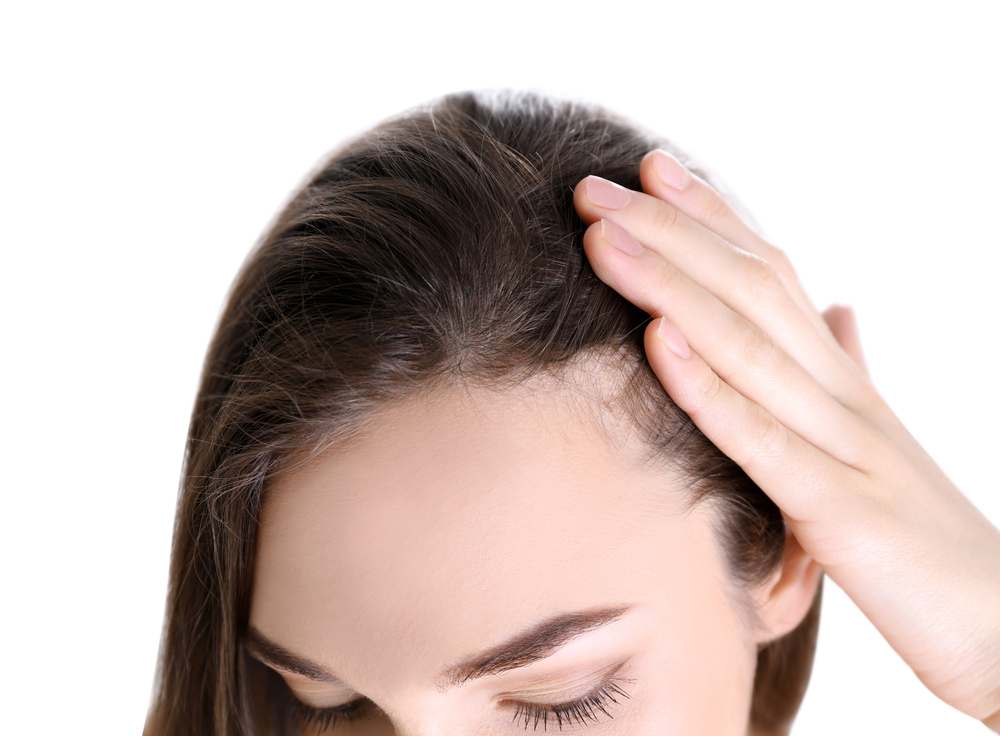
As a result, even a modest increase in shedding can feel dramatic.
Women commonly report:
- More hair in the shower
- Increased shedding while brushing
- Smaller ponytail volume
- Greater scalp visibility under bright light
Many cases are temporary.
However, women should be particularly aware that female pattern hair loss can sometimes be mistaken for seasonal shedding.
This is especially true when:
- The part line widens
- Density gradually decreases
- Shedding continues beyond several months
Men and Seasonal Shedding
Men experience seasonal fluctuations as well.
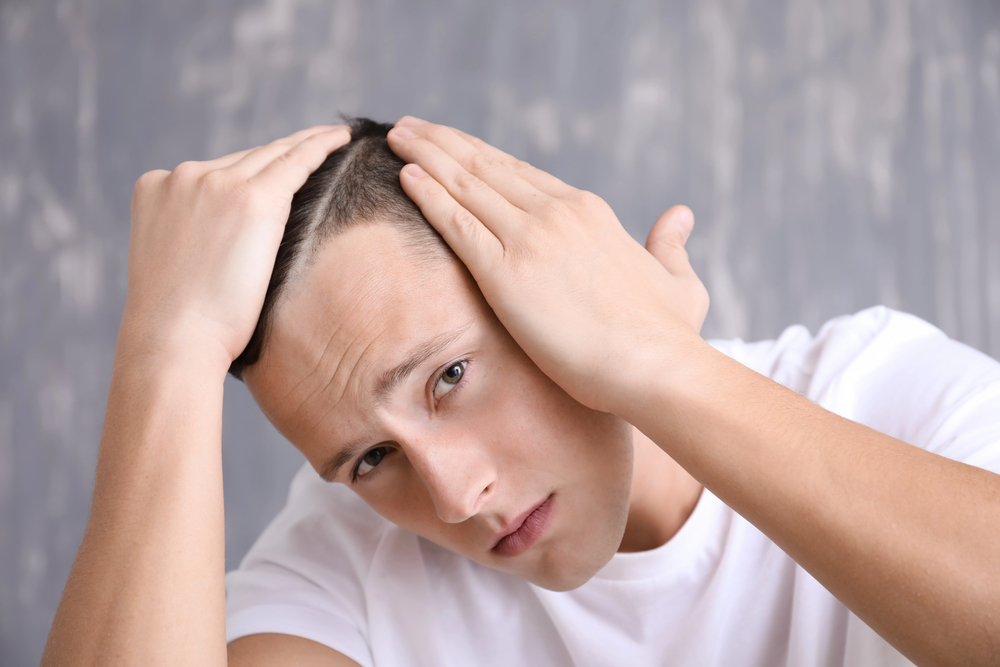
The challenge is that many men already have some degree of androgenetic alopecia.
This creates confusion.
A man may notice increased shedding during autumn and assume it is entirely seasonal when, in reality, seasonal shedding is occurring alongside progressive male pattern baldness.
This overlap is one of the most common reasons men seek professional evaluation.
Hormonal Influences
Researchers continue studying the relationship between hormones and the hair cycle.
Factors that may influence shedding include:
- Estrogen fluctuations
- Testosterone activity
- Stress hormones
- Circadian rhythms
The exact mechanisms remain under investigation.
What appears clear is that hormonal environments can influence how hair follicles respond to seasonal changes.
Why Perception Matters
An interesting aspect often overlooked is psychology.
Women often notice shedding earlier because the visual impact is more obvious.
Men may focus more heavily on changes in the hairline or crown.
These differences affect when people seek help.
“The amount of shedding may be similar, but the way patients experience it can be very different. Understanding the individual’s concerns is an important part of proper evaluation,” says Dr. Ahmet Murat.
When Seasonal Shedding Should Raise Questions
Regardless of gender, further assessment becomes worthwhile when:
- Shedding persists beyond several months
- Density continues decreasing
- Hairline recession progresses
- Bald patches appear
- The scalp becomes increasingly visible
These findings may suggest something beyond a temporary seasonal cycle.
Can Seasonal Hair Loss Affect Hair Transplant Patients?
This is one of the most overlooked topics in discussions about seasonal hair loss.
Many hair transplant patients become concerned when they notice increased shedding during autumn or late summer. Some worry that their transplanted grafts are failing. Others fear they may need another procedure.
In most cases, those fears are unnecessary.
Understanding the difference between transplanted hair and native hair helps explain why.
Transplanted Hair vs Native Hair
Hair transplantation works by relocating genetically resistant follicles from the donor area to thinning or bald regions.
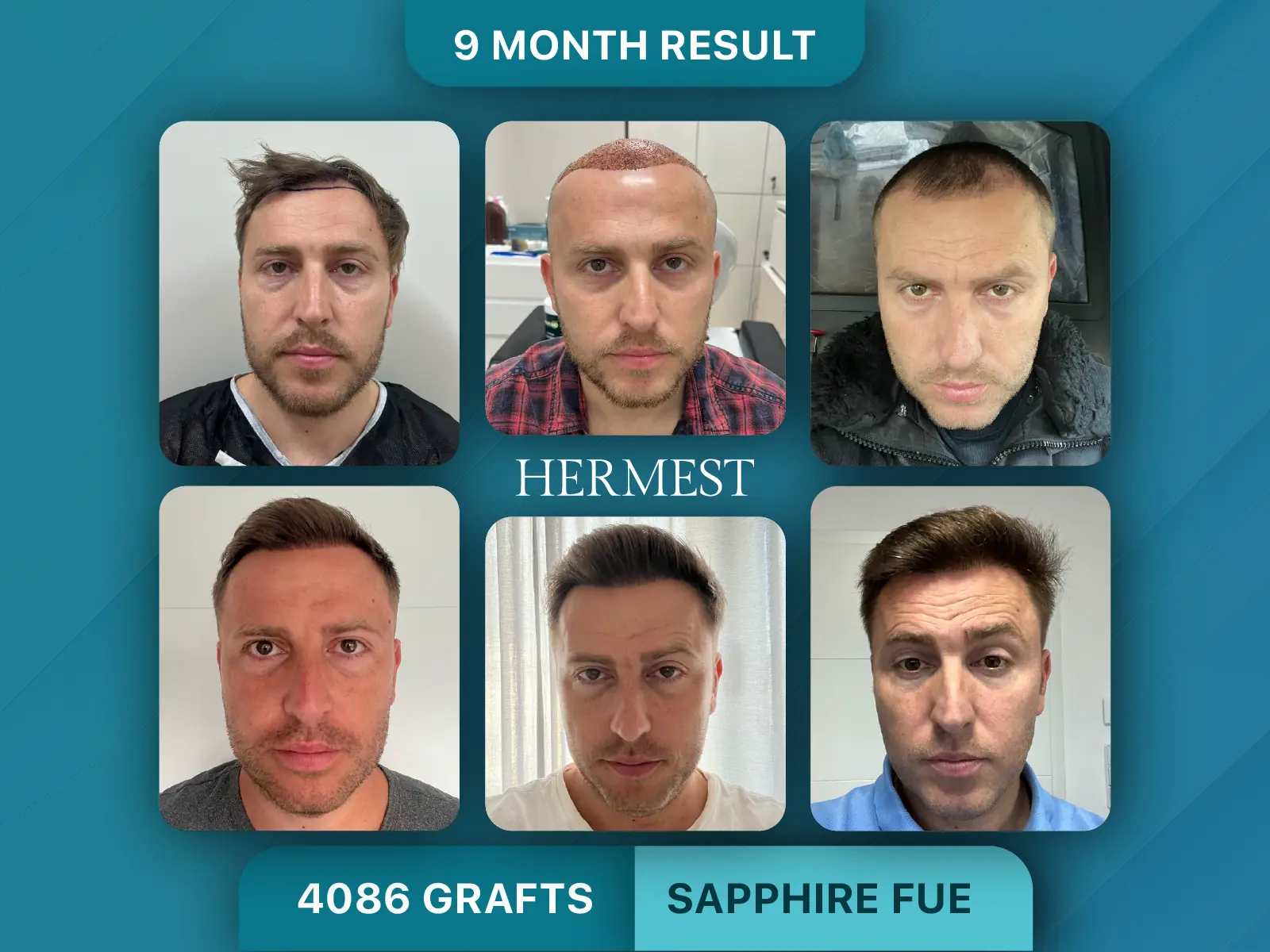
Once those follicles establish themselves, they generally retain their resistance to DHT.
This is one reason transplanted hair often remains stable for many years.
Native hairs are different.
The non-transplanted hairs surrounding the grafts continue behaving according to their own biology and genetics.
That means native hairs can still experience:
- Seasonal hair shedding
- Androgenetic alopecia
- Telogen effluvium
- Stress-related shedding
This distinction is important.
Many patients who think transplanted hairs are falling out are actually noticing shedding from native hairs.
Why Seasonal Shedding Can Look Worse After a Transplant
A transplant often increases awareness.
Patients pay closer attention to their hair than ever before.
As a result, normal autumn shedding may appear more alarming.
Several factors can amplify this perception:
- Increased monitoring of the scalp
- Concern about graft survival
- Existing native hair thinning
- Normal seasonal fluctuations
The shedding may be completely normal.
The anxiety often comes from uncertainty.
Post-Transplant Concerns
A common question is whether fall hair shedding can damage transplanted grafts.
In established transplants, seasonal shedding does not typically harm healthy grafts.
The transplanted follicles remain alive beneath the scalp.
Even if a hair shaft enters a resting phase and sheds, the follicle itself generally remains intact.
This follows the same biological cycle as natural hair.
“Patients are often reassured when they understand that shedding and follicle loss are not the same thing. A shed hair does not automatically mean a failed graft,” says Dr. Ahmet Murat.
The Hermest Approach
At Hermest Hair Transplant Clinic, post-transplant follow-up includes educating patients about normal hair cycling.
We evaluate:
- Shedding patterns
- Native hair stability
- Scalp health
- Long-term density goals
This helps distinguish expected seasonal changes from genuine concerns requiring intervention.
When Seasonal Shedding May Signal Another Issue
Not every case is seasonal.
Professional evaluation becomes worthwhile if:
- Shedding is persistent
- Density continues declining
- Crown thinning progresses
- Hairline changes appear
In those situations, other conditions may be contributing.
How to Reduce Seasonal Hair Shedding
The first thing to understand is that you cannot completely stop seasonal hair loss. If the shedding is part of a normal biological cycle, it will often run its course regardless of which shampoo, supplement, or home remedy you try.
That may sound discouraging. It is actually reassuring. In many cases, the follicles are functioning normally and simply progressing through their natural growth cycle.
The goal is not eliminating every shed hair.
The goal is supporting healthy follicles and minimizing unnecessary contributors to hair loss.
Nutrition and Hair Health
Hair follicles require a constant supply of nutrients. Deficiencies can make shedding more noticeable and may prolong recovery.
Key nutrients include:
- Protein
- Iron
- Zinc
- Vitamin D
- Vitamin B12
Many patients experiencing seasonal hair thinning discover that nutritional issues are contributing to the problem.
This is one reason balanced nutrition remains important throughout the year.
Stress Management
Stress does not directly cause every case of seasonal hair shedding. It can influence the hair cycle.

Significant emotional or physical stress may push additional follicles into the resting phase, increasing overall shedding.
Helpful strategies may include:
- Regular exercise
- Quality sleep
- Relaxation techniques
- Work-life balance improvements
Even modest improvements can benefit overall wellbeing.
Scalp Health
Healthy follicles thrive in a healthy scalp environment.
Simple habits can help support scalp health:
- Gentle cleansing
- Avoiding excessive heat styling
- Managing dandruff or inflammation
- Protecting the scalp from excessive sun exposure
These measures will not prevent autumn hair loss, but they can reduce additional stress on the follicles.
Medical Treatment Options
Most cases of temporary seasonal shedding do not require aggressive treatment.
However, some patients may benefit from professional evaluation when:
- Shedding is severe
- Recovery is delayed
- Existing androgenetic alopecia is present
Treatment options vary depending on the diagnosis.
This is why identifying the underlying cause remains important.
When Supplements May Help
This is an area filled with misinformation.
Supplements can be useful when a deficiency exists.
They are much less likely to help when nutrient levels are already adequate.
“Patients often look for a miracle supplement during periods of shedding. In reality, identifying the cause is usually more valuable than adding another product,” says Dr. Ahmet Murat.
What Not to Do
Avoid:
- Panic buying supplements
- Constantly changing products
- Harsh scalp treatments
- Assuming every shed hair signals baldness
Patience is often part of the process.
When Seasonal Hair Loss Is Not Seasonal
This is the section many readers need most. The reality is that not every case of increased shedding is caused by the seasons. In fact, one of the biggest reasons people delay treatment is assuming their hair loss will resolve naturally when the weather changes.
Sometimes it does. Sometimes it does not. Recognizing the difference can prevent months or even years of unnecessary progression.
Iron Deficiency
Iron plays a major role in healthy hair growth. When iron levels fall, follicles may shift into the resting phase more readily, leading to increased shedding.
Common signs include:
- Diffuse hair loss
- Fatigue
- Reduced exercise tolerance
- Brittle nails
- Difficulty concentrating
Many patients experiencing what they believe is seasonal hair shedding are actually dealing with an underlying nutritional deficiency.
Blood testing can often provide valuable answers.
Thyroid Disease
The thyroid gland influences numerous biological processes, including the hair growth cycle.
Both underactive and overactive thyroid disorders may contribute to:
- Diffuse shedding
- Reduced density
- Changes in hair texture
- Slower regrowth
Because symptoms often develop gradually, thyroid-related hair loss is frequently mistaken for temporary seasonal changes.
Androgenetic Alopecia
This is perhaps the most commonly overlooked cause.
A person may experience genuine fall hair shedding while simultaneously developing androgenetic alopecia.
The seasonal component eventually improves.
The pattern hair loss continues.
Warning signs include:
- Receding temples
- Crown thinning
- Widening part line
- Miniaturized hairs
- Progressive density loss
These features are not typical of temporary seasonal shedding.
“One of the most common findings during consultations is that patients attribute progressive pattern hair loss to seasonal changes. By the time they seek help, valuable time has often been lost,” says Dr. Ahmet Murat.
Chronic Telogen Effluvium
Unlike temporary shedding, chronic telogen effluvium can persist for many months or even years.
Patients often report:
- Continuous diffuse shedding
- Fluctuating intensity
- No clear seasonal pattern
- Ongoing frustration despite lifestyle changes
This condition often requires investigation rather than simple observation.
Signs You Should Not Ignore
Professional assessment becomes increasingly important when:
- Shedding exceeds three months
- Density continues declining
- Bald patches appear
- Hairline recession develops
- Regrowth never seems to occur
These findings deserve attention.
Why Self-Diagnosis Can Be Risky
Online information can be helpful.
It can also be misleading.
Many conditions produce similar symptoms, which is why proper diagnosis remains one of the most valuable steps in hair restoration.
“The earlier we identify the true cause of hair loss, the more options we typically have for preserving and restoring hair,” explains Dr. Ahmet Murat.
When to See a Hair Restoration Specialist
Most cases of seasonal hair loss improve without medical intervention. The challenge is knowing when your shedding falls outside that category.
Many patients spend months waiting for improvement that never arrives. Others assume their hair loss is temporary when an underlying condition is quietly progressing.
This is where professional evaluation becomes valuable. The goal is not immediately recommending treatment. The goal is identifying the cause.
Persistent Shedding
One of the strongest reasons to seek assessment is duration. True seasonal hair shedding usually slows within several weeks and gradually resolves.
If shedding continues for more than three months, further investigation becomes worthwhile.
Persistent shedding may indicate:
- Chronic telogen effluvium
- Nutritional deficiencies
- Hormonal imbalances
- Thyroid disease
- Scalp disorders
These conditions often require a different approach than simple observation.
Visible Thinning
Shedding alone does not always indicate a serious problem. Visible thinning deserves closer attention.
Warning signs include:
- Increased scalp visibility
- Reduced ponytail volume
- Widening part line
- Noticeable density reduction
When density continues decreasing, an underlying condition may be contributing.
Hairline Recession
This is one of the most important distinctions. A stable hairline is common during temporary hair shedding.
Progressive recession is not.
Men who notice:
- Temple recession
- Crown expansion
- An increasingly M-shaped hairline
may be experiencing male pattern baldness rather than seasonal shedding.
Women experiencing progressive widening of the part line should also consider evaluation.
Hair Transplant Evaluation
Many people assume hair transplantation is only relevant after extensive hair loss. That is not always the case.
Early assessment can help determine:
- Current hair loss status
- Future progression risk
- Donor area quality
- Long-term preservation strategies
Even if surgery is not needed, understanding your situation provides clarity.
“One of the greatest advantages of early evaluation is having more options. Once follicles are permanently lost, restoring density becomes more challenging,” says Dr. Ahmet Murat.
What Happens During an Evaluation?
At Hermest Hair Transplant Clinic, assessment typically includes:
- Hair loss history
- Scalp examination
- Hairline analysis
- Donor area evaluation
- Review of possible medical causes
This helps distinguish seasonal hair thinning from other forms of hair loss.
FAQs About Seasonal Hair Loss
Yes. Multiple scientific studies have identified seasonal variations in human hair growth and shedding. Research published in PubMed found that more hairs may enter the resting phase during summer, with increased shedding often occurring during autumn. Although the exact cause remains under investigation, seasonal hair loss is widely recognized as a genuine biological phenomenon rather than a myth.
Ready to Understand What’s Really Causing Your Hair Loss?
Not all shedding is the same.
Some cases reflect a normal seasonal cycle. Others may signal androgenetic alopecia, chronic telogen effluvium, nutritional deficiencies, or other underlying conditions.

At Hermest Hair Clinic, Dr. Ahmet Murat and his team perform detailed scalp and hair assessments to identify the true cause of shedding and develop a personalized strategy for preserving and restoring hair.
“The most important step is obtaining an accurate diagnosis. Once we understand why the hair loss is occurring, we can build the right plan for the future,” says Dr. Ahmet Murat.
Schedule your consultation with Hermest Hair Transplant Clinic today and discover whether your shedding is simply seasonal or part of a larger hair loss pattern that deserves attention.