
Best Shampoo for Menopausal Hair Loss: Complete Expert Guide
 ChatGPT
 Claude
 Perplexity
 Grok
Grok
 Gemini

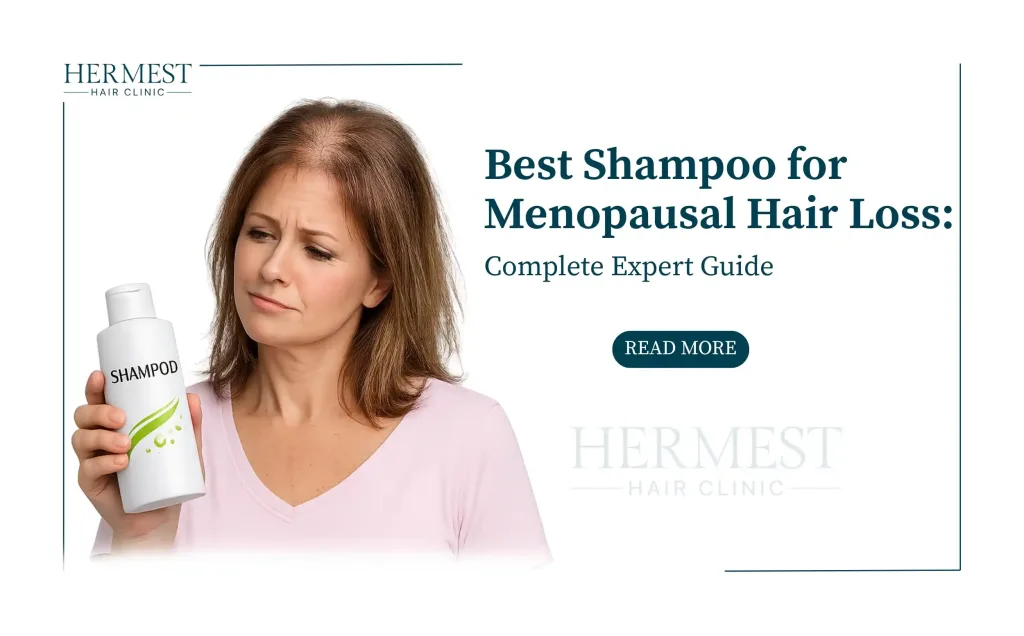
Finding the best shampoo for menopausal hair loss can feel overwhelming. Store shelves and online marketplaces are filled with products promising thicker, fuller hair, yet many women still notice increased shedding, a wider part line, and reduced volume during perimenopause and postmenopause. It’s natural to wonder whether the right shampoo can actually stop hormonal hair thinning or if those claims are simply clever marketing.
The truth is more balanced.
A well-formulated menopausal hair loss shampoo can improve scalp health, strengthen the hair shaft, reduce breakage, and make thinning hair appear fuller. What it cannot do is completely reverse hormone-driven female pattern hair loss on its own. During menopause, declining estrogen levels and a relative increase in androgen activity affect the hair growth cycle itself. Since shampoo only remains on the scalp for a short time, its ability to influence follicle biology is naturally limited.
According to The Menopause Society (formerly the North American Menopause Society) and the American Academy of Dermatology (AAD), menopause-related hair thinning often requires a broader approach that may include medical treatment, nutritional evaluation, and healthy scalp care alongside appropriate hair products.
Choosing the right shampoo still matters. Ingredients such as ketoconazole, caffeine, peptides, and moisturizing agents may support scalp health, reduce inflammation, and improve the appearance of thinning hair when selected appropriately for your scalp type.
Dr. Ahmet Murat says:
“Many women hope a shampoo alone will restore the hair they had before menopause. In reality, the best results come from treating the scalp, protecting existing hair, and identifying the underlying cause of thinning. Shampoo is one part of that strategy, not the entire solution.”
In this guide, you’ll learn what menopause does to your hair, what shampoo can realistically achieve, which ingredients have the strongest scientific support, how to choose products based on your scalp’s needs, and when treatments beyond shampoo may provide better long-term results for preserving healthy hair density.
Quick Insights
- The best shampoo for menopausal hair loss can improve scalp health, reduce breakage, and make thinning hair appear fuller, but it cannot reverse hormone-related hair loss by itself.
- Menopause affects the hair growth cycle because declining estrogen levels and changing hormone balance gradually influence the hair follicles.
- Ingredients with the strongest scientific support include ketoconazole, while caffeine, peptides, niacinamide, and moisturizing ingredients may provide additional benefits depending on your scalp’s needs.
- Choose a shampoo based on your scalp condition rather than marketing claims. Dry, oily, sensitive, and color-treated hair often require different formulations.
- Avoid products that unnecessarily irritate the scalp, especially if you experience dryness, an itchy scalp, or increased sensitivity during menopause.
- A complete hair care routine includes gentle cleansing, proper conditioning, good nutrition, heat protection, and appropriate medical evaluation when hair thinning becomes noticeable.
- Treatments such as minoxidil, correcting nutritional deficiencies, PRP therapy, or hormone-based therapies may provide greater benefits than shampoo alone when clinically appropriate.
- Women with stable female pattern hair loss may also be candidates for hair transplant surgery after a thorough evaluation.
- The best long-term results come from combining healthy scalp care with evidence-based treatments tailored to the underlying cause of hair thinning.
Why Does Menopause Cause Hair Loss?
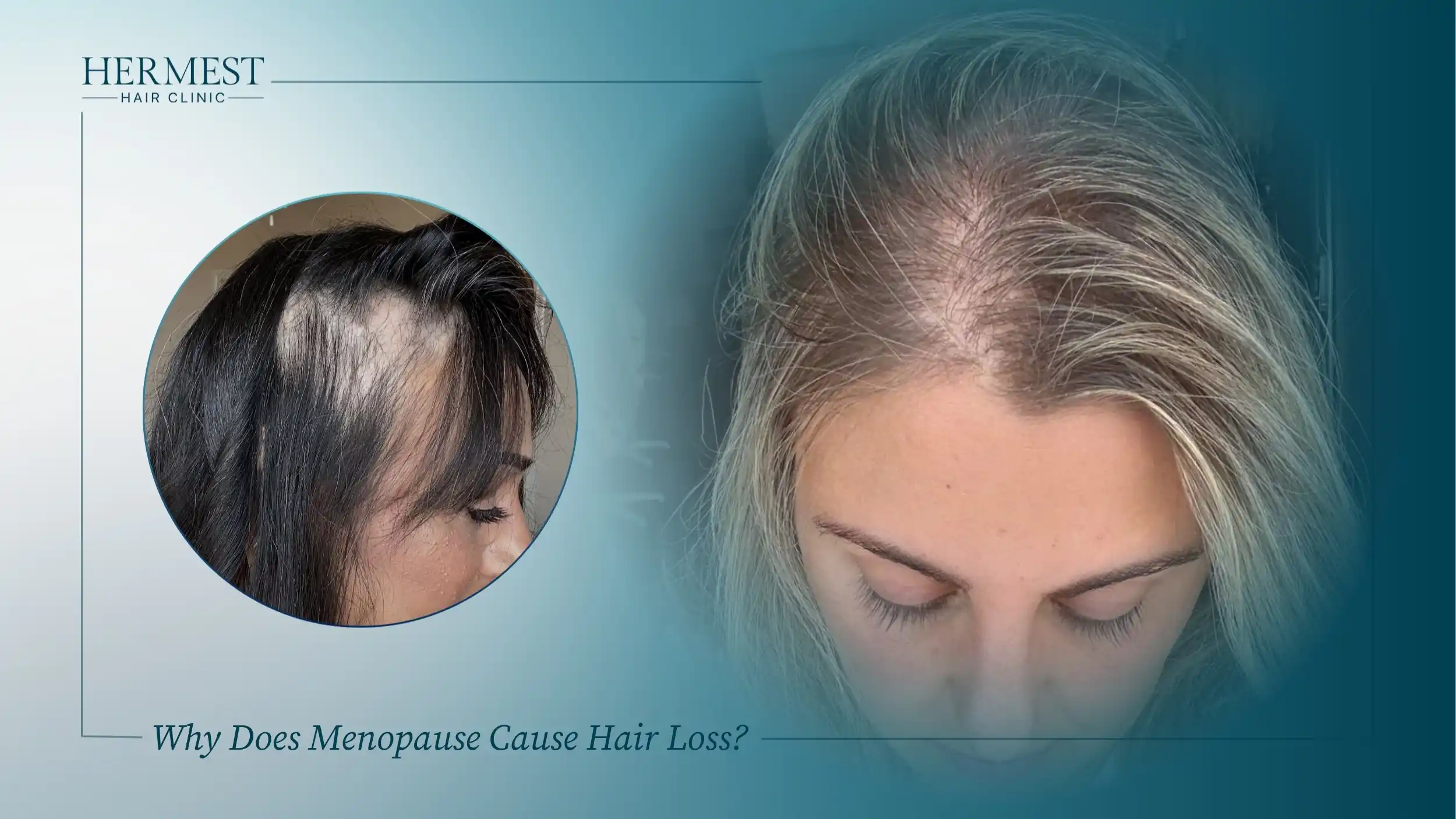
Menopause affects far more than reproductive hormones. It also changes the way your hair grows, sheds, and responds to everyday stress. Understanding these biological changes makes it much easier to choose the best shampoo for menopausal hair loss and set realistic expectations about the results.
Hair thinning during menopause rarely happens overnight. Most women first notice a wider part line, less volume, increased shedding in the shower, or a ponytail that feels noticeably thinner. These gradual changes are driven by several factors working together rather than a single cause.
Estrogen Decline Changes the Hair Growth Cycle
Estrogen helps keep hair in the active growth (anagen) phase for longer. As estrogen levels decline during perimenopause and postmenopause, more follicles enter the resting phase sooner, leading to increased shedding and slower replacement of lost hairs. According to The Menopause Society, changes in hair density and female pattern hair loss commonly worsen after menopause, although the severity varies from woman to woman.
Relative Androgen Increase Can Trigger Hair Thinning
Menopause doesn’t necessarily increase testosterone production. Instead, declining estrogen makes existing androgens have a greater influence on the hair follicles.
In genetically susceptible women, this may lead to female pattern hair loss, where follicles gradually shrink over time. The hair becomes finer, shorter, and less pigmented with each growth cycle. Unlike male pattern baldness, women usually experience diffuse thinning across the crown while preserving the frontal hairline.
Dr. Ahmet Murat explains:
“Many women believe menopause causes sudden hair loss. More often, it accelerates an underlying sensitivity of the follicles to hormonal changes. Identifying that pattern early gives us more opportunities to preserve existing hair.”
Aging Scalp, Aging Hair
Menopause affects the scalp as well as the follicles. As collagen production declines and natural oil production decreases, many women develop:
- Increased scalp dryness.
- Greater sensitivity.
- More frequent irritation.
- Hair that feels rougher and breaks more easily.
These changes explain why a hair loss shampoo for menopausal women should support both scalp health and the hair shaft, rather than focusing only on cleansing.
Menopause Isn’t Always the Only Cause
One important point often gets overlooked: menopause isn’t always responsible for thinning hair. The American Academy of Dermatology (AAD) recommends evaluating other possible contributors, including iron deficiency, thyroid disorders, certain medications, nutritional deficiencies, chronic stress, and autoimmune conditions. These factors may occur alongside menopause and can worsen hair thinning if left untreated.
That’s why the best shampoo for thinning hair menopause should be viewed as part of a comprehensive hair care strategy. Choosing the right cleanser can improve scalp health and reduce breakage, but identifying the underlying cause of hair loss is what leads to the most effective long-term treatment.
Can Shampoo Really Help?
Many women searching for the best shampoo for menopausal hair loss hope they’ll find a product that stops shedding and restores thicker hair. While some shampoos can noticeably improve the appearance and condition of thinning hair, it’s important to understand what they can realistically achieve. The answer is yes, but with limitations.
A quality shampoo for menopausal hair loss supports the scalp, strengthens existing hair, and reduces breakage. However, because shampoo stays on the scalp for only a few minutes before being rinsed away, it cannot permanently reverse the hormonal changes that drive menopause-related hair thinning.
According to the American Academy of Dermatology (AAD), hair loss shampoos cannot regrow hair or prevent hair loss from worsening, which is why they work best as part of a broader treatment plan rather than as a standalone solution for female pattern hair loss.
What Shampoo Can Do
The right formula creates a healthier environment for existing hair while improving its cosmetic appearance. Depending on its ingredients, a shampoo may help:
- Remove excess oil, dead skin, and product buildup.
- Soothe inflammation and reduce scalp irritation.
- Improve hair softness and manageability.
- Reduce breakage from dry, fragile strands.
- Increase volume, making thinning hair appear fuller.
Ingredients such as ketoconazole, caffeine, peptides, and moisturizing agents may also support scalp health when used consistently.
Dr. Ahmet Murat says:
“A healthy scalp gives hair the best possible environment to thrive. When we evaluate women with menopausal hair thinning, we don’t just assess the follicles—we also look closely at scalp condition because inflammation, excessive dryness, and buildup can all affect overall hair quality.”
What Shampoo Cannot Do
This is where many advertisements become misleading. Even the best shampoo for hormonal hair loss cannot:
- Reverse hormonal changes caused by menopause.
- Permanently reactivate miniaturized follicles.
- Regrow hair in areas where follicles have become inactive.
- Replace medically proven treatments such as minoxidil for women when those are clinically indicated.
Claims promising dramatic hair regrowth from shampoo alone should be viewed with caution, as current scientific evidence does not support those results.
Set Realistic Expectations
Many women notice their hair feels thicker after switching shampoos because improved hydration, reduced breakage, and increased volume create the appearance of greater density. While this cosmetic improvement can be meaningful, it isn’t the same as producing new follicles or reversing female pattern hair loss.
The most successful approach combines a carefully selected menopause hair thinning shampoo with healthy nutrition, appropriate scalp care, medical evaluation when necessary, and evidence-based treatments tailored to the underlying cause of hair loss.
Best Shampoo Ingredients for Menopausal Hair Loss
Not all shampoos are formulated the same way. While attractive packaging and marketing claims can be convincing, the ingredient list tells a much more meaningful story. If you’re looking for the best shampoo for menopausal hair loss, focus on ingredients supported by scientific evidence rather than trendy buzzwords.
No single ingredient can completely reverse hormone-related hair thinning. However, several have shown potential to improve scalp health, reduce breakage, or support an environment where healthier hair can grow.
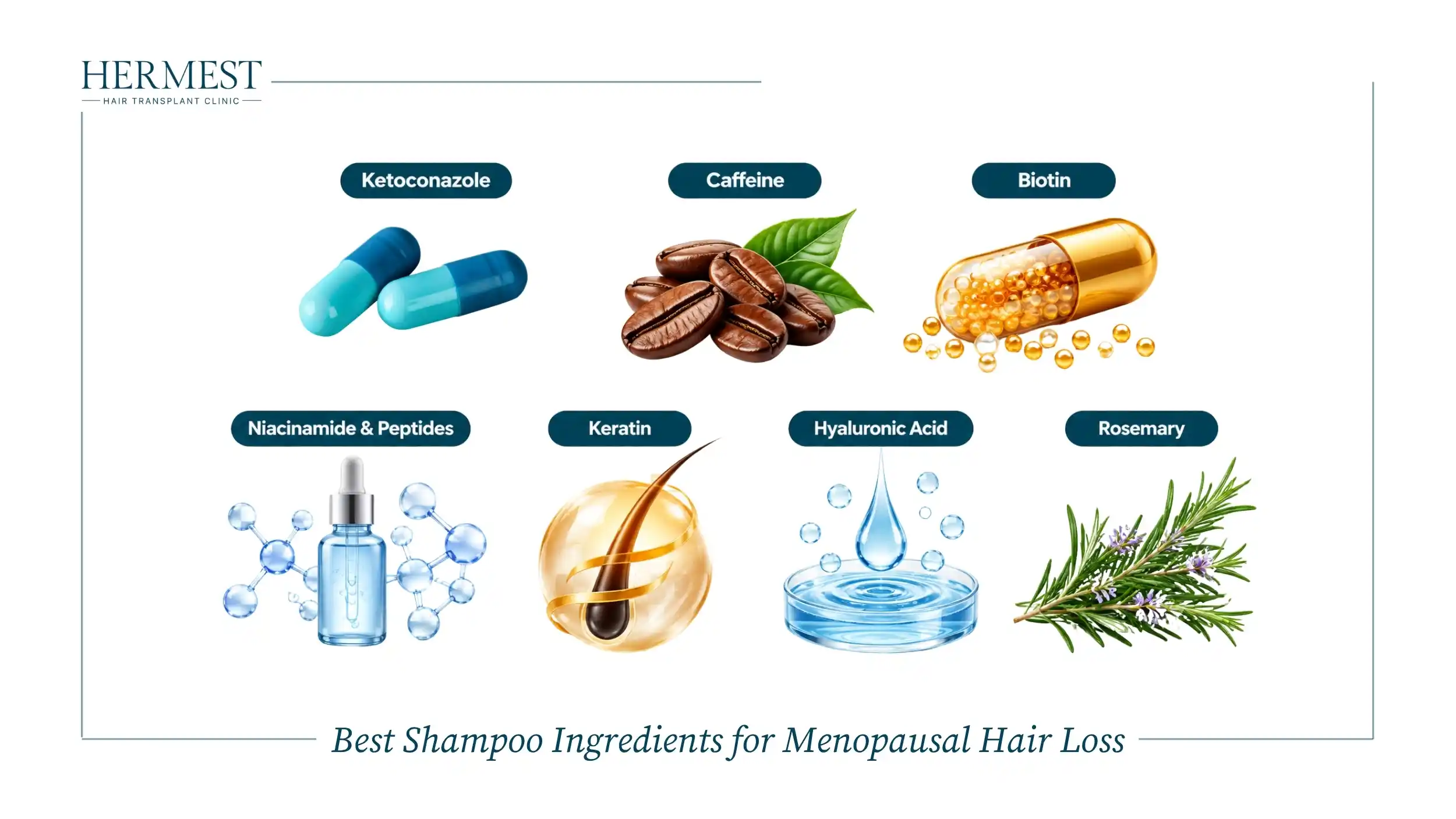
Ketoconazole
Originally developed as an antifungal medication, ketoconazole has become one of the most researched shampoo ingredients for hair thinning. It may help by:
- Reducing scalp inflammation.
- Controlling dandruff and seborrheic dermatitis.
- Supporting a healthier scalp environment.
- Potentially limiting some local androgen activity around hair follicles.
According to the American Academy of Dermatology (AAD), medicated dandruff shampoos contain ingredients that treat the itch, rash, flaking, and irritation caused by scalp conditions such as seborrheic dermatitis.
Caffeine
Caffeine shampoo menopause searches have increased significantly in recent years, and for good reason. Laboratory studies suggest caffeine may help stimulate hair follicles and reduce some effects of dihydrotestosterone (DHT). While these findings are encouraging, human clinical evidence remains limited.
Many women enjoy caffeine shampoos because they leave hair feeling fuller and lighter without weighing it down.
Dr. Ahmet Murat explains:
“Caffeine is an interesting ingredient, but patients shouldn’t expect it to replace medical treatment. We view it as a supportive option within a complete hair care routine rather than a standalone solution.”
Biotin
Biotin is one of the most recognizable ingredients in hair loss shampoo for menopausal women, yet it’s also one of the most misunderstood.
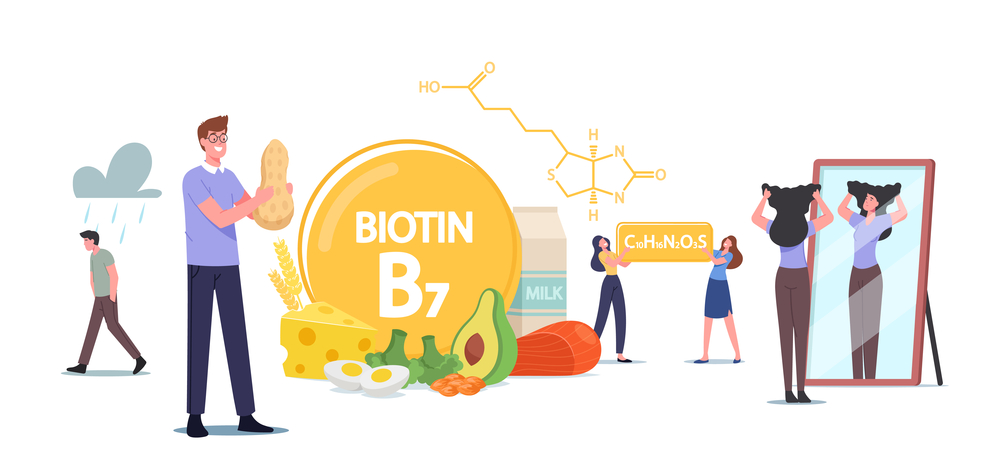
Unless you have a true biotin deficiency, current research shows that adding extra biotin is unlikely to dramatically increase hair growth. Its greatest benefit is helping strengthen the hair shaft, making strands less prone to breakage.
Niacinamide and Peptides
These ingredients primarily support scalp health rather than directly stimulating new hair growth. They may help:
- Improve the skin barrier.
- Reduce moisture loss.
- Calm mild irritation.
- Support healthier-looking hair.
They’re particularly useful for women experiencing dryness and increased scalp sensitivity after menopause.
Keratin and Hyaluronic Acid
Menopause often leaves hair feeling rougher, drier, and more fragile. Keratin temporarily smooths damaged hair fibers, while hyaluronic acid attracts and retains moisture, helping improve softness and manageability. Neither ingredient regrows hair, but both can make thinning hair appear healthier and more resilient.
Rosemary: Promising but Still Developing
Rosemary has become increasingly popular in shampoos targeting best shampoo for menopause hair loss searches. Some early clinical studies suggest rosemary oil may support hair growth similarly to topical minoxidil in certain cases after prolonged use. However, evidence for rosemary-containing shampoos remains much weaker because rinse-off products have limited contact time with the scalp.
The strongest menopausal hair loss shampoo combines evidence-based ingredients with gentle cleansing and hydration. Rather than searching for a miracle ingredient, look for formulations that address your specific scalp needs while supporting long-term hair and scalp health.
How to Choose the Right Shampoo
Finding the best shampoo for menopausal hair loss isn’t about buying the most expensive bottle or the latest trending product. Menopause affects every woman’s scalp differently, so the ideal shampoo depends on your individual hair type, scalp condition, and styling routine.
A formula that works well for someone with an oily scalp may leave dry, fragile hair feeling even more brittle. Likewise, a rich moisturizing shampoo may be too heavy for fine hair that already lacks volume. Choosing based on your scalp’s needs is often more effective than choosing based on marketing claims alone.
Dry Scalp and Brittle Hair
Reduced estrogen often decreases natural oil production, leaving the scalp drier and hair more prone to breakage. If this sounds familiar, look for a shampoo for menopausal hair loss containing moisturizing ingredients such as:
- Hyaluronic acid.
- Glycerin.
- Panthenol (provitamin B5).
- Mild, sulfate-free cleansing agents.
These ingredients help improve hydration without stripping away the scalp’s protective oils.
Oily Scalp or Dandruff
Not every menopausal woman develops a dry scalp. Some continue to experience excess oil production or persistent dandruff. In these cases, shampoos containing ketoconazole, zinc pyrithione, or salicylic acid may help reduce buildup while maintaining a healthier scalp environment.
Treating dandruff and scalp inflammation also improves day-to-day comfort and reduces the scratching that can damage fragile strands.
Dr. Ahmet Murat says:
“Before recommending any hair care routine, we first evaluate the scalp itself. Healthy follicles perform best when they’re supported by a balanced scalp environment, whether the concern is excessive oiliness or persistent dryness.”
Sensitive Scalp
Hormonal changes can make the scalp more reactive than it was before menopause. If your scalp frequently feels irritated, choose products that are:
- Fragrance-free or lightly fragranced.
- Sulfate-free.
- Free from unnecessary dyes.
- Formulated for sensitive skin.
Gentle shampoos reduce the risk of additional irritation while preserving the scalp’s natural barrier.
Color-Treated or Chemically Processed Hair
Many women color their hair more frequently during menopause to cover gray hairs. Chemical treatments, however, can increase dryness and make thinning hair appear even finer.
A best shampoo for thinning hair menopause should cleanse gently while protecting color and minimizing moisture loss. Ingredients such as keratin, amino acids, and nourishing conditioners can improve softness and reduce breakage between salon visits.
Think Beyond the Label
The best shampoo for postmenopausal hair loss isn’t necessarily the same product you used during perimenopause or even six months ago. Seasonal weather, hormone fluctuations, medical treatments, and changes in scalp condition can all influence which formula works best.
Rather than staying loyal to one product indefinitely, reassess your scalp regularly and choose a shampoo that matches its current needs. Combined with healthy nutrition, evidence-based treatments when appropriate, and good scalp care, the right shampoo becomes a valuable part of a long-term strategy for maintaining stronger, healthier-looking hair.
Ingredients to Avoid
When shopping for the best shampoo for menopausal hair loss, it’s easy to focus only on beneficial ingredients. Equally important is knowing what may irritate an already sensitive scalp or leave aging hair feeling drier and more fragile.
Menopause often changes the scalp’s natural balance. As estrogen levels decline, many women produce less sebum, making the scalp more susceptible to dryness and irritation. Choosing a gentle formula can help preserve the scalp barrier while minimizing unnecessary damage to fragile hair strands.
Harsh Sulfates
Sulfates such as sodium lauryl sulfate (SLS) and, to a lesser extent, sodium laureth sulfate (SLES) are effective cleansers, but they may remove too much of the scalp’s natural oil. For women experiencing menopause-related dryness, frequent use of highly cleansing shampoos can lead to:
- Increased scalp tightness.
- Dry, brittle hair.
- More frizz and breakage.
- Greater scalp sensitivity.
A sulfate-free shampoo for menopausal hair loss is often a better choice for women with dry or chemically treated hair.
Heavy Fragrances
Fragrance makes shampoo more enjoyable to use, but it is also one of the most common causes of cosmetic skin irritation. If your scalp becomes itchy, red, or uncomfortable after washing, consider switching to products with little or no added fragrance.
According to the American Academy of Dermatology (AAD), fragrance allergy is common and can trigger contact dermatitis where a personal care product is applied, including the scalp.
Dr. Ahmet Murat advises:
“Many patients assume scalp discomfort is simply part of menopause. In reality, some symptoms are triggered by everyday hair products. Reducing unnecessary irritants often improves scalp comfort before we even begin medical treatment.”
Drying Alcohols
Not all alcohols are harmful. Fatty alcohols such as cetyl alcohol and stearyl alcohol help moisturize and soften hair. However, simple alcohols like alcohol denat., ethanol, or isopropyl alcohol may contribute to dryness when used in high concentrations.
Reading the ingredient list rather than reacting to the word “alcohol” alone can help you make better choices.
Irritating Preservatives
Preservatives keep shampoos safe by preventing bacterial contamination, but a small number may trigger irritation in sensitive individuals. If you’ve experienced repeated reactions to hair products, discuss allergy testing with a dermatologist instead of guessing which ingredient is responsible.
Don’t Fall for “Natural” Marketing
Plant extracts and essential oils can still cause irritation or allergic reactions, especially on a scalp made more sensitive by menopause. Ingredients such as peppermint, tea tree, citrus oils, or even rosemary may work well for some women but cause discomfort for others.
Rather than choosing a shampoo because it’s labeled natural, evaluate the complete formula and how your scalp responds over time. The best shampoo for hormonal hair loss is one that cleanses effectively, supports scalp health, and minimizes irritation, not necessarily the one with the longest list of botanical ingredients.
Free hair transplant assessment
Throughout the procedure at Hermest Hair Center, we encourage open communication with our patients. If you have any concerns or need breaks during the surgery, please do not hesitate to communicate with our attentive staff. We want you to feel comfortable and at ease throughout your journey.
Building the Best Hair Care Routine
The best shampoo for menopausal hair loss works most effectively when it’s part of a complete hair care routine. Shampoo can cleanse the scalp and improve the appearance of thinning hair, but daily habits often have an even greater impact on long-term hair health. Small changes, practiced consistently, can help reduce breakage, protect fragile strands, and support a healthier scalp environment throughout menopause.
Pair Shampoo With the Right Conditioner
Many women focus on shampoo while overlooking conditioner. During menopause, the hair shaft often becomes drier, rougher, and more vulnerable to breakage. A lightweight conditioner formulated for thinning hair helps smooth the cuticle, reduce friction, and improve manageability without making fine hair feel heavy.
Apply conditioner mainly to the mid-lengths and ends rather than directly onto the scalp unless the product is specifically designed for scalp hydration.
Protect Your Hair From Daily Damage
Hormonal changes make hair less resilient than it was in earlier years. Simple habits can help preserve existing density:
- Limit high-heat styling whenever possible.
- Use a heat protectant before blow-drying or straightening.
- Avoid tight ponytails or hairstyles that pull on the hairline.
- Use a wide-tooth comb to detangle wet hair gently.
These practices won’t reverse female pattern hair loss, but they can significantly reduce unnecessary breakage.
Dr. Ahmet Murat says:
“Our goal isn’t only to encourage new growth. Protecting the healthy hair a patient already has is equally important. Gentle daily care often makes a noticeable difference over the course of several months.”
Support Hair From Within
Healthy hair depends on more than external products. Nutritional deficiencies—including low iron, inadequate protein intake, vitamin D deficiency, and low vitamin B12 levels—may contribute to hair thinning in some women.
A balanced diet that includes adequate protein, healthy fats, fruits, vegetables, and essential micronutrients supports normal hair growth and overall scalp health. If hair loss develops suddenly or becomes severe, laboratory testing may help identify nutritional or medical causes that require treatment.
Don’t Overwash or Underwash
Some women benefit from washing every other day, while others with very dry hair may only need to shampoo two or three times per week. The ideal routine depends on scalp oil production, physical activity, styling habits, and the type of menopause hair thinning shampoo you use. The goal is simple: keep the scalp clean without stripping away the natural moisture that aging hair increasingly depends on.
Consistency Matters More Than Perfection
Many women switch shampoos every few weeks, hoping for immediate results. In reality, healthier-looking hair develops through consistent care. Choosing an appropriate hair loss shampoo for menopausal women, protecting hair from daily damage, maintaining good nutrition, and treating underlying medical conditions when necessary provide far greater long-term benefits than constantly searching for a miracle product.
Treatments That Work Better Than Shampoo
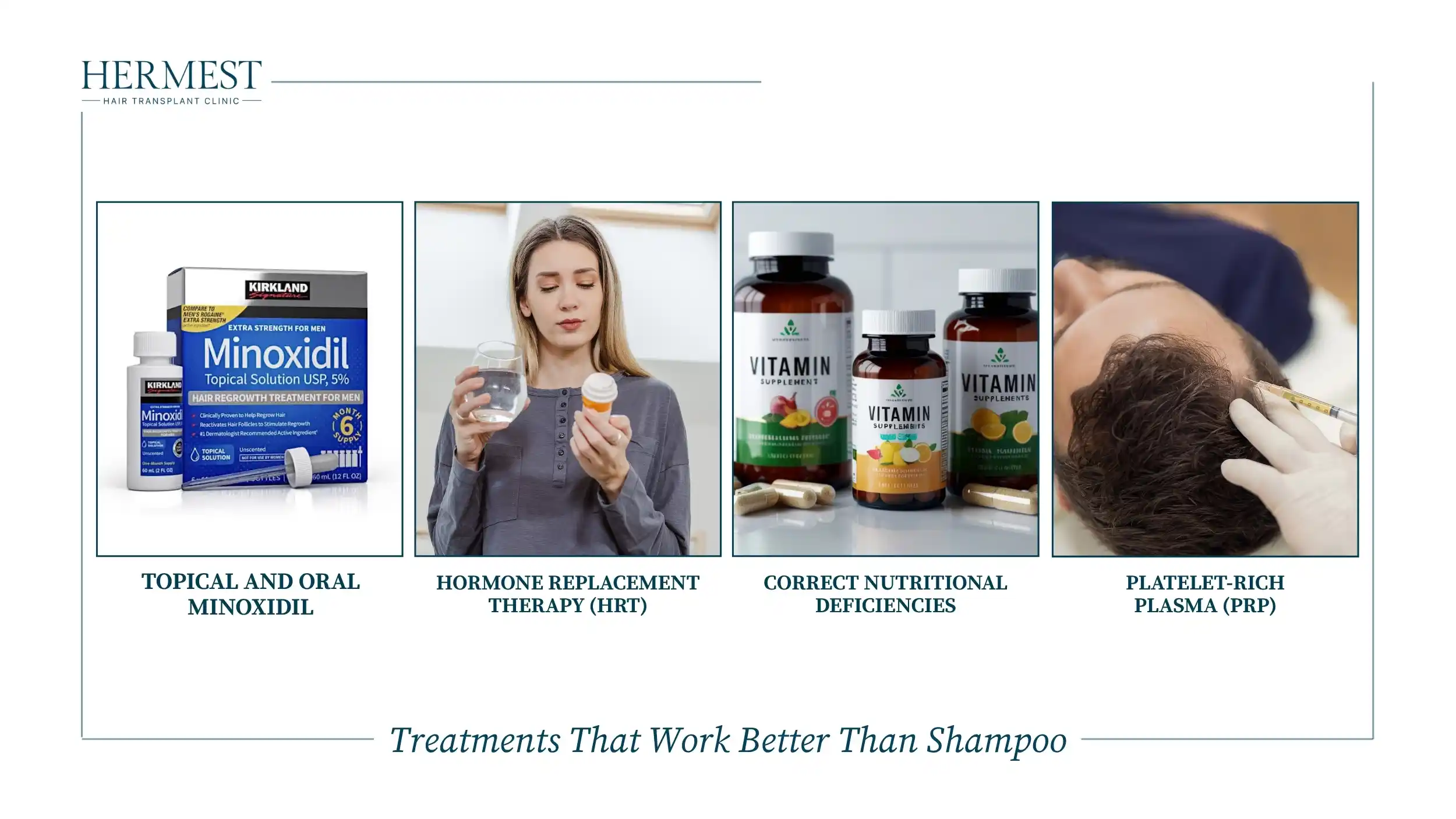
The best shampoo for menopausal hair loss can improve scalp health and make thinning hair look fuller, but it has limitations. If menopause-related hair thinning is progressing, treatments that act directly on the hair follicle generally produce more meaningful results than a rinse-off product.
The good news is that several evidence-based options are available. The right choice depends on the cause of your hair loss, your medical history, and how advanced the thinning has become.
Topical and Oral Minoxidil
Minoxidil remains one of the most widely recommended treatments for female pattern hair loss. According to the American Academy of Dermatology (AAD), topical minoxidil can reduce hair loss, stimulate hair growth, and help maintain hair thickness in many women when used consistently.
In recent years, low-dose oral minoxidil has also gained attention. Some dermatologists prescribe it for women who cannot tolerate the topical version or who require a different treatment approach. Because oral minoxidil is a prescription medication, it should only be used under medical supervision.
Unlike shampoo, minoxidil stays active within the scalp and directly influences the hair growth cycle.
Hormone Replacement Therapy (HRT)
For some women, menopause-related hair thinning is closely linked to hormonal changes. In carefully selected patients, Hormone Replacement Therapy (HRT) can relieve menopausal symptoms such as hot flashes and sleep disturbances. Its effect on hair is far less certain: a review of menopausal hair disorders concluded that there is insufficient evidence to support a role for HRT in female pattern hair loss.
HRT also isn’t appropriate for everyone, and The Menopause Society does not recommend hormone therapy for hair loss on its own. Treatment decisions should always be individualized after discussing the benefits and potential risks with a qualified healthcare provider.
Dr. Ahmet Murat says:
“One of the biggest misconceptions we see is the search for a single product that solves every type of hair loss. Successful treatment begins with an accurate diagnosis. Once we understand why the hair is thinning, we can build a treatment plan that gives patients the best chance of preserving and improving their hair density.”
Correct Nutritional Deficiencies
Hair follicles require a steady supply of nutrients to function normally. Low levels of iron, vitamin D, vitamin B12, zinc, or inadequate protein intake can worsen menopause-related hair thinning. Before starting supplements, appropriate blood tests can help identify deficiencies that genuinely need correction rather than relying on unnecessary supplementation.
Platelet-Rich Plasma (PRP)
Platelet-Rich Plasma (PRP) therapy uses concentrated platelets from your own blood to deliver growth factors into the scalp.
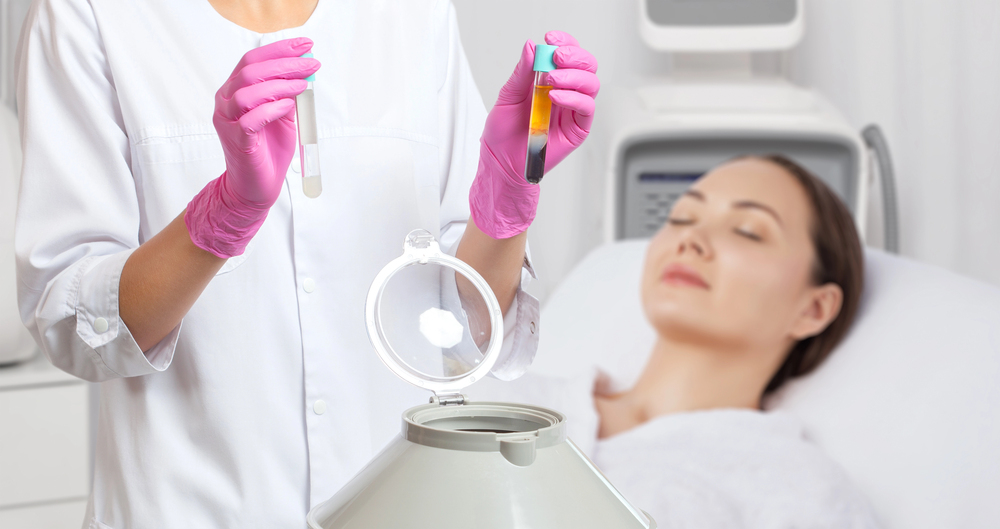
Some clinical studies suggest PRP may improve hair density and reduce shedding in women with early female pattern hair loss, particularly when combined with treatments such as minoxidil. While results vary between individuals, PRP has become an increasingly popular non-surgical option for appropriately selected patients.
Combine Treatments for Better Results
Instead of choosing between shampoo, medication, nutrition, or in-clinic procedures, many women achieve better outcomes by combining them. A carefully selected best shampoo for thinning hair menopause supports scalp health, while evidence-based treatments address the hormonal and biological changes occurring within the follicles themselves. This comprehensive approach offers the greatest potential for maintaining healthy hair throughout menopause.
Can Hair Transplant Help After Menopause?
For some women, the best shampoo for menopausal hair loss and medical treatments are enough to stabilize thinning and improve hair density. Others, however, continue to experience progressive hair loss despite following a consistent treatment plan. In these cases, many begin asking another important question: Can a hair transplant work after menopause?
The answer is often yes, but only after a careful medical evaluation.
Who Is a Good Candidate?
Unlike men, women usually experience diffuse thinning across the scalp rather than isolated bald areas. This makes candidate selection especially important. According to the International Society of Hair Restoration Surgery (ISHRS), the best female candidates typically have:
- Stable hair loss.
- A healthy donor area with sufficient hair density.
- Realistic expectations.
- Any underlying medical conditions addressed and stabilized beforehand.
Women whose hair loss is still rapidly progressing may benefit more from medical treatment before considering surgery.
Why Diagnosis Comes First
One of the biggest mistakes is assuming every menopausal woman with thinning hair is a transplant candidate. Hair loss during menopause can result from several conditions, including:
- Female pattern hair loss.
- Chronic telogen effluvium.
- Thyroid disorders.
- Iron deficiency.
- Autoimmune conditions.
- Certain medications.
Each requires a different treatment strategy.
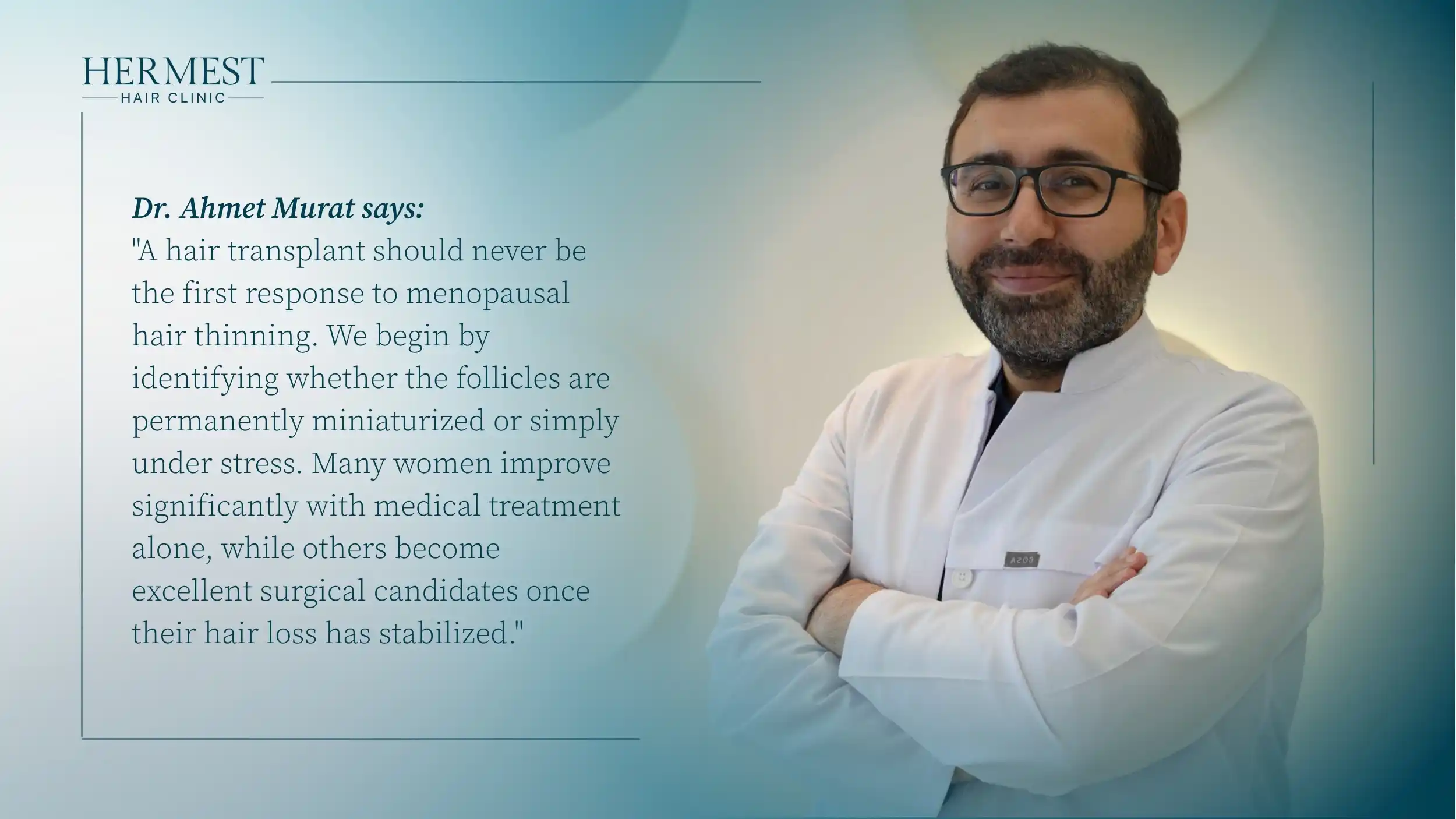
Dr. Ahmet Murat explains:
What Results Can You Expect?
A female hair transplant redistributes healthy follicles from the donor area to regions with reduced density.

It does not stop the natural aging process or future hormonal hair loss. That’s why many patients continue using treatments such as minoxidil, supportive scalp care, and a suitable hair loss shampoo for menopausal women even after surgery to help preserve their existing hair. When properly planned, transplantation can:
- Increase visible density.
- Restore a fuller-looking part line.
- Improve hairline symmetry when appropriate.
- Create natural, long-lasting results.
The Importance of Long-Term Planning
A successful hair transplant must account for future hormonal changes and the possibility of continued thinning in non-transplanted hair. At Hermest Hair Clinic, Dr. Ahmet Murat designs every treatment plan with long-term hair preservation in mind. Using the clinic’s Unique FUE® approach, each procedure is tailored to protect donor reserves, achieve natural density, and complement ongoing medical therapies when needed.
For women with stable postmenopausal hair loss, surgery can become an effective part of a comprehensive hair restoration strategy—not as a replacement for healthy scalp care, but as the next step when conservative treatments alone are no longer enough.
Common Shampoo Myths
When searching for the best shampoo for menopausal hair loss, you’ll quickly come across bold promises and conflicting advice. Some products claim to regrow hair within weeks, while others suggest that switching shampoos alone can reverse hormonal thinning. The reality is much more nuanced.
A shampoo can certainly improve the condition and appearance of your hair, but it cannot completely overcome the biological changes that occur during menopause. Understanding the difference between marketing claims and scientific evidence helps you invest your time and money more wisely.
Myth: A Hair Growth Shampoo Can Reverse Menopausal Hair Loss
This is one of the most common misconceptions. While a quality hair loss shampoo for menopausal women can reduce breakage, improve scalp health, and create the appearance of fuller hair, it cannot restore declining estrogen levels or permanently reverse female pattern hair loss.
The American Academy of Dermatology (AAD) names topical minoxidil as the treatment it most recommends for female pattern hair loss, a level of clinical evidence no rinse-off shampoo can claim.
Dr. Ahmet Murat says:
“We encourage patients to think of shampoo as daily scalp care—not as a standalone hair restoration treatment. The follicles respond to many biological factors that shampoo simply cannot change during the few minutes it remains on the scalp.”
Myth: Natural Ingredients Always Work Better
Natural ingredients like rosemary, peppermint, aloe vera, and tea tree oil are popular in many menopause hair thinning shampoo formulations. Some, such as rosemary, have shown encouraging early research. Others may soothe the scalp or improve the overall washing experience.
That doesn’t mean they’re automatically more effective than scientifically studied ingredients such as ketoconazole. Likewise, natural doesn’t always mean gentle. Essential oils and botanical extracts can still trigger irritation or allergic reactions, particularly in women whose scalps have become more sensitive after menopause.
Myth: Washing Less Prevents Hair Loss
Many women become anxious after seeing hair strands in the shower and begin washing their hair less often. In most cases, this doesn’t reduce hair loss.
Instead, fewer wash days simply allow naturally shed hairs to accumulate before they are eventually released during the next shampoo. Keeping the scalp clean supports healthy follicle function and may reduce inflammation, product buildup, and itching.
Myth: Expensive Shampoos Are Always Better
Price doesn’t necessarily reflect performance. What often gets overlooked is that ingredient quality and formulation matter far more than luxury branding. A moderately priced shampoo containing evidence-based ingredients may outperform a premium product that relies mainly on marketing claims.
Reading the ingredient list—and choosing a formula based on your scalp type—is usually more beneficial than selecting the most expensive option on the shelf.
Focus on Long-Term Hair Health—Not Marketing Claims
The best shampoo for hormonal hair loss should be judged by how well it supports long-term scalp health rather than short-term cosmetic changes alone.
Healthy hair doesn’t depend on one miracle ingredient—or one miracle bottle. It develops through consistent scalp care, realistic expectations, appropriate medical treatment when needed, and a routine tailored to your individual stage of menopause. That’s the approach most likely to preserve stronger, healthier-looking hair for years to come.
Frequently Asked Questions
The best shampoo for menopausal hair loss is one that matches your scalp’s needs while containing ingredients supported by scientific evidence. Shampoos with ketoconazole, gentle cleansing agents, moisturizing ingredients, or peptides may help improve scalp health and reduce breakage. However, the ideal choice depends on whether your scalp is dry, oily, sensitive, or affected by dandruff.
Restore Confidence With the Right Hair Care Strategy
Choosing the best shampoo for menopausal hair loss is an important step, but it should be part of a broader plan to support long-term hair health. While the right shampoo can improve scalp condition, reduce breakage, and enhance the appearance of thinning hair, understanding why your hair is changing is what leads to lasting results.
Menopause affects every woman differently. Some experience mild shedding that stabilizes over time, while others develop progressive female pattern hair loss that benefits from medical treatment. What’s rarely discussed is that successful hair restoration begins with an accurate diagnosis, not with a particular shampoo brand. Treating the underlying cause often makes a much bigger difference than changing hair products.
Dr. Ahmet Murat says:
“Healthy hair starts with understanding the condition of the scalp and the follicles. We don’t recommend the same routine for every woman because menopause affects each patient differently. A personalized evaluation allows us to protect existing hair while choosing the most appropriate treatment for long-term results.”
At Hermest Hair Clinic, Dr. Ahmet Murat and his medical team evaluate every aspect of menopause-related hair thinning, including scalp health, hormone-related hair loss patterns, donor area quality, and lifestyle factors.
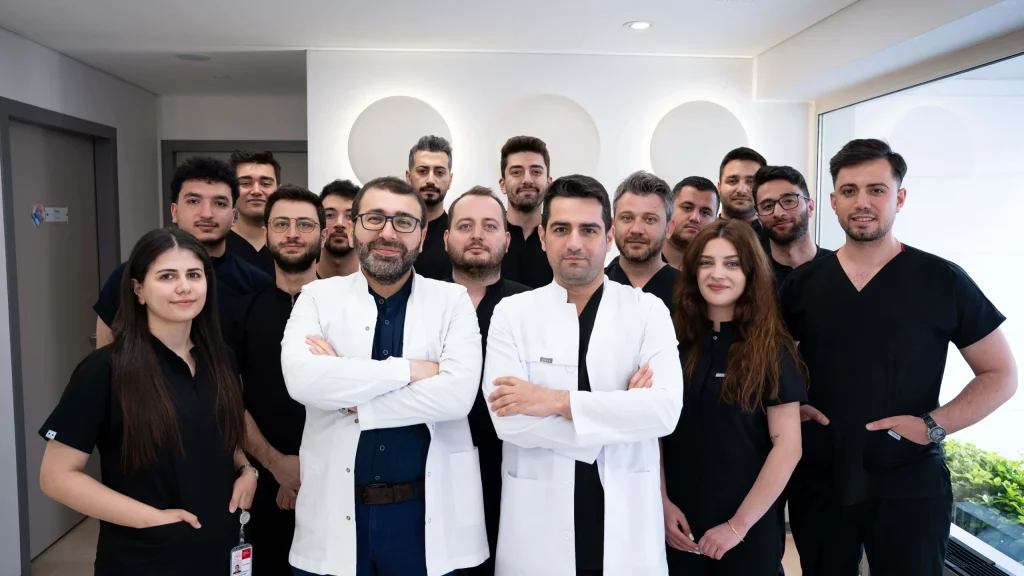
This comprehensive approach helps determine whether improving your hair care routine is enough or whether treatments such as minoxidil, PRP therapy, or a Unique FUE® hair transplant may be appropriate.
If you’ve noticed increased shedding, a widening part line, or gradual loss of hair density, don’t rely on guesswork alone. A professional assessment can identify the cause of your thinning hair and help you build a personalized treatment plan designed to preserve healthier, fuller-looking hair for years to come.