

Minoxidil Dread Shed: Causes, Timeline, Oral & Female Guide
 ChatGPT
 Claude
 Perplexity
 Grok
Grok
 Gemini

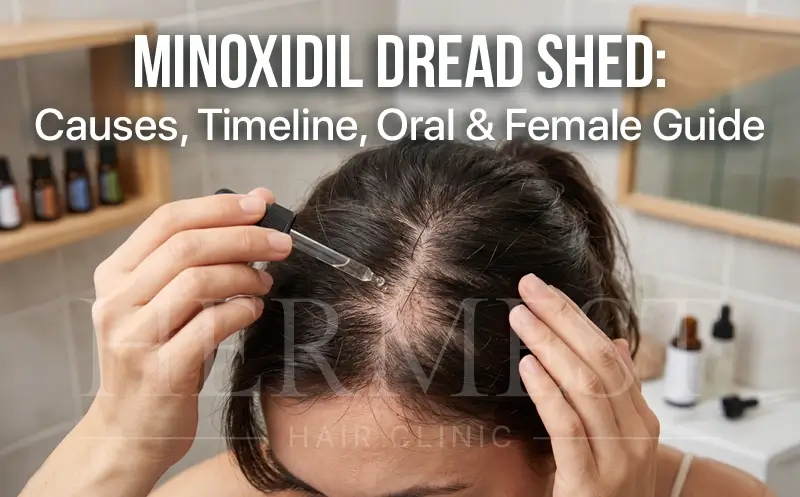
If you’ve started treatment and noticed more hair falling out, you’re likely dealing with minoxidil dread shed. It sounds alarming. It feels worse. Many people assume they made a mistake. In most cases, they didn’t. Yes, does minoxidil cause dread shed? It can. Both topical and oral minoxidil dread shed are reported, especially in the early weeks of treatment. This shedding phase is usually temporary and does not automatically mean your hair loss is getting worse.
That’s the part most people misunderstand. According to the American Academy of Dermatology, some patients experience increased hair shedding during the first weeks of minoxidil use, especially in female pattern hair loss. This is often part of how the treatment works.
The problem is timing. You start treatment to stop hair loss. Then shedding increases. It feels like the opposite is happening. This guide will clear that up.
You’ll understand:
- why shedding happens with minoxidil
- how long it usually lasts
- how severe it can be
- what’s different with oral minoxidil dread shed
- what women should expect with minoxidil dread shed female cases
- and what you can realistically do about it
Dr. Ahmet Murat says:
“Patients often stop treatment at the exact moment it starts working. The early shedding phase is uncomfortable, but it is not always a negative sign.”
You don’t need to guess. Once you understand the mechanism and timeline, the situation becomes much easier to manage.
Quick Insights
- Minoxidil can cause temporary shedding, especially early on.
- This phase is linked to the hair cycle shifting, not random loss.
- Shedding typically starts within the first weeks and stabilizes over time.
- The intensity varies from mild to more noticeable, depending on the individual.
- Oral minoxidil dread shed can occur as well and requires medical supervision.
- In minoxidil dread shed female cases, the process is similar but often more visible.
- There is no guaranteed way to fully avoid shedding, but it can be managed.
- Long-term results matter more than short-term hair fall.
What Is “Minoxidil Dread Shed”?
The term minoxidil dread shed is not a medical diagnosis. It’s a patient-driven term used to describe the sudden increase in hair shedding after starting treatment.
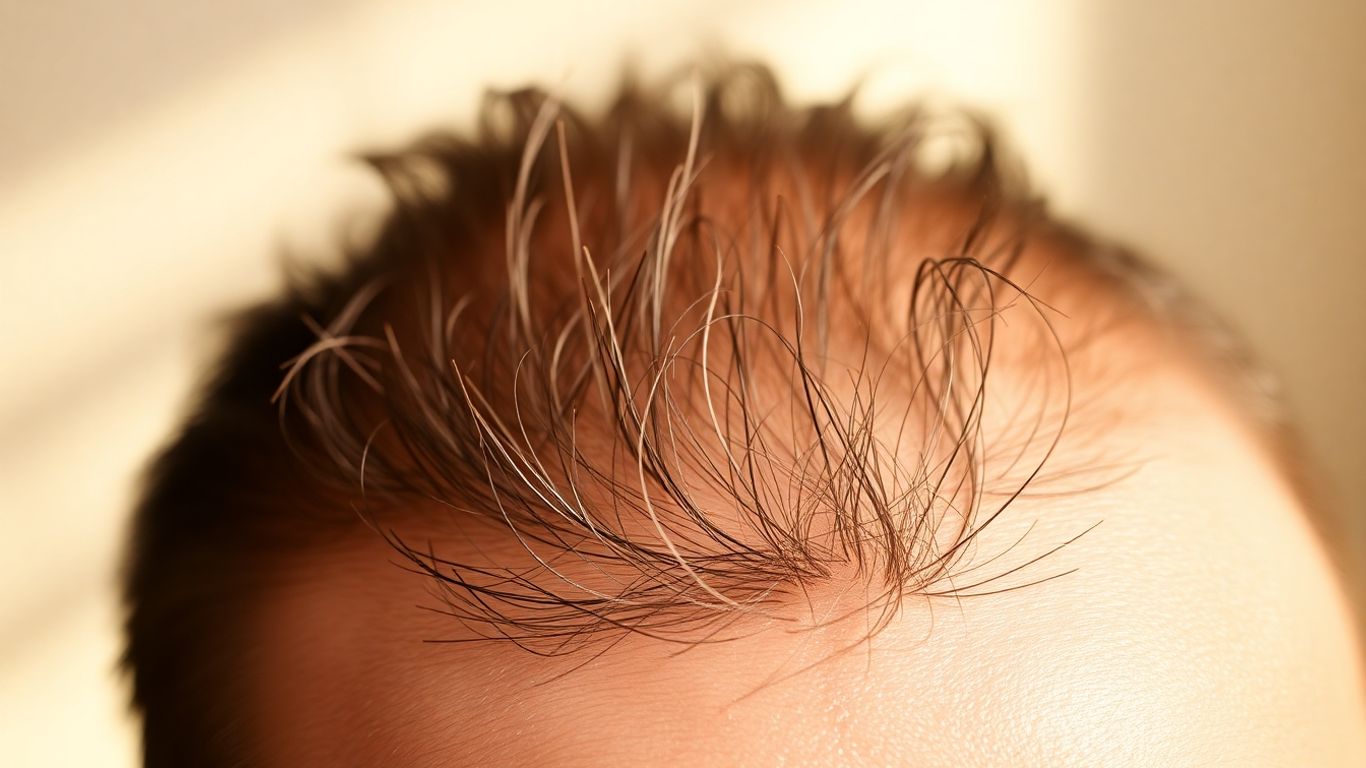
The experience is real.
Why the term exists
People expect improvement, not increased hair loss.
When shedding increases, it creates anxiety:
- “Is this normal?”
- “Should I stop?”
- “Is my hair getting worse?”
This reaction is common, especially in the first few weeks.
Why shedding happens before regrowth
Minoxidil affects the hair growth cycle.
Hair follicles go through phases:
- growth (anagen)
- resting (telogen)
- shedding
Minoxidil can push resting hairs out faster. This makes space for new, stronger hairs to grow.
According to research available through PubMed and dermatology reviews, this shift from telogen to anagen is one of the key mechanisms behind minoxidil’s effect.
That means the shedding is not random. It’s part of a transition.
How minoxidil changes the hair cycle
Instead of waiting for weak hairs to fall out naturally, minoxidil accelerates the process.
This can lead to:
- noticeable increase in hair fall
- temporary thinning
- visible scalp in some areas
It feels worse before it improves.
Dr. Ahmet Murat explains:
“Minoxidil does not create hair instantly. It resets the cycle. Weak hairs are pushed out so stronger ones can replace them. That transition phase is what patients experience as shedding.”
What matters most here
Not all shedding is the same.
The key question is:
- Is it temporary, or is it ongoing progression?
Understanding that difference is what prevents unnecessary panic.
Does Minoxidil Cause Dread Shed?
Yes, it can. That’s the direct answer.
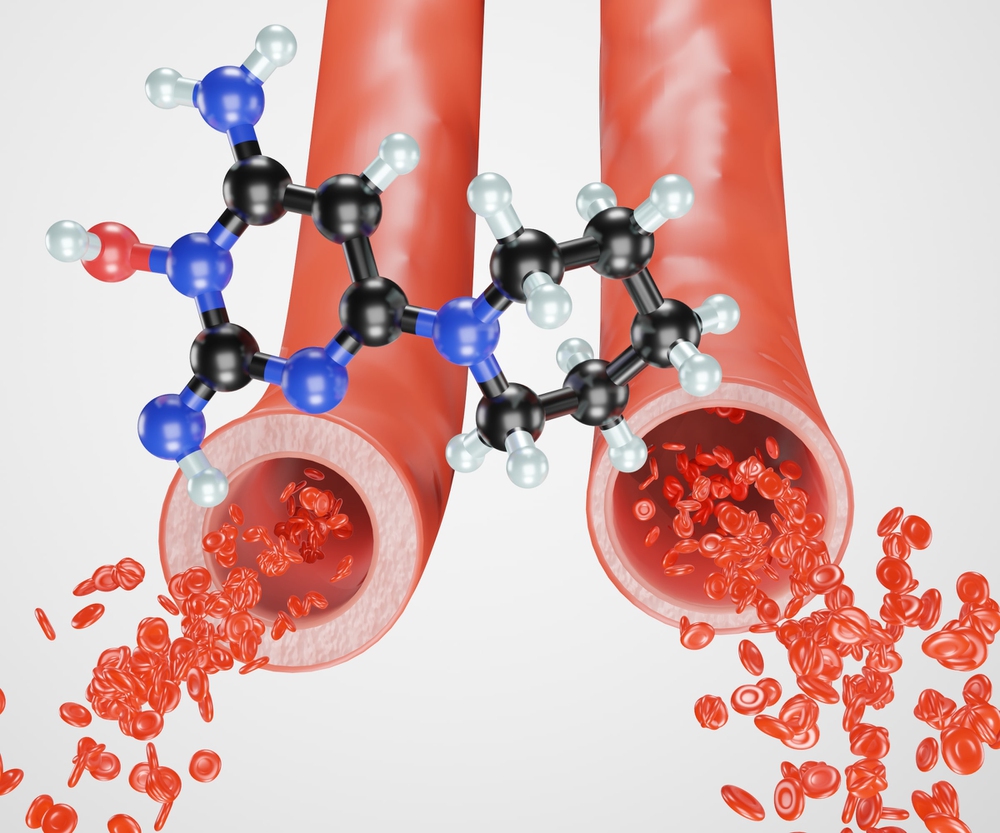
But the more useful question is what that shedding actually means. Not all hair loss during treatment is the same, and this is where many people get confused.
What dermatology guidance says
According to the American Academy of Dermatology, an increase in hair shedding can occur during the early phase of minoxidil use. This is commonly reported within the first several weeks, especially in patients starting treatment for pattern hair loss.
This applies to both:
- topical formulations
- low-dose oral use
So if you’re asking will minoxidil make your hair shed, the answer is yes, in some cases, especially early on.
Temporary shedding vs worsening hair loss
This is the most important distinction.
Temporary shedding:
- starts soon after beginning treatment
- stabilizes within weeks
- is followed by regrowth
Worsening hair loss:
- continues without slowing
- spreads beyond typical areas
- shows ongoing density reduction
The first is expected in some patients. The second requires evaluation.
Is shedding always a bad sign?
Not necessarily.
Some evidence suggests that early shedding may reflect follicles entering a new growth cycle. A 2025 study indexed in PubMed observed temporary increased shedding after topical minoxidil and noted a possible link between early shedding and later improvement in certain patients.
This does not apply to everyone. It’s a possibility, not a guarantee.
Why this feels worse than it is
Hair loss is visible day to day.
You see it in the shower, on your pillow, during styling. That makes it feel immediate and severe, even if the process is temporary.
Dr. Ahmet Murat says:
“The problem is perception. Patients see more hair falling and assume failure. In many cases, it is a transition phase, not a worsening condition.”
What to keep in mind
If you’ve just started treatment and notice shedding, it does not automatically mean you should stop.
The timing, pattern, and duration matter more than the shedding itself.
When Does Shedding Start and How Long Does It Last?
Timing is what most people want to understand. If you’re experiencing minoxidil shedding, the first question is usually: how long does this last, and when will it stop?
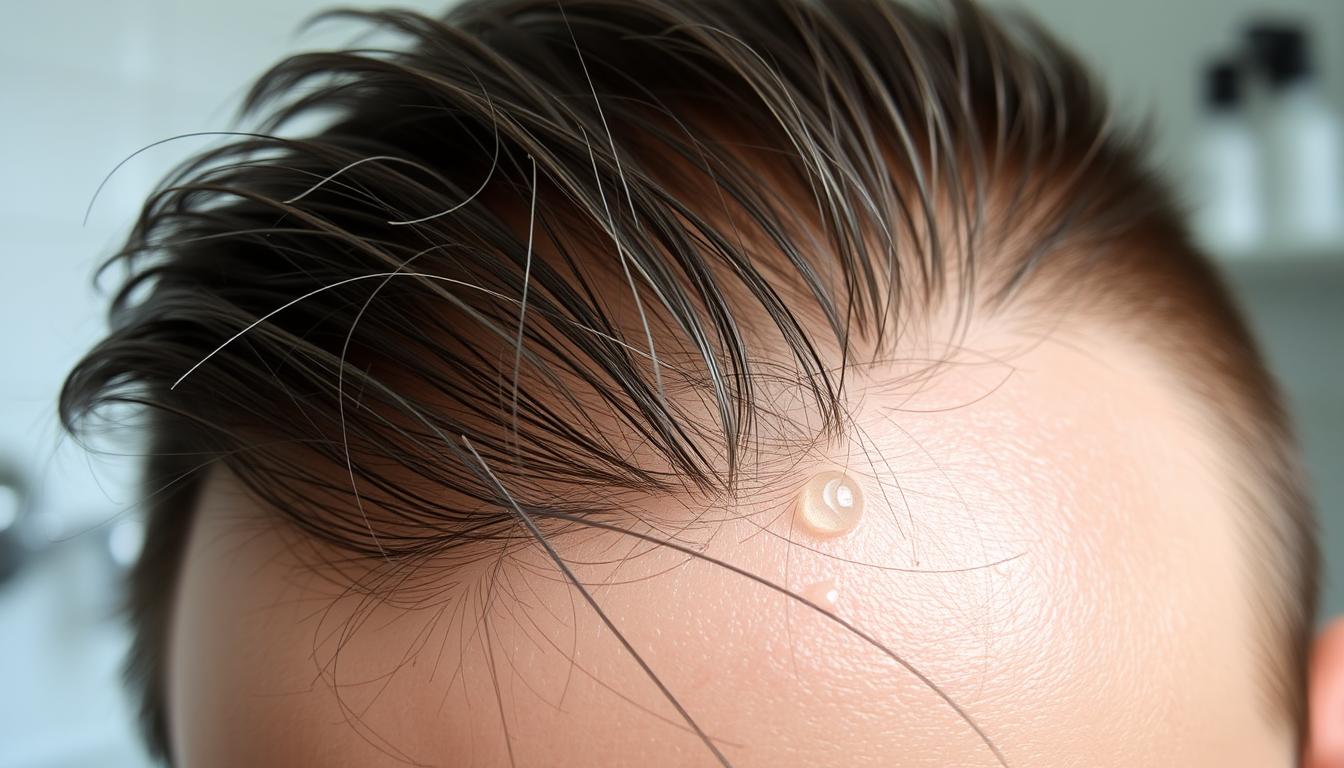
The answer depends on the individual, but there are clear patterns.
When does the shedding start?
For most people, shedding begins early.
Typical timing:
- within the first 2 to 6 weeks
- sometimes as early as the second week
- occasionally delayed depending on hair cycle
According to the American Academy of Dermatology, temporary increased hair shedding can occur during the first 2–8 weeks of treatment, especially in cases of pattern hair loss.
This applies to both topical and oral minoxidil dread shed, although the intensity may vary.
How long does minoxidil dread shed last?
This is where reassurance matters.
In most cases:
- shedding lasts a few weeks
- it gradually slows down
- regrowth begins afterward
A general range:
- 2 to 8 weeks for active shedding
- improvement visible after that phase
That said, not everyone follows the same timeline.
What affects the duration?
Several factors influence how long the shedding phase lasts:
- baseline hair density
- stage of hair loss
- individual response to minoxidil
- whether treatment is topical or oral
Some people experience a mild phase. Others notice more dramatic changes.
When timelines start to look abnormal
This is where attention is needed.
If shedding:
- continues beyond 8–10 weeks without slowing
- is accompanied by irritation or other symptoms
- leads to significant visible thinning without recovery
It may not be just the typical shed.
Dr. Ahmet Murat explains:
“The shedding phase should be temporary. If it continues without stabilization, we need to reassess the diagnosis and treatment plan.”
What you should focus on
Instead of tracking daily hair fall, focus on trends over time.
Ask:
- Is shedding slowing down?
- Is density stabilizing?
- Are new hairs appearing?
These signs matter more than short-term fluctuations.
How Bad Is Minoxidil Dread Shed?
This is where anxiety peaks. You expect improvement. Instead, you see more hair falling. It feels like things are getting worse. The question becomes very direct: How bad is minoxidil dread shed?
The honest answer is that it varies.
Mild, moderate, and heavy shedding
Not everyone experiences the same intensity.
Some people notice:
- slightly more hair in the shower
- minimal visual change
Others experience:
- noticeable increase in daily shedding
- temporary thinning in certain areas
A smaller group reports:
- significant shedding over a short period
- visible scalp in previously denser areas
All three patterns can occur.
Why severity differs
The difference comes down to how many hairs are in the resting phase when treatment begins. Minoxidil pushes those hairs out earlier. If more follicles are in that phase, the shedding appears heavier.
According to clinical insights summarized in PubMed, early shedding reflects a shift in the hair cycle rather than random loss.
What “normal” can look like
This is where expectations matter. Shedding may feel excessive, but still fall within a temporary adjustment phase. What matters is whether it stabilizes.
You may see:
- increased shedding for several weeks
- slowing down over time
- gradual improvement afterward
Is it a sign the treatment is working?
Sometimes, but not always.
Some studies suggest that early shedding may be associated with later improvement in certain patients. This should not be seen as a guarantee.
Why perception feels worse
Hair loss is highly visible.
You notice every strand. That creates a sense of urgency, even when the process is temporary.
Dr. Ahmet Murat says:
“Patients often focus on the quantity of hair they lose during this phase. What matters more is what happens after. The outcome is determined over months, not days.”
What you should track instead
Instead of focusing on daily shedding:
- monitor overall density
- observe regrowth over time
- compare monthly changes
Short-term shedding can feel intense. Long-term trends tell the real story.
Oral Minoxidil Dread Shed
Interest in oral minoxidil dread shed has increased in recent years. Many patients now consider low-dose oral minoxidil as an alternative to topical treatment. The shedding phase can still occur, but the context is different.
Can low-dose oral minoxidil trigger shedding?
Yes, it can.
Oral minoxidil works systemically. Instead of targeting only the scalp, it affects hair follicles throughout the body. This can lead to a similar shift in the hair cycle, where resting hairs are pushed out earlier.
That means the shedding phase is not limited to topical use.
How oral differs from topical
The main difference is how the medication is delivered.
Topical minoxidil acts locally. Oral minoxidil works internally and may have a broader effect. Some patients report a more noticeable response, including shedding, especially in the early phase.
At the same time, individual response varies.
Research available through PubMed shows that low-dose oral minoxidil can be effective for hair loss, but it also highlights the need for proper medical supervision.
Why oral minoxidil requires medical guidance
This is a key point many online guides skip.
Oral minoxidil is not originally developed for hair loss. It is a blood pressure medication used off-label in low doses for hair conditions.
That changes how it should be used.
According to U.S. Food and Drug Administration, oral minoxidil has systemic effects. Even at low doses, it should be prescribed and monitored by a qualified clinician.
Dr. Ahmet Murat says:
“Oral minoxidil can be effective, but it is not a casual option. The dosage, patient profile, and follow-up all matter. It should always be guided medically.”
What to expect realistically
The shedding phase with oral treatment follows a similar pattern to topical use.
It may start early, feel noticeable, and then stabilize.
The key difference is not the existence of shedding. It is the need for careful supervision.
Minoxidil Dread Shed in Women
Hair shedding during treatment can feel even more distressing for women. Density changes are often more noticeable, especially along the part line and crown. This is why minoxidil dread shed female searches are so common.
The process itself is not fundamentally different. The perception and impact often are.
What women with hair loss should expect
Women using minoxidil, whether topical or low-dose oral, may experience an early shedding phase. This is especially relevant in female pattern hair loss.
According to the American Academy of Dermatology, some patients notice increased hair shedding during the first 2–8 weeks of treatment. This is typically temporary and part of the hair cycle transition.
The key point is timing.
Shedding that begins early and stabilizes is often expected.
Is the timeline different in women?
Not significantly.
The general timeline remains similar:
- early onset after starting treatment
- temporary increase in shedding
- gradual stabilization
What differs is visibility.
Women often wear their hair longer or styled in a way that makes density changes easier to notice. This can make the shedding phase feel more severe.
Oral minoxidil in women: extra considerations
Interest in oral minoxidil dread shed female has increased. Low-dose oral minoxidil is being used in some cases under medical supervision.
However, this approach requires careful evaluation.
Oral minoxidil has systemic effects and is not primarily designed for hair loss treatment. That means dosing, monitoring, and patient selection matter.
Dr. Ahmet Murat explains:
“In female patients, we are especially careful with diagnosis and treatment planning. Not all hair loss follows the same pattern, and treatment must reflect that.”
What matters most for women
Focus on progression, not daily shedding.
Ask:
- is the shedding stabilizing?
- is density returning over time?
Short-term changes can feel dramatic. Long-term trends provide the real answer.
How to Avoid Minoxidil Dread Shed
You may not be able to fully prevent it. You can sometimes reduce how noticeable it feels. That distinction matters.
What you may be able to reduce
The shedding phase is linked to how many hairs are in the resting stage when you start treatment. You cannot control that completely.
You can, however, reduce the shock to the system.
Some clinicians consider:
- starting with lower concentrations or doses
- introducing treatment gradually
- optimizing scalp health before starting
These approaches aim to make the transition smoother, not eliminate it.
What you probably cannot prevent
Minoxidil works by shifting the hair cycle.
That mechanism can trigger shedding. Avoiding it entirely is not always realistic.
According to research discussed in PubMed, the early shedding phase reflects follicles transitioning into a new growth cycle. That means the process is part of how the treatment works.
This is why many guides oversimplify the answer.
A more advanced approach (in selected cases)
There is emerging discussion in dermatology about overlapping treatments.
For example, a study available through PubMed Central explored continuing topical minoxidil while introducing low-dose oral minoxidil to reduce perceived shedding in some patients.
This is not a universal protocol. It requires medical supervision.
What helps most in practice
Consistency matters more than prevention.
Stopping treatment early is the most common mistake.
Dr. Ahmet Murat says:
“Patients often try to avoid the shedding phase, but that is not the right focus. The goal is to manage it and move through it safely.”
What you should do instead
Shift your focus:
- expect a temporary adjustment phase
- monitor changes over weeks, not days
- avoid reacting to short-term fluctuations
You don’t need to eliminate the shed. You need to understand it.
What to Do During the Shedding Phase
Once shedding starts, the focus should shift from prevention to management. This phase can feel unsettling, but how you respond matters more than the shedding itself.
Most mistakes happen here.
Stay consistent with treatment
Stopping early is the biggest setback.
If the shedding phase is typical and within the expected timeline, continuing treatment is usually recommended. Interrupting the process can reset the cycle and delay progress.
Consistency allows the follicles to complete the transition into a new growth phase.
Track progress the right way
Daily hair fall is misleading.
You might notice more strands on your pillow or in the shower, but that does not reflect long-term outcome.
Instead:
- take monthly photos
- compare density over time
- focus on regrowth, not daily shedding
This gives a more accurate picture.
Be gentle with your hair and scalp
During this phase, the hair may feel weaker.
Avoid:
- aggressive brushing
- tight hairstyles
- harsh chemical treatments
Keeping the scalp calm helps maintain a stable environment for regrowth.
According to the American Academy of Dermatology, gentle care and consistent treatment support better outcomes in hair loss management.
Know the red flags
Not all shedding should be ignored.
You should seek evaluation if:
- shedding continues beyond expected timelines
- scalp irritation becomes severe
- systemic symptoms appear, especially with oral treatment
These signs may indicate something beyond the typical shedding phase.
Dr. Ahmet Murat explains:
“The shedding phase should stabilize. If it does not, we reassess. The goal is controlled progression, not prolonged uncertainty.”
What matters most
This phase is temporary for most patients.
Your role is not to stop it. It is to manage it correctly and allow the process to move forward.
When Should You Stop and See a Dermatologist?
Most cases of minoxidil dread shed are temporary. They follow a pattern, stabilize, and improve over time. But not all situations fit that pattern. Knowing when to wait and when to act makes a real difference.
Signs that need medical evaluation
If the shedding phase does not follow a typical timeline, it’s worth checking further.
Pay attention if:
- shedding continues beyond 8–10 weeks without slowing
- hair density keeps decreasing instead of stabilizing
- new areas of thinning appear
- scalp irritation becomes persistent or uncomfortable
These are not typical features of a short adjustment phase.
Topical minoxidil: when to be cautious
Topical treatments are generally well tolerated, but they can still cause issues in some cases.
Watch for:
- redness or itching that does not improve
- flaking or irritation that worsens over time
According to the American Academy of Dermatology, irritation may indicate sensitivity to the formulation rather than the treatment itself.
Oral minoxidil: when to act immediately
This is where awareness becomes more important.
Because oral minoxidil works systemically, certain symptoms should not be ignored.
These include:
- dizziness
- swelling in the hands or feet
- rapid heartbeat
According to the U.S. Food and Drug Administration, oral minoxidil has systemic effects and requires medical supervision.
Why early evaluation matters
Waiting too long can delay proper treatment adjustments.
A specialist can:
- confirm whether the shedding is expected
- rule out other causes
- adjust dosage or approach if needed
Dr. Ahmet Murat says:
“Patients often wait until frustration builds. Early evaluation allows us to guide the process instead of reacting to it later.”
What you should take from this
You don’t need to panic at the first sign of shedding. But you also shouldn’t ignore prolonged or unusual patterns.
Understanding the difference helps you stay in control of the process.
Frequently Asked Questions About Minoxidil Dread Shed
No, not everyone experiences it. Some people notice increased shedding early on, while others do not. When it happens, it is usually temporary and linked to the hair cycle shifting. The absence of shedding does not mean the treatment is not working, and the presence of shedding does not mean failure.
Take the Next Step with Expert Guidance
If you’ve been researching does minoxidil cause dread shed, you now understand the full picture. Shedding can happen. It is often temporary. It does not automatically mean failure.
What matters is how your case behaves over time.
Dr. Ahmet Murat explains:
“Hair loss treatment is not one-size-fits-all. The same medication can produce different responses. That’s why follow-up and personalization matter.”
At Hermest Hair Transplant Clinic, every patient begins with a detailed evaluation. The focus is not just on treatment, but on understanding the exact pattern of hair loss and response.

The clinic applies a structured approach, combining:
- personalized diagnosis
- tailored treatment planning
- continuous monitoring
If you’re unsure whether your shedding is normal or not, the next step is simple.
Get clarity.
Understand your pattern.
Move forward with the right plan.
Request your free hair analysis and speak directly with a specialist today.