

Menopause Hair Loss: Causes, Symptoms & Effective Treatments
 ChatGPT
 Claude
 Perplexity
 Grok
Grok
 Gemini

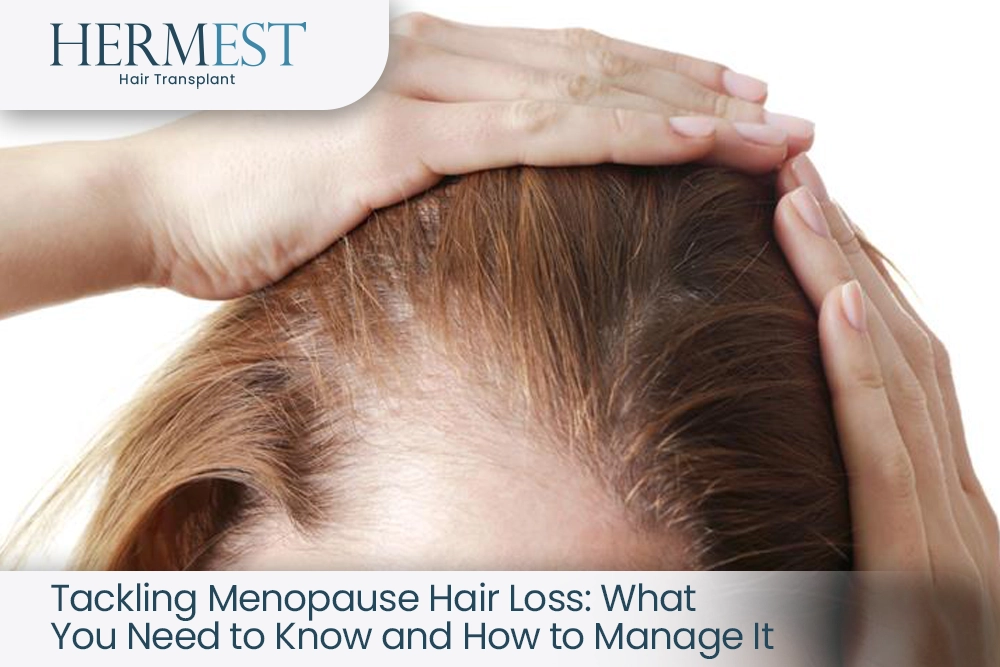
Many women enter their 40s and 50s expecting hot flashes, sleep changes, or shifts in mood — but fewer expect their hair to change as well. When menopause hair loss begins, it usually doesn’t arrive with dramatic shedding. It’s quieter. A little less volume each month. A part line that opens slightly. A ponytail that feels lighter. These small signals often raise big questions: Is this normal? Is it permanent? Can anything help?
You’re not imagining it. And you’re not alone. Hormonal transitions can influence the hair cycle, making hair loss during menopause more noticeable. For many, the pattern resembles female pattern hair loss in women. Others experience early changes known as perimenopause hair loss, only to see thinning progress into postmenopausal hair loss later. Understanding what’s happening — and why — creates a calmer, clearer path forward.
This guide was written for women who want answers rooted in science, not guesswork. Women who want to know whether their thinning is related to hormones, stress, genetics, or all three at once. And women who want practical solutions they can trust, without feeling overwhelmed by scattered information online.
At Hermest, we see the emotional weight that female hair thinning menopause brings. Hair is personal. When it changes, it affects more than appearance — it touches confidence, identity, and how you feel stepping into your day. That’s why this article blends medical insight, real patient patterns, and guidance from our team to help you understand your options clearly.
What follows is a complete roadmap: why menopause influences your hair, how to tell what type of thinning you’re experiencing, which treatments work, and how to build a long-term plan that supports both your hair and your peace of mind.
Let’s start with the basics: can menopause truly cause hair loss, and what can you do about it?
Quick Insights
- Menopause hair loss is common and usually appears as slow, steady thinning rather than sudden shedding.
- Hormonal shifts shorten the growth phase and expose genetic tendencies like female pattern hair loss in women.
- Thinning often begins in the 40s as perimenopause hair loss, then becomes more noticeable as postmenopausal hair loss if untreated.
- A widening part line, reduced crown density, and a smaller ponytail are classic signs of female hair thinning menopause.
- Not all midlife shedding is hormonal — thyroid and hair loss, iron deficiency hair loss, low ferritin hair loss, and vitamin D deficiency hair loss can mimic the same pattern.
- A proper evaluation includes scalp examination and targeted blood tests for hair loss to identify hidden triggers.
- Evidence-based treatments such as minoxidil for women, oral anti-androgens, PRP for female hair loss, microneedling for hair regrowth, and low-level laser therapy hair loss help stabilize and improve density.
- Supportive habits matter: better sleep, balanced nutrition, reduced stress, and gentle hair products for thinning hair strengthen the improvement process.
- Women with stable thinning and a strong donor area may qualify for FUE for women or DHI for women to restore density where follicles can no longer regrow on their own.
- Early action leads to better long-term results — stabilization first, visible improvement next.
Can Menopause Cause Hair Loss, and Can It Be Treated?
Many women begin noticing menopause hair loss as their hormones change. If you’re wondering whether this stage can genuinely affect your hair, the answer is yes. Shifts in estrogen and progesterone can influence how the follicle grows, rests, and sheds. That’s why some women experience hair loss during menopause, while others notice early signs in their 40s as perimenopause hair loss slowly begins.
The questions most women ask are simple: Why is this happening? Will it stop? And can anything help? The reassuring part is that most types of menopausal hair loss respond well to the right plan. That includes medical treatments, supportive lifestyle changes, scalp-focused care, and early evaluation to understand what’s truly driving the thinning.
The pattern usually feels different from stress-related shedding. Instead of sudden clumps, women describe thinning hair after menopause — less density, a lighter-feeling ponytail, or a part line that becomes more visible. These signs line up with female pattern hair loss in women, a genetic condition that often becomes more noticeable as hormones shift.
A quick look at what’s happening
When hormone levels change, follicles may enter a shorter growth phase and stay longer in the resting phase. This imbalance can create female hair thinning menopause, especially on the top and crown. Some women naturally have more sensitivity to hormonal shifts, which explains why one person barely notices changes while another sees steady thinning.
Can menopause hair loss be managed?
Yes. Many women stabilize shedding, improve density, and regain confidence with the right combination of:
- medical treatments
- nutritional support
- targeted scalp care
- stress reduction routines
- long-term maintenance strategies
Treatments like minoxidil for women, nutritional optimization, and supportive routines often create meaningful improvements when started early.
When to take action
You should consider guidance if:
- shedding lasts more than 3 months
- the ponytail feels noticeably smaller
- the scalp shows through the part more clearly
- density continues to drop over time
Starting early improves outcomes and protects long-term follicle health.
What Exactly Is Menopause Hair Loss?
Menopause brings gradual changes in how your hair grows, sheds, and holds volume. Many women notice menopausal hair loss not as sudden shedding, but as a slow shift in fullness and texture. Your strands may feel lighter, the scalp may show a bit more under bright light, and familiar styling routines may stop giving the same results. This pattern lines up closely with female pattern hair loss in women, which often becomes more noticeable when estrogen and progesterone levels decline.
These changes can begin earlier than expected. Some people feel it in their 40s, long before their period fully stops, which explains why perimenopause hair loss is such a common concern. Others see a sharper shift after menopause, known as postmenopausal hair loss, where density continues to decrease if the follicles aren’t supported.
“When a woman enters menopause and tells me her hair ‘feels different,’ I take it seriously. Hormonal shifts are only part of the story — the follicle’s own sensitivity, lifestyle habits, and scalp health guide how we build an effective plan.” — Dr. Ahmet Murat
How menopause hair loss typically appears
Women often describe a combination of:
- a gently widening part line
- reduced fullness at the crown
- a thinner ponytail
- strands that feel finer or break more easily
- more visible scalp in photos or strong lighting
These patterns reflect what many recognize as female hair thinning menopause, which isn’t patchy but diffuse — a softer, gradual reduction in volume.
Why this stage triggers noticeable thinning
Your hair grows in cycles. When the hormonal environment changes, the growth (anagen) phase shortens and more strands enter the resting (telogen) phase. Lower estrogen support allows androgens to influence follicles more strongly. In women with genetic hair loss women tendencies, this imbalance creates progressive thinning.
When everyday shedding becomes meaningful thinning
Normal shedding is expected. But if your density feels lower for several months, or styling becomes harder because hair feels “flatter”, your follicles might not be recovering. That’s the ideal moment to intervene — before the pattern becomes more set.
How Hormones Change Your Hair
Hormones shape the rhythm of your hair cycle more than most people realize. As menopause approaches, shifts in estrogen and progesterone begin to influence how follicles behave. This is often the tipping point where menopause hair loss becomes visible. Many women describe slower growth, reduced volume, and a steady feeling that their hair “isn’t recovering the way it used to.” These patterns blend with female pattern hair loss in women, especially if there’s a genetic foundation.
During this stage, the balance between growth and shedding changes. When estrogen drops, the hair spends less time growing and more time resting. This increases shedding over time and exposes underlying sensitivities. That’s why hair loss during menopause can feel both hormonal and hereditary at the same time.
“Hormonal shifts don’t act alone. The follicle’s sensitivity to androgens is what decides how noticeable thinning becomes. This is where a personalized plan makes the difference.” — Dr. Ahmet Murat
Estrogen and progesterone: your hair’s quiet supporters
Lower estrogen levels are strongly linked to estrogen and hair loss, because estrogen helps keep follicles in the growth phase. When it declines, shedding increases. A similar pattern occurs with progesterone and hair loss, as progesterone also helps balance androgens.
When both drop together, the scale tips.
Androgens, DHT, and genetic sensitivity
Androgens don’t suddenly rise during menopause — but their influence becomes stronger. This shift affects:
- how long each hair strand grows
- how quickly shedding cycles repeat
- how much volume you maintain over time
Women with DHT and hair follicles in women sensitivity see more structural thinning. This explains why two women of the same age can have completely different experiences.
Hormone imbalance and visible thinning
An uneven hormonal picture can trigger hormone imbalance and hair shedding, especially when combined with stress, sleep changes, or nutritional fluctuations. These layers create a ripe environment for female hair thinning menopause to progress unless addressed early.
Hormones don’t tell the whole story — but they set the stage. The next step is understanding what thinning looks like in real life.
Is It Really Menopause Hair Loss? Symptoms and Patterns to Watch
Many women first notice menopause hair loss through subtle, slow changes. It’s rarely dramatic. Instead, it shows up as styling routines that don’t work the same way, a ponytail that feels lighter, or a part line that seems slightly wider each month. These are early signals that the follicles are responding to hormonal shifts. For many, the pattern resembles female pattern hair loss in women, which commonly becomes more visible during midlife transitions.
This stage can be confusing. You might wonder whether the thinning is truly related to hair loss during menopause, or if something else is happening beneath the surface. Midlife often brings several overlapping triggers: metabolic changes, stress, nutritional gaps, sleep fluctuations, and genetic tendencies. All of these can mimic or accelerate female hair thinning menopause.
“I always ask women where thinning began and how it changed over time. The pattern tells us whether the issue is hormonal, genetic, or something completely different.” — Dr. Ahmet Murat
Common visual patterns
Women typically describe one or more of the following:
- A slowly widening part line
- Reduced fullness on the crown
- A smaller ponytail circumference
- More scalp visibility in photos
- Hair that feels finer, flatter, or more fragile
These signs are linked to diffuse thinning female, where density decreases evenly across larger areas rather than forming isolated patches.
What menopause hair loss is not
Some patterns point to other causes:
- sudden heavy shedding that starts after illness (possible telogen effluvium menopause)
- circular bald patches
- scalp redness, discomfort, or scale
- thinning combined with weight changes, fatigue, or cold intolerance (possible thyroid involvement)
When symptoms fall outside the classic diffuse pattern, the underlying cause may be different from menopause and hair thinning.
When thinning becomes meaningful
Hair sheds daily, but thinning becomes significant when the loss outpaces regrowth for several months. If the scalp looks different season to season, or density shifts enough that styling feels harder, it’s time to find out what’s driving the change. Early evaluation helps prevent long-term density loss and gives follicles a better chance to recover.
Other Causes That Can Mimic Menopause Hair Loss
Not every change you see during midlife is true menopause hair loss. This stage of life often overlaps with multiple health shifts, so thinning can appear for reasons that look similar but require different treatment. Many women assume their shedding is automatically tied to hormones, when in reality the cause may be metabolic, nutritional, or stress-related. Identifying what’s really happening prevents months of frustration and keeps hair from declining further.
One of the most common overlaps is telogen effluvium menopause, a temporary surge of shedding triggered by stress, illness, or major life changes. The shedding looks dramatic but often reverses once the trigger is addressed. Another frequent source of confusion is thyroid imbalance. Both overactive and underactive thyroid conditions can cause diffuse thinning that resembles female pattern hair loss in women, especially in women over 40.
“A true diagnosis matters. Many women come to me thinking it’s hormonal, but blood tests reveal thyroid issues, iron depletion, or vitamin deficiencies instead. When we correct the real cause, their hair responds far better.” — Dr. Ahmet Murat
Medical causes to rule out
Several conditions create patterns similar to hair loss during menopause:
- Thyroid and hair loss changes
- Iron deficiency hair loss or low ferritin hair loss
- Vitamin D deficiency hair loss
- Post-illness shedding
- Medication-related thinning
- Autoimmune hair conditions
These issues often require blood tests for hair loss to pinpoint, and they may exist alongside menopause and hair thinning, amplifying the outcome.
Lifestyle triggers that complicate the picture
Midlife often brings new routines: disrupted sleep, increased stress, shifts in eating habits, and reduced movement. These changes can worsen stress-related hair shedding or slow follicle recovery. Even rapid dieting can cause intense, temporary shedding that feels frightening but is reversible.
When to consider other causes
If thinning appears suddenly, occurs in clumps, or comes with fatigue, brittle nails, cold intolerance, weight changes, or scalp discomfort, something other than female hair thinning menopause may be responsible.
Understanding the real driver creates a clearer path forward and prevents unnecessary worry.
How Menopause Hair Loss Is Diagnosed
A meaningful diagnosis begins long before treatment. Many women arrive at this stage unsure whether their thinning stems from menopause hair loss, genetics, stress, or an underlying medical condition. Because midlife often blends these triggers together, a structured evaluation helps clarify what’s actually affecting your follicles. This prevents wasted time, unnecessary worry, and treatments that don’t match the root cause.
The process usually starts with a detailed conversation: when the thinning began, how fast it progressed, and whether the change feels like hair loss during menopause or something more sudden. Understanding your personal pattern helps determine whether the issue fits female pattern hair loss in women or resembles other triggers such as illness-related shedding or metabolic imbalance.
“A proper diagnosis is not guesswork. I study the pattern, check the scalp closely, and combine this with targeted blood tests. When we know exactly what’s driving the thinning, the results are far more predictable.” — Dr. Ahmet Murat
What a specialist looks for
A clear evaluation checks:
- where thinning started
- whether shedding is steady or episodic
- how wide the part line has become
- how the crown density compares to earlier years
- whether the thinning matches diffuse thinning female patterns
A scalp examination may reveal inflammation, scaling, or weakness in the follicles. These details guide whether the thinning aligns with female hair thinning menopause, genetic hair loss women, or something else.
Why lab tests matter
Blood work often plays a key role. Your doctor may order tests to rule out:
- thyroid and hair loss triggers
- low ferritin hair loss
- iron deficiency hair loss
- vitamin D deficiency hair loss
- other common female hair loss causes over 40
These markers help determine whether hormonal shifts are the main driver or simply one part of a larger picture.
When diagnosis becomes clear
If the thinning is gradual, centers on the top and crown, and progresses over years, it often fits menopause and hair thinning blended with genetics. If the shedding is sudden or dramatic, a temporary trigger may be responsible instead.
The right diagnosis sets the foundation for meaningful improvement and a tailored plan that actually works.
Evidence-Based Treatments: What Actually Works
Once the cause of thinning is clear, the next step is choosing treatments that genuinely help. Many women dealing with menopause hair loss feel overwhelmed by options—topicals, pills, supplements, devices, procedures. The truth is, not all treatments are equal, and the best plan depends on whether the thinning reflects female pattern hair loss in women, hormonal shifts, nutritional gaps, or stress-driven changes.
The key is combining reliable treatments with steady habits. A single product rarely solves hair loss during menopause, but the right mix supports the follicle from multiple angles.
“I create treatment plans that match the patient’s biology—not trends. When we target the right mechanism, improvement becomes predictable and measurable.” — Dr. Ahmet Murat
Topical and medical treatments with strong evidence
Minoxidil for women remains one of the most researched options for female hair thinning menopause. It helps prolong the growth phase, improve density, and slow progression. Both foam and solution work, though consistency matters more than format.

For women who show hormonal sensitivity, oral options may help. Spironolactone for hair loss reduces the impact of androgens on follicles. In postmenopausal women, finasteride for women after menopause may be considered in select cases. These options require medical supervision, especially if you have underlying conditions.
Shampoo routines also matter. Ketoconazole shampoo hair loss formulas can calm inflammation and support scalp balance.
Advanced and supportive therapies
Many patients respond well to PRP for female hair loss, which uses growth factors to stimulate follicles. At Hermest, PRP is often paired with structured scalp care and follow-up checks to track progress.
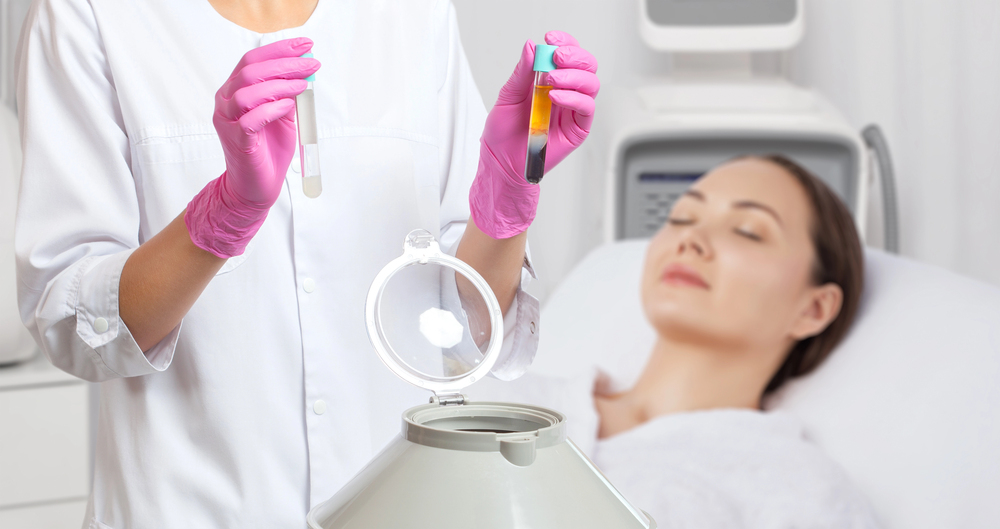
Techniques like microneedling for hair regrowth and low-level laser therapy hair loss can offer additional support when used consistently.
Where hormonal support fits in
For some, HRT for hair loss or hormone replacement therapy menopause may indirectly improve hair density by stabilizing the hormonal environment. It’s never used as a stand-alone hair treatment, but it can complement other approaches.
Choosing the right combination makes all the difference. With proper guidance, most women see stabilization first, then visible improvement over time.
Everyday Choices That Help
While medical treatments support the follicle from the inside, daily habits influence how your hair behaves on the outside. Women dealing with menopause hair loss often see better results when they pair medical care with simple, steady routines. These habits won’t replace treatment, but they strengthen the foundation for healthier-looking hair and help slow the progression of female hair thinning menopause.

Lifestyle patterns during midlife change more than we notice. Sleep becomes lighter, stress rises for many, and eating patterns shift. Each of these factors affects hair quality and shedding, often amplifying hair loss during menopause without women realizing the connection.
“Small daily habits create a big difference over time. Strengthening sleep, nutrition, and scalp care makes the follicle more responsive to treatment.” — Dr. Ahmet Murat
Nutrition that supports the follicle
A balanced diet helps maintain growth rhythm. Nutrients linked to healthy follicles include protein, iron, zinc, B vitamins, and omega-3s. That’s why many women benefit from adjusting their diet for hair growth, or correcting deficiencies like vitamin D deficiency hair loss or iron deficiency hair loss when present.
Supplements can help with specific gaps, especially supplements for menopause hair loss, but they work best when tailored to blood work rather than taken randomly.
Hair-care routines that protect density
Many everyday habits unknowingly stress the follicle. A supportive routine may include:
- using gentle hair products for thinning hair
- choosing a best shampoo for menopause hair thinning formula
- reducing heat styling
- avoiding overly tight hairstyles
- brushing slowly to limit hair shedding vs breakage
- These small adjustments lower daily stress on the scalp and encourage better scalp health in women over 40.
Lifestyle shifts that improve growth conditions
Better sleep supports sleep and hair growth, while movement improves circulation. Managing stress helps reduce stress-related hair shedding, which often worsens midlife thinning. Even small changes—short walks, calmer evenings, steadier meals—create momentum.
When everyday choices line up with a treatment plan, the results become more noticeable and more sustainable.
When Do We Talk About Hair Transplant or Advanced Hair Restoration?
Not every woman with menopause hair loss needs a procedure. But for those experiencing long-term thinning that hasn’t improved with medical treatment, advanced options can help restore density in a targeted, natural-looking way. This is especially relevant when the pattern aligns with female pattern hair loss in women, since this form usually stabilizes after menopause.

Women often ask whether a procedure is appropriate for female hair thinning menopause. The answer depends on stability, donor quality, and expectations. Transplant is not a fix for sudden shedding, stress-driven loss, or temporary triggers. But for women with steady thinning over years, the right approach can rebuild density where follicles have miniaturized.
“A transplant works best when the thinning is stable, the donor area is strong, and the plan respects the individual’s natural architecture. When these align, results are elegant and long-lasting.” — Dr. Ahmet Murat
Who may be a good candidate?
Women who fit the following often see strong outcomes:
- thinning limited to the top and crown
- a stable pattern for at least 12–18 months
- a healthy donor area suitable for extraction
- realistic expectations about coverage and density
This stage allows us to evaluate donor area evaluation female needs and assess whether the pattern can be improved through FUE for women or DHI for women.
What happens during restoration planning?
At Hermest, planning goes beyond simply counting grafts. We consider:
- hair direction and natural swirl
- scalp-to-hair color contrast
- density needed for feminine framing
- hormonal stability
- lifestyle and long-term maintenance
For many women, targeted procedures help with female hairline restoration, filling areas where follicles have permanently miniaturized.
Supporting treatments
Some women pair transplant with supportive therapies such as PRP hair treatment women to promote healing and encourage growth. In early or moderate cases, non-surgical strategies like PRP, microneedling, or laser therapy alone may be enough to restore density after menopause.
Advanced restoration is never a rushed decision. But for the right candidate, it offers a meaningful, lasting improvement in density and confidence.
The Emotional Impact of Menopause Hair Loss
Thinning hair affects more than appearance. Many women experiencing menopause hair loss describe a quiet sense of loss—of identity, of confidence, of the ease they once felt when getting ready. Even subtle changes like a widening part line or reduced volume can influence mood, social comfort, and self-image. These feelings are normal. Midlife brings enough transitions on its own, and adding female hair thinning menopause on top of everything else can feel overwhelming.
This emotional layer often develops slowly. At first, it may be frustration while styling. Later, it might show up as avoiding certain lighting or angles in photos. Some women feel anxious about how others perceive them. Others keep their concerns hidden, thinking they’re being “overly sensitive.” You’re not. Thinning hair carries emotional weight because it’s tied to visibility and self-expression.
“A woman’s relationship with her hair is deeply personal. When thinning begins, my goal is to offer clarity, not fear. When women understand what’s happening, they feel more in control.” — Dr. Ahmet Murat
Why menopause intensifies emotional reactions
This stage often overlaps with multiple changes: sleep shifts, stress, family demands, aging parents, body changes, and career transitions. When hair loss during menopause enters this picture, it often amplifies everything else. It’s not just the hair—it’s the timing.
Women commonly ask:
- Is this reversible? (a natural question when wondering is menopause hair loss reversible)
- Why is my hair falling out during menopause?
- Will my hair grow back after menopause?
- How long does menopause hair loss last?
These questions arise from both concern and uncertainty. The unknown is often harder than the thinning itself.
Ways to support your emotional well-being
A few steps help ease the burden:
- talking openly with a doctor or specialist you trust
- addressing stress-related triggers that worsen shedding
- adopting a consistent routine that gives a sense of control
- reframing treatment as self-care, not pressure
- focusing on improvements rather than perfection
When women understand what’s happening and see a clear path forward, the emotional load becomes lighter. Confidence grows again as density stabilizes and results become visible.
Your 12-Month Action Plan for Menopause Hair Loss
A structured plan helps transform uncertainty into calm progress. Women experiencing menopause hair loss often feel unsure about where to start or what to expect. Breaking the journey into phases creates clarity and makes improvement feel achievable. This roadmap blends medical treatment, daily habits, and follow-up, giving the follicles time to respond and stabilizing female hair thinning menopause step by step.
“Hair responds best when we guide it with consistency. A plan gives structure, and structure creates results.” — Dr. Ahmet Murat
Weeks 0–4: Set the foundation
- Track your shedding with simple weekly notes.
- Take photos under consistent lighting.
- Book an evaluation to clarify whether it’s hair loss during menopause, stress-related shedding, or genetically driven.
- Begin correcting nutritional gaps if tests show iron deficiency hair loss, low ferritin hair loss, or vitamin D deficiency hair loss.
- Adjust your daily habits: gentler products, less heat, calmer routines.
This stage is about identifying what’s happening, not rushing into everything at once.
Months 2–3: Begin targeted treatment
- Start treatments recommended for your pattern, such as minoxidil for women or hormonal-support therapies.
- Address sleep patterns to support sleep and hair growth.
- Improve scalp health through a routine that reduces irritation and improves circulation.
Consistency matters more than intensity at this stage.
Months 4–6: Evaluate and refine
- Review progress with your specialist.
- If thinning continues, consider adding microneedling for hair regrowth, PRP for female hair loss, or low-level laser therapy hair loss.
- Continue monitoring shedding and density changes.
Months 6–12: Consider long-term options
If thinning remains steady and the donor area is strong, it may be time to explore FUE for women or DHI for women. Women who qualify often achieve natural improvement in areas where follicles can no longer thicken on their own.
For others, non-surgical support is enough to restore density after menopause without procedural intervention.
This roadmap gives structure, reduces stress, and helps you see your progress clearly over time.
Frequently Asked Questions
Hormonal shifts shorten the growth phase, allowing shedding to increase. Lower estrogen makes follicles more sensitive to androgens, which explains hair loss during menopause in many women.
A Supportive Path Forward With Hermest Hair Clinic
Experiencing menopause hair loss can feel isolating, but you don’t have to face it alone. When thinning begins, the real challenge is not just the change itself — it’s the uncertainty around what to do next. Our role at Hermest is to bring clarity, structure, and calm to that process.

We take the time to understand whether your thinning reflects female pattern hair loss in women, temporary shedding, nutritional shifts, or hormonal changes. From there, we build a plan that fits your biology instead of pushing a one-size approach. Whether you need medical support, scalp-focused treatments, or guidance on long-term maintenance, you’ll always know why each step is chosen.
Our team works closely with Dr. Ahmet Murat to evaluate stability, donor strength, and the right combination of treatments. Some women benefit from medical care and non-surgical therapies. Others qualify for carefully planned procedures such as FUE for women or DHI for women when density can’t return on its own. Every path is personal — and guided with care.
If you’re ready to understand what’s truly happening with your hair, gain a roadmap that actually fits you, and start feeling confident again, we’re here to help.
Book your personalized consultation with Hermest Hair Clinic and take your first step toward healthier, fuller hair.