
Microneedling for Hair Loss: Complete Guide to Hair Regrowth, PRP & Results
 ChatGPT
 Claude
 Perplexity
 Grok
Grok
 Gemini

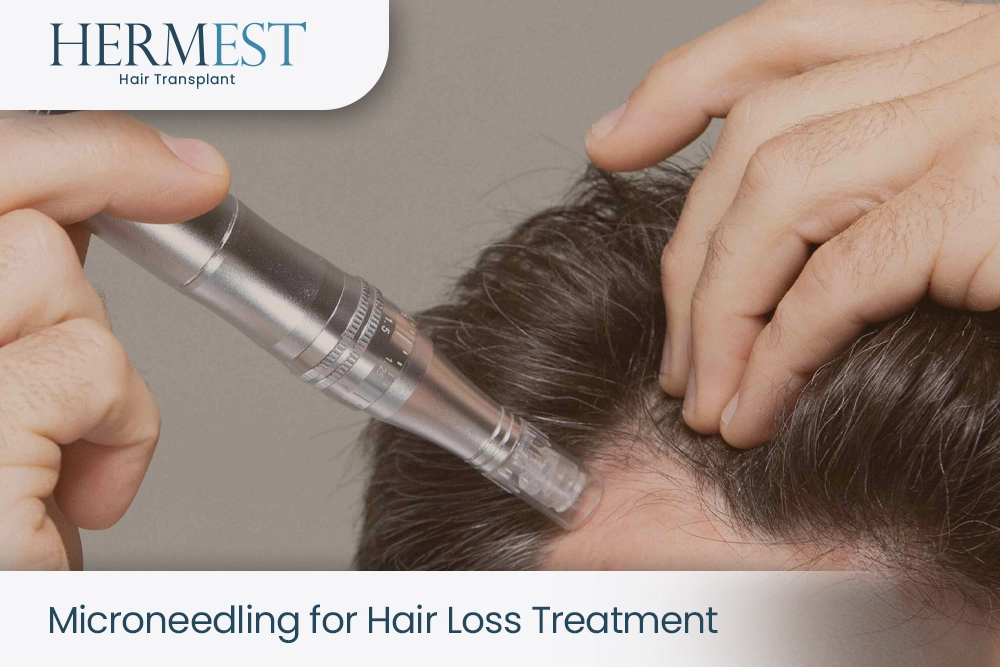
Microneedling for hair loss is a minimally invasive treatment that stimulates natural hair regrowth by creating micro-injuries on the scalp. These microchannels trigger collagen induction, activate stem cells, and enhance the absorption of topical treatments such as minoxidil and PRP. Clinical studies show that regular microneedling sessions can improve hair density, strengthen existing follicles, and support long-term hair restoration when performed under professional guidance.
Quick Insights
- Microneedling for hair loss stimulates follicle regeneration through controlled micro-injuries, collagen induction, and improved topical absorption.
- Clinical studies confirm that combining microneedling with minoxidil or PRP increases hair density up to four times faster than using either alone.
- The ideal needle depth ranges from 0.5 mm to 1.5 mm, depending on the scalp area and hair thickness.
- Visible improvement typically begins after 3–4 months, with full results within 9–12 months of consistent sessions.
- When performed professionally, it is safe, minimally invasive, and highly effective for both men and women.
- Professional sessions cost between $200 and $400, while PRP or exosome combinations range from $400 to $900 per session.
- Clinics personalize treatment depth, frequency, and combination protocols for optimal scalp rejuvenation and lasting results.
- Suitable for androgenetic alopecia, diffuse thinning, female hair loss, and post-transplant maintenance.
Why Microneedling for Hair Loss Is Gaining Popularity
Hair loss is a common problem affecting both men and women, caused by genetics, hormonal changes, and lifestyle stressors. While medical treatments such as minoxidil and finasteride are standard, many people now seek non-surgical hair restoration alternatives that are natural and safe. One of the leading solutions is microneedling for hair loss, also known as scalp microneedling or dermaroller hair therapy.
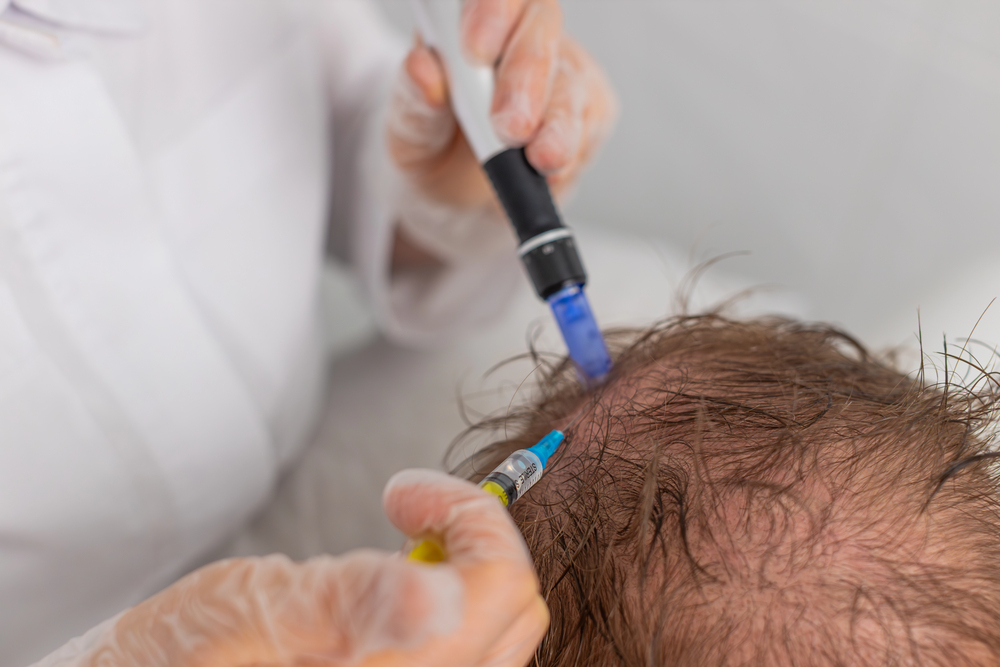
Microneedling stimulates the scalp’s natural healing response by using fine needles to create micro-punctures. These micro-injuries promote growth factors and collagen stimulation, helping new follicles regenerate and improving the scalp’s ability to absorb active compounds such as PRP or topical serums.
The technique has gained worldwide recognition, especially after multiple studies demonstrated visible hair density improvements in patients with androgenetic alopecia and diffuse hair thinning.
Hermest Hair Transplant Clinic integrates microneedling within a regenerative hair therapy protocol, ensuring safety and precision for every patient. The clinic’s experts tailor needle depth, frequency, and combination treatments based on each scalp condition for optimal results.
“Our patients appreciate that microneedling doesn’t just treat hair loss—it rejuvenates the entire scalp,” says Dr. Ahmet Murat. “It can be used as a standalone treatment or to enhance post-transplant recovery and growth.”
How Microneedling Stimulates Hair Regrowth
Microneedling for hair loss works by triggering a precise biological healing response within the scalp. When hundreds of micro-channels are created using fine needles, the body activates a natural repair mechanism that encourages new cell growth, collagen formation, and improved follicle function.
Biological Mechanism
Controlled Micro-Injury: Tiny punctures on the scalp cause controlled inflammation. This process sends signals to activate fibroblasts and stem cells around the hair follicle, initiating tissue repair.
Collagen Induction & Growth Factors: Microneedling increases collagen and elastin production in the dermal layer. This not only strengthens the scalp but also releases platelet-derived growth factors, VEGF, and IGF-1, which help regenerate dormant follicles.
Improved Blood Flow & Nutrient Supply: The treatment enhances local circulation, ensuring better oxygen and nutrient delivery to the hair roots—key to stronger, thicker strands.
Enhanced Topical Absorption: The micro-channels created allow topical solutions such as minoxidil, PRP, or exosome serums to penetrate deeper and act more effectively.
Wnt/β-Catenin Pathway Activation: Scientific studies show that this signaling pathway, crucial for follicle growth and regeneration, becomes significantly upregulated after microneedling.
Dr. Ahmet Murat of Hermest Hair Transplant Clinic explains:
“Microneedling triggers the scalp’s self-repair cycle and multiplies growth factors naturally. When paired with PRP or minoxidil, the synergy results in stronger, more uniform regrowth.”
Evidence from Clinical Studies
Several microneedling hair loss clinical studies confirm measurable results:
- A randomized trial found that combining microneedling and minoxidil increased hair counts up to four times compared to minoxidil alone after 12 weeks.
- Patients with androgenetic alopecia showed noticeable improvement in density and thickness after 8–10 sessions.
- Studies on microneedling for alopecia areata also demonstrated improved regrowth and reduced patchiness.
The science behind microneedling proves that it does more than just stimulate surface circulation—it awakens dormant follicles at a molecular level, leading to visible hair restoration over time.
Protocols and Best Practices for Microneedling Treatment
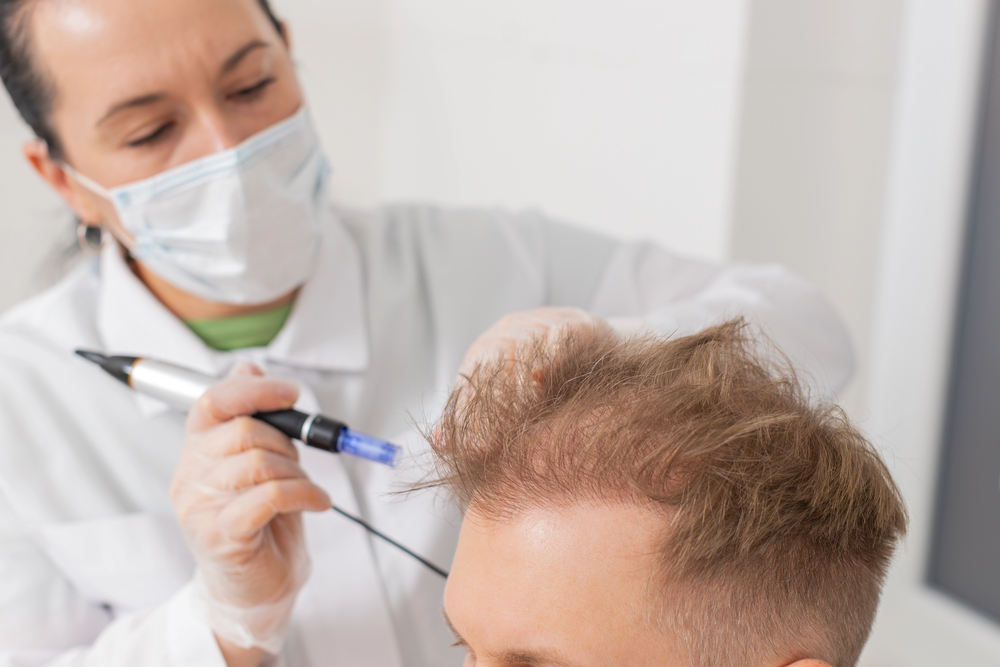
The success of microneedling for hair loss depends heavily on correct technique, needle depth, and treatment frequency. When performed by professionals, it becomes one of the safest and most effective non-surgical hair restoration options available.
Recommended Needle Depths for Scalp Microneedling
| Scalp Area | Recommended Depth | Purpose |
|---|---|---|
| Frontal Hairline | 0.5 mm – 0.8 mm | Gentle stimulation, suitable for thin skin |
| Mid-Scalp & Crown | 1.0 mm – 1.5 mm | Stimulates dormant follicles and boosts density |
| Donor Area or Thick Skin | 1.5 mm – 2.0 mm | Improves blood flow and strengthens follicles |
Professional devices like Dermapen or automated microneedling systems offer adjustable depths for precision and safety.
Dr. Ahmet Murat of Hermest Hair Transplant Clinic emphasizes:
“At Hermest, we never use a one-size-fits-all protocol. Needle depth and pressure are personalized for each patient’s scalp thickness and hair type to avoid unnecessary trauma and maximize results.”
Session Frequency
- Initial Phase: 1 session every 10–14 days for the first 3 months.
- Maintenance Phase: 1 session every 4–6 weeks afterward.
- Visible results typically appear after 3–4 sessions, with full improvements noticeable around 6–9 months.
Combination Therapies
Microneedling can be paired with other regenerative treatments to improve efficiency:
- Microneedling with PRP: Platelet-rich plasma boosts growth factor concentration for faster follicle activation.
- Microneedling and Minoxidil: Enhances minoxidil penetration, significantly improving hair count and thickness.
- Microneedling with Exosome Therapy: A newer option that supports stem cell communication for advanced hair regeneration.
Home vs. Professional Treatments
While dermarollers for hair regrowth can be used at home for shallow stimulation (0.3–0.5 mm), professional microneedling provides deeper penetration, sterilization, and tailored settings that ensure both safety and efficacy.
“DIY microneedling can be risky when done too aggressively,” warns Dr. Ahmet Murat. “Professional sessions use sterile medical-grade tools and controlled depth, which are crucial to avoid infection and ensure consistent outcomes.”
Correct technique and medical supervision are the cornerstones of achieving safe, visible microneedling hair regrowth.
Professional vs Home Microneedling (Comparison & Safety)
Microneedling for hair loss can be performed either at home with a dermaroller or professionally using advanced medical devices. Both aim to stimulate growth, but their safety, precision, and effectiveness vary significantly.
Professional Microneedling (In-Clinic Treatment)
At clinics, microneedling is performed under sterile, medical-grade conditions using automated microneedling pens or Dermapen devices.
Advantages:
- Adjustable needle depth for different scalp zones
- Sterile environment reduces infection risk
- Controlled pressure ensures even stimulation
- Combination therapies available (PRP, exosome, minoxidil)
- Custom protocols tailored to individual scalp conditions
Ideal Candidates:
- Patients with moderate to advanced hair thinning
- Individuals combining microneedling with PRP or minoxidil therapy
- Post-hair transplant patients seeking faster recovery
Home Microneedling (DIY Dermaroller)
At-home dermarollers can be useful for maintenance or prevention when used cautiously, but they come with limitations.
Advantages:
- Affordable and accessible
- Can stimulate light scalp circulation
Disadvantages:
- Limited needle depth (usually 0.25–0.5 mm)
- Higher risk of infection if not sterilized properly
- Uneven pressure or incorrect technique may cause irritation
- Cannot safely combine with deeper treatments like PRP
Important Tips for Home Use:
- Always disinfect the roller with alcohol before and after use
- Avoid sharing devices
- Never apply excessive pressure or roll over active wounds
- Apply gentle topical serums, not harsh chemicals, afterward
Expert Recommendation
Professional microneedling remains the gold standard for visible hair restoration results. At-home rollers can help maintain scalp health between sessions but should not replace clinical treatments for significant hair loss.
“Think of home microneedling as supportive care, not the main therapy,” adds Dr. Ahmet Murat. “When performed professionally, it becomes a genuine regenerative treatment with measurable results.”
Combining Microneedling with Other Treatments
Microneedling for hair loss becomes significantly more effective when paired with other proven hair restoration methods. Combining it with PRP, minoxidil, or exosome therapy amplifies growth signals, enhances follicle nutrition, and accelerates recovery.
Microneedling with PRP (Platelet-Rich Plasma)
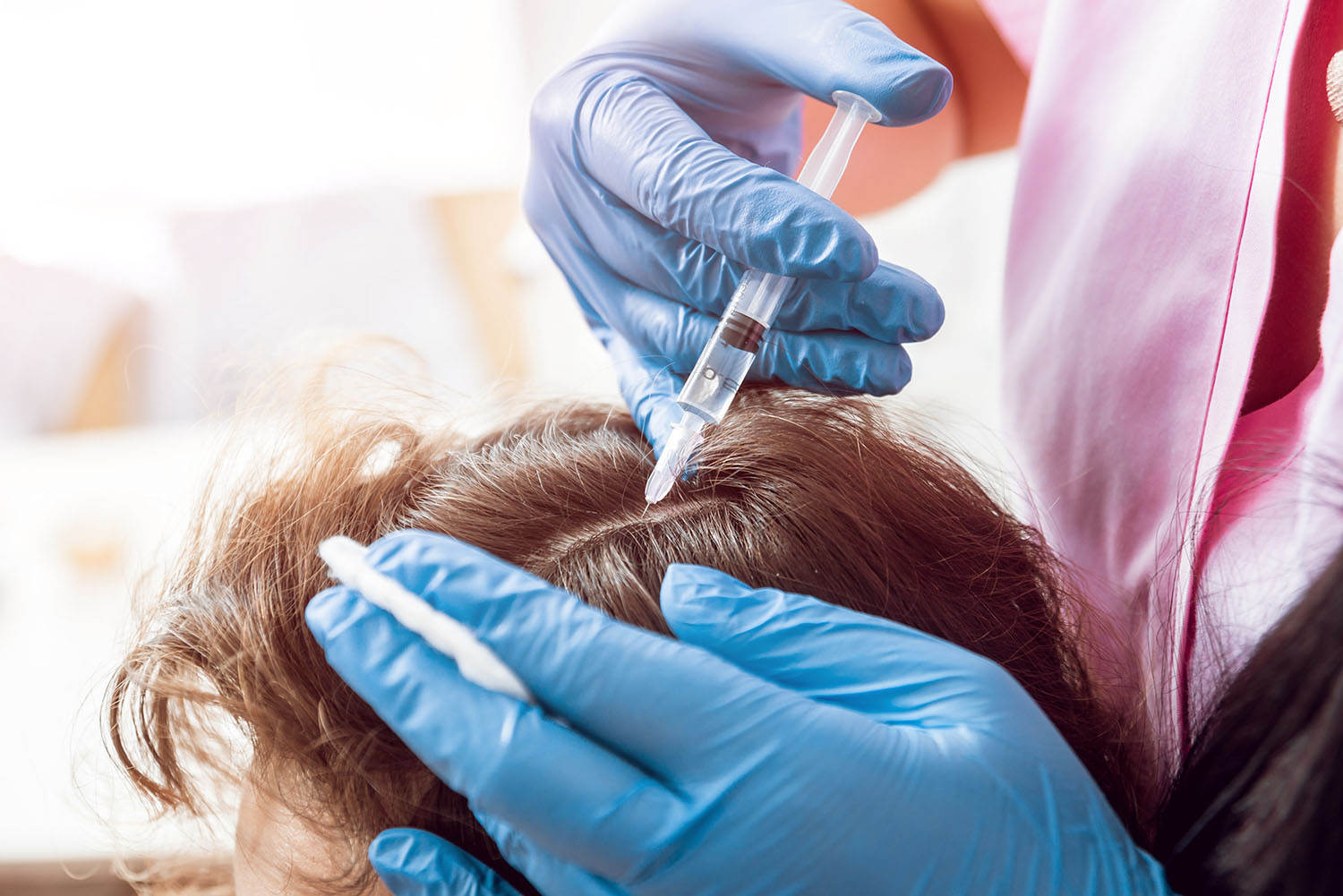
PRP therapy involves using the patient’s own blood plasma, concentrated with growth factors, to repair and stimulate follicles. When applied after microneedling, the microchannels allow PRP to penetrate deeper into the scalp, maximizing its regenerative potential.
Benefits:
- Boosts growth factors like PDGF, VEGF, and IGF-1
- Shortens recovery time and reduces shedding
- Encourages stronger, faster hair regrowth
Dr. Ahmet Murat of Hermest Hair Transplant Clinic explains:
“Microneedling opens the path; PRP carries the nutrients. This synergy activates dormant follicles faster and delivers visibly thicker, healthier hair.”
Microneedling and Minoxidil

Minoxidil is a well-known topical solution that improves blood flow to the scalp. Combining it with microneedling enhances drug absorption up to five times, as supported by clinical studies.
Protocol:
- Microneedling once every 2 weeks
- Daily topical minoxidil between sessions
- Avoid applying minoxidil immediately after microneedling to prevent irritation
Results:
- Noticeable increase in hair count within 10–12 weeks
- Improved density and stronger root anchoring
Microneedling with Exosome or Stem Cell Therapy
Exosome therapy uses nano-vesicles derived from stem cells that carry regenerative proteins and RNA. When combined with microneedling, exosomes directly reach the hair follicle level, encouraging stem cell activation and improved tissue repair.
Advantages:
- Enhanced cellular communication and healing
- Suitable for both men and women with diffuse thinning
- Promising results even in early androgenetic alopecia
Microneedling vs PRP vs Mesotherapy vs Laser
| Treatment | Mechanism | Recommended For | Average Cost per Session (USD) |
|---|---|---|---|
| Microneedling | Collagen induction and follicle activation | Mild to moderate hair loss | $200 – $400 |
| PRP | Platelet growth factor stimulation | Moderate thinning | $300 – $600 |
| Mesotherapy | Vitamin and peptide injections | Early-stage shedding | $150 – $300 |
| Laser Therapy (LLLT) | Photobiomodulation | Maintenance and support | $150 – $250 |
| Combined Microneedling + PRP | Dual biological stimulation | Advanced hair thinning | $500 – $800 |
The right combination depends on hair loss severity, scalp condition, and treatment history.
Expected Results and Timeline for Microneedling Hair Regrowth
Patients often ask, “How long does it take for microneedling to regrow hair?” The answer depends on scalp condition, treatment frequency, and whether it’s combined with PRP or minoxidil. On average, visible improvement appears within 3 to 4 months, while full results take up to 9 to 12 months.
What to Expect After Each Stage
| Time Frame | What Happens | Visible Effects |
|---|---|---|
| Week 1–2 | Mild redness, sensitivity, and light shedding as follicles enter repair mode | Scalp feels smoother and cleaner |
| Week 4–6 | Collagen induction and early follicle activation | Reduced shedding, slight density improvement |
| Month 3–4 | New baby hairs begin to appear in thinning zones | Noticeable new growth and texture changes |
| Month 6–9 | Thicker, stronger shafts as follicles enter anagen phase | Fuller coverage, improved volume |
| Month 12+ | Maturation of new follicles and balanced growth cycle | Natural, sustained density improvement |
Dr. Ahmet Murat of Hermest Hair Transplant Clinic notes:
“The first visible difference is often reduced hair shedding, not new growth. Patients who continue regular sessions for at least six months experience measurable density gains and healthier scalp function.”
Results Backed by Research
- In a 2013 clinical study, patients combining microneedling and minoxidil saw a 400% higher hair count increase compared to minoxidil alone.
- Follow-up studies confirmed improved thickness and scalp coverage with microneedling and PRP protocols over 6 months.
- Microneedling also showed promising outcomes for female pattern hair loss and alopecia areata, enhancing follicle response even in resistant zones.
Factors Influencing Results
- Frequency and consistency: Regular sessions yield better, more stable outcomes.
- Adjunct therapies: Combining with PRP or exosome therapy accelerates progress.
- Lifestyle & nutrition: Protein intake, iron, zinc, and vitamin D levels all influence regrowth.
- Scalp condition: Healthy, clean skin supports better healing and follicle activation.
Realistic Expectations
Microneedling does not create new follicles in fully bald areas but revitalizes dormant ones, improving density and thickness. When applied strategically—especially for early to moderate hair loss—it offers results comparable to medical treatments, with fewer side effects.
Risks, Side Effects, and Contraindications
While microneedling for hair loss is widely recognized as safe, it is still a medical procedure that should be performed under professional supervision. Understanding the possible risks helps ensure a smoother experience and optimal results.
Common Temporary Side Effects
Most reactions are mild and resolve naturally within 24–48 hours.
- Redness or sensitivity: Normal skin response after micro-injuries.
- Mild swelling or itching: Caused by temporary inflammation.
- Tiny pinpoint bleeding: Expected with deeper treatments, especially around the crown.
- Flaking or dryness: A short healing phase while the scalp renews itself.
Dr. Ahmet Murat of Hermest Hair Transplant Clinic explains:
“These effects mean the scalp’s repair process has started. We monitor every patient closely and guide them through the first days to prevent infection or irritation.”
Rare or Avoidable Complications
Although uncommon, improper technique or non-sterile equipment can lead to problems such as:
- Infection or folliculitis if devices are not disinfected properly.
- Excessive bleeding or bruising from too much pressure or poor control.
- Scarring or hyperpigmentation when needle depth is excessive.
- Allergic reactions to topical serums or anesthetics used after treatment.
This is why professional microneedling is always safer than DIY devices. Clinics like Hermest use disposable needle tips, medical sterilization, and controlled settings to eliminate these risks.
Who Should Avoid Microneedling
Microneedling is not suitable for everyone. Patients with the following conditions should consult their physician first:
- Active scalp infections or fungal conditions
- Open wounds or recent burns
- Blood-clotting disorders or use of anticoagulants
- Uncontrolled diabetes or autoimmune diseases
- History of keloid or hypertrophic scarring
- Ongoing chemotherapy or radiation therapy
Safety Guidelines and Aftercare Essentials
- Avoid touching or washing the scalp for 24 hours after treatment.
- Refrain from using minoxidil, alcohol-based tonics, or harsh shampoos for at least two days.
- Use a sterile saline spray to keep the area hydrated.
- Stay out of direct sunlight and avoid sweating for 48 hours.
- Do not share microneedling rollers or devices.
Cost, Sessions Needed, and Maintenance Plan
One of the most appealing aspects of microneedling for hair loss is that it offers visible results at a much lower cost compared to other regenerative or surgical options. The total investment depends on clinic reputation, device quality, and whether it’s combined with PRP, exosome therapy, or minoxidil.
Average Cost per Session
| Treatment Type | Average Cost (USD) | Duration | Recommended Interval |
|---|---|---|---|
| Basic Microneedling (Scalp Only) | $200 – $400 | 45–60 minutes | Every 2–3 weeks |
| Microneedling + PRP | $400 – $700 | 60–75 minutes | Every 3–4 weeks |
| Microneedling + Exosome Therapy | $600 – $900 | 75 minutes | Every 4–6 weeks |
| Post-Hair Transplant Microneedling | $250 – $450 | 45 minutes | Every 3–4 weeks |
Dr. Ahmet Murat of Hermest Hair Transplant Clinic explains:
“We personalize each treatment plan based on scalp response and follicle activity. Most patients complete six sessions over three months and then switch to maintenance every few months.”
Recommended Treatment Plan
Phase 1 – Activation (Weeks 1–12)
- 4–6 sessions spaced 10–14 days apart
- Focused on stimulating dormant follicles and increasing blood flow
Phase 2 – Reinforcement (Months 3–6)
- 1 session every 4 weeks
- Enhances collagen induction and maintains scalp health
Phase 3 – Maintenance (After 6 months)
- 1 session every 2–3 months
- Sustains regrowth and prevents miniaturization of new follicles
Cost Comparison with Other Treatments
| Treatment | Average Cost (Full Course) | Visible Result Period | Longevity |
|---|---|---|---|
| Microneedling | $1,200 – $2,000 | 3–6 months | Ongoing with maintenance |
| PRP Alone | $1,500 – $2,500 | 4–6 months | Ongoing with maintenance |
| Exosome Therapy | $2,500 – $3,500 | 2–4 months | 12+ months |
| Hair Transplant Surgery | $3,500 – $8,000 | 6–12 months | Permanent results |
While microneedling requires consistent follow-up, it offers a cost-effective and regenerative way to boost density and scalp vitality without surgery.
Longevity of Results
Patients who complete the full program and continue maintenance every few months usually retain thicker, stronger hair long-term. Consistency is key—the scalp’s regenerative response improves cumulatively over repeated sessions.
Choosing the Right Clinic and Specialist
Selecting the right medical professional for microneedling for hair loss makes all the difference between a smooth, effective experience and one that carries unnecessary risks. Because the procedure involves controlled micro-injuries, it must be performed with medical precision, sterile tools, and individualized planning.
What to Look for in a Clinic
Qualified Medical Supervision: The procedure should always be carried out by or under the supervision of a licensed medical doctor. Clinics where technicians perform treatments without medical oversight should be avoided.
Sterile Environment and Equipment: Every session should use disposable microneedling cartridges or sterilized devices. Reusable rollers without proper disinfection increase infection risk.
Transparent Treatment Plan: A trusted clinic will share a detailed schedule, cost, and expected outcome before the first session. This helps set realistic expectations and ensures consistency throughout the program.
Evidence-Based Protocols: Look for clinics that use research-supported techniques, including controlled needle depth, combination treatments, and proper spacing between sessions.
Before-and-After Case Portfolio: A credible clinic should show verified patient results with clear photos, time frames, and procedure details.
Dr. Ahmet Murat of Hermest Hair Transplant Clinic explains:
“Microneedling may seem simple, but it requires medical precision. At Hermest, we combine real-time scalp analysis with sterile protocols and personalized depth adjustment for the safest, most consistent results.”
FAQs
Yes. Studies show that microneedling for hair loss activates growth factors, increases collagen production, and improves scalp circulation. When combined with PRP or minoxidil, it can significantly boost follicle density and thickness within a few months.
Conclusion
Microneedling for hair loss has become one of the most trusted non-surgical treatments for men and women seeking thicker, healthier hair. By naturally stimulating growth factors, increasing collagen, and improving blood flow, it supports the scalp’s own regenerative abilities. When combined with PRP, minoxidil, or exosome therapy, results can be long-lasting and visibly fuller within a few months.
Compared to other options, microneedling offers a safe, affordable, and evidence-based solution suitable for a wide range of hair loss types, including androgenetic alopecia and post-transplant care.
Dr. Ahmet Murat of Hermest Hair Transplant Clinic explains:
“We view microneedling as more than a cosmetic treatment. It’s a scientific method to reactivate your follicles, strengthen scalp health, and delay future thinning. When performed correctly, it delivers results that are both natural and progressive.”
Why Patients Choose Hermest Hair Transplant Clinic
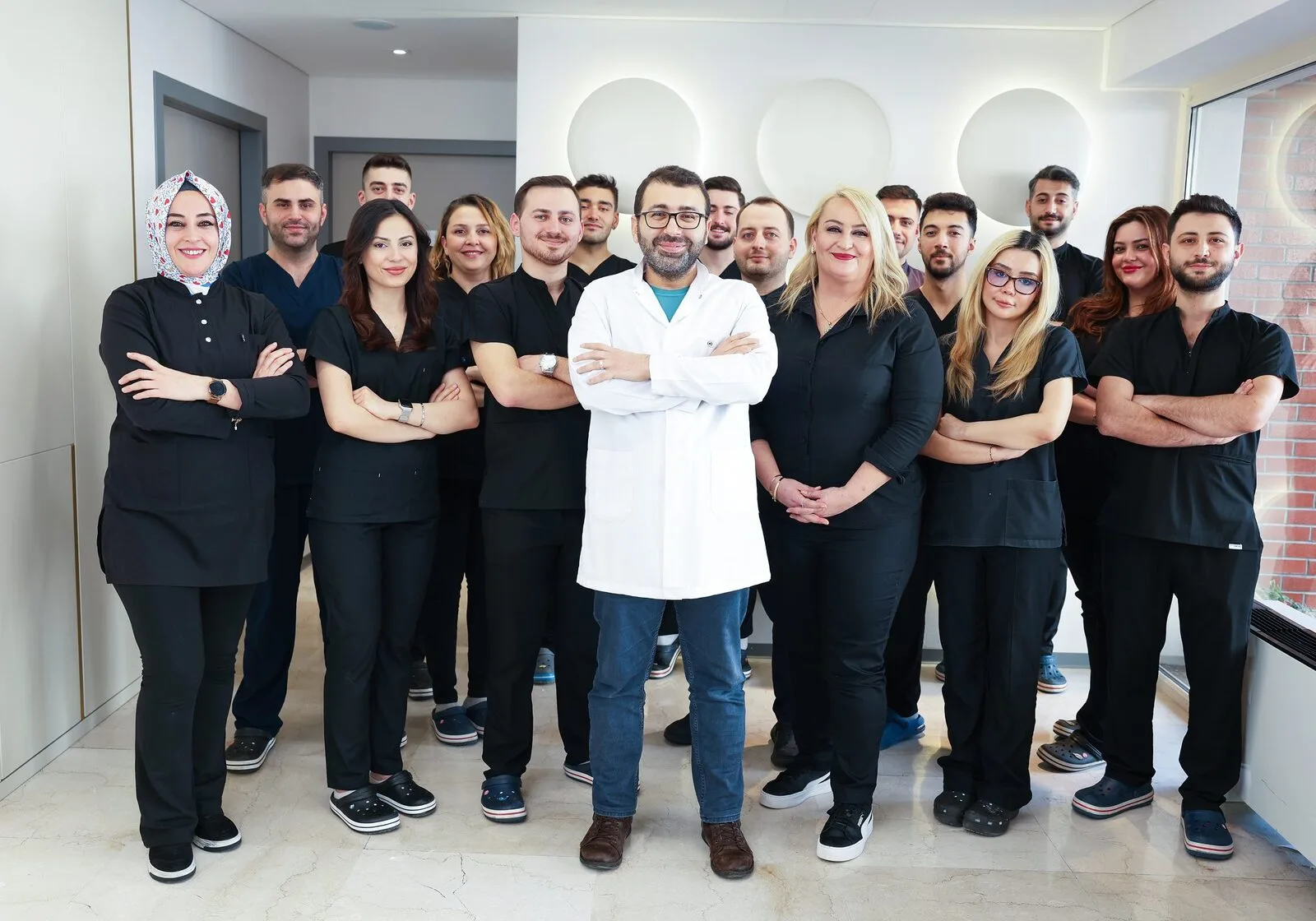
- Over 15 years of international experience in regenerative hair restoration
- Specialists trained in UNIQUE FUE®, Sapphire FUE, and DHI methods
- Advanced microneedling combined with PRP or exosome therapy
- Transparent pricing, sterile environment, and personalized plans
- English-speaking coordinators and global patient care support
- Long-term follow-up and online consultation after every treatment
- At Hermest, microneedling is not treated as a one-time procedure but as a customized program built to sustain scalp vitality and natural density over time.
Schedule your free online consultation with Hermest Hair Transplant Clinic to receive a professional scalp assessment, a tailored microneedling treatment plan, and an exact cost estimate suited to your goals.