

Stem Cell vs Hair Transplant: When Each Option Makes Sense
 ChatGPT
 Claude
 Perplexity
 Grok
Grok
 Gemini

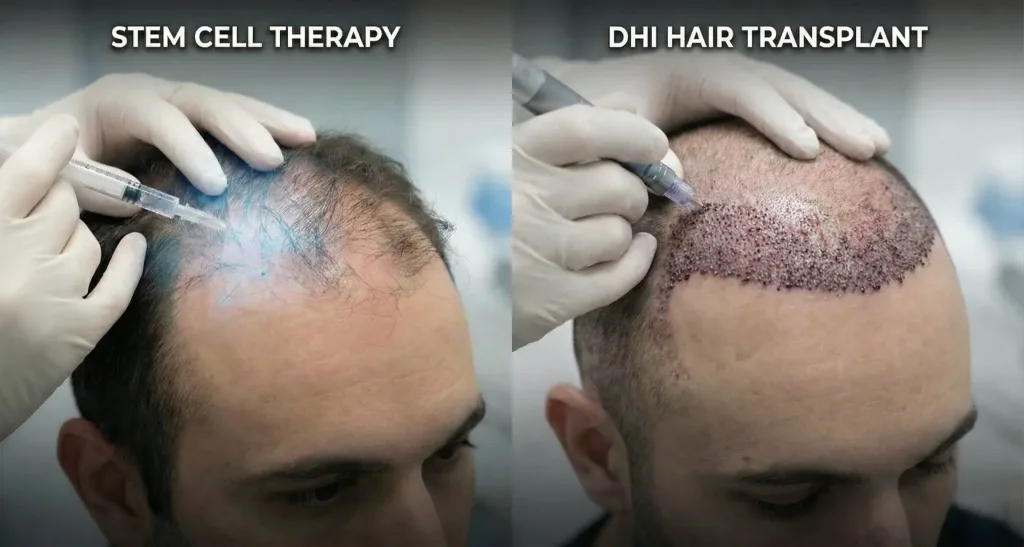
Many people compare stem cell vs hair transplant when they begin to notice changes in their hair. Both approaches are discussed often, but they work in completely different ways. Stem cell hair treatment focuses on helping hair that is still present by supporting the environment around the follicles. A hair transplant, on the other hand, restores coverage in areas where hair has already been lost by placing healthy follicles taken from the donor area.
Because hair loss progresses gradually, choosing the right method depends on the stage of thinning, the condition of the follicles, and how the hairline or crown has changed over time. Some individuals benefit from strengthening existing hair first, while others require coverage restoration to regain shape and fullness.
At this point, it becomes less about which treatment is “better” and more about what your hair needs right now. Understanding that difference helps prevent unnecessary procedures and leads to more stable long-term results.
“We look at whether the follicles are still active. This one question guides everything else.”
— Dr. Ahmet Murat
Quick Insights: Stem Cell vs Hair Transplant
- Stem cell hair treatment supports hair that is thinning, as long as the follicles are still present and active.
- It does not restore hair in areas that are already bald. For coverage, FUE or DHI hair transplant is required.
- Stem cell / exosome approaches are ongoing treatments, not one-time procedures. Their effect depends on maintenance.
- A hair transplant provides lasting growth because the moved follicles retain their original characteristics from the donor area.
- The correct option depends on the stage of hair loss. Early thinning can be supported; visible gaps need restoration.
- Many individuals benefit from combination planning: support during early stages and coverage restoration when needed.
- The most stable approach is one based on observing the pattern over time, not reacting to short-term changes.
Stem Cell vs Hair Transplant: What Each One Is
When people compare stem cell vs hair transplant, they are often deciding between a treatment that aims to support hair that still exists and one that can restore hair that is already missing. These two approaches do not replace each other—they address different stages of a progressive hair thinning pattern.
Stem Cell Hair Treatment (What It Means in Practice)
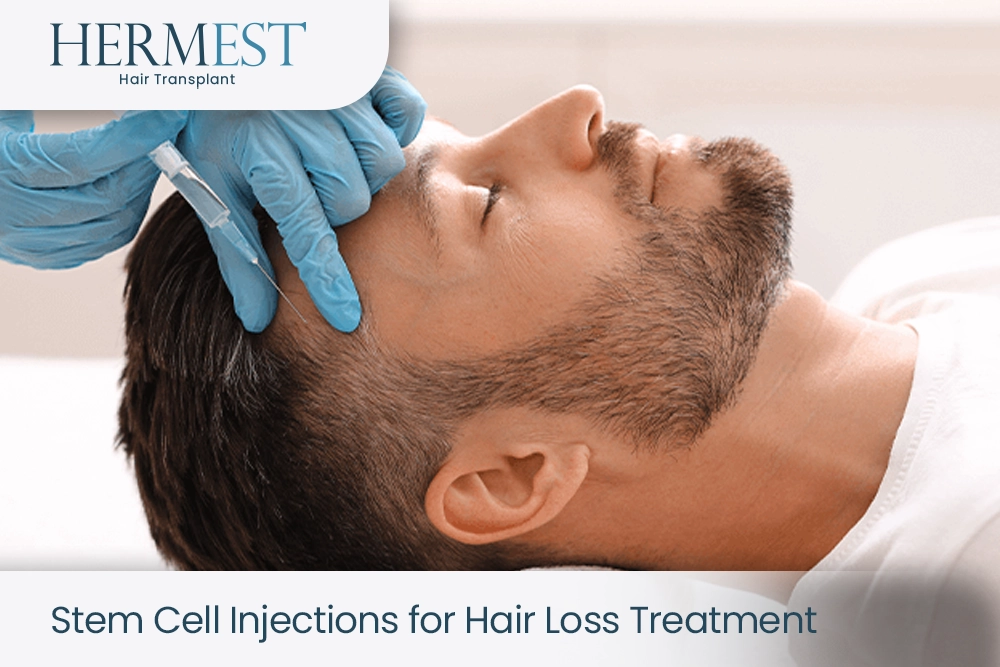
Today, when clinics refer to a stem cell hair transplant or stem cell hair treatment, they are generally using one of the following approaches:
- Adipose-derived stem cells (ADSC) taken from a small amount of body fat
- Stromal vascular fraction (SVF), a concentrated form of cells within that tissue
- Exosome hair treatment, where cell-derived signaling particles are used
These methods are part of regenerative cell therapy. They aim to influence the follicular microenvironment, helping hair that is thinning maintain better structure, thickness, and scalp support.
Important to understand:
- These treatments do not place new hair in areas that are already bald
- Results depend on whether live follicles are still present
- Ongoing maintenance sessions are usually needed
- Availability varies by country because many techniques are still considered part of investigational clinical trials
In other words, stem-cell–based approaches are used as early hair thinning treatment options, not as a replacement for coverage.
Hair Transplant (FUE and DHI)
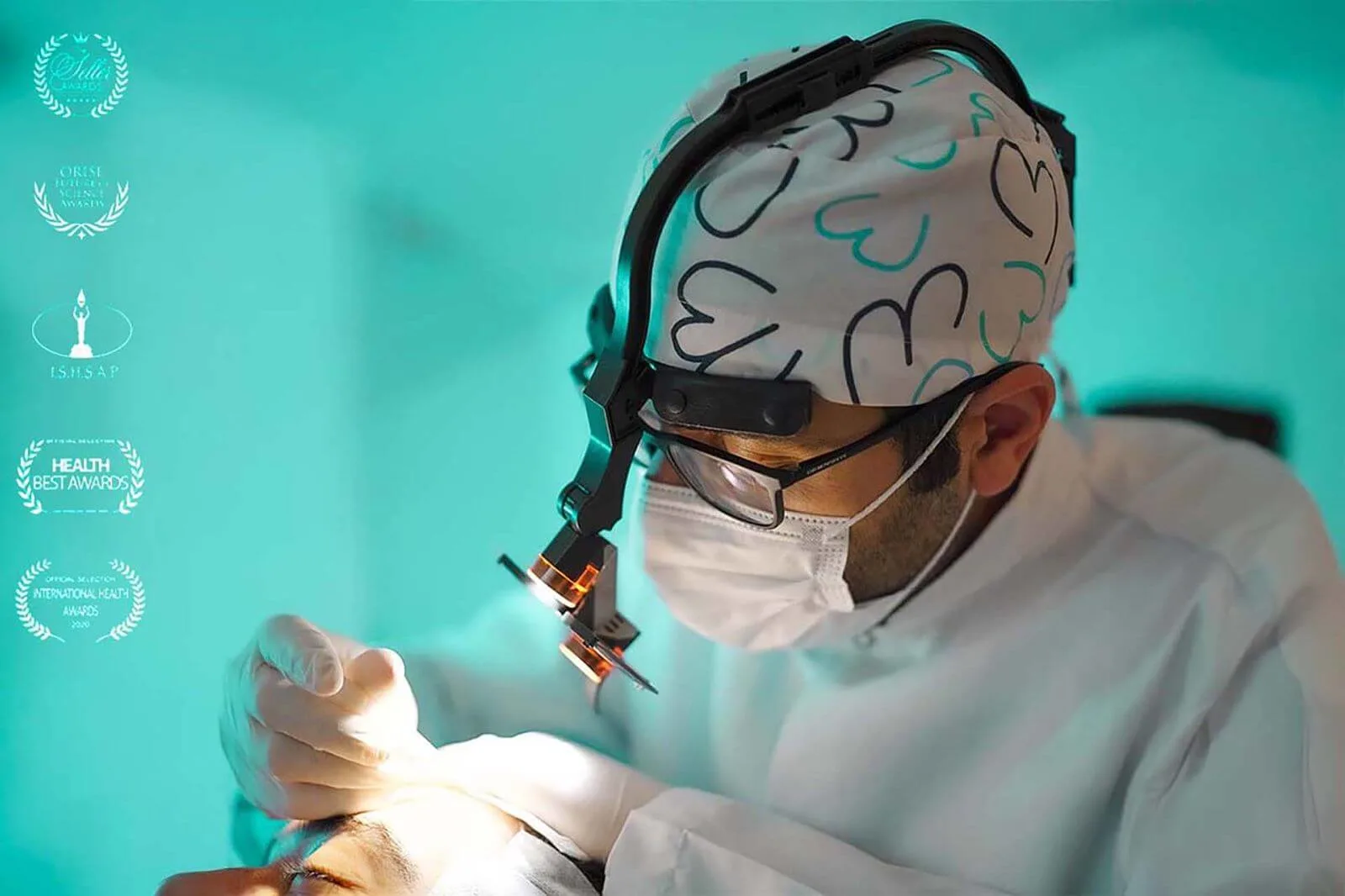
A hair transplant is a permanent hair restoration method. Instead of influencing the environment around thinning hair, it moves follicular units from the donor area to regions where hair is already missing.
Common clinical methods:
- FUE (Follicular Unit Extraction): Individual follicles are taken from the donor area and placed where density is needed.
- DHI (Direct Hair Implantation): Follicles are placed using an implanter pen, which allows controlled angle, direction, and depth during graft placement. This is often used when precise hairline shaping or natural layering is important.
Because the transplanted follicles retain donor dominance, they continue to grow long term. This is why FUE and DHI are effective for:
- Rebuilding a receding hairline
- Adding volume in the crown
- Restoring visible gaps or smooth zones
A transplant provides coverage, not just texture improvement.
Simple Distinction
| Condition | Most Suitable Approach |
|---|---|
| Hair is thinning but still present | Stem cell / exosome-based therapy may support thickness |
| Hair is missing and scalp is visible | FUE or DHI hair transplant restores coverage |
“Stem cell-based treatments may help maintain existing hair. FUE and DHI restore hair where follicles are already absent.”
— Dr. Ahmet Murat
What the Evidence Shows (Realistic Effects vs Coverage Restoration)
To understand the difference between stem cell vs hair transplant, it helps to separate what each approach can realistically achieve. The two methods do not produce the same result, because they act on hair at different stages of activity.
What Stem Cell / Exosome Hair Treatment Can Do
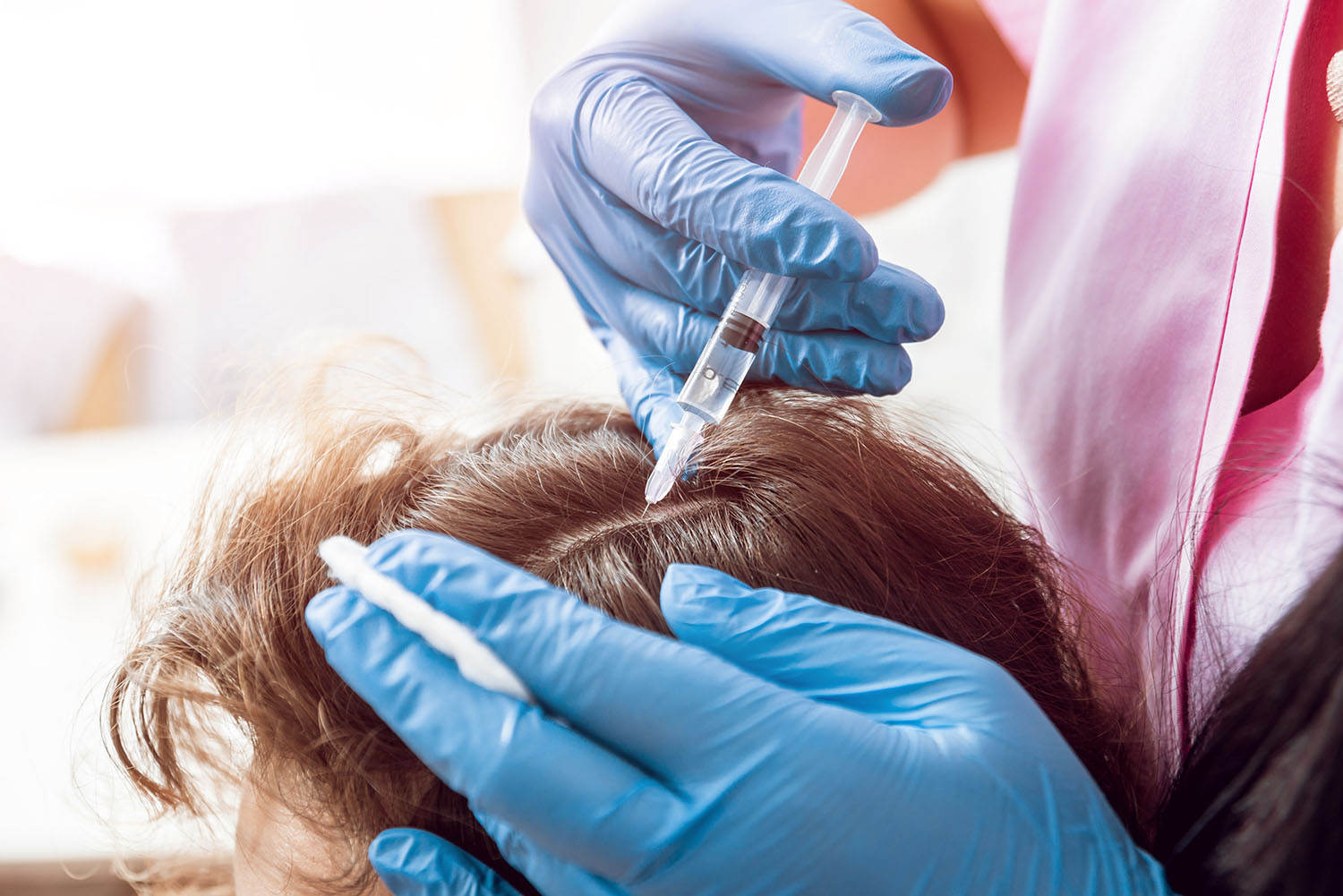
Current clinical studies suggest that adipose-derived stem cells (ADSC), SVF, and exosome hair treatment may influence the scalp response in areas where follicles are still alive but weakened. These treatments may support:
- Improved hair strand thickness
- More uniform density distribution
- Reduced shedding patterns over time
- Better overall hair texture
However, early findings are largely based on:
- Small patient groups
- Short follow-up periods
- Treatments repeated over time rather than one-time effects
And most importantly:
Stem cell therapy does not create new follicles. If the scalp area is already smooth and hairless, there is no follicle to repair. This means stem-cell-based methods are not replacements for coverage.
What FUE and DHI Hair Transplants Can Do
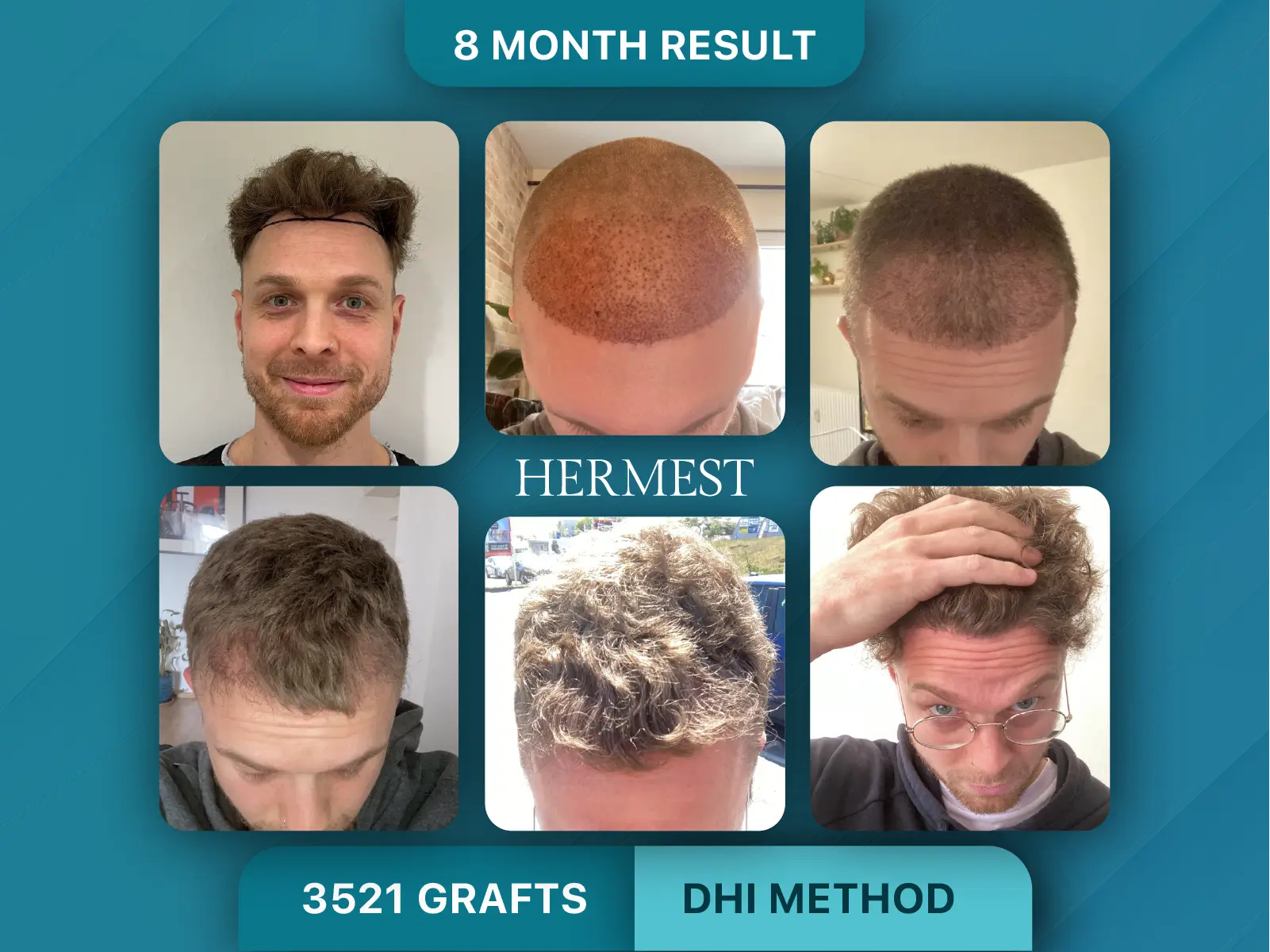
A hair transplant uses existing follicles from the donor area and relocates them. Because these follicles maintain donor dominance, they continue growing in the new location.
This allows:
- Hairline reconstruction
- Crown restoration
- Filling areas where the scalp is clearly visible
- Results that continue month after month once growth begins
But transplant results depend on:
- Donor supply
- Correct graft placement
- Planning the design to match future thinning patterns
This is why a transplant is considered a coverage solution, not a maintenance one.
Side-by-Side Summary
| Goal | Stem Cell / Exosome Approach | FUE / DHI Transplant |
|---|---|---|
| Improve thickness of existing hair | Yes | Indirect |
| Create new coverage where hair is gone | No | Yes |
| Best stage of use | Early thinning | Moderate to advanced loss |
| How results appear | Gradual | Gradual, but adds visible density |
| Maintenance required | Ongoing | Not for transplanted hairs |
“Stem-cell-based therapy can support hair that is still active. Transplantation is required when the goal is to restore coverage.”
— Dr. Ahmet Murat
Availability, Safety, and Regulation (What Patients Need to Know Now)
When comparing stem cell vs hair transplant, one of the most important differences is availability and regulatory status. FUE and DHI are established medical procedures performed worldwide. Stem cell–based hair treatments, however, are still considered investigational in many countries.
Current Availability
Stem cell hair procedures are most commonly offered using:
- ADSC (adipose-derived cell concentrates)
- SVF (stromal vascular fraction)
- Exosome preparations
These approaches vary widely between clinics. The processing methods, cell concentration, and application techniques are not standardized, which means results can differ significantly depending on the clinic and the specific protocol used.
In contrast:
- FUE and DHI have defined methods, long-term results data, and consistent surgical standards.
Regulatory Status
- In many regions, stem cell hair transplant procedures are not FDA-approved or validated as standard treatment for hair loss.
- Some clinics market these therapies under broader regenerative or wellness labels.
- Exosome products may fall under additional regulatory review due to how they are manufactured.
This does not mean the treatments are ineffective. It means they are still under ongoing evaluation, and patients should be aware of that context.
What This Means for Patients
Before considering stem cell–based or exosome treatments, it is reasonable to ask:
- What exact protocol is being used?
- Are the products cell-based or cell-free (exosomes)?
- How is sterility and handling ensured?
- How many sessions are expected and over what timeline?
- What stage of early hair thinning is the clinic selecting for?
“The question is not whether stem cell-based therapy has potential. The question is whether the follicles present can respond, and whether long-term support is planned realistically.”
— Dr. Ahmet Murat
Key Distinction
| Treatment Type | Regulatory Position | Typical Use Case |
|---|---|---|
| Stem cell / exosome therapies | Often investigational | Support hair that is thinning but still present |
| FUE / DHI transplant | Established and widely standardized | Restore hair where it is missing |
Cost & Access (Country Comparisons and Why Prices Differ)
Costs for hair transplants and stem cell hair treatment vary based on the method, clinic standards, and country. The difference is linked to how the procedures are performed and how often they need to be repeated.
Cost of Stem Cell / Exosome Hair Treatment
Stem cell–based hair restoration is usually offered as a series of sessions, not a single procedure. Because these therapies rely on influencing the follicular microenvironment, repeated applications are common.
Typical ranges:
| Region | Approximate Cost per Session | Notes |
|---|---|---|
| USA / Canada | $3,500 – $9,000+ | Often packaged with multiple follow-up visits |
| UK / EU | £2,000 – £6,500 / €2,300 – €7,200 | Pricing differs based on lab processing methods |
| Turkey | $1,200 – $3,500 | Clinic-to-clinic variation is large due to protocol differences |
Because maintenance sessions are usually required to maintain the effect, total yearly cost may increase over time.
Cost of FUE and DHI Hair Transplant
A hair transplant (FUE or DHI) is typically a one-time procedure. It restores coverage, and transplanted follicles continue to grow since they retain donor dominance.
Typical ranges:
| Region | Typical Total Cost | Notes |
|---|---|---|
| USA / Canada | $8,000 – $20,000+ | Often priced by graft count |
| UK / EU | £6,000 – £12,000 / €7,000 – €15,000 | Commonly structured in clinic-based sessions |
| Turkey | $2,000 – $5,000 | Often includes hotel + transfers with medical coordination |
The final cost depends on:
- Number of grafts needed
- Method used (FUE or DHI)
- Strength and distribution of the donor area
- Goals for density distribution planning
How to Understand the Difference
- Stem cell / exosome therapy = ongoing support for hair that still exists
- FUE / DHI transplant = long-lasting restoration where hair is missing
The cost question is less about one being “cheaper” and more about what stage of hair loss is being treated.
“If hair is still present, stem cell-based treatments may help support it. If hair is gone, coverage requires transplantation.”
— Dr. Ahmet Murat
Who Should Choose What? (Decision Path by Hair Loss Stage)
The most practical way to compare stem cell vs hair transplant is to match each option to the stage of hair loss. They are not interchangeable; they serve different roles depending on whether follicles are still active or already absent.
Stem Cell / Exosome Therapy May Be Suitable When
- Hair is thinning, but you can still see strands across the area
- The goal is to support hair, not rebuild coverage
- You want to slow the progressive hair thinning pattern
- You prefer a non-surgical approach at this stage
- You are comfortable with maintenance sessions over time
This approach is most often considered in:
- Diffuse early thinning
- Reduced fullness along the mid-scalp
- Fluctuating density with increased shedding
It can help the hair appear steadier, but only when follicles are still alive.
FUE or DHI Hair Transplant Is More Appropriate When
- The scalp shows visible gaps where hair is missing
- The hairline shape has changed, not just thinned
- Bald patches have formed in the crown or front
- The goal is coverage, not just texture improvement
A transplant rebuilds density in places where no follicles remain. It is the only effective option to restore hair in areas that are already smooth.
Combination Planning
Many individuals benefit from using both treatments, but at different moments, depending on how their pattern progresses.
Examples:
- Stem cell therapy first, during early thinning → Transplant later when gaps form
- Transplant first, to rebuild hairline or crown → Stem cell / exosome therapy afterward to support surrounding hair
- PRP + medical therapy can be layered alongside both, depending on response
“We match the method to the stage of loss. Supporting what remains and restoring what is gone is the steady way to protect long-term appearance.”
— Dr. Ahmet Murat
Future Outlook: Hair Cloning, Donor Expansion, and What May Change Later

Because stem cell therapy for hair loss is often discussed alongside future breakthroughs, it’s important to separate what currently exists from what is still under research. The interest behind these treatments is clear: if it becomes possible to multiply hair follicles, then transplant planning changes completely. However, hair cloning vs hair transplant is not a present-day choice yet — it is a future possibility.
Where Research Is Today
Current stem cell and exosome approaches focus on influencing the follicular microenvironment — the environment around existing follicles. This means they can help strengthen hair that is still present, but they cannot create new follicles where none exist.
Research areas under study include:
- Hair follicle stem cell activation
- Follicle “germ” cell culture in lab environments
- Exosome signaling pathways
- Donor expansion techniques for increasing usable graft supply
These are being explored in investigational clinical trials, but they are not available as standard procedures yet.
Why Hair Cloning Is Not Available Yet
Hair follicles are complex mini-organs, not simple cells. To multiply them, researchers must:
- Grow follicles outside the body
- Ensure they retain structure and direction
- Ensure they grow consistently after placement
This is significantly more complex than regenerating a single cell type, which is why hair cloning is progressing cautiously.
What Could Change in the Future
If reliable donor expansion becomes possible, it would:
- Reduce the limitations caused by donor area supply
- Allow higher density restoration
- Provide more flexibility for multiple procedures over a lifetime
However:
- Timelines are uncertain
- Approvals will require strong, long-term outcome data
“It is encouraging to watch progress in cell-based research. But today, treatment decisions must be based on what reliably works now, while staying aware of what may improve later.”
— Dr. Ahmet Murat
Present Reality
| Question | Current Answer |
|---|---|
| Can stem cells replace transplants today? | No — they cannot restore hair in bald areas. |
| Can they support thinning hair? | Yes — when follicles are still active. |
| Will cloning arrive later? | Research continues, but timelines remain uncertain. |
The most stable approach today is to support existing hair early, and restore coverage when needed, while keeping future options open.
Statistics & Trends
- The global hair transplant market grew from approximately USD 9.5 billion in 2021 to around USD 11.55 billion in 2024, showing over 20% growth.
- Projected market values for hair transplants: from USD 7.62 billion (2024) to approximately USD 49.06 billion by 2034, implying a CAGR near 20%.
- In 2023, around 2.22 million surgical hair restoration procedures were performed globally, according to the International Society of Hair Restoration Surgery (ISHRS).
- FUE (Follicular Unit Extraction) is the dominant method, holding ~62% of the hair transplant market share in 2024.
- The hair restoration market (which includes non-surgical methods) was estimated at USD 6.46 billion in 2023, with projections to reach ~USD 18.92 billion by 2030 (CAGR ~16.6%).
- Published research on stem-cell-based therapy for hair loss showed a “statistically significant improvement in hair thickness six months post-treatment” in a small patient group.
- Clinics offering “stem cell hair transplant” in Turkey note hair density improvement claims of up to ≈30% within six months in initial report summaries.
- Among hair transplant patients, one report found that in the UK about 65% of procedures used FUE, and the success rate among clinics was claimed at 85-95%.
- The market for hair transplant is strongly influenced by medical tourism, with one region (Turkey) estimated to perform over 1 million hair procedures in 2021.
- Public awareness and demand are rising: The average number of hair restoration surgeries performed per ISHRS physicians per month increased to 15 in 2024, up from earlier years.
FAQs
Stem cell–based methods, including ADSC, SVF, and exosome applications, may help hair that is thinning but still present. They can support fullness, texture, and strand stability by influencing the scalp environment. However, they cannot create new follicles. If an area is already bald, stem cell therapy cannot replace a hair transplant. The effect is gradual and generally requires repeated sessions.
Request a Personal Hair Evaluation
Deciding between stem cell hair treatment and a hair transplant is best done by understanding your current stage of hair loss. The right choice depends on whether the follicles in thinning areas are still active, how your donor area looks, and how you want your hair to appear in everyday life.
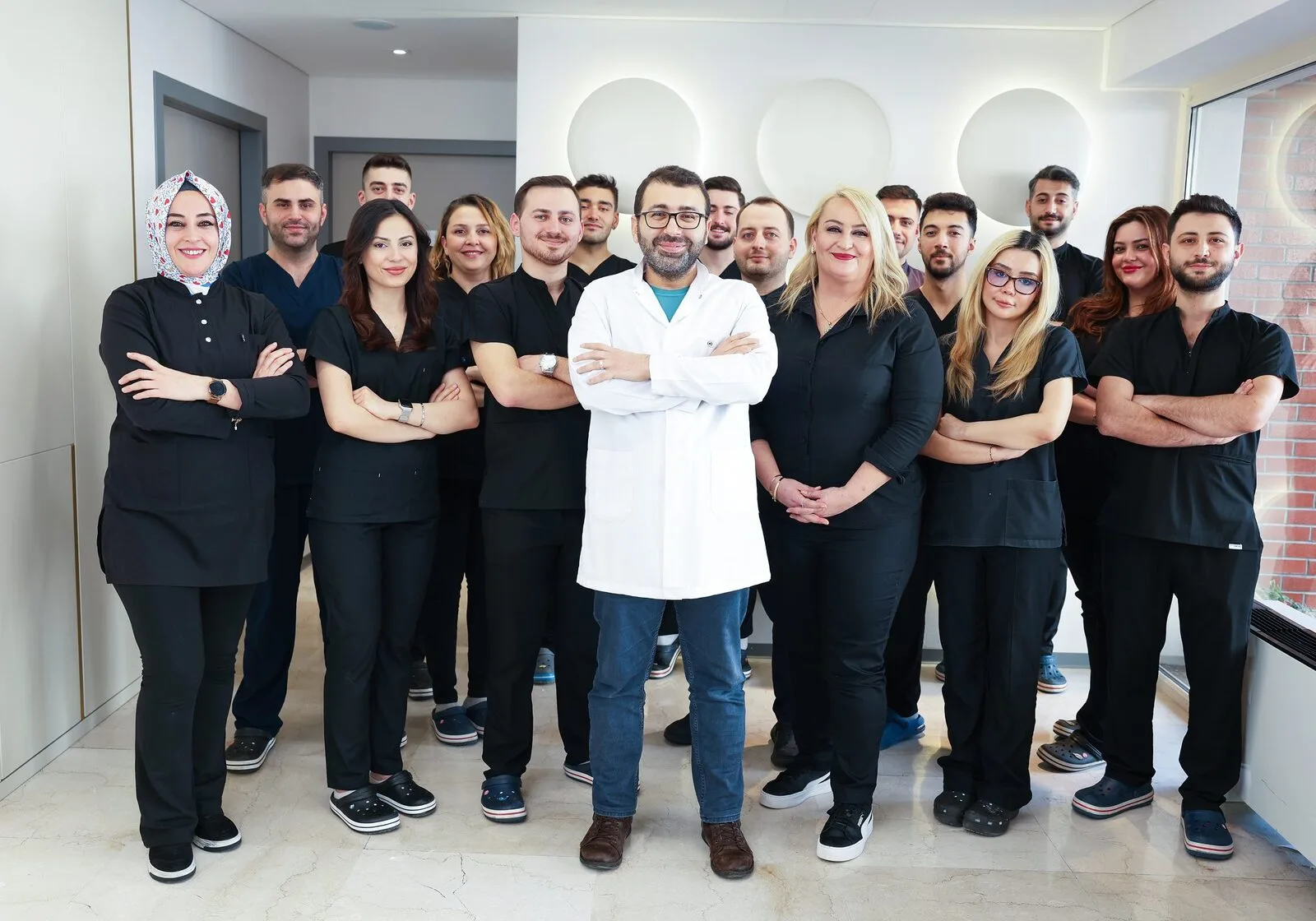
At hair transplant in Turkey, evaluation is based on clarity, not pressure. You begin by sharing photos of your hair from the front, sides, and donor region. The medical team reviews whether the thinning pattern suggests that support (such as stem cell or exosome therapy) is suitable, or whether it is time to plan coverage with FUE or DHI.
“We assess what remains and what is missing. The approach is chosen to protect the future, not just to respond to the present.”
— Dr. Ahmet Murat
Your evaluation includes:
- A clear explanation of whether follicles in thinning areas are still responsive
- Whether FUE, DHI, or regenerative support aligns with your goals
- A realistic timeline for growth and maintenance
- A straightforward overview of costs with no rushed commitment
There is no obligation to proceed. The goal is to understand your situation and the most stable way forward.
If you’d like to begin, contact us and send:
- 1 front photo
- 2 side photos
- 1 donor-area photo (in natural indoor lighting)
A coordinator will respond with your private assessment and next steps. The decision remains yours.