

Stem Cell Therapy for Hair Loss: Evidence, Results & Cost Guide
 ChatGPT
 Claude
 Perplexity
 Grok
Grok
 Gemini

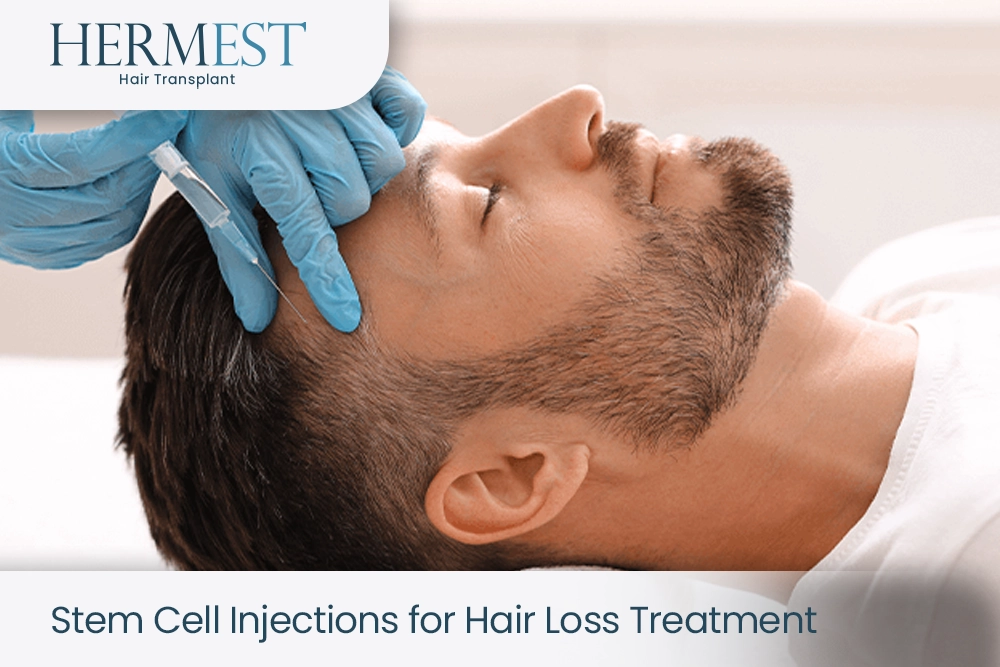
Hair loss affects millions of men and women, prompting growing interest in regenerative medicine. Among the most talked-about innovations is stem cell therapy for hair loss, where living cells or their biologically active components are used to stimulate new hair growth.
Supporters highlight early clinical studies suggesting that stem cell injections for hair loss treatment may reactivate dormant follicles and improve scalp health. This approach is drawing attention from those seeking alternatives to traditional solutions like minoxidil, finasteride, or surgical transplants.
Unlike topical treatments that simply slow shedding, stem cell hair restoration aims to repair or regenerate the follicle itself. Various sources are being investigated—adipose-derived stem cells (ADSCs), hair follicle stem cells (HFSCs), and dermal papilla (DP) cells, to name a few.
Scientists are also exploring cell-free methods such as stem cell-derived exosomes, which carry regenerative growth factors without live cells. Early data show promising increases in hair density and thickness, yet questions remain about long-term effectiveness, cost, and regulatory approval.
Dr. Ahmet Murat of Hermest Hair Transplant Clinic notes:
“Stem cell–based therapies are among the most exciting frontiers in hair restoration. They hold the potential to restart the hair growth cycle itself. However, every patient needs a personalized assessment because protocols, cell types, and response rates can vary significantly.”
This article brings together the latest research and practical insights to answer key questions:
- How do different stem cell types work in regenerating hair follicles?
- What do preclinical and human clinical trials reveal about safety and effectiveness?
- What protocols, dosing strategies, and follow-up care are recommended?
- How does stem cell therapy compare with established options like PRP therapy or hair transplantation?
Quick Insights
Science-driven regeneration – Stem cell therapy for hair loss targets follicle biology, using adipose-derived stem cells (ADSCs), hair follicle stem cells (HFSCs), or dermal papilla (DP) cells to restart the hair growth cycle and improve scalp health.
Proven early results – Clinical trials report 15–30% hair density gains within 4–6 months, with low complication rates and encouraging medium-term stability.
Flexible treatment options – Therapies include direct cell injections and stem cell–derived exosomes, and they can be combined with PRP therapy, microneedling for hair regrowth, or minoxidil for stronger, longer-lasting outcomes.
Safe but still experimental – When performed with autologous cells in accredited clinics, side effects are minimal. However, most countries classify stem cell hair restoration as experimental, and insurance typically does not cover costs.
Best for early to moderate loss – Individuals with male or female pattern baldness in early or mid stages respond best; advanced baldness may require combining stem cell therapy with hair transplant for permanent hair loss.
Biology of Hair Follicles & Stem Cells
To understand how stem cell therapy for hair loss works, it helps to look at how hair naturally grows and why follicles sometimes fail. Hair develops in repeating cycles:
- Anagen (growth phase): lasting two to six years, when cells rapidly divide to form new hair shafts.
- Catagen (transition phase): a brief period of follicle shrinkage.
- Telogen (resting phase): hair eventually sheds, and a new cycle begins.
When follicles stay dormant or fail to re-enter the anagen phase, thinning and bald spots appear. Research now shows that specialized stem cells inside and around the follicle are key to reactivating this cycle.
Main Stem Cell Sources
- Hair follicle stem cells (HFSCs): Found in the bulge area of each follicle, these cells can regenerate both the hair shaft and the surrounding support structures.
- Dermal papilla (DP) and dermal sheath (DS) cells: Located at the follicle base, these cells release growth factors that signal HFSCs to start a new cycle.
- Adipose-derived stem cells (ADSCs): Harvested from a patient’s own fat tissue, these cells secrete powerful cytokines and growth factors that improve blood flow and create a favorable environment for hair growth.
- Induced pluripotent stem cells (iPSCs): Lab-generated cells capable of becoming many tissue types, with potential to create new follicles in the future.
Dr. Ahmet Murat of Hermest Hair Transplant Clinic explains:
“By understanding the cellular architecture of the follicle, we can target therapies more precisely. Whether we use HFSCs, ADSCs, or DP cells, the goal is to reactivate natural growth signals and support long-term follicle vitality.”
Knowing which stem cell populations drive hair regrowth guides clinical strategies. For example, therapies that inject adipose-derived stem cells or dermal papilla cells aim to replenish the follicle’s growth signals. Meanwhile, stem cell-derived exosomes—tiny vesicles packed with proteins and RNA—can trigger similar regenerative pathways without implanting whole cells.
This cellular foundation sets the stage for understanding how stem cell injections for hair loss treatment are designed, how they differ from traditional medications, and how they might one day regenerate new follicles entirely.
Mechanisms of Stem Cell Injections and Derivative Therapies
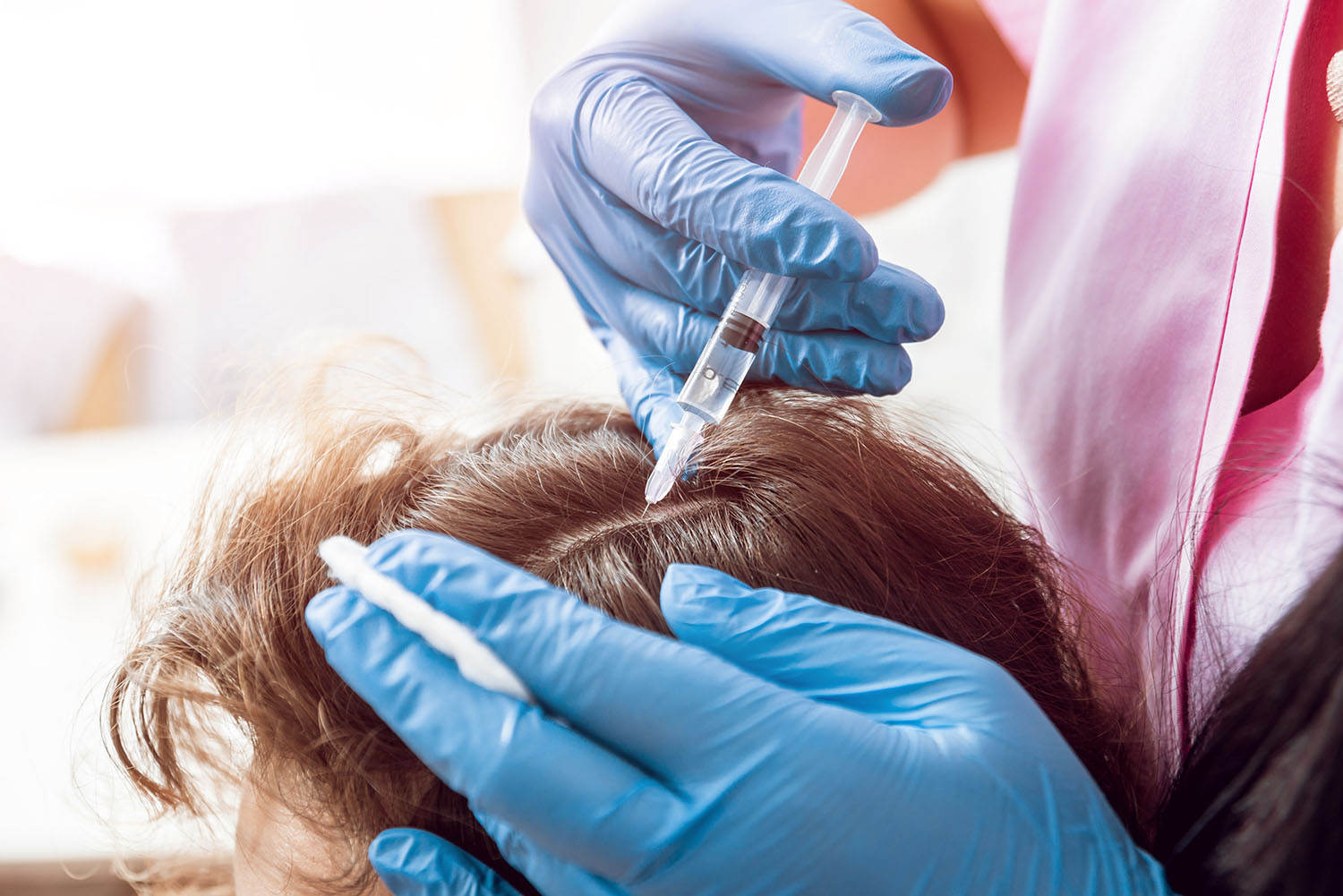
The effectiveness of stem cell therapy for hair loss depends on how the cells—or their bioactive byproducts—interact with the scalp environment. Unlike topical agents that simply stimulate surface blood flow, stem cell injections for hair loss treatment aim to reset the hair growth cycle at a cellular level.
How Stem Cells Stimulate Hair Follicles
- Paracrine signalling: Stem cells release growth factors and cytokines that awaken dormant hair follicle stem cells (HFSCs) and activate dermal papilla (DP) cells, prompting new anagen (growth) phases.
- Angiogenesis (new blood vessels): Factors like VEGF improve microcirculation, ensuring better oxygen and nutrient delivery to follicles.
- Anti-inflammatory effects: Cytokines help calm local inflammation that can shorten the growth phase and lead to shedding.
- Matrix regeneration: Stem cells help rebuild the extracellular matrix surrounding follicles, creating a supportive environment for long-term regrowth.
Cell-Based vs. Cell-Free Approaches
- Adipose-derived stem cells (ADSCs): Harvested from a patient’s fat tissue, ADSCs secrete potent regenerative factors and can differentiate into cell types that support follicle structure.
- Hair follicle stem cells (HFSCs), DP, and dermal sheath cells: Directly target follicle regeneration by replenishing or reactivating key cells inside the follicle bulb.
- Stem cell–derived exosomes: Tiny vesicles loaded with proteins, lipids, and microRNAs. They deliver growth signals without introducing whole cells, reducing risks like immune rejection.
Dr. Ahmet Murat of Hermest Hair Transplant Clinic comments:
“Exosome-based treatments are emerging as a strong option for patients seeking regenerative benefits without full cell transplantation. We carefully evaluate which approach best suits each patient’s stage and hair type.”
Integration with Other Treatments
Stem cell injections can be combined with PRP therapy, microneedling, or low-dose minoxidil to amplify growth signals. These combination strategies may enhance follicle activation and improve density and thickness beyond what stem cells achieve alone.
By reprogramming the follicle environment at a molecular level, stem cell therapy for hair loss addresses the root of hair miniaturization and opens possibilities for sustained regrowth—something topical medications and conventional treatments cannot fully accomplish.
Preclinical Evidence
Before stem cell therapy for hair loss reached clinical trials, researchers tested the approach extensively in laboratory and animal studies. These preclinical studies form the foundation for understanding how stem cell injections for hair loss treatment might work in humans.
Main Findings from Animal Research
- Rodent models of androgenetic alopecia (AGA): Studies using mice with hair loss showed that injected adipose-derived stem cells (ADSCs) or hair follicle stem cells (HFSCs) stimulated new anagen (growth) phases and increased hair shaft diameter.
- Dermal papilla (DP) and dermal sheath (DS) cell transplantation: Experiments demonstrated that these cells can generate brand-new hair follicles when implanted into skin, proving their regenerative potential.
- Exosome therapy: In vitro and mouse research revealed that stem cell-derived exosomes deliver growth factors like VEGF and Wnt proteins, encouraging follicle proliferation and improving vascular supply.
These findings show that stem cells can awaken dormant follicles, extend the growth phase, and create a supportive microenvironment for healthy regrowth.
Laboratory Insights
- Paracrine signalling: Cell cultures confirmed that ADSCs release cytokines and growth factors critical for follicle activation.
- Gene expression studies: Investigations of Wnt, BMP, and Notch pathways clarified how stem cells trigger the transition from resting to growth phases.
- Safety assessments: Preclinical toxicology tests found minimal risk of tumor formation or immune rejection when using autologous (patient’s own) cells.
Dr. Ahmet Murat of Hermest Hair Transplant Clinic remarks:
“Animal and cell studies give us strong biological evidence. They show that stem cells and their exosomes can reawaken follicles, which is why we see encouraging outcomes when moving to carefully designed clinical trials.”
Significance for Patients
While animal results are promising, they represent controlled conditions and relatively short timelines. Preclinical success is a vital step, but human trials must confirm durability, reproducibility, and safety across diverse hair loss patterns such as male pattern baldness and female pattern hair loss.
These early findings explain why researchers moved confidently to pilot human studies, which we examine next to gauge how well the science translates into real-world stem cell hair restoration outcomes.
Clinical Trials and Human Studies
Building on strong preclinical data, researchers have tested stem cell therapy for hair loss in human subjects. These clinical trials provide the most direct evidence of how well stem cell injections for hair loss treatment work, how safe they are, and which patient groups benefit most.
Evidence from Completed Trials
- Adipose-derived stem cells (ADSCs): Multiple small-to-moderate studies report measurable gains in hair density and thickness. In many cases, patients with androgenetic alopecia (AGA) experienced significant regrowth within 12–24 weeks, with minimal side effects such as mild scalp redness or tenderness.
- Dermal papilla (DP) and dermal sheath (DS) cell injections: A landmark Japanese clinical trial used autologous DS cells expanded in culture and injected them back into the scalp. Participants showed a notable increase in terminal hair count over six months without serious adverse effects.
- Hair follicle stem cells (HFSCs): Early pilot studies suggest improved hair shaft diameter and growth rate when HFSC-based therapies are applied, though sample sizes remain small.
Measuring Results
Outcomes typically include:
- Hair density per square centimeter measured by trichoscopy
- Hair shaft diameter
- Patient and physician global assessment scores
- Long-term stability of regrowth (follow-ups ranging from 6 months to 2 years)
Many trials also compare stem cell hair restoration with traditional options like minoxidil, PRP therapy, or hair transplant for permanent hair loss, showing that stem cell approaches can match or exceed short-term gains when protocols are optimized.
Dr. Ahmet Murat of Hermest Hair Transplant Clinic notes:
“We’ve followed these studies closely. While sample sizes are still modest, the consistency of early results and low complication rates make stem cell injections an exciting addition to our regenerative treatments.”
Takeaways from Current Data
- Stem cell procedures are generally well tolerated, with rare adverse events.
- Patients in the early or moderate stages of male pattern baldness or female pattern hair loss respond best.
- Ongoing trials are investigating long-term durability and the ideal number of treatment sessions.
These clinical insights confirm that stem cell injections can significantly enhance hair density and quality, setting the stage for practical guidance on how treatments are delivered and what patients should expect during therapy.
Treatment Protocols: Injection Techniques and Best Practices
Real-world success with stem cell therapy for hair loss depends on how the treatment is performed. Variables such as stem cell source, preparation method, and injection technique all influence the results of stem cell injections for hair loss treatment.
Cell Sourcing and Preparation
- Autologous stem cells: Most commonly, adipose-derived stem cells (ADSCs) or hair follicle stem cells (HFSCs) are harvested from the patient’s own fat tissue or scalp biopsies. Using the patient’s own cells minimizes the risk of rejection and infection.
- Allogeneic stem cells: Cells from donor tissue or cell banks are under investigation. They could streamline treatment but require strict regulatory oversight to address immune response and ethical sourcing.
- Exosome-based approaches: Some clinics now use stem cell–derived exosomes, which are cell-free but rich in growth factors, reducing complexity and potential safety concerns.
Injection and Delivery
- Route and depth: Cells or exosomes are injected intradermally—directly into the upper layer of the scalp where follicles reside—at intervals of about 1 cm across thinning areas.
- Volume and concentration: Protocols vary, but clinical studies often deliver 1–3 mL of cell suspension per session, with concentrations tailored to hair density and size of the treated region.
- Session frequency: Many trials report 1–3 initial sessions spaced 4–6 weeks apart, followed by maintenance sessions every 6–12 months for optimal regrowth.
Combination Therapies
For enhanced outcomes, stem cell therapy is often combined with:
- PRP therapy for hair loss to provide additional growth factors
- Microneedling for hair regrowth to increase cell penetration and stimulate natural wound-healing responses
- Low-dose minoxidil or finasteride to maintain new growth
Dr. Ahmet Murat of Hermest Hair Transplant Clinic explains:
“We carefully map each patient’s scalp and customize injection patterns based on thinning severity and follicle density. Combining stem cells with PRP or microneedling often accelerates visible improvement.”
Aftercare Guidelines
- Avoid washing or applying styling products for 24 hours to allow cells to settle.
- Use gentle shampoos and avoid harsh chemicals for at least a week.
- Schedule follow-ups to monitor progress and decide if additional sessions are needed.
Cost, Access, and Regulatory Landscape
Stem cell therapy for hair loss is still emerging, so cost, availability, and legal status differ significantly around the world. Anyone considering stem cell injections for hair loss treatment should understand these practical factors before starting.
Treatment Costs
Average price range: Depending on clinic, country, and the number of sessions, costs typically fall between USD 3,000–8,000 (or EUR equivalent) per treatment cycle.
Factors affecting price:
- Type of cells (adipose-derived vs. follicular vs. exosome-based)
- Processing method (on-site separation vs. lab expansion)
- Number of sessions and maintenance frequency
- Integration with other treatments such as PRP therapy or microneedling for hair regrowth
Dr. Ahmet Murat of Hermest Hair Transplant Clinic notes:
“Because stem cell therapy protocols vary widely, we give each patient a detailed, transparent cost breakdown that includes preparation, injection sessions, and recommended follow-ups.”
Availability and Clinic Selection
Access depends on local healthcare regulations and clinical expertise:
- Specialized clinics and hospitals are more likely to meet sterile processing standards and provide experienced teams for harvesting and injecting adipose-derived stem cells (ADSCs) or hair follicle stem cells (HFSCs).
- Look for evidence of clinical trial participation or published outcomes to verify credibility.
Regulatory Status
- United States and EU: Most stem cell hair treatments are classified as experimental or fall under advanced therapy medicinal products (ATMPs), requiring formal approvals that are still in progress.
- Other regions (including Turkey): Regulations vary; some clinics may offer autologous cell-based procedures under local medical practice rules but with oversight to ensure quality and safety.
- Exosome therapies: Generally treated as biologics or advanced therapies, with extra scrutiny.
Insurance Coverage
Currently, stem cell procedures for hair loss are elective and not covered by insurance, meaning patients should plan for full out-of-pocket costs.
Patient Case Studies and Outcomes
Clinical data and patient experiences shed light on how stem cell therapy for hair loss performs outside laboratory settings. While research is ongoing, published studies and real-world reports offer valuable insight into what patients can expect from stem cell injections for hair loss treatment.
Documented Results from Clinical Trials
- Adipose-derived stem cells (ADSCs): Multiple small human studies show a 15–30% increase in hair density and improved hair shaft thickness within 4–6 months of treatment.
- Dermal papilla (DP) and dermal sheath (DS) cells: A Japanese trial demonstrated statistically significant hair count increases at 6 months, with follow-up confirming that many patients maintained gains for at least a year.
- Stem cell–derived exosomes: Early pilot programs report noticeable improvements in hair texture and shine within 90 days, though large-scale data are still limited.
Dr. Ahmet Murat of Hermest Hair Transplant Clinic observes:
“We see that patients with early or moderate androgenetic alopecia respond most predictably. Consistency of results depends on factors such as scalp health, underlying hormones, and the precision of injection technique.”
Real-World Patient Experiences
Feedback from clinic follow-ups reveals common themes:
- Visible thickening of thinning regions, particularly the crown and frontal hairline.
- Improved hair quality, with stronger strands and less breakage.
- Minimal downtime: most patients return to daily activities within 24 hours.
- Low rate of adverse effects: occasional mild redness or tenderness that resolves quickly.
Combining Therapies for Better Outcomes
Many patients at Hermest and similar clinics choose to integrate stem cell injections with PRP therapy, microneedling for hair regrowth, or low-dose minoxidil to enhance growth signals. In these cases, follow-ups often show longer-lasting density and fewer future shedding episodes.
These case studies confirm that, while results vary by individual, carefully performed stem cell hair restoration can offer significant cosmetic improvement and improved hair health—especially when treatment is started early and combined with a comprehensive maintenance plan.
Risks, Limitations, and Ethical Considerations
Even though stem cell therapy for hair loss shows promising clinical results, it is important to weigh possible risks and limitations before undergoing stem cell injections for hair loss treatment. Understanding these factors ensures realistic expectations and informed decisions.
Potential Risks
- Mild side effects: Temporary redness, swelling, or mild tenderness at the injection site are the most commonly reported issues. These usually resolve within a few days.
- Infection risk: As with any injection, sterile technique is essential to prevent infection, although the risk is very low when performed in accredited clinics.
- Allergic or immune reactions: Rare when using autologous stem cells (from the patient’s own body), but more relevant if allogeneic stem cells from donors are used.
Dr. Ahmet Murat of Hermest Hair Transplant Clinic advises:
“With strict quality control and using the patient’s own cells, serious complications are extremely uncommon. Our team follows advanced protocols to minimize even minor risks.”
Limitations of Current Technology
- Variability in results: Factors such as age, degree of male pattern baldness or female pattern hair loss, and scalp health can influence outcomes.
- Short- to medium-term data: Most studies have follow-ups of 6–24 months, so long-term durability is still being established.
- Cost and accessibility: Stem cell therapy is a premium treatment, often ranging from USD 3,000–8,000 per cycle and is typically not covered by insurance.
Ethical and Regulatory Issues
- Cell sourcing: Using autologous stem cells avoids many ethical concerns, but donor-based or allogeneic stem cell treatments must follow strict guidelines to ensure safety and consent.
- Regulatory approval: In most regions, including the US and EU, stem cell therapy for hair loss is still considered experimental, meaning oversight and standardization are critical.
Setting Realistic Expectations
While stem cell treatments can stimulate dormant hair follicles and improve density, they are not a guaranteed cure for advanced baldness. Combining them with established therapies such as PRP therapy, microneedling for hair regrowth, or, when necessary, hair transplant for permanent hair loss, may provide the best long-term outcome.
Comparison with Alternative Treatments
While stem cell therapy for hair loss shows strong potential, it is essential to compare it with established treatments to see how it fits into the overall hair restoration landscape. Understanding these options helps patients decide whether stem cell injections for hair loss treatment should be a standalone solution or part of a broader plan.
PRP Therapy

Platelet-Rich Plasma (PRP) involves injecting concentrated platelets from the patient’s blood to stimulate follicles.
- Pros: Well-studied, quick recovery, and effective for early male pattern baldness or female pattern hair loss.
- Cons: Results typically last 6–12 months and require regular maintenance sessions.
- Comparison: PRP is more widely available and less expensive but generally provides shorter-lasting benefits than stem cell hair restoration.
Medications (Minoxidil and Finasteride)

These FDA-approved treatments are the first line for many patients.
- Minoxidil promotes blood flow to follicles and prolongs the growth phase.
- Finasteride blocks DHT, a hormone linked to hair miniaturization.
- Comparison: Both are effective for slowing loss but rarely produce new follicle formation. Stem cell therapy aims to regenerate or reactivate follicles, offering potential structural regrowth.
Microneedling and Low-Level Laser Therapy (LLLT)

- Microneedling creates tiny scalp channels to boost natural healing and absorption of topical agents.
- LLLT uses red light to stimulate cell metabolism.
- Comparison: These methods complement other treatments and can be combined with stem cell injections to enhance results.
Hair Transplant Surgery

FUE and DHI transplants move existing follicles to thinning areas for permanent coverage.
- Pros: Proven long-term results and natural hairlines.
- Cons: Higher upfront cost, downtime, and limited donor supply.
- Comparison: Stem cell therapy is less invasive and may help maintain or thicken transplanted hair, but currently does not fully replace transplants in advanced baldness.
Dr. Ahmet Murat of Hermest Hair Transplant Clinic concludes:
“Stem cell therapy can bridge the gap between medical treatments and surgery. It offers regenerative benefits that enhance or prolong the effects of PRP and can prepare or complement hair transplantation.”
Considering these alternatives and their pros and cons enables patients to design a personalized plan—often combining therapies—for stronger, longer-lasting hair restoration outcomes.
Future Directions and Emerging Technologies
The science behind stem cell therapy for hair loss is rapidly evolving. Researchers are developing new approaches to make stem cell injections for hair loss treatment more effective, accessible, and long-lasting. These emerging technologies could transform how we address thinning hair in the coming years.
Exosome-Based Therapies
Stem cell–derived exosomes are nano-sized vesicles packed with growth factors, cytokines, and microRNAs.
- Advantages: Easier to store and standardize than live cells, with lower risk of immune reaction.
- Current research: Early clinical data show enhanced hair density and faster recovery compared to traditional cell injections.
- Potential role: Could become an off-the-shelf option that delivers the benefits of stem cell hair restoration without complex harvesting.
Induced Pluripotent Stem Cells (iPSCs)
Scientists can reprogram adult cells into iPSCs, which can then differentiate into hair follicle cells.
- Goal: Generate entirely new follicles, opening the door to true follicle bioengineering.
- Challenge: Ensuring genetic stability and long-term safety remains a top research priority.
Gene Editing and Molecular Activation
Tools like CRISPR and small-molecule activators aim to switch on dormant hair follicle stem cells (HFSCs).
By precisely targeting growth pathways such as Wnt and Notch, researchers hope to stimulate hair regrowth without cell transplantation.
Advanced Delivery Systems
- 3D bioprinted scaffolds and micro-needled hydrogels are being tested to support stem cell survival and ensure even distribution in the scalp.
- These systems could improve treatment consistency and enhance follicle regeneration.
Dr. Ahmet Murat of Hermest Hair Transplant Clinic explains:
“The next generation of therapies—particularly exosomes and iPSC-based solutions—may dramatically expand what is possible. We closely monitor clinical trial data so we can offer proven innovations to patients as soon as they are safely available.”
Many of these approaches are still in early clinical trials, and regulatory approval is pending. But their progress suggests a future where stem cell therapy for hair loss could move from promising to mainstream, offering patients less invasive, more predictable, and longer-lasting solutions than currently available treatments.
FAQs
Early clinical trials show a 15–30% increase in hair density within 4–6 months when using adipose-derived stem cells (ADSCs) or dermal papilla cells. Results vary depending on hair loss stage, scalp health, and technique.
Conclusion
Stem cell therapy for hair loss represents one of the most promising frontiers in regenerative medicine. By using adipose-derived stem cells (ADSCs), hair follicle stem cells (HFSCs), or dermal papilla (DP) cells, these treatments aim to reactivate dormant follicles, stimulate new growth, and improve scalp health—addressing the cause of thinning rather than just masking it.
Research shows that stem cell injections for hair loss treatment can deliver measurable gains in hair density and thickness, often within a few months. Techniques such as stem cell–derived exosomes and combination therapies with PRP, microneedling, or minoxidil add flexibility and may enhance outcomes.
While the therapy remains experimental in many countries and is not yet covered by insurance, safety profiles are encouraging and side effects are generally mild.
Dr. Ahmet Murat of Hermest Hair Transplant Clinic concludes:
“Stem cell–based procedures give us a way to treat hair loss at its biological root. By customizing protocols—cell type, dosage, and delivery—we can maximize natural regeneration and help patients achieve fuller, healthier hair.”
Why Choose Hermest
- Evidence-based approach: We integrate the latest clinical data into every treatment plan.
- Comprehensive care: From diagnosis and scalp analysis to maintenance sessions, all steps are designed for long-term success.
- Cutting-edge options: We monitor advancements such as iPSC-derived therapies and exosome treatments, introducing proven innovations as soon as they are safe and effective.
If you’re noticing ongoing thinning or have tried traditional treatments without success, it may be time to explore stem cell hair restoration.
Book a consultation with Hermest Hair Transplant Clinic today. Our experts will assess your hair loss stage, explain current and emerging therapies, and create a personalized plan—combining science and artistry to help you regain lasting density and confidence.