

Derma Roller for Hair Growth Guide – Results, Needle Size, How to Use
 ChatGPT
 Claude
 Perplexity
 Grok
Grok
 Gemini

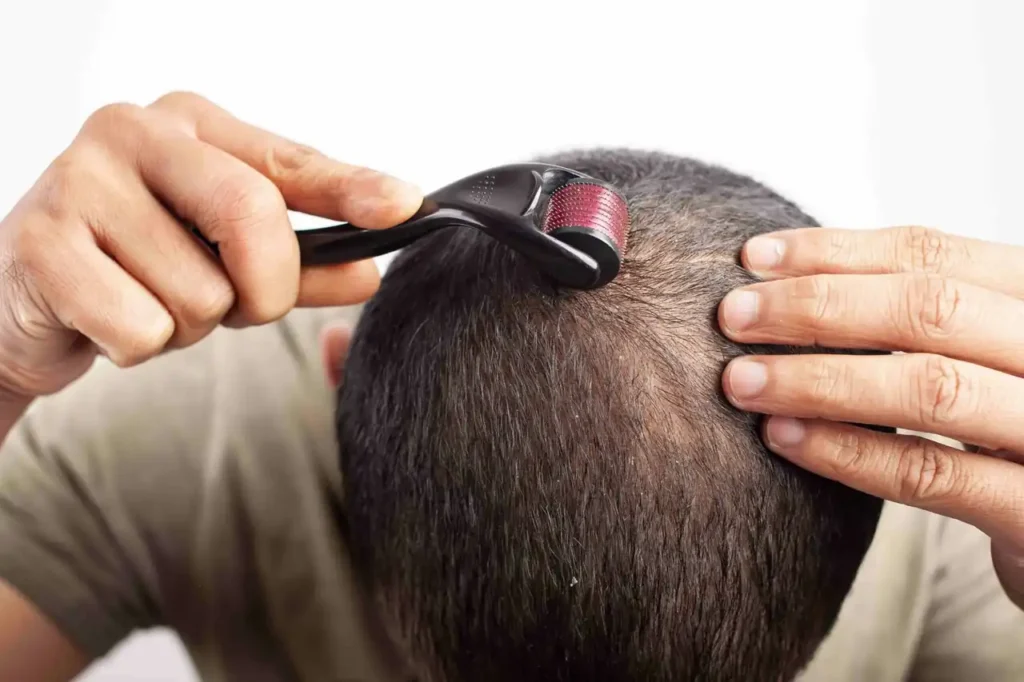
Most people search “derma roller for hair growth” hoping for a straight answer. Here it is: a derma roller for hair loss can help, but mainly when used as part of a complete treatment plan. Microneedling is not magic. It improves early thinning, boosts medication effectiveness, and supports healthier follicles, but it cannot reverse shiny bald areas or replace a transplant.
A scalp derma roller works by creating tiny micro-channels that trigger repair signals and increase blood flow. That process encourages growth factors, stem cell activity, and improved product absorption. This is why many studies show stronger results when people combine a derma roller and minoxidil instead of using minoxidil alone.
The strongest evidence is for:
- microneedling for androgenetic alopecia
- derma roller for thinning hair
- derma roller for female pattern hair loss
- derma roller for male pattern baldness
- supportive use in alopecia areata under a doctor’s supervision
Where it usually does not help:
- polished, shiny bald spots
- advanced recession
- long-standing crown baldness
- scarring hair loss
People often ask whether it can fix temples or restore a hairline. A derma roller can strengthen weak follicles in those areas, but it does not rebuild density in empty zones. So while it can support derma roller for receding hairline goals, it cannot replace lost follicles.
What about timelines? Most users begin to see early changes at 8 to 12 weeks. Clear density gains take 4 to 6 months, especially when used with minoxidil and derma roller together.
A quick-glance guide:
- Best needle size for hair growth: 0.5 mm to 1.0 mm
- How often to use derma roller for hair: once weekly for 1.0 mm, two to three times weekly for 0.5 mm
- Derma roller blood spotting: normal if mild
- Who should avoid it: people with active scalp conditions, infection, bleeding disorders, or keloid risk
This article will walk you through everything: evidence, safe technique, combinations, risks, expectations, and who should avoid microneedling for hair growth altogether.
Quick Insights: Derma Roller for Hair Growth
- A derma roller for hair growth works best in early-stage thinning where follicles are still alive. It cannot regrow hair on smooth, fully bald skin.
- Microneedling increases growth factor activity, boosts circulation, and enhances how well minoxidil and other topicals absorb into the scalp.
- The strongest results come from derma roller and minoxidil used together. This combination outperforms either treatment alone in clinical studies.
- Correct needle size matters. Most users do best with 0.5 mm for weekly stimulation, while 1.0 mm suits moderate thinning. Anything above that belongs in a clinic.
- Overuse slows progress. Weekly sessions allow proper healing, which is essential for results.
- Hygiene is very important. Poor cleaning increases the risk of infection and scalp irritation.
- Expect visible changes between weeks 8 and 12, with fuller density appearing around months 4 to 6.
- Microneedling helps crowns and hairlines only when follicles still exist. It strengthens weak hair but does not replace missing follicles.
- Combining treatments improves outcomes. PRP, exosomes, topical finasteride, and clinic microneedling sessions support stronger growth.
- When results are minimal, a deeper evaluation is needed. Some patterns of hair loss simply respond better to medical therapy or transplant planning.
What Is a Derma Roller and How It Works for Hair Growth
A derma roller for hair growth is a handheld microneedling tool with tiny needles that create controlled micro-injuries on the scalp. These micro-injuries trigger your skin’s natural repair response. When done correctly, this process sends signals that support stronger follicles, better blood flow, and improved absorption of medical treatments. That is why people often see better outcomes with a derma roller for hair loss than with topical treatments alone.
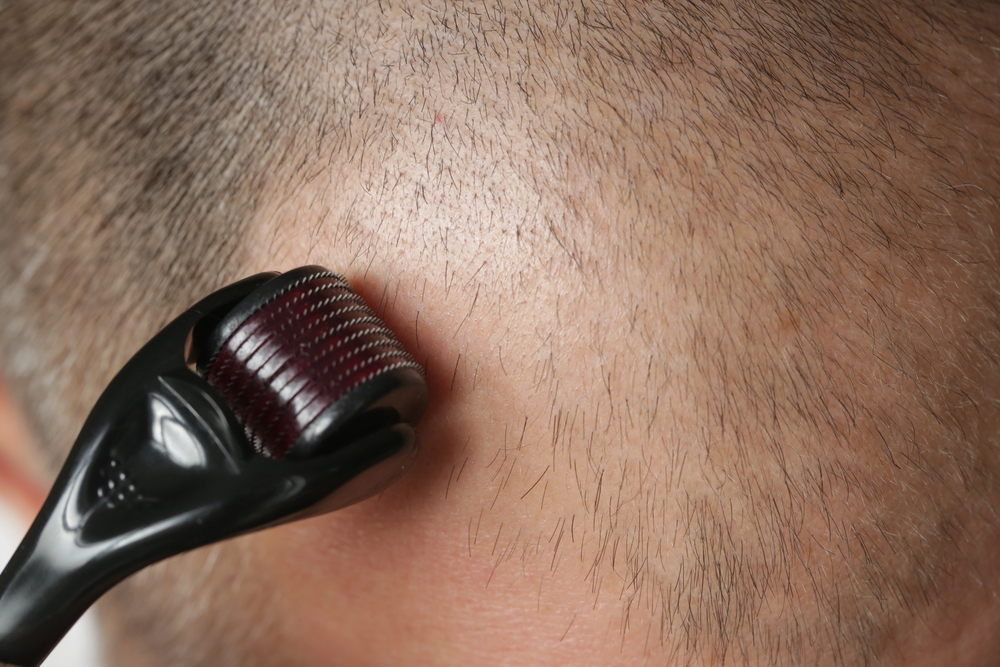
The device itself looks simple, but the biology behind it is powerful. When the needles penetrate the upper layers of the scalp, your body responds by increasing growth factors, stimulating collagen, improving circulation, and waking up sluggish follicles. Research on microneedling for androgenetic alopecia shows that these effects can thicken hair shafts and increase visible density, especially when paired with minoxidil.
A dermaroller works best on areas with weak or miniaturising follicles. Examples include:
- early male pattern thinning
- early female pattern thinning
- mild crown reduction
- postpartum shedding under medical guidance
- some cases of derma roller for alopecia areata with a dermatologist supervising
People often wonder if a dermaroller can fix a hairline. It can help if the hairline is thinning, but it does not replace empty follicles. This means derma roller for hair regrowth works with what still exists. It cannot rebuild empty patches or reverse shiny bald zones where follicles are completely gone.
Different tools have different strengths. A scalp derma roller usually reaches 0.25 mm to 1.0 mm at home, while clinic microneedling pens can reach deeper levels safely. The deeper the needle, the more stimulation you get, but only when done professionally. That is why home rollers are best for maintenance and support, not intense treatments.
A dermaroller is also helpful for increasing the effectiveness of topical treatments. When tiny channels open, minoxidil or serums penetrate more deeply. This explains why derma roller with minoxidil results tend to outperform minoxidil alone in controlled studies.
What the Research Says – Evidence for Derma Rollers in Hair Loss
People want clear answers, not vague promises. The good news is that microneedling for hair loss has real clinical support, especially when used alongside treatments like minoxidil.
Evidence for Androgenetic Alopecia
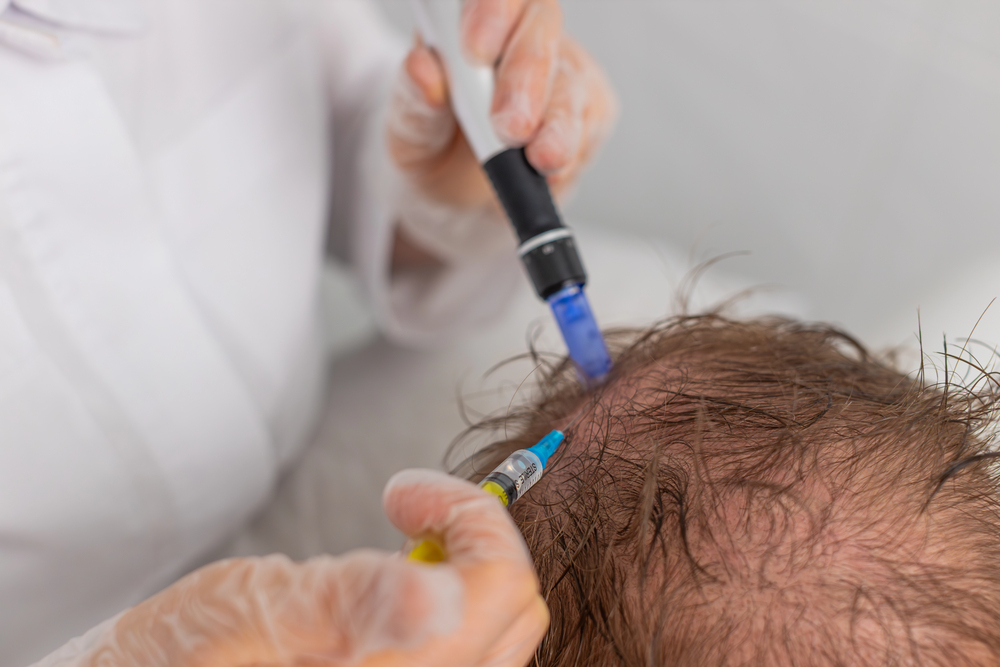
The most consistent data comes from studies on male and female pattern thinning. Multiple trials show that microneedling for androgenetic alopecia stimulates growth factors, increases follicle activity, and encourages thicker strands. The standout finding across several papers is that people using a derma roller and minoxidil together see significantly better outcomes than those using minoxidil alone.
Main improvements reported in studies:
- increased hair count
- stronger shaft diameter
- improved density
- enhanced minoxidil absorption
This is why many clinics and dermatologists support combining microneedling and minoxidil rather than using either treatment alone.
Dr. Ahmet Murat comments:
“Microneedling works best when we target early thinning. The follicles need to be alive. If the area is shiny or completely bald, no amount of rolling will bring hair back.”
Evidence for Alopecia Areata
A derma roller for alopecia areata can be helpful in some cases, but only under medical supervision. Alopecia areata is autoimmune, so outcomes vary widely.
Studies show that microneedling may enhance topical steroid penetration, but it is not a primary treatment. It can make things worse if done during an active flare, which is why a doctor must guide the process.
Evidence for Other Conditions
Early research suggests benefits for:
- derma roller for receding hairline when follicles are miniaturising
- derma roller for crown baldness in mild to moderate thinning
- derma roller for telogen effluvium when triggered by stress or illness
- derma roller for post-partum hair loss, used only after shedding stabilises
There is no strong evidence for reversing advanced baldness or restoring areas with complete follicle loss.
How Strong Is the Evidence Really?
Most studies are small and vary in technique, needle length, and frequency. Results are promising, but not universal. What’s clear is this:
microneedling works best as an enhancer, not a standalone cure.
Who Should Use a Derma Roller – And Who Should Avoid It
A derma roller for hair growth is not ideal for everyone. The tool works beautifully when the follicles are alive but underperforming, and it works poorly when the scalp cannot handle controlled micro-injuries.
Good Candidate Profiles
You’re likely to benefit if you fit one of these categories:
Early Male Pattern Thinning
Ideal for men with mild to moderate derma roller for male pattern baldness concerns. If your temples or crown are thinning but not slick-bald, a derma roller can help boost density.
Early Female Pattern Hair Loss
Women with diffuse thinning, especially around the mid-scalp, often respond well to derma roller for female pattern hair loss.
Receding Hairline with Weak Follicles
A derma roller for receding hairline can help slow progression and strengthen existing hairs, but it cannot rebuild density in empty zones.
Mild Crown Thinning
If the crown still has visible follicles, a derma roller for crown baldness can support regrowth in combination with medication.
Postpartum or Stress-Related Shedding
A derma roller for post-partum hair loss or telogen effluvium can help once active shedding stabilises.
Alopecia Areata (With Medical Supervision)
Microneedling can improve topical steroid penetration, but only in mild, stable cases under a dermatologist’s care.
Dr. Ahmet Murat explains:
“The key question is simple. Are the follicles alive? If yes, microneedling can help strengthen them. If not, rolling will not create new follicles.”
Red Flag Situations – Avoid At-Home Derma Rolling
You should not use a dermaroller if you have:
- active scalp infection
- psoriasis or eczema flare
- open wounds or sores
- keloid scarring history
- uncontrolled diabetes
- immune system suppression
- shiny bald patches with total follicle loss
- recent hair transplant (not healed yet)
- severe crown loss where follicles are gone
Using a scalp derma roller in these conditions can trigger inflammation, infection, or permanent damage.
When You Need a Dermatologist or Hair Clinic First
Seek expert evaluation before starting if you notice:
- sudden patchy hair loss
- very rapid shedding
- symptoms of scarring alopecia
- major temple recession with visible scalp
- total bald spots in the crown
- hair loss linked to medical conditions or medication
These patterns often require medical treatment first. A derma roller alone cannot solve them and may worsen the situation.
Derma Roller vs Hair Transplant and Other Treatments
A lot of people try to decide between a derma roller for hair growth, medication, or a hair transplant. Each option has a purpose. The problem is that many users expect a dermaroller to deliver transplant-level density, while others underestimate how much it can support early thinning.
What a Derma Roller Can Do That Medications Alone Cannot
Microneedling gives you two big advantages:
It boosts absorption of topical treatments
A derma roller and minoxidil combination has outperformed minoxidil alone in multiple clinical studies. The micro-channels created by the needles help minoxidil penetrate deeper, giving you better density gains. This applies to:
- microneedling and minoxidil
- derma roller with hair growth serum
- derma roller with finasteride topical solutions
It stimulates the scalp with mechanical activation
The micro-injuries increase growth factors, collagen, and blood flow. This helps:
- thinning hairline areas
- diffuse thinning
- mild crown loss
- early androgenetic alopecia
Think of it as a biological “push” to wake up weak follicles.
Dr. Ahmet Murat shares:
“Microneedling is a catalyst. It strengthens what is still alive. It cannot revive what has already disappeared.”
What a Derma Roller Cannot Replace
Microneedling is not a substitute for:
- hair transplant surgery
- DHT-blocking medication
- medical treatment for autoimmune hair loss
- solutions for shiny, bald skin with no follicles
If the area has no active follicles, no treatment will produce growth except transplantation. This is why derma roller for male pattern baldness works only in the earlier stages. Advanced recession and empty patches require grafts.
Microneedling will also not:
- reverse scarring alopecia
- create new follicles
- remodel a completely receded hairline
- add density in transplant-like amounts
It is helpful, not transformative.
Where PRP, Exosomes, and Clinic Treatments Fit
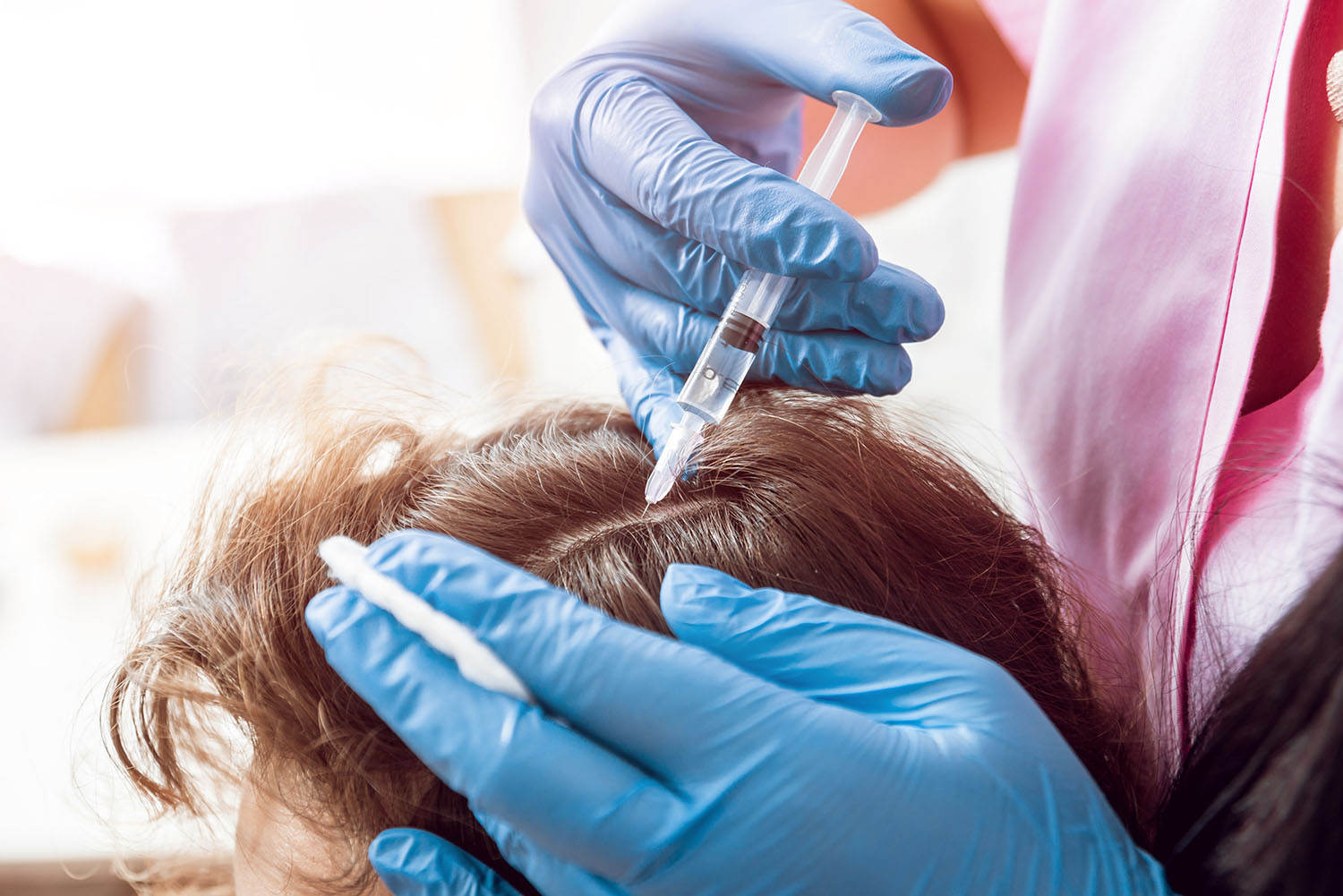
In-clinic microneedling sessions reach deeper layers safely, which often means stronger stimulation. Clinics may combine microneedling with:
- PRP
- exosome serums
- peptides
- vitamin cocktails
These combinations support healing and improve follicle activity. They work well for persistent thinning or slow responders to at-home rollers.
Many people choose:
- weekly at-home derma roller for thinning hair sessions
- monthly in-clinic microneedling
- medication daily
- PRP every few months
When a Hair Clinic Will Recommend a Hair Transplant Instead
Transplants are better than a dermaroller when:
- the scalp is shiny and smooth
- you have advanced crown baldness
- your temples have pulled back significantly
- you want clear, long-term density
- your goals exceed what stimulation can achieve
In these cases, microneedling becomes a maintenance tool after the transplant, not a replacement for it.
How to Use a Derma Roller for Hair Growth – Step-by-Step At-Home Protocol
If you’re going to try a derma roller for hair growth, the method matters as much as the tool. Most people roll too often, press too hard, or combine products incorrectly.
Step 1 – Prepare Your Scalp Properly
Start with clean, dry hair. Wash with a mild shampoo and avoid heavy conditioners or oils before rolling. Any residue can interfere with needle penetration. If your scalp is irritated that day, skip the session. A scalp derma roller works best on calm, healthy skin.
Avoid rolling on days when you have:
- sunburn
- active dandruff flare
- redness or irritation
- open sores
This protects you from unnecessary inflammation.
Step 2 – Disinfect the Roller the Right Way
This is the step most people skip. A derma roller has dozens of tiny needles. If they are not clean, bacteria can enter the scalp.
How to clean a derma roller:
- soak in 70% isopropyl alcohol for 5 to 10 minutes
- let it air dry on a clean tissue
- store in a protective case
This reduces derma roller infection risk and helps you avoid skin complications.
Dr. Ahmet Murat advises:
“The tool is only as safe as the hygiene behind it. Poor cleaning is one of the main reasons we see infections. A clean roller is non-negotiable.”
Step 3 – Choose the Correct Needle Length and Frequency
Needle size matters more than you think.
0.25 mm – 0.5 mm – Good for serum penetration. Can be used two to three times weekly. Ideal for beginners.
0.5 mm – 1.0 mm – Better for follicle stimulation. Use once weekly to avoid overuse.
Avoid 1.5 mm at home. It is too aggressive and should only be used in clinics.
Overuse does not accelerate growth. It increases inflammation and slows progress.
Step 4 – Rolling Technique
Roll gently across thinning areas. Use light pressure and roll each section:
- horizontally
- vertically
- diagonally
Around 6 to 8 passes per direction are enough. Your goal is mild redness, not deep bleeding.
If you notice consistent bleeding, you are pressing too hard or using an unsafe needle size.
Step 5 – When to Apply Minoxidil or Serums
This part creates a lot of confusion. People often ask: “Derma roller before or after minoxidil?”
General guidance:
- For 0.5 mm or deeper: apply minoxidil 4 to 24 hours later
- For shallow 0.25 mm rolling: apply after 10 to 20 minutes
This avoids irritation and supports deeper absorption. The strongest regrowth often comes from:
- derma roller with minoxidil
- microneedling and minoxidil combinations
- gentle, peptide-based serums
Step 6 – Aftercare
After rolling, avoid:
- sweating
- sunscreen on the scalp that day
- touching the area with dirty hands
- styling products for 24 hours
A mild, fragrance-free shampoo is safe the next morning.
Clinic-Grade Microneedling Protocols – What To Expect In-Office
At-home rollers have their place, but clinic microneedling is a different level. If you’ve been rolling for months with slow progress, or if your thinning areas are more advanced, professional microneedling may deliver the stimulation your scalp actually needs.
Why Clinic Microneedling Is Stronger Than Home Rolling
A clinic uses medical-grade devices that can safely reach deeper layers of the scalp. Most home rollers penetrate only the surface. Professional microneedling reaches depths that activate stronger wound-healing pathways and deliver higher-quality growth signals.
Typical clinic needle depths:
- 0.8 mm to 1.5 mm depending on scalp thickness and hair loss pattern
- deeper penetration creates more powerful stimulation
- sessions are spaced to avoid over-injury
This level of depth should never be attempted at home.
Dr. Ahmet Murat notes:
“Deeper microneedling requires controlled pressure and medical experience. When done properly, it raises the growth response without harming surrounding tissue.”
What Happens During a Clinic Session
A standard in-office microneedling session includes:
- Scalp cleansing to remove oils and bacteria
- Topical numbing for comfort
- Controlled microneedling using vertical stamping or cross-hatch passes
- Application of growth-support serums
- Calming mask or LED therapy depending on the clinic
Most sessions last 20 to 30 minutes. Redness is expected and fades within a few hours.
Many clinics also evaluate your scalp first using trichoscopy to identify:
- active miniaturisation
- inflammation
- early recession
- weak zones that may respond better
- areas where follicles are no longer viable
This ensures the treatment targets the right regions for the best response.
What Treatments Clinics Combine With Microneedling
Professional microneedling is often paired with regenerative therapies for stronger results, such as:
- PRP
- exosome-rich solutions
- peptides and growth factor serums
- vitamin-enriched formulations
These combinations enhance healing and support follicles in the growth phase.
Patients who react slowly to at-home derma roller for thinning hair often see improvement when these therapies are added.
Who Should Prefer Clinic Microneedling
You may do better with clinic sessions if:
- you have moderate thinning
- your hairline or crown needs deeper stimulation
- you’re sensitive to pain or irritation
- you have seborrheic dermatitis or scalp sensitivity
- you want stronger results than home rolling can offer
- you’ve been rolling for months with minimal change
- you want to avoid the risk of derma roller infection from poor cleaning practices
Many people use a hybrid routine: clinic sessions every few weeks and gentle at-home rollers for maintenance.
Side Effects, Risks, and Warning Signs
A derma roller for hair growth can be helpful, but only when used with the right expectations and rhythm. Most people tolerate microneedling well, yet it’s still a treatment that creates controlled injury. Knowing what is normal and what signals trouble keeps your scalp safe and your progress on track.
Normal Short-Term Reactions
After a proper session, you can expect mild redness across the treated areas. This usually fades within a few hours. Some people feel warmth or tightness, which is simply the skin responding to the micro-channels created by the needles. If your scalp looks lightly pink and feels slightly sensitive, that is a typical response.
A small amount of pinpoint bleeding can happen with deeper needles. This can look alarming the first time, but it is generally harmless when the roller and scalp are clean. The redness and sensitivity tend to decrease as your skin gets used to the routine. A gentle wash the next day is usually enough for comfort.
Dr. Ahmet Murat says:
“Light redness tells us the microneedling reached the right depth. Pain or heavy bleeding means the technique needs adjusting.”
Side Effects That Mean You Need to Slow Down
If your scalp becomes swollen, overly sore, or starts to flake aggressively, it may be a sign of overuse. Rolling too often prevents the skin from healing and can interrupt the growth cycle instead of supporting it. People who roll daily often end up irritating the follicles rather than stimulating them.
Irritation from applying minoxidil too soon is also common. Waiting several hours after deeper rolling usually prevents this. If the scalp burns or stings strongly after product application, pause the routine until the irritation settles.
Red Flags That Require Stopping Completely
Anything that resembles infection is a sign to stop immediately. This includes spreading redness, pus-like discharge, or heat that intensifies instead of fading. These symptoms often come from poor roller hygiene, damaged needles, or rolling on irritated skin.
You should also stop if you experience sudden patchy loss, thick crusting, or painful bumps. These can indicate underlying conditions like scarring alopecia or uncontrolled dermatitis. In such cases, continuing to roll can worsen the inflammation.
Dermarolling should never be done on areas affected by active eczema, psoriasis, open sores, or active alopecia areata flares. These conditions need medical management first.
Long-Term Risks to Be Aware Of
Using a dermaroller with too much pressure or too often can lead to chronic irritation. Over time, this may damage the scalp barrier, create hyperpigmentation, or weaken follicles. These effects are rare but more likely when people skip rest days or press too hard.
Most long-term problems come from improper technique and unsanitary tools, not from microneedling itself. Clean equipment and spaced-out sessions dramatically lower risk.
How Long Before You See Results With a Derma Roller
One of the first questions people ask is how long a derma roller for hair growth takes to show visible change. The answer depends on your needle size, routine, and whether you’re combining microneedling with medication. Results don’t appear overnight. Hair growth is slow and follows biological cycles, so patience is part of the process.
The First 4 Weeks – Subtle Internal Changes
During the first month, most of the improvements happen below the surface. The micro-channels created by the needles trigger repair mechanisms, boost circulation, and signal follicles to enter a more active phase. You may not see visible growth yet, but the groundwork is being laid.
Some people notice reduced shedding, especially when using microneedling and minoxidil together. This doesn’t mean new hair has grown; it simply reflects calmer follicle behaviour.
Dr. Ahmet Murat explains:
“The early weeks are about activation. You may not see much, but important cellular changes are already happening.”
Weeks 8 to 12 – First Visible Improvements
Most users begin noticing subtle thickening around the two to three month mark. This may show up as slightly stronger strands, less scalp visibility, or improved texture. For many, this is the first sign that the derma roller for thinning hair routine is working.
These early improvements are often more noticeable when combined with:
- minoxidil
- topical peptides
- clinic microneedling sessions
- PRP or exosome support
These combinations accelerate visible results.
Months 4 to 6 – Clearer Density Gains
This is when real change appears for most people. Follicles have had time to cycle into the growth phase, and repeated stimulation from your routine starts to show.
Common improvements include:
- fuller look around the mid-scalp
- stronger, healthier hair shafts
- better coverage in thinning zones
- reduced scalp shine in early-stage hair loss
If your follicles respond well, this phase is where the biggest progress happens.
Month 6 and Beyond – Plateau or Continued Gains
Some people continue to see gradual improvement up to 12 months. Others plateau around month six. A plateau isn’t a failure; it simply reflects your biology and how much the follicles can improve with stimulation alone.
If growth slows, clinics often recommend enhancing the routine with:
- deeper in-office microneedling
- PRP
- exosomes
- adjustments to minoxidil timing
- added DHT-blocking treatment for pattern hair loss
These shifts help maintain momentum if progress begins to stall.
When You Should Reevaluate or Stop
If you see no change by month four or notice worsening density, your follicles may not be responsive to stimulation alone. Conditions like advanced androgenetic alopecia or shiny bald areas rarely improve with microneedling. In these cases, a transplant or medical therapy may be a better fit.
How to Choose the Best Derma Roller for Hair Growth
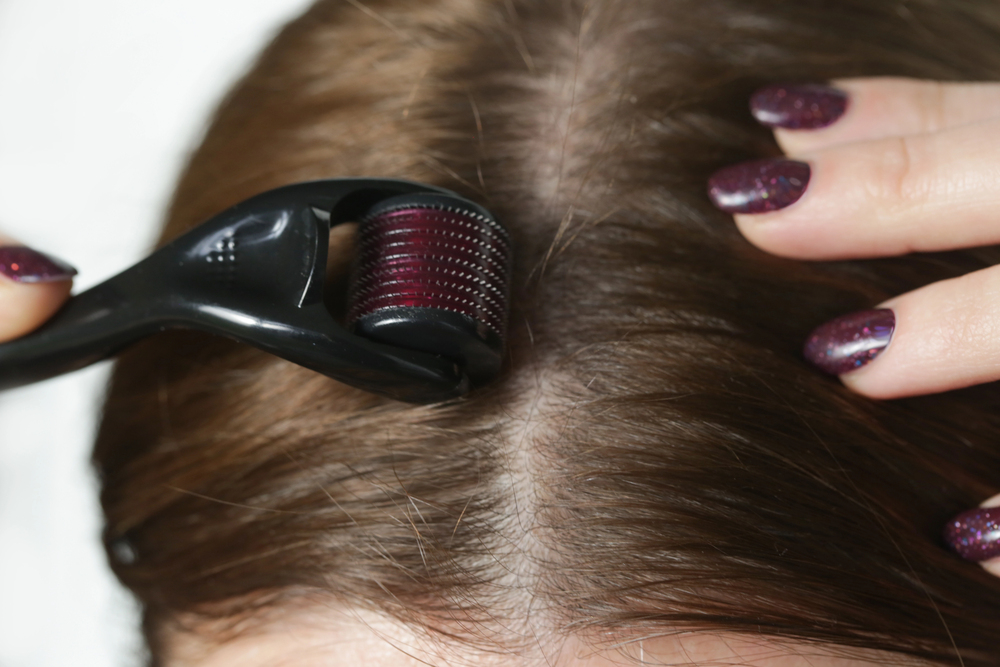
Picking a derma roller for hair growth seems simple until you compare the materials, needle designs, handle quality, and safety claims. The wrong roller can bend easily, scratch the skin, or increase infection risk. A good one creates clean micro-channels without tearing the scalp. This section helps you choose a device that gives real results without compromising safety.
Titanium vs Stainless Steel – Which Is Better?
Many users focus on needle length, but needle material can be just as important. Titanium needles stay sharp for longer and resist bending, making them a solid choice for at-home rolling. Stainless steel needles are sharper initially, but they dull faster and may require more frequent replacements.
If you want a long-lasting tool, titanium is usually the safer, more cost-effective option. If you prefer very sharp initial passes and are comfortable replacing your roller regularly, stainless steel works well too. What matters most is that the needles remain straight and intact.
Dr. Ahmet Murat comments:
“Bent needles create scratches, not micro-channels. This raises the risk of irritation and infection. A well-made roller protects the scalp.”
Needle Length and Safety Features
The best needle size depends on your goal. Shorter needles like 0.25 mm support serum absorption. Mid-length needles around 0.5 mm to 1.0 mm stimulate follicles for derma roller for hair regrowth.
Look for rollers with:
- a sturdy handle
- a covered storage case
- precise needle alignment
Avoid devices with visible defects, loose needles, rust, or uneven spacing.
Rollers with too many needles can drag across the scalp rather than puncture cleanly. Fewer, well-placed needles often perform better.
Avoid Cheap or Poor-Quality Devices
Low-cost rollers are tempting but risky. They often dull quickly and may cause unnecessary trauma. Many cheap rollers have needles that bend after just a few uses. These scratches trigger inflammation, which slows growth and increases the chance of follicle irritation.
A good roller may cost more, but it pays for itself with safer sessions and better results.
Derma Pens vs Rollers – Should You Switch?
Microneedling pens create vertical micro-channels. Rollers create angled ones. Pens are more consistent, cause less tearing, and allow for adjustable depths. They can outperform manual rollers when used by trained professionals. At home, pens can be helpful if you know how to control pressure and settings, but they are easier to misuse.
If you prefer simplicity, a roller is enough. If you want more precision and plan to invest in proper technique, a dermapen can be an upgrade.
When to Replace Your Derma Roller
Most rollers need replacing every one to three months depending on needle quality, usage frequency, and cleaning habits. If you see bent needles, rough rolling, or increased discomfort, it is time for a new device.
Using a Derma Roller With Minoxidil – What Actually Works

Pairing microneedling with minoxidil is one of the most effective evidence-backed combinations for hair regrowth. Many users hear this but still struggle with timing, dosage, and frequency.
Why Derma Roller and Minoxidil Work Better Together
Microneedling opens tiny channels in the scalp. These channels make minoxidil absorb more effectively, allowing more of the active ingredient to reach the follicles. This deeper penetration helps stimulate thicker, stronger strands and speeds up visible improvement.
Studies comparing minoxidil alone with microneedling and minoxidil show:
- faster growth
- higher hair counts
- thicker hair shafts
- improved density in thinning zones
This combination is especially helpful for early male pattern baldness, diffuse thinning, and mild crown loss.
Dr. Ahmet Murat notes:
“Microneedling is a performance booster. It makes minoxidil act like a stronger version of itself.”
Correct Timing – Before or After Minoxidil?
This is the question everyone asks: derma roller before or after minoxidil?
Here’s the safest approach: If using 0.5 mm to 1.0 mm needles
Wait 4 to 24 hours before applying minoxidil.
These sessions create deeper micro-channels. Applying minoxidil immediately can cause intense irritation, burning, and inflammation.
If using shallow 0.25 mm rolling
You can apply minoxidil after 10 to 20 minutes. This depth supports product penetration without excessive sensitivity.
If you have sensitive skin, extend the wait time.
How Often to Combine Them
For most users:
- roll once weekly with 0.5 mm to 1.0 mm
- use minoxidil daily or as prescribed
- increase frequency slowly if tolerated
Rolling more often will not speed results. It can damage the scalp and interrupt the regrowth cycle.
What Type of Minoxidil Works Best
Liquid solutions penetrate more deeply after microneedling. Foam versions are gentler but may be less effective immediately after rolling. Some users prefer applying minoxidil the next morning to avoid irritation.
Topical finasteride solutions can also be used with microneedling, but they should be introduced cautiously to avoid cumulative irritation.
Serums with peptides or stem-cell–based ingredients can also complement microneedling, especially in sensitive scalps that cannot tolerate daily minoxidil.
When Not to Combine Them
Skip minoxidil on the day of rolling if:
- your scalp stings on contact
- the redness lasts longer than usual
- you see small scabs
- you have active dermatitis or dandruff flare
- you recently increased your needle size
In any of these situations, let the skin rest.
Using a Derma Roller With Finasteride, PRP, Serums, and Other Treatments
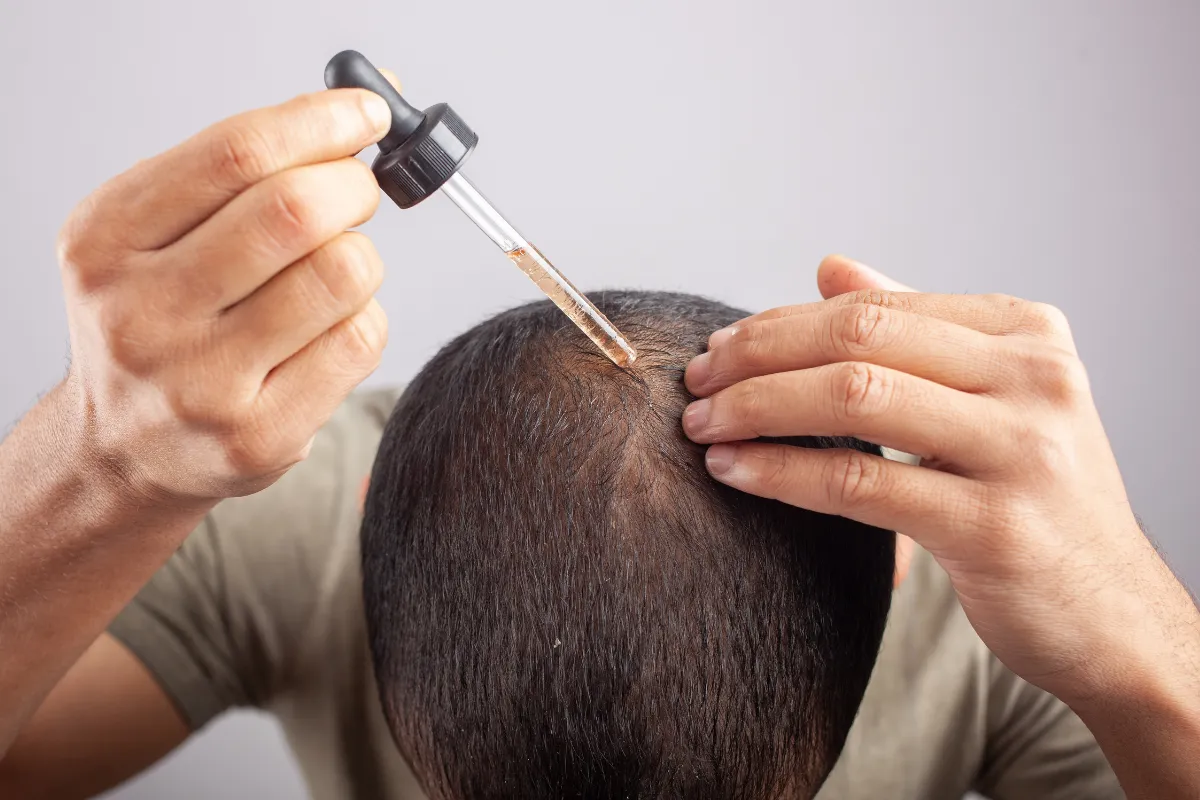
Many people combine a derma roller for hair growth with additional treatments to maximise results. Some combinations have strong scientific backing. Others rely more on careful usage and timing.
Derma Roller and Finasteride
Topical finasteride is becoming more common for people who prefer to avoid oral medication. When used with a dermaroller, it may penetrate more effectively. This can improve outcomes for those with active androgenetic alopecia.
However, because finasteride is a potent DHT inhibitor, deeper penetration through micro-channels may increase systemic absorption. If you are sensitive to finasteride or nervous about side effects, use the combination cautiously. Many people apply topical finasteride the next day, once the scalp has calmed down.
Oral finasteride does not interact with microneedling. You can continue taking it as normal.
Dr. Ahmet Murat comments:
“Topical finasteride can be effective, but timing matters. We prefer applying it after the skin has rested to avoid unnecessary irritation.”
Derma Roller With PRP
PRP and microneedling complement each other very well. PRP brings concentrated growth factors directly to the follicles. Microneedling creates micro-channels that help those factors settle into the scalp. Clinics often pair them to accelerate early regrowth.
If you already do at-home rolling, spacing it a few days before or after PRP avoids overstimulation.
Derma Roller With Exosomes or Growth Factor Serums
Exosome therapy and peptide serums are becoming more popular among people who want regenerative support. The micro-channels created by the roller help these ingredients penetrate deeper, especially in thinning regions.
This combo can be helpful if:
- you are sensitive to minoxidil
- you want a gentler routine
- you prefer non-hormonal treatments
These serums usually pair well with microneedling and cause less irritation than strong medications.
Derma Roller With Hair Growth Serums
There are many serums on the market claiming hair growth benefits. Some contain caffeine, peptides, vitamins, or botanical blends. These products can work when follicles are alive, but they vary in quality.
A derma roller can improve their penetration, but serums with alcohol-heavy formulas may cause burning when applied after a session.
If a serum irritates your scalp on a normal day, it will feel even stronger after rolling. In that case, apply it the next morning.
Derma Roller With Medicinal Scalp Treatments
People with conditions like dandruff or seborrheic dermatitis need to be careful. Anti-fungal shampoos can sting after rolling. Strong medicated solutions should not be used immediately after microneedling.
If you have scalp inflammation, manage that condition first before starting any routine with a dermaroller.
When You Should Not Combine Microneedling With Other Treatments
Avoid combining microneedling with strong acids, retinoids, steroid creams, or harsh exfoliants. These can cause intense irritation and worsen hair shedding temporarily.
If in doubt, let the scalp rest and slowly introduce new treatments one at a time.
Derma Roller Needle Size Guide – What Each Size Is Good For
Choosing the right needle length is one of the most important parts of using a derma roller for hair growth. The needle size determines how deep the micro-channels go, how strong the stimulation is, and how much recovery time your scalp needs. Many users choose the wrong size, roll too often, or push too hard, which slows progress instead of helping it.
0.25 mm – Best for Product Absorption
A 0.25 mm roller does not stimulate the follicles very deeply. Instead, it helps topical treatments absorb more effectively. This size is gentle and appropriate for people who want:
- improved penetration of minoxidil
- better serum absorption
- minimal discomfort
- a routine that fits into busy schedules
It can be used two to three times weekly. If your primary goal is stronger absorption rather than direct follicle stimulation, this is the simplest option.
0.5 mm – Balanced Stimulation and Absorption
This is the most commonly recommended size for early thinning. A derma roller for thinning hair works well at 0.5 mm because it reaches slightly deeper layers while remaining tolerable for at-home use.
It can help:
- early male pattern thinning
- female pattern density loss
- mild crown thinning
- weak hairline follicles
It is suitable for use once weekly.
Dr. Ahmet Murat notes:
“Most people get the best balance of safety and stimulation with 0.5 mm. It is deep enough to activate growth signals without causing unnecessary irritation.”
1.0 mm – Stronger Stimulation for Moderate Thinning
A 1.0 mm roller reaches deeper layers and offers more intense stimulation. This size is useful for people who have been rolling for a while and want a stronger response.
It works well for:
- moderate mid-scalp thinning
- early to moderate crown loss
- weak hairline regions that still have visible follicles
Use it only once every 7 to 10 days so the scalp has enough time to recover. Some discomfort or pinpoint bleeding is expected.
1.5 mm – Only for Professional Use
This size should never be used at home. A 1.5 mm needle reaches depths that require medical training, sterilised conditions, and precise pressure control. Clinics use this for advanced microneedling treatments combined with PRP or exosomes, but performing this depth at home increases risk dramatically.
Choosing Based on Your Hair Loss Pattern
For most people:
- early thinning: 0.5 mm
- moderate thinning: 1.0 mm
- absorption-focused routines: 0.25 mm
- severe thinning or deep stimulation: professional microneedling
If you are unsure, start with 0.5 mm and monitor how your scalp responds.
How Often Should You Microneedle Your Scalp
The most common mistake people make with a derma roller for hair growth is overuse. Many assume that rolling more often leads to faster results. In reality, microneedling needs healing time to work. Your scalp must recover between sessions to produce the growth signals that support thicker hair.
Weekly Is Enough for Most Users
A weekly routine works best for most people using 0.5 mm to 1.0 mm rollers. The skin needs this time to complete the healing cycle triggered by microneedling. Rolling too often interrupts this cycle and can cause irritation, inflammation, and temporary shedding.
Weekly rolling supports:
- early thinning
- mild crown loss
- diffuse female pattern thinning
- early hairline weakening
With a consistent weekly routine, most people begin noticing changes between weeks 8 and 12.
Dr. Ahmet Murat explains:
“Microneedling is controlled damage. The repair process takes time. If you treat the scalp again before it heals, you cancel the benefits you’re trying to create.”
How Often to Use Each Needle Size
The ideal frequency varies depending on needle length.
0.25 mm
Two to three times weekly. Focuses on absorption rather than deep stimulation.
0.5 mm
Once weekly. Effective for early-stage thinning.
1.0 mm
Every 7 to 10 days. Allows deeper stimulation without overworking the skin.
1.5 mm
Only in a clinic environment. Not for at-home use.
Sticking to these intervals helps avoid overuse and irritation.
Signs You’re Rolling Too Often
If you notice any of the following, your scalp may need more rest:
- excess redness lasting more than 48 hours
- burning when applying products
- increased flaking or tenderness
- patchy irritation
- temporary increased shedding
- dull, dry skin
These symptoms suggest the scalp barrier is stressed. Reducing frequency often resolves the issue.
Special Situations That Affect Frequency
Some conditions require more caution:
- seborrheic dermatitis: reduce sessions during flare-ups
- alopecia areata: only microneedle under medical guidance
- recent hair transplant: avoid until your surgeon confirms full healing
- sensitive skin: consider spacing sessions every 10 to 12 days
Slow, steady microneedling is safer and far more effective than aggressive routines.
FAQs About Derma Rollers for Hair Growth
Yes, it works for early thinning when follicles are still alive. Microneedling encourages growth factors, improves blood flow, and boosts absorption of minoxidil. It does not regrow hair in shiny or fully bald areas.
Ready to Strengthen Your Hair the Right Way?
If you’re considering a derma roller for hair loss or want to know whether microneedling can help your specific pattern, Hermest can guide you through the safest, most effective path. Our team evaluates the condition of your follicles, the stability of your hair loss, and the treatments most likely to give you noticeable results.

Whether you need:
- a personalised microneedling routine
- guidance on combining minoxidil or serums
- in-clinic microneedling for deeper stimulation
- PRP or exosome support
- or an honest assessment about whether stimulation is enough
We help you build a plan that fits your biology and long-term goals.
Dr. Ahmet Murat adds:
“Every patient needs a customised approach. The goal isn’t to try everything; it’s to choose what actually works for your scalp.”
You can start with an online photo assessment with us. Your journey to healthier, fuller hair begins with an informed first step.