

Hair Loss in Men: Effective Treatments & Permanent Solutions
 ChatGPT
 Claude
 Perplexity
 Grok
Grok
 Gemini


Hair loss in men is one of the most common aesthetic and emotional concerns worldwide. While some shedding is part of the normal growth cycle, progressive thinning or baldness often signals a deeper biological issue. Factors like genetic predisposition, hormonal imbalance (especially DHT sensitivity), chronic stress, and nutritional deficiencies contribute to weakening hair follicles over time.
Today, men have access to a range of scientifically validated solutions that go far beyond old myths or temporary fixes. From FDA-approved medications such as finasteride and minoxidil, to advanced regenerative therapies like PRP, microneedling, and exosome therapy, modern treatment focuses on both prevention and restoration. For those with more advanced stages of baldness, FUE and DHI hair transplant techniques deliver lasting, natural results with minimal recovery time.
Dr. Ahmet Murat from Hermest Hair Transplant Clinic explains:
“We now understand hair loss as a multifactorial condition. Success depends on addressing every contributing factor—hormonal, vascular, and structural—with a personalized plan.”
In this comprehensive guide, you’ll learn about the most effective treatments for male hair loss, how they work, what results to expect, and how to maintain them for life. Whether you’re just noticing thinning or already facing visible hairline recession, this article outlines every proven path to stronger, thicker, and healthier hair.
Quick Overview
Hair loss in men is most often caused by androgenetic alopecia (male pattern baldness) — a genetic condition linked to DHT hormone sensitivity.
The most effective treatments, backed by clinical data, include:
- Finasteride or Dutasteride to block DHT and slow follicle miniaturization
- Minoxidil (topical or oral) to stimulate new growth
- PRP and Microneedling to reactivate dormant follicles
- Low-Level Laser Therapy (LLLT) for cell renewal and maintenance
- FUE / DHI Hair Transplant for irreversible baldness
Quick Diagnosis Guide: Identifying the Type and Stage of Hair Loss
Recognizing the Pattern
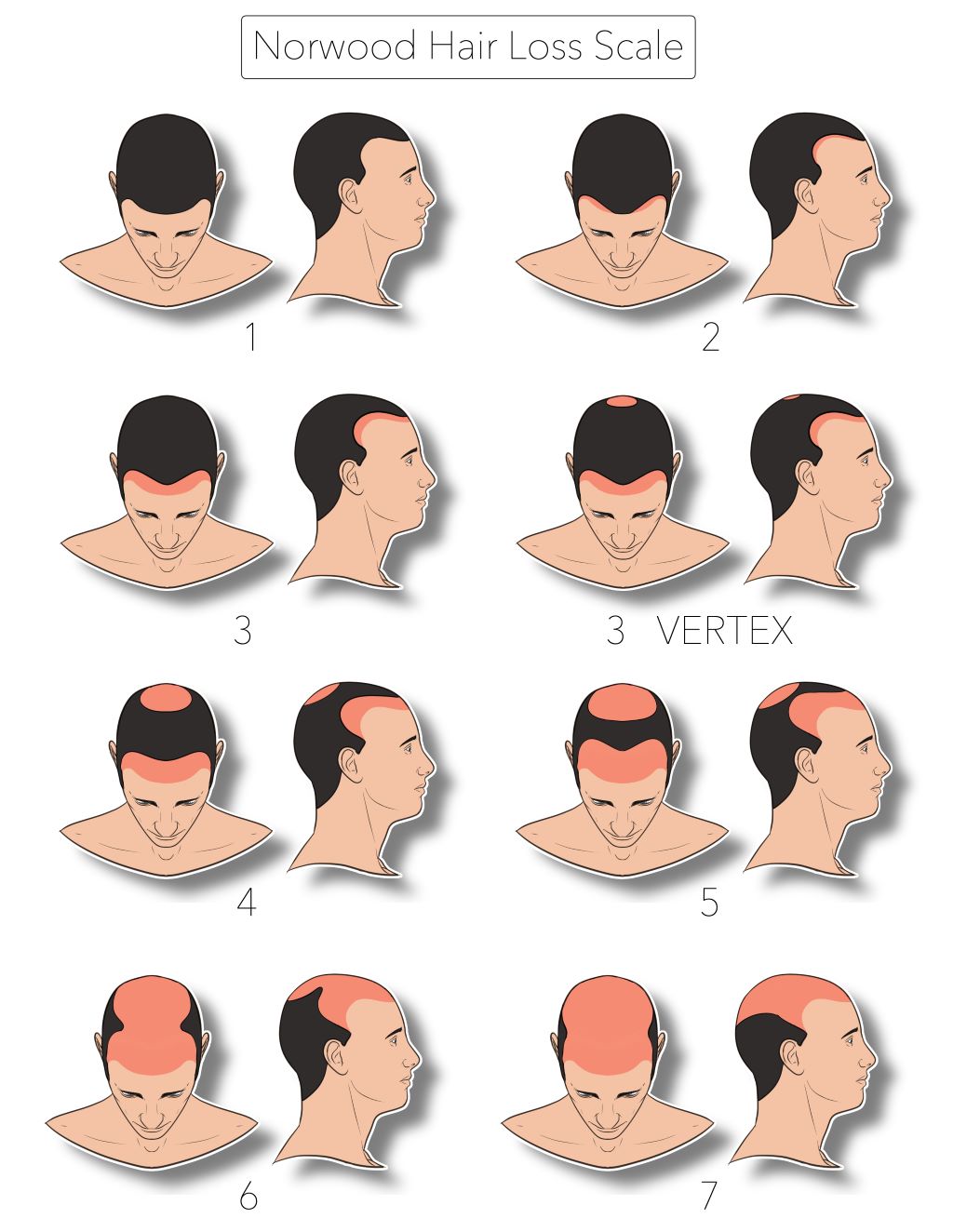
Most men experience a gradual recession at the temples and crown due to DHT-driven miniaturization.
Use the Norwood Scale (Stages 1–7) to classify severity:
- Stage 1–2: Mild thinning or receding hairline — responds well to medical therapy.
- Stage 3–5: Crown and frontal loss — ideal for combination therapy (PRP + Finasteride + Microneedling).
- Stage 6–7: Extensive baldness — requires transplant with regenerative support.
Underlying Causes
Although androgenetic alopecia accounts for over 90% of male cases, other conditions may trigger shedding:
- Telogen Effluvium: Stress, diet deficiency, or illness causing diffuse shedding
- Alopecia Areata: Autoimmune patchy baldness
- Thyroid and Hormonal Disorders: Imbalanced hormone levels affecting follicle cycles
- Seborrheic Dermatitis / Dandruff: Inflammation that weakens follicles
Dr. Ahmet Murat explains: “Before any treatment plan starts, we determine the exact type and trigger of hair loss. Accurate diagnosis prevents wasted time and improves outcomes.”
Diagnostic Tests Used at Hermest
- Trichoscopy Imaging: Magnified view to assess follicle density and miniaturization.
- Blood Panel: Checks for iron, ferritin, vitamin D, thyroid function, and hormone balance.
- Scalp Analysis: Identifies inflammation, oil buildup, and microcirculation status.
These steps help decide whether the patient needs medical stabilization, regenerative therapy, or transplantation.
When to See a Doctor
- Sudden or patchy bald spots
- Scalp itching, burning, or redness
- Rapid shedding after stress or illness
- Family history of early baldness
Early consultation dramatically increases the chance of reversal without surgery.
First-Line Medications for Hair Loss in Men
Medical therapy remains the foundation of male hair loss treatment, especially in the early to moderate stages. Two FDA-approved medications—minoxidil and finasteride—form the core of almost every effective plan. When combined and monitored properly, they can halt shedding, thicken existing hair, and restore density in many cases.
Minoxidil (Topical or Oral)

How it works: Minoxidil increases blood flow to the follicles and extends the anagen (growth) phase. This helps dormant hairs re-enter the growth cycle.
Usage:
- Topical solution (2% or 5%) applied twice daily.
- Oral minoxidil (0.25–2.5 mg daily) prescribed under medical supervision for men who cannot tolerate topical formulas.
Expected results:
- Noticeable thickening in 3–6 months.
- Best outcomes when combined with microneedling or PRP therapy.
Side effects: Mild scalp dryness or initial shedding that subsides after a few weeks.
Dr. Ahmet Murat of Hermest Hair Transplant Clinic notes:
“We often recommend low-dose oral minoxidil for men who prefer convenience. Under clinical monitoring, it delivers excellent results with minimal side effects.”
Finasteride and Dutasteride (DHT Blockers)
How they work: These medications inhibit 5-alpha-reductase, the enzyme that converts testosterone into DHT—the hormone responsible for shrinking follicles.
Finasteride (1 mg daily):
- Reduces DHT levels by up to 70%, halting progression in most men.
- Clinical studies show hair count improvement in 65–80% of users within a year.
Dutasteride (0.5 mg):
- A stronger alternative for resistant cases.
- Used under medical guidance due to its higher potency.
Possible side effects: Temporary hormonal imbalance or decreased libido in a small percentage of patients; fully reversible upon discontinuation.
Dr. Ahmet Murat explains:
“We customize DHT blocker dosage based on hormone profiles. When properly managed, these medications provide safe and powerful protection against further thinning.”
Combined Therapy: Minoxidil + Finasteride
- Clinical studies confirm the synergy between both drugs, showing over 90% stabilization and 65–70% visible regrowth in combined users.
- Hermest integrates topical formulations containing both compounds for patients preferring simplified regimens.
Maintenance: Results require ongoing use—stopping treatment causes follicles to revert to their previous miniaturized state within months.
Ketoconazole-Based Shampoos (Adjunctive Use)
Ketoconazole has mild anti-DHT and anti-inflammatory properties. Using it 2–3 times weekly supports follicle health and helps reduce shedding.
Combination tip: Pair with a hydrating, pH-balanced shampoo on alternate days to prevent dryness.
Together, these medications build the first line of defense—slowing loss, thickening hair, and creating a healthier scalp foundation for regenerative or surgical options later.
Clinic & Regenerative Therapies (PRP, Microneedling, and Exosomes)
When hair loss progresses beyond early thinning, medical therapy alone may not fully reactivate dormant follicles. This is where clinic-based regenerative treatments come in. These techniques work by repairing the follicular environment, improving circulation, and signaling stem cells to restart hair growth.
Platelet-Rich Plasma (PRP) Therapy
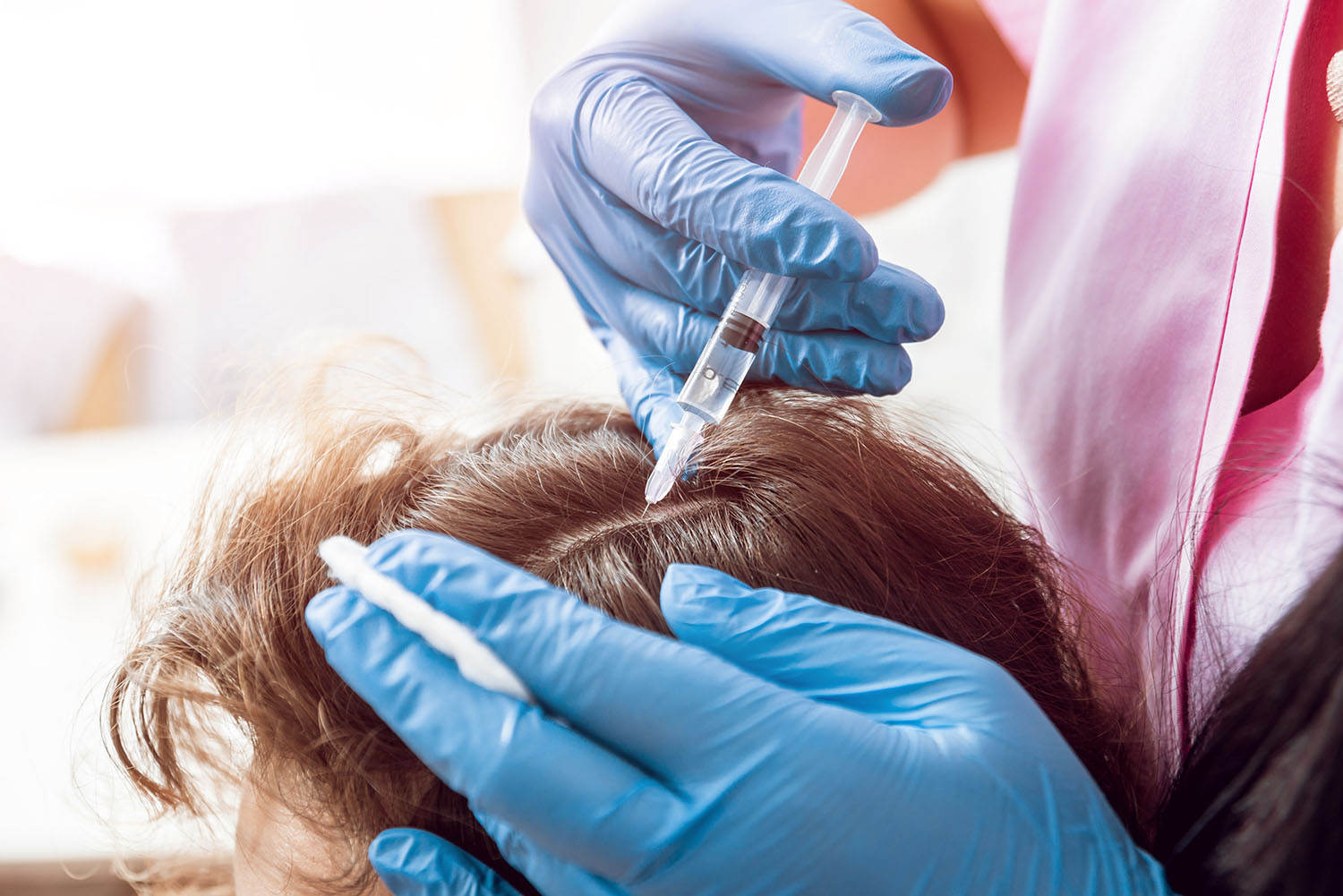
How it works: PRP uses your own blood plasma, rich in growth factors like VEGF and PDGF, to stimulate cell renewal in the scalp. The platelets trigger angiogenesis (new blood vessel formation) and boost follicular metabolism.
Procedure:
- A small blood sample is drawn and centrifuged.
- The concentrated plasma is injected into thinning areas using fine needles.
- Sessions are spaced 3–4 weeks apart, typically over 3–4 months.
Results:
- Noticeable improvement in density and strength in 6–8 weeks.
- Best outcomes when combined with microneedling or exosome therapy.
Dr. Ahmet Murat from Hermest Hair Transplant Clinic explains:
“PRP isn’t just a booster—it restores follicle activity by reawakening stem cells and improving scalp oxygenation. It’s a cornerstone of our regenerative approach.”
Microneedling (Collagen Induction Therapy)
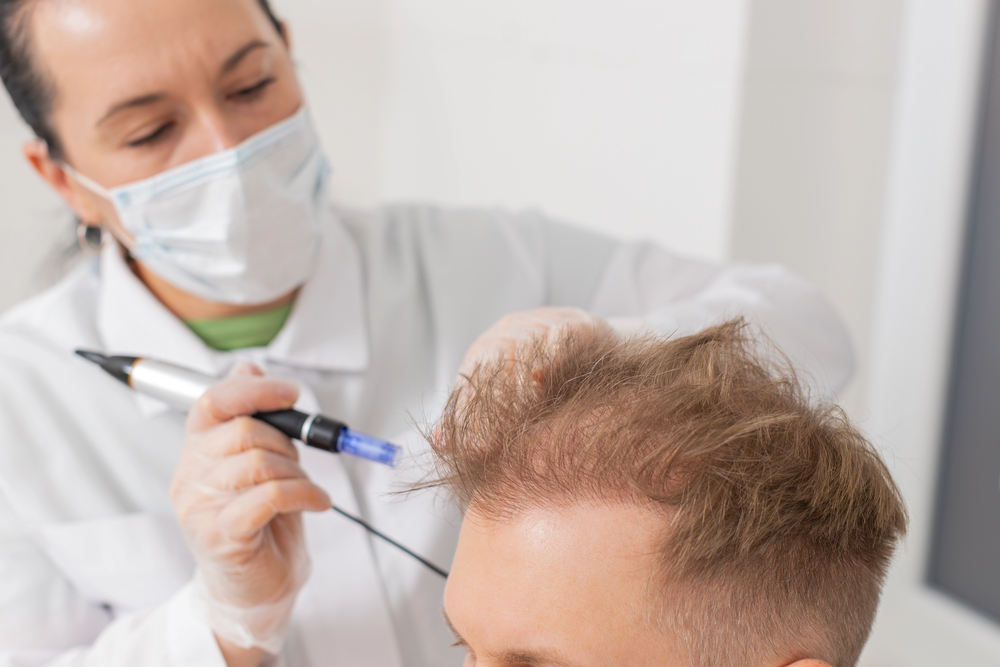
How it works: Microneedling involves creating controlled micro-injuries on the scalp using medical-grade devices. This activates natural wound healing and collagen production, strengthening the skin and follicle bed.
Benefits:
- Increases absorption of topical minoxidil and PRP.
- Improves scalp microcirculation and nutrient delivery.
- Reduces fibrosis (scar tissue) that restricts follicle growth.
Protocol:
- Sessions every 2–4 weeks depending on scalp condition.
- Minimal downtime; mild redness resolves in 24 hours.
Results:
- Increased hair thickness and density within 2–3 months.
- Especially effective for early to moderate androgenetic alopecia.
“Microneedling gives us a powerful way to rejuvenate the scalp,” says Dr. Ahmet Murat.
“At Hermest, we combine it with PRP or topical growth serums for long-lasting improvements in both structure and density.”
Exosome Therapy (Next-Generation Regenerative Care)
How it works: Exosomes are microscopic vesicles derived from stem cells that carry growth signals, proteins, and RNA. When applied to the scalp, they communicate directly with follicle cells to encourage regeneration and reduce inflammation.
Advantages:
- Accelerates recovery after hair transplant or PRP sessions.
- Enhances follicular survival rate and speeds up growth cycles.
- Supports treatment of stubborn or miniaturized areas where other therapies plateau.
Session details:
- Performed as injections or combined with microneedling.
- Typically 1–2 sessions annually for maintenance.
Results: Patients report faster regrowth, reduced shedding, and improved scalp texture within 4–6 weeks.
Dr. Ahmet Murat notes:
“Exosome therapy bridges science and aesthetics. It represents the future of non-surgical hair restoration—stimulating true cellular recovery without side effects.”
Combining Regenerative Therapies for Maximum Effect
| Combination | Best For | Outcome |
|---|---|---|
| PRP + Microneedling | Early to moderate loss | Stronger follicles, faster regrowth |
| PRP + Exosome | Resistant thinning | Rejuvenation and density boost |
| Exosome + Post-Transplant | Recovery phase | Improved healing, graft survival |
| Microneedling + Minoxidil | Maintenance phase | Increased absorption and strength |
“Our treatment goal is not only to regrow hair but to restore scalp vitality. Combining medical and regenerative therapies allows patients to see natural improvements without aggressive intervention.”
Supportive Scalp Care & Lifestyle Strategies
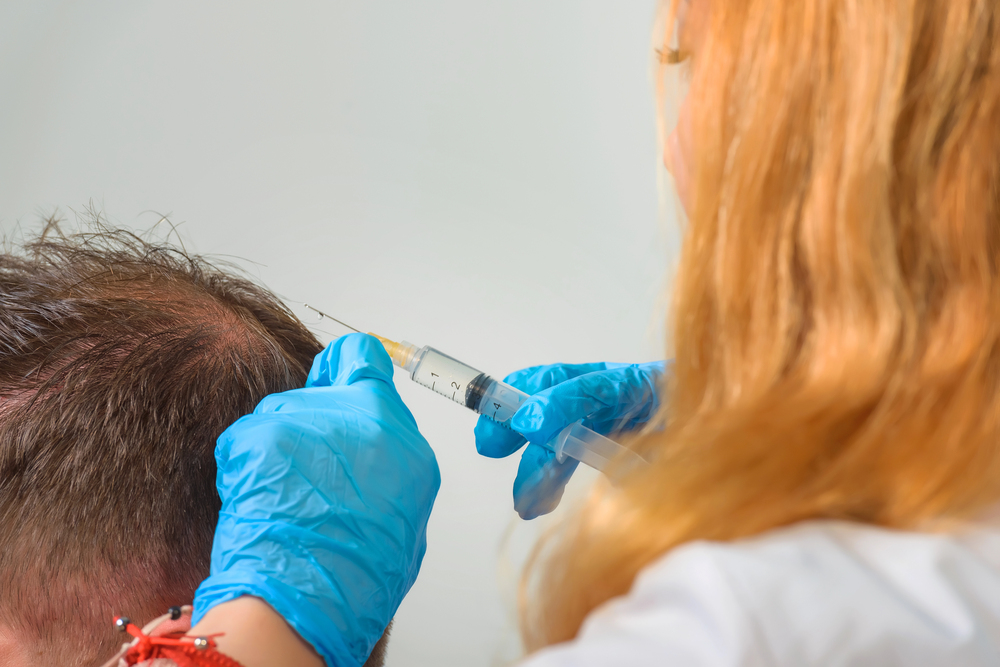
A successful hair loss treatment plan for men extends beyond medical and regenerative therapies. The scalp’s environment directly affects follicle performance — clogged pores, chronic inflammation, or poor circulation can limit even the most advanced treatments. Supporting follicle health through proper care and lifestyle adjustments helps sustain long-term regrowth.
Scalp Hygiene and Maintenance
A healthy scalp is the foundation for active follicles. Regular cleansing prevents oil buildup and fungal growth, which can worsen inflammation and weaken hair roots.
Best practices:
- Wash your scalp 2–4 times weekly with a gentle, pH-balanced shampoo.
- Use lukewarm water, avoiding very hot showers that strip protective oils.
- Incorporate scalp exfoliation once a week to remove sebum and dead skin.
- Massage the scalp for 3–5 minutes daily to enhance microcirculation.
Dr. Ahmet Murat of Hermest Hair Transplant Clinic says:
“When the scalp breathes freely, follicles thrive. Proper hygiene is just as important as medical therapy.”
Medicated & Functional Shampoos
Using the right shampoo helps maintain scalp balance and supports treatment goals:
| Shampoo Type | Key Ingredient | Purpose |
|---|---|---|
| Anti-DHT Shampoo | Ketoconazole | Reduces scalp DHT buildup, soothes inflammation |
| Antifungal / Sebum Control | Zinc pyrithione, selenium sulfide | Regulates oil, prevents dandruff |
| Hydrating Shampoo | Aloe vera, argan oil | Restores moisture, reduces dryness |
| Post-Treatment Shampoo | Panthenol, peptides | Supports healing and strength |
Alternate medicated and gentle shampoos to prevent over-drying and irritation.
Nutrition for Hair Strength
Diet directly influences follicle growth, as hair is made of keratin — a protein that depends on nutrient intake.
Essential nutrients for men’s hair health:
- Protein: Eggs, chicken, lentils, fish.
- Iron & Zinc: Red meat, pumpkin seeds, spinach.
- Vitamin D & Biotin: Salmon, eggs, fortified dairy.
- Omega-3 fatty acids: Walnuts, flaxseed, tuna.
Deficiencies can cause telogen effluvium (stress-induced shedding) or worsen pattern baldness. A balanced diet amplifies the effects of medical and PRP therapies.
Stress Management and Lifestyle Adjustments
Stress is a frequent but underestimated trigger of hair loss. It raises cortisol levels, pushing follicles into a resting phase.
Tips to minimize stress-related shedding:
- Maintain regular exercise (3–4 sessions weekly).
- Sleep 7–8 hours nightly to stabilize hormone production.
- Try relaxation techniques like deep breathing or meditation.
- Limit smoking and alcohol — both reduce scalp oxygenation.
Dr. Ahmet Murat emphasizes:
“Hair health reflects overall wellness. A balanced mind, diet, and lifestyle reinforce every medical treatment we provide.”
Environmental and Daily Protection
- Avoid tight caps or hairstyles that pull the hairline.
- Protect scalp from UV exposure with SPF or hats.
- Stay hydrated — dehydration weakens the scalp barrier.
- Use satin pillowcases to reduce friction and breakage.
Even small daily choices help preserve follicular strength and delay further thinning.
Surgical Solutions – Hair Transplant Options for Men

When medical and regenerative therapies can no longer achieve the desired coverage, hair transplantation becomes the most effective and lasting solution. Modern surgical techniques allow for natural-looking density with minimal downtime, making them a trusted option for men facing advanced baldness.
When to Consider Hair Transplant Surgery
A hair transplant is ideal when:
- The patient has stable donor areas (back or sides of the head).
- Follicles in the affected zone are irreversibly miniaturized or destroyed.
- Non-surgical methods like minoxidil or PRP no longer deliver visible results.
- The goal is permanent density restoration rather than temporary thickening.
Dr. Ahmet Murat from Hermest Hair Transplant Clinic explains:
“We recommend transplantation when there’s no longer biological potential for reversal. The focus shifts from stimulating follicles to replacing them with healthy grafts.”
Techniques Used at Hermest Hair Transplant Clinic
FUE (Follicular Unit Extraction)
- Individual follicles are extracted from the donor area and implanted into thinning regions.
- Provides natural hairline design, minimal scarring, and quick recovery.
- Suitable for Norwood Stages 3–7 hair loss.
Sapphire FUE
- Uses sapphire blades for precise channel opening.
- Reduces tissue trauma, accelerates healing, and improves graft survival.
- Ideal for men seeking high-density results with faster recovery.
DHI (Direct Hair Implantation)
- Uses a Choi implanter pen to directly place follicles without pre-cut incisions.
- Allows dense packing and natural angle control.
- Best for frontal restoration and smaller areas needing precision.
“At Hermest, we match the method to the patient’s scalp condition, donor strength, and density goal,” says Dr. Ahmet Murat.
“Technique selection is part of achieving both aesthetic and medical success.”
How the Process Works
- Pre-Operative Evaluation: Scalp imaging, graft count, and hairline design.
- Extraction Phase: Follicles harvested under local anesthesia.
- Implantation Phase: Channels created and grafts placed at natural angles.
- Recovery & Maintenance: PRP or exosome therapy used post-surgery to improve graft take and healing.
Total duration: 6–8 hours on average, depending on graft count.
Post-Transplant Care & Recovery
- Mild swelling and redness subside within 5–7 days.
- Shedding of transplanted hairs (shock loss) occurs after 2–3 weeks—normal and temporary.
- New growth starts at 3–4 months, with final density visible at 9–12 months.
- Regular follow-ups ensure graft survival and even growth patterns.
Dr. Ahmet Murat adds:
“We combine surgical precision with regenerative care. Post-transplant PRP or exosome therapy boosts follicle healing and accelerates visible regrowth.”
Longevity and Results
Hair transplanted from the donor area is genetically resistant to DHT, meaning it continues to grow permanently. To maintain surrounding native hair, patients often continue finasteride, minoxidil, or PRP maintenance.
Expected outcomes:
- 90–95% graft survival rate at Hermest Hair Transplant Clinic.
- Natural texture and direction due to advanced channeling techniques.
- Permanent, lifelong hair growth.
Comparing Treatment Options – Efficacy, Cost, and Suitability for Men
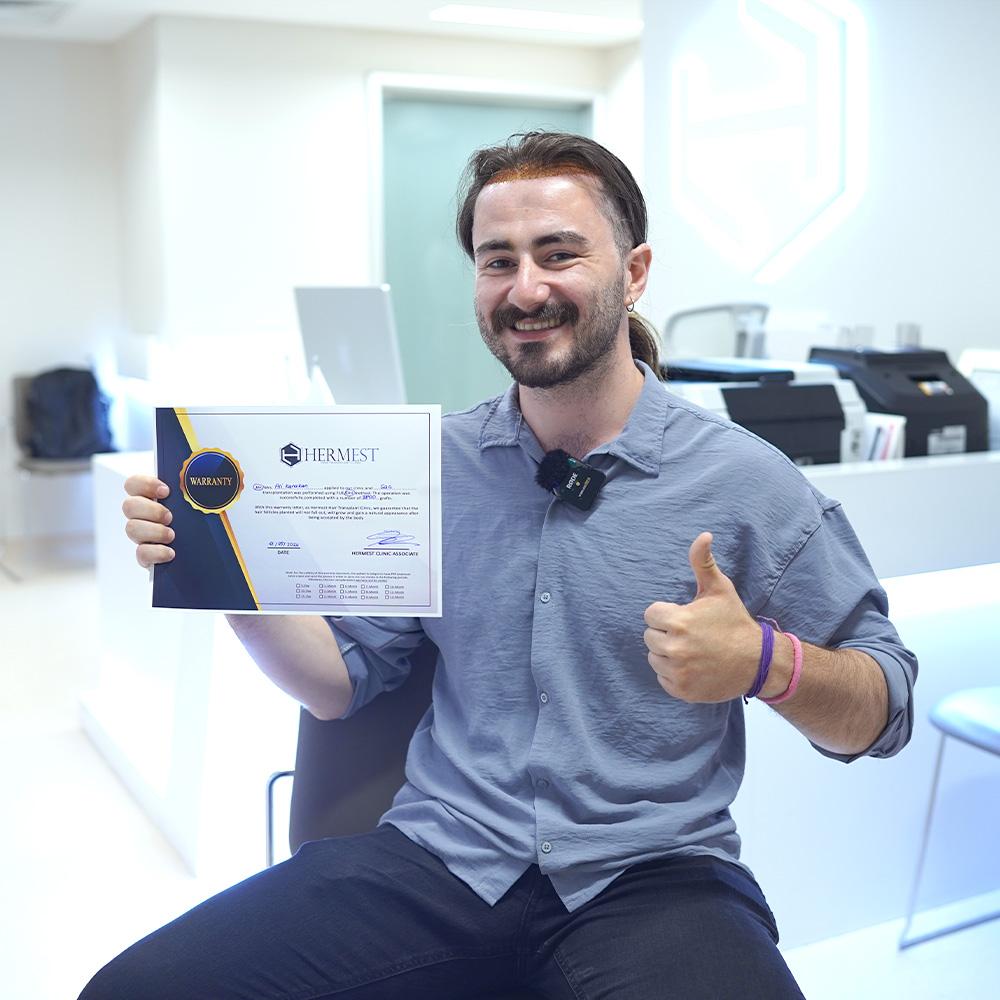
Men’s hair loss treatments vary widely in mechanism, cost, and long-term effect. Choosing the right combination depends on the stage of loss, scalp condition, and personal goals. Below is a data-driven comparison to help determine which path offers the best balance of science, safety, and sustainability.
Efficacy Comparison: What Actually Works
| Treatment | Mechanism | Best For | Clinical Success Rate | Maintenance Needed |
|---|---|---|---|---|
| Finasteride / Dutasteride | Blocks DHT, slows follicle miniaturization | Genetic male pattern baldness | 80–90% stabilization, 60–70% visible regrowth | Continuous use |
| Minoxidil (Topical or Oral) | Extends follicle growth phase | Early to moderate thinning | 60–70% | Continuous use |
| PRP Therapy | Delivers growth factors to revive dormant follicles | Mild to moderate loss | 70–80% | Every 6–12 months |
| Microneedling | Boosts collagen & absorption of growth agents | Diffuse thinning | 65–75% | Every 4–6 weeks |
| Exosome Therapy | Stimulates cellular regeneration | Resistant or advanced cases | 60–70% | 1–2 sessions yearly |
| Low-Level Laser Therapy (LLLT) | Activates mitochondrial activity for hair cells | Maintenance or mild thinning | 55–65% | 2–3 times weekly |
| FUE / DHI Hair Transplant | Relocates healthy follicles permanently | Advanced baldness | 90–95% graft survival | Minimal post-care |
Dr. Ahmet Murat from Hermest Hair Transplant Clinic explains:
“Effectiveness is not about choosing one miracle solution — it’s about combining complementary methods at the right time. Medical stabilization, regenerative therapy, and transplantation work best when sequenced strategically.”
Cost Comparison (Average 2025 Prices in Turkey)
| Treatment | Cost per Session (USD) | Average Total Cost | Notes |
|---|---|---|---|
| Minoxidil / Finasteride | $30–70 monthly | Ongoing | Affordable maintenance base |
| PRP Therapy | $350–600 | $1,000–1,500 (3–4 sessions) | Improves density & strength |
| Microneedling | $200–400 | $800–1,200 (4–6 sessions) | Often combined with PRP |
| Exosome Therapy | $700–1,000 | $1,400–2,000 (2 sessions) | Regenerative add-on |
| LLLT | $150–300 per session | $1,000+ (package) | Device-based therapy |
| Hair Transplant (FUE / DHI) | $2,500–$5,000 | One-time | Permanent solution for baldness |
Note: Prices vary by clinic quality, technology, and surgeon experience. Hermest Hair Transplant Clinic provides all-inclusive packages with transparent pricing and post-treatment care.
Suitability by Hair Loss Stage
| Norwood Stage | Recommended Treatment Plan | Goal |
|---|---|---|
| Stage 1–2 (Early Thinning) | Finasteride + Minoxidil + Microneedling | Halt shedding, regrow density |
| Stage 3–4 (Moderate Loss) | Finasteride + PRP + Microneedling + LLLT | Strengthen follicles, stimulate regrowth |
| Stage 5–6 (Advanced Loss) | PRP + Exosome + Hair Transplant | Replace lost follicles, improve survival |
| Stage 7 (Extensive Baldness) | Hair Transplant + Regenerative Support | Restore natural coverage permanently |
“At Hermest, we don’t offer one-size-fits-all solutions,” says Dr. Ahmet Murat.
“Each protocol is mapped according to the patient’s biology, not just the stage number.”
Maintenance & Long-Term Results for Men’s Hair Loss Treatments
Hair loss management doesn’t end when regrowth begins — long-term maintenance is what keeps results stable. Without consistent care, DHT levels, inflammation, or nutrient deficiencies can trigger shedding again. The most successful male patients view treatment as ongoing scalp health management, not a one-time fix.
Why Maintenance Matters
Once follicles are reactivated through minoxidil, PRP, or transplantation, they remain vulnerable to hormonal and environmental factors. Skipping therapy or stopping medications abruptly can undo progress within months.
Dr. Ahmet Murat from Hermest Hair Transplant Clinic emphasizes:
“Hair reversal is not permanent unless the cause of loss stays controlled. Our maintenance plans keep follicles healthy, nourished, and resistant to relapse.”
The Hermest Maintenance Protocol
1. Medical Continuation
- Finasteride or Dutasteride: Continue as prescribed to suppress DHT activity.
- Minoxidil (Topical or Oral): Maintain follicle stimulation daily or as advised.
2. Regenerative Boosts
- PRP Sessions: Once every 6–12 months to sustain growth factors.
- Microneedling / Exosome Therapy: Performed quarterly for scalp renewal and vascular support.
3. Nutritional Support
- Balanced intake of protein, iron, zinc, and vitamin D to reinforce keratin production.
- Supplements only if deficiencies are diagnosed.
4. Scalp Care Routine
- Alternate medicated and mild shampoos.
- Regular scalp massages to encourage circulation.
- Avoid products with harsh alcohols or parabens.
5. Follow-Up Imaging
Hermest conducts trichoscopic evaluations every 6–12 months to monitor density and follicular health. Treatment plans are then adjusted based on progress.
Common Maintenance Mistakes
| Mistake | Consequence | Prevention |
|---|---|---|
| Stopping medication after regrowth | Rapid shedding relapse | Taper gradually under medical advice |
| Ignoring nutrition | Weak regrown hair | Balanced diet + periodic blood tests |
| Inconsistent PRP sessions | Decline in thickness | Keep schedule steady (every 6–12 months) |
| Overusing harsh shampoos | Scalp irritation, flaking | Use sulfate-free products |
| Skipping follow-ups | Missed early relapse signs | Routine check-ins at clinic |
Realistic Expectations
Most men maintain improved density for years with proper care. However, even the best treatment cannot stop natural aging-related miniaturization. Maintenance ensures this process stays slow and manageable.
Dr. Ahmet Murat adds:
“We don’t chase temporary volume; we build lasting stability. Maintenance transforms short-term regrowth into a permanent part of the patient’s appearance.”
Risks, Misconceptions & Red Flags in Men’s Hair Loss Treatments
The internet is crowded with miracle cures, false promises, and unverified claims about “reversing baldness.” For men seeking real, lasting solutions, it’s vital to separate scientific treatments from marketing hype. Misunderstanding these can waste money, delay proper care, and sometimes worsen the condition.
Common Misconceptions About Hair Loss in Men
“Natural oils or supplements can regrow lost hair.”
False. While nutrients like zinc, vitamin D, and biotin help maintain healthy follicles, they do not reverse genetic baldness. They work best as supportive, not primary, solutions.
“Shampoos alone can stop hair loss.”
Incorrect. No shampoo can block DHT or restart dormant follicles. Medicated shampoos like ketoconazole only support scalp health, improving the effectiveness of medical therapy.
“Once treatment starts working, I can stop.”
Stopping minoxidil or finasteride often causes rapid shedding as follicles revert to their dormant phase. Maintenance is essential for long-term results.
“PRP or microneedling works after one session.”
False. Regenerative treatments require multiple sessions and consistent maintenance to achieve visible, stable regrowth.
Dr. Ahmet Murat from Hermest Hair Transplant Clinic explains:
“There’s no quick fix in hair medicine. Hair restoration is a biological process that demands time, precision, and patience.”
Real Risks of Improper or Unsupervised Treatments
| Treatment Type | Potential Risk | How Hermest Prevents It |
|---|---|---|
| Unregulated minoxidil or oral drugs | Allergic reactions, unstable blood pressure | Prescription-only, medical supervision |
| Online finasteride / dutasteride orders | Incorrect dosage, hormonal imbalance | Monitored dosing with hormone testing |
| Non-medical PRP or microneedling | Infection, scarring, poor results | Performed by certified specialists |
| Cheap transplants abroad | Low graft survival, unnatural results | Hermest surgeons with >15 years experience |
| DIY devices or overuse of LLLT | Scalp irritation, inefficacy | Professional treatment planning & intervals |
“We’ve treated many patients who came to us after failed or unsafe procedures elsewhere,” says Dr. Ahmet Murat.
“The damage is avoidable when treatments are guided by diagnostic evidence, not online trends.”
Red Flags When Choosing a Clinic or Product
- “Guaranteed regrowth” marketing claims – No treatment can guarantee results for everyone.
- Unlicensed practitioners performing PRP or transplants – Always verify doctor credentials.
- No diagnostic tests or scalp analysis offered – Without identifying the cause, treatment is guesswork.
- Low-cost packages without post-care – Results depend on follow-up and maintenance.
- Import or counterfeit medications – Common cause of irritation and hormonal disruption.
How Hermest Protects Patient Safety
- Treatments only performed by licensed doctors and certified nurses.
- Lab-based scalp imaging before and after each treatment phase.
- Individualized dosage plans for oral or topical medications.
- Use of FDA- and CE-approved devices and materials.
- Continuous follow-up to track biological response.
Dr. Ahmet Murat adds:
“We prioritize patient safety over short-term volume. Every protocol at Hermest is backed by published evidence and decades of clinical experience.”
FAQs
The most clinically proven combination is finasteride and minoxidil, often supported by PRP or microneedling. Finasteride blocks DHT to stop further loss, while minoxidil stimulates regrowth. Regenerative therapies enhance follicle recovery for longer-lasting results.
Conclusion
Hair loss in men is not an overnight process, and neither is its solution. What truly matters is understanding that effective treatment exists—but it must be customized, consistent, and medically guided. The most reliable results come from combining DHT blockers, growth stimulators, and regenerative therapies under expert supervision.
For men in the early stages, finasteride and minoxidil can prevent further loss and even stimulate regrowth. For those with visible thinning, PRP, microneedling, and exosome therapy can restore thickness and scalp health. And for advanced stages, FUE or DHI transplantation provides a permanent, natural-looking transformation.
Dr. Ahmet Murat of Hermest Hair Transplant Clinic explains:
“Every case of hair loss has a biological reason. Once we identify it, we apply the right combination of medical and regenerative care to restore both hair and confidence.”
At Hermest Hair Transplant Clinic, every patient begins with a comprehensive diagnostic evaluation, including trichoscopy imaging, hormone profiling, and scalp health analysis. Based on the results, the team builds a personalized plan that blends science, technology, and long-term support.
Why Choose Hermest Hair Transplant Clinic
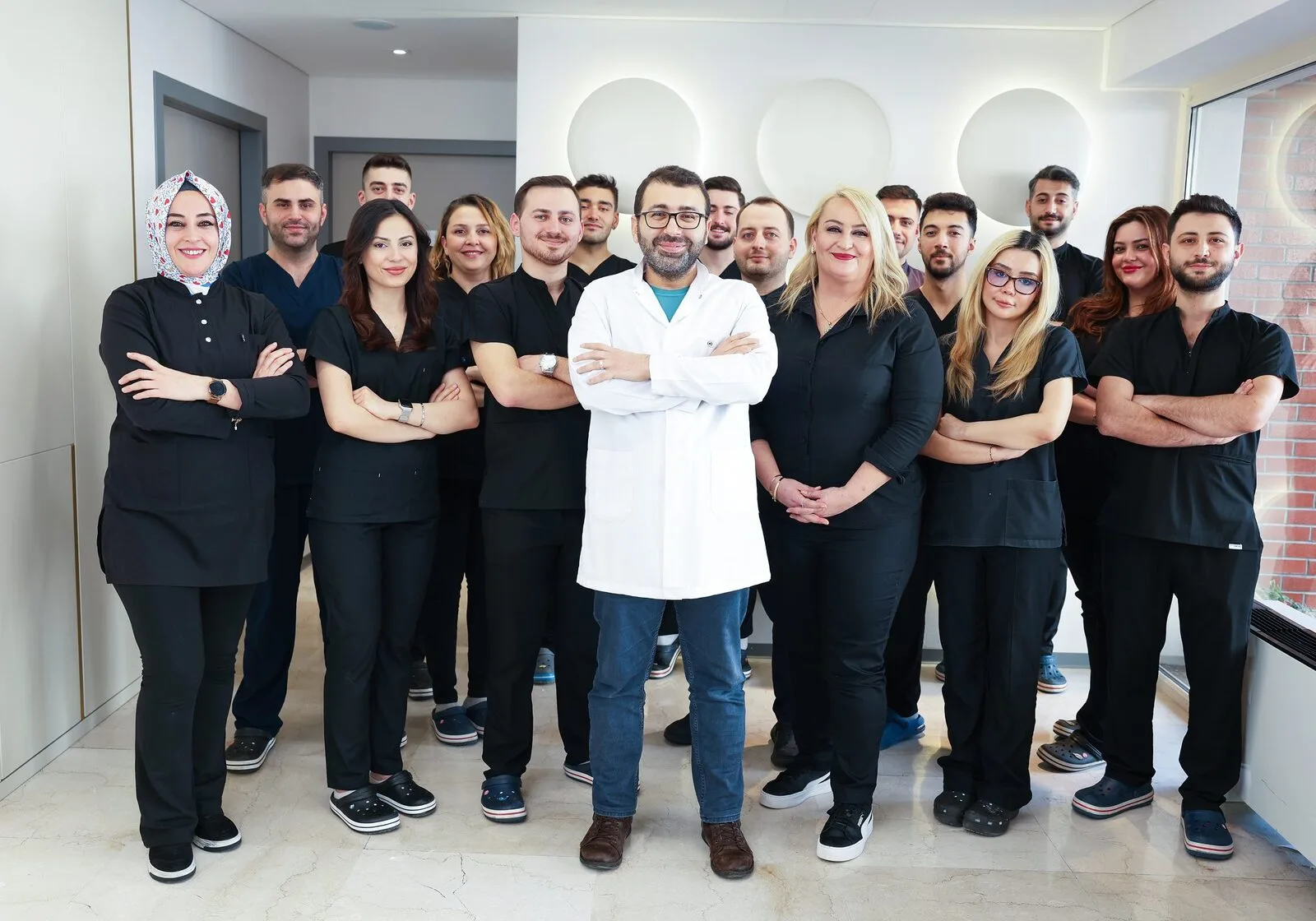
- 15+ years of international experience in male hair restoration.
- Expertise in medical, regenerative, and surgical treatments.
- FDA- and CE-approved technologies for safety and precision.
- Transparent pricing and clear recovery timelines.
- Ongoing follow-up care to ensure sustainable results.
If you’re experiencing hair thinning, a receding hairline, or patchy baldness, the sooner you act, the stronger your chances of recovery.
Book your free online consultation with Hermest Hair Transplant Clinic today to:
- Get a detailed scalp and follicle assessment.
- Receive a personalized treatment roadmap based on your biology.
- Learn which combination of therapies will deliver the best long-term results.
Healthy hair begins with expert care. Hermest’s specialists are ready to help you regain both your hair and your confidence—with science, precision, and lasting results.