
Probiotics for Hair Growth: Benefits, Research & What Works
 ChatGPT
 Claude
 Perplexity
 Grok
Grok
 Gemini

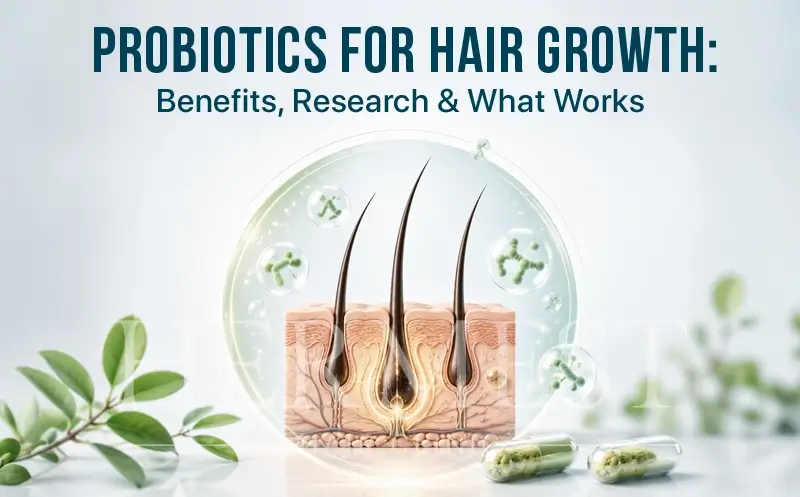
Interest in probiotics for hair growth has exploded in recent years. Social media influencers, wellness brands, and supplement companies often claim that improving gut health can transform thinning hair. Some even suggest that probiotics can regrow hair naturally. The truth is more nuanced.
Researchers have become increasingly interested in the relationship between the gut microbiome, the immune system, inflammation, and hair follicle function. This connection is often called the gut-hair axis. Early findings are promising, but they do not support many of the exaggerated claims circulating online.
For people experiencing androgenetic alopecia, diffuse thinning, or unexplained shedding, this creates confusion. Are probiotics actually helping hair growth? Can improving gut health reduce hair loss? Or is this simply another wellness trend with limited scientific backing?
Current evidence suggests that certain probiotic strains may support hair health indirectly through inflammation regulation, nutrient absorption, immune balance, and microbiome diversity. However, probiotics should not be viewed as a replacement for established treatments such as minoxidil, finasteride, PRP, or hair transplantation when those options are medically appropriate.
According to recent reviews published in PubMed, scientists have identified several pathways through which the microbiome may influence hair follicles, but much of the evidence remains preliminary and many studies have been performed in animals rather than large human populations.
“Patients often ask whether a supplement can replace medical treatment. In most cases, probiotics may support overall scalp and body health, but they should be viewed as one piece of a much larger picture,” says Dr. Ahmet Murat, founder of Hermest Hair Transplant Clinic.
At Hermest, we regularly see patients searching for natural ways to support healthier hair. Some have undergone transplantation. Others are exploring solutions for thinning before considering surgical options.
This guide examines what current science actually says about probiotics for hair loss, how the gut microbiome and hair growth may be connected, which probiotic strains show the most promise, and where probiotics realistically fit into a modern hair restoration strategy.
Quick Insights
- Probiotics for hair growth have become a popular topic due to growing interest in the gut-hair axis and microbiome research.
- Current evidence suggests probiotics may support hair health through inflammation regulation, immune balance, and nutrient metabolism.
- Research involving gut microbiome and hair growth remains promising but is still developing.
- No probiotic strain has been proven to reverse androgenetic alopecia, male pattern baldness, or advanced female pattern hair loss.
- Probiotics should be viewed as supportive tools rather than replacements for evidence-based treatments such as minoxidil, finasteride, PRP, or hair transplantation.
What Are Probiotics?
Before discussing hair growth, it helps to understand what probiotics actually are.
The word “probiotic” is often used broadly, but not all probiotics function the same way. Different strains can have different effects on digestion, immunity, inflammation, and overall health.
Probiotics are live microorganisms that may provide health benefits when consumed in adequate amounts. They are most commonly found in fermented foods and dietary supplements.
Your body already contains trillions of microorganisms.
Together, these bacteria, fungi, and other microbes form what scientists call the microbiome.
Understanding Beneficial Bacteria
Many people hear the term “bacteria” and immediately think of disease.
The reality is very different.
A healthy gut contains thousands of microbial species that help regulate digestion, nutrient metabolism, immune function, and communication between different body systems.
Certain probiotic strains may help support a healthier microbial balance.
Some of the most commonly studied groups include:
- Lactobacillus species
- Bifidobacterium species
- Lactiplantibacillus species
These strains are frequently discussed in research involving gut health and hair loss, skin conditions, inflammation, and immune regulation.
The Gut Microbiome Explained
The gut microbiome functions almost like a biological ecosystem.
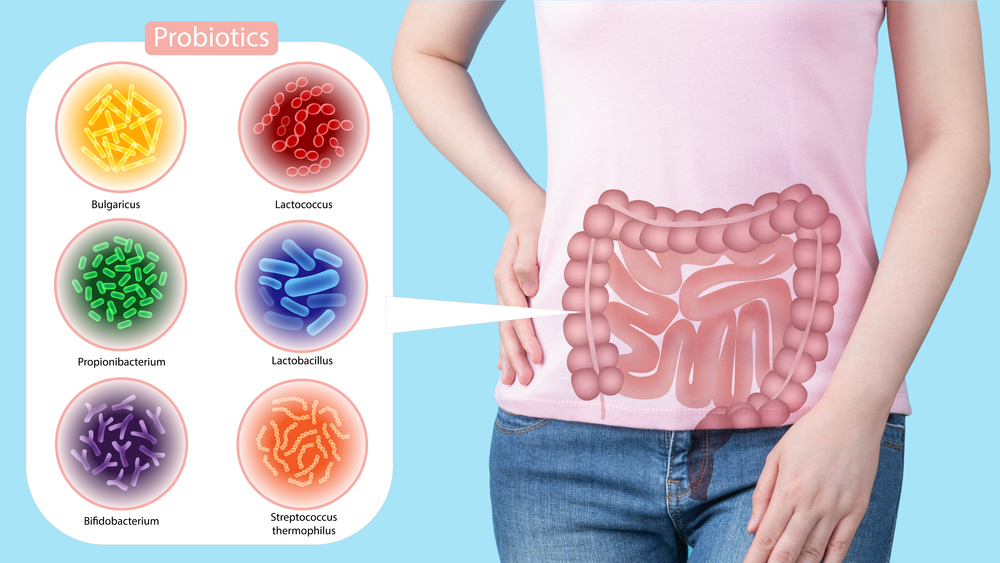
Microorganisms interact with food, hormones, immune cells, and even signaling molecules that affect distant tissues throughout the body.
Researchers have become particularly interested in how this ecosystem may influence hair follicles.
This relationship is often described as the gut microbiome and hair growth connection or the gut-hair axis.
Emerging evidence suggests that microbial balance may affect:
- Nutrient absorption
- Inflammatory responses
- Immune activity
- Oxidative stress
- Hormonal regulation
All of these factors can influence the environment surrounding hair follicles.
According to several recent microbiome reviews published in PubMed, disturbances in gut microbial diversity have been observed in certain hair disorders, although researchers are still working to determine whether these changes are a cause, consequence, or associated finding.
“One of the most interesting developments in hair restoration research is the growing understanding that scalp health and hair growth may be influenced by factors far beyond the follicle itself,” says Dr. Ahmet Murat.
How Probiotics Differ from Prebiotics
These terms are often confused. Probiotics are live beneficial microorganisms. Prebiotics are dietary fibers and compounds that feed those microorganisms.
Think of probiotics as seeds. Prebiotics help those seeds grow.
Foods rich in prebiotics include garlic, onions, asparagus, oats, bananas, and legumes. A healthy microbiome often benefits from both components working together.
Can Probiotics Help Hair Growth?
This is the question driving most of the interest around microbiome research.
Can probiotics help hair growth?
The short answer is: possibly, but not in the way many marketing campaigns suggest.

Current research does not support the idea that taking a probiotic supplement will suddenly reverse years of male pattern baldness or completely regrow a severely receded hairline. At the same time, scientists are uncovering several biological pathways that may explain why the microbiome could influence hair health.
The evidence is encouraging.
It is not definitive.
What Current Research Shows
Recent scientific reviews have examined how microbial balance may affect hair follicles through immune regulation, inflammation control, oxidative stress reduction, and nutrient metabolism.
Several animal studies have produced intriguing findings.
Researchers observed improvements in hair growth markers, follicle activity, and skin health after administering specific probiotic strains.
Human research remains more limited, though interest is growing. Some early studies have reported positive effects on hair density and scalp health, but larger clinical trials are still needed before strong conclusions can be made.
According to a recent PubMed review, probiotics appear to have potential as a supportive strategy for hair health, but current evidence does not justify presenting them as a proven treatment for hair loss.
The Gut-Hair Axis
One reason researchers are excited about gut health and hair loss is the concept known as the gut-hair axis.
The theory is relatively straightforward.
Changes within the gut microbiome may influence processes that affect hair follicles throughout the body.
These include:
- Immune system activity
- Inflammatory signaling
- Hormonal regulation
- Nutrient absorption
- Oxidative stress levels
Hair follicles are highly active structures. They depend on a healthy biological environment to function optimally.
When that environment becomes disrupted, hair growth may suffer.
The Scalp Microbiome Connection
Most people focus only on the gut. That leaves out an important part of the story. The scalp has its own microbiome.
Scientists are increasingly studying the relationship between the scalp microbiome, inflammation, dandruff, follicle health, and various forms of hair loss.
Researchers have observed microbiome differences in individuals affected by certain hair disorders, including androgenetic alopecia and alopecia areata.
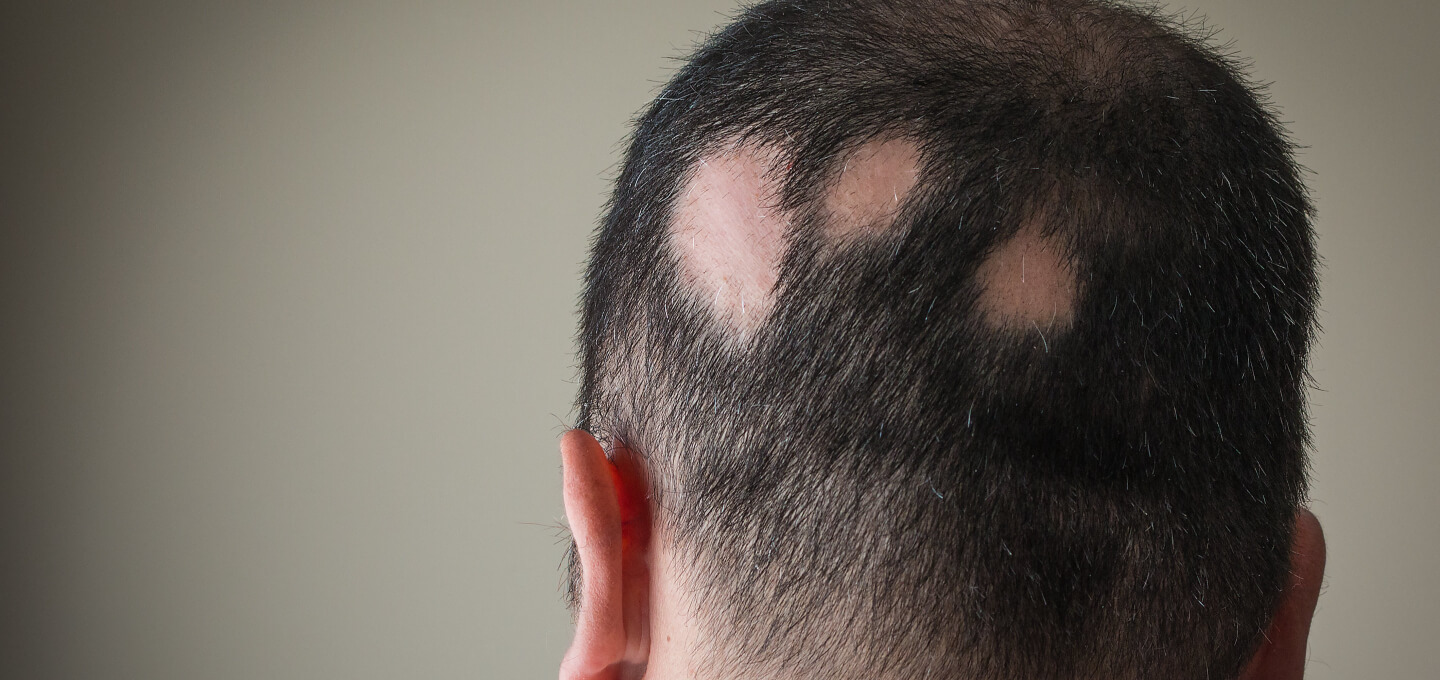
This does not prove causation.
It does suggest that microbial balance may play a larger role than previously understood.
“The future of hair restoration will likely involve a broader understanding of the entire biological environment surrounding the follicle. The microbiome is one area receiving significant scientific attention,” says Dr. Ahmet Murat.
What Probiotics Cannot Do
This is where many competing articles become misleading.
Current evidence does not show that probiotics can:
- Replace minoxidil
- Replace finasteride
- Reverse advanced follicle miniaturization
- Eliminate genetic hair loss
For patients with established androgenetic alopecia, probiotics may support overall scalp and body health, but they should not be viewed as a standalone solution.
How Gut Health May Affect Hair Loss
Scientists once viewed hair follicles as relatively isolated structures.
That perspective has changed considerably.
Researchers now understand that hair follicles are influenced by multiple systems throughout the body, including the immune system, metabolism, hormones, and the microbiome. This growing area of research helps explain why gut health and hair loss are increasingly being studied together.
The relationship is complex.
It is not a direct cause-and-effect pathway in most cases. Instead, the microbiome appears to influence several biological processes that may affect hair growth over time.
Inflammation and Hair Follicles
Hair follicles function best in a balanced environment.
Chronic inflammation can disrupt normal follicle activity and may contribute to various hair disorders.
Researchers believe that an unhealthy microbiome may promote inflammatory signaling throughout the body. Certain beneficial bacteria help produce compounds that support immune regulation and help maintain intestinal barrier function.
When microbial diversity declines, inflammatory responses may become more pronounced.
This is particularly relevant for conditions involving immune dysfunction and inflammatory hair loss.
Recent reviews published in PubMed suggest that microbiome-related inflammation may play a role in several dermatological and hair conditions, although researchers continue to investigate the exact mechanisms involved.
Nutrient Absorption
One of the most practical links between the gut and hair involves nutrition.
Hair follicles require a steady supply of nutrients to remain healthy.
These include:
- Iron
- Zinc
- Protein
- Vitamin D
- B vitamins
- Essential amino acids
A disrupted microbiome may affect how efficiently the body processes and absorbs certain nutrients.
This does not mean probiotics cure deficiencies.
It does mean that gut health may influence the nutritional environment that supports normal hair growth.
Immune Regulation
One of the most fascinating discoveries in microbiome science involves immune communication.
A large portion of the immune system interacts with microorganisms living in the digestive tract.
This matters because several forms of hair loss involve immune-related pathways.
For example, researchers studying probiotics for alopecia areata have explored whether microbiome modulation may influence autoimmune activity. While findings remain preliminary, the connection continues to attract scientific interest.
“Hair follicles do not exist in isolation. When we evaluate patients, we increasingly recognize that overall health, inflammation, and immune balance can influence hair quality and growth,” says Dr. Ahmet Murat.
Hormonal Balance and DHT
Many readers searching can gut health cause hair loss are actually concerned about hormones.
The microbiome appears to interact with hormone metabolism in several ways.
Scientists have proposed that gut bacteria may influence:
- Estrogen metabolism
- Androgen activity
- Insulin regulation
- Stress hormone responses
This is one reason the gut-hair axis has attracted attention among researchers studying female hair loss, PCOS, and androgenetic alopecia.
However, an important reality check is necessary.
There is currently no strong evidence showing that probiotics can significantly reduce DHT levels or reverse advanced male pattern baldness on their own.
Which Probiotic Strains Show the Most Promise?
Not all probiotics are the same.
This is one of the biggest weaknesses in many discussing hair growth probiotics. They often refer to probiotics as if every strain produces identical effects.
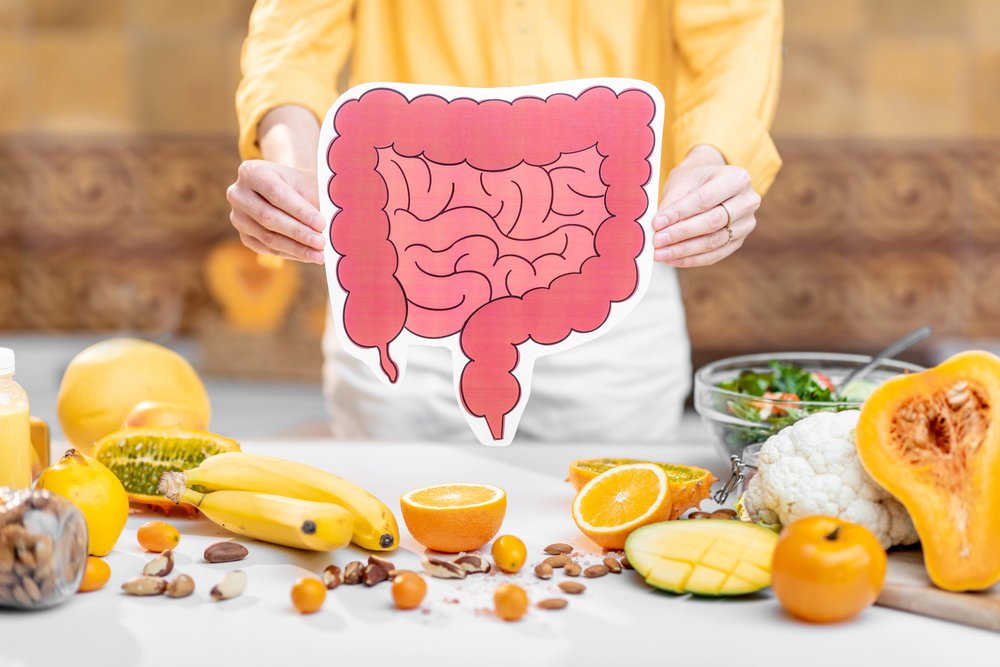
That is not how microbiome science works.
Different bacterial strains perform different functions. Some primarily influence digestion. Others affect immune activity. A few have attracted attention in hair and skin research.
The evidence is still developing, but several strains appear more promising than others.
Lactobacillus reuteri
Among all probiotic strains studied for hair-related benefits, Lactobacillus reuteri receives some of the most attention.
Interest began after animal studies reported improvements in skin thickness, follicle activity, and hair appearance following supplementation.
Researchers proposed several explanations:
- Reduced systemic inflammation
- Enhanced immune regulation
- Increased production of beneficial metabolites
- Improved skin and follicle environment
These findings generated excitement around the possibility that the microbiome could influence hair growth indirectly.
However, it is important to keep expectations realistic.
Most of the strongest findings involving Lactobacillus reuteri come from animal studies rather than large human trials.
Lactiplantibacillus Strains
Several newer studies have investigated strains within the Lactiplantibacillus family.
Researchers have examined whether these probiotics may influence:
- Follicle cycling
- Inflammatory pathways
- Growth factor activity
- Scalp health
Some experimental data suggest potential benefits for hair follicle function and hair shaft quality.
This area remains highly active within microbiome research.
Scientists continue exploring whether these strains could become useful supportive tools alongside established treatments for androgenetic alopecia and other hair disorders.
Bifidobacterium Species
Bifidobacterium hair growth research is another emerging area.
Bifidobacteria are widely known for their role in digestive health, but researchers are now examining how they may contribute to broader immune and metabolic regulation.
Potential benefits being investigated include:
- Improved microbiome diversity
- Reduced inflammatory signaling
- Better nutrient utilization
- Enhanced immune balance
These mechanisms may help create a healthier biological environment for hair follicles.
That does not necessarily mean direct regrowth.
The distinction matters.
What Human Studies Have Found
This is where we need to separate promising science from marketing claims.
Human studies examining probiotics and hair regrowth remain limited compared with research on digestive health.
Some clinical investigations have reported improvements in:
- Hair density
- Hair thickness
- Scalp condition
- Patient satisfaction
Yet researchers consistently note that larger, longer-term studies are still needed.
According to recent reviews published in Nutrients and PubMed, current evidence supports continued investigation into probiotic interventions for hair health, but the data remain insufficient to recommend specific strains as standalone treatments for hair loss.
“Patients should be cautious about supplement labels promising dramatic hair regrowth. The microbiome is an exciting area of research, but today’s evidence supports a complementary role rather than a miracle solution,” says Dr. Ahmet Murat.
The Reality Most Competitors Miss
Many people ask, what is the best probiotic for hair growth?
Current science does not provide a definitive answer.
No probiotic strain has demonstrated results comparable to proven therapies such as minoxidil for androgenetic alopecia.
What probiotics may offer is support.
Support for immune health.
Support for microbiome balance.
Support for scalp and follicle health.
That is a very different claim from guaranteed regrowth.
Can Probiotics Help Different Types of Hair Loss?
One of the most common misconceptions online is that all hair loss behaves the same way.
It does not.
This is why the answer to do probiotics help hair loss depends heavily on the specific condition involved. A strategy that may support one type of hair loss may have little effect on another.
Androgenetic Alopecia
When people search for probiotics for androgenetic alopecia, they are usually looking for alternatives to traditional treatments.
Androgenetic alopecia develops primarily through genetic sensitivity to DHT.
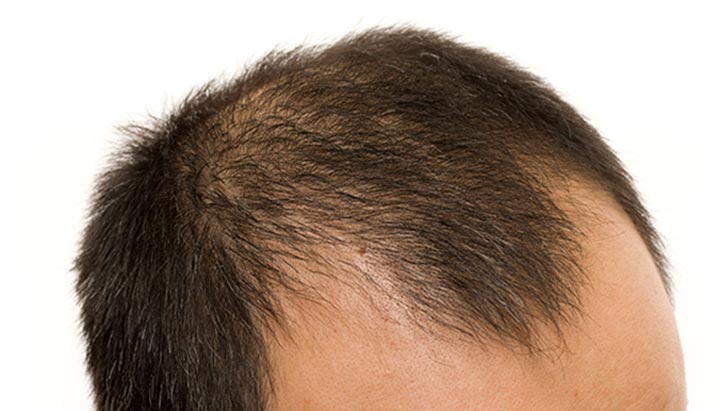
Over time, affected follicles become progressively smaller and produce thinner hairs.
Current evidence suggests probiotics may support overall scalp and body health through inflammation regulation and microbiome balance.
What probiotics have not been shown to do is reverse the fundamental DHT-driven process responsible for hereditary pattern hair loss.
This is why probiotics should be viewed as a supportive strategy rather than a replacement for established treatments.
“Genetic hair loss remains a follicle-driven condition. Improving general health may be beneficial, but patients should understand that microbiome support does not eliminate genetic sensitivity to DHT,” says Dr. Ahmet Murat.
Alopecia Areata
Research becomes more interesting when discussing probiotics for alopecia areata.
Alopecia areata is an autoimmune condition in which the immune system mistakenly attacks hair follicles.
Scientists have identified potential links between immune regulation and the gut microbiome. Several studies suggest that microbial diversity may influence immune responses throughout the body.
This has led researchers to investigate whether microbiome interventions could eventually play a supportive role in managing autoimmune hair disorders.
The evidence remains early-stage.
No major clinical guidelines currently recommend probiotics as a primary treatment for alopecia areata.
Telogen Effluvium
Among all hair loss conditions, telogen effluvium may have one of the most plausible microbiome connections.
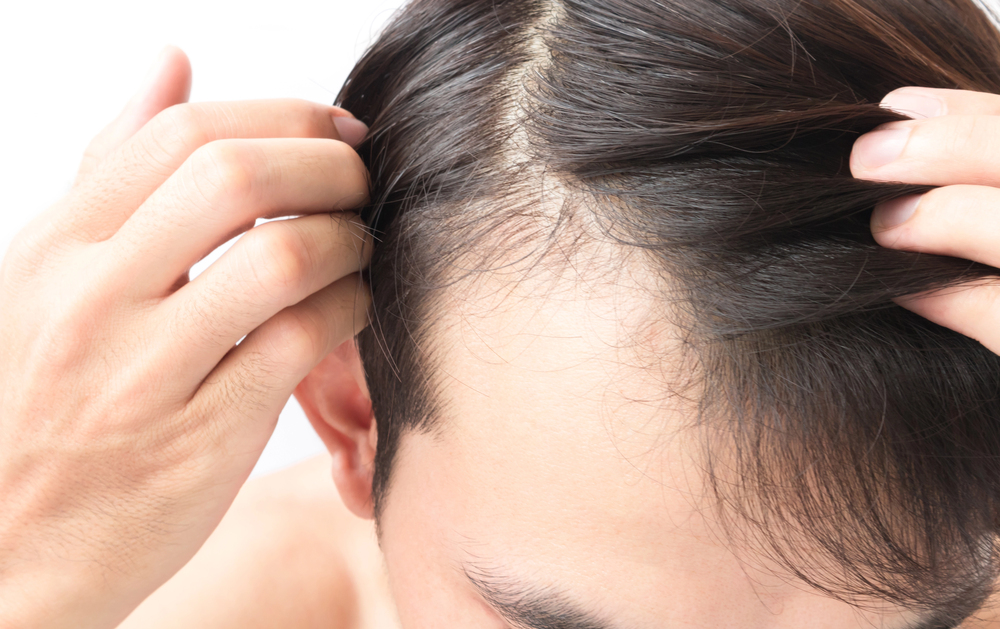
This condition is often triggered by:
- Illness
- Surgery
- Significant stress
- Nutritional deficiencies
- Rapid weight loss
Since gut health can influence nutrient absorption and inflammatory responses, researchers believe microbiome balance may indirectly affect recovery.
However, probiotics do not eliminate the original trigger.
The underlying cause still needs to be identified and addressed.
Female Pattern Hair Loss
Women searching for probiotics for female hair loss often encounter claims about hormone balancing.
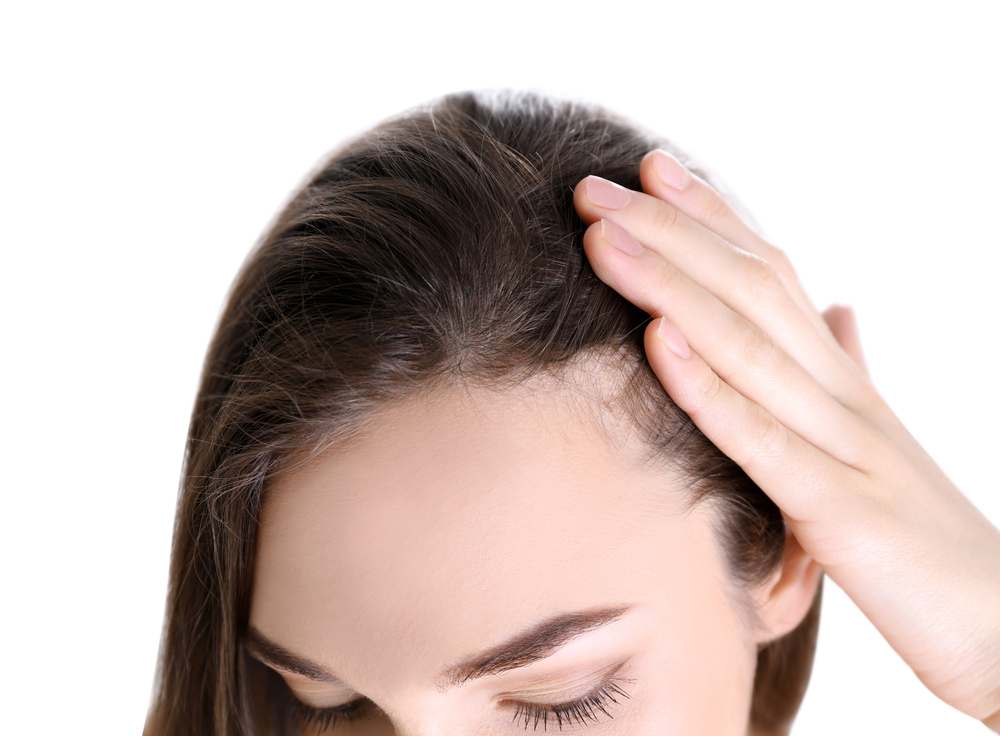
The reality is more nuanced.
The microbiome appears to interact with estrogen metabolism, immune activity, and inflammation. These factors may influence hair health, particularly during hormonal transitions.
Potentially relevant situations include:
- Menopause
- Perimenopause
- PCOS
- Postpartum recovery
At the same time, there is currently no evidence that probiotics alone can reverse established female pattern hair loss.
Male Pattern Baldness
Interest in probiotics for male pattern baldness continues to grow.
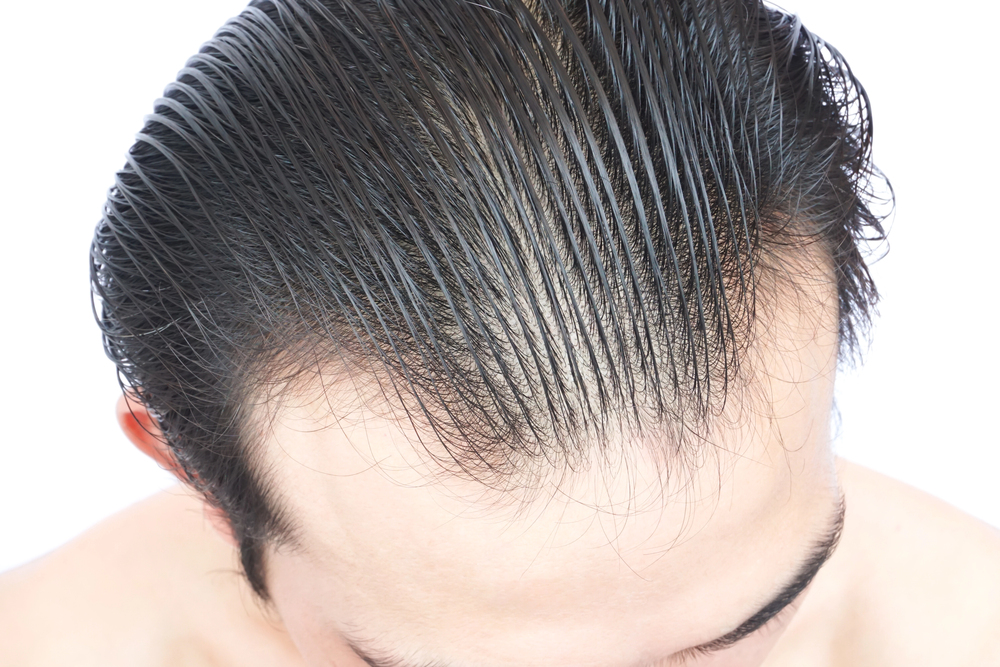
Many men hope that gut health improvements might replace medications or surgery.
Current research does not support that expectation.
Probiotics may contribute to overall wellness and scalp health, but hereditary hair loss remains primarily driven by genetic and hormonal factors.
“Patients often ask whether a natural supplement can replace proven treatments. The honest answer is that probiotics may support hair health, but they should not be viewed as a substitute for evidence-based therapies,” explains Dr. Ahmet Murat.
Probiotics vs Minoxidil, Finasteride and PRP
Many people researching probiotics for hair growth eventually arrive at the same question:
How do probiotics compare to treatments that have been used for years?
This is where realistic expectations become important.
The internet often places probiotics, medications, and medical procedures into the same category. In reality, they serve very different purposes.
Probiotics may support overall health and create a more favorable environment for hair follicles. Established hair loss treatments directly target the mechanisms responsible for thinning.
That distinction matters.
What Probiotics Can Do
Current research suggests that probiotics may help support hair health through indirect pathways.
Potential benefits include:
- Supporting microbiome diversity
- Helping regulate inflammation
- Supporting immune balance
- Assisting nutrient absorption
- Contributing to scalp health
For individuals experiencing poor gut health, digestive issues, or chronic inflammatory stress, microbiome improvements may positively influence overall wellbeing.
This may create conditions that support healthier hair growth.
Notice the wording.
Support.
Not cure.
What Minoxidil Does
Minoxidil works directly on hair follicles.
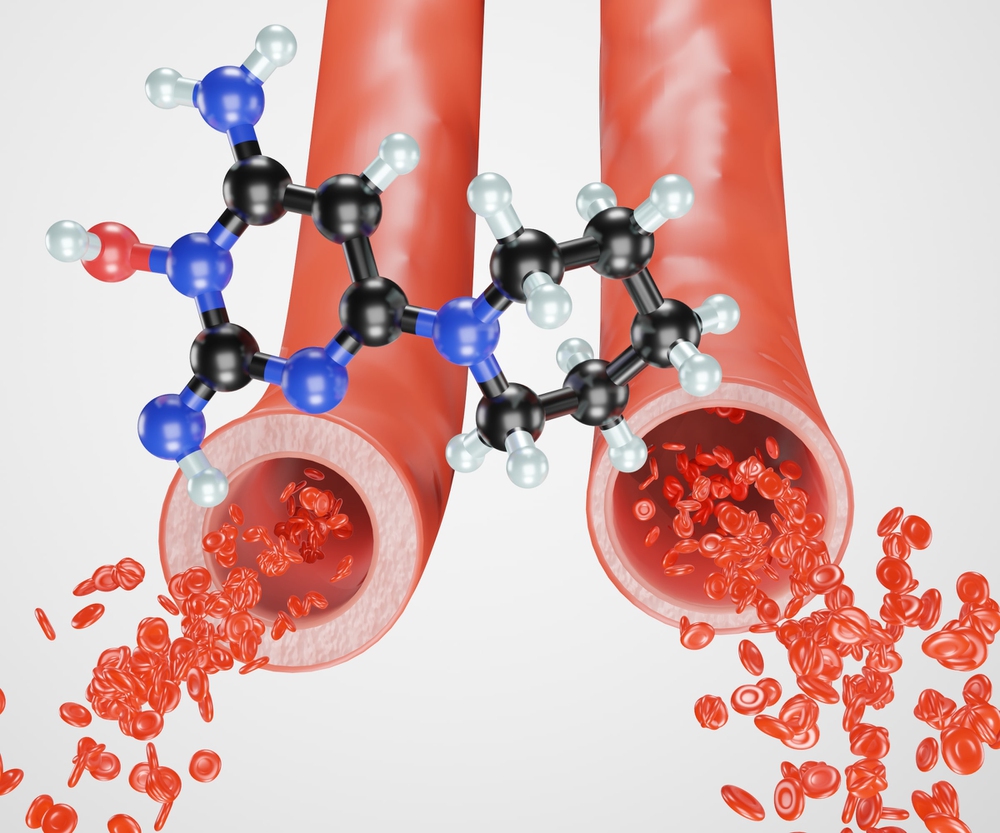
It helps prolong the growth phase of the hair cycle and may improve follicular activity in suitable candidates.
Unlike probiotics, minoxidil has decades of clinical data supporting its use in androgenetic alopecia.
Patients often see:
- Reduced shedding
- Increased density
- Improved follicle performance
Results vary, but the evidence base is significantly stronger than current probiotic research.
What Finasteride Does
Finasteride addresses one of the primary drivers of male pattern baldness.
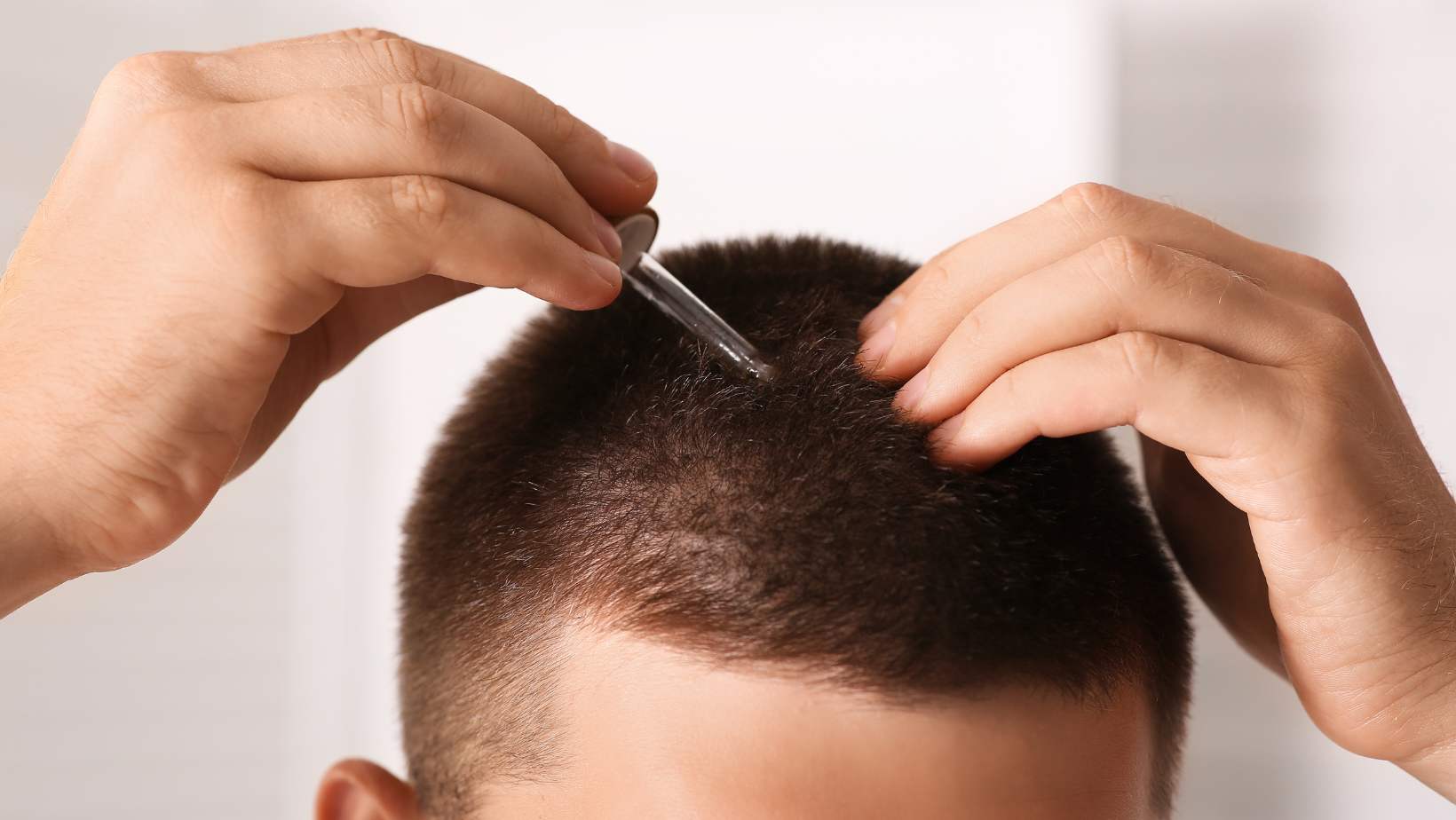
It reduces the conversion of testosterone into DHT, the hormone most closely associated with follicle miniaturization in genetically susceptible individuals.
This represents a major difference.
While probiotics may indirectly influence aspects of health, finasteride targets a key biological mechanism involved in hereditary hair loss.
No probiotic strain has demonstrated comparable DHT-related effects in clinical practice.
“Patients should understand that microbiome support and medical treatment are not competing strategies. They often serve different purposes within a comprehensive hair preservation plan,” says Dr. Ahmet Murat.
What PRP Does
PRP, or platelet-rich plasma, takes a different approach.
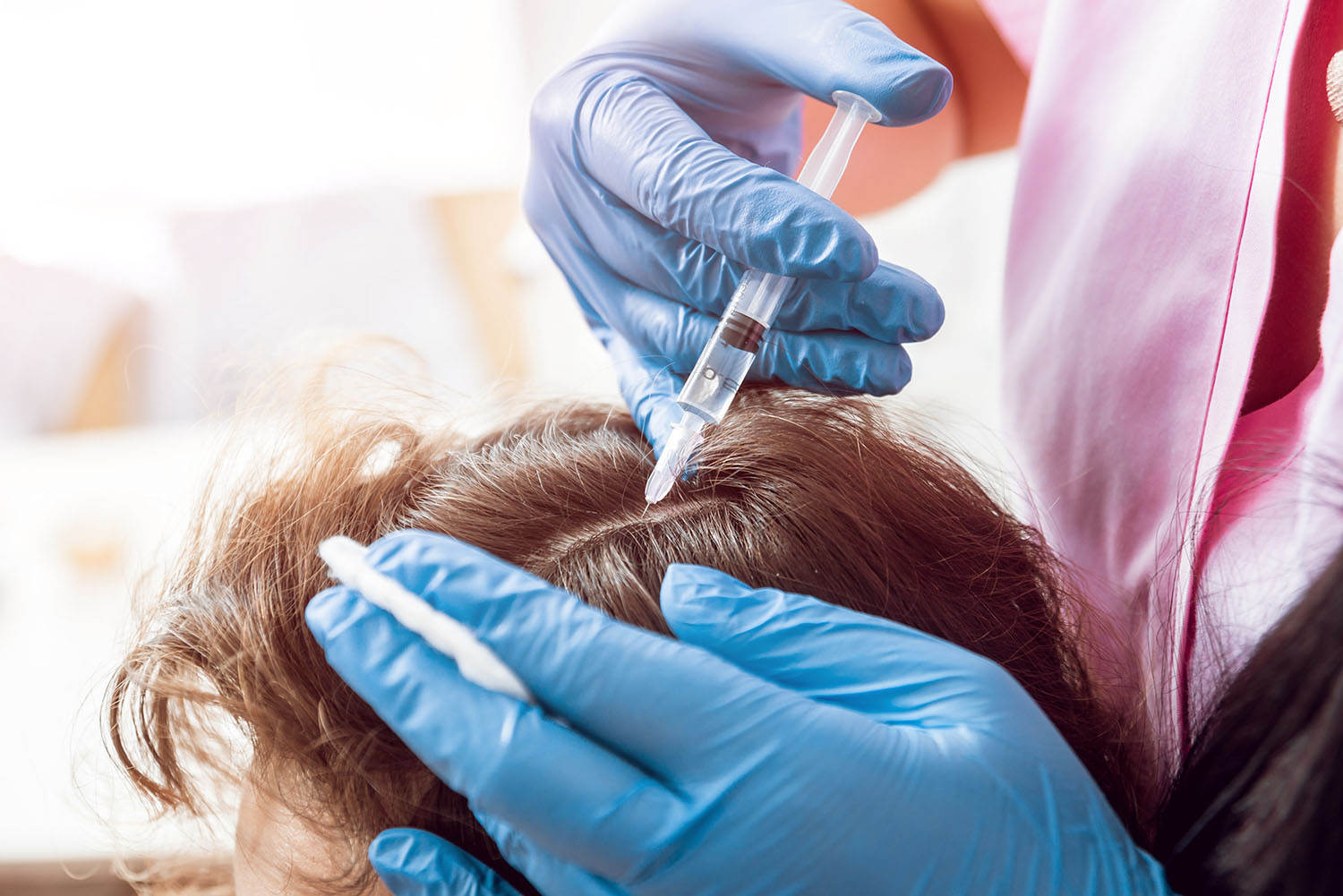
The procedure uses concentrated growth factors derived from the patient’s own blood and delivers them directly to the scalp.
Many clinics use PRP as a supportive therapy for:
- Early-stage thinning
- Hair preservation
- Post-transplant support
Unlike probiotics, PRP acts directly within the scalp environment.
Where Probiotics Fit Into a Treatment Plan
The question should not be:
“Probiotics or treatment?”
The better question is:
“Where do probiotics belong?”
For many patients, microbiome support may fit alongside:
- Healthy nutrition
- Medical treatment
- Scalp care
- Lifestyle improvements
- Hair restoration procedures
At Hermest, long-term hair health is viewed through a broader lens. Follicles respond to genetics, hormones, scalp conditions, nutrition, inflammation, and overall health.
What Probiotics Cannot Do
Current evidence does not support probiotics as a replacement for:
- Minoxidil
- Finasteride
- Hair transplantation
- Medical diagnosis
- Treatment of underlying disorders
“The most successful hair restoration strategies combine accurate diagnosis with evidence-based treatment. Supplements may have a role, but they should never replace proper medical evaluation,” explains Dr. Ahmet Murat.
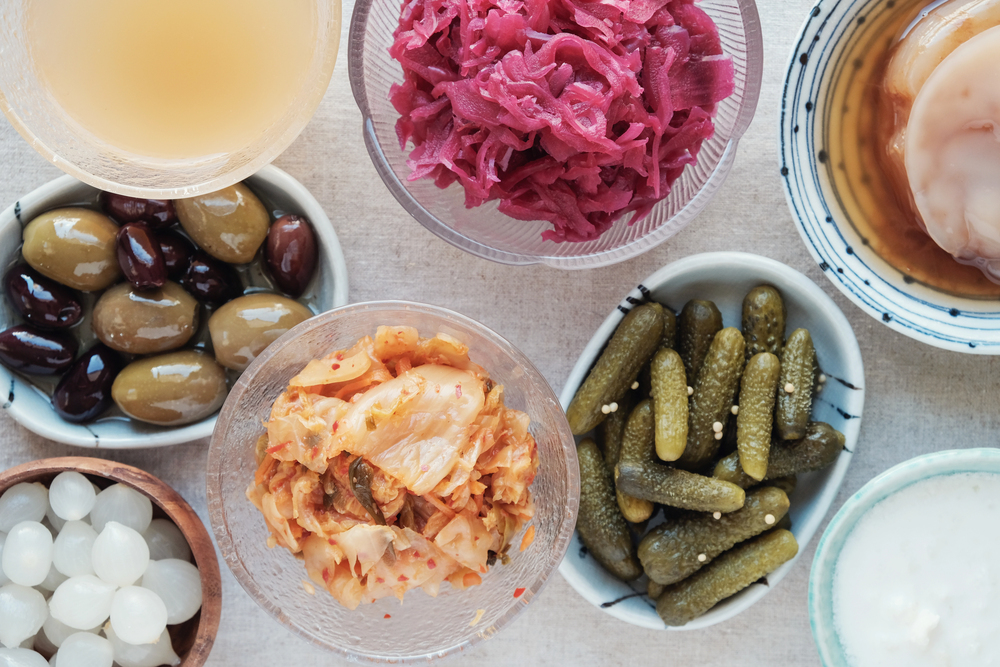
Best Food Sources of Probiotics
Many people assume they need an expensive supplement to improve their microbiome.
That is not necessarily true.

Some of the richest sources of beneficial bacteria are foods that have been consumed for centuries. In many cases, a diverse diet provides more than just probiotics. It supplies fiber, vitamins, minerals, antioxidants, and compounds that help nourish beneficial microorganisms already living in the gut.
For people interested in gut health and hair loss, food is often a sensible starting point.
Yogurt
Yogurt remains one of the most accessible probiotic foods worldwide.
Products containing live and active cultures may provide beneficial strains such as Lactobacillus and Bifidobacterium.
Yogurt offers another advantage.
It contains protein, which is essential for healthy hair production.
Hair follicles are among the body’s most metabolically active structures. Adequate protein intake supports normal follicle function and hair shaft formation.
Kefir
Kefir is often described as a fermented milk drink, but its microbial diversity typically exceeds that of traditional yogurt.
Many researchers consider kefir one of the richest natural probiotic foods available.
Kefir contains a mixture of bacteria and yeasts that may help support microbial balance and digestive health.
For individuals exploring hair growth probiotics, kefir frequently appears in discussions of microbiome-friendly diets.
Kimchi and Sauerkraut
Fermented vegetables provide probiotics alongside valuable plant compounds.
Kimchi and sauerkraut are among the most studied examples.
These foods may contribute beneficial bacteria while supplying antioxidants and fiber that support overall gut health.
An added benefit is dietary diversity, which many microbiome researchers view as an important factor in maintaining a healthy microbial ecosystem.
Miso and Tempeh
Traditional fermented soy foods have long been part of several Asian dietary patterns.
Miso and tempeh contain beneficial microorganisms and provide nutrients that support general health.
Although these foods should not be viewed as treatments for probiotics for hair loss, they can contribute to a microbiome-supportive eating pattern.
Food First, Supplements Second
One of the most practical lessons from microbiome research is that supplements are only part of the equation.
Beneficial bacteria thrive when supported by healthy dietary habits.
A microbiome-friendly approach often includes:
- Fermented foods
- Fruits and vegetables
- Whole grains
- Legumes
- Adequate protein intake
“Patients often focus on a single supplement while overlooking broader lifestyle factors. Long-term hair health is usually influenced by many interconnected factors working together,” says Dr. Ahmet Murat.
Can Food Alone Regrow Hair?
This is another area where expectations should remain realistic.
No food has been proven to reverse advanced male pattern baldness, female pattern hair loss, or severe follicle miniaturization.
A healthy diet may support the biological environment surrounding hair follicles. It should not be viewed as a substitute for diagnosis or treatment when progressive hair loss is present.
Should You Take a Probiotic Supplement?
After learning about the relationship between the microbiome and hair health, many readers arrive at the same practical question:
Should you actually take a probiotic supplement?
The answer depends on your goals, overall health, and expectations.
For some individuals, probiotic supplements may offer benefits. For others, the effects may be minimal. The biggest mistake is expecting a capsule to solve a complex hair loss problem on its own.
Current research suggests that probiotics may support digestive health, immune balance, and inflammation regulation. Those benefits could indirectly contribute to a healthier environment for hair follicles.
That does not automatically mean visible regrowth.
Who May Benefit From Probiotic Supplements?
Certain individuals may be more likely to benefit from microbiome support.
Potential candidates include people who:
- Have digestive issues
- Have recently used antibiotics
- Consume very little fermented food
- Experience chronic gastrointestinal discomfort
- Want to support overall gut health
Research into gut microbiome and hair growth continues to evolve, and scientists are still determining which individuals respond best to probiotic interventions.
Probiotics may help restore microbial balance in certain situations, though benefits can vary depending on the strain and the individual.
Potential Side Effects
Many people assume probiotics are completely risk-free.
Most healthy individuals tolerate them well.
However, mild side effects can occur, especially during the first few days of use.
These may include:
- Bloating
- Gas
- Temporary digestive discomfort
- Changes in bowel habits
Symptoms often improve as the body adjusts.
Patients with serious immune disorders, certain chronic illnesses, or complex medical histories should consult their physician before starting new supplements.
Choosing a Quality Supplement
One challenge for consumers is the enormous variety of products available.
Different supplements contain different strains, doses, and formulations.
This creates a problem.
Many products marketed as the best probiotics for hair growth have never been specifically studied for hair-related outcomes.
Marketing claims frequently move much faster than scientific evidence.
“Patients should be cautious about supplements making dramatic promises. When evaluating any product, I encourage people to focus on evidence rather than advertising,” says Dr. Ahmet Murat.
A Supplement Is Not a Hair Loss Diagnosis
This is another point often missing from competitor articles.
If you are experiencing:
- Progressive thinning
- A receding hairline
- Diffuse shedding
- Sudden hair loss
the priority should be identifying the cause.
A probiotic supplement may support overall health, but it cannot determine whether your condition involves androgenetic alopecia, thyroid disease, nutritional deficiencies, hormonal changes, or another underlying issue.
The Hermest Perspective
At Hermest, we view supplements as supportive tools rather than primary treatments.
Healthy follicles depend on many factors working together:
- Genetics
- Hormones
- Scalp health
- Nutrition
- Lifestyle habits
- Overall wellbeing
A probiotic may contribute to that picture, but rarely defines it.
Can Probiotics Improve Hair Transplant Results?
This is one of the least discussed topics in hair restoration.
Most articles about probiotics for hair growth focus on natural hair regrowth, supplements, or gut health. Very few explore whether the microbiome could influence outcomes before or after a hair transplant.
The honest answer is that research remains limited.
There is currently no evidence showing that probiotics directly increase graft survival rates or guarantee better transplant results. However, emerging science suggests that overall health, inflammation control, immune function, and recovery processes may all influence healing after surgery.
That is where the conversation becomes interesting.
Gut Health and Recovery
Hair transplantation is a minimally invasive surgical procedure.
Like any procedure, recovery depends on the body’s ability to heal efficiently.
Researchers studying the microbiome have discovered links between gut health and several recovery-related factors, including:
- Immune regulation
- Inflammatory responses
- Nutrient metabolism
- Tissue repair
A healthy microbiome may help support these processes.
That does not mean probiotics are a replacement for proper post-operative care.
It simply means that overall health may contribute to a more favorable healing environment.
Inflammation Control
Inflammation plays a role in virtually every healing process.
After a hair transplant, a controlled inflammatory response is part of normal recovery. Excessive inflammation, however, is rarely beneficial.
Scientists continue to investigate how beneficial bacteria influence inflammatory signaling throughout the body.
According to recent microbiome reviews published in PubMed and Frontiers journals, certain probiotic strains may help support balanced immune and inflammatory responses.
Researchers are still working to determine how these findings translate into hair restoration settings.
What Evidence Exists Today?
This is where many marketing claims go too far.
Current studies have not demonstrated that probiotic supplements can:
- Increase graft survival percentages
- Replace post-operative medications
- Accelerate growth timelines dramatically
- Prevent shock loss
Those claims are not supported by current evidence.
What probiotics may do is support broader health factors associated with recovery and wellbeing.
That is a very different statement.
“Patients should be careful when they encounter claims that a supplement can dramatically improve transplant outcomes. Recovery depends on many variables, including surgical technique, donor quality, aftercare, and individual healing characteristics,” says Dr. Ahmet Murat.
The Hermest Approach
At Hermest Hair Transplant Clinic, long-term results begin long before surgery.
Our evaluation process focuses on:
- Overall health status
- Donor area quality
- Hair loss stability
- Scalp condition
- Personalized aftercare planning
Following transplantation, patients receive detailed guidance covering recovery, washing protocols, nutrition, and long-term hair preservation strategies.
Microbiome health may be part of a healthy lifestyle discussion, but it is never presented as a substitute for evidence-based medical care.
Can Probiotics Help Existing Hair After Transplant?
This is a more realistic question.
Many transplant patients still have native hairs surrounding transplanted grafts.
Supporting general health, nutrition, scalp care, and inflammation management may help create a healthier environment for those existing follicles.
That is where probiotics may potentially contribute as part of a broader wellness strategy.
What Probiotics Cannot Do
The conversation around microbiome health has produced some exciting research.
It has also produced a lot of unrealistic expectations.
Many articles discussing probiotics for hair loss focus almost entirely on potential benefits while barely mentioning the limitations. That creates confusion for readers trying to make informed decisions.
A balanced guide should cover both sides.
The truth is that probiotics may support certain aspects of health related to hair growth. At the same time, there are many things they simply cannot do based on current scientific evidence.
Common Myths About Probiotics and Hair Growth
One of the most widespread myths is that probiotics directly regrow hair.
Current research does not support that claim.
Scientists have identified several mechanisms through which beneficial bacteria may influence inflammation, immunity, and nutrient metabolism. These pathways may indirectly affect hair health.
That is very different from saying a probiotic capsule can reactivate dormant follicles or reverse years of progressive thinning.
Another common myth is that everyone with hair loss has a microbiome problem.
Hair loss can result from:
- Genetics
- Hormonal changes
- Autoimmune disorders
- Nutritional deficiencies
- Medical conditions
- Medications
- Aging
The microbiome may be one piece of the puzzle. It is rarely the entire puzzle.
Why Probiotics Are Not a Cure
This is perhaps the most important distinction in the article.
Current evidence does not support probiotics as a cure for:
- Androgenetic alopecia
- Male pattern baldness
- Advanced female pattern hair loss
- Significant follicle miniaturization
Researchers continue studying the gut microbiome and hair growth, but the findings remain largely supportive rather than curative.
For example, no probiotic strain has demonstrated results comparable to:
- Minoxidil
- Finasteride
- Hair transplantation
- Established medical therapies
That does not make probiotics useless.
It simply places them in the correct context.
“One of the most valuable things we can do for patients is set realistic expectations. Good outcomes begin with understanding what a treatment can achieve and what it cannot,” says Dr. Ahmet Murat.
When Medical Treatment Is Still Necessary
Some forms of hair loss require direct intervention.
Patients experiencing progressive thinning, significant hairline recession, or ongoing follicle miniaturization often benefit from professional evaluation and evidence-based treatment.
Examples include:
- Androgenetic alopecia
- Chronic diffuse thinning
- Progressive crown loss
- Significant temple recession
In these situations, relying exclusively on supplements may allow further progression to occur.
This is particularly important for younger patients, where preserving existing follicles can have a major impact on long-term results.
The Difference Between Support and Treatment
Supportive strategies may include:
- Healthy nutrition
- Exercise
- Stress management
- Adequate sleep
- Probiotic supplementation
- Scalp care
Treatment strategies target the condition directly.
For example:
- Minoxidil supports follicle activity
- Finasteride reduces DHT production
- Hair transplantation restores lost density
These approaches operate at different levels.
“The strongest results often come from combining healthy lifestyle habits with treatments that address the actual cause of hair loss,” explains Dr. Ahmet Murat.
FAQs About Probiotics for Hair Growth
Possibly, but the answer is more complicated than many marketing claims suggest. Current research indicates that certain probiotics may support hair health through inflammation regulation, immune balance, nutrient absorption, and microbiome diversity. However, there is currently no strong evidence showing that probiotics alone can consistently regrow hair or reverse established hair loss. They are best viewed as supportive tools rather than primary treatments.
Ready to Build a Science-Based Hair Restoration Plan?
Hair loss is rarely caused by a single factor.
Genetics, hormones, scalp health, nutrition, lifestyle habits, and overall wellbeing can all influence follicle performance. Probiotics may support some of these areas, but understanding the root cause remains the most important step.
At Hermest Hair Clinic, Dr. Ahmet Murat and his team perform comprehensive hair and scalp evaluations to determine why hair loss is occurring and which treatments are most appropriate for your situation.
“The goal is not simply finding another supplement. The goal is understanding the condition, protecting existing hair, and creating a personalized strategy for long-term success,” says Dr. Ahmet Murat.
Whether you are experiencing early thinning, progressive androgenetic alopecia, diffuse shedding, or considering a hair transplant, a professional assessment can provide clarity and direction.
Schedule your consultation with Hermest Hair Transplant Clinic today and discover the most effective path toward healthier, fuller-looking hair.