

Hair Loss Reversal: Fact or Fiction?
 ChatGPT
 Claude
 Perplexity
 Grok
Grok
 Gemini

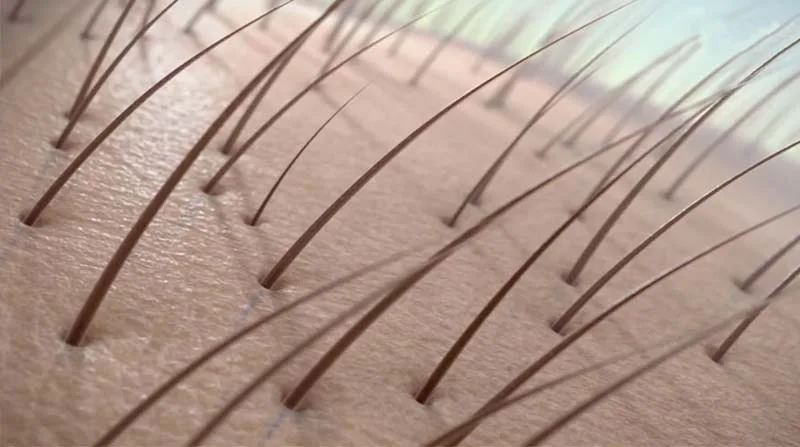
Hair loss is one of the most researched yet misunderstood conditions in modern medicine. Thousands of products promise hair regrowth or reversal of baldness, but the question remains: is hair loss truly reversible—or is it marketing fiction?
In reality, the answer depends on why and how hair loss occurs. The human scalp contains around 100,000 follicles, each cycling through growth (anagen), rest (telogen), and shedding (catagen) phases. If these follicles remain intact, regrowth is achievable with the right biological stimulation. However, once follicles are scarred, miniaturized beyond recovery, or replaced with fibrotic tissue, true reversal becomes nearly impossible.
Dr. Ahmet Murat of Hermest Hair Transplant Clinic explains:
“Hair reversal is not about bringing back what’s permanently gone—it’s about preserving and reactivating what still has potential. The earlier a patient begins proper treatment, the higher the success rate.”
The global search for hair loss reversal has fueled breakthroughs in regenerative medicine, including stem cell therapy, PRP, exosomes, and low-level laser therapy. Yet, despite the buzz, not all methods deliver long-term success. This guide separates scientific fact from fiction, helping readers understand what truly works, what’s emerging, and where realistic hope lies.
Quick Insights
- Hair loss reversal is possible only when follicles are still alive and responsive to stimulation.
- Early intervention with medical and regenerative treatments gives the best chance of visible recovery.
- Proven options include minoxidil, finasteride, PRP, microneedling, and exosome therapy, each targeting different biological mechanisms.
- Combination therapy achieves higher success rates than single methods.
- Maintenance is essential — stopping treatment too soon often leads to relapse.
- Permanent baldness caused by follicle destruction requires FUE or DHI hair transplantation.
Hair Biology & Why Reversal Is Challenging
To understand whether hair loss reversal is truly possible, it’s essential to first look at how hair grows—and why it stops. The answer lies in the biology of hair follicles, scalp health, and the regenerative limits of human tissue.
The Hair Growth Cycle
Each strand of hair grows from a follicle through a repeating cycle of growth, rest, and shedding.
| Phase | Duration | What Happens | Relevance to Hair Loss |
|---|---|---|---|
| Anagen (Growth Phase) | 2–6 years | Hair actively grows from the follicle | Shortened in pattern baldness |
| Catagen (Transition Phase) | 2–3 weeks | Follicle detaches from blood supply | A normal, temporary process |
| Telogen (Resting Phase) | 2–4 months | Hair stops growing, then sheds | Prolonged in stress or hormonal imbalance |
| Exogen (Shedding Phase) | 2–5 months | Old hair falls out, new growth begins | Can be excessive in chronic shedding |
In androgenetic alopecia, the anagen phase shortens while the resting phase lengthens. Over time, follicles shrink—a process called miniaturization—producing thinner, weaker hairs until they stop altogether.
When Hair Loss Becomes Irreversible
Reversal depends on whether the follicles are dormant or destroyed.
- Dormant follicles can often be reactivated through medical and regenerative treatments like PRP, microneedling, or minoxidil.
- Destroyed follicles, on the other hand, lose their stem cell population and are replaced by scar tissue. These cannot regrow hair naturally.
Dr. Ahmet Murat of Hermest Hair Transplant Clinic explains:
“The key to reversal is follicular vitality. If we detect live follicles during scalp analysis, even in miniaturized form, there’s an opportunity to reactivate growth through targeted therapy.”
Scarring alopecias, burns, or severe autoimmune reactions (such as lichen planopilaris or discoid lupus) cause permanent destruction of follicles, making non-surgical reversal impossible.
The Role of Hormones and Genetics
The primary hormone linked to hereditary hair loss is dihydrotestosterone (DHT), derived from testosterone. In genetically sensitive follicles, DHT binds to receptors, leading to inflammation and follicle shrinkage over time.
- Men experience recession and crown thinning (male pattern baldness).
- Women often see diffuse thinning along the part line (female pattern hair loss).
Reversing DHT-driven hair loss involves both blocking its effects (finasteride, dutasteride) and stimulating growth (minoxidil, PRP, or exosomes).
Scalp Microenvironment and Follicle Health
Healthy follicles require oxygen, nutrients, and balanced oil production. Chronic inflammation, oxidative stress, or fungal overgrowth disrupt this environment. Without addressing these factors, even effective medications may fail to restore growth.
- Poor circulation → Reduced nutrient supply
- Sebum buildup → Blocked follicles and bacterial growth
- Oxidative stress → Damage to follicle stem cells
- Chronic inflammation → Miniaturization and shedding
“When the scalp’s microenvironment is compromised, follicles can’t respond to treatment,” says Dr. Ahmet Murat. “That’s why Hermest starts every regrowth plan with a detailed scalp assessment to correct these hidden barriers first.”
Why Reversal Is More Difficult Over Time
Hair loss is progressive. The longer it goes untreated, the more follicles reach a point of irreversible dormancy. While modern regenerative medicine can revive many early-stage follicles, long-term baldness requires surgical options like FUE hair transplantation.
Evidence & Realistic Outcomes – What Science Says About Hair Loss Reversal
The scientific community agrees on one key point: hair loss reversal is possible only under specific biological conditions. While numerous treatments claim to “restore” hair, their effectiveness depends on the cause, stage, and the patient’s scalp response.
What Clinical Studies Reveal
Over the past decade, medical trials have provided measurable insight into what can and cannot be reversed:
Minoxidil (Topical or Oral)

Clinical studies show that consistent use of minoxidil for six months can increase hair count by 15–25%, especially in patients with mild to moderate androgenetic alopecia. Its effect is temporary—if discontinued, hair returns to the baseline within months.
Finasteride (DHT Blocker)
Research indicates that daily finasteride can halt progression in 80–90% of men and promote visible regrowth in about 65% of users after one year. It is most effective when started before complete miniaturization of follicles.
Platelet-Rich Plasma (PRP) Therapy
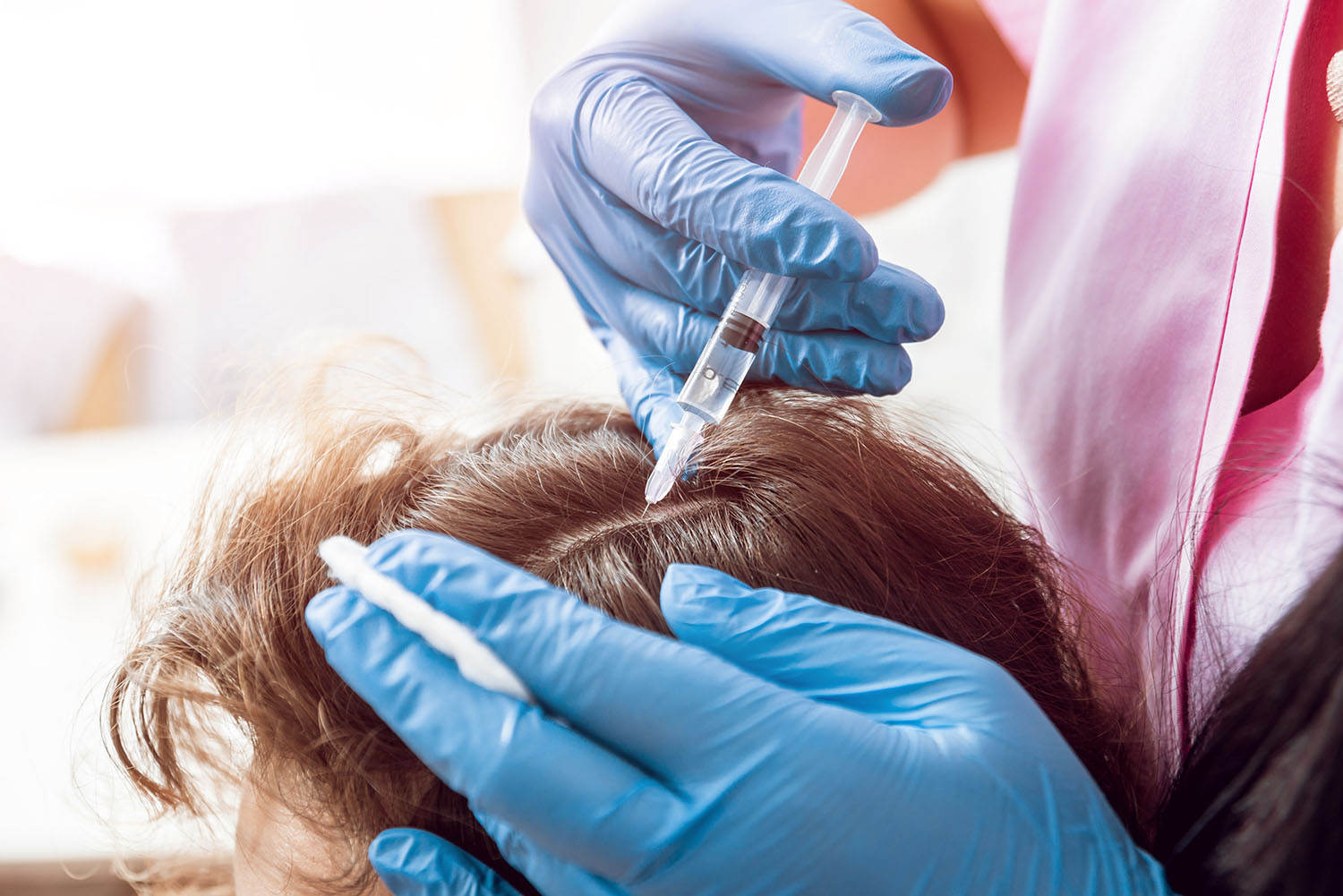
Multiple controlled studies report that PRP injections lead to an average 30–40% increase in hair density after three to four sessions. Growth factors such as VEGF and PDGF stimulate dormant follicles and improve scalp vascularization.
Microneedling
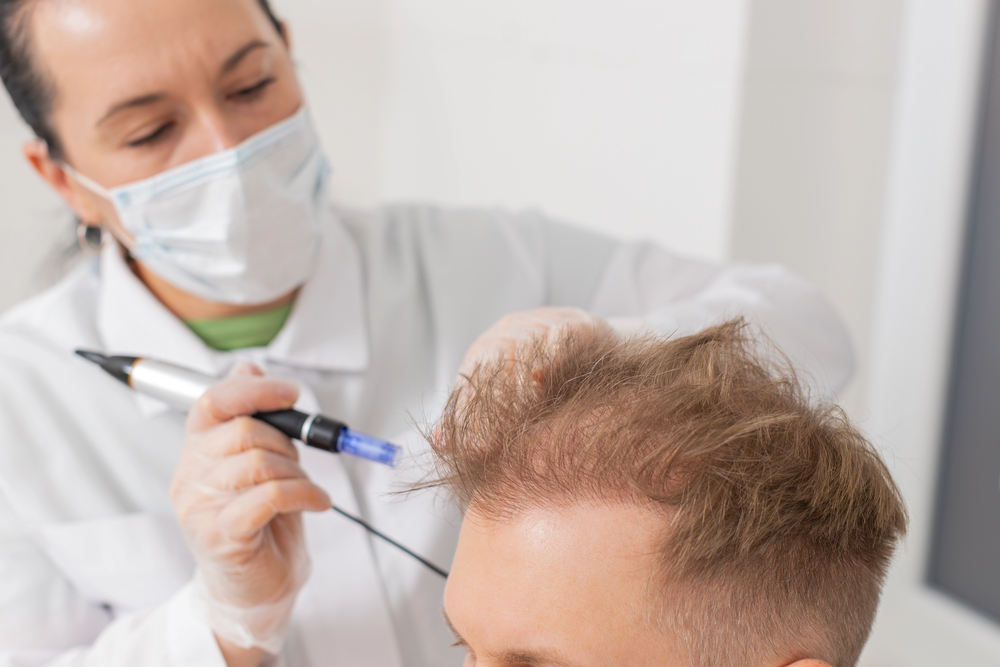
A 2013 study compared minoxidil alone versus minoxidil plus microneedling. The combination group experienced four times higher hair count increases, confirming the value of mechanical stimulation in reversing early loss.
Exosome Therapy
Early-stage studies show promising results in cellular regeneration, with measurable thickening in miniaturized follicles, though large-scale trials are ongoing.
Dr. Ahmet Murat from Hermest Hair Transplant Clinic notes:
“We use data-backed protocols. Each treatment—PRP, microneedling, or exosome therapy—targets follicular vitality from different angles, giving patients realistic yet powerful improvement.”
What Treatments Cannot Reverse
Even the most advanced treatments have biological limits. When follicles are fibrotic or scarred, their stem cells are gone. In such cases, non-surgical treatments cannot create new follicles—only hair transplantation can restore visible density.
| Follicle Condition | Reversal Possible? | Treatment Approach |
|---|---|---|
| Miniaturized (Early Stage) | Yes | Minoxidil, Finasteride, PRP, Microneedling |
| Dormant but Alive | Partial | PRP, Exosome, Laser Therapy |
| Scarred / Destroyed | No | Surgical Transplantation (FUE / DHI) |
| Autoimmune Damage (e.g. Alopecia Areata) | Sometimes | Corticosteroids, PRP, Immunotherapy |
Long-Term Realism: Maintenance Over Miracles
Reversal is not a one-time process. Hair follicles require continuous support to remain active. Once treatment stops, DHT levels, stress, or poor scalp conditions can reactivate hair loss.
Effective reversal is about maintenance, not miracles:
- Continue topical or oral medication as prescribed.
- Schedule PRP or microneedling sessions every few months.
- Support scalp health with nutrition and stress control.
“The biggest misconception,” says Dr. Ahmet Murat, “is expecting permanent reversal from a short-term fix. Lasting results come from sustained biological stimulation and medical consistency.”
Combined Therapy Success Rates
Modern hair loss programs that integrate multiple scientifically backed therapies achieve higher and more durable results than single treatments.
| Combination | Success Rate | Notes |
|---|---|---|
| Minoxidil + Finasteride | 85% see stabilization, 65% regrowth | Baseline medical combo |
| PRP + Microneedling | 70% density improvement | Boosts microcirculation |
| Exosome + PRP | Early trials show 50–60% faster recovery | Regenerative synergy |
| PRP + Hair Transplant | 90% graft survival rate | Enhances healing & density |
Hair loss reversal is scientifically achievable for early-stage, non-scarring conditions—especially when treated under expert supervision. But once follicles are gone, restoration shifts from medical reversal to surgical replacement.
Treatment Options – What Actually Works for Hair Loss Reversal
Modern hair restoration focuses on stimulating active follicles, reactivating dormant ones, and replacing destroyed follicles when necessary. The success of each approach depends on the cause of loss, the degree of follicle miniaturization, and how early treatment begins.
Pharmacological Treatments
Minoxidil (Topical or Oral)
Minoxidil remains one of the most reliable treatments for early hair loss reversal. It widens blood vessels around follicles, increasing oxygen and nutrient delivery.
- Results appear within 3–6 months.
- Continuous use is required to maintain regrowth.
- Works best for diffuse or crown thinning.
Finasteride / Dutasteride (Oral DHT Blockers)
These medications reduce dihydrotestosterone (DHT)—the hormone responsible for follicle miniaturization.
- Slows or halts loss in 80–90% of users.
- Can stimulate new growth in 60–70% when combined with topical therapy.
- Results typically stabilize after 12 months.
Dr. Ahmet Murat of Hermest Hair Transplant Clinic says:
“Pharmacological treatments target the root of androgenetic hair loss, but the real improvement happens when they are combined with regenerative therapies.”
Regenerative & Biological Therapies
Platelet-Rich Plasma (PRP) Therapy
PRP uses your own blood plasma, rich in growth factors like PDGF and VEGF, to stimulate dormant follicles.
- Conducted in sessions spaced 3–4 weeks apart.
- Strengthens hair shaft and improves thickness.
- Ideal for early to moderate hair loss.
Microneedling
Microneedling creates controlled micro-injuries that activate collagen and increase absorption of growth serums.
- Enhances minoxidil and PRP effectiveness.
- Reduces scalp fibrosis and boosts circulation.
- Suitable for both men and women.
Exosome Therapy
Exosomes are cell-derived vesicles that promote stem cell signaling and tissue repair.
- Promising results in boosting regrowth and healing after transplants.
- Considered an advanced, research-backed therapy in regenerative dermatology.
“PRP and exosome therapy are not miracles, but when used correctly, they reprogram dormant follicles to function again,” explains Dr. Ahmet Murat.
Non-Surgical Stimulation Methods
Low-Level Laser Therapy (LLLT)
Laser helmets or clinical diode systems increase ATP production in follicular cells and improve scalp blood flow.
- Safe, painless, and effective for home or clinic use.
- Works best for early androgenetic alopecia.
Scalp Massage and Oxygen Therapy
Enhances nutrient delivery and reduces microinflammation. Though mild in effect, it supports medical treatments as a complementary measure.
Surgical Restoration
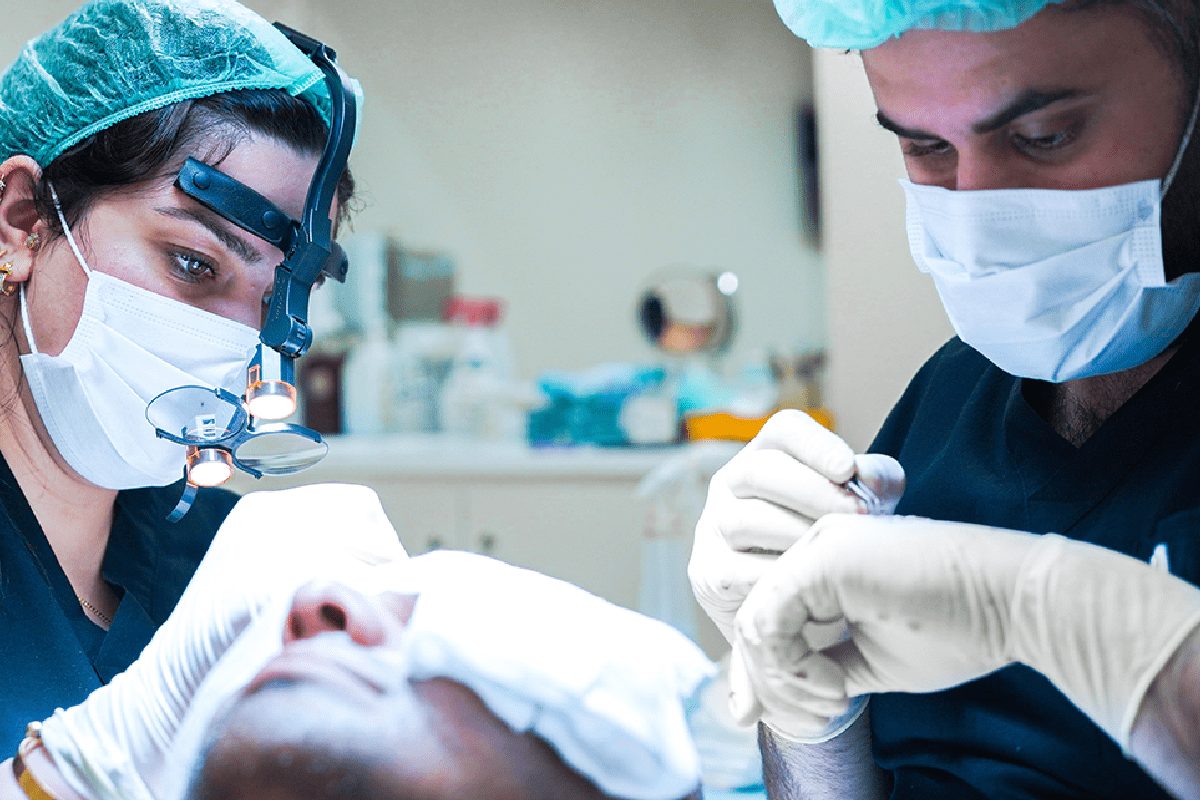
When follicles are irreversibly damaged, hair transplantation remains the only permanent solution. Hermest specializes in:
- UNIQUE FUE® and Sapphire FUE for natural density.
- DHI (Direct Hair Implantation) for precision and minimal recovery.
- Integration with PRP or exosome therapy to enhance graft survival.
A transplant is not a reversal—it’s a replacement strategy—but when combined with scalp regeneration, it provides both immediate and long-term aesthetic improvement.
“We use surgical solutions only when regenerative methods have reached their limits,” says Dr. Ahmet Murat. “The goal is to preserve and strengthen what already exists before restoring what’s lost.”
Combination Protocols for Best Results
| Stage of Hair Loss | Recommended Combination | Expected Outcome |
|---|---|---|
| Early (Thinning, Active Follicles) | Minoxidil + Microneedling + PRP | Strong regrowth, density increase |
| Moderate (Miniaturized Follicles) | Finasteride + PRP + Exosome | Reduced shedding, revived follicles |
| Advanced (Diffuse or Patchy Loss) | PRP + FUE + LLLT | Density restoration, improved texture |
| Post-Transplant | Exosome + Laser + Maintenance Therapy | Faster healing, long-term stability |
Comparing Treatments – Efficacy, Cost, and Suitability
Every method used for hair loss reversal targets a different stage of follicle degeneration. While some stimulate regrowth, others preserve what remains or replace what’s lost. Understanding how each compares in terms of effectiveness, duration, cost, and safety helps patients choose the right approach for their condition and goals.
Effectiveness Comparison
| Treatment | Main Mechanism | Ideal For | Clinical Success Rate | Maintenance Required |
|---|---|---|---|---|
| Minoxidil | Increases blood flow & nutrient delivery | Early thinning, diffuse loss | 60–70% | Continuous use |
| Finasteride / Dutasteride | Blocks DHT, slows miniaturization | Androgenetic alopecia | 80–90% stabilization | Continuous use |
| PRP Therapy | Delivers growth factors to follicles | Dormant follicles, post-transplant | 70–80% | Maintenance every 6–12 months |
| Microneedling | Stimulates collagen and absorption | Weak follicles, early loss | 65–75% | Every 2–4 weeks initially |
| Exosome Therapy | Activates stem cell signaling | Regenerative recovery, advanced loss | 60–70% (early data) | As needed |
| Low-Level Laser Therapy (LLLT) | Boosts mitochondrial activity | Maintenance, mild thinning | 55–65% | 2–3 sessions per week |
| FUE / DHI Transplant | Relocates healthy follicles | Irreversible baldness | 90–95% graft survival | Minimal post-care |
Dr. Ahmet Murat from Hermest Hair Transplant Clinic emphasizes:
“No single method reverses all types of hair loss. The most successful results come from layered therapies that address inflammation, hormones, and regeneration together.”
Cost Comparison
| Treatment | Average Cost per Session (USD) | Total Course Estimate | Notes |
|---|---|---|---|
| Minoxidil (Topical / Oral) | $20–40 monthly | Ongoing | Most affordable long-term treatment |
| Finasteride / Dutasteride | $30–80 monthly | Ongoing | Requires medical supervision |
| PRP Therapy | $300–600 | 3–4 sessions initially | Highly effective when combined with microneedling |
| Microneedling | $200–400 | 4–6 sessions | Often combined with topical or PRP |
| Exosome Therapy | $600–900 | 2–3 sessions | Advanced regenerative option |
| LLLT | $150–300 per session | 10–15 sessions | Clinic or at-home devices available |
| Hair Transplant (FUE / DHI) | $2,500–$5,000 (Turkey average) | One-time | Permanent restoration for advanced loss |
Timeframe to See Results
| Treatment | Noticeable Change | Optimal Results |
|---|---|---|
| Minoxidil | 3–6 months | 12 months |
| Finasteride | 4–8 months | 12–18 months |
| PRP Therapy | 6–8 weeks | 3–6 months |
| Microneedling | 8–10 weeks | 4–6 months |
| Exosome Therapy | 4–6 weeks | 3–4 months |
| Hair Transplant | 3–4 months (growth phase begins) | 9–12 months |
Choosing the Right Treatment Path
- Early hair loss (ages 20–35): Begin with minoxidil, finasteride, and microneedling.
- Moderate loss or early miniaturization: Add PRP or exosome therapy for regenerative boost.
- Advanced or long-term baldness: Combine FUE/DHI transplant with PRP or laser for best survival rates.
- Post-transplant maintenance: Support recovery with low-level laser therapy and nutritional supplements.
Maintenance & Relapse Prevention After Reversal
Achieving visible regrowth is only half the journey—the greater challenge is maintaining it. Hair follicles that respond to treatment remain sensitive to hormonal and environmental triggers, so without proper maintenance, hair loss can return within months.
Why Maintenance Matters
After successful hair loss reversal, follicles may still produce weaker or shorter hairs unless continuously supported. Stopping treatment abruptly can trigger telogen rebound, a temporary shedding that discourages many patients. Consistency is critical for preserving new density.
Dr. Ahmet Murat from Hermest Hair Transplant Clinic explains:
“We see impressive regrowth when patients follow their treatment plans. But the real success lies in discipline. Hair reversal is biological progress, not magic—it needs ongoing support.”
Core Maintenance Protocols
Continued Topical or Oral Medication
- Minoxidil: Continue once or twice daily for sustained follicle stimulation.
- Finasteride / Dutasteride: Keeps DHT under control; prevents miniaturization relapse.
- Regular follow-ups ensure safe long-term use.
Regenerative Boosters Every Few Months
- PRP or Exosome Therapy: Maintains growth factor supply and vascularization.
- Microneedling (every 4–8 weeks): Stimulates collagen remodeling and scalp renewal.
Nutritional and Lifestyle Support
A nutrient-rich diet strengthens follicles and improves scalp health.
- Key nutrients: Zinc, vitamin D, biotin, omega-3, iron.
- Lifestyle factors: Adequate sleep, low stress, and hydration are essential.
Scalp Hygiene and Circulation
- Use sulfate-free shampoos to avoid irritation.
- Gentle scalp massage for 5 minutes daily improves microcirculation.
- Limit the use of harsh styling products or high-heat tools.
Preventing Relapse
| Cause of Relapse | Preventive Strategy |
|---|---|
| Discontinuing medication too early | Gradual tapering under supervision |
| Uncontrolled DHT levels | Routine blood testing, adjust dosage |
| Inflammation or scalp buildup | Regular exfoliation, medicated shampoo |
| Nutrient deficiency | Balanced diet, supplements if needed |
| Chronic stress | Stress management techniques, exercise |
Hair loss may return if underlying triggers (hormonal imbalance, thyroid issues, or stress) are not corrected. Hermest clinicians often combine medical follow-ups with lifestyle counseling to stabilize long-term outcomes.
Risks, Misconceptions & Red Flags
The field of hair restoration is filled with both genuine breakthroughs and misleading claims. Understanding the risks and myths around hair loss reversal helps patients make informed decisions, avoid wasted money, and protect scalp health.
Common Misconceptions About Hair Loss Reversal
“Any hair loss can be reversed.”
False. Only non-scarring hair loss with living follicles can respond to treatment. Once follicles are destroyed, regrowth is impossible without transplantation.
“Herbal or natural oils can regrow lost hair.”
While natural oils (like rosemary or castor) improve scalp condition, they cannot reactivate dormant follicles on their own. They should be used as supportive, not curative, solutions.
“A single PRP or microneedling session will restore my hair.”
Hair reversal is cumulative, requiring consistent sessions and follow-up maintenance. Regrowth usually becomes visible after several months of repeated stimulation.
“Stem cell and exosome therapies guarantee regrowth.”
These regenerative methods show promise but remain in clinical evaluation. Their results depend on follicular viability and treatment protocol quality.
Dr. Ahmet Murat from Hermest Hair Transplant Clinic clarifies:
“There’s no miracle injection or overnight cure. True reversal happens through consistency, combination therapies, and medical precision—never shortcuts.”
Risks and Side Effects to Be Aware Of
While most hair reversal treatments are safe under expert supervision, improper use or unverified products can lead to complications.
| Treatment | Potential Risk | How Hermest Minimizes It |
|---|---|---|
| Minoxidil | Scalp irritation, dryness | Customized formulation, medical-grade options |
| Finasteride | Hormonal side effects in some men | Dose regulation, follow-up blood tests |
| PRP / Microneedling | Temporary redness, swelling | Sterile environment, precise depth control |
| Exosome Therapy | Mild sensitivity | Single-use, quality-certified vials |
| Laser Therapy | Minimal, if overused: scalp dryness | Supervised schedule with rest intervals |
Red Flags When Seeking Treatment
Clinics promising “guaranteed regrowth.”
Hair biology varies per person; no treatment offers universal results.
Unlicensed or imported topical products.
Some contain unregulated hormones or harsh chemicals that can harm follicles.
Non-medical operators performing PRP or microneedling.
These procedures must be performed under medical supervision to avoid infection or scarring.
Lack of diagnosis before treatment.
Skipping diagnostic steps—like scalp analysis or hormonal testing—leads to incorrect therapies.
“Patients often come to us after years of chasing quick fixes,” says Dr. Ahmet Murat.
“We focus on rebuilding trust through transparency and evidence-based care. Every protocol we apply is backed by data, not trends.”
Choosing a Clinic & Creating a Personalized Hair Loss Reversal Plan
Finding the right medical team is the most important step in achieving sustainable hair loss reversal. The effectiveness of any therapy depends not only on the product or device used but also on the clinic’s diagnostic process, medical supervision, and long-term patient care.
What Makes a Clinic Trustworthy
A credible hair restoration center should provide:
- Medical supervision by certified doctors, not technicians.
- Comprehensive diagnostic tests, including scalp imaging, blood panels, and hormone evaluation.
- Transparent pricing with clear package details and no hidden fees.
- Documented success cases and patient testimonials.
- Clean, sterile environment with FDA or CE-approved devices.
Dr. Ahmet Murat from Hermest Hair Transplant Clinic explains:
“We believe every treatment should start with understanding the patient’s biology. Proper diagnosis leads to targeted therapy, and targeted therapy delivers consistent results.”
How Hermest Hair Transplant Clinic Designs Reversal Protocols
At Hermest, hair reversal programs are structured through a multi-phase approach that blends diagnostics, regeneration, and maintenance.
Phase 1 – Scalp Diagnosis and Medical Assessment
- Trichoscopic imaging to evaluate follicular density and activity.
- Blood tests to measure ferritin, thyroid function, and DHT sensitivity.
- Assessment of scalp inflammation and microcirculation.
Phase 2 – Active Regeneration Treatment
- Combination of PRP, microneedling, and exosome therapy depending on follicular health.
- Medical-grade topicals like minoxidil and oral DHT blockers if indicated.
- Laser or oxygen therapy to boost cell metabolism and healing.
Phase 3 – Stabilization and Maintenance
- Routine check-ups every 3–6 months to measure progress.
- Reapplication of regenerative therapy at strategic intervals.
- Lifestyle and nutrition guidance to maintain long-term results.
What to Expect During a Consultation
A proper consultation should include:
- Detailed hair history and pattern analysis to identify causes.
- Digital scalp scan to detect miniaturization and vascular status.
- Customized treatment roadmap based on biological response.
- Discussion of expected results, timelines, and pricing.
Patients at Hermest receive before-and-after imaging at each milestone to objectively measure density and thickness improvements.
Why Personalization Matters
Each patient’s scalp condition, genetics, and hormonal profile are unique. Generic solutions rarely deliver long-term success. Personalized protocols:
- Avoid unnecessary or ineffective treatments.
- Maximize regrowth potential by targeting root causes.
- Ensure safety by adjusting therapy intensity and intervals.
“Hair reversal isn’t a one-size-fits-all concept,” says Dr. Ahmet Murat.
“Our approach is precise, data-driven, and patient-specific. That’s how real, sustainable recovery happens.”
FAQs
In most cases, yes — but only if follicles are still alive. Early-stage hair loss caused by hormonal imbalance, inflammation, or stress can be reversed through treatments like minoxidil, PRP, microneedling, and exosome therapy. Permanent baldness, where follicles are destroyed, can only be corrected with hair transplantation.
Conclusion
The debate over hair loss reversal: fact or fiction ends with one clear truth — it’s both. Reversal is real when follicles remain alive and responsive, but it becomes fiction when permanent damage has occurred. The key lies in early diagnosis, evidence-based treatment, and consistent maintenance.
Modern medicine now allows people to recover much of what was once thought lost. Treatments such as minoxidil, finasteride, PRP, microneedling, and exosome therapy can reactivate dormant follicles, strengthen existing strands, and delay future loss. For advanced cases, FUE or DHI hair transplantation provides natural, lasting coverage when medical reversal is no longer possible.
Dr. Ahmet Murat of Hermest Hair Transplant Clinic explains:
“Hair reversal is a matter of timing and precision. With the right combination of medical and regenerative care, we help patients rebuild density, restore confidence, and sustain long-term growth.”
At Hermest Hair Transplant Clinic, every treatment begins with understanding the patient’s biology. The clinic’s experts perform detailed scalp imaging, hormonal testing, and personalized protocol design to ensure safety, transparency, and measurable results.
Why Choose Hermest for Hair Reversal Treatment
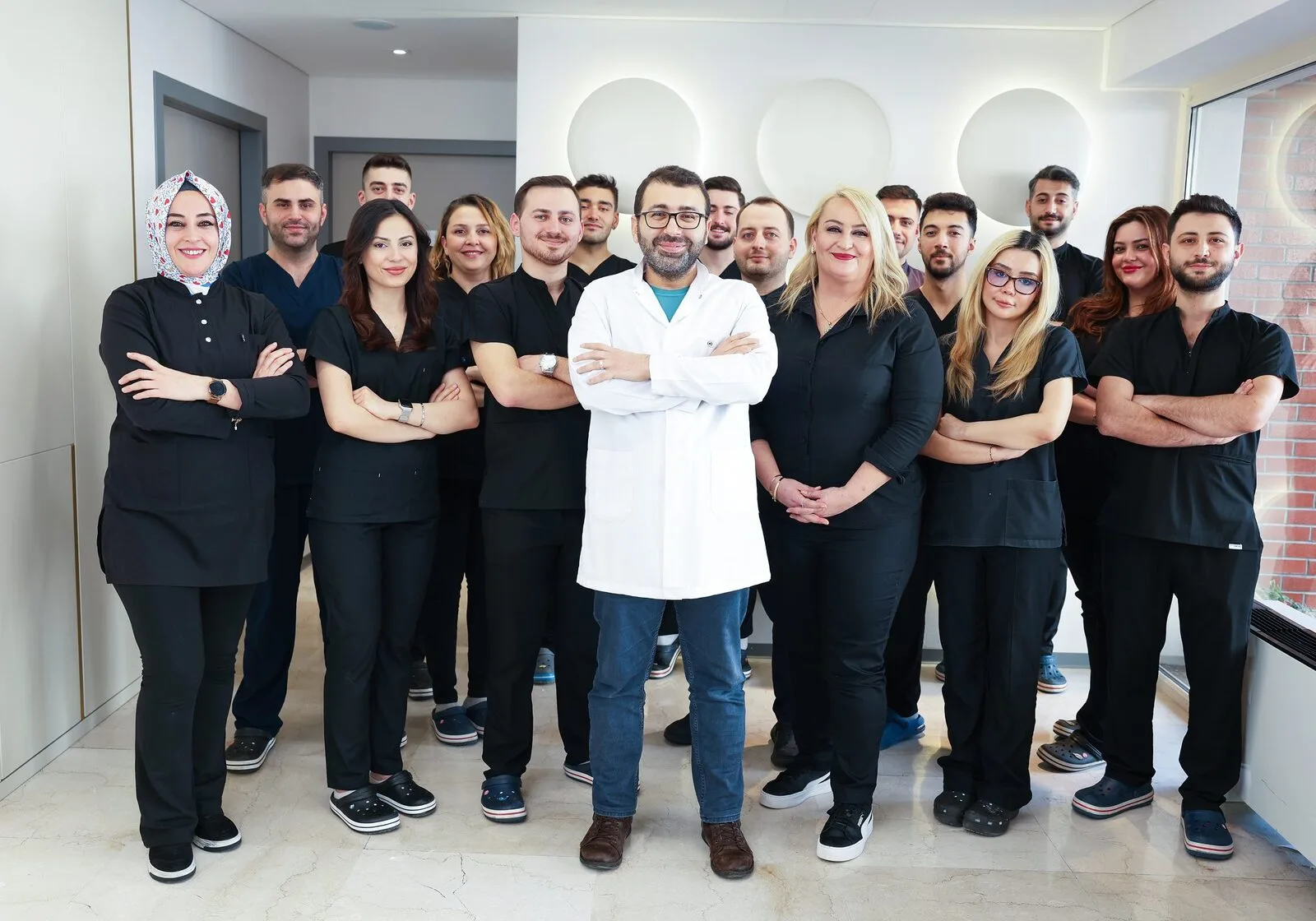
- 23+ years of experience in regenerative and surgical hair restoration
- Integration of medical, PRP, exosome, and transplant methods for full-cycle care
- FDA-approved technologies and evidence-based protocols
- International patient support and transparent pricing
- Continuous follow-up programs to protect long-term results
If you’ve been wondering whether your hair can grow back, the answer starts with the right diagnosis.
Book your free online consultation with Hermest Hair Transplant Clinic today to:
- Receive a comprehensive scalp and follicle analysis
- Learn about your best reversal and maintenance options
- Get a personalized treatment plan with cost, timeline, and recovery guidance
Healthy hair begins with scientific care — take your first step toward lasting regrowth with Hermest.