

Scalp Micropigmentation for Hair Loss: Costs, Benefits & Care
 ChatGPT
 Claude
 Perplexity
 Grok
Grok
 Gemini


Hair loss affects millions worldwide, lowering self-confidence and prompting many to search for realistic, lasting solutions. Surgical hair transplants and prescription treatments remain popular, but not everyone wants surgery, long recovery times, or ongoing medication. This is where scalp micropigmentation for hair loss stands out.
SMP is a non-surgical cosmetic procedure that deposits micro-dots of medical-grade pigment into the scalp to replicate the look of natural hair follicles. It creates the visual effect of a fuller hairline or a clean, shaved style, making it a compelling scalp micropigmentation solution for hair loss across different hair types and skin tones.
In this comprehensive guide, we’ll explore:
- What SMP is and how it works—the step-by-step process, pigments, and equipment used.
- Who is an ideal candidate, from men with pattern baldness to women with diffuse thinning or patients covering scars.
- Benefits and limitations, including natural appearance, immediate results, and realistic expectations.
- Cost, longevity, and maintenance, with USD-based estimates and how factors like sun exposure and skin type affect fading.
- Comparisons with other hair restoration methods, such as transplants, medications, and hair systems.
- Safety, side effects, and how to choose a qualified practitioner to ensure long-term satisfaction.
Expert insight – Dr. Ahmet Murat, Hermest Hair Clinic:
“Scalp micropigmentation gives instant density and a natural hairline without surgery. For many patients it is a life-changing solution, either on its own or combined with a hair transplant.”
By the end of this article you’ll understand whether SMP fits your needs, what it costs worldwide, and how to prepare for lasting, natural-looking results.
Quick Summary: Scalp Micropigmentation for Hair Loss
Scalp micropigmentation (SMP) is a non-surgical cosmetic procedure that deposits medical-grade pigments 0.5–1 mm under the scalp to mimic natural hair follicles. It creates the look of a clean buzz cut or thicker density for men and women.
Benefits:
- Immediate visual improvement after first session
- Lasts 4–8 years with touch-ups every 4–6 years ($500–$1,000 USD)
- Works for male/female pattern baldness, alopecia, or scar camouflage
- Lower cost and downtime than hair transplants ($1,500–$5,000 USD total)
- Minimal daily maintenance; no ongoing medication
Limitations:
- Does not regrow hair or halt ongoing loss
- Requires sun protection to reduce fading
- Permanent close-cropped style; limited flexibility if you later want longer hair
Procedure & Care:
- Sessions: 2–4, each 2–4 hours, spaced 1–2 weeks apart
- Healing: Mild redness for 24–48 hours; gentle washing after 4 days
- Results: Final look in about 1 month as pigment settles
Why choose it: For people seeking an immediate, natural-looking solution for hair loss without surgery or long-term medication, SMP offers a predictable, cost-effective, and confidence-boosting option.
What Is Scalp Micropigmentation (SMP)?
Scalp micropigmentation (SMP) is a specialized cosmetic tattoo technique that creates the illusion of thicker hair. Unlike decorative tattoos, SMP uses ultra-fine needles and natural, hypoallergenic pigments to mimic individual hair follicles with tiny, layered dots. The result is the appearance of a fuller hairline or a clean, closely shaved look.
How It Works
During each session, a practitioner deposits pigment about 0.5–1 millimeter beneath the scalp’s surface—shallower than a traditional tattoo. Pigments are carefully matched to your natural hair color and skin tone. Multiple sessions (usually 2–4 appointments of 2–4 hours each) are scheduled to build density and depth. Healing between sessions allows for color settling and ensures a natural, three-dimensional effect.
Key Benefits
- Instant visual improvement: SMP conceals bald patches, thinning areas, and transplant scars immediately after the first session.
- Non-surgical and low risk: No incisions, sutures, or long recovery times.
- Minimal maintenance: No daily medication or expensive topical treatments required.
- Custom styling: Choose between a soft hairline, sharper edges, or diffuse fill to match your desired look.
Global Costs and Durability
Pricing varies worldwide, but most reputable clinics charge $2,500–$5,000 USD depending on the size of the treatment area and number of sessions. With proper care—sun protection and occasional touch-ups—results typically last 4–8 years before noticeable fading.
Dr. Ahmet Murat, Hermest Hair Clinic:
“SMP is more than a tattoo; it’s a medical-grade procedure. We select pigments that remain stable for years, ensuring a natural finish that complements your facial structure.”
SMP’s ability to disguise hair loss without surgery or long-term medication makes it an increasingly popular scalp micropigmentation solution for hair loss for men and women worldwide.
How SMP Works & Procedure Details
Understanding the full process helps set realistic expectations for scalp micropigmentation (SMP) as a solution for hair loss. Although SMP is non-surgical, it is a meticulous procedure requiring skilled technique and multiple sessions to achieve a natural look.
Step 1: Consultation and Design
Your journey begins with a detailed consultation. The practitioner assesses your scalp health, hair color, and pattern of loss, then designs a hairline or density plan that suits your face shape and style preferences. Photos and digital overlays help preview the final result.
Step 2: Pigment Selection and Preparation
Specialized medical-grade pigments are chosen to match your natural hair color and skin undertone. Unlike conventional tattoo ink, SMP pigments are formulated to resist fading to blue or green hues over time.
Step 3: Micropigmentation Sessions
- Number of sessions: Typically 2–4 sessions, each lasting 2–4 hours, spaced about 7–14 days apart.
- Technique: Using ultra-fine needles, the artist places thousands of microdots approximately 0.5–1 mm deep—shallower than a regular tattoo—to replicate hair follicles.
- Layering: Each session builds density, creating a realistic three-dimensional effect and a natural gradient toward the hairline.
Step 4: Aftercare and Healing
Mild redness may last 24–48 hours. Patients are advised to avoid heavy sweating, swimming, or direct sun exposure for at least a week. Gentle washing begins after four days, with full settling of pigment within about a month.
Longevity and Maintenance
Properly performed SMP typically lasts 4–8 years. Minimal fading can occur from sun exposure or natural skin renewal, and many clients schedule a touch-up every 4–6 years, which usually costs less than the initial treatment—around $500–$1,000 USD.
Dr. Ahmet Murat explains:
“By layering pigments gradually and controlling depth precisely, we achieve an incredibly natural scalp texture that holds its color for years.”
Who Qualifies for SMP / Ideal Candidates
One reason scalp micropigmentation (SMP) is gaining worldwide popularity is its versatility. This non-surgical treatment provides an effective solution for hair loss for men and women with a wide variety of conditions and hair types.
Ideal Candidates
- Male or female pattern baldness: SMP can create the look of a closely shaved buzz cut for full baldness or add visual density to thinning areas, making it a strong choice for individuals seeking a low-maintenance, natural style.
- Diffuse thinning or widened part lines: For women and men with thinning rather than complete loss, SMP deposits pigment between existing hairs to reduce scalp visibility and enhance fullness.
- Alopecia areata or scarring alopecia: By camouflaging patchy bald spots, SMP offers an immediate cosmetic improvement without interfering with medical treatments.
- Scar coverage: SMP is excellent for hiding transplant scars, injury marks, or birthmarks on the scalp.
Situations Requiring Caution
- Active scalp conditions such as psoriasis, eczema, or infections should be treated before SMP.
- Unrealistic expectations—SMP can replicate the look of hair follicles but does not grow hair.
- Excessively oily or sensitive skin may affect pigment retention and require more frequent touch-ups.
Global Access and Cost Considerations
Qualified practitioners operate across North America, Europe, Asia, and Australia. Most reputable clinics charge $2,500–$5,000 USD, depending on the area of coverage and the number of sessions needed. Patients with large scarring or total baldness may be at the higher end of the range.
Dr. Ahmet Murat notes:
“We guide each patient through a careful assessment. Candidacy is about more than hair loss—it’s about scalp health, skin type, and expectations. A thorough evaluation ensures the best, longest-lasting SMP outcome.”
Benefits of SMP as a Solution for Hair Loss
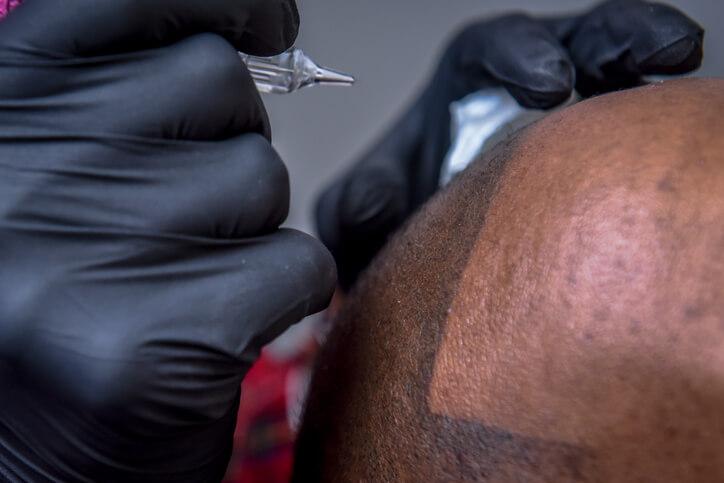
Scalp micropigmentation (SMP) has become a leading solution for hair loss because it delivers immediate, natural-looking results without surgery or long-term medication. Here are the key advantages that set it apart.
Immediate Visual Improvement
Unlike hair transplants, which require months for new follicles to grow, SMP provides instant density and the appearance of a fuller scalp. After the first session, clients notice a stronger hairline and reduced contrast between hair and skin.
Non-Surgical and Low Risk
SMP uses micro-needles to deposit pigment only 0.5–1 mm under the skin. With no incisions, stitches, or donor-site wounds, the risk of infection and scarring is minimal compared to surgical hair restoration.
Low Maintenance and Long Lasting
Once the series of 2–4 sessions is complete, results typically last 4–8 years before fading. Maintenance is limited to periodic touch-ups—usually every 4–6 years—costing $500–$1,000 USD. Daily styling and costly products become optional.
Versatile Aesthetic Options
- Buzz-cut illusion: For men with complete hair loss.
- Density enhancement: For men or women with diffuse thinning.
- Scar camouflage: To hide transplant or injury scars.
Confidence and Psychological Benefits
Many clients report a significant boost in self-esteem and social comfort. The natural-looking hairline designed by an experienced SMP artist helps restore a youthful appearance and confidence.
Dr. Ahmet Murat emphasizes:
“SMP combines medical precision with artistry. It can transform a person’s image and confidence in just a few sessions, making it one of the most effective modern solutions for hair loss.”
Key Takeaway
For those seeking a fast, durable, and natural-looking answer to thinning hair or baldness, scalp micropigmentation offers a solution for hair loss that balances aesthetic impact with minimal risk and upkeep.
Drawbacks, Limitations & Risks
While scalp micropigmentation (SMP) is an effective solution for hair loss, it is important to understand its limitations and possible risks before committing.
Not a Hair-Growth Treatment
SMP creates the illusion of hair density by depositing pigment; it does not stimulate new hair growth or halt ongoing hair loss. Anyone hoping for actual regrowth must combine SMP with medical treatments like minoxidil or finasteride.
Fading and Touch-Ups
Pigment gradually lightens over time due to skin renewal and sun exposure. Most clients require a touch-up every 4–6 years, which typically costs $500–$1,000 USD. Without proper sun protection, fading may occur sooner.
Potential Side Effects
Although rare, risks include:
- Mild swelling or redness after sessions
- Temporary itching or scabbing during healing
- Allergic reactions to pigments (especially if non-medical-grade products are used)
- Minor pigment migration if the procedure is not done at the correct depth
Selecting an experienced practitioner dramatically reduces these risks.
Limited Style Flexibility
SMP creates a permanent, close-cropped look. Those wanting long hairstyles later may find their options limited, since pigment does not grow out with natural hair.
Quality Depends on the Artist
Poorly trained technicians may use incorrect pigment shades or depths, leading to unnatural results like blue or green undertones. Countries vary in regulation, so verifying credentials is essential when seeking scalp micropigmentation as a solution for hair loss.
Dr. Ahmet Murat advises:
“Choosing a certified clinic is critical. High-quality pigment and precise depth control are what keep the results natural and long-lasting.”
Key Takeaway
SMP offers immediate, low-maintenance coverage, but it isn’t a hair-growth treatment and requires occasional upkeep. Careful provider selection and realistic expectations ensure that scalp micropigmentation remains a safe and reliable solution for hair loss.
Cost, Longevity & Maintenance
Understanding the financial and long-term aspects of scalp micropigmentation (SMP) is key to planning your investment in this solution for hair loss. Costs vary by region, clinic reputation, and the size of the area treated, but clear global trends help set expectations.
Typical Costs
- Partial coverage (hairline or small scars): $1,500–$2,500 USD
- Moderate thinning or crown area: $2,500–$4,000 USD
- Full scalp treatment: $3,500–$5,000 USD
Reputable clinics generally include a consultation and 2–4 treatment sessions in these prices. Locations like the United States, the UK, and major cities in Europe may sit at the upper end of these ranges, while clinics in Turkey, Thailand, or parts of Eastern Europe are often on the lower end.
Longevity of Results
With proper care, SMP typically lasts 4–8 years. Over time, natural skin exfoliation and sun exposure will cause gradual fading. Pigments designed for scalp use fade evenly to softer shades rather than changing to blue or green.
Maintenance & Touch-Ups
- Touch-up frequency: Every 4–6 years is common, though heavy sun exposure or oily skin may require earlier refresh sessions.
- Touch-up cost: Generally $500–$1,000 USD depending on area size.
- Daily care: Minimal—simply gentle cleansing, moisturizing, and UV protection with hats or SPF sprays.
Cost Efficiency
Compared to the lifetime expenses of topical treatments, hair systems, or repeat surgeries, SMP’s one-time cost plus occasional touch-ups can be highly cost-effective over a decade or more.
Dr. Ahmet Murat notes:
“SMP offers predictable costs and minimal upkeep. Patients know exactly what to expect for years to come.”
Key Takeaway
With upfront costs ranging from $1,500 to $5,000 USD and long-lasting results that need only infrequent maintenance, scalp micropigmentation provides a financially transparent and durable solution for hair loss worldwide.
Comparisons with Other Hair Loss Options

To decide whether scalp micropigmentation (SMP) is the right solution for hair loss, it helps to see how it compares with other common treatments such as hair transplants, medications, and hair systems.
SMP vs Hair Transplant
- Procedure: SMP is non-surgical, while a transplant is an invasive surgery requiring graft harvesting and healing.
- Cost: SMP typically costs $1,500–$5,000 USD, including touch-ups, whereas a quality transplant can range from $4,000 to $15,000 USD depending on graft count and region.
- Results: SMP provides immediate visual density, while transplants need 6–12 months for full hair growth.
- Maintenance: SMP needs a touch-up every 4–6 years; transplanted hair must be maintained with ongoing treatments like minoxidil or finasteride to prevent future thinning.
SMP vs Medications (Minoxidil, Finasteride)
- Effectiveness: Medications can slow shedding and stimulate some regrowth but require continuous daily use. SMP creates the look of fullness instantly and doesn’t rely on hormone or blood-pressure altering drugs.
- Side Effects: SMP has minimal systemic risk; medications can cause side effects like scalp irritation or hormonal changes.
SMP vs Hair Systems or Wigs
- Appearance: SMP offers a permanent, natural shaved look or density enhancement. Hair systems can look natural but require adhesives and regular professional maintenance.
- Cost & Upkeep: Hair systems may cost $1,000–$3,000 USD per year, often surpassing SMP’s long-term cost.
Combination Approaches
Many patients choose SMP alongside other treatments. For example, SMP can camouflage transplant scars or add visual density while medical therapies slow ongoing loss.
Dr. Ahmet Murat remarks:
“SMP is flexible—it can stand alone or complement surgery and medical therapy. For many, it delivers the quickest and most predictable aesthetic result.”
Key Takeaway
Whether used alone or alongside other treatments, scalp micropigmentation offers a solution for hair loss that delivers immediate, lasting cosmetic impact with lower cost and risk than surgery or lifetime medications.
What to Expect: Preparation, Aftercare & Results Timeline
Understanding the full treatment journey helps ensure that scalp micropigmentation (SMP) delivers the best possible solution for hair loss.
Before Your Sessions
- Consultation & Design: Your practitioner maps a customized hairline or density plan and matches pigment to your natural hair and skin tone.
- Scalp Preparation: Clients are often advised to moisturize the scalp for a few days beforehand and avoid sunburn, strong hair products, or alcohol, which can affect pigment absorption.
During the Procedure
- Session Count: Most patients need 2–4 sessions, each lasting 2–4 hours.
- Sensation: Mild discomfort is common but generally less than that of a traditional tattoo.
- Precision: Thousands of microdots are applied 0.5–1 mm deep to replicate natural hair follicles and create a seamless, three-dimensional look.
Immediate Aftercare
- First 4 days: Avoid washing the scalp, heavy sweating, swimming, or direct sun exposure.
- Day 5 onward: Begin gentle washing and apply recommended moisturizer.
- Itching or scabbing: Mild flaking is normal and typically resolves within a week.
Long-Term Maintenance
- Touch-ups: Typically needed every 4–6 years, costing about $500–$1,000 USD depending on the area.
- Sun protection: Using hats or SPF scalp sprays extends pigment longevity.
- Regular cleansing: Mild shampoo keeps the scalp healthy and maintains the crisp look of the microdots.
Results Timeline
Most clients see a dramatic visual improvement after the first session, with full, natural-looking results finalized about one month after the final appointment as pigments settle evenly.
Dr. Ahmet Murat explains:
“Good aftercare is key to pigment stability and natural texture. Following post-procedure guidelines is as important as the procedure itself.”
How to Choose a Practitioner / What to Ask
Selecting the right provider is the most critical step for ensuring scalp micropigmentation (SMP) delivers a safe, natural-looking solution for hair loss. Quality and longevity of results depend heavily on the artist’s skill, hygiene standards, and pigment technology.
Main Qualifications to Look For
- Specialized SMP Training: The practitioner should have formal SMP certification, not just general tattoo experience.
- Portfolio of Before-After Photos: High-resolution images of previous clients help you judge hairline design and shading quality.
- Medical-Grade Pigments and Equipment: Ensure pigments are specifically formulated for scalp use to prevent color shifts (like blue or green tones) and to last 4–8 years.
- Clinic Hygiene and Licensing: Look for clinics that follow international health and safety standards and hold proper business licenses.
Questions to Ask During Consultation
- How many SMP procedures have you performed?
- What pigment brand and needle depth do you use?
- How long do results typically last, and what is the average touch-up cost (usually $500–$1,000 USD)?
- Can you explain aftercare and provide written instructions?
- What is your policy if uneven fading or pigment migration occurs?
Red Flags
- No verifiable training or portfolio
- Vague or unusually low pricing (under $1,000 USD for full scalp)
- Refusal to provide written guarantees or aftercare instructions
Dr. Ahmet Murat advises:
“SMP is a medical-artistic procedure, not just a tattoo. Choosing a certified practitioner with a proven record ensures the treatment remains a reliable solution for hair loss over many years.”
Key Takeaway
A careful selection process—checking credentials, equipment, and hygiene—protects both your health and investment. Partnering with a skilled professional ensures that scalp micropigmentation delivers natural, lasting results that stand the test of time.
Scalp Micropigmentation in Turkey
Turkey has become a leading international destination for scalp micropigmentation (SMP), offering high-quality procedures at competitive prices. The country’s strong medical tourism infrastructure—already renowned for hair transplantation—makes it an attractive option for those seeking an effective solution for hair loss with professional care and affordable rates.
Expertise and International Standards
Clinics in Istanbul and other major cities specialize in SMP and adhere to strict hygiene and safety protocols. Many practitioners are internationally trained and experienced in advanced pigment-blending techniques that suit a wide range of skin tones and hair types.
Dr. Ahmet Murat of Hermest Hair Clinic explains:
“Turkey’s high volume of hair-restoration patients allows SMP specialists to refine their skills daily, ensuring consistent, natural results that last for years.”
Cost Advantage
Pricing is significantly lower than in North America or Western Europe. A full scalp treatment in Turkey typically costs $1,200–$3,000 USD, compared with $2,500–$5,000 USD in the U.S. or U.K. This often includes:
- 2–4 SMP sessions
- Pre-treatment consultation and hairline design
- Aftercare products and detailed follow-up instructions
Convenience for Medical Tourists
Turkey’s SMP clinics frequently bundle services—airport transfers, hotel stays, and translator assistance—into all-inclusive packages. The typical stay is about 4–6 days, allowing enough time for multiple sessions and post-procedure monitoring.
Growing Global Recognition
Turkey’s leadership in hair transplantation has naturally extended to SMP. Patients from Europe, the Middle East, and North America travel to Istanbul for professional SMP treatments at a fraction of the cost found elsewhere.
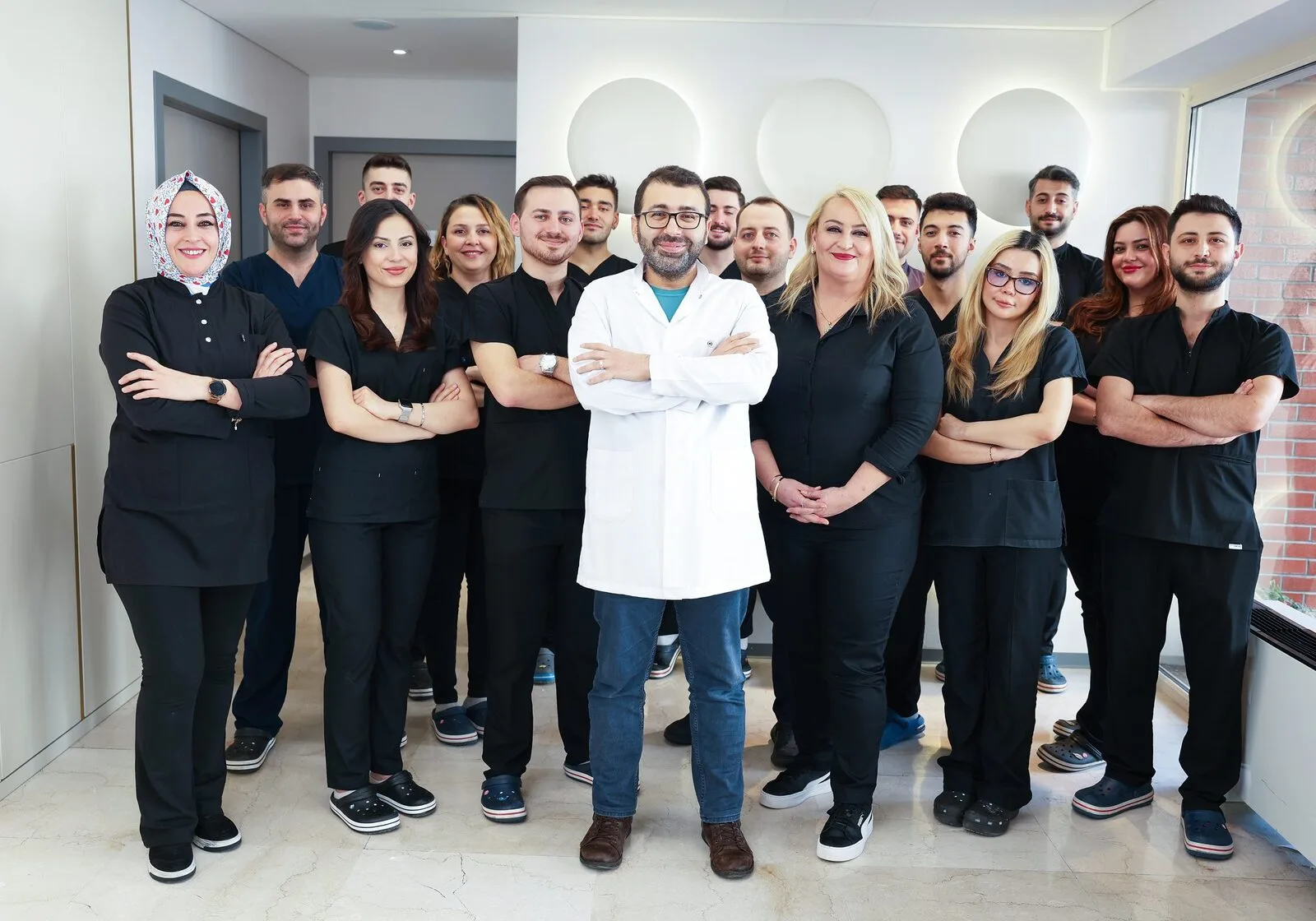
For those seeking world-class scalp micropigmentation as a solution for hair loss, Turkey combines medical expertise, international safety standards, and cost savings. From natural hairline creation to scar camouflage, top Turkish clinics like Hermest Hair Transplant Clinic provide exceptional outcomes and a seamless experience for global patients.
Statistics & Trends
- The global hair-loss treatment market reached $8.8 billion USD in 2023 and is projected to hit $12.5 billion by 2030, with non-surgical options like SMP fueling growth (Grand View Research).
- The scalp micropigmentation (SMP) market is growing 12–14% annually (CAGR), driven by rising awareness and medical tourism (MarketWatch / industry forecasts).
- FUE hair transplant costs $4,000–$15,000 USD, while full SMP averages $2,500–$5,000 USD, making SMP about 50–70% less expensive for similar visual density (industry clinic pricing data).
- Over 90% of SMP patients report visible improvement after the first session, with final results typically visible within one month (international clinic outcome surveys).
- 95% of clients express high satisfaction with SMP, citing natural appearance and minimal upkeep (International Society of Hair Restoration Surgery / clinic surveys).
- SMP results generally last 4–8 years, and touch-ups cost 60–80% less than the initial treatment—around $500–$1,000 USD (clinic pricing data).
- About 65% of SMP clients are men with male pattern baldness, while 35% are women seeking density enhancement (industry demographic reports).
- 30–40% of SMP treatments are performed for scar camouflage, especially covering FUT or FUE transplant scars (specialty clinic data).
- Turkey attracts over 1.5 million medical tourists each year, with a growing share selecting SMP along with hair transplantation (Turkish Ministry of Health / medical tourism market reports).
- Social media interest is strong: hashtags like #scalpmicropigmentation exceed 1 million posts on Instagram and TikTok, highlighting growing global acceptance (platform analytics 2024).
FAQs on Scalp Micropigmentation for Hair Loss
It is long-lasting but not truly permanent. With good aftercare, results last 4–8 years before a refresh is needed.