

Do Wigs Contribute to Hair Loss? Real Risks, Myths & Safe Use Tips
 ChatGPT
 Claude
 Perplexity
 Grok
Grok
 Gemini


Many people turn to wigs for confidence, comfort, style, or privacy. They help you feel put-together on days when your hair won’t cooperate, and for many women with thinning, wigs become a lifeline. But then a new worry shows up: Do wigs cause hair loss? Are wigs bad for your hair? Can wigs make your hair fall out even more? If you’re asking these questions, you’re not alone.
The truth is simple: wigs do not cause hair loss by themselves. The follicle doesn’t stop working just because you’re wearing a wig. Hair continues its normal hair growth cycle, even under full coverage. The real question isn’t the wig — it’s how you wear it. Certain habits can create friction, tension, or irritation that contribute to shedding, breakage, or traction alopecia from wigs over time.
So here’s the quick, clear answer:
- Do wigs cause hair loss? Not directly.
- Do wigs contribute to hair loss? They can, if worn too tight, glued aggressively, clipped repeatedly, or placed on an irritated scalp.
- Can wigs cause hair loss in the edges or hairline? Yes — especially with adhesives or lace front styles that strain delicate areas.
- Do wigs damage hair follicles? Only when constant tension or glue causes long-term trauma.
Many people blame wigs for thinning when the real cause is an underlying condition like androgenetic alopecia, telogen effluvium, or autoimmune-related shedding. Others experience issues because of poor fit, heavy caps, or wig glue hair loss around the hairline.
This guide breaks everything down clearly — the real risks, the myths, how to protect your natural hair, how to spot early damage, and when it’s time to get medical help. With good habits, wigs and hair loss don’t have to be connected.
Quick Insights
- Do wigs cause hair loss? Not by themselves. Most thinning comes from tension, friction, glue, or underlying conditions — not from simply wearing a wig.
- Do wigs contribute to hair loss? Yes, when the wig is too tight, glued daily, clipped in the same spots, or worn over an irritated scalp. These habits can lead to traction alopecia from wigs.
- The most vulnerable areas are the hairline, temples, and edges. These zones weaken faster under repeated stress from lace fronts, adhesive removal, or tight bands.
- Many women mistake natural shedding from genetics, hormones, telogen effluvium, or autoimmune activity for wig-related thinning. Timing often creates confusion.
- Wig glue hair loss is one of the most common issues, especially when adhesives are applied or removed aggressively.
- Safe wig habits — breathable caps, glueless designs, soft attachments, gentle protective styles — significantly reduce the risk.
- Scalp health matters. Buildup, heat, sweat, or irritation under the wig can worsen shedding or create inflammation.
- Early traction can recover once tension is removed, but long-standing traction may need medical treatments, PRP, or a carefully planned transplant.
- Wigs after a hair transplant should be used cautiously. Soft, lightweight, non-adhesive options are safest once healing is confirmed.
- A regular check-in routine (edges, tension, comfort, irritation) helps catch problems early and protects long-term hair density.
How Hair and Scalp React Under a Wig
To understand whether wigs contribute to hair loss, you first need to understand what your scalp and follicles experience underneath a wig. The wig itself isn’t harmful — but the environment you create under it can either support healthy hair or slowly work against it.
When you wear a wig, your scalp goes through three main changes: tension, friction, and airflow reduction. Each of these affects the hair growth cycle differently. Mild tension is fine. Constant tension is not. Likewise, slight friction is normal, but repeated rubbing in the same spot can turn into hair breakage under wigs. And while airflow isn’t the biggest factor, less ventilation can trap moisture, heat, and product buildup — all of which may irritate your scalp over time.
“A wig shouldn’t hurt, pull, or leave marks. If the scalp feels sore afterward, the follicle has been stressed — and stressed follicles thin out faster.” — Dr. Ahmet Murat
Tension and the follicle
A wig that fits too tightly increases follicle tension. This is the first step toward traction alopecia from wigs. Tension doesn’t kill follicles instantly — it weakens them gradually, especially around the temples and hairline. This is why women often ask: can wigs cause a receding hairline? Yes, when tension is ignored.
Friction and breakage
Friction happens when the wig rubs the same area over and over. Curly and coily hair textures especially experience friction-related thinning because they’re more prone to hair shedding vs breakage at the shaft. This isn’t permanent hair loss — but it can look like it if the breakage is near the root.
Scalp environment
A wig affects scalp temperature, moisture, and the scalp microbiome. When sweat and buildup stay trapped under the wig cap, you may develop scalp irritation from wigs or even scalp inflammation from wig glue if adhesives are involved.
The follicles themselves don’t shut down because of wigs — but poor tension, friction, and scalp care can create issues slowly and quietly.
When Wigs Become a Problem: Traction Alopecia and Other Risks
Wigs are not harmful by default — but certain habits can push the follicle beyond its comfort zone. When this happens repeatedly, the risk of thinning increases, especially around delicate areas like the temples and hairline. This is where traction alopecia from wigs becomes a real concern.
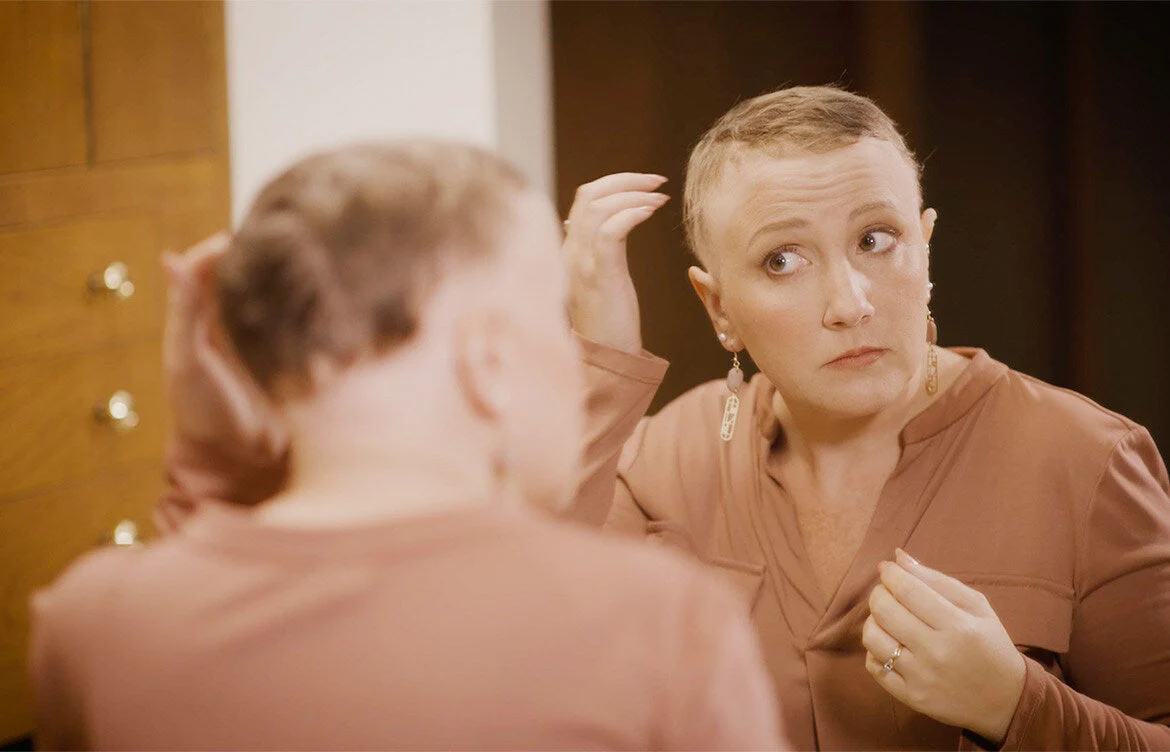
Traction alopecia happens when the follicle is pulled in the same direction over long periods. It doesn’t matter whether the pulling comes from braids, clips, glue, or a tight band: the mechanism is the same. Eventually, the follicle becomes irritated, inflamed, and weaker. If the tension continues for months or years, permanent damage can occur.
“If your wig or braids feel tight enough to leave marks, the follicle underneath is absorbing stress. Catching this early prevents long-term thinning.” — Dr. Ahmet Murat
High-risk habits that lead to traction alopecia
- Can tight wigs cause hair loss? Yes. Tight wigs increase pressure along the front hairline, often leading to receding hairline from wigs.
- Lace front wig hair loss – Lace fronts are beautiful, but daily adhesive use can lead to wig glue hair loss, irritation, and gradual thinning where the glue sits.
- Do wig clips cause hair loss? Clips placed in the same spots day after day can traumatize those follicles.
- Do wig caps cause hair loss? Caps themselves are not harmful, but rough or overly tight caps can create friction, especially on fine textures.
- Sleeping in a wig – Many ask, can sleeping in a wig cause hair loss? Yes, the constant night friction increases breakage at the root.
Other risks besides traction
- Friction hair breakage under wigs from repeated rubbing
- Scalp inflammation from wig glue and adhesives
- Patchy thinning where clips or combs grip the same area
- Damaged hairline caused by glue removal done too quickly or aggressively
The main point: wigs do not damage follicles unless tension, glue, or friction are involved. These issues take time to develop — which is why early awareness is everything.
Myths vs Reality: What Wigs Do Not Do
There are so many opinions online about wigs and hair loss that it’s hard to know what’s true. Much of the fear comes from misunderstandings about how follicles work. Wigs are often blamed for thinning they didn’t cause — and at the same time, real risks like tension or glue are overlooked. Clearing up these myths helps you make better decisions and protects your natural hair long-term.
“Most wig concerns come from myths, not biology. A healthy follicle doesn’t shut down just because you’re wearing a wig — but it does react to tension, irritation, and repeated stress.” — Dr. Ahmet Murat
Myth 1: Wigs cause permanent hair loss
This is the most common myth.
Reality: Do wigs cause permanent hair loss?
Not by themselves. Permanent loss usually comes from long-term traction, scarring, or untreated inflammation — not from simply covering your scalp.
Myth 2: Wigs suffocate the scalp
Some believe wigs block oxygen and stop growth.
Reality: The scalp doesn’t “breathe” through open air. Follicles get oxygen from the bloodstream, not the environment.
Modern caps, especially breathable wig caps, are perfectly safe.
Myth 3: Wearing a wig stops hair from growing
Reality: Growth continues whether you wear a wig or not.
If someone feels their hair is slowing down, the cause is almost always genetics, hormonal changes, or telogen effluvium — not the wig itself.
Myth 4: Synthetic wigs damage natural hair
Reality: Do synthetic wigs damage natural hair?
Only if the fit is tight or friction is constant. The fiber type doesn’t matter as much as the tension and rubbing.
Myth 5: All attachment methods are equally safe
Reality:
- Glueless methods and silicone wig grips are gentler.
- Adhesives near fragile edges can lead to wig glue damage.
- Heavy clips can trigger localized thinning.
Myth 6: If hair sheds in the shower, the wig is the cause
Reality: Shedding is often internal, stress, hormones, thyroid, ferritin, medications, not the wig.
Understanding what wigs don’t do helps you focus on what actually matters: tension, friction, scalp care, and underlying conditions.
Other Causes of Hair Loss That Get Blamed on Wigs
Many people assume thinning started because they began wearing wigs. But in reality, most cases of hair loss are unrelated to wig use. When shedding appears around the same time someone begins wearing a wig, it’s natural to blame the wig — yet the real cause is often internal, hormonal, or completely independent of styling habits.
“The timing can be misleading. A patient starts wearing wigs due to thinning, then believes the wig caused it. My job is to separate coincidence from true traction-related damage.” — Dr. Ahmet Murat
Genetic thinning
Women commonly ask, do wigs cause hair loss or does the hair loss start first?
In most cases, the thinning was already happening. Wigs for female pattern hair loss are often used as coverage, not a cause. Pattern thinning affects the crown and part line long before someone notices it.
Telogen effluvium (stress-related shedding)
Telogen effluvium creates sudden, heavy shedding due to stress, illness, surgery, medication changes, or nutritional shifts. Many women begin wearing wigs for telogen effluvium for confidence — then assume the wig triggered the shedding. It didn’t. The shedding was already in progress internally.
Alopecia areata
Patchy thinning or circular bald spots are hallmarks of autoimmune activity. A wig cannot cause these patterns. People often choose wigs for alopecia areata to manage appearance during flare-ups, but the wig plays no role in triggering the condition.
Scalp conditions
Conditions such as seborrheic dermatitis, psoriasis, and folliculitis may cause diffuse thinning or irritation. If someone experiences itching or flakes under their wig, they may worry that wigs suffocate scalp, but the underlying condition is usually the real source of the problem.
Postpartum or hormonal changes
Hormonal shifts can cause shedding months after childbirth, menopause transitions, birth control changes, or thyroid fluctuations. These forms of thinning often get misattributed to wigs simply because the wig was introduced during the same time frame.
Understanding what wigs don’t cause helps you manage expectations and prevents unnecessary fear. Now you can focus on real triggers — and address them effectively.
How to Wear Wigs Without Damaging Your Hair

Wigs can be part of a healthy hair routine — even daily — when worn correctly. The goal isn’t to stop wearing them; it’s to wear them in a way that protects your edges, scalp, and follicles long term. Whether you’re using wigs for thinning hair, wigs for alopecia, or simply love switching styles, the right habits make all the difference.
“A wig should feel secure but never painful. If your scalp needs relief the moment you take it off, something in your routine needs adjusting.” — Dr. Ahmet Murat
Choose the right cap and construction
A properly fitted cap reduces both tension and friction. Look for:
- breathable wig caps to avoid moisture buildup
- adjustable bands instead of tight straps
- lightweight wigs that don’t press on the scalp
- soft linings to prevent rubbing on delicate areas
Avoid caps that dig into your edges — this is where early traction-related inflammation begins.
Attachment methods matter
Not all attachment methods have the same risk level.
- Are glueless wigs better for hair health? Often, yes. Glueless designs reduce adhesive-related irritation and protect the hairline.
- Safest wig attachment method: Silicone wig grips or adjustable elastic bands. They stay secure without pulling.
Use adhesives sparingly, especially if you’ve already experienced wig glue hair loss or scalp inflammation from wig glue.
Secure your natural hair gently
Under the wig, choose protective styles under wigs with minimal tension—loose braids, twists, or a low braid. Tight cornrows may look neat but often lead to hairline thinning from wigs if worn repeatedly.
Avoid friction hotspots
If you feel rubbing in the same spot every day, that’s a warning sign. Rotate placement of clips or switch to no-glue wigs or wig grips to prevent hair breakage under wigs.
Give your scalp breathing room
Even though wigs don’t suffocate the scalp, taking regular breaks lets you check for redness, irritation, or tenderness — early signs that something needs adjusting.
Safe wig habits are simple but powerful. Protect the follicle, reduce tension, and keep the scalp healthy — and your hair will stay healthier underneath.
Caring for Your Natural Hair and Scalp Under the Wig
Wearing a wig safely isn’t only about the wig itself — it’s about what happens underneath. Your hair and scalp still need consistent care, airflow, and gentle handling. When the foundation is healthy, wearing wigs becomes low-risk. When the foundation is ignored, tension and irritation build quietly until thinning becomes noticeable, especially around the edges. Good wig habits matter, but scalp care completes the picture.
“Healthy hair under a wig doesn’t happen by accident. It’s intentional. The scalp needs comfort, space, and the right routine to stay resilient.” — Dr. Ahmet Murat
Keep the scalp clean and balanced
Sweat, oils, and product buildup collect faster under wigs. If not washed regularly, they can disrupt the scalp microbiome, clog follicles, and contribute to shedding. A gentle wash routine keeps the scalp balanced and reduces traction-related inflammation.
Choose mild shampoos and avoid heavy products under the wig. Hair trapped under buildup is more prone to breakage and irritation.
Moisturize without overloading
Your natural hair still needs moisture, especially when tucked away for long periods. Light, non-greasy leave-ins help retain flexibility without weighing down the roots. Overusing thick oils or butters under a wig can trap heat, worsen friction, and lead to hair breakage under wigs.
Refresh protective styles regularly
Protective styles are helpful, but they shouldn’t stay in for weeks at a time. Loose braids or twists protect the follicle far better than tight cornrows. Rotate where the hair is parted or braided to avoid repetitive stress in one area — a simple way to prevent damaged hairline or thinning temples.
Let your scalp rest
Regular wig-free periods help you catch early warning signs like tenderness, redness, or uneven hair density changes. These subtle clues often appear before visible thinning begins.
Address irritation quickly
If you notice flaking, itching, or unusual sensitivity, it could be early scalp irritation from wigs or adhesives. Fixing tension or switching attachment methods prevents minor irritation from turning into traction alopecia wig concerns later.
Caring for your real hair is the strongest protection you have. When the scalp is healthy, wigs become a styling choice — not a risk.
What to Do If You Already See Damage
If you’re noticing thinning edges, soreness, or patchy areas where your wig sits, you’re not alone. Many women only realize something is wrong once the signs become hard to ignore. The good news is that most wig-related issues improve when caught early. The goal now is to stop further stress, calm the scalp, and support regrowth. With the right steps, even areas affected by traction alopecia from wigs can recover — as long as the follicles aren’t scarred.
“When a patient comes in with thinning from wigs, I look for irritation, tension marks, and early traction patterns. With the right changes and treatment, recovery is very possible.” — Dr. Ahmet Murat
Stop the triggering habit immediately
If your routine includes tight straps, heavy clips, or adhesives, pause all of them right away. Switch to glueless wigs, wig grips, or light elastic bands. Anything that pulls on fragile areas — especially the front hairline — increases the risk of receding hairline from wigs.
Let your scalp calm down
Inflamed follicles recover slowly. If you see redness, bumps, or tenderness, that’s a sign of traction-related inflammation. Reducing tension is the first step. A gentle scalp routine helps the area settle without extra irritation.
Support regrowth
For early cases where thinning is mild and the follicles are still active, recovery can be noticeable within weeks to months. Improving the environment helps:
- gentle cleansing to reduce buildup
- light leave-ins to keep hair flexible
- avoiding friction-heavy caps
- rotating placement of clips or eliminating them entirely
If the thinning looks patchy or circular, autoimmune causes like alopecia areata might be involved — unrelated to wigs.
Consider medical treatments when needed
Some cases benefit from targeted treatments. PRP can stimulate weak follicles, and microneedling helps circulation in areas under previous tension. For long-standing cases where scarring is present, hair transplant for traction alopecia becomes an option — especially when edges or temples haven’t recovered.
Watch for early signs
If tenderness or thinning returns each time you wear a certain wig or attachment, that’s your body sending a clear message. Listening early prevents long-term damage.
Wigs After Hair Transplant or During Medical Treatment
Wigs can be a practical tool during recovery or medical treatment, but timing and technique matter. After a transplant, the scalp is healing and the grafts are settling into place. During chemo or autoimmune flare-ups, the scalp may be sensitive, dry, or inflamed. In these periods, the wrong wig routine can slow recovery, irritate healing skin, or put pressure on fragile areas — while the right approach can keep you comfortable without affecting outcome.
“After a transplant, the priority is protecting the grafts. Light coverage can be fine after the early healing phase, but anything that presses, glues, or tugs should be avoided completely.” — Dr. Ahmet Murat
Wigs after a hair transplant
Patients often ask if they can wear wigs after hair transplant. The short answer: not immediately. In the first weeks, the grafts are delicate and pressure can compromise them. Once the healing phase progresses and your doctor confirms it’s safe, lightweight, no-glue wigs or wigs with soft inner caps are usually the safest choices.
Avoid adhesives entirely. Wig glue damage around the hairline can irritate newly transplanted follicles and disrupt early growth. Choose soft, breathable caps that glide over the scalp rather than grip tightly.
Wigs during chemo or medical treatments
For chemo-related thinning, people often use wigs for chemo patients to feel more like themselves. The challenge isn’t the wig — it’s the sensitivity of the scalp, which may be dry, flaky, or tender. Soft caps, lightweight wigs, and gentle lining materials help protect the surface without causing discomfort.
Autoimmune-related shedding, like alopecia areata, also requires gentler routines. Since the follicle is already inflamed, tension or friction from clips or adhesives can worsen the condition — especially in areas of patchy thinning.
Wigs with existing hair loss conditions
If you’re dealing with wigs for alopecia, wigs for female pattern hair loss, or wigs for telogen effluvium, focus on reducing tension as much as possible. These conditions make follicles more reactive to pressure, so light, adjustable designs are ideal.
A thoughtful wig routine during medical treatment supports both comfort and healthy regrowth once recovery begins.
Your Safe-Use Checklist: How to Know Your Wig Routine Is Hair-Friendly
When you wear wigs often, it helps to have a simple way to evaluate whether your routine is protecting your natural hair — or quietly stressing it. Many women don’t notice tension or friction until thinning has already begun. A quick checklist keeps you ahead of problems and makes sure your habits align with healthy follicle behavior.
“Your wig routine should feel effortless. If you’re adjusting, tugging, or feeling pressure, it’s a sign the follicle is absorbing stress. Small changes prevent long-term thinning.” — Dr. Ahmet Murat
Comfort check
Healthy wig use feels comfortable throughout the day. Ask yourself:
- Do you forget you’re wearing it?
- Does your scalp feel relaxed?
- Is there zero soreness when removing it?
If you feel relief when taking the wig off, the tension may be too high. In the long run, this can contribute to traction alopecia from wigs.
Hairline check
Look closely at your edges. Early signs of trouble:
- small gaps or thinning spots
- dryness or flaking near adhesive areas
- any redness or tenderness at the temples
These can be the first clues that wigs cause a receding hairline when tension isn’t corrected.
Scalp check
Healthy scalp: calm, hydrated, and irritation-free. Warning signs:
- bumps at clip or band locations
- soreness that lasts after removal
- buildup causing itchiness
These point to scalp irritation from wigs or traction-related inflammation.
Attachment check
Lower-risk methods: silicone wig grips, elastic bands, glueless wigs, and soft adjustable caps. Higher-risk methods: daily adhesives, heavy clips, or tight straps near the hairline.
The safest routine minimizes pressure and avoids anything that pulls.
Break check
Your scalp needs regular wig-free time. Even short breaks help prevent permanent vs reversible hair loss outcomes. Strong routines always include rest periods.
If you pass most of these checkpoints, your wig habits are likely supportive and safe. If not, adjusting early helps prevent long-term issues.
FAQs
Not directly. Permanent thinning only happens when long-term tension or scarring develops. Wigs themselves do not damage follicles permanently unless chronic traction is involved.
A Healthier Wig Routine With Hermest Hair Clinic
If you’re unsure whether your wig routine is helping or hurting your hair, you’re not alone. Many women only realize there’s a problem when thinning shows up along the edges or temples. The good news is that most wig-related issues can be identified early and fixed with the right guidance. And even when thinning has started, your follicles often respond well once tension and irritation are removed.
“Every scalp tells a story. When we examine the pattern, the tension points, and the history of wig use, we can usually pinpoint what’s happening — and what will help you recover.” — Dr. Ahmet Murat
At Hermest, we evaluate everything that influences wigs and hair loss: your attachment methods, tension patterns, scalp health, inflammation signs, adhesive use, and the underlying causes that might be hiding underneath the wig. This gives us a complete view of why your hair is changing — not just guesses.

For some women, adjusting the wig routine is enough to stop shedding and let fragile areas recover. For others, a combination of scalp therapy, medical treatment, PRP, or microneedling supports regrowth. And when traction has been present for years and recovery is limited, a carefully planned hair transplant can restore density in a natural, age-appropriate way.
You don’t need to figure out the cause alone. You don’t need to guess whether it’s the wig, hormones, genetics, or tension. You deserve a clear explanation and a plan that fits your biology, lifestyle, and goals.
If you’re seeing thinning, irritation, or changes around your hairline, schedule a professional evaluation at Hermest Hair Clinic. Let’s understand what’s really going on, and help your hair recover stronger than before.