
Hair Transplant Thailand vs Turkey: Costs, Results & Safety
 ChatGPT
 Claude
 Perplexity
 Grok
Grok
 Gemini

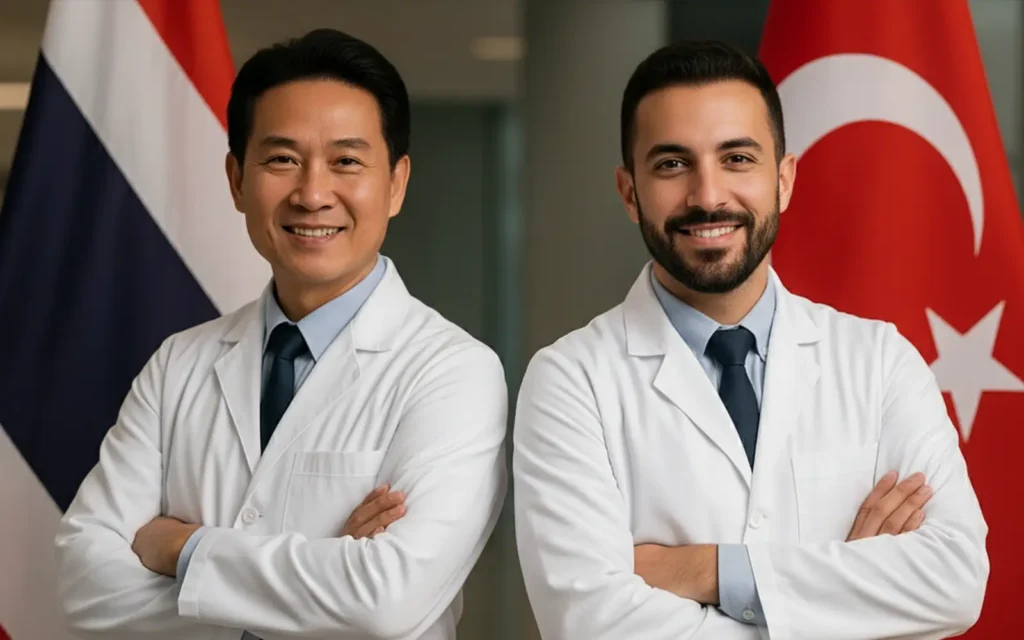
When researching a hair transplant Thailand vs Turkey comparison, most patients want clear answers about pricing, techniques, safety, and long-term results. Both destinations attract thousands of international medical tourists every year, but choosing between them can feel overwhelming. You might wonder: Which is the best country for hair transplant Thailand or Turkey? Or, is Thailand or Turkey for hair transplant the safer, more cost-effective choice?
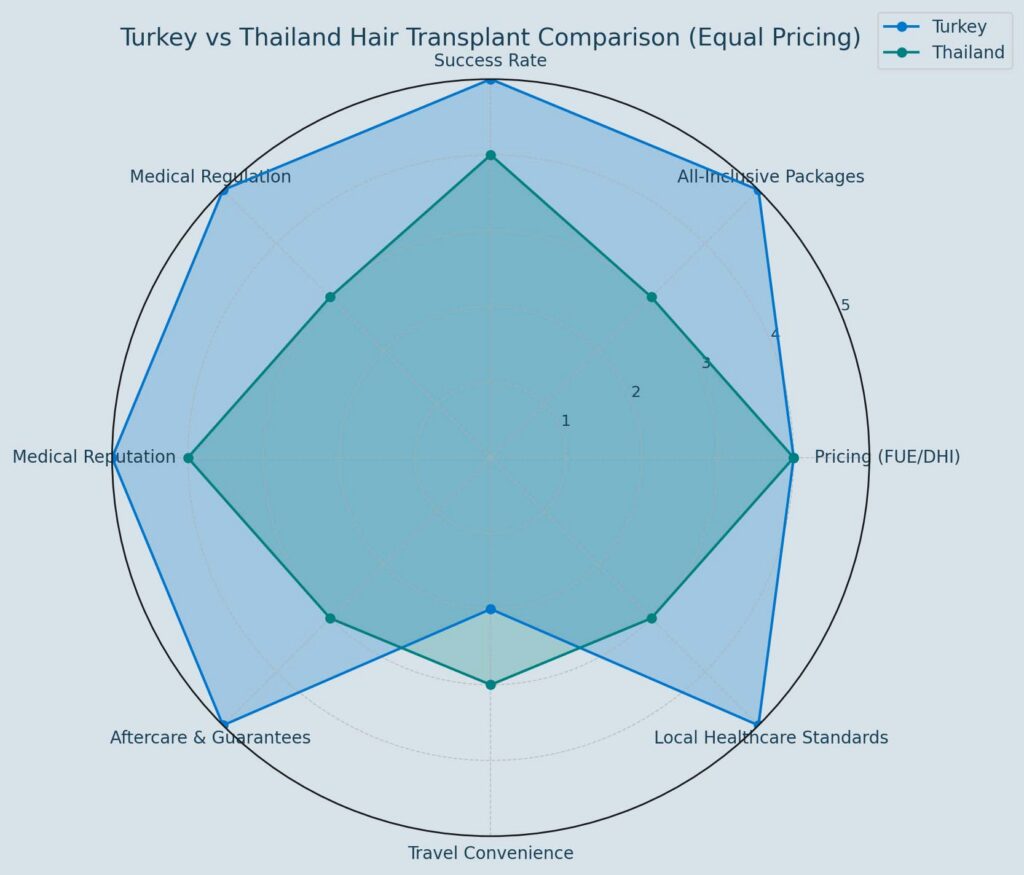
This guide is designed to give you more than surface-level comparisons. While most online articles focus only on pricing, they often miss deeper aspects like clinic accreditation, surgeon experience, aftercare, and success rates. We’ve studied the top-ranking competitor pages and identified content gaps, then expanded the scope to provide patients with a complete decision framework.
Here’s what you can expect in this comprehensive article:
- Transparent breakdown of hair transplant cost Thailand vs Turkey, including per-graft pricing and package inclusions.
- Comparison of techniques such as FUE, DHI, Sapphire FUE, and robotic transplants.
- Insights into safety standards, accreditation, and regulations in both countries.
- Honest review of patient experiences, aftercare, and revision policies.
- A realistic pros and cons table so you can decide based on facts, not hype.
Dr. Ahmet Murat says: “Patients often think cost is the only factor, but what truly matters is the combination of surgeon skill, clinic standards, and aftercare. At Hermest, we remind patients that long-term results depend on precision and proper post-operative guidance.”
Quick Comparison: Hair Transplant Thailand vs Turkey
Hair Transplant Cost Thailand vs Turkey
- Turkey: $1,700–$3,800 (all-inclusive packages with hotel, transfers, translators, aftercare) To review detailed hair transplant packages: hair transplant Cost in Turkey 2025
- Thailand: $3,500–$7,000 (packages less standardized, extras often not included)
Techniques & Expertise
- Turkey: High-volume clinics, advanced methods like FUE, DHI, Sapphire FUE, international accreditations, lifetime guarantees.
- Thailand: Modern hospitals, FUE and DHI available, some robotic options, but fewer dedicated transplant clinics.
Safety & Regulation
- Turkey: Ministry of Health regulation, minimum pricing, surgeon-led procedures, strong transparency.
- Thailand: Safe in top hospitals but less industry-wide regulation, higher costs, less consistency in aftercare.
Best Country for Hair Transplant Thailand or Turkey?
- Choose Turkey for affordability, expertise, and structured aftercare.
- Choose Thailand if you want a luxury hospital setting and don’t mind higher costs.
Patients asking “Which is better, Thailand or Turkey for hair transplant?” will find that Turkey offers the most complete balance of price, safety, and results.
Pricing & Packages: Hair Transplant Cost Thailand vs Turkey
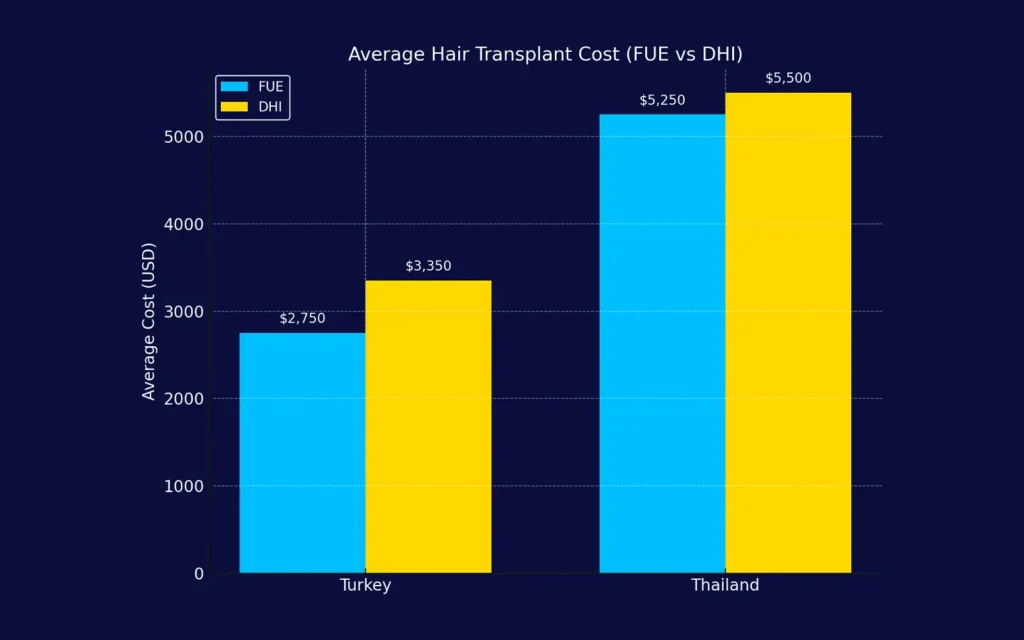 When looking at hair transplant cost Thailand vs Turkey, the difference is clear. Turkey is widely recognized for offering affordable yet high-quality procedures, while Thailand usually comes with higher price tags linked to its premium medical tourism market.
In Turkey, the average cost of a standard FUE hair transplant ranges from $1,700 to $3,800, depending on the number of grafts, clinic reputation, and whether advanced techniques are chosen. More sophisticated options such as Sapphire FUE or DHI might increase the price slightly, but Turkey still remains one of the most cost-effective destinations globally.
What makes Turkey stand out is the structure of its all-inclusive packages, which typically cover airport transfers, hotel accommodation, translation services, aftercare kits, and follow-up support.
In Thailand, patients should expect to pay between $3,500 and $7,000 for similar procedures. Clinics in Bangkok and Phuket provide modern facilities and skilled surgeons, but the packages are often less comprehensive. Extra costs like accommodation, transfers, and medications may not always be included, leaving patients to handle those expenses separately. For anyone comparing Thailand vs Turkey hair transplant packages, this can significantly impact the final bill.
Dr. Ahmet Murat highlights: “One of the strongest advantages of Turkey is cost transparency. Regulations require clinics to maintain safe minimum pricing, which prevents risky undercutting. Patients benefit from clear per-graft calculations and all-inclusive packages. In Thailand, although the quality is strong, hidden costs sometimes surprise patients after surgery.”
What’s usually included in Turkey’s all-inclusive packages?
- Surgery performed directly by experienced surgeons
- 4–5 star hotel accommodation (3–5 nights)
- VIP transfers between airport, hotel, and clinic
- Translator and patient coordinator services
- Aftercare kit with medications and shampoos
- Extended follow-up support and, in many clinics, a lifetime guarantee
For patients deciding on the best country for hair transplant Thailand or Turkey, Turkey’s affordability combined with transparency and comprehensive packages gives it a strong edge.
Techniques & Clinic Infrastructure
When comparing Thailand vs Turkey hair transplant options, the available techniques and clinic infrastructure play a major role in patient decision-making. Both countries offer modern procedures, but Turkey has a clear advantage in terms of scale, innovation, and surgeon experience.

In Turkey, leading clinics routinely perform advanced techniques such as FUE (Follicular Unit Extraction), DHI (Direct Hair Implantation), and Sapphire FUE, which uses sapphire blades for more precise incisions and faster healing. Many centers also incorporate PRP (Platelet-Rich Plasma) therapy and stem cell support to improve graft survival rates.
Clinics in Istanbul handle thousands of international patients each year, meaning surgeons refine their skills with high case volumes and standardized protocols.
In Thailand, FUE and DHI are also available in top clinics, particularly in Bangkok. However, the number of procedures performed annually is significantly lower compared to Turkey.
While some clinics advertise robotic hair transplant technology, the adoption is not as widespread, and costs for such methods are higher. Patients might find fewer package options that combine advanced techniques with full aftercare.
Dr. Ahmet Murat explains: “At Hermest, we specialize in our patented Unique FUE® method, which focuses on maximum density and natural-looking hairlines. Turkey’s strength lies in both surgeon experience and access to the latest tools. Our high procedure volume means every detail, from anesthesia to graft placement, follows carefully tested standards.”
Infrastructure Comparison
- Turkey: Dedicated hair transplant hospitals, internationally accredited clinics, high patient turnover, and bilingual staff specialized in medical tourism.
- Thailand: Modern private hospitals with good facilities, but often more generalist in approach and with fewer clinics dedicated exclusively to hair restoration.
For those asking whether Thailand or Turkey for hair transplant is better from a techniques perspective, Turkey holds the advantage by offering both cutting-edge technology and surgeons who perform thousands of transplants yearly. This combination ensures consistency and predictability in results, which patients value most.
Surgeon Experience, Accreditation & Success Rates
For many patients, the deciding factor in the hair transplant Thailand vs Turkey debate isn’t just price—it’s the surgeon’s skill and the clinic’s credibility. A successful outcome depends on precision, artistry, and the ability to design a natural-looking hairline, all of which require years of practice and training.

In Turkey, hair transplant clinics—especially in Istanbul—are highly specialized. The country’s medical tourism industry is tightly regulated, requiring clinics to meet certain safety and pricing standards. Many surgeons are members of respected organizations such as ISHRS (International Society of Hair Restoration Surgery) and TSHRS (Turkish Society of Hair Restoration Surgery), adding credibility to their expertise.
With thousands of procedures performed every year, Turkish surgeons build unmatched experience across different hair types and ethnicities. Success rates in Turkey typically range between 90–95%, with clinics often offering written guarantees for graft survival.
In Thailand, patients can also find well-trained doctors, particularly in Bangkok’s top private hospitals. However, the industry is smaller, meaning surgeons may not handle the same high volumes as their Turkish counterparts. Accreditation is usually hospital-based rather than clinic-specific, and international memberships are less consistently advertised. Reported success rates hover around 85–90%, but follow-up support can vary depending on the clinic.
Dr. Ahmet Murat says: “The volume of experience in Turkey cannot be underestimated. At Hermest, we combine international accreditation with thousands of successful operations. This ensures not just density but also artistry—because hair transplantation is as much about design as it is about surgery.”
Key Factors Patients Should Compare
- Turkey: Surgeons with international society memberships, strict regulations, high patient turnover, written guarantees, extensive aftercare.
- Thailand: Qualified surgeons, good facilities, but smaller procedure volumes, less standardized guarantees, and higher costs.
When asking which is the best country for hair transplant Thailand or Turkey, the sheer scale of Turkey’s industry and surgeon experience makes it the stronger choice for most patients seeking consistent, high-quality outcomes.
Safety, Regulation & Transparency
Safety and regulation are central to the decision when comparing a hair transplant Thailand vs Turkey. Patients want to know not just about results but about how well clinics are monitored, how transparent pricing is, and whether risks are minimized.
In Turkey, the Ministry of Health enforces minimum pricing regulations to prevent unsafe “black market” practices where unqualified technicians perform surgeries at dangerously low costs. Accredited clinics in Istanbul and other cities are required to have licensed doctors directly involved in the procedure, and many hospitals maintain JCI (Joint Commission International) or equivalent accreditations.
Transparency is also strong: clinics typically provide cost-per-graft breakdowns and clearly outline what’s included in their all-inclusive packages.
Thailand, meanwhile, is known for its strong private healthcare sector and modern hospitals, particularly in Bangkok and Phuket. However, the hair transplant industry is less standardized. Accreditation often applies to the hospital as a whole rather than specific transplant units, which can create inconsistencies in oversight.
Regulations around minimum pricing are not as strict, meaning that while reputable clinics operate safely, patients need to do more research to avoid potential risks.
Dr. Ahmet Murat emphasizes: “At Hermest, we put patient safety above everything. Every procedure is conducted under international standards with certified surgeons. We explain costs transparently, so patients know exactly what they’re paying for. Safety and clarity are what build long-term trust.”
Transparency Factors Patients Should Look For
- Clear per-graft pricing with no hidden charges
- Proof of surgeon credentials and memberships (ISHRS, TSHRS)
- Hospital or clinic accreditation such as JCI
- Aftercare guarantees in writing
When deciding between Thailand or Turkey for hair transplant, Turkey’s structured regulations and transparent pricing provide patients with a more reliable framework. While Thailand offers advanced hospitals, the lack of industry-wide regulation means patients need to spend extra effort verifying credentials and inclusions.
Medical Tourism & Logistics
When evaluating Thailand vs Turkey hair transplant choices, medical tourism logistics play a huge role in patient satisfaction. Beyond the surgery itself, factors such as visas, flights, accommodation, and recovery environment directly impact the overall experience.
Turkey has become the world’s top destination for hair restoration, welcoming more than 1 million medical tourists annually, with hair transplants being one of the main treatments. Istanbul is the hub, offering direct flights from nearly every major international airport.
Most clinics provide all-inclusive packages that cover 4–5 star hotel stays, VIP airport transfers, translators, and aftercare kits, which means patients can focus entirely on their recovery. Visa requirements are relatively straightforward, with e-visas available for citizens of many countries.
Thailand also enjoys a strong medical tourism reputation, particularly for dental and cosmetic procedures. Bangkok and Phuket are the primary centers for hair transplantation. However, packages are less standardized compared to Turkey, with patients often needing to arrange hotels and transport separately.
Visa rules vary depending on nationality, and while the recovery environment is appealing—thanks to Thailand’s resort lifestyle—it can sometimes encourage patients to return to physical activity too quickly, which isn’t ideal after a transplant.
Dr. Ahmet Murat notes: “In Turkey, the process is streamlined from the moment you land. Patients appreciate not worrying about logistics. At Hermest, we take care of everything—from airport pick-up to follow-up support—because we know a stress-free recovery environment is just as important as the surgery.”
Travel & Logistics Comparison
- Turkey: Direct international connections, easy visa process, bundled all-inclusive packages, dedicated hair transplant tourism infrastructure.
- Thailand: Popular for general medical tourism, good private hospitals, but fewer hair transplant-specific packages and less standardized logistics.
For patients comparing Thailand or Turkey for hair transplant, Turkey’s streamlined approach with comprehensive packages makes the process far more convenient, especially for those traveling long distances.
Patient Experience & Real Outcomes
For many patients comparing a hair transplant Thailand vs Turkey, real experiences and outcomes often matter more than numbers. Hearing how others felt during recovery, how natural their results look, and whether the clinic supported them after surgery gives the clearest picture of what to expect.
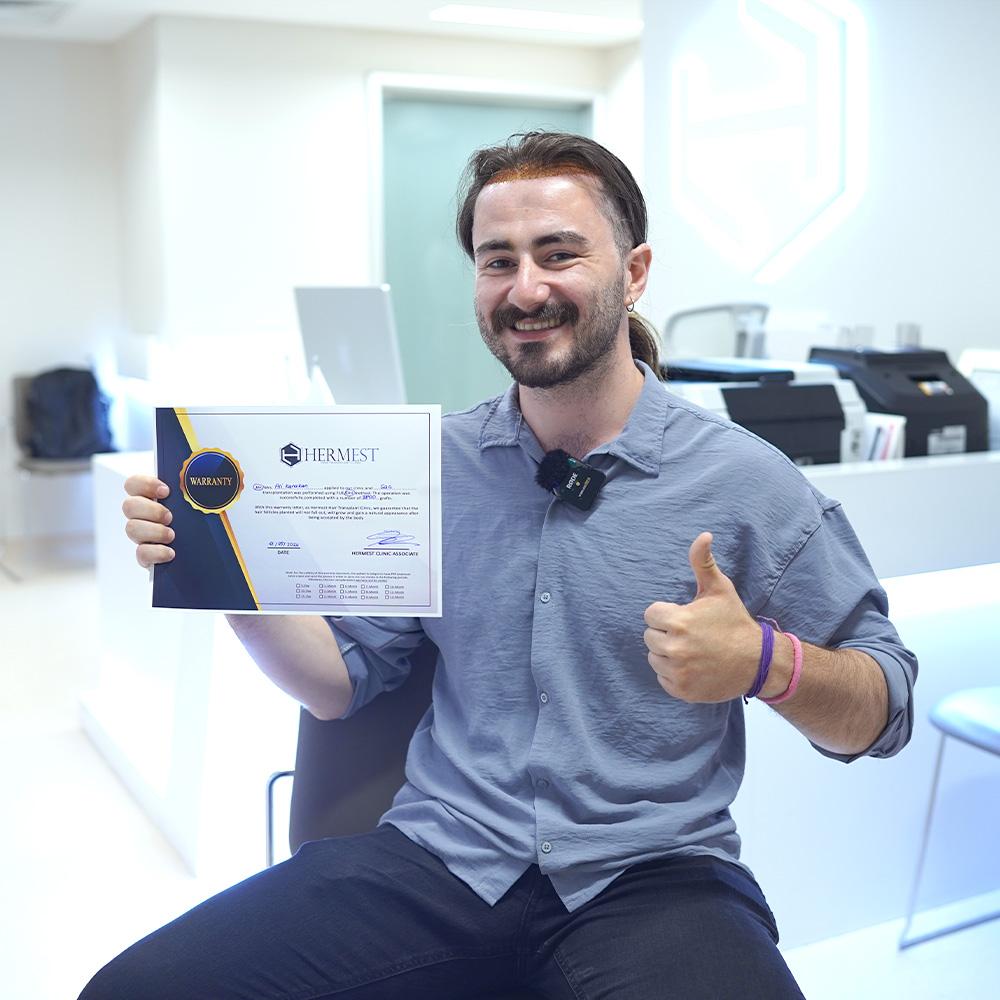
In Turkey, patient experience is at the heart of the industry. Clinics in Istanbul treat thousands of international patients every month, which has helped shape a patient-focused approach. Reviews highlight not just the natural-looking results but also the hospitality—patients are met at the airport, guided by coordinators, and supported in their native language.
Aftercare is structured, with clinics often providing long-term follow-up via online check-ins and lifetime growth guarantees. Before-and-after photos are widely available, showing consistent density and well-designed hairlines.
In Thailand, patients generally report satisfaction with the professionalism and comfort of private hospitals. Facilities are modern, and recovery environments can be relaxing thanks to Thailand’s resort culture.
However, some reviews mention higher costs and less standardized aftercare once patients return home. Because fewer clinics are dedicated solely to hair restoration, finding consistent patient outcome data is more challenging. Reported results are positive but tend to lack the same large-scale consistency seen in Turkey.
Dr. Ahmet Murat explains: “At Hermest, we understand that patients don’t just want hair—they want confidence. That’s why we emphasize natural design, density, and strong aftercare. We stay in touch with patients long after they fly home, ensuring their results continue to improve with time.”
Patient Experience Highlights
- Turkey: Strong community of international patients, transparent before/after galleries, consistent outcomes, lifetime guarantees, multilingual support.
- Thailand: High comfort level, professional service, relaxing recovery environment, but less consistent follow-up and fewer dedicated transplant clinics.
For those deciding on the best country for hair transplant Thailand or Turkey, Turkey delivers stronger overall patient satisfaction thanks to scale, consistency, and structured aftercare.
Pros & Cons: Thailand vs Turkey Hair Transplant
When weighing Thailand vs Turkey hair transplant choices, many patients find it helpful to see the advantages and drawbacks side by side. Both destinations have strengths, but the differences in cost, experience, and infrastructure can make one option stand out more clearly depending on your needs.
Pros of Hair Transplant in Turkey
- Affordable pricing: $1,700–$3,800 for FUE and DHI
- All-inclusive packages covering hotel, transfers, translators, and aftercare
- High volume of procedures ensures surgeon expertise
- Regulated by the Ministry of Health with minimum pricing standards
- Internationally accredited clinics (JCI, ISHRS, TSHRS memberships)
- Lifetime guarantees and extensive aftercare support
Cons of Hair Transplant in Turkey
- High patient volume may make some clinics feel less personalized
- Risk of “cut-price” unlicensed clinics if patients don’t research properly
- Istanbul can be busy, which may not suit those seeking a quiet recovery
Pros of Hair Transplant in Thailand
- Modern hospitals with advanced medical infrastructure
- Comfortable recovery environment in resort-like locations
- Qualified surgeons, especially in Bangkok and Phuket
- Option for combining treatment with a luxury holiday
Cons of Hair Transplant in Thailand
- Higher costs: $3,500–$7,000 for similar procedures
- Packages often exclude accommodation and transfers
- Fewer clinics specializing exclusively in hair restoration
- Less standardized aftercare and lower procedure volumes
Dr. Ahmet Murat points out: “Patients often ask which is the best country for hair transplant Thailand or Turkey. The answer depends on expectations—if affordability, expertise, and structured aftercare matter most, Turkey is the clear choice. Thailand appeals to those prioritizing comfort and luxury but comes at a higher price.”
By putting the pros and cons side by side, patients can better decide whether Thailand or Turkey for hair transplant is the right path based on their budget, expectations, and lifestyle.
Decision Guide: Which to Choose?
For patients deciding between a hair transplant Thailand vs Turkey, the final choice often comes down to balancing cost, surgeon expertise, and aftercare. Both countries offer safe and effective treatments, but their strengths appeal to different patient needs.
If budget and transparency are your top priorities, Turkey clearly leads. With FUE and DHI procedures starting at $1,700–$3,800, and inclusive packages that cover hotels, transfers, translators, and lifetime guarantees, patients know exactly what they are getting. The high case volume means surgeons have unmatched experience across diverse hair types, and regulations ensure patients are protected from unqualified providers.
If comfort and luxury matter more than cost, Thailand may be appealing. Private hospitals in Bangkok and Phuket are modern, professional, and often combine treatment with a resort-style recovery. However, this comes at a higher price—typically $3,500–$7,000—and with less standardized aftercare once patients return home.
Dr. Ahmet Murat advises: “When patients ask me whether Thailand or Turkey for hair transplant is better, I encourage them to think about long-term results. A beautiful hairline that lasts decades depends on surgeon skill, graft survival, and proper follow-up. At Hermest, we’ve built our reputation by focusing on those fundamentals, not just the surgery day.”
Quick Decision Guide
Choose Turkey if:
- You want affordable, transparent pricing
- You prefer all-inclusive packages with minimal planning stress
- You value surgeon expertise built on thousands of cases
- You want lifetime guarantees and structured aftercare
Choose Thailand if:
- You are comfortable with higher costs
- You want a luxury medical tourism experience
- You prefer recovery in a resort-like environment
- You’re satisfied with more limited aftercare options
For most patients asking which is the best country for hair transplant Thailand or Turkey, Turkey provides the strongest combination of cost-effectiveness, surgeon experience, and long-term patient satisfaction.
FAQs on Thailand vs Turkey Hair Transplant
Turkey is much more affordable, with procedures averaging $1,700–$3,800, often in all-inclusive packages. In Thailand, prices range from $3,500–$7,000, and many packages exclude extras like hotel stays or transfers. For patients comparing hair transplant cost Thailand vs Turkey, Turkey offers far more value.