

Finasteride Depression: Risks, Symptoms & What to Do
 ChatGPT
 Claude
 Perplexity
 Grok
Grok
 Gemini

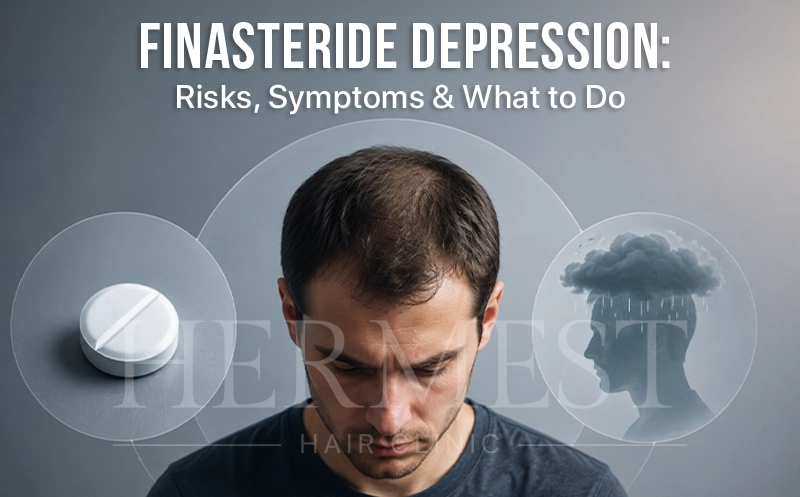
For many men struggling with hair loss, finasteride is one of the first treatments they encounter. It has been used for decades and remains one of the most widely prescribed medications for androgenetic alopecia. At the same time, growing discussions about finasteride depression have raised important questions about safety, mental health, and informed decision-making.
This creates a difficult situation. On one side, finasteride helps many patients slow hair loss and preserve existing follicles. On the other, some users report finasteride mood changes, anxiety, emotional numbness, and depressive symptoms while taking the medication.
The challenge is separating scientific evidence from internet speculation. Some online discussions claim finasteride is completely safe. Others portray it as dangerously harmful. Neither extreme accurately reflects the current evidence.
Recent regulatory reviews have added new attention to the topic. In 2025, the European Medicines Agency (EMA) confirmed that suicidal ideation is a side effect of finasteride tablets, although the frequency remains unknown. The agency advised patients using 1 mg finasteride for hair loss to seek medical advice if mood changes occur and to stop treatment if necessary.
For patients already worried about hair loss, this information can feel overwhelming. Should you avoid finasteride entirely? Can finasteride actually cause depression? What should you do if symptoms appear?
“The most important thing is that patients receive balanced information before starting treatment. Every medication has potential benefits and risks. Our responsibility is helping patients understand both,” says Dr. Ahmet Murat, of Hermest Hair Clinic.
At Hermest, these conversations happen regularly. Some patients are comfortable using finasteride. Others prefer alternative approaches. Neither choice is automatically right or wrong.
This guide examines what current research says about finasteride depression, the reported mental health effects associated with the medication, what regulators and scientists currently know, and how patients can make informed decisions about their hair restoration journey.
Quick Insights
- Finasteride depression remains an important topic that deserves balanced discussion rather than fear-based messaging.
- Some studies, patient reports, and regulatory reviews suggest a possible association between finasteride and mood-related symptoms, including depression and suicidal thoughts.
- The European Medicines Agency advises patients taking 1 mg finasteride for hair loss to seek medical advice and discontinue treatment if depressive symptoms occur.
- Not every patient experiences mental health side effects, and individual risk appears to vary considerably.
- Alternatives such as minoxidil, PRP, low-level laser therapy, and hair transplantation may be available for patients who prefer not to use finasteride.
- Successful hair restoration depends on accurate diagnosis, informed decision-making, and personalized long-term planning rather than reliance on any single treatment.
What Is Finasteride and Why Is It Used for Hair Loss?
Before discussing mood-related concerns, it helps to understand why finasteride became such a popular treatment in the first place.
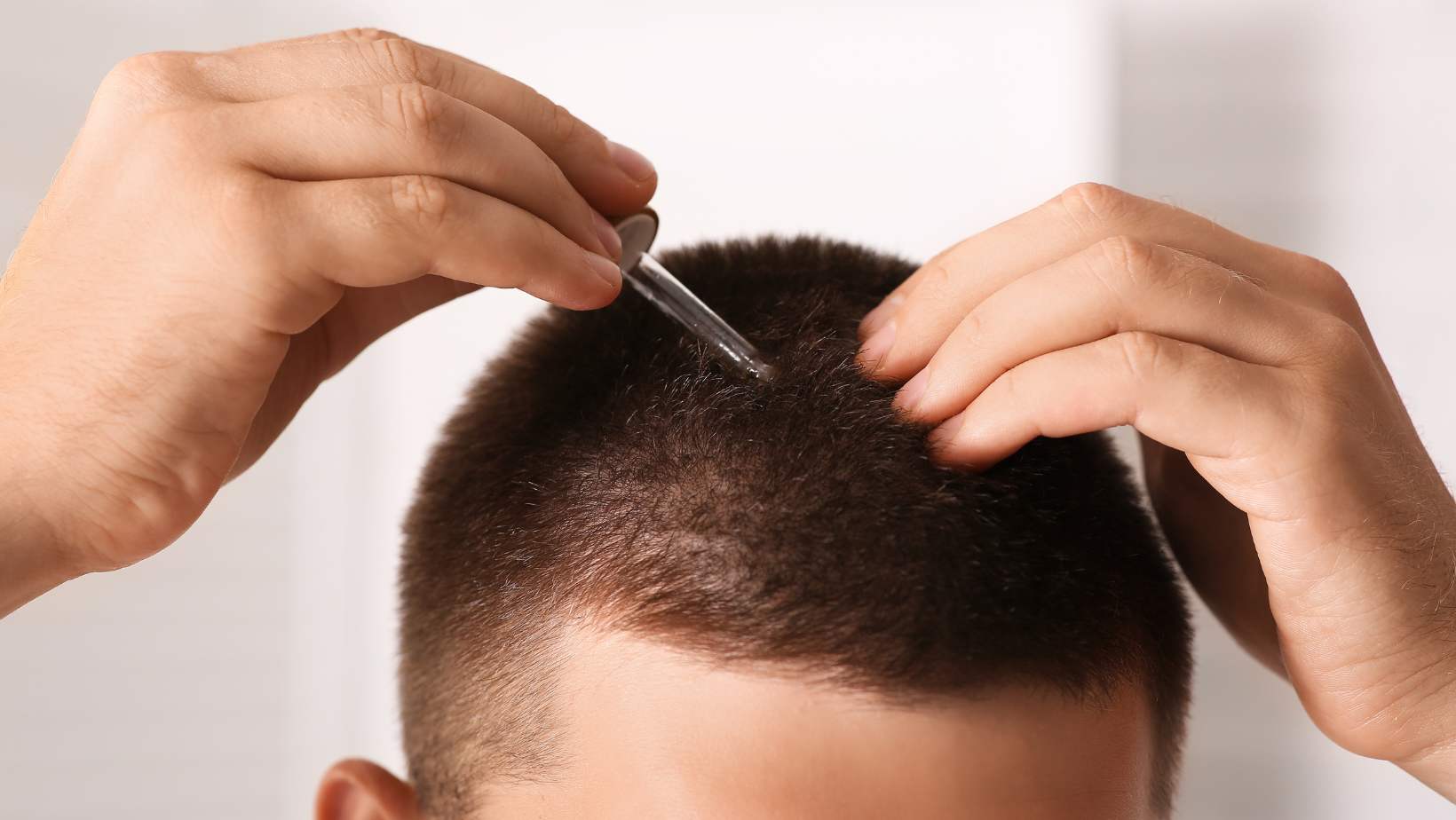
For many men experiencing hair loss, finasteride is one of the few medications that directly targets a major biological driver of follicle miniaturization.
That explains its popularity. It also explains why concerns about finasteride side effects receive so much attention.
Patients are often trying to weigh two competing goals: preserving their hair and protecting their overall wellbeing.
How Finasteride Reduces DHT
Finasteride belongs to a class of medications known as 5-alpha reductase inhibitors.
Its primary function is to reduce the conversion of testosterone into dihydrotestosterone, commonly known as DHT.
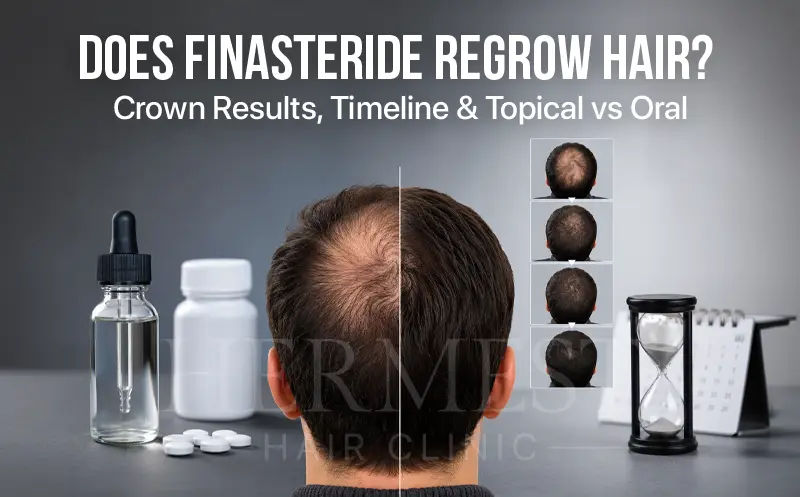
DHT plays an important role in the development of male pattern baldness.
In genetically susceptible individuals, DHT gradually shrinks hair follicles. Over time, those follicles produce thinner hairs until some stop producing visible hair altogether.
By lowering DHT levels, finasteride helps slow this miniaturization process.
Many patients experience reduced hair loss. Some notice improvements in density and hair caliber over time.
Why DHT Matters in Androgenetic Alopecia
Not every type of hair loss involves DHT.
Conditions such as:
- Telogen effluvium
- Alopecia areata
- Thyroid-related shedding
- Nutritional deficiencies
follow different biological pathways.
Finasteride is primarily used for androgenetic alopecia, which remains the most common cause of progressive hair loss in men.
This distinction matters because a medication can only address the mechanism it targets.
If DHT is not driving the problem, finasteride is unlikely to provide meaningful benefit.
“One of the first things we determine at Hermest is whether a patient is actually dealing with androgenetic alopecia. Treatment decisions become much clearer once the diagnosis is established,” says Dr. Ahmet Murat.
Oral Finasteride vs Topical Finasteride
Most discussions about finasteride depression involve oral finasteride.
The standard hair loss dose is 1 mg daily.
In recent years, topical finasteride has gained attention as an alternative approach.
The goal is simple.
Deliver the medication to the scalp while potentially reducing systemic exposure.
Research into topical formulations continues to evolve. Current evidence suggests systemic absorption may be lower than with oral treatment, but the long-term mental health risk profile remains less clearly defined.
Patients deserve to know that topical and oral formulations are not necessarily identical when discussing side effects.
Can Finasteride Cause Depression?
This is the question at the center of the entire debate.
Many patients searching can finasteride cause depression are looking for a simple yes-or-no answer. Unfortunately, the science is more complicated than that.
Researchers, regulators, and clinicians generally agree on one point: some individuals taking finasteride have reported depressive symptoms, mood changes, and suicidal thoughts. The challenge lies in determining exactly how often this occurs, who may be most vulnerable, and whether finasteride itself is the direct cause in every case.
That uncertainty is why this topic continues to generate discussion.
What Studies Suggest
Over the past two decades, several studies have explored possible links between finasteride and mental health symptoms.
Some investigations found higher rates of depression, anxiety, and mood disturbances among certain finasteride users. Other studies found weaker associations or emphasized the difficulty of proving direct causation.
A review published in the Journal of Clinical Psychopharmacology concluded that finasteride may be associated with depressive symptoms in some individuals, particularly younger men using the medication for hair loss. Researchers recommended careful monitoring of mood-related symptoms during treatment.
An earlier prospective study also observed depressive symptoms developing in some men after initiating finasteride therapy.
These findings do not prove that everyone who takes finasteride will develop depression.
They do suggest that mental health effects deserve attention.
What Regulators Say
One of the most important developments occurred recently.
In 2025, the European Medicines Agency reviewed available safety data involving finasteride and dutasteride. The agency confirmed suicidal ideation as a side effect of finasteride tablets, although the frequency remains unknown.
The EMA stated that most reported cases involved men taking 1 mg finasteride for hair loss.
The agency advises patients using finasteride for androgenetic alopecia to seek medical advice if they experience mood changes and to discontinue treatment if depressive symptoms emerge.
This represents one of the strongest regulatory acknowledgments of the issue to date.
Why Causality Is Difficult to Prove
Hair loss itself can affect mental health.
Men experiencing significant thinning often report:
- Reduced self-confidence
- Social anxiety
- Appearance-related stress
- Depression related to hair loss
This creates a challenge for researchers.
If a patient develops depression while taking finasteride, was the medication responsible? Was the hair loss itself contributing? Were other life factors involved?
The answer may differ from one individual to another.
“When discussing finasteride, I encourage patients to avoid extreme positions. The medication helps many people. At the same time, mood-related symptoms should never be dismissed if they occur,” says Dr. Ahmet Murat.
Why Younger Hair Loss Patients Deserve Special Attention
Many finasteride users are in their twenties and thirties. These years often coincide with career pressure, relationship stress, financial challenges, and concerns about appearance.
For some individuals, hair loss itself becomes a significant psychological burden.
This does not mean finasteride causes depression in every case.
It does mean that mental health screening should be part of responsible prescribing.
Finasteride Mental Side Effects Patients Report
When people hear the phrase finasteride depression, they often picture severe clinical depression appearing suddenly.
Reality is usually more nuanced.
Many patients who report mental health changes describe a gradual shift in mood, motivation, emotional responsiveness, or overall wellbeing. Some notice subtle symptoms that develop over weeks or months. Others report more significant changes that prompt them to stop treatment and seek medical advice.
Not everyone experiences these effects.
Many men take finasteride without noticeable psychological symptoms.
The important point is recognizing potential warning signs early rather than dismissing them.
Depressed Mood
The most frequently discussed symptom is depressed mood.
Patients may describe:
- Persistent sadness
- Loss of motivation
- Reduced enjoyment of activities
- Emotional flatness
- Feelings of hopelessness
These symptoms can range from mild to severe.
The challenge is that depression can have many causes. Life stress, relationship difficulties, work pressures, existing mental health conditions, and hair loss itself can all contribute.
This is one reason why careful evaluation is important.
Anxiety and Panic Symptoms
Some users report finasteride anxiety rather than depression.
Reported symptoms include:
- Excessive worrying
- Restlessness
- Increased nervousness
- Panic-like episodes
- Difficulty relaxing
Scientific evidence regarding anxiety remains less consistent than the data involving depression, but anxiety-related reports continue to appear in patient safety databases and clinical discussions.
Brain Fog and Emotional Numbness
One of the most commonly reported concerns online involves finasteride brain fog.
Patients sometimes describe:
- Difficulty concentrating
- Memory problems
- Reduced mental clarity
- Emotional detachment
- Feeling “not like themselves”
These reports are frequently discussed within conversations surrounding post-finasteride syndrome.
Researchers continue investigating these experiences, but the underlying mechanisms remain poorly understood.
“When patients describe cognitive or mood changes, the goal is not to immediately assume a cause. The goal is listening carefully, assessing the symptoms, and determining the safest next steps,” says Dr. Ahmet Murat.
Suicidal Thoughts
This is the most serious reported mental health concern.
In 2025, the European Medicines Agency confirmed suicidal ideation as a side effect of finasteride tablets, although the frequency remains unknown.
This does not mean most users will experience such symptoms.
It does mean they should never be ignored.
Anyone experiencing:
- Suicidal thoughts
- Self-harm thoughts
- Severe depression
- Sudden major mood changes
should seek immediate medical attention.
Why Listening to Symptoms Matters
A common mistake in online discussions is polarization.
One group claims finasteride is completely harmless.
Another claims every symptom is caused by the medication.
Real medicine is rarely that simple.
Symptoms deserve investigation rather than dismissal.
“Patients should never feel pressured to continue a medication while experiencing concerning psychological symptoms. Open communication with a qualified healthcare professional is always the right approach,” explains Dr. Ahmet Murat.
Depression, Sexual Side Effects and the Mood Connection
One of the most overlooked aspects of the finasteride depression discussion is the relationship between sexual side effects and mental health.
Many treat these issues separately. In reality, they are often interconnected.
For some patients, mood changes may occur independently. For others, emotional distress may develop after experiencing unwanted sexual side effects. Understanding this relationship is important for anyone considering treatment.
Low Libido and Erectile Dysfunction
Finasteride’s most widely discussed adverse effects involve sexual function.
Reported symptoms may include:
- Reduced libido
- Erectile dysfunction
- Reduced arousal
- Ejaculatory changes
- Decreased sexual satisfaction
Many men never experience these effects.
Some experience temporary symptoms that improve over time.
Others report symptoms that persist after discontinuation, which is one reason discussions surrounding post-finasteride syndrome remain controversial.
The severity varies considerably between individuals.
Why Sexual Symptoms Can Affect Mental Health
This connection deserves more attention than it receives.
Sexual health often influences:
- Self-confidence
- Relationship satisfaction
- Emotional wellbeing
- Stress levels
- Overall quality of life
When sexual side effects occur, some patients report increased anxiety, frustration, embarrassment, or depressive symptoms.
This creates an important question.
Is the depression directly caused by finasteride?
Or is it partly influenced by distress related to sexual dysfunction?
In some cases, both factors may contribute.
According to the European Medicines Agency, sexual dysfunction associated with finasteride may contribute to mood changes, including depression and suicidal thoughts in certain individuals.
The Importance of Informed Consent
Patients deserve to understand:
- Potential benefits
- Known risks
- Areas of uncertainty
- Alternative treatment options
This does not mean avoiding treatment.
It means making an informed choice.
“Patients are often more comfortable with treatment when they understand both the potential advantages and the possible side effects beforehand. Transparency builds trust and helps people make decisions they feel confident about,” says Dr. Ahmet Murat.
What Should You Discuss Before Starting Finasteride?
Responsible prescribing should include a conversation about mental health and sexual health history.
Topics worth discussing include:
- Previous depression
- Anxiety disorders
- Prior sexual dysfunction
- Current medications
- Family mental health history
- Expectations regarding treatment
This step is especially important for younger men seeking treatment for androgenetic alopecia.
Hair Loss Can Affect Mental Health Too
Another point often missing from online discussions is that untreated hair loss can also affect psychological wellbeing.
Many men experience:
- Reduced confidence
- Social anxiety
- Appearance concerns
- Increased stress
This is why treatment decisions are rarely simple.
The goal is finding an approach where benefits outweigh potential risks for the individual patient.
“Every patient has a different risk-benefit profile. What works well for one person may not be the best choice for another. Personalized assessment is always important,” explains Dr. Ahmet Murat.
What Is Post-Finasteride Syndrome?
Few topics in hair loss medicine generate as much debate as post-finasteride syndrome, often abbreviated as PFS.
Some patients describe persistent symptoms that continue after stopping finasteride. Others question whether PFS represents a distinct medical condition at all.
The reality is that this remains one of the most controversial areas of finasteride research.
There are strong opinions on both sides.
Patients deserve a balanced explanation rather than dismissal or alarmism.
Reported Symptoms
Individuals who identify as having post-finasteride syndrome often report symptoms that continue for months or even years after discontinuing the medication.
Reported symptoms may include:
- Persistent depression
- Anxiety
- Reduced libido
- Erectile dysfunction
- Cognitive difficulties
- Finasteride brain fog
- Fatigue
- Emotional numbness
- Sleep disturbances
Some patients report experiencing a combination of sexual, physical, and psychological symptoms simultaneously.
The severity varies considerably.
Some individuals describe mild symptoms. Others report substantial effects on daily life.
Why the Condition Remains Debated
This is where things become complicated.
Researchers agree that some former finasteride users report persistent symptoms.
The debate centers on whether these symptoms represent a clearly defined medical syndrome caused directly by finasteride.
A 2020 review published in PubMed concluded that available studies were insufficient to either confirm or completely refute post-finasteride syndrome as a distinct clinical entity.
Researchers noted several limitations:
- Small study populations
- Selection bias
- Inconsistent diagnostic criteria
- Difficulty establishing causation
- Limited long-term prospective data
In other words, important questions remain unanswered.
That uncertainty frustrates both patients and clinicians.
What We Know
Several points are reasonably well established.
Some patients report persistent symptoms after stopping finasteride.
Some reports involve:
- Sexual dysfunction
- Mood changes
- Cognitive complaints
Regulatory agencies have taken these reports seriously enough to continue monitoring safety data.
At the same time, researchers have not yet identified a universally accepted biological marker that confirms PFS.
This is one reason the condition remains controversial.
“Medicine works best when we acknowledge uncertainty honestly. Patients deserve to have their symptoms taken seriously, even when science has not yet provided all the answers,” says Dr. Ahmet Murat.
What We Do Not Know
Several important questions remain unresolved.
Researchers are still investigating:
- Why some patients report persistent symptoms while many do not
- Whether certain individuals have increased vulnerability
- Possible hormonal mechanisms
- Potential neurological mechanisms
- Long-term outcomes
Current evidence cannot reliably predict who might develop persistent symptoms.
Why Patients Should Avoid Extremes
Many online discussions fall into two camps.
One claims PFS is unquestionably real and affects large numbers of users.
The other claims it does not exist at all.
Neither position reflects the current scientific landscape.
A more accurate view is that persistent symptoms have been reported, research is ongoing, and several important questions remain unanswered.
“Patients should feel comfortable discussing concerns without fear of being dismissed. Open communication and individualized assessment remain the most responsible approach,” explains Dr. Ahmet Murat.
Who May Be at Higher Risk?
One of the most common questions patients ask is whether certain people are more likely to experience finasteride depression or other mental health side effects.
The honest answer is that researchers still cannot predict risk with complete accuracy.
Many men take finasteride without developing psychological symptoms. Others report mood changes relatively soon after starting treatment.
This uncertainty is one reason individualized assessment remains so important.
Rather than assuming everyone faces the same level of risk, it is more helpful to identify factors that may warrant additional caution and closer monitoring.
History of Depression or Anxiety
A previous history of mental health conditions deserves careful consideration.
Patients with a history of:
- Depression
- Anxiety disorders
- Panic attacks
- Mood disorders
- Suicidal ideation
should discuss these issues openly with their prescribing physician.
This does not automatically mean finasteride is inappropriate.
It does mean that monitoring becomes more important.
According to several reviews examining finasteride mental side effects, clinicians are encouraged to consider psychiatric history when discussing treatment options.
“A thorough consultation should include more than hair loss. Understanding a patient’s overall health, including mental wellbeing, helps create safer treatment decisions,” says Dr. Ahmet Murat.
Prior Sexual Dysfunction
This factor receives less attention than it deserves.
Men who already struggle with:
- Low libido
- Erectile dysfunction
- Sexual performance anxiety
may experience additional stress if sexual symptoms worsen during treatment.
As discussed earlier, sexual wellbeing and emotional wellbeing are often closely connected.
This relationship may influence how some individuals experience finasteride mood changes.
Younger Hair Loss Patients Under Stress
Many finasteride users are relatively young.
They may be dealing with:
- Career pressure
- Relationship challenges
- Academic demands
- Financial concerns
- Appearance-related stress
Hair loss itself can become a significant emotional burden during these years.
This creates a situation where psychological stress may already be elevated before treatment begins.
The medication may be one variable within a much larger picture.
Poor Medical Screening Through Quick Online Prescribing
Modern telemedicine has improved access to treatment.
It has also introduced challenges.
Some patients receive prescriptions after completing only brief questionnaires.
Important topics may receive little attention, including:
- Mental health history
- Current psychiatric symptoms
- Medication interactions
- Sexual health concerns
- Expectations regarding treatment
This is where responsible screening matters.
“Hair loss treatment should never become a checkbox exercise. Proper patient selection and informed discussion are part of safe medical care,” explains Dr. Ahmet Murat.
Risk Does Not Mean Inevitability
This point is important.
Being in a higher-risk category does not guarantee problems will occur.
Many patients with previous anxiety or depression use finasteride without difficulty.
The goal is awareness.
Awareness allows earlier recognition of symptoms and more informed decision-making.
What Should You Do If You Feel Depressed on Finasteride?
Discovering mood changes while taking a medication can be unsettling.
Many patients immediately wonder whether the symptoms are related to finasteride, whether they should stop treatment, or whether they should wait and see if things improve.
The most important advice is simple:
Do not ignore significant mood changes.
Regardless of the cause, symptoms such as depression, anxiety, emotional numbness, or suicidal thoughts deserve prompt attention.
Do Not Dismiss Mood Changes
One mistake sometimes seen in online communities is minimizing symptoms.
Patients may tell themselves:
- “It’s probably stress.”
- “Maybe I’m imagining it.”
- “I’ll just push through it.”
That approach can delay proper evaluation.
Whether symptoms are related to finasteride depression, life circumstances, underlying mental health conditions, or another factor entirely, they should be taken seriously.
Monitoring changes early often leads to better outcomes.
Speak With Your Prescribing Doctor
If you experience finasteride mood changes, contact the healthcare professional who prescribed the medication.
A discussion may include:
- When symptoms started
- Symptom severity
- Other medications
- Recent life stressors
- Previous mental health history
- Alternative treatment options
The goal is understanding the situation rather than making assumptions.
In many cases, a thoughtful medical review provides clarity.
“Patients should never feel that they must choose between protecting their hair and protecting their wellbeing. If symptoms develop, the right response is an open conversation with a qualified physician,” says Dr. Ahmet Murat.
When to Stop Treatment
This is one of the most searched questions online:
Should I stop finasteride if depressed?
According to the European Medicines Agency, patients taking 1 mg finasteride for hair loss who experience mood changes should seek medical advice and discontinue treatment if depressive symptoms occur.
This recommendation reflects the seriousness with which regulators view reported psychological side effects.
Patients should follow medical guidance rather than relying solely on internet discussions.
When Symptoms Need Urgent Care
Certain situations require immediate attention.
Seek urgent medical help if you experience:
- Suicidal thoughts
- Thoughts of self-harm
- Severe depression
- Significant behavioral changes
- Loss of ability to function normally
These symptoms should never be ignored or monitored casually at home.
Immediate professional support is appropriate.
Remember That Alternatives Exist
Some patients fear that stopping finasteride means losing every option for treating hair loss.
That is not true.
Depending on the diagnosis, alternatives may include:
- Minoxidil
- PRP
- Low-level laser therapy
- Hair transplantation
- Non-finasteride medical strategies
At Hermest, treatment planning is individualized rather than dependent on a single medication.
“Hair restoration is never about one product or one prescription. There are multiple ways to approach hair loss, and the right strategy depends on the individual patient,” explains Dr. Ahmet Murat.
Finasteride Alternatives for Hair Loss
Many patients researching finasteride depression eventually reach a practical conclusion:
They may not want to use the medication.
Others try finasteride and experience unwanted side effects. Some simply prefer a treatment strategy that does not involve hormonal modification.
The good news is that finasteride is not the only option available.
The best alternative depends on the type of hair loss, its severity, the patient’s goals, and their tolerance for risk.
Minoxidil
Minoxidil remains one of the most widely used treatments for androgenetic alopecia.

Unlike finasteride, it does not target DHT.
Instead, it helps support follicle activity and extend the hair growth cycle.
Minoxidil is available in topical and oral forms, although treatment decisions should always be discussed with a qualified physician.
Potential benefits include:
- Slower progression of hair loss
- Increased hair density
- Improved hair shaft thickness
Many patients use minoxidil alone or as part of a broader hair preservation strategy.
PRP Therapy
Platelet-rich plasma, commonly known as PRP, has become increasingly popular in hair restoration.
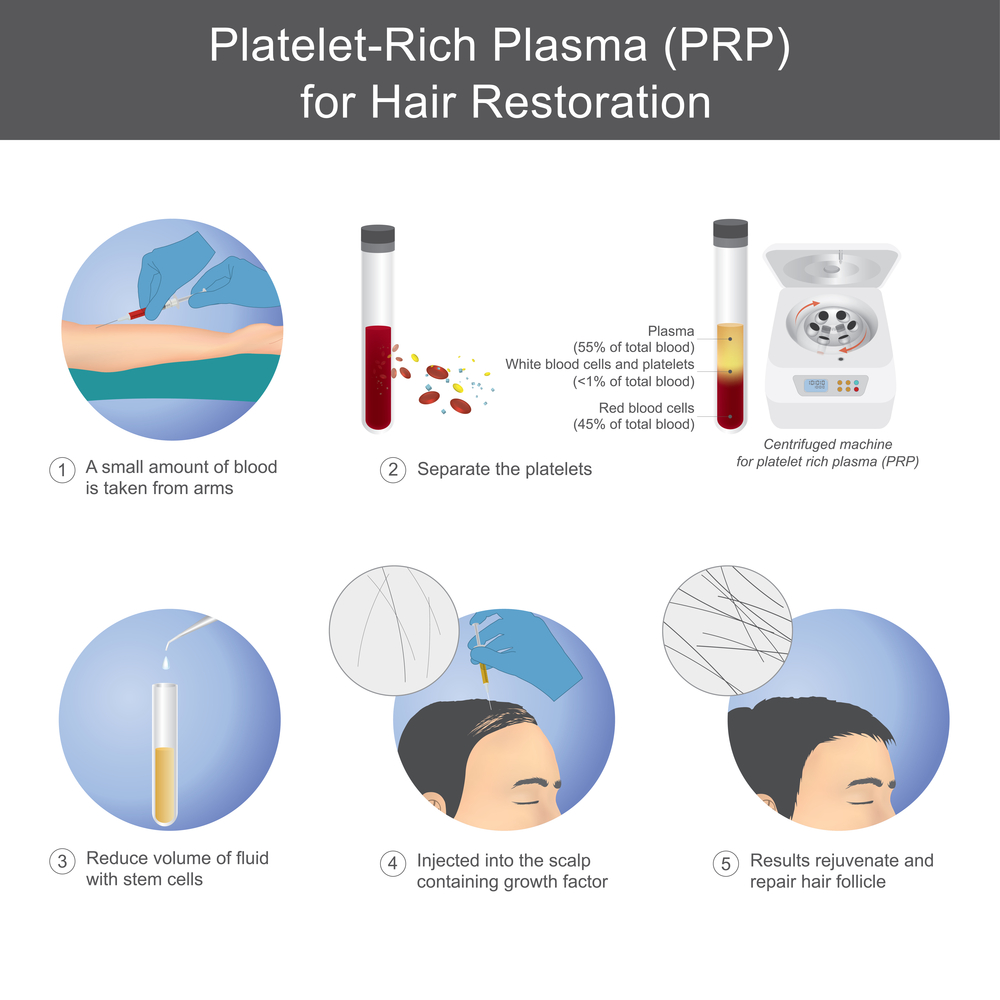
The procedure involves drawing a small amount of the patient’s blood, concentrating growth factors, and injecting them into targeted scalp areas.
PRP may be considered for:
- Early-stage thinning
- Hair preservation
- Supportive treatment plans
- Post-transplant maintenance
Research continues to evolve, but many clinics use PRP as part of a comprehensive approach to hair restoration.
Low-Level Laser Therapy
Low-level laser therapy (LLLT) is another non-pharmaceutical option.
Specialized devices deliver light energy intended to stimulate follicular activity.
Patients often choose LLLT because:
- It is non-invasive
- It can be performed at home
- It avoids hormonal intervention
Results vary significantly between individuals.
Hair Transplant Planning
For patients with established follicle loss, surgery may become part of the discussion.
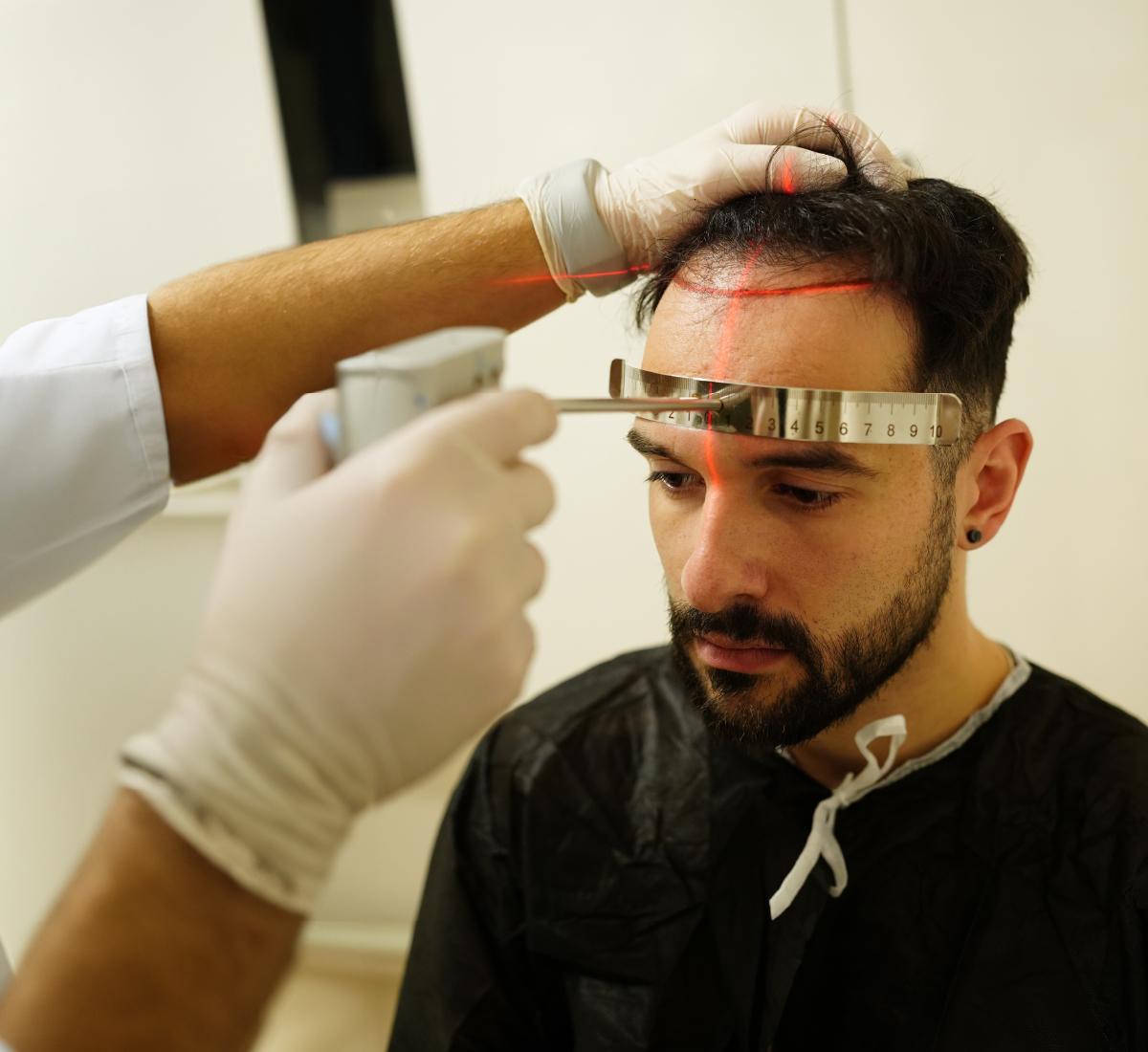
This is particularly relevant for men who are unwilling or unable to use finasteride.
Modern procedures such as:
can restore density in areas where follicles have already disappeared.
“Many patients assume finasteride is mandatory before considering a transplant. That is not always the case. The right treatment plan depends on donor quality, hair loss pattern, and long-term goals,” says Dr. Ahmet Murat.
Lifestyle and Scalp Health Support
This area receives less attention than it deserves.
No lifestyle intervention can completely stop male pattern baldness, but overall health still matters.
Areas worth optimizing include:
- Nutrition
- Sleep quality
- Stress management
- Scalp health
- Smoking cessation
These factors may not reverse genetic hair loss, but they can support healthier follicles and better long-term outcomes.
Why There Is No Universal Alternative
The best alternative for one patient may be completely inappropriate for another.
Some patients benefit from minoxidil.
Others respond well to PRP.
Some eventually choose surgical restoration.
“The most successful treatment plans are personalized. Hair loss is highly individual, and treatment should reflect that reality,” explains Dr. Ahmet Murat.
Can You Have a Hair Transplant Without Finasteride?
One of the most common misconceptions in hair restoration is that finasteride is mandatory for every hair transplant patient.
It is not.
Many men have successful hair transplant procedures without ever taking finasteride. Others stop the medication due to finasteride side effects, personal preference, or concerns about finasteride depression.
The key is understanding what a transplant can and cannot do.
A hair transplant moves existing healthy follicles. It does not stop future hair loss in non-transplanted areas.
That distinction is important.
Yes, But Planning Matters
Patients sometimes hear two extreme messages.
One group says every transplant patient must take finasteride forever.
Another group claims medication is completely unnecessary.
Neither position tells the full story.
The reality depends on factors such as:
- Age
- Hair loss pattern
- Family history
- Donor area quality
- Future hair loss risk
A 25-year-old with aggressive androgenetic alopecia may require a different strategy than a 45-year-old whose hair loss has stabilized.
This is why proper assessment matters so much.
“Hair transplantation is not just about replacing lost hair. It is about predicting future hair loss and creating a result that continues to look natural over time,” says Dr. Ahmet Murat.
Donor Area Stability
Every transplant relies on the donor area.
These follicles are typically taken from the back and sides of the scalp, where they tend to be more resistant to DHT.
Patients who avoid finasteride need particularly careful donor management.
Why?
Because future native hair loss may continue progressing.
If too many grafts are used too early, options may become limited later.
This is one reason experienced clinics think long term rather than focusing only on immediate density.
Long-Term Hairline Design
A hairline that looks perfect today may not look natural ten years later if surrounding native hair continues to thin.
This becomes especially relevant for patients who choose not to use finasteride hair loss treatment.
Long-term planning may involve:
- Conservative hairline placement
- Strategic graft allocation
- Donor preservation
- Future procedure planning
A successful transplant should age well.
The Hermest Approach With UNIQUE FUE®
At Hermest Hair Transplant Clinic, treatment recommendations are individualized.
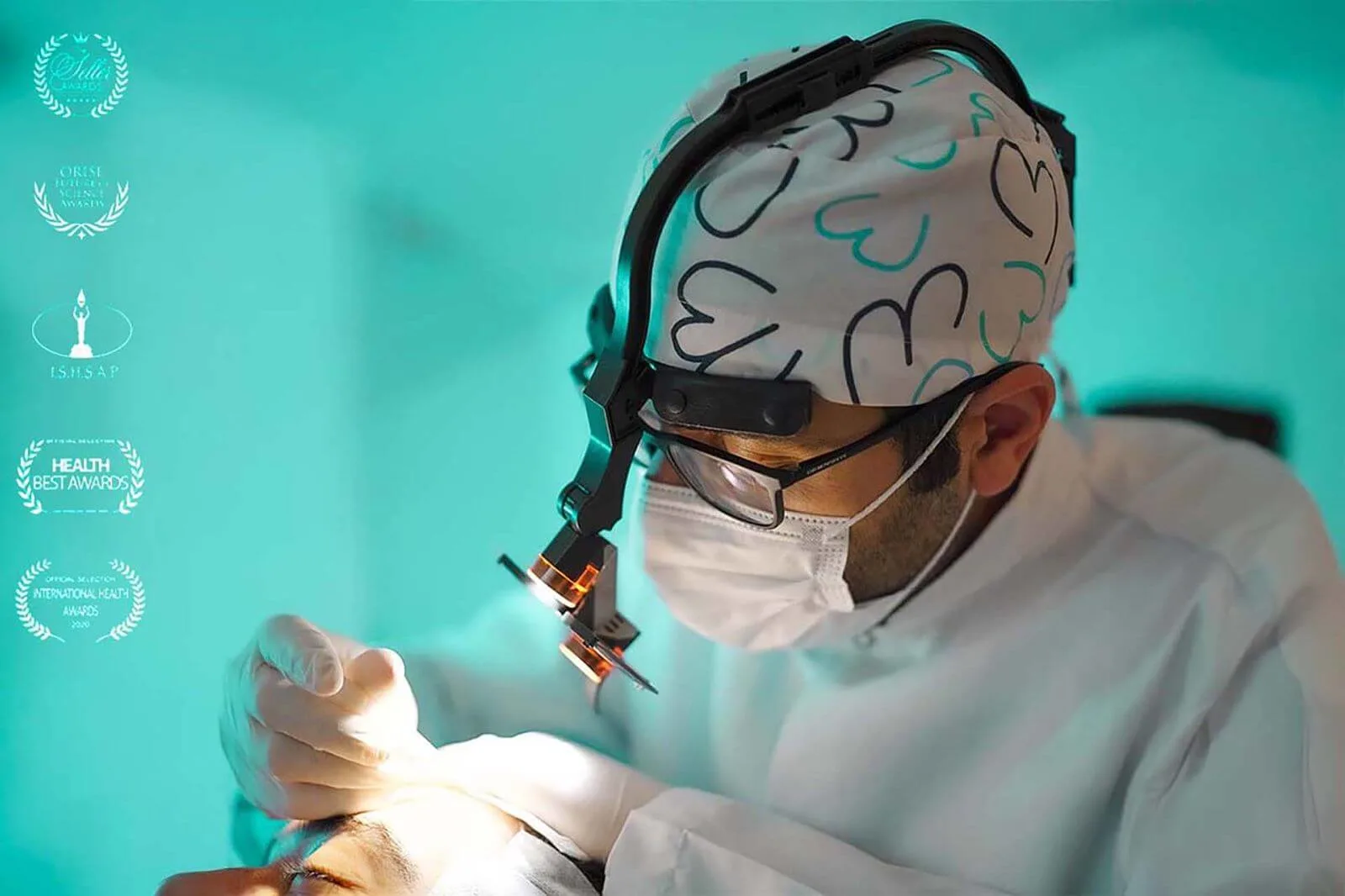
Some patients choose finasteride.
Others do not.
The focus is creating a sustainable restoration strategy based on the patient’s specific circumstances.
Through detailed scalp evaluation and donor analysis, Dr. Ahmet Murat and his team assess:
- Hair loss progression
- Donor reserves
- Family history
- Future risk patterns
- Restoration goals
This information helps guide long-term decision-making.
“Our goal is not simply achieving density in the first year. We want patients to maintain a natural appearance many years into the future,” explains Dr. Ahmet Murat.
FAQs About Finasteride Depression
Possibly. Several studies, patient reports, and regulatory reviews have identified an association between finasteride use and depressive symptoms in some individuals. In 2025, the European Medicines Agency confirmed suicidal ideation as a side effect of finasteride tablets, although the frequency remains unknown. This does not mean every user will develop depression, but mood changes should always be taken seriously.
Ready to Explore Hair Loss Solutions That Fit Your Goals?
Hair loss treatment is rarely a one-size-fits-all decision.
Some patients are comfortable using finasteride. Others prefer alternative strategies. The most important step is understanding your options and choosing a plan that aligns with both your hair restoration goals and your overall wellbeing.

At Hermest Hair Clinic, Dr. Ahmet Murat, Dr Nesim Tugen, and his team provide comprehensive consultations that examine your hair loss pattern, donor area, medical history, and long-term expectations. Whether you are considering medication, exploring non-finasteride treatments, or evaluating your suitability for UNIQUE FUE®, every recommendation is tailored to your specific situation.
“The best hair restoration strategy is one that balances effectiveness, safety, and patient confidence. Our role is helping patients make informed decisions that feel right for them,” says Dr. Ahmet Murat.
Book your consultation with Hermest Hair Transplant Clinic today and discover a personalized path toward healthier, fuller-looking hair without guesswork or unnecessary pressure.