
Burning Scalp Hair Loss: Causes, Symptoms & Treatment Guide
 ChatGPT
 Claude
 Perplexity
 Grok
Grok
 Gemini

Experiencing a burning scalp hair loss can be both uncomfortable and frightening. A persistent burning sensation, tenderness, or stinging feeling on your scalp, especially when it’s accompanied by increased hair shedding, often raises an immediate concern: “Am I losing my hair permanently?” The reassuring news is that a burning scalp doesn’t automatically mean permanent hair loss. In many cases, the burning sensation is a symptom of an underlying scalp condition that can be successfully treated before lasting damage occurs.
According to the American Academy of Dermatology (AAD), scalp discomfort may develop alongside several hair and scalp disorders, including inflammatory skin conditions, infections, allergic reactions, and certain forms of alopecia. Likewise, many other clinics notes that hair loss has many possible causes, ranging from temporary inflammatory conditions to hereditary disorders, making an accurate diagnosis essential before beginning treatment.
One of the biggest misconceptions is assuming that every burning scalp and hair loss problem has the same cause. In reality, a burning sensation may result from seborrheic dermatitis, contact dermatitis, folliculitis, scalp psoriasis, stress-related conditions, nerve hypersensitivity, or even trichodynia, a condition where the scalp becomes painful without obvious visible changes.
Dr. Ahmet Murat says:
“A burning scalp should never be ignored, especially when it’s accompanied by increased hair shedding. Before discussing treatments such as medication or hair transplantation, we first determine whether the discomfort is caused by inflammation, infection, nerve sensitivity, or another scalp disorder. Treating the correct cause always comes before treating the hair.”
This guide explains can a burning scalp cause hair loss, the most common medical conditions behind a scalp burning sensation, when temporary shedding becomes a concern, how these conditions are diagnosed, and the most effective treatments available. You’ll also learn when burning is a temporary symptom, when it may indicate a more serious scalp disorder, and whether your hair is likely to grow back once the underlying problem is resolved.
Quick Insights
- A burning scalp does not automatically mean permanent hair loss.
- Common causes include seborrheic dermatitis, contact dermatitis, psoriasis, folliculitis, fungal infections, and allergic reactions.
- Scalp dysesthesia and trichodynia can cause burning or pain even when the scalp appears normal.
- Chronic stress may contribute to both scalp discomfort and temporary telogen effluvium.
- Mild burning after a hair transplant is usually part of normal healing, while severe or worsening pain should be evaluated promptly.
- Some people develop scalp irritation from minoxidil, often due to ingredients such as propylene glycol rather than the medication itself.
- Gentle scalp care and treating the underlying condition are essential for relieving symptoms and supporting healthy hair growth.
- Persistent burning, significant hair shedding, visible scalp changes, or signs of infection should always be assessed by a dermatologist.
Does a Burning Scalp Cause Hair Loss?
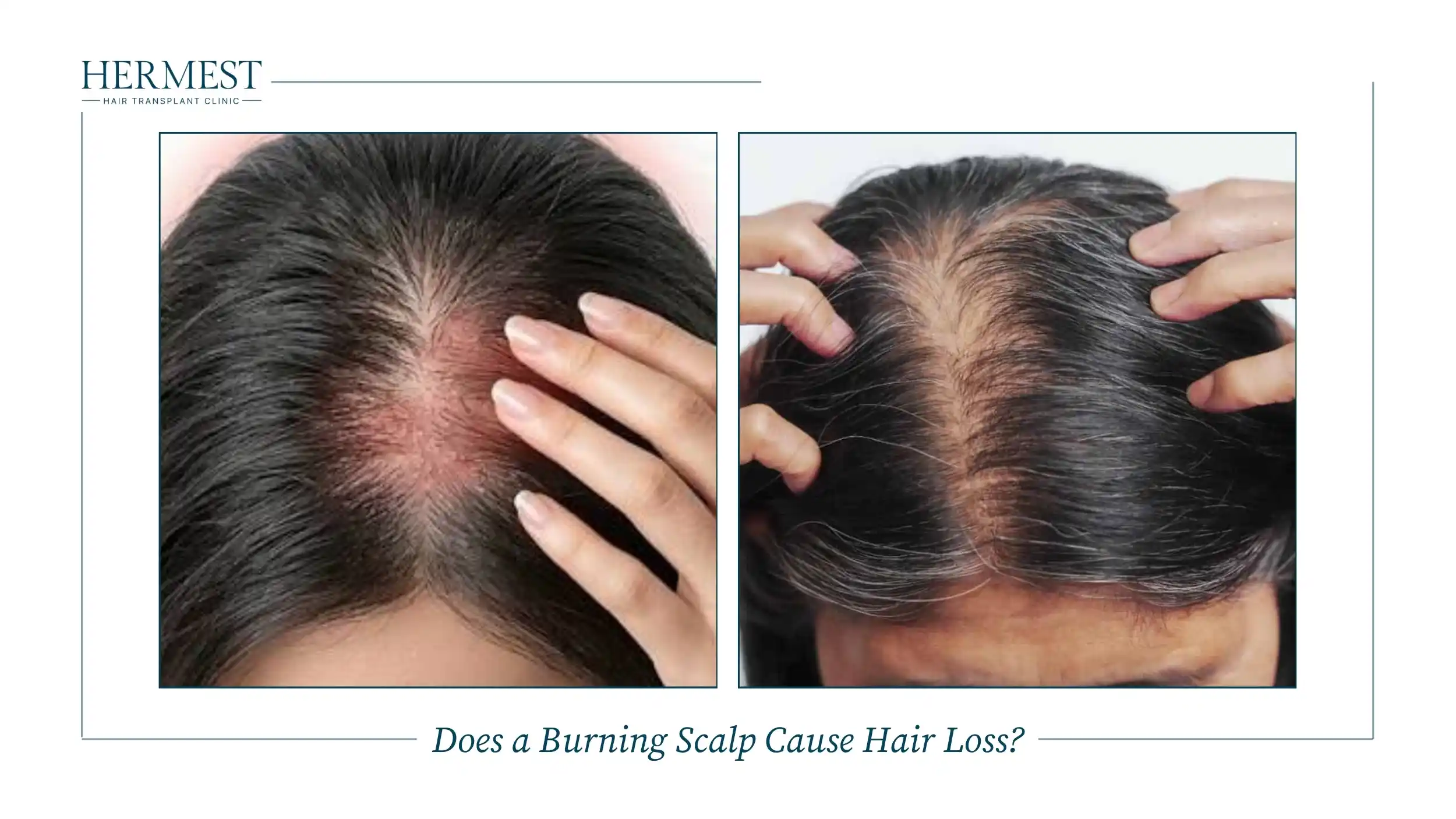
A burning scalp doesn’t automatically lead to permanent hair loss, but it can be a warning sign that something is affecting your scalp health. Whether hair loss occurs depends entirely on the underlying cause of the burning sensation. In many cases, treating the scalp condition also reduces shedding and allows normal hair growth to resume.
This is why it’s important to focus on the source of the burning rather than the symptom itself.
The Short Answer
If you’re asking, can a burning scalp cause hair loss, the answer is yes, but usually indirectly. The burning sensation itself doesn’t damage the hair follicles. Instead, the conditions responsible for the burning, such as inflammation, infection, allergic reactions, or certain scalp disorders, may temporarily disrupt the normal hair growth cycle.
According to the American Academy of Dermatology (AAD), several inflammatory scalp conditions can contribute to increased hair shedding while also causing pain, tenderness, itching, or burning.
Burning Doesn’t Always Mean Permanent Hair Loss
One of the biggest misconceptions is believing that a painful scalp means the follicles are permanently damaged. Fortunately, that’s rarely the case.
Many conditions that cause a scalp burning sensation lead to temporary hair shedding because inflammation places stress on the follicles. Once the inflammation resolves, healthy follicles often return to their normal growth cycle. Permanent hair loss generally occurs only when the follicles are permanently destroyed, such as in certain scarring forms of alopecia or long-standing inflammatory diseases that remain untreated.
Dr. Ahmet Murat says:
“Patients often associate pain with permanent damage, but that’s usually not what we find during examination. In many cases, the follicles are still healthy. Our goal is identifying the source of the burning early so we can protect the existing hair before unnecessary shedding continues.”
Burning and Hair Loss May Have Different Causes
Another important point that’s often overlooked is that burning and hair loss don’t always originate from the same condition. For example, someone may have male pattern baldness while also developing contact dermatitis from a new shampoo. Others experience burning scalp syndrome or scalp dysesthesia, where nerve sensitivity causes discomfort despite the scalp appearing completely normal.
Understanding this distinction is very important because treating the burning sensation alone won’t stop genetic hair loss, just as treating androgenetic alopecia won’t resolve scalp inflammation or nerve-related pain. An accurate diagnosis is the key to choosing the right treatment and protecting long-term hair health.
Why Does Your Scalp Burn?
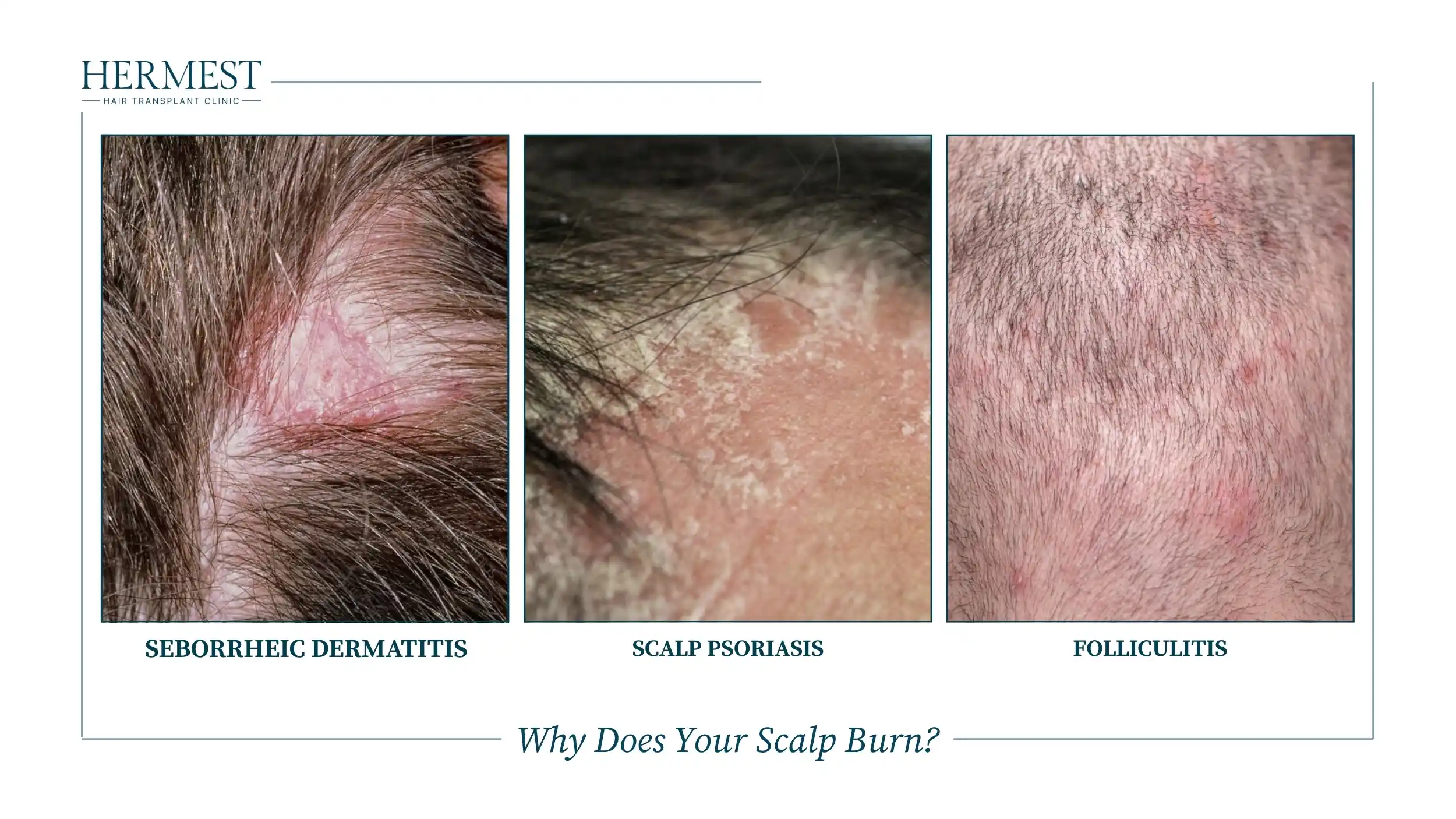
A scalp burning sensation is often the result of inflammation, irritation, or nerve sensitivity rather than the hair itself. While the discomfort may feel like it’s coming from the hair follicles, the underlying problem usually begins in the scalp tissue surrounding them. Understanding why the scalp burns is the first step toward identifying the right treatment and reducing unnecessary hair shedding.
Scalp Inflammation Irritates Hair Follicles
Inflammation is one of the most common causes of a burning scalp and hair loss. When the scalp becomes inflamed, the immune system releases chemical messengers that increase blood flow and stimulate pain-sensitive nerve endings. This response can produce burning, stinging, tenderness, or even a tingling sensation.
Conditions commonly associated with scalp inflammation include:
- Seborrheic dermatitis
- Scalp psoriasis
- Folliculitis
- Contact dermatitis
- Fungal infections
Inflammation can also interfere with the normal hair growth cycle, increasing temporary shedding until the scalp begins to recover.
Nerve Irritation Can Trigger Burning
Not every burning scalp is caused by visible inflammation. Some people experience discomfort because the nerves within the scalp become overly sensitive. This is one reason why a person may report severe burning while the scalp appears almost completely normal during examination.
This type of nerve-related discomfort is often associated with scalp dysesthesia or trichodynia, two conditions that are discussed far less frequently than inflammatory scalp diseases despite being recognized in dermatology literature.
Dr. Ahmet Murat says:
“One of the first things we evaluate is whether the burning originates from inflammation or from nerve sensitivity. Although the symptoms may feel similar, the treatment approach can be completely different.”
Damage to the Skin Barrier
The scalp has a protective barrier that helps retain moisture while defending against irritants, allergens, and microorganisms. When this barrier becomes damaged by harsh shampoos, chemical hair treatments, excessive heat styling, or prolonged inflammation, the scalp becomes more vulnerable to irritation. Everyday products that were previously well tolerated may suddenly cause burning or stinging.
An impaired skin barrier can also make existing conditions such as seborrheic dermatitis feel significantly worse.
Hair Follicles React to an Unhealthy Environment
Healthy hair follicles depend on a healthy scalp. Persistent inflammation, irritation, or infection can place stress on the follicles, increasing temporary hair loss burning scalp sufferers often notice. While the follicles usually survive these episodes, prolonged inflammation may delay the normal hair growth cycle.
This is why treating the scalp itself, rather than focusing only on the hair, is often the most effective way to reduce both discomfort and excessive shedding.
Common Causes of Burning Scalp and Hair Loss
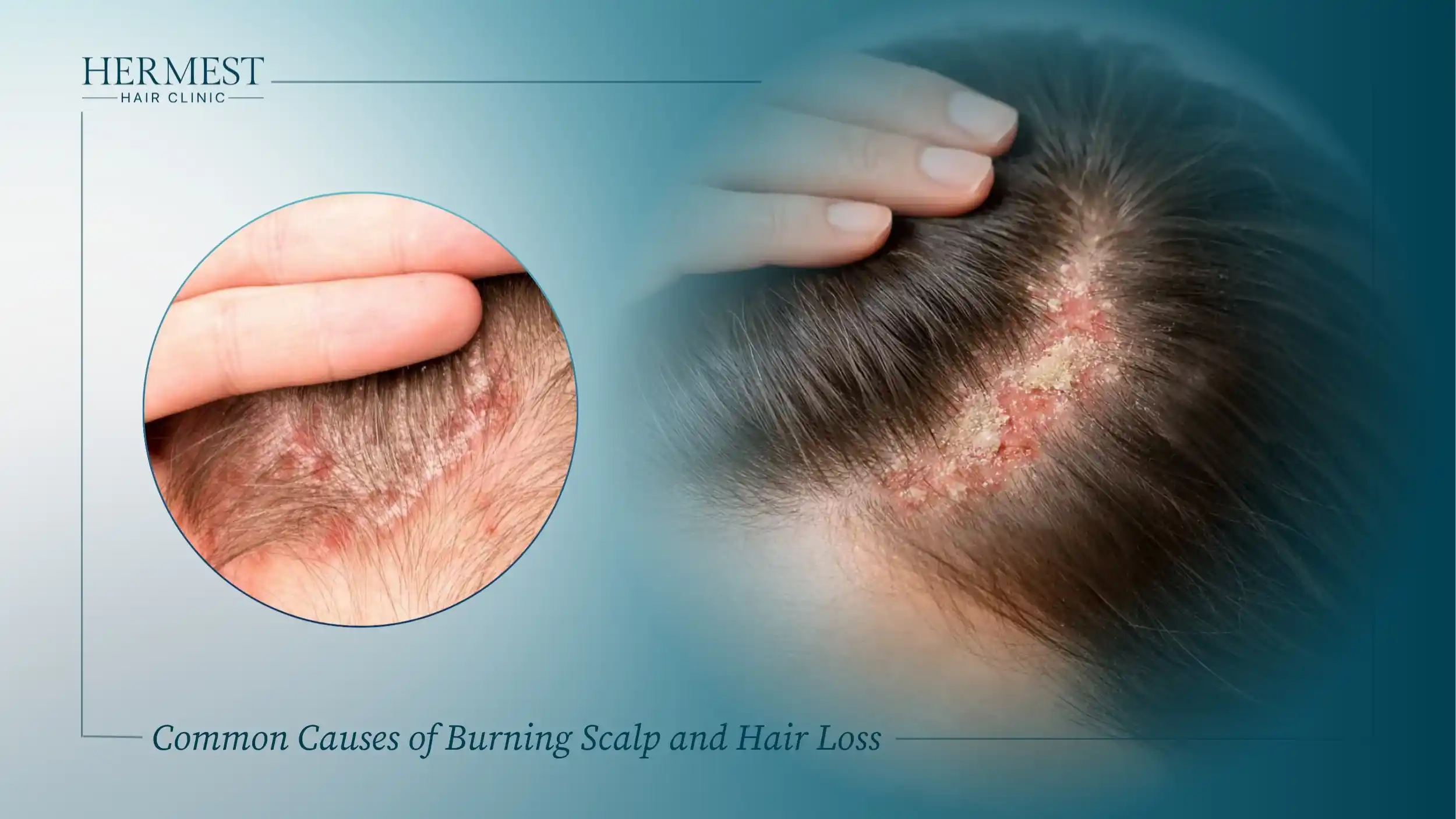
A burning scalp is a symptom, not a diagnosis. Several medical conditions can cause burning, tenderness, or stinging while also contributing to temporary or, in some cases, permanent hair loss. Identifying the correct cause is one of the most important steps toward protecting both your scalp and your hair.
Although these conditions share similar symptoms, their treatments are often very different.
Seborrheic Dermatitis
One of the most common causes of burning scalp and hair loss is seborrheic dermatitis. This inflammatory skin condition develops when the scalp reacts to Malassezia yeast, leading to redness, greasy yellow flakes, itching, and sometimes a burning sensation. The inflammation and frequent scratching may increase temporary hair shedding until the condition is brought under control.
Contact Dermatitis
Hair dyes, shampoos, conditioners, styling products, and even fragrances can trigger an allergic or irritant reaction. The scalp may become:
- Red and tender.
- Warm or burning.
- Intensely itchy.
- Sensitive to touch.
According to the American Academy of Dermatology (AAD), identifying and avoiding the triggering product is one of the most effective ways to resolve contact dermatitis.
Dr. Ahmet Murat says:
“Patients often focus on treating the hair when the real problem is the scalp. Sometimes simply removing an irritating product allows the scalp to recover and the excessive shedding gradually improves.”
Psoriasis and Folliculitis
Scalp psoriasis can produce thick plaques, burning, and tenderness that extend beyond ordinary dandruff. Folliculitis, on the other hand, occurs when hair follicles become inflamed because of bacteria, yeast, or blocked follicles. Small red bumps, soreness, and occasional pus-filled lesions are common findings.
Both conditions may temporarily increase hair shedding if inflammation becomes significant.
Fungal Infections
Tinea capitis, also known as scalp ringworm, is another possible cause. Unlike dandruff, fungal infections often produce patchy hair loss, broken hairs, scaling, and areas of scalp tenderness. Because these infections require prescription antifungal medication, ordinary anti-dandruff shampoos usually aren’t enough.
Sunburn, Chemical Irritation, and Stress
Not every burning scalp is caused by disease. Excessive sun exposure, chemical treatments such as bleaching or perming, and even chronic psychological stress can increase scalp sensitivity. Stress deserves particular attention because it may contribute to telogen effluvium, a temporary form of hair shedding that often develops several months after a significant physical or emotional event.
This relationship between stress, nerve sensitivity, and hair loss is frequently overlooked. A burning scalp isn’t always caused by a visible skin condition. Sometimes the trigger lies beneath the surface, making a careful medical evaluation especially valuable when symptoms persist.
Burning Scalp Without Any Visible Rash
One of the most confusing situations for patients is experiencing a burning scalp even though the scalp looks completely normal. There may be no redness, flakes, bumps, or irritation, yet the burning, stinging, or tingling sensation persists.
This often leads people to believe the problem has been missed or that it’s “all in their head.” In reality, dermatologists recognize several conditions that can cause significant scalp discomfort without producing obvious visible changes.
What Is Scalp Dysesthesia?
One of the most overlooked causes is scalp dysesthesia. This condition is characterized by burning, stinging, tenderness, itching, or pain despite the scalp appearing healthy during examination. According to peer-reviewed dermatology literature, scalp dysesthesia is considered a neuropathic condition, meaning the discomfort is thought to originate from abnormal nerve signaling rather than inflammation or infection.
Several factors may contribute, including:
- Increased nerve sensitivity.
- Chronic muscle tension in the neck.
- Cervical spine disorders.
- Anxiety or prolonged psychological stress.
Unlike inflammatory scalp diseases, scalp dysesthesia doesn’t usually damage the hair follicles directly.
Why Can the Scalp Burn Without Redness?
Pain doesn’t always require visible inflammation. The scalp contains thousands of sensory nerve endings that constantly respond to pressure, temperature, and touch. When these nerves become overly sensitive, they may continue sending pain signals even though the skin itself appears completely normal.
This explains why some people experience severe scalp burning sensation without any obvious rash, scaling, or irritation.
Dr. Ahmet Murat says:
“A normal-looking scalp doesn’t always mean nothing is wrong. If patients describe persistent burning but we don’t see signs of inflammation, we also consider nerve-related conditions. Identifying the true source of the discomfort allows us to recommend much more effective treatment.”
Can Scalp Dysesthesia Cause Hair Loss?
This is another area where misinformation is common. Scalp dysesthesia itself does not permanently destroy hair follicles.
However, persistent discomfort may lead to frequent rubbing, scratching, or touching of the scalp. In addition, chronic stress, which is often associated with scalp dysesthesia, can contribute to telogen effluvium, increasing temporary hair shedding.
This relationship between nerve sensitivity and hair loss is rarely explained in general hair loss articles, yet it helps answer an important question: why is my scalp burning and my hair falling out even though my scalp looks normal?
For patients with persistent burning but no visible skin changes, a comprehensive evaluation is often needed to distinguish neuropathic scalp pain from inflammatory scalp disease, ensuring that treatment targets the actual cause rather than just the symptoms.
Trichodynia: When Hair Loss Hurts
For some people, hair loss isn’t just something they see. It’s something they feel. If your scalp becomes sore, tender, or painful whenever you touch your hair or brush your scalp, you may be experiencing trichodynia, a condition that is frequently overlooked but well recognized in dermatology.
Unlike ordinary scalp irritation, trichodynia refers to pain or discomfort associated with the scalp and hair, even when there are few or no visible skin changes.
What Is Trichodynia?
Trichodynia describes unpleasant scalp sensations such as:
- Burning.
- Stinging.
- Tenderness.
- Pain when moving the hair.
- Increased sensitivity to touch.
The discomfort may be constant or come and go throughout the day. Some people describe it as a sunburn-like sensation, while others feel sharp, localized pain around thinning areas. Research suggests that trichodynia is more common than many people realize, particularly in individuals experiencing active hair shedding.
Why Does Trichodynia Occur?
The exact cause isn’t fully understood, but experts believe several factors may work together. These include inflammation around the hair follicles, increased nerve sensitivity, and the release of inflammatory neuropeptides that affect pain perception. Studies have also found an association between trichodynia and conditions such as:
- Telogen effluvium.
- Androgenetic alopecia.
- Chronic psychological stress.
- Anxiety-related muscle tension.
This helps explain why some patients develop burning scalp hair loss even when there is little visible inflammation.
Dr. Ahmet Murat says:
“Patients are often relieved to learn that scalp pain has a recognized medical name. Trichodynia doesn’t necessarily mean the follicles are permanently damaged, but it does tell us that the scalp deserves careful evaluation rather than being dismissed.”
Does Trichodynia Mean You’re Going Bald?
Not necessarily. Trichodynia itself does not cause permanent baldness. However, it commonly occurs alongside other hair disorders, particularly telogen effluvium and male pattern baldness.
This means the pain isn’t creating the hair loss. Instead, both symptoms may be linked to the same underlying process. Because trichodynia often develops before patients notice visible thinning, it can serve as an early warning sign that something is affecting scalp health or the hair growth cycle.
For this reason, persistent scalp tenderness hair loss should always be evaluated as a whole. Treating the discomfort without identifying the underlying cause may relieve symptoms temporarily, but addressing both the scalp condition and any associated hair loss provides the best opportunity for long-term improvement.
Can Stress Cause a Burning Scalp?
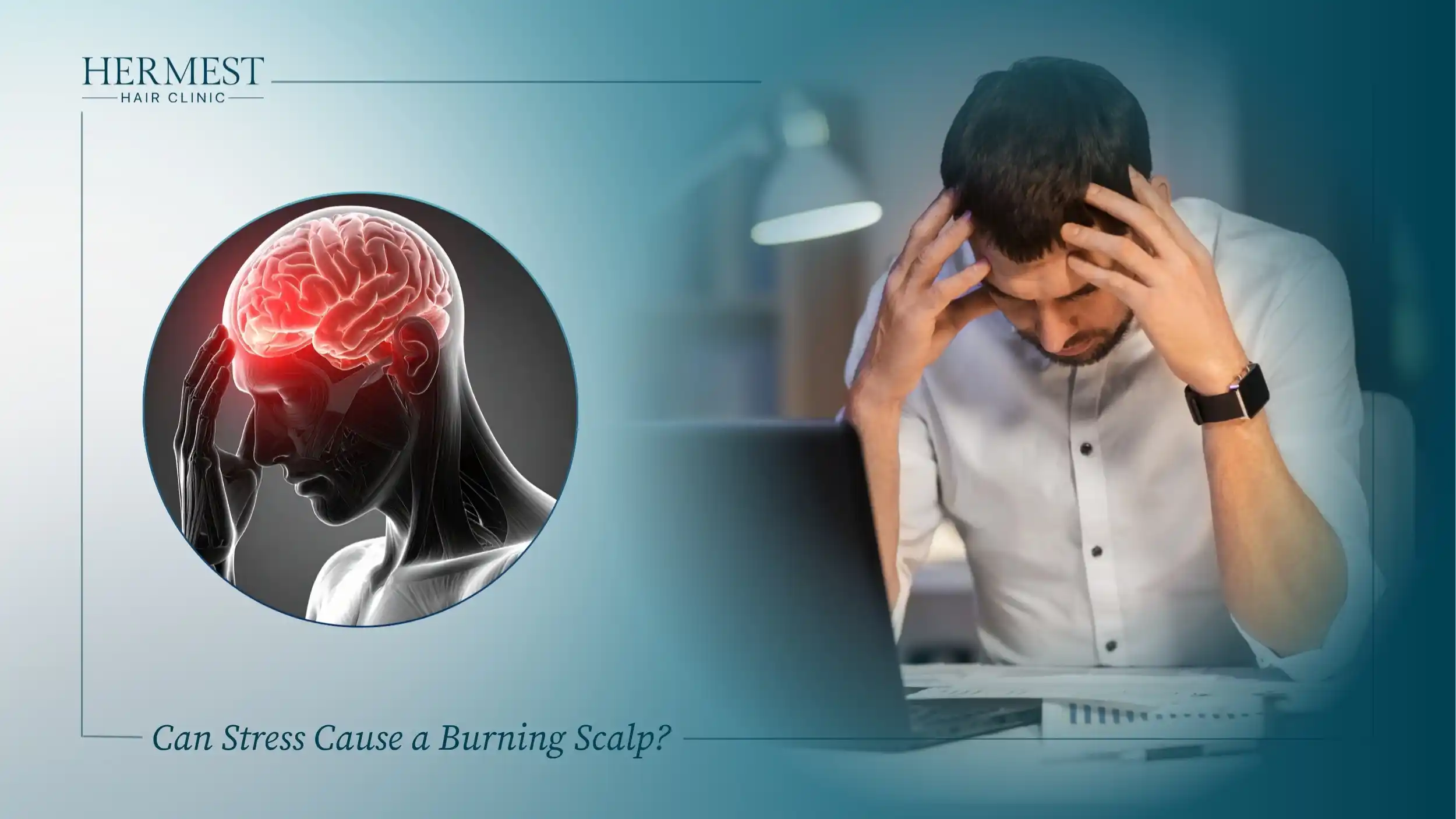
Yes. Chronic stress can contribute to both a burning scalp and increased hair shedding, even when the scalp appears healthy. Although stress doesn’t directly damage hair follicles, it can influence the nervous system, immune response, and hair growth cycle in ways that make scalp discomfort and temporary hair loss more likely.
This connection is often underestimated because emotional stress isn’t always associated with physical scalp symptoms.
Stress Can Increase Nerve Sensitivity
When you’re under prolonged stress, your body produces higher levels of stress hormones, including cortisol. These hormonal changes can make sensory nerves more sensitive, causing the scalp to react more intensely to normal touch or pressure. Some people experience burning, tingling, or soreness despite having no visible signs of inflammation.
Stress is also thought to play a role in conditions such as scalp dysesthesia and trichodynia, where nerve hypersensitivity contributes to ongoing scalp discomfort.
Stress May Trigger Temporary Hair Shedding
Stress doesn’t only affect the nerves. It can also interrupt the normal hair growth cycle by pushing a larger number of follicles into the resting phase. Several weeks or months later, these hairs begin to shed in a condition known as telogen effluvium.
This explains why many people search for answers after noticing burning scalp with hair shedding following a stressful event such as:
- Major surgery or illness.
- Emotional trauma.
- Significant weight loss.
- Childbirth.
- Long periods of anxiety or burnout.
According to the Mayo Clinic, physical and emotional stress are recognized triggers for temporary hair loss in susceptible individuals.
Dr. Ahmet Murat says:
“Stress doesn’t always create hair loss by itself, but it can amplify existing scalp conditions and increase temporary shedding. We encourage patients to look beyond the hair and consider the overall health of both the scalp and the body.”
Breaking the Stress Cycle
Persistent scalp discomfort can become stressful in itself. The burning sensation causes anxiety, anxiety increases muscle tension and nerve sensitivity, and the discomfort may feel even worse. This cycle can continue unless both the physical symptoms and contributing lifestyle factors are addressed.
Managing stress won’t cure every case of hair loss burning scalp, but it often supports recovery when combined with appropriate medical treatment. Good sleep, regular exercise, stress-management techniques, and treatment of the underlying scalp condition can all help reduce symptoms while allowing the hair growth cycle to normalize over time.
Burning Scalp After Hair Transplant
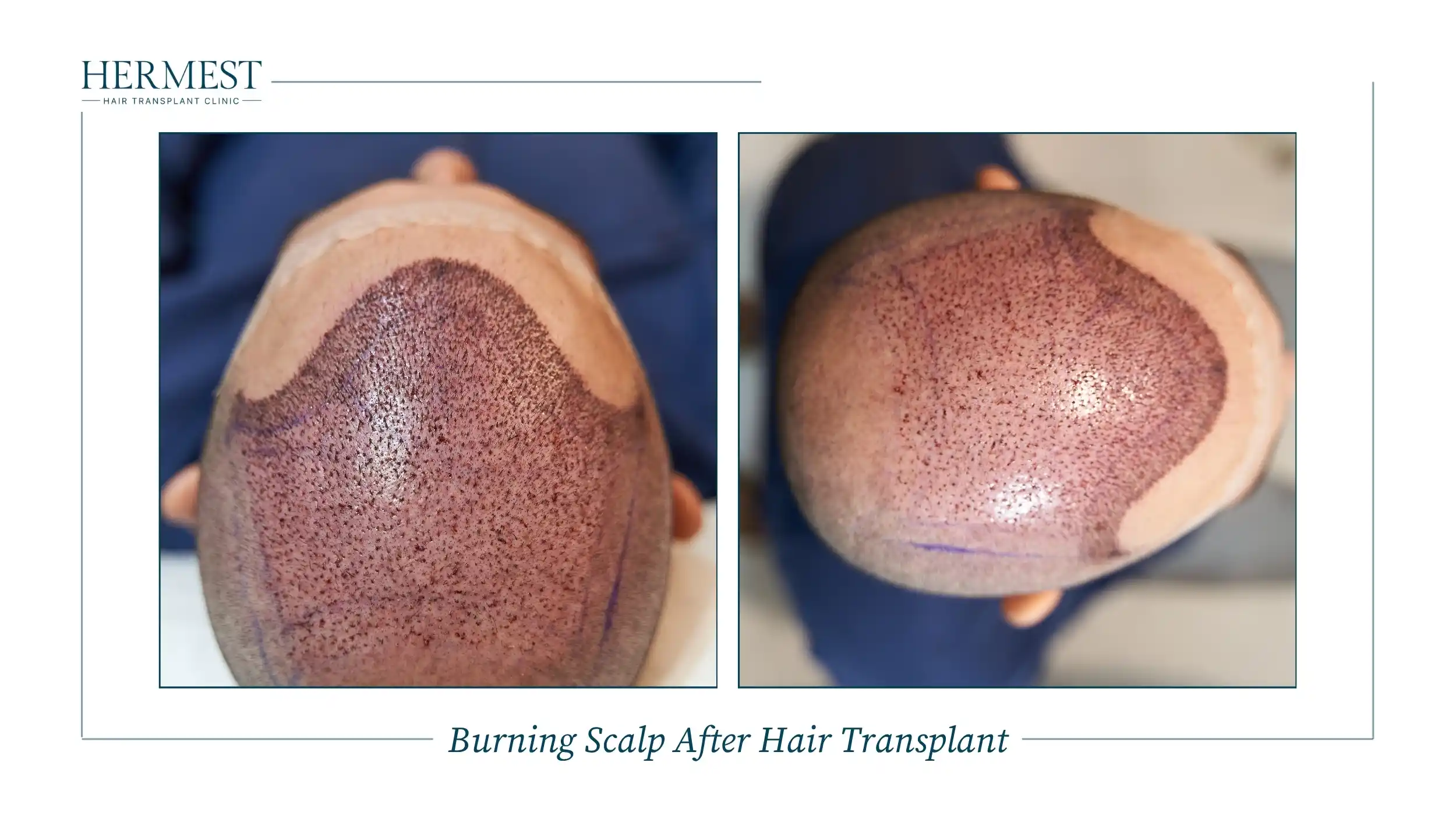
A mild burning scalp after a hair transplant is usually a normal part of the healing process. During surgery, tiny recipient sites are created, and the scalp begins repairing itself immediately afterward. As the tissues heal and the nerves recover, temporary burning, tingling, or increased sensitivity may occur.
In most cases, these sensations improve gradually over the first few weeks and are not a sign that the grafts have failed.
Why Does the Scalp Burn After Surgery?
Several natural healing processes can produce a temporary scalp burning sensation after a hair transplant. These include:
- Mild inflammation during wound healing.
- Regeneration of small sensory nerves.
- Increased blood flow to the treated areas.
- Temporary dryness and tightening of the scalp.
Many patients describe intermittent burning or tingling as the scalp begins to regain normal sensation. This is especially common after FUE procedures because thousands of tiny incisions heal simultaneously.
When Is Burning Normal?
For most patients, mild discomfort gradually becomes less noticeable each week. Normal post-operative burning is usually:
- Mild to moderate in intensity.
- Limited to the transplanted or donor area.
- Improving over time rather than worsening.
- Not accompanied by significant swelling, pus, or fever.
According to the International Society of Hair Restoration Surgery (ISHRS), following your surgeon’s aftercare instructions is one of the best ways to support healing and reduce temporary discomfort.
Dr. Ahmet Murat says:
“After a Unique FUE® procedure, some patients notice brief burning or tingling as the scalp heals. This is usually part of normal nerve recovery. We carefully monitor every patient during follow-up visits to ensure healing is progressing as expected and to identify any unusual symptoms early.”
When Burning May Signal a Problem
Although mild burning is common, severe or worsening pain should never be ignored. Contact your surgeon promptly if the burning is accompanied by:
- Increasing redness or swelling.
- Thick yellow discharge or pus.
- Fever or chills.
- A foul odor from the scalp.
- Severe pain that doesn’t improve with prescribed medication.
These symptoms may indicate infection or another complication that requires medical attention.
Protecting Your New Grafts
The healing scalp is especially sensitive during the first few weeks after surgery. Avoid scratching, rubbing, or exposing the scalp to excessive heat or direct sunlight unless your surgeon advises otherwise. Gentle cleansing, proper hydration, and following your post-operative instructions help create the ideal environment for graft survival and healthy healing.
Most importantly, remember that temporary burning after a hair transplant is usually a sign of healing, not damage. If the sensation gradually improves and the scalp continues healing normally, it’s generally considered a routine part of recovery.
Burning Scalp From Minoxidil
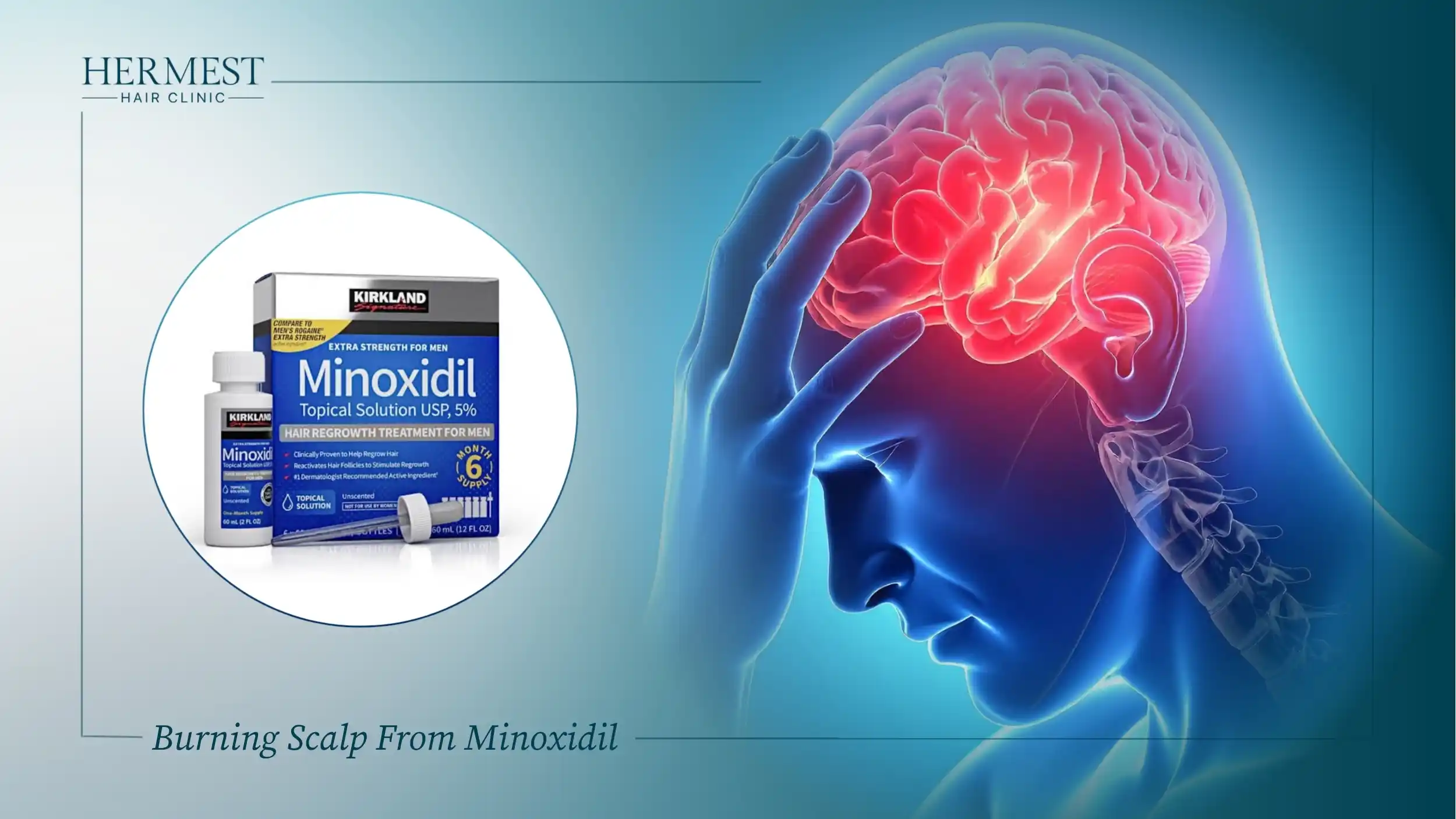
Minoxidil is one of the most commonly recommended treatments for male pattern baldness, but some users experience a burning scalp shortly after applying it. While mild irritation is relatively common, persistent burning shouldn’t be ignored because it may indicate that your scalp is reacting to the medication or one of its ingredients.
Understanding why this happens can help you determine whether the reaction is temporary or whether your treatment plan needs to be adjusted.
Why Does Minoxidil Cause Burning?
In many cases, the burning sensation isn’t caused by minoxidil itself. Instead, it’s often linked to propylene glycol, an ingredient found in many liquid formulations. Propylene glycol helps the medication penetrate the scalp but may also irritate sensitive skin or trigger contact dermatitis in some individuals.
Other possible reasons include:
- Applying minoxidil to an already inflamed scalp.
- Using the product after scratching the scalp.
- An allergic reaction to inactive ingredients.
- Excessive product buildup from repeated applications.
These factors can produce burning scalp and hair loss symptoms that are easily mistaken for worsening alopecia.
Foam vs. Liquid: Does It Matter?
Yes, it often does. Many minoxidil foam formulations don’t contain propylene glycol, making them a better option for people with sensitive skin or recurring scalp irritation. If you experience persistent burning with the liquid version, your dermatologist may recommend switching to the foam formulation rather than stopping treatment altogether.
Dr. Ahmet Murat says:
“We encourage patients not to discontinue minoxidil immediately after mild irritation. First, we determine whether the reaction is caused by the active medication, the vehicle, or an existing scalp condition. Sometimes a simple change in formulation solves the problem.”
When Should You Stop Using Minoxidil?
A mild tingling sensation shortly after application can occur and often improves as the scalp adapts. However, stop using the product and consult your healthcare provider if you develop:
- Severe burning or pain.
- Persistent redness and swelling.
- Blistering or open sores.
- Worsening itching that doesn’t improve.
- Signs of an allergic reaction.
According to the American Academy of Dermatology (AAD), persistent scalp irritation should always be evaluated before continuing treatment. If you already have seborrheic dermatitis, psoriasis, or another inflammatory scalp disorder, treating that condition first may improve your tolerance to minoxidil. A healthy scalp is more likely to respond well to hair loss treatments, while an irritated scalp often becomes increasingly sensitive.
The goal isn’t simply to continue treatment. It’s to use a therapy that supports hair growth without creating unnecessary discomfort or additional scalp inflammation.
How to Relieve a Burning Scalp and Reduce Hair Loss
Treating a burning scalp starts with identifying what’s causing it. While it may be tempting to focus only on the discomfort, the most effective treatment depends on whether the burning is related to inflammation, nerve sensitivity, infection, an allergic reaction, or another underlying condition. Addressing the root cause not only relieves symptoms but may also help reduce hair shedding associated with scalp irritation.
Treat the Underlying Cause First
Because many different conditions can produce similar symptoms, treatment should be tailored to the diagnosis. Depending on the cause, your healthcare provider may recommend:
- Medicated shampoos for seborrheic dermatitis.
- Topical corticosteroids to reduce inflammation.
- Antifungal medications for scalp fungal infections.
- Antibiotics for bacterial folliculitis when appropriate.
- Alternative hair loss treatments if minoxidil is causing irritation.
- Medications for neuropathic pain in selected cases of scalp dysesthesia.
Using the wrong treatment may delay recovery or even worsen the burning sensation.
Support a Healthy Scalp
Alongside medical treatment, gentle scalp care can make a significant difference. Simple habits that often help include:
- Washing with a mild, fragrance-free shampoo.
- Avoiding harsh hair dyes and chemical treatments until symptoms improve.
- Limiting excessive heat from hair dryers or styling tools.
- Protecting the scalp from prolonged sun exposure.
- Avoiding scratching, even if the scalp feels itchy.
These measures reduce additional irritation while allowing the scalp barrier to recover.
Dr. Ahmet Murat says:
“Many patients focus entirely on stopping hair loss, but healthy hair begins with a healthy scalp. Once inflammation or irritation is brought under control, the environment for normal hair growth improves considerably.”
Don’t Ignore Lifestyle Factors
Medical treatment is only part of the solution. Chronic stress, inadequate sleep, poor nutrition, smoking, and unmanaged medical conditions can all affect scalp health and the normal hair growth cycle. Addressing these factors supports recovery and may reduce the likelihood of ongoing burning scalp hair loss.
If nutritional deficiencies or hormonal disorders are suspected, your physician may recommend blood tests to identify contributing factors.
Be Patient With Recovery
Scalp discomfort often improves before noticeable changes in hair growth occur. Even after the burning subsides, hair follicles need time to return to their normal growth cycle. For people experiencing telogen effluvium, new growth may take several months to become visible.
Following your treatment plan consistently and avoiding unnecessary scalp irritation gives your hair and scalp the best opportunity to recover together.
When Should You See a Doctor?
Occasional scalp sensitivity after sun exposure, a new hair product, or minor irritation often improves within a few days. However, a burning scalp that persists, becomes more intense, or occurs alongside significant hair loss should always be evaluated by a healthcare professional. Early diagnosis is important because many scalp conditions look similar but require completely different treatments.
Signs You Shouldn’t Ignore
Schedule a medical evaluation if your symptoms include:
- Burning or pain lasting longer than one to two weeks.
- Rapid or excessive hair shedding.
- Visible bald patches or thinning.
- Redness, swelling, or pus.
- Thick scaling or crusting.
- Fever or other signs of infection.
- Burning that interferes with sleep or daily activities.
- Persistent symptoms despite using over-the-counter treatments.
These signs may indicate an inflammatory skin disease, infection, autoimmune condition, or another medical problem that requires prescription treatment.
What to Expect During the Evaluation
A dermatologist will usually begin by reviewing your medical history and examining your scalp and hair. Depending on your symptoms, they may also:
- Perform a hair pull test to assess active shedding.
- Use trichoscopy to examine the scalp and hair follicles under magnification.
- Recommend blood tests if nutritional deficiencies, thyroid disease, or hormonal changes are suspected.
- Take a small scalp biopsy in complex or unclear cases.
The goal is to determine whether the burning originates from inflammation, infection, nerve-related pain, or an underlying hair loss disorder.
Dr. Ahmet Murat says:
“Burning scalp symptoms should never be dismissed, especially when accompanied by noticeable hair loss. Identifying the underlying cause early often leads to simpler treatment and helps protect long-term scalp and hair health.”
Can Hair Be Saved?
In many cases, yes. Conditions such as seborrheic dermatitis, contact dermatitis, folliculitis, and telogen effluvium often improve once the underlying cause is treated. If the burning is related to scalp dysesthesia or trichodynia, addressing nerve sensitivity and contributing lifestyle factors can also provide meaningful relief.
Permanent hair loss is generally associated with disorders that scar or permanently damage the follicles. Fortunately, these conditions are much less common than temporary inflammatory or stress-related causes. The sooner persistent symptoms are evaluated, the better the chance of relieving discomfort, reducing unnecessary hair shedding, and preserving healthy hair growth over the long term.
Frequently Asked Questions
Usually not. A burning scalp alone does not permanently destroy hair follicles. Temporary hair loss is more often related to inflammation, excessive scratching, stress, or an underlying scalp disorder. Permanent hair loss is uncommon unless a scarring condition damages the follicles. Early diagnosis and treatment improve the likelihood of full recovery.
Concerned About a Burning Scalp and Hair Loss?
If you’re experiencing a persistent burning scalp, scalp tenderness, or increasing hair loss, don’t ignore the symptoms. While many causes are temporary and treatable, identifying the underlying condition early can help protect your scalp health and improve your chances of preserving healthy hair.

At Hermest Hair Clinic, Dr. Ahmet Murat and our experienced medical team perform comprehensive scalp and hair evaluations to determine the real cause of your symptoms before recommending any treatment. Whether your hair loss is linked to inflammation, stress, scalp disorders, or genetic factors, we’ll create a personalized treatment plan based on your needs and long-term goals.
Contact Hermest today to schedule your consultation and take the first step toward a healthier scalp and stronger, fuller-looking hair.