

Ranbir Kapoor Hair Transplant: Before & After, Truth, Grafts Explained
 ChatGPT
 Claude
 Perplexity
 Grok
Grok
 Gemini

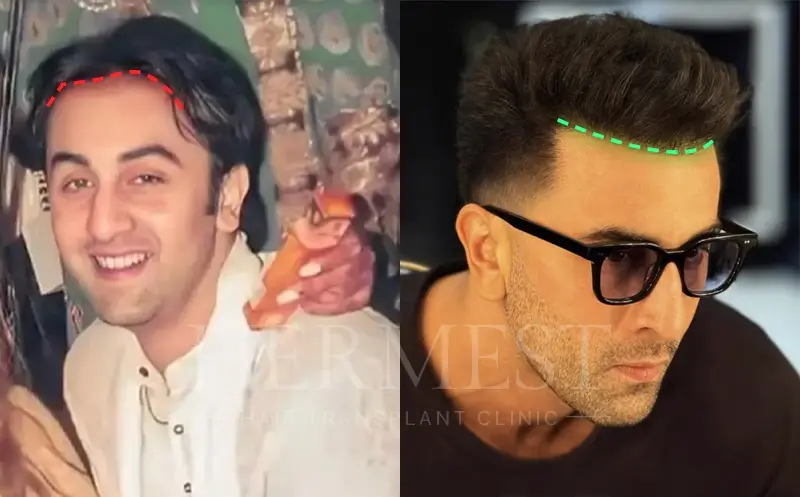
The topic of Ranbir Kapoor hair transplant comes up often for a reason. His hairline looks different today. Fuller. More defined. And people notice. But here’s the honest answer first. There is no official confirmation that he had a transplant.
That doesn’t stop the discussion. Fans compare photos. Experts give opinions. Articles try to explain the change. What most people actually want is clarity. What really happened, and what it means for them.
Searches like did Ranbir Kapoor get hair transplant, ranbir kapoor hairline, and ranbir kapoor hair transplant before after all point to the same curiosity. Is this natural change, styling, or medical intervention?
When you look closely, you’ll see patterns. Early signs of recession. Later improvements in density. A more structured hairline. These changes are not random.
According to the American Academy of Dermatology, male pattern hair loss usually starts at the temples and progresses gradually. That aligns with what many observed in his earlier appearances.
Dr. Ahmet Murat shares this perspective:
“When we evaluate a public figure, we don’t rely on assumptions. We look at patterns. Hairline shape, density, and progression over time tell a much clearer story.”
This article stays grounded in that approach.
We’ll look at visible changes. What experts suggest. What techniques could explain the result. And most importantly, what you can realistically take from this case if you’re facing similar hair loss.
Not speculation. Structured analysis.
Let’s start with the basics. What actually changed in his hair over time?
Quick Insights
- There is no confirmed statement about a Ranbir Kapoor hair transplant, but visible improvements suggest possible intervention
- Hairline refinement and density improvement usually require structured planning
- Non-surgical methods can help, but they don’t rebuild lost hairlines
- Early-stage hair loss gives the best flexibility for natural-looking results
- Graft numbers matter less than placement and design
- Long-term success depends on planning, not just the procedure
What happened to Ranbir Kapoor’s hair?
If you look at older photos, the change is gradual. Not sudden. That’s important.
The discussion around Ranbir Kapoor hair loss started early in his career. Subtle at first. Then easier to notice.
Early hair loss signs
In his earlier films and public appearances, a few patterns stand out:
- Slight recession at the temples
- A softer, less defined frontal hairline
- Mild thinning in strong lighting
This is typical of early-stage male pattern hair loss. Not dramatic. Easy to overlook unless you compare over time.
Photos from different angles show it more clearly. Especially when hair is styled back or under bright light.
Search interest around Ranbir Kapoor hairline grew during this period. People noticed the shift, even if it wasn’t obvious at first glance.
Why this pattern is common
This type of hair change follows a very familiar path.
According to the American Academy of Dermatology, male pattern baldness usually begins at the temples and crown. The hairline starts to move back slowly. Hair becomes finer before density visibly drops.
This process is called follicle miniaturization. It doesn’t happen overnight. It builds over years.
That’s why many men don’t react early. It feels gradual. Manageable.
Dr. Ahmet Murat explains it this way:
“Most patients come in when they notice the change, not when it starts. But the process has already been developing for years.”
What makes this case interesting
The later appearances show something different.
The hairline looks sharper. Density appears improved in the frontal zone. The overall structure feels more controlled.
This is where the conversation shifts from natural progression to possible intervention.
Did Ranbir Kapoor get a hair transplant?
There is no confirmed statement from Ranbir Kapoor. Any discussion around Ranbir Kapoor hair transplant is based on visible changes, not official disclosure. Still, those changes are what keep the question active.
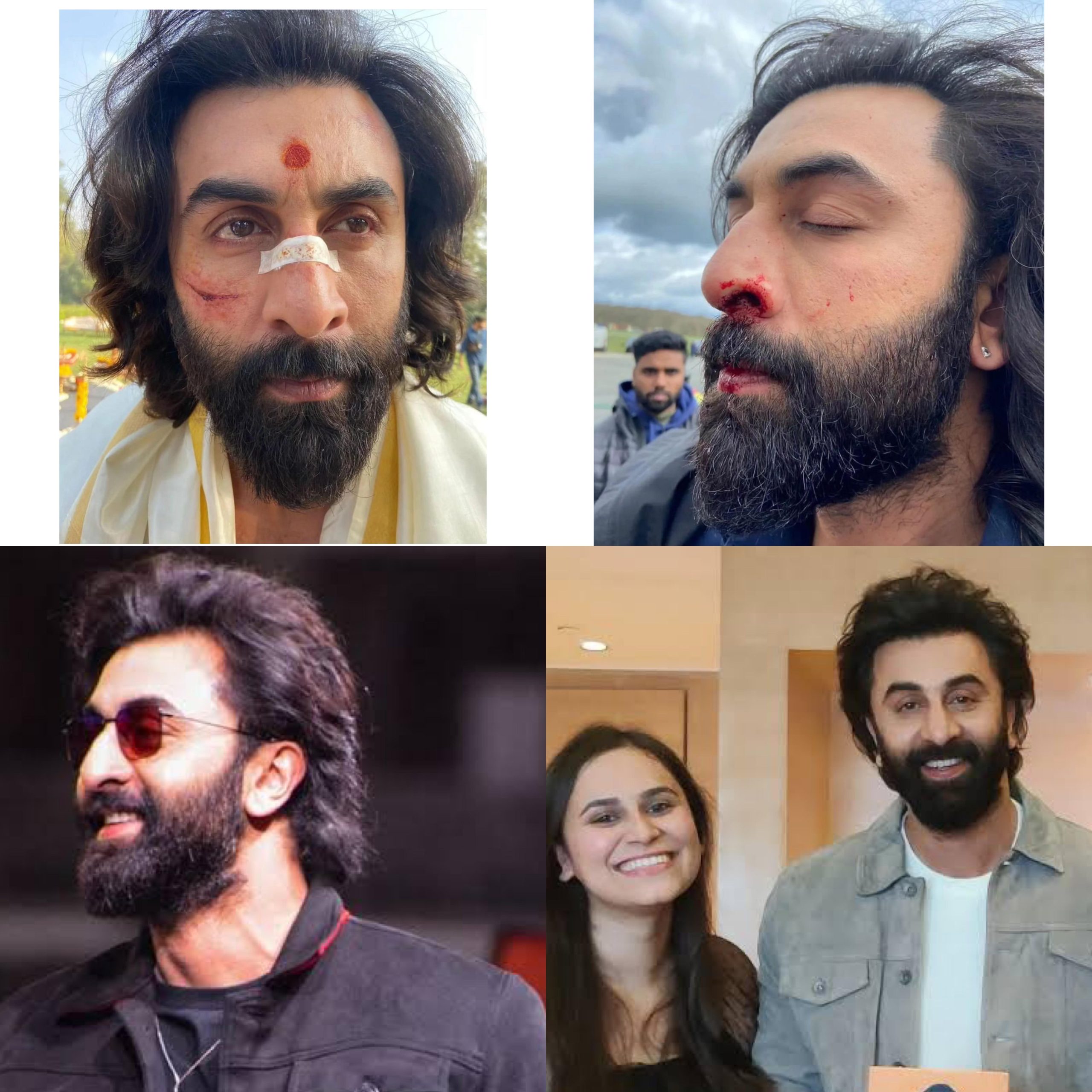
No public confirmation exists.
Ranbir Kapoor has never openly said he underwent a procedure. That puts this in the “likely but unconfirmed” category.
At the same time, consistent search interest around did Ranbir Kapoor get hair transplant shows how noticeable the transformation has been.
What experts say
Some dermatologists and hair specialists have commented in media discussions. The general view is cautious.
They point out improvements in:
- Hairline definition
- Frontal density
- Overall structure
These are areas typically addressed in hair restoration procedures.
At the same time, experts avoid definitive claims without direct medical records.
According to commentary reported in Times of India, changes in celebrity hairlines can come from multiple factors, including procedures, styling, or maintenance treatments.
Why the rumors continue
There are a few reasons the topic stays relevant:
- The hairline appears more structured than before
- Density looks improved in key areas
- The change seems consistent across appearances
Searches like Ranbir Kapoor hair transplant before after and celebrity hair transplant Ranbir Kapoor reflect that ongoing curiosity.
Dr. Ahmet Murat approaches it this way:
“We never confirm based on appearance alone. But when the hairline becomes more defined and density improves in specific zones, we consider what procedures could create that effect.”
That’s the key.
Not proving. Understanding what’s possible.
Ranbir Kapoor hairline before and after analysis
The difference becomes clearer when you compare timelines, not single photos.
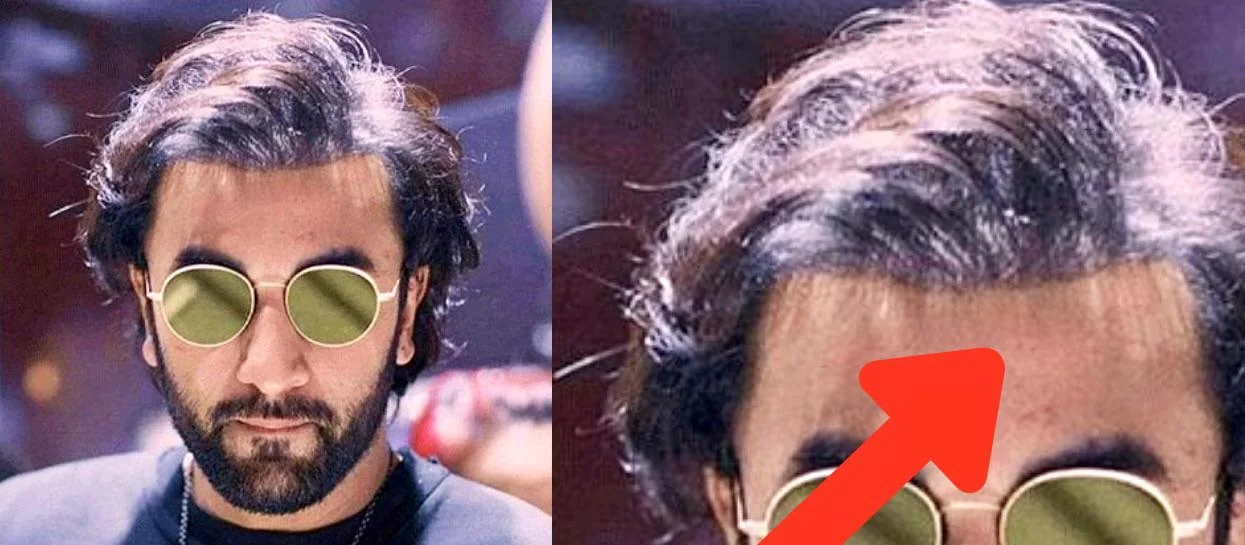
Looking at earlier appearances versus recent ones, the changes are subtle but consistent. That’s usually where the real story sits.
What changed visually
Several details stand out when analyzing Ranbir Kapoor hair transplant before after comparisons:
- The frontal hairline looks more defined
- Temple recession appears reduced or stabilized
- The density in the front third looks fuller
- The overall hairline shape appears more structured
Earlier, the hairline had softer edges. Less density at the corners. In later appearances, the outline looks sharper and more controlled.
This type of change is what drives searches like Ranbir Kapoor hair transformation and Ranbir Kapoor hairline analysis.
It doesn’t look like random variation. It looks consistent over time.
What this suggests medically
Hair does not naturally regain density in receding areas without intervention. That’s a key point.
According to research referenced on PubMed, androgenetic alopecia leads to progressive thinning, not spontaneous regrowth in frontal zones.
So when density improves in those specific areas, there are usually a few explanations:
- Hair transplant (most common for frontal restoration)
- Medical treatment improving existing follicles
- Strategic styling and grooming
The sharper hairline shape is especially relevant. Natural hairlines tend to recede unevenly. A more uniform edge often suggests deliberate design.
Dr. Ahmet Murat explains it clearly:
“When we see a refined frontal line with improved density, we look at how that shape was created. Natural progression rarely produces that level of symmetry.”
Why consistency matters
Temporary changes can come from styling. Lighting. Even camera angles.
But consistent improvement across years suggests something more stable.
That’s why this case continues to attract attention.
If he had a transplant, what technique was likely used?
If you assume a procedure took place, the next question is practical. What method could create this kind of result?
Most modern cases come down to two options. FUE or DHI. Both are widely used. Both can produce natural results when done correctly.
FUE vs DHI
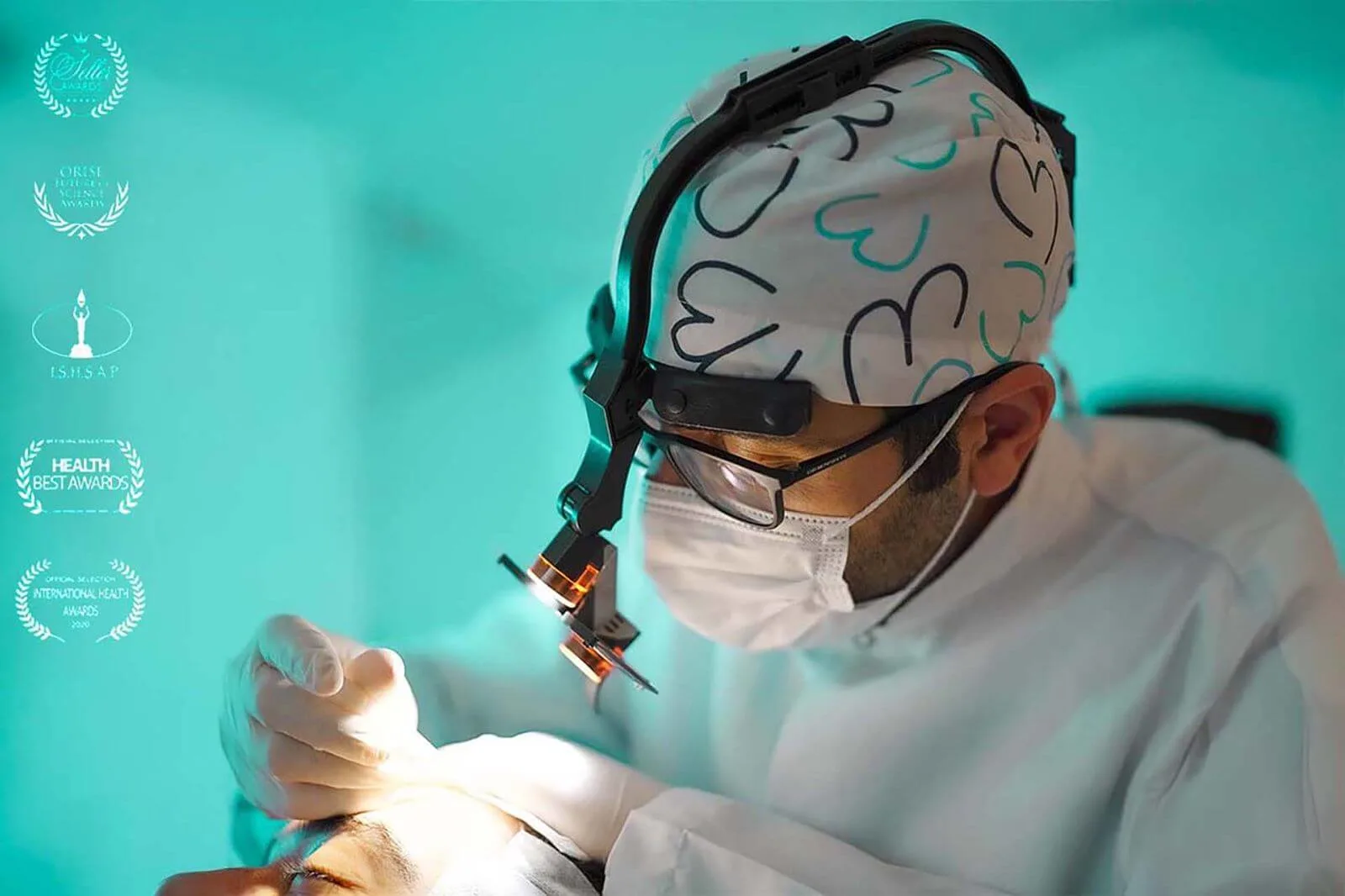
FUE (Follicular Unit Extraction) involves removing individual grafts from the donor area and placing them into small incisions in the recipient zone.
DHI (Direct Hair Implantation) uses a pen-like tool to implant grafts directly, often allowing more control over angle and direction.
In simple terms:
- FUE offers flexibility and is widely used for larger areas
- DHI allows precise placement, especially in the frontal hairline
Both techniques can create a natural-looking Ranbir Kapoor hairline if planned properly.
Most likely scenario based on visible results
Looking at the frontal density and shape, a few things stand out:
- The hairline looks refined, not overly aggressive
- Density appears focused in the front third
- The transition into existing hair looks blended
These details are consistent with:
- FUE used for overall graft placement
- Careful hairline design to maintain a natural look
- Possibly one or more sessions over time
Searches like which technique did Ranbir Kapoor use FUE vs DHI often assume a single method. In reality, many clinics combine approaches depending on the goal.
Why technique alone doesn’t explain the result
Technique matters. But planning matters more.
Hairline design, graft angle, and donor management define the outcome long-term.
According to general clinical standards referenced by the International Society of Hair Restoration Surgery, natural results depend heavily on proper graft placement and long-term strategy, not just the extraction method.
Dr. Ahmet Murat explains it this way:
“Patients often ask which technique is better. The better question is how the hairline is designed and how the donor is preserved. That’s what determines the result years later.”
That’s the key difference.
Not just technique. Execution.
How many grafts would this require?
When people search how many grafts Ranbir Kapoor hair transplant, they’re really asking one thing. How much work does a result like this take?
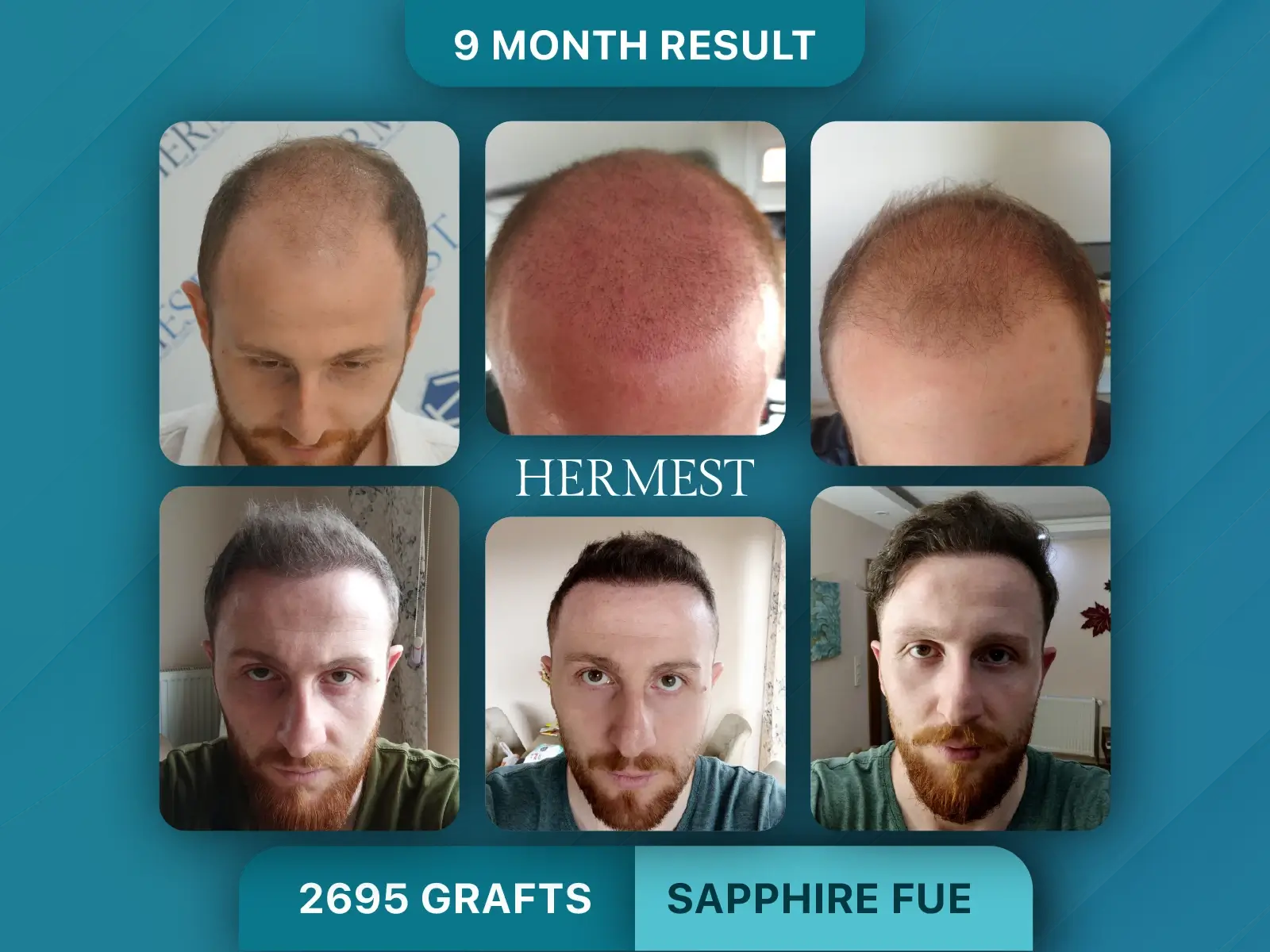
There isn’t a fixed number. But we can estimate based on visible changes.
Estimated graft range
Looking at the frontal improvement and hairline refinement, a typical range would be:
- Around 2000 to 3000 grafts for frontal restoration
- Possibly more if density was increased over time
This aligns with standard planning for:
- Receding hairline correction
- Temple reinforcement
- Front third density improvement
It’s not a full scalp restoration. It’s targeted work.
Why this number makes sense
The visible change is focused in the front. Not the crown. Not full coverage.
That suggests:
- Priority was given to framing the face
- Density was concentrated where it matters most visually
- Existing hair was likely preserved and blended
According to data referenced by the International Society of Hair Restoration Surgery, most procedures for frontal hairline restoration fall within a similar graft range, depending on density goals and donor capacity.
Each graft contains one to four hairs. So 2500 grafts can translate into 5000 to 7000 hairs, depending on hair characteristics.
Why graft numbers alone don’t tell the full story
Two patients can receive the same number of grafts and get very different results.
Factors that change the outcome:
- Hair thickness
- Natural hair color contrast with scalp
- Curl or wave
- Placement angle and density distribution
Dr. Ahmet Murat explains it simply:
“Patients focus on graft numbers. We focus on where those grafts go. Placement is what creates the visual result.”
That’s why copying a number doesn’t guarantee the same look.
So, if your hair loss pattern is similar, the required graft count may be close. But it still needs a personalized plan.
Could it be something else instead of a transplant?
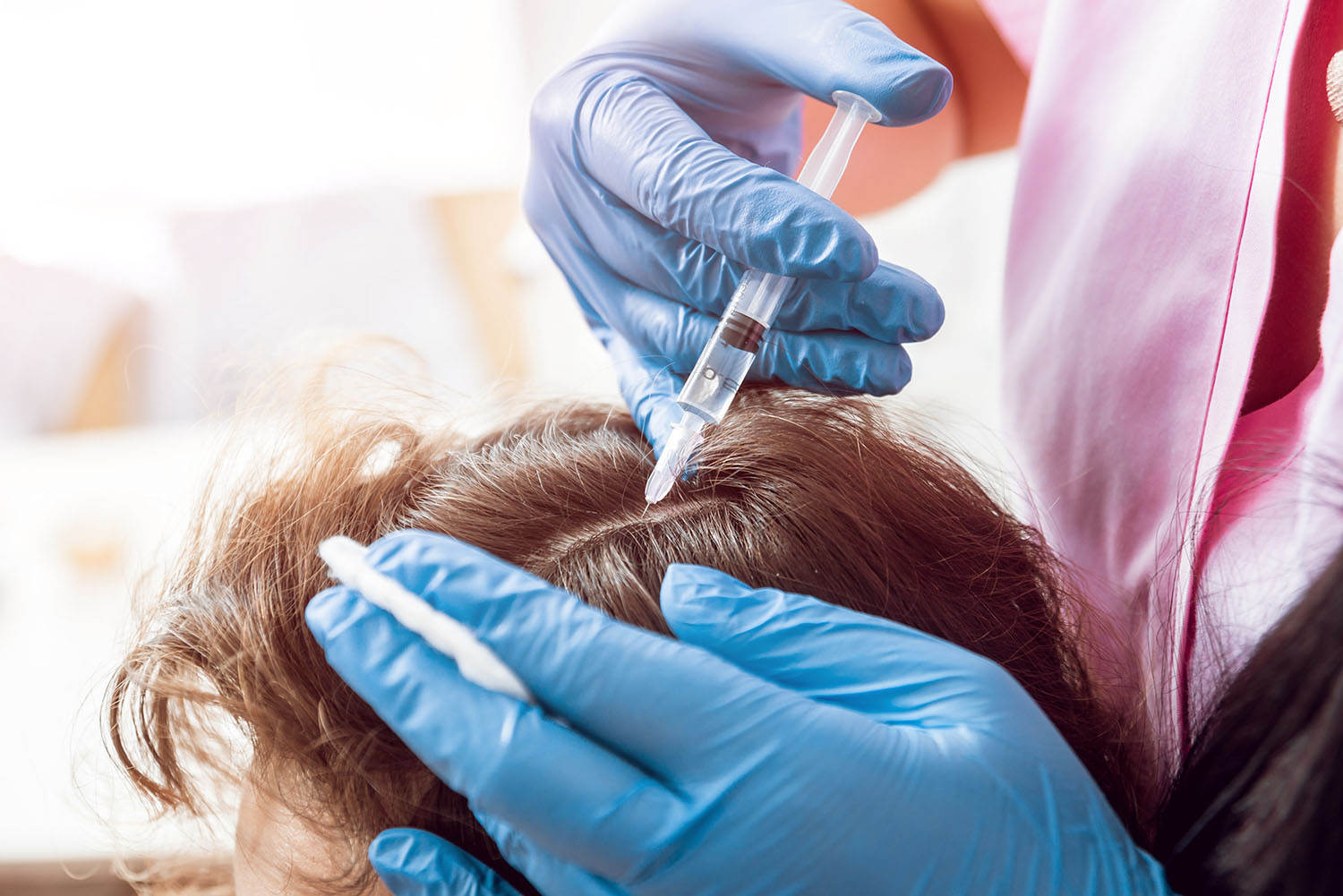
This is where things need balance. Not every visible improvement means surgery.
Some changes can come from non-surgical methods. But they usually have limits.
Styling and lighting
Professional styling can make a big difference.
Hair can be:
- Blow-dried for volume
- Positioned to reduce visible thinning
- Styled forward to soften the hairline
Lighting plays a role too. Strong overhead light exposes thinning. Softer lighting hides it.
That’s why some photos look fuller than others.
Still, styling alone rarely changes the actual hairline shape.
Hair fibers and cosmetic solutions
Hair fibers are common in celebrity grooming.
They:
- Add temporary density
- Reduce scalp contrast
- Work best for mild thinning
They don’t change structure. They don’t rebuild the hairline. They wash out.
For searches like is Ranbir Kapoor hair real or transplant, this is often part of the confusion.
PRP and medical treatments
Non-surgical treatments can improve hair quality.
Minoxidil and finasteride help slow progression. PRP may improve thickness in some cases.
According to the American Academy of Dermatology, these treatments can preserve and strengthen existing hair, especially in early stages.
But they do not recreate a new hairline once it has receded.
Why these explanations have limits
The key detail is structure.
A more defined, consistent hairline over time is difficult to achieve with styling or temporary solutions alone.
That’s where the discussion around celebrity hair transplant Ranbir Kapoor continues.
Dr. Ahmet Murat explains it clearly:
“Non-surgical methods can improve what you have. They don’t rebuild what is already lost. That distinction is important.”
What this means in practical terms
It’s possible that multiple factors are involved:
- Good styling
- Maintenance treatments
- And possibly a procedure
That combination is common in public figures.
Why celebrity hair transplants look better
When people look at results like Ranbir Kapoor hair transformation, the first reaction is often the same. Why does it look so natural?
It’s not just one factor. It’s a combination of decisions, timing, and ongoing maintenance.
Multiple sessions, not one-time fixes
Many assume a single procedure creates the result. In reality, that’s rarely the case.
Celebrities often:
- Start early, when hair loss is still limited
- Focus on the frontal hairline first
- Return for refinement sessions if needed
This allows gradual improvement instead of dramatic change.
It also keeps the result consistent over time.
Strong focus on hairline design
The hairline is everything.
A natural-looking result depends on:
- Irregular, non-straight hairline shape
- Proper angle and direction of grafts
- Density that matches age and facial structure
According to standards referenced by the International Society of Hair Restoration Surgery, natural hairline design is one of the most critical factors in successful outcomes.
Dr. Ahmet Murat explains:
“A good hairline should not look perfect. Slight irregularities make it believable. That’s what we focus on when designing each case.”
Ongoing maintenance and support
The result doesn’t stop after the procedure.
Celebrities usually maintain their hair with:
- Medical treatments to slow further loss
- Regular follow-ups
- Professional styling
This keeps existing hair strong and supports the transplanted area.
Why this creates a better overall look
When all these elements come together, the result looks stable. Not temporary. Not forced.
That’s why searches like bollywood actors hair transplant often highlight more natural outcomes.
What people often misunderstand
It’s not just access. It’s planning.
- Right timing
- Right density strategy
- Long-term thinking
Dr. Ahmet Murat adds:
“The difference is not just the procedure itself. It’s how the entire process is managed over years.”
That’s what creates consistency.
What you can realistically learn from Ranbir Kapoor’s case
This is the part that matters most.
Looking at Ranbir Kapoor hairline analysis is interesting. But the real value is understanding what it means for you.
If your hairline looks similar
If you see early temple recession or a soft frontal thinning pattern, you’re likely in a similar stage he appeared to be in earlier years.
That stage is important.
You still have:
- Strong donor area
- Existing density to blend with
- Flexibility in treatment options
This is where results tend to look the most natural.
What stage he likely was
Based on visible changes over time, the pattern appears consistent with early to moderate hairline recession.
Not advanced. Not diffuse across the entire scalp.
That’s why the improvement looks focused. Not widespread.
According to the American Academy of Dermatology, early intervention in male pattern hair loss can help preserve existing hair and improve overall outcomes.
What options you would have
If your situation is similar, your path usually includes a mix of approaches:
- A structured haircut that reduces contrast
- Medical support to slow progression
- A targeted procedure if needed
The goal is not to “fix everything at once.” It’s to build a stable result.
The biggest difference between you and a celebrity case
Access is part of it. Planning is the bigger factor.
Celebrities often act earlier. They maintain results consistently. They adjust over time.
That’s what creates the appearance of effortless hair.
Dr. Ahmet Murat explains it clearly:
“The best results come from timing. When we intervene early, we can work with existing hair instead of trying to rebuild everything later.”
So, you don’t need to match someone else’s result exactly. You need a plan that fits your stage.
When should you consider a hair transplant?
Timing matters more than most people think.
Many wait too long. Others rush too early. The right moment sits somewhere in between.
Early vs advanced stage
If you’re in the early stage, like the pattern seen in Ranbir Kapoor hair loss discussions, you still have options.
At this stage:
- Hair is thinning but not gone
- The hairline is receding but still present
- Density can still be supported
You may not need a transplant immediately. A structured haircut and medical support can hold things steady.
In advanced stages, the situation changes:
- Larger areas lose density
- Hairline reconstruction requires more grafts
- Donor management becomes critical
This is where planning becomes more complex.
When a haircut is no longer enough
A haircut works when it improves appearance noticeably.
It starts to fall short when:
- The crown becomes visible from normal angles
- The frontal hairline keeps moving back
- Styling no longer improves density
- The scalp shows even with shorter cuts
These are common triggers behind searches like ranbir kapoor hair transplant truth and is ranbir kapoor hair real or transplant. People notice a shift and start looking for solutions.
According to research referenced on PubMed, androgenetic alopecia progresses gradually, with follicles shrinking over time. That means results from styling alone tend to decline.
When a transplant becomes a realistic option
A transplant makes sense when:
- Hair loss pattern is stable or predictable
- Donor area is strong
- Expectations are realistic
- You want long-term structural improvement
Dr. Ahmet Murat explains:
“We don’t recommend surgery based on emotion. We recommend it when the pattern, donor capacity, and long-term plan align.”
So, it’s not about copying a celebrity result.
It’s about choosing the right timing for your own case.
Frequently asked questions
No, there is no official confirmation. Most discussions are based on visual analysis and expert opinion.
Get a clear, personalized plan for your hairline
Looking at cases like Ranbir Kapoor helps you see what’s possible. But your hairline needs its own strategy.
At Hermest Hair Transplant Clinic, we don’t treat this as a single procedure. We plan it as a long-term result.
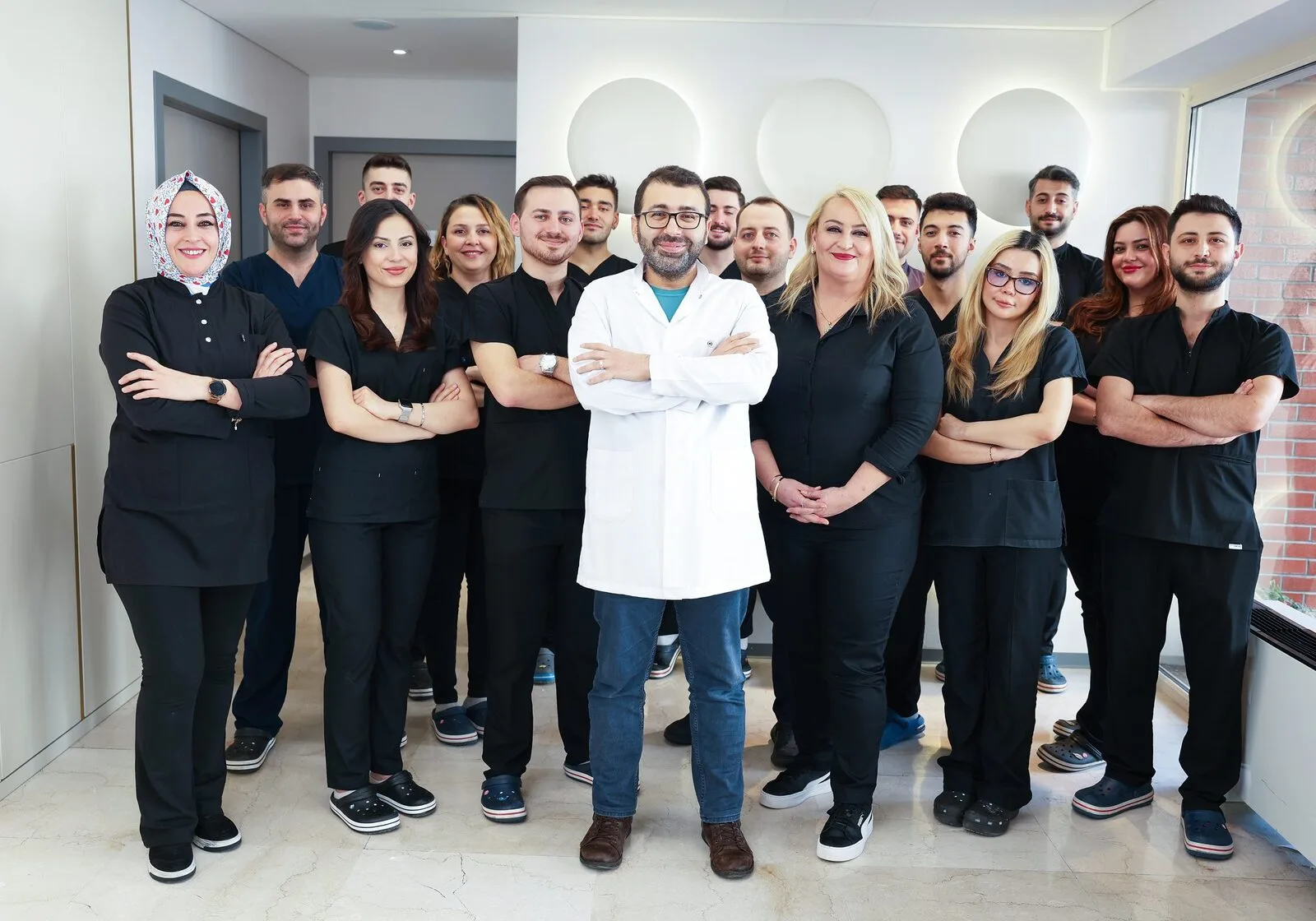
Every consultation is built around three key elements:
- Your current hair loss pattern and progression
- Donor capacity and future preservation
- A natural hairline design that will still look right years later
This is where Hermest stands apart.
Our approach is based on the UNIQUE FUE® technique, developed to focus on precision extraction, controlled density, and long-term donor safety. It’s not about maximum grafts. It’s about correct placement and sustainability.
We also follow our AIS (Aesthetic Implantation Strategy) protocol. This means every graft is placed with attention to angle, direction, and natural irregularity, so the result doesn’t look artificial or overly “perfect.”
Hermest has been recognized internationally for its patient-focused results and consistent outcomes, with awards and certifications reflecting both technique and safety standards.
Dr. Ahmet Murat explains:
“Our priority is not just creating density. It’s designing a hairline that will still look natural as the patient ages. That requires planning, not just procedure.”
If you’re noticing early changes or considering your options, this is the right time to get clarity.
You don’t need assumptions. You need a clear plan.
Start with a consultation at Hermest. Understand your options. And move forward with a result designed to last.