

2000 Grafts Hair Transplant: Cost, Coverage & Complete Timeline
 ChatGPT
 Claude
 Perplexity
 Grok
Grok
 Gemini

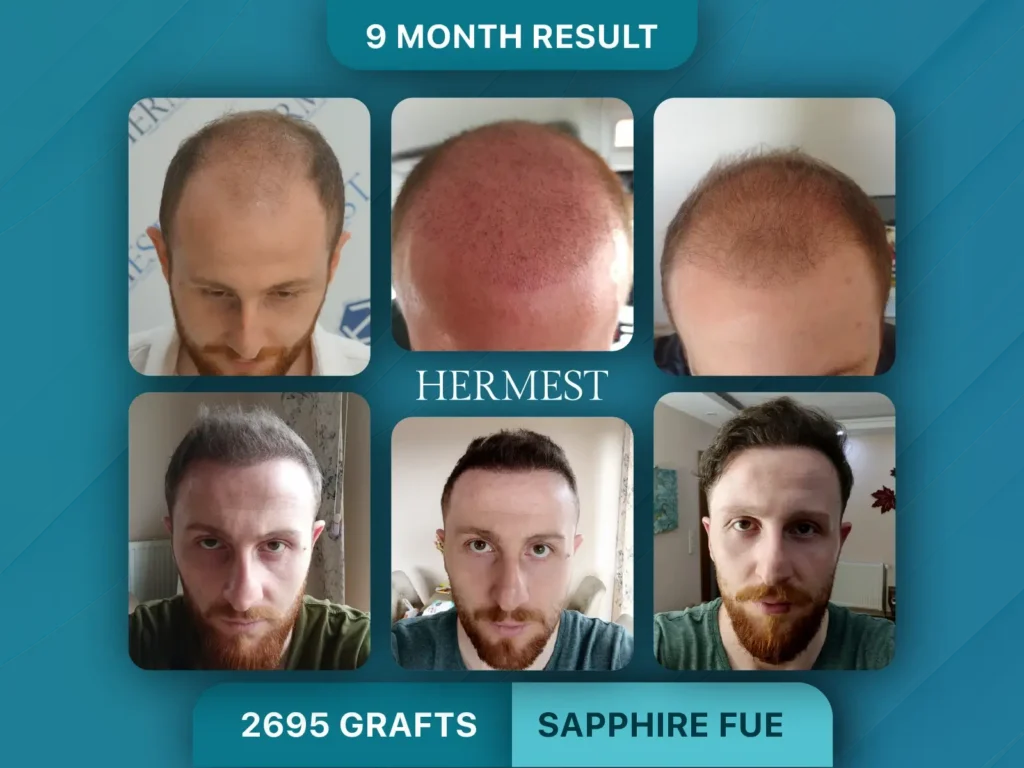
A 2000 grafts hair transplant is one of the most common procedures chosen by patients experiencing early to moderate hair loss. But what does it really mean? How much coverage do 2,000 grafts provide, what does the 2000 grafts cost in Turkey compared to the USA or UK, and how long is the recovery timeline? These are some of the most frequent questions people ask before deciding.
At Hermest Hair Clinic, we know that every graft counts. Whether you’re curious about FUE, Sapphire FUE, or DHI techniques, or simply want to see 2000 grafts before and after results, this guide explains everything you need to know. From cost comparisons to planning and aftercare, we’ll help you understand what to expect so you can make the right decision for your hair restoration journey.
Quick Insights
- 2000 grafts hair transplant typically equals 4,000–5,000 hairs, enough for a natural hairline and mid-scalp coverage.
- It’s a great option for patients with early to moderate hair loss but may not be sufficient for advanced baldness.
- Techniques like FUE, Sapphire FUE, and DHI are commonly used, each offering unique benefits for density, precision, and healing.
- Costs vary by country: Turkey ($1,800–$2,800), USA ($6,000–$10,000), UK (£4,500–£7,000).
- Healing time is around 7–10 days, with final results visible at 12 months.
- Donor area remains natural with modern FUE techniques if extraction is evenly distributed.
- Choosing a qualified surgeon and accredited clinic is crucial for achieving natural and lasting results.
How Much Coverage Do 2000 Grafts Provide?
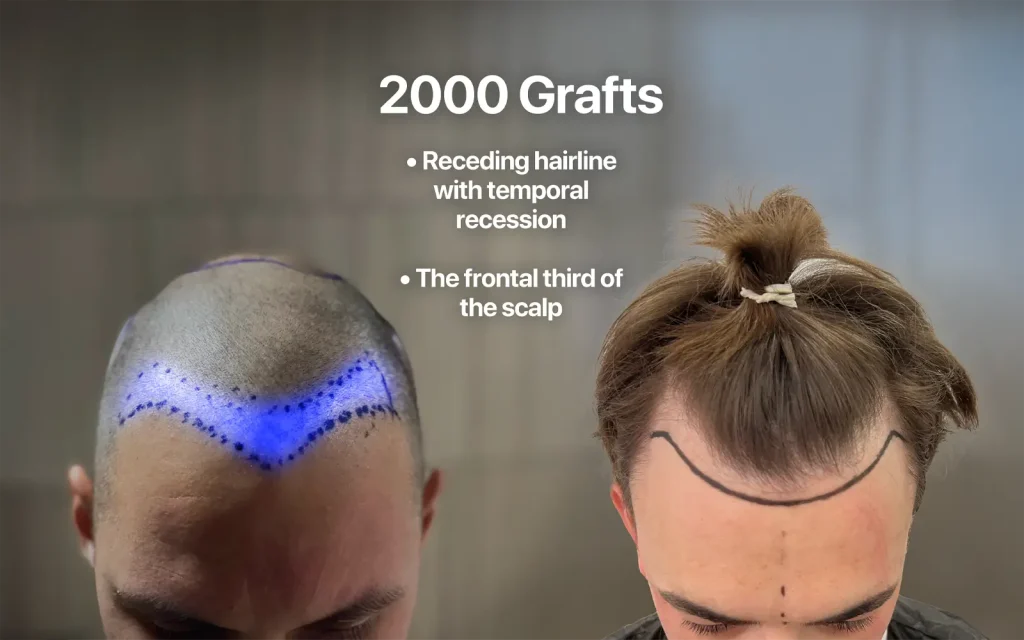
When patients ask “how much does 2000 hair grafts cover?”, the answer depends on donor hair quality, hair thickness, and the distribution plan. On average, each graft contains 2–3 hairs, which means 2000 grafts equal 4000–6000 hairs. This is typically sufficient for reconstructing:
- A receded hairline with temples
- The frontal third of the scalp
- Light density in the mid-scalp if donor supply allows
For individuals at Norwood stage II–III, 2000 grafts can restore a natural look. For higher levels of baldness, such as stage IV or beyond, 2000 grafts will not fully cover the crown and mid-scalp, but they can create a dense and aesthetic front section.
Surgeons often illustrate coverage through before and after 2000 grafts hair transplant photos, showing that this amount is enough to frame the face and restore confidence. Patients with fine hair may require more grafts for the same visual density, while those with thicker hair shafts may achieve excellent results with 2000.
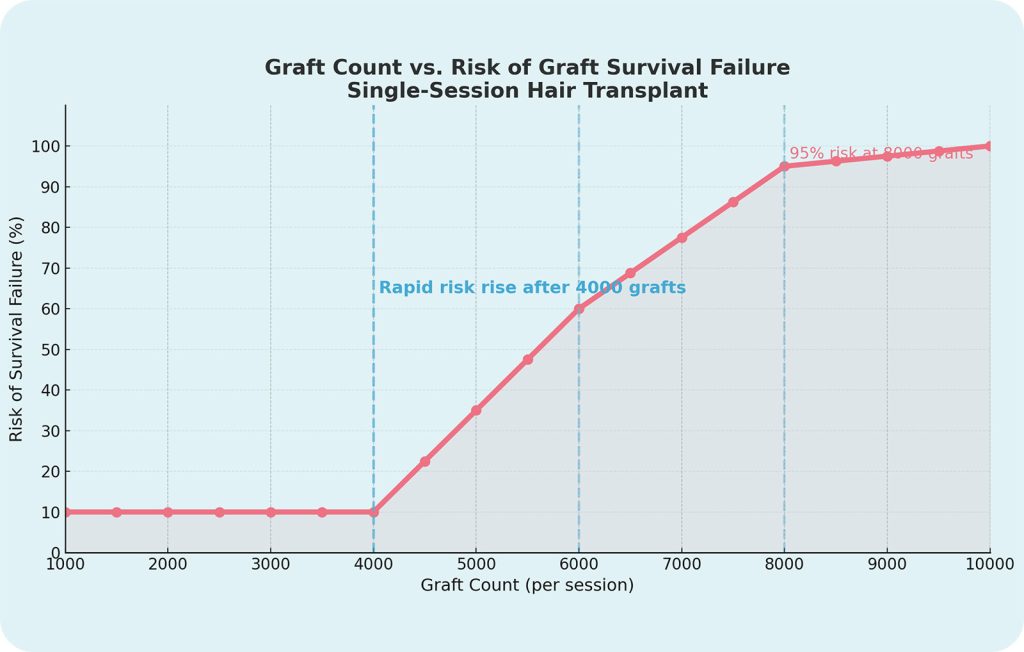
The donor area after 2000 grafts also matters. With FUE or Sapphire FUE, extractions are distributed evenly, leaving no linear scar and preserving density for potential future surgeries. This makes it possible to perform another transplant later if hair loss progresses.
In Dr. Ahmet Murat’s words: “We carefully evaluate whether 2000 grafts are enough for your unique case. Our planning is about more than numbers — it’s about achieving balance between coverage, density, and donor preservation for the long term.”
2000 Grafts Hair Transplant Cost: Turkey vs USA vs Europe
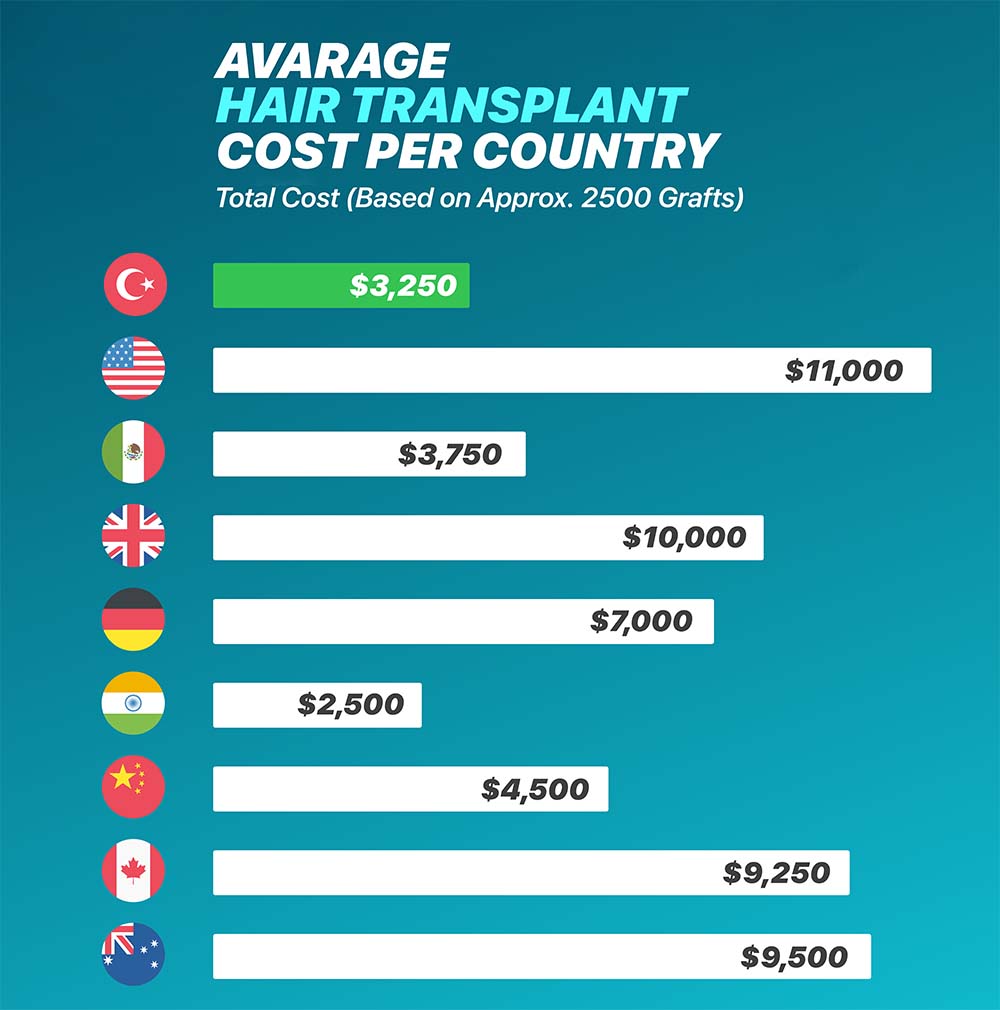
The price of a 2000 grafts hair transplant varies dramatically depending on the country, clinic reputation, and technique (FUE, Sapphire FUE, or FUT). On average, the cost range is as follows:
- Turkey: €1,300 – €4,500 ($1,500 – $5,000)
- USA: €7,000 – €13,500 ($8,000 – $15,000)
- UK & Germany: €5,000 – €9,000
- Spain & Italy: €4,000 – €7,000
2000 Grafts Hair Transplant Cost in Turkey
Turkey has become the leading destination for hair restoration because of its high medical standards and affordable packages. On average, 2000 grafts hair transplant cost Turkey is around $1,500–$2,500, depending on the clinic and whether the procedure includes all-inclusive services (hotel stay, airport transfers, and aftercare).
Dr. Ahmet Murat highlights: “At Hermest, our focus is not on being the cheapest but on offering the highest graft survival rate with advanced techniques like Sapphire FUE. This ensures long-lasting results for every patient.”
Why is Turkey More Affordable?
Patients often ask: “How much does 2000 grafts hair transplant cost in Turkey?” The answer lies in the medical tourism structure. Clinics in Istanbul and Ankara offer all-inclusive packages covering the surgery, accommodation, airport transfers, and aftercare. Lower operational costs and higher surgical volume make it possible to provide top results at competitive prices.
By contrast, the 2000 grafts hair transplant cost USA is higher due to surgeon fees, insurance regulations, and staffing costs. While American clinics offer advanced facilities, they rarely include travel or accommodation in their prices.
Value Beyond Price
It’s tempting to choose the lowest offer, but safety and quality should always come first. Reputable clinics emphasize surgeon involvement, ISO-certified facilities, and advanced tools like Sapphire blades for FUE or DHI implanters. These refinements help increase graft survival rate and long-term density.
Dr. Ahmet Murat explains: “Cost should never be your only deciding factor. At Hermest, we combine affordability with our unique Unique FUE® technique, offering one of the highest graft survival rates worldwide. This means patients don’t just pay less — they keep more of their transplanted hair.”
Patients comparing countries should weigh:
- Price vs graft survival rate
- Surgeon involvement vs technician-only operations
- Aftercare availability once they return home
For many international patients, Turkey remains the best balance of cost and quality, particularly for a 2000 grafts hair transplant.
Techniques Used for 2000 Grafts

When it comes to a 2000 grafts hair transplant, the technique chosen has a big impact on the results, recovery, and patient comfort. Each method has its advantages, and the right choice depends on factors such as hair type, density, donor area, and the area that needs coverage.
Common techniques for 2000 grafts include:
- FUE (Follicular Unit Extraction): This is the most widely performed method. Each follicle is extracted one by one and then implanted into the thinning areas. For 2000 grafts, FUE allows precise placement, minimal scarring, and a quicker recovery compared to older FUT methods.
- Sapphire FUE: A refined version of FUE, using sapphire blades instead of steel. These ultra-thin blades create smaller incisions, which can lead to faster healing and denser, more natural-looking hairlines.
- DHI (Direct Hair Implantation): Here, grafts are implanted directly using a special implanter pen. For 2000 grafts, DHI can achieve higher density and better direction control, especially in the hairline region.
Dr. Ahmet Murat explains: “At Hermest Hair Clinic, we often recommend Sapphire FUE or Long DHI for cases requiring around 2000 grafts. These methods allow us to design natural hairlines while ensuring minimal trauma to the scalp and faster recovery.”
Choosing between these techniques isn’t just about technology—it’s about matching the right method with your specific needs. That’s why a proper evaluation by an experienced surgeon is key before deciding on the approach.
Who’s a Good Candidate?
Not everyone who wants a 2000 grafts hair transplant is automatically the right fit. A successful result depends on both medical suitability and realistic expectations. Before planning surgery, doctors evaluate multiple factors to ensure that the patient will truly benefit.
Ideal candidates for 2000 grafts include:
- Mild to moderate hair loss: Typically, Norwood stage 2–3 patients who need to restore the hairline or fill in thinning areas.
- Healthy donor area: A strong supply of follicles at the back or sides of the scalp is critical to achieve good density with 2000 grafts.
- Stable hair loss pattern: Younger patients with aggressive ongoing loss may need more than 2000 grafts in the future, so timing matters.
- Good general health: Chronic conditions, uncontrolled diabetes, or autoimmune disorders can affect healing and graft survival.
- Realistic expectations: 2000 grafts can provide excellent coverage in the hairline and mid-scalp, but it won’t create the same density as a full head of natural hair.
Dr. Ahmet Murat emphasizes: “The biggest mistake patients make is focusing only on the number of grafts. Success depends on matching the right candidate with the right technique. For 2000 grafts, we carefully assess donor capacity, hair caliber, and long-term planning to avoid future gaps.”
Some patients may not qualify immediately but can prepare for surgery with treatments like PRP, microneedling, or medical therapy (finasteride, minoxidil) to stabilize hair loss before proceeding.
Being a good candidate isn’t just about having enough grafts—it’s about ensuring that those grafts will thrive and provide lasting results.
2000 Grafts Hair Transplant Timeline & Healing Process
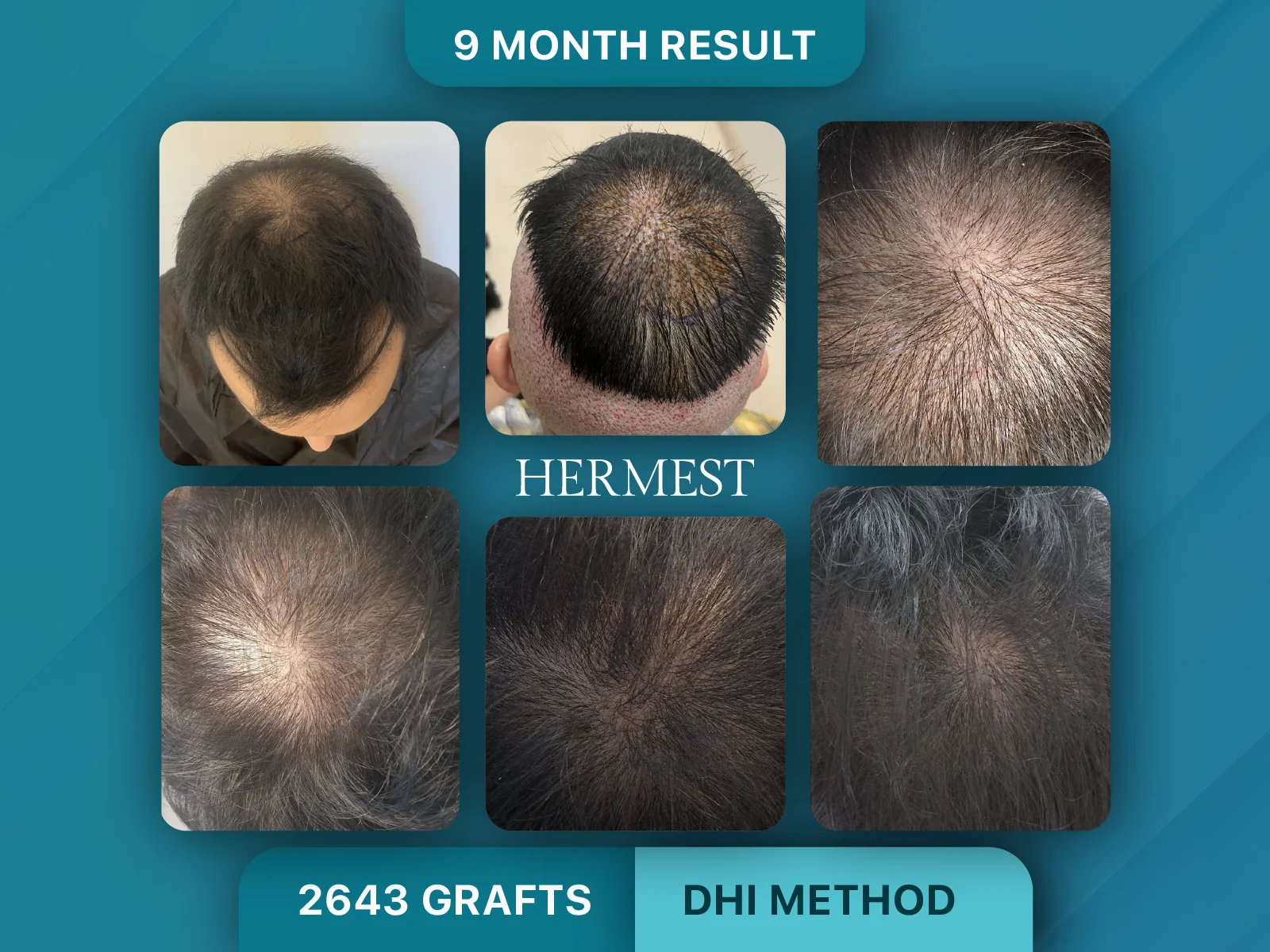
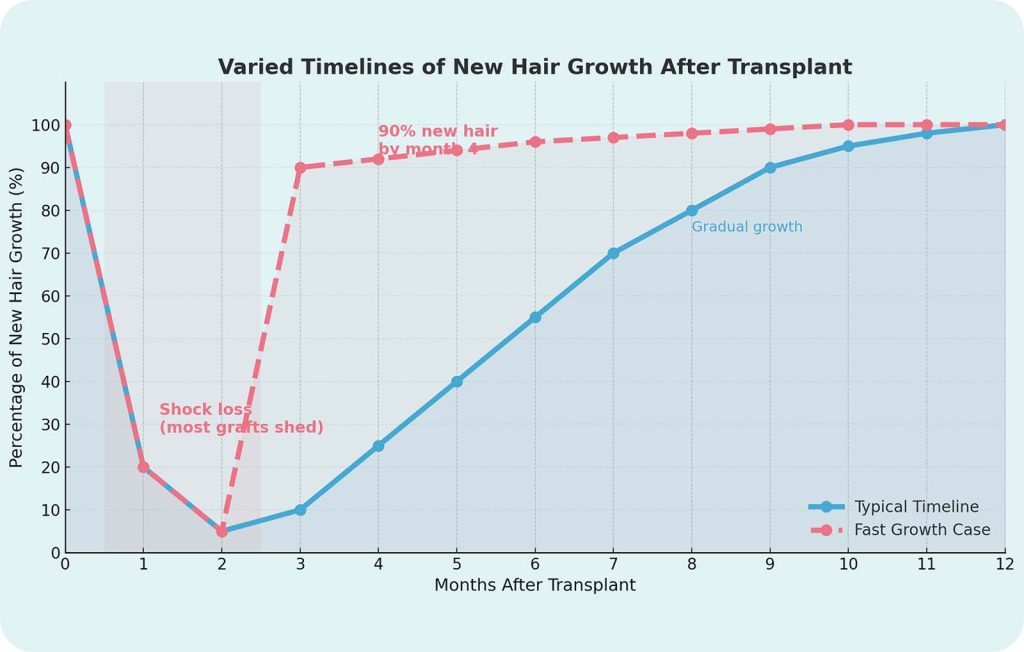
A 2000 grafts hair transplant timeline follows a structured healing and growth pattern, though small variations exist between FUE and FUT techniques. Understanding what happens after surgery helps patients set realistic expectations.
Immediate Post-Op (Days 1–7)
- Mild redness, swelling, and scabbing in the recipient area.
- Donor area after 2000 grafts may feel slightly sore, especially with FUT, where stitches are involved.
- Patients are advised to sleep with their head elevated and avoid scratching.
Early Healing (Weeks 2–4)
- Scabs fall off gradually, revealing small transplanted hairs.
- Shedding phase begins — this is normal as follicles enter resting mode.
- Some itching in the donor area is common, but signs of healing are visible.
Initial Growth (Months 3–4)
- New hair starts sprouting, though thin and fragile.
- Density is not yet complete; many patients notice patchiness.
- The 2000 grafts FUE timeline before and after photos show visible but modest progress at this stage.
Visible Results (Months 6–9)
- Hair thickens, with noticeable improvement in hairline and crown coverage.
- FUE patients usually recover faster, while FUT patients may see a slightly longer healing process due to the donor scar.
- By this point, most patients feel confident styling their hair.
Full Maturity (12–15 Months)
- Transplanted hair reaches full thickness and natural appearance.
- Patients often compare their transformation with pre-op photos to see the coverage 2000 grafts can achieve.
Dr. Ahmet Murat emphasizes: “Patience is essential. The first few months can be frustrating, but by one year, a 2000 grafts transplant can deliver permanent and natural-looking results. Our follow-up ensures patients don’t feel alone during this journey.”
By tracking these stages, patients can better understand when to expect results and how 2000 grafts translate into visible density.
What Does 2000 Grafts Look Like?
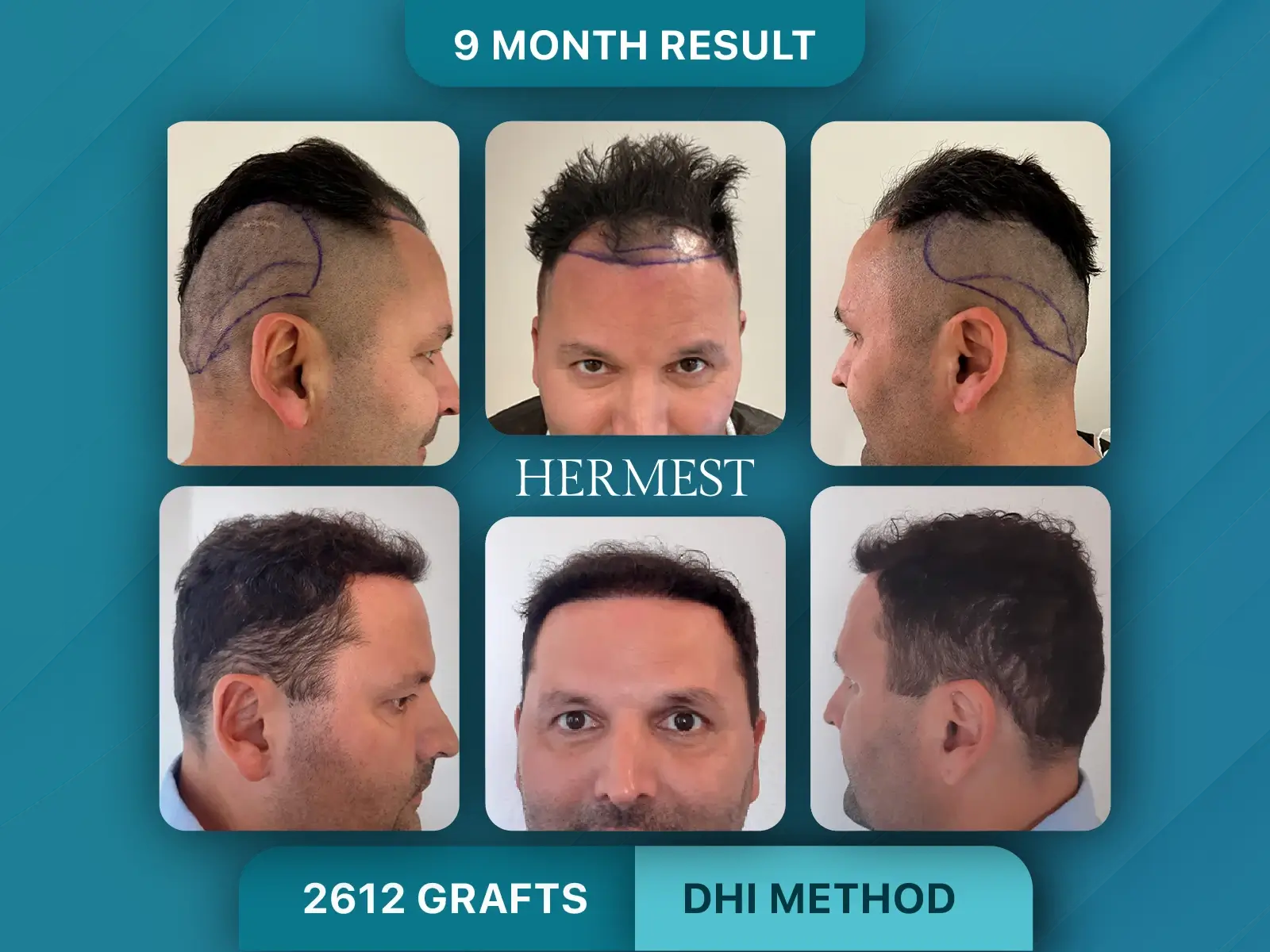
A common question patients ask is: “What does 2000 grafts hair transplant look like?” The answer depends on factors like hair type, density, and the chosen implantation method. On average, 2000 grafts represent about 4,000–5,000 hairs, since each graft typically contains 2–2.5 follicles.
Coverage Expectations
- Hairline and temples: 2000 grafts can usually restore a receded hairline and add density to the frontal zone.
- Crown area: If spread over the crown, coverage will be lighter, offering an improved but not fully dense appearance.
- General density: Patients with thicker hair shafts may achieve more visual density than those with fine hair.
Before & After Transformations
- Frontal restoration: A patient with mild-to-moderate recession often sees a full, natural-looking hairline after 2000 grafts.
- Crown filling: Results vary, but patients usually report significant cosmetic improvement even if density isn’t complete.
- Combination approach: Many clinics, including Hermest, use Sapphire FUE or Long DHI for strategic placement, maximizing the effect of each graft.
Dr. Ahmet Murat notes: “We carefully design the implantation pattern so that 2000 grafts create the greatest visual impact. The goal is not just coverage but a natural frame to the face.”
So, how much does 2000 hair grafts cover?
- Roughly 30–35 cm² of scalp area with medium density.
- Enough for a youthful hairline restoration or a noticeable improvement in thinning zones.
When reviewing 2000 grafts hair transplant before and after photos, patients often remark how transformative it looks — even if not a full head of dense hair, it provides balance, confidence, and a natural frame that changes overall appearance.
Planning Considerations & Aftercare
A 2000 grafts hair transplant requires more than just extracting and implanting follicles. The planning phase is just as important as the surgery itself, since it determines both the immediate outcome and long-term success.
Main Planning Considerations
- Hairline design: For 2000 grafts, surgeons usually focus on creating a natural, age-appropriate hairline rather than covering the entire scalp. A too-low hairline may look unnatural and waste grafts.
- Donor management: With a limited number of grafts, preserving donor area density is critical for possible future procedures.
- Technique choice: FUE, Sapphire FUE, or DHI are typically chosen depending on hair thickness, scalp condition, and patient goals.
- Density balance: Surgeons often prioritize visible areas (frontal zone) rather than spreading grafts too thin across the scalp.
Aftercare Essentials
Recovery plays a huge role in how well the transplanted grafts survive. Patients should:
- Avoid scratching or touching the recipient area for the first 10 days.
- Sleep with the head elevated for several nights to minimize swelling.
- Follow washing instructions carefully, starting around day 3–5, depending on the clinic’s protocol.
- Avoid smoking, alcohol, and heavy exercise for at least two weeks.
Protect from sun exposure for the first month.
Dr. Ahmet Murat notes: “The surgery is only half the process. Patients who strictly follow aftercare instructions usually achieve over 95% graft survival. At Hermest Hair Clinic, we provide detailed post-op guidance and remain in close contact with patients during the first weeks of recovery.”
Good planning ensures the grafts are placed strategically for natural results, while proper aftercare ensures those results last. Together, these two steps turn 2000 grafts into a meaningful transformation.
FAQs About 2000 Grafts Hair Transplant
On average, 2000 grafts equal 4,000–5,000 hairs, since each graft usually contains 2–2.5 hairs. The exact number depends on the patient’s natural follicle grouping.
Ready for Natural Results?
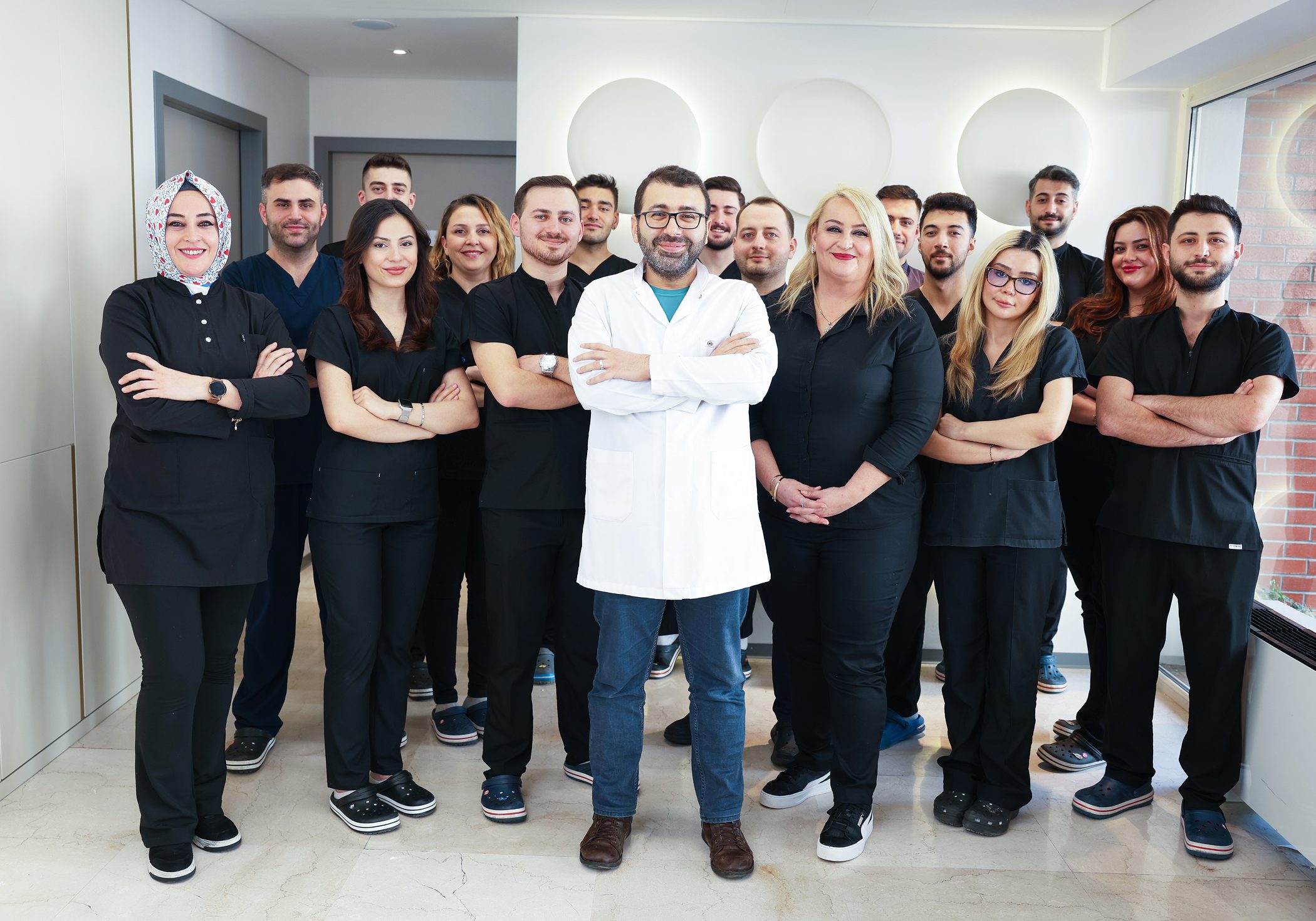
At Hermest Hair Clinic, we understand that every patient’s hair loss story is unique. That’s why we tailor each 2000 grafts hair transplant using advanced methods like Sapphire FUE and DHI to achieve the best natural density and long-term growth.
Book your free consultation today and let our experts design the hairline that fits your face, lifestyle, and expectations.