
Latest Hair Transplant Technology
 ChatGPT
 Claude
 Perplexity
 Grok
Grok
 Gemini

The latest hair transplant technology is transforming how patients restore their hair. From advanced surgical methods like Sapphire FUE, no-shave FUE, and Long DHI to robotic systems such as NeoGraft and FUEsion X, today’s innovations provide more natural results, faster healing, and higher graft survival. At the same time, regenerative therapies like stem cells, exosomes, and even CRISPR gene editing are shaping the future of hair restoration.
For patients, this means better options than ever before: minimally invasive surgery, no visible scars, and shorter downtime—all with results that look completely natural.
Quick Overview of Current Innovations
- Sapphire FUE: Micro-incisions with sapphire blades for higher density and faster recovery.
- Long DHI: Precise, minimally invasive implantation with natural density.
- Unique FUE®: Hermest’s advanced version of the popular FUE method.
- Robotics & AI: Tools like NeoGraft and FUEsion X improve precision and reduce human error.
- Regenerative Tech: Stem cells, exosomes, and 3D bioprinting show promise for future unlimited hair growth.
- Patient Comfort: No-shave options, reduced pain, and artistic hairline design deliver better aesthetics.
- Turkey’s Role: Leading the global field with cost-effective, high-tech clinics.
Dr. Ahmet Murat explains:
“Hair transplantation has shifted from being purely surgical to a fusion of precision engineering, artistry, and regenerative science. Patients now expect not only density but natural design, minimal downtime, and long-term planning—all of which advanced technologies are making possible.”
Hair transplant innovations are moving fast. Patients can benefit from cutting-edge surgical techniques, AI-assisted systems, and emerging regenerative therapies, making treatment safer, more comfortable, and more natural than ever before.
Advanced Surgical Techniques Transforming Results
The foundation of the latest hair transplant technology lies in the refinement of existing surgical methods. Innovations like Sapphire FUE, no-shave FUE, Long DHI, NeoGraft, and FUEsion X are raising the standards for density, naturalness, and healing time. Patients today benefit from techniques that are safer, less invasive, and more precise than ever before.
Sapphire FUE
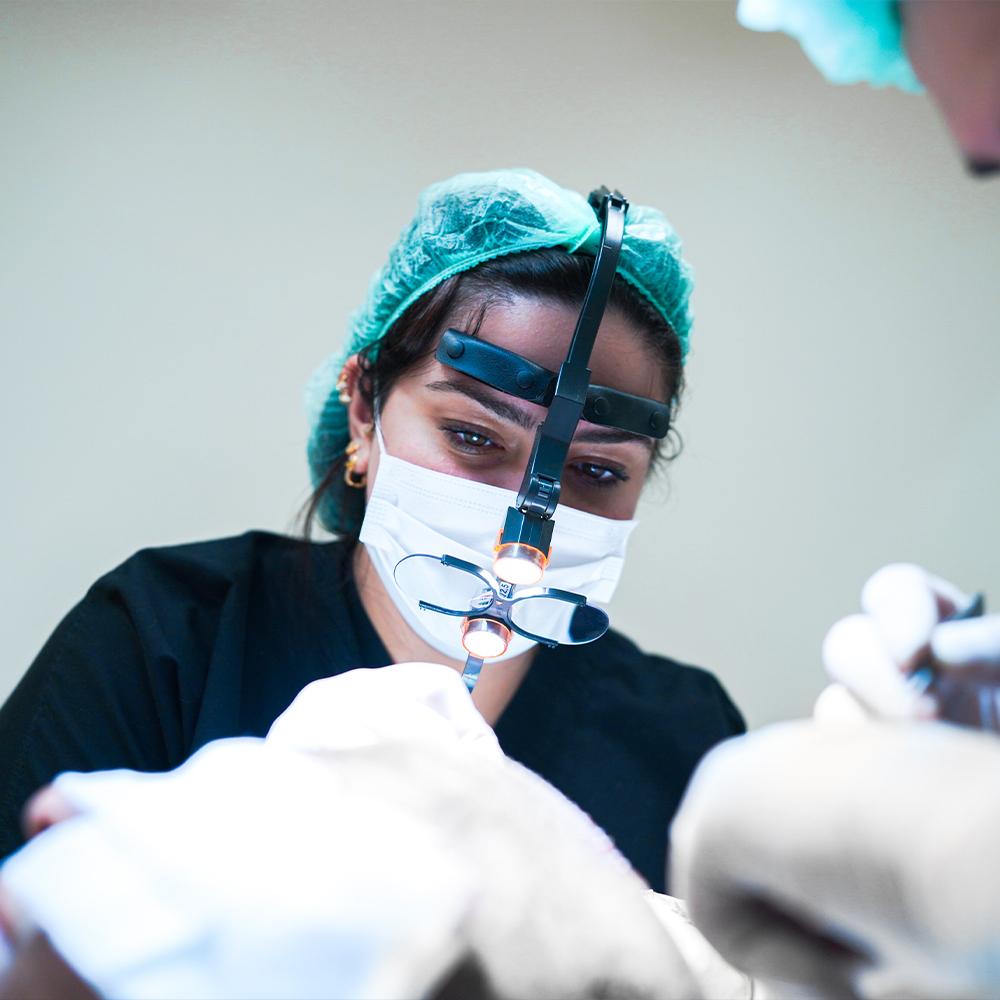
This is the evolution of traditional FUE. Instead of steel blades, sapphire blades are used to create micro-channels for graft implantation.
Benefits include:
- Smaller, more precise incisions → higher density placement.
- Reduced scarring and faster recovery.
- Natural-looking results, especially for hairlines.
No-Shave FUE
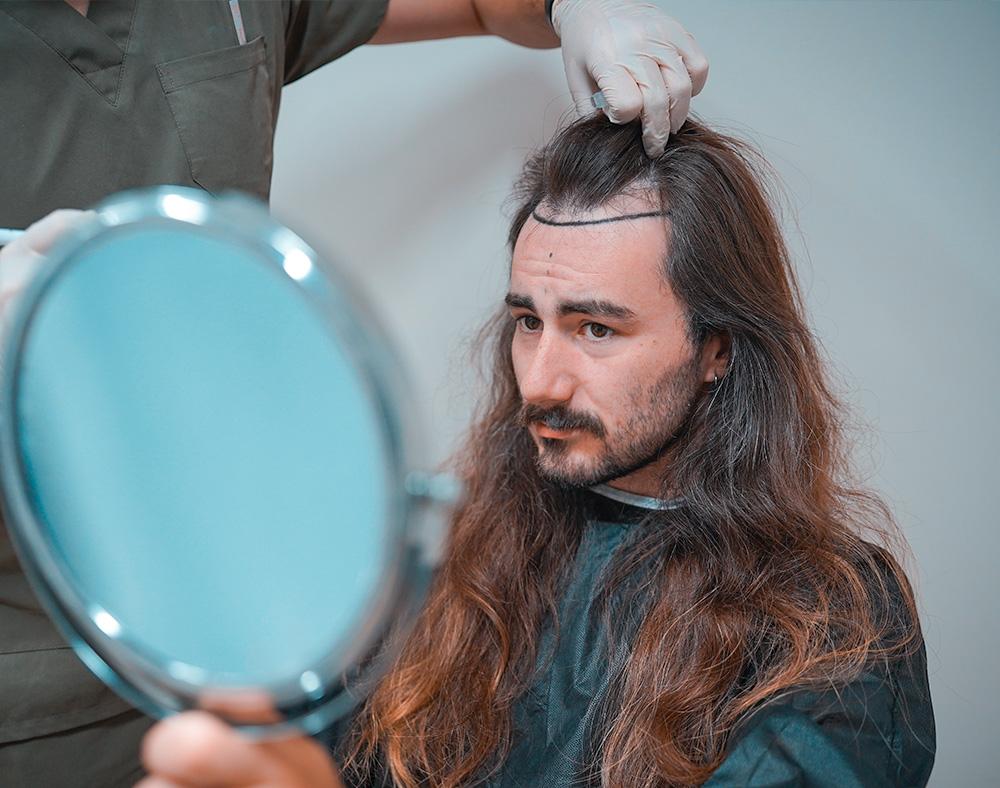
One of the most patient-friendly innovations is no-shave FUE, where hair is left unshaved during surgery. This allows patients to return to work and social life almost immediately without visible signs of surgery.
- Best for people who want discretion.
- Minimal lifestyle interruption.
- Suitable for smaller sessions like hairline refinements.
Long DHI (Direct Hair Implantation)
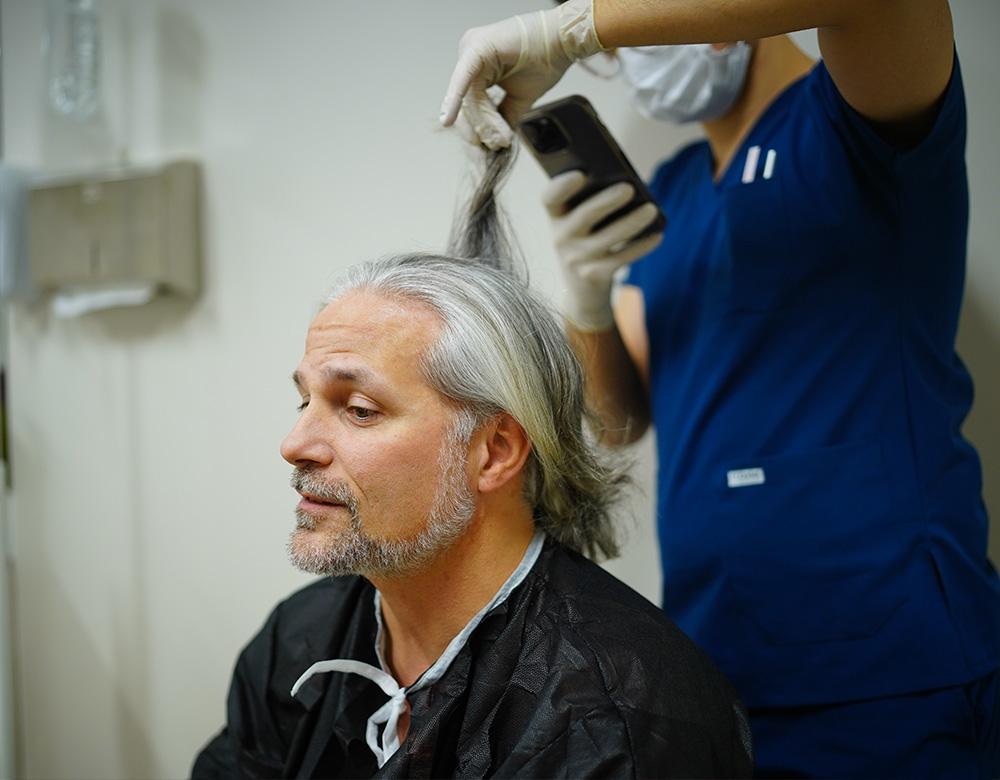
This advanced form of DHI uses an implanter pen for direct follicle placement. The “Long” approach allows patients to keep their hair length while still undergoing implantation.
- Natural density with precise angle and direction control.
- Minimal scalp trauma, leading to faster healing.
- Ideal for detailed work on the hairline and crown.
Unique FUE® technique
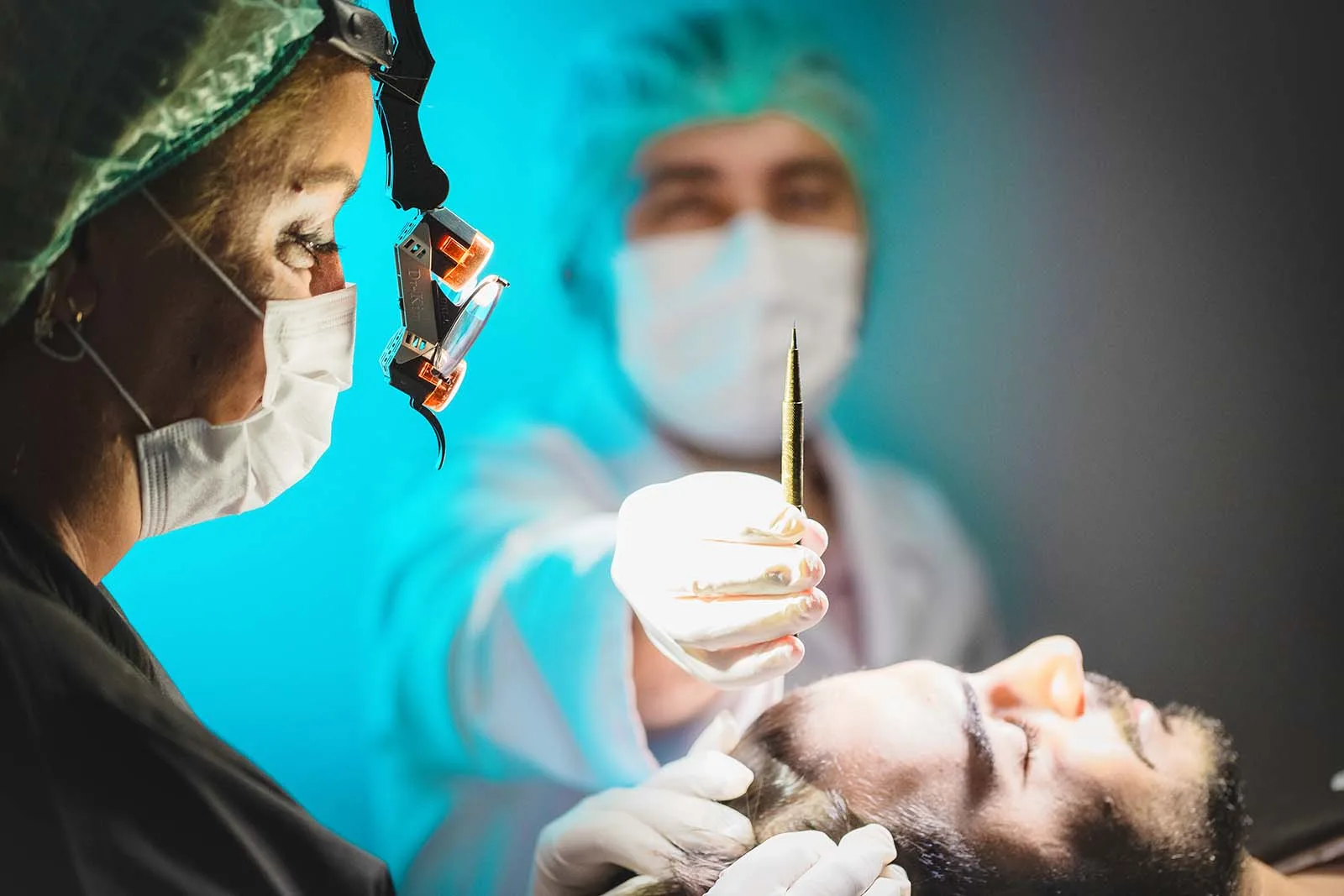
The Unique FUE® technique is an advanced version of the popular FUE method developed by Hermest Hair Clinic. Special microinstruments and precise implantation techniques ensure higher success rates.
Thanks to these specialized tools, hair follicles can be extracted in a precise and minimally invasive way, followed by accurate implantation. This technique promises natural results and a high graft survival rate compared to other methods.
As the name suggests, Unique truly is one of a kind – and so is the Unique FUE method. This sophisticated system was developed in collaboration with micro-surgeons, aesthetics experts, and German engineers to take the Follicular Unit Extraction (FUE method) to the next level.
The aim of this technique is to achieve natural-looking results with minimal scarring and a shorter recovery time, while maximizing the survival rate of the transplanted hair follicles.
NeoGraft
A semi-automated FUE system, NeoGraft helps surgeons extract and implant grafts with greater speed and consistency.
- Improves efficiency in large sessions.
- Reduces risk of follicle damage during extraction.
- Ensures more uniform graft handling.
FUEsion X Robotic System
Among the most futuristic tools is FUEsion X, a robotic-assisted platform integrating AI and augmented reality for surgical planning.
- AI-driven graft selection improves accuracy.
- AR-assisted mapping ensures perfect angle, depth, and density.
- Reduces human fatigue and error, especially in complex cases.
Dr. Ahmet Murat highlights:
“We see patients demanding not just results, but comfort, safety, and precision. With tools like Sapphire FUE and FUEsion X, we can achieve densities and natural designs that were impossible a decade ago.”
Innovations like Sapphire FUE, Long DHI, NeoGraft, and AI-driven robotic systems are transforming surgical transplants into a seamless, precise, and patient-friendly experience.
Robotic & AI-Assisted Hair Transplants
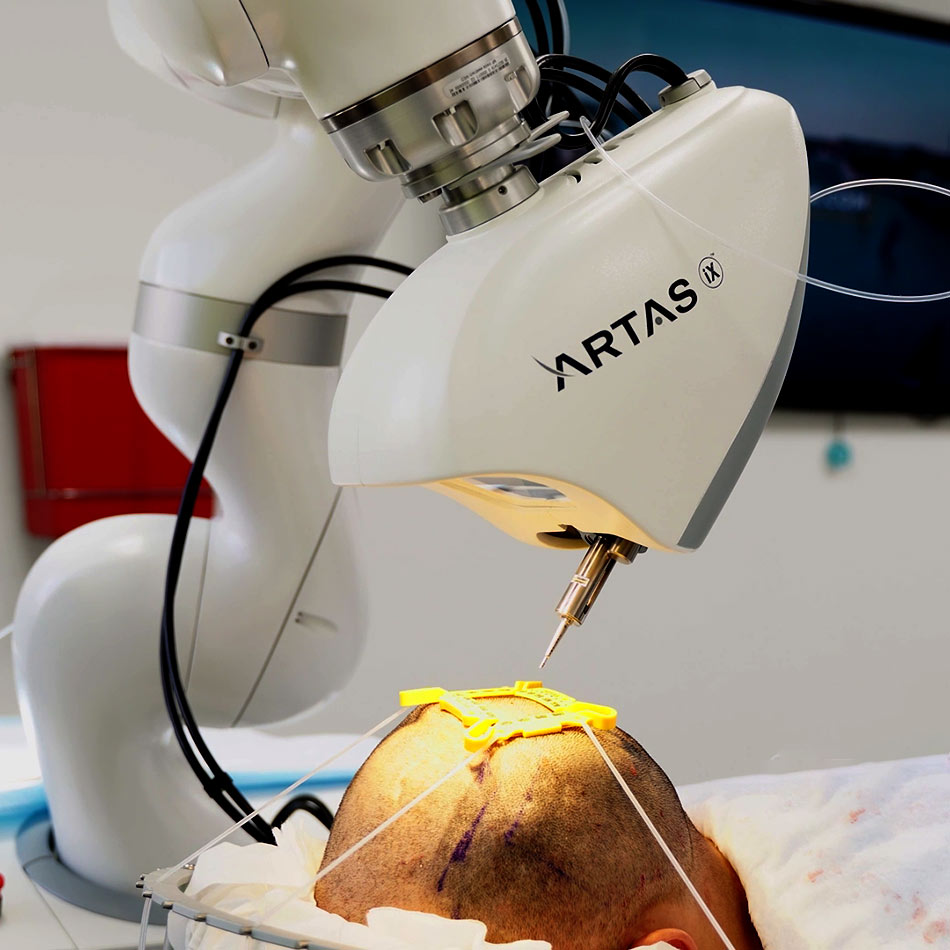
The integration of robotic systems and artificial intelligence (AI) is one of the most exciting developments in the field of hair restoration. While manual skill and artistry remain vital, advanced robotics are making procedures more precise, efficient, and consistent.
NeoGraft: Semi-Automated Precision
NeoGraft is one of the most popular semi-automated systems used in FUE hair transplantation. It allows for smoother follicle extraction and implantation while reducing the risk of graft damage.
Benefits include:
- Faster extraction for large sessions.
- Consistency in graft quality.
- Reduced trauma to the donor area.
ARTAS iX and Similar Robotic Platforms
The ARTAS iX system and newer robotic platforms combine high-resolution imaging with robotic arms to perform follicle harvesting. These systems can identify optimal donor hairs and extract them with extreme precision.
- AI-driven mapping ensures grafts are taken from the safest donor zones.
- Robotic arms reduce human fatigue during long procedures.
- Produces more predictable results, especially for extensive baldness cases.
FUEsion X: AI and Augmented Reality Combined
The FUEsion X robotic system is a step forward, integrating AI-driven planning and augmented reality (AR) visualization.
- AI algorithms analyze donor density and predict the best extraction patterns.
- AR assists surgeons in planning natural angles, directions, and densities.
- Minimizes human error while preserving the artistry of hairline design.
How AI Improves Patient Outcomes
- Personalized planning: AI analyzes scalp characteristics to recommend optimal graft numbers and placement.
- Error reduction: Robotic assistance minimizes inconsistencies.
- Faster procedures: Patients spend less time in surgery, reducing fatigue and discomfort.
Dr. Ahmet Murat explains:
“AI and robotics don’t replace the surgeon—they enhance precision. Hair restoration is still an art, but these tools give us the ability to work at a level of accuracy and efficiency that was unthinkable just years ago.”
Robotic hair transplant systems like ARTAS and FUEsion X, combined with AI planning, are raising standards for accuracy, safety, and efficiency—delivering more natural and consistent outcomes for patients.
Aesthetic & Healing Enhancements in Modern Hair Transplantation
The latest hair transplant technology is not just about how follicles are extracted or implanted—it’s also about how natural the results look and how quickly patients recover. Advances in tools, techniques, and artistic approaches have made the experience far more comfortable and the outcomes virtually undetectable.
Hybrid and Sapphire Punches
New extraction tools such as sapphire blades and hybrid punches allow for smaller, smoother incisions during follicle placement.
- Less trauma to the scalp → faster healing.
- Smaller scars → no visible signs, even with short hairstyles.
- Better density control, especially at the hairline.
Natural Hairline Design
Modern transplants go beyond just coverage—they aim for artistry.
- Hairlines are now designed using facial symmetry and age-appropriate density.
- Surgeons consider hair texture, curl, and thickness for realistic blending.
- AI-assisted planning tools can simulate results before surgery.
No-Linear-Scar Procedures
Techniques like FUE, Long DHI, and no-shave FUE avoid the linear scarring of older strip methods (FUT).
- Patients can style hair freely without worrying about visible scars.
- More appealing for younger patients and those with short haircuts.
Faster Recovery & Less Discomfort
- Smaller incisions mean patients typically return to work within days.
- Less swelling and itching compared to older methods.
- Shorter downtime allows for a smoother patient experience.
Patient-Centered Approach
Modern technology focuses on aesthetics and comfort:
- No-shave procedures for discretion.
- Shorter sessions thanks to robotic systems.
- Personalized density and natural flow for every individual.
Dr. Ahmet Murat emphasizes:
“A true hair transplant is not just surgery—it’s design. Today’s technology allows us to restore density with precision while creating hairlines that look natural at every age. Just as importantly, patients recover quickly and return to their lives with confidence.”
With advances like sapphire tools, no-shave procedures, and natural hairline artistry, modern hair transplants now deliver faster healing, invisible scars, and results that blend seamlessly with a patient’s natural hair.
Regenerative and Next-Level Technologies
Beyond refinements in surgical techniques, some of the latest hair transplant technologies are looking toward regenerative medicine and biotechnology. These innovations aim not just to move hair, but to actually regrow and regenerate new follicles, potentially offering unlimited solutions for hair loss in the future.
Stem Cell Therapy
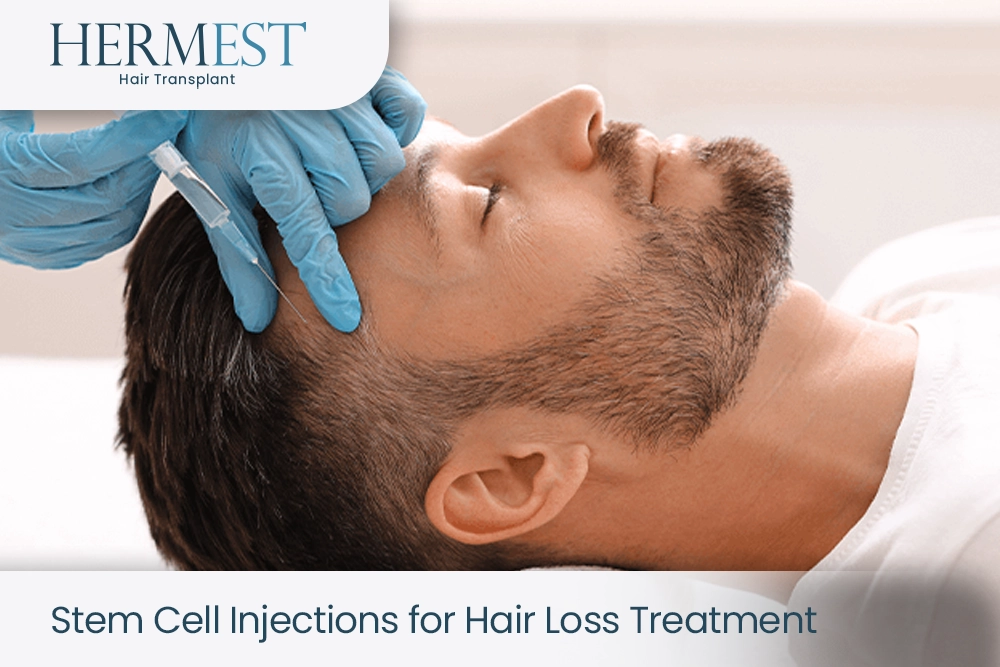
- Uses stem cells extracted from the patient’s own tissue to stimulate follicle regeneration.
- Early studies suggest potential for hair follicle cloning and multiplication.
- Still in research phases, but may become a complement to transplants in the future.
Exosome Therapy
- Exosomes are microscopic messengers released by cells that influence healing and regeneration.
- Injecting exosomes into the scalp may help stimulate dormant follicles and improve overall hair density.
- Often paired with PRP therapy for enhanced results.
Gene Therapy (CRISPR)
- CRISPR-based gene editing is being studied for its ability to switch on dormant hair growth genes.
- Could one day correct the genetic cause of androgenetic alopecia.
- Still highly experimental and not yet in clinical use.
3D Bioprinting Follicles
- Scientists are exploring the use of 3D bioprinting to create follicle-like structures from stem cells.
- Potential to mass-produce hair follicles for transplantation.
- Early lab results are promising, but human application remains years away.
Nanotechnology Applications
- Nanocarriers may allow targeted drug delivery directly into the follicles.
- Could make treatments like minoxidil and finasteride more effective with fewer side effects.
- Represents a future of personalized, highly efficient therapies.
Dr. Ahmet Murat explains:
“Regenerative therapies like stem cells, exosomes, and bioprinting are the next frontier. While they are not yet ready for mainstream use, they represent the possibility of unlimited donor supply and even reversing the biology of hair loss itself.”
Where We Stand Today
- Exciting progress in labs and early trials.
- Not yet FDA- or EMA-approved for clinical use.
- Current treatments like FUE and DHI remain the gold standard, while regenerative methods continue to evolve.
Regenerative approaches—stem cells, exosomes, CRISPR, 3D bioprinting, and nanotechnology—offer hope for the future of hair restoration, but they remain experimental. Patients seeking proven results today should look to advanced surgical methods, while keeping an eye on these breakthroughs.
Non-Surgical and Supportive Innovations
While surgical techniques like Sapphire FUE and Long DHI dominate the conversation around the latest hair transplant technology, non-surgical therapies also play a key role. These treatments either support surgical results or help slow down hair loss in patients who are not yet ready for surgery.
PRP (Platelet-Rich Plasma) Therapy
- Uses the patient’s own blood, processed to concentrate growth factors, and injected into the scalp.
- Improves blood circulation and stimulates follicle activity.
- Often combined with FUE or DHI to speed healing and boost graft survival.
- Safe and natural since it uses the body’s own plasma.
Exosome Therapy
- Exosomes are signaling vesicles that promote regeneration and repair.
- When injected into the scalp, they may help revitalize dormant follicles.
- Frequently researched as a more powerful adjunct to PRP.
- Still experimental but gaining attention in regenerative medicine.
Laser Therapy (Low-Level Laser Therapy – LLLT)
- Uses red-light lasers to stimulate scalp circulation and follicle metabolism.
- Non-invasive, painless, and suitable for at-home use with medical-grade laser caps.
- Can reduce shedding and improve overall scalp health.
Microneedling
- Involves creating tiny micro-injuries in the scalp with fine needles.
- Stimulates natural healing and increases absorption of topical treatments like minoxidil.
- When combined with PRP or growth factors, it shows improved effectiveness.
How These Complement Surgery
- Before surgery: Helps strengthen native hair and scalp health.
- After surgery: Improves healing, boosts graft survival, and enhances overall density.
- For non-surgical patients: Provides an option to slow progression until transplantation is needed.
Dr. Ahmet Murat highlights:
“Supportive therapies like PRP, exosomes, and laser treatments are important tools. They cannot replace transplantation, but they enhance the overall outcome and help patients preserve their hair longer.”
Non-surgical innovations like PRP, exosomes, laser therapy, and microneedling are powerful allies. While they cannot replace transplantation, they support growth, improve healing, and extend the longevity of both natural and transplanted hair.
Regional Insights & Patient Experience
The latest hair transplant technologies don’t exist in a vacuum—they are shaped by where they’re practiced and how patients experience them. Today, Turkey is considered the global leader in hair transplantation, not only because of cost but also due to expertise, innovation, and patient-focused care.
Why Turkey Leads in Hair Transplantation
- Advanced techniques: Clinics widely adopt Sapphire FUE, Long DHI, and robotic-assisted systems earlier than many other regions.
- High patient volume: Surgeons perform thousands of procedures annually, refining their precision.
- Cost advantage: Procedures in Istanbul often cost 50–70% less compared to Europe or the US, while maintaining high quality.
- Comprehensive packages: Many clinics include transport, accommodation, and aftercare in treatment plans.
Patient Experience Improvements
Modern techniques focus on comfort, healing, and natural outcomes. Patients today often report:
- Minimal scarring thanks to no-shave FUE and DHI options.
- Faster healing periods, with many returning to work in under 10 days.
- More natural-looking results, especially with advanced hairline design techniques.
- Less discomfort, as innovations reduce surgical time and optimize anesthesia use.
Aesthetic Advancements
- Personalized hairline design using AI-driven planning and 3D imaging.
- Greater density with sapphire blades that allow tighter graft placement.
- Techniques like Long DHI that preserve graft vitality for more natural texture.
What Patients Value Most
- Transparent communication about techniques and results.
- Access to supportive non-surgical treatments like PRP and laser therapy.
- A sense of safety and care from clinics with international accreditations.
Dr. Ahmet Murat emphasizes:
“Patients come to Turkey not just for affordable prices, but because we provide state-of-the-art techniques with patient comfort and natural aesthetics at the center of care. Our goal is always to combine technology with empathy.”
Turkey remains the leader in modern hair transplant technology due to its skilled surgeons, innovative methods, affordability, and patient-first approach. The result is an unmatched balance of science, artistry, and accessibility.
Statistics & Trends in Hair Transplant Technology
- Global Market Growth – The hair transplant market was valued at $6.3 billion in 2023 and is projected to reach $30 billion by 2032, growing at a CAGR of over 20%.
- Turkey’s Share – Turkey attracts over 1.2 million medical tourists annually, with around 350,000 patients traveling specifically for hair transplants each year.
- Technique Adoption – Sapphire FUE now accounts for 60%+ of modern procedures in Turkey, replacing older manual FUE in many top clinics.
- Robotics & AI Use – Robotic-assisted systems like ARTAS are used in 15% of US clinics, with AI-driven planning tools increasingly adopted for graft design and density mapping.
- DHI Popularity – Long DHI (Direct Hair Implantation) has grown by 40% in demand globally between 2020–2024, especially among younger patients seeking “no-shave” options.
- Patient Demographics – Around 25% of hair transplant patients are under 30, showing rising interest among millennials and Gen Z in early interventions.
- Healing Time Reduction – With Sapphire FUE, average recovery time has shortened to 7–10 days, compared to 14–21 days with older FUT techniques.
- Regenerative Therapies – Adjunct treatments like PRP and exosomes are now offered in over 70% of high-end clinics to improve graft survival and healing.
- Aesthetic Results – Over 90% of patients report satisfaction with modern transplants (FUE/DHI), compared to 70–75% a decade ago with FUT.
- Cost Trends – Average cost in the US remains $8,000–$15,000, while in Turkey the same procedure ranges $2,000–$4,500, making it the global hub for affordable yet advanced treatments.
Conclusion: The Future of Hair Transplant Technology
The field of hair restoration has progressed far beyond basic methods. With advanced options like Sapphire FUE, Long DHI, UNIQUE FUE®, and robotic-assisted systems, combined with supportive therapies such as PRP, exosomes, and laser therapy, patients can now expect natural results, faster healing, and higher graft survival than ever before.
Emerging technologies—like stem cells, gene editing, and bioprinting—suggest that the future holds even more exciting possibilities, potentially moving closer to a permanent cure for baldness. For now, patients can already benefit from state-of-the-art treatments that deliver results once considered impossible.
At Hermest Hair Clinic, we pride ourselves on adopting the latest technologies while keeping patient comfort and safety as our top priority.
Dr. Ahmet Murat explains:
“Every patient’s needs are unique. That’s why we use advanced techniques and precision planning to ensure results that look natural and last for life.”
Take the First Step to Your Transformation
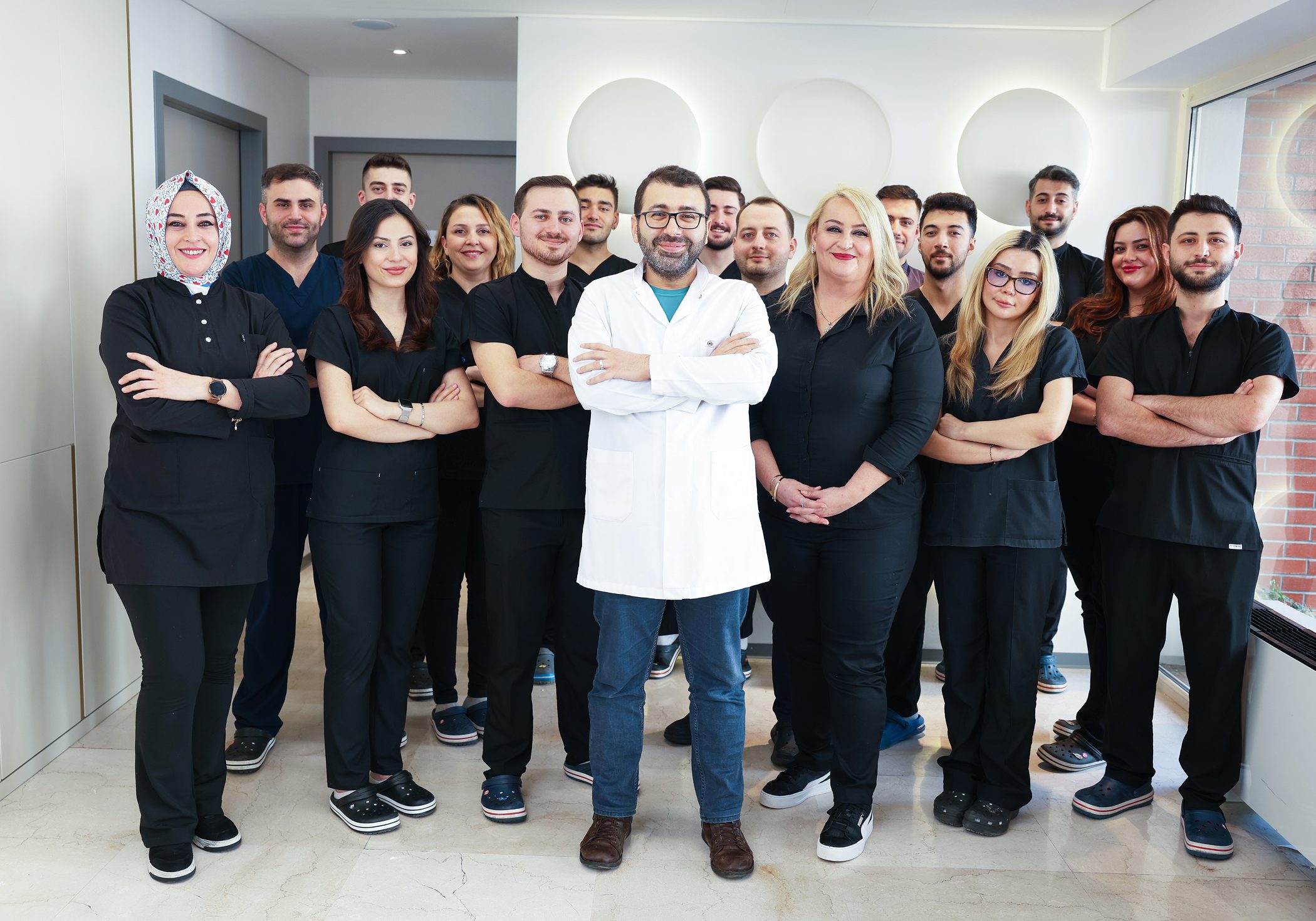
If you’re considering a hair transplant and want access to the latest technologies with proven results. At Hermest Hair Clinic, we specialize in customized treatment plans using our patented UNIQUE FUE® technique, offering:
✓ 99% graft survival rate
✓ All-inclusive packages with no hidden fees
✓ 4-star hotel stay, VIP transfers, and multilingual support
✓ 20,000+ successful cases from 62 countries
✓ Transparent pricing and real before–after proof
Contact us today to schedule your free consultation and discover which technique is right for you.