
10000 Grafts Hair Transplant: Possibility, Sessions & Results
 ChatGPT
 Claude
 Perplexity
 Grok
Grok
 Gemini

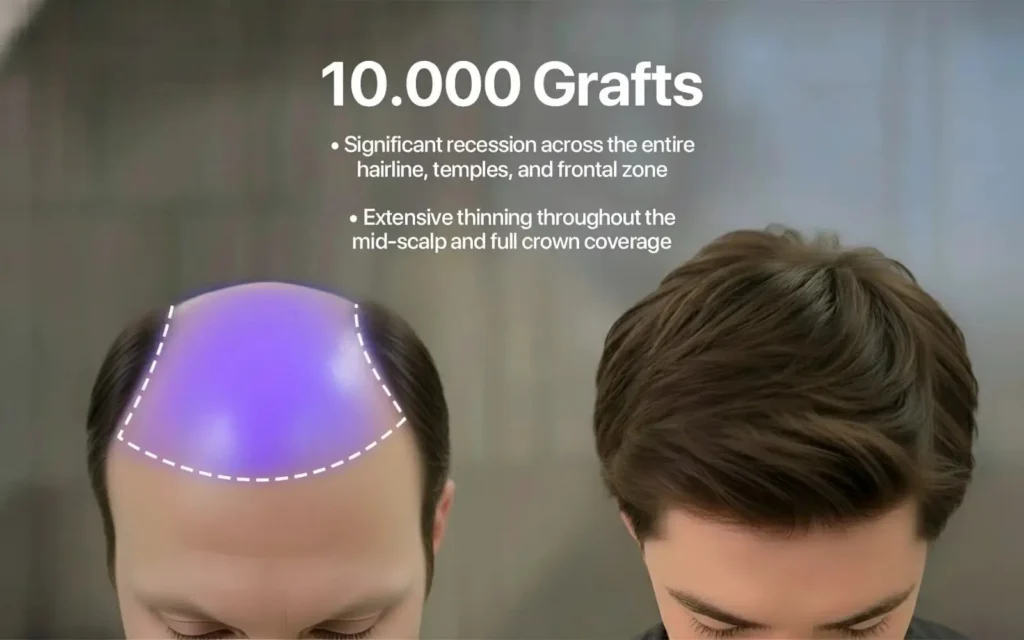
When people hear about a 10000 grafts hair transplant, their first reaction is often disbelief. Is it really possible to transplant that many grafts? What would the results look like, and how long would recovery take? These are valid questions—especially for individuals with advanced baldness who are searching for the most comprehensive solution.
A 10k graft hair transplant is not a single standard session; it typically requires a multi-session approach, often spread across several months or even years. It involves combining donor hair from the scalp with beard and body hair to achieve the necessary coverage. While not every patient is a candidate, for those with high donor capacity, it can create dramatic transformations that smaller sessions cannot match.
At Hermest Hair Clinic, Dr. Ahmet Murat emphasizes a careful balance between ambition and safety. “Large graft numbers require strategic planning. The priority is always long-term density, natural appearance, and the protection of donor areas,” he explains. This highlights the importance of choosing an experienced team when considering such an advanced procedure.
In this article, we’ll break down everything you need to know about 10,000 grafts hair transplants—from feasibility and session planning to results, recovery, and realistic expectations—so you can make an informed decision.
Quick Insights
- A 10,000 grafts hair transplant is rare but achievable for select patients with strong scalp and body hair donor supply.
- The procedure almost always requires multiple sessions (2–3), spread over months for safety and optimal healing.
- Advanced techniques like FUE, Sapphire FUE, and DHI are essential to maximize graft survival and ensure natural-looking density.
- Donor area limitations are the biggest challenge—beard and body hair are often combined with scalp grafts to reach 10k.
- Patients should be cautious of clinics promising 10,000 grafts in one sitting, as this can compromise safety and results.
- Recovery usually follows a staged timeline, with visible growth starting at 3–4 months and final density after 12–18 months.
- Not everyone is a candidate; a thorough evaluation is critical to avoid overharvesting or poor long-term outcomes.
- Alternatives such as PRP, exosomes, or hair cloning (future) may complement transplants for those who cannot reach 10k grafts safely.
What is a 10000 Grafts Hair Transplant?
A 10,000 grafts hair transplant is a large-scale procedure typically required for advanced baldness cases (Norwood stage 6–7). Achieving this number usually involves multiple sessions, often combining scalp and beard grafts to provide sufficient coverage. While possible, it requires careful donor planning, significant recovery time, and costs that vary widely between Turkey, the USA, and other countries.
Feasibility of 10,000 Grafts
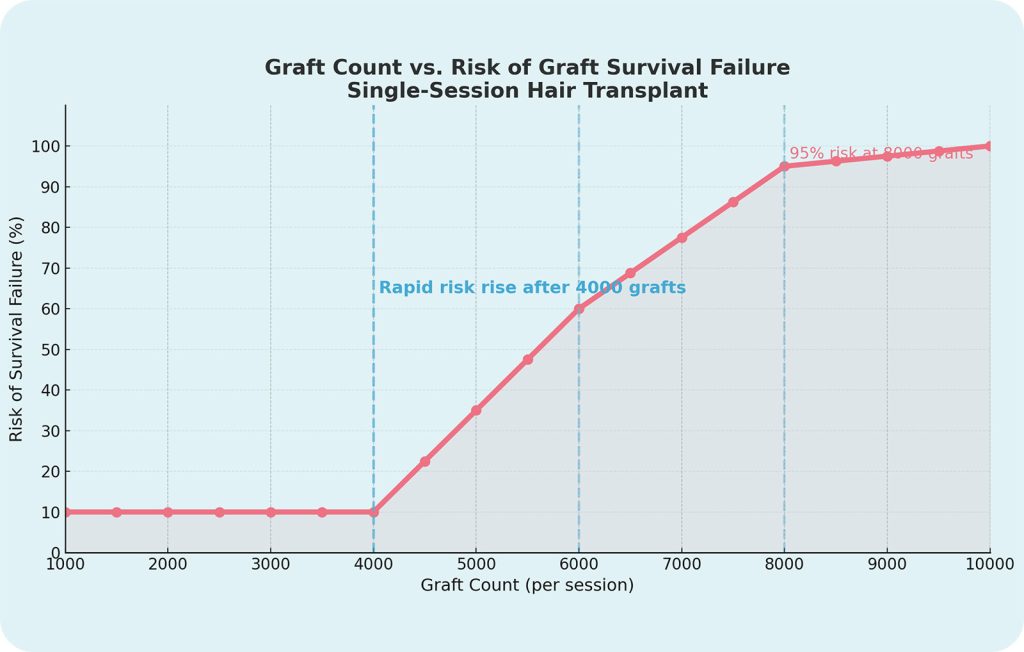
A common question is: is 10,000 grafts possible in one hair transplant? The short answer is no—at least not in a single session. Most clinics limit a session to around 3,500–4,500 grafts to ensure patient safety, donor preservation, and natural growth. Reaching 10,000 grafts typically requires two to three sessions, spread over 12–18 months.
Real Case Example
One documented case in Turkey involved 10,184 grafts split over 3 sessions, where surgeons supplemented scalp hair with beard hair. This highlights the importance of advanced planning and experienced surgical teams capable of handling high graft volumes.
Who Needs This Scale?
- Patients at Norwood 6–7, where baldness covers most of the scalp.
- Those with a large donor supply, including strong beard hair.
- Individuals seeking near-full restoration rather than partial coverage.
Donor Area Considerations
Harvesting 10k grafts can strain the donor area. This is why combining sources—scalp, beard, sometimes chest—is critical. Otherwise, overharvesting risks thinning the donor site and creating an unnatural look.
Session & Timeline Structure for 10,000 Grafts
A 10,000 grafts hair transplant can’t be done in a single sitting. Instead, it’s spread across multiple carefully planned sessions. This ensures graft survival, donor preservation, and patient comfort.
Typical Session Breakdown
- Session 1: 3,500–4,000 grafts (focus on frontal hairline and mid-scalp).
- Session 2: 3,000–3,500 grafts (reinforcement + crown coverage).
- Session 3: 2,500–3,000 grafts (density improvements + filling gaps).
Each session usually requires a healing period of 6–12 months before the next. This allows transplanted follicles to grow naturally and donor areas to recover.
Total Duration & Recovery
- Procedure timeline: 12–18 months (sometimes up to 24 months).
- Visible results: Initial growth appears around 3–4 months post-op.
- Final density: Best assessed after 12–15 months from the last session.
Why Multi-Session Planning Matters
Trying to extract too many grafts at once can:
- Increase the risk of graft loss.
- Cause overharvesting in donor areas.
- Lead to scalp necrosis or poor healing.
At Hermest Hair Clinic, we emphasize Sapphire FUE and Long DHI for large-scale cases. These techniques reduce tissue trauma and ensure faster healing, giving patients both safety and natural aesthetics.
Cost of 10,000 Grafts (Turkey vs USA vs Europe)
A 10,000 grafts hair transplant is a large-scale procedure, and the cost reflects its complexity. Prices vary depending on the country, technique used, and whether multiple sessions are required.
Average Costs
- Turkey: $12,000 – $15,000 (usually offered as an all-inclusive package with hotel and transfers)
- USA: $40,000 – $50,000 (typically charged per session and often excludes travel or aftercare)
- Europe (UK, Germany, France): $30,000 – $40,000
- India & other low-cost destinations: $8,000 – $12,000 (though quality and safety standards can differ)
Factors Affecting Price
- Technique choice: Advanced methods like Sapphire FUE or Long DHI increase costs but reduce healing time.
- Number of sessions: With 10k grafts usually requiring 2–3 sessions, overall costs are higher.
- Donor source variety: Using beard or chest hair adds extra time and complexity.
- Clinic reputation & surgeon expertise: Accredited clinics with international experience charge more but ensure higher safety standards.
Dr. Ahmet Murat explains:
“Turkey’s cost advantage does not mean lower quality. At Hermest, we provide all-inclusive packages and apply international safety standards even for challenging 10,000 graft procedures. While the same operation might cost $40,000–50,000 in the U.S., we achieve equally high-quality results at a fraction of the price.”
Risks and Limitations of 10,000 Grafts
A 10,000 grafts hair transplant sounds like the ultimate solution for advanced baldness, but it is not without risks and limitations. Understanding these factors is key before committing to such a large-scale procedure.
Main Risks
- Overharvesting the donor area: Extracting too many grafts can permanently thin or damage the donor region, leaving visible patches or scars.
- Prolonged surgery time: Multiple sessions over several days are required. Longer procedures increase fatigue, infection risk, and slower healing.
- Shock loss: Both transplanted and existing hairs can fall due to surgical trauma, though many recover with time.
- Variable survival rate: The more grafts transplanted, the higher the risk that not all will survive, particularly if extracted from weaker donor sources like beard or chest hair.
Key Limitations
- Not everyone is a candidate: Patients need strong donor capacity across scalp, beard, and sometimes body hair to reach 10,000 grafts.
- Multi-session necessity: Achieving this number typically requires 2–3 sessions. Attempting in one go can compromise safety and graft quality.
- Extended recovery: Healing after such a massive procedure takes longer compared to 2000–4000 graft cases.
- Cost considerations: Larger sessions naturally mean higher costs, even in destinations like Turkey where pricing is more affordable compared to the US or Europe.
Dr. Ahmet Murat advises:
“Patients often ask if 10,000 grafts guarantee full coverage. The truth is, success depends on donor health, graft quality, and the surgeon’s technique. At Hermest Hair Clinic, we carefully assess each case to balance expectations with safe, achievable outcomes.”
Realistic Expectations
While 10,000 grafts can provide dramatic results for the right patient, it is not always necessary or advisable. Sometimes, a strategically planned 6,000–8,000 graft procedure combined with PRP, exosome therapy, or future regenerative techniques can achieve highly satisfying density without exhausting donor resources.
Techniques for High-Graft Surgeries
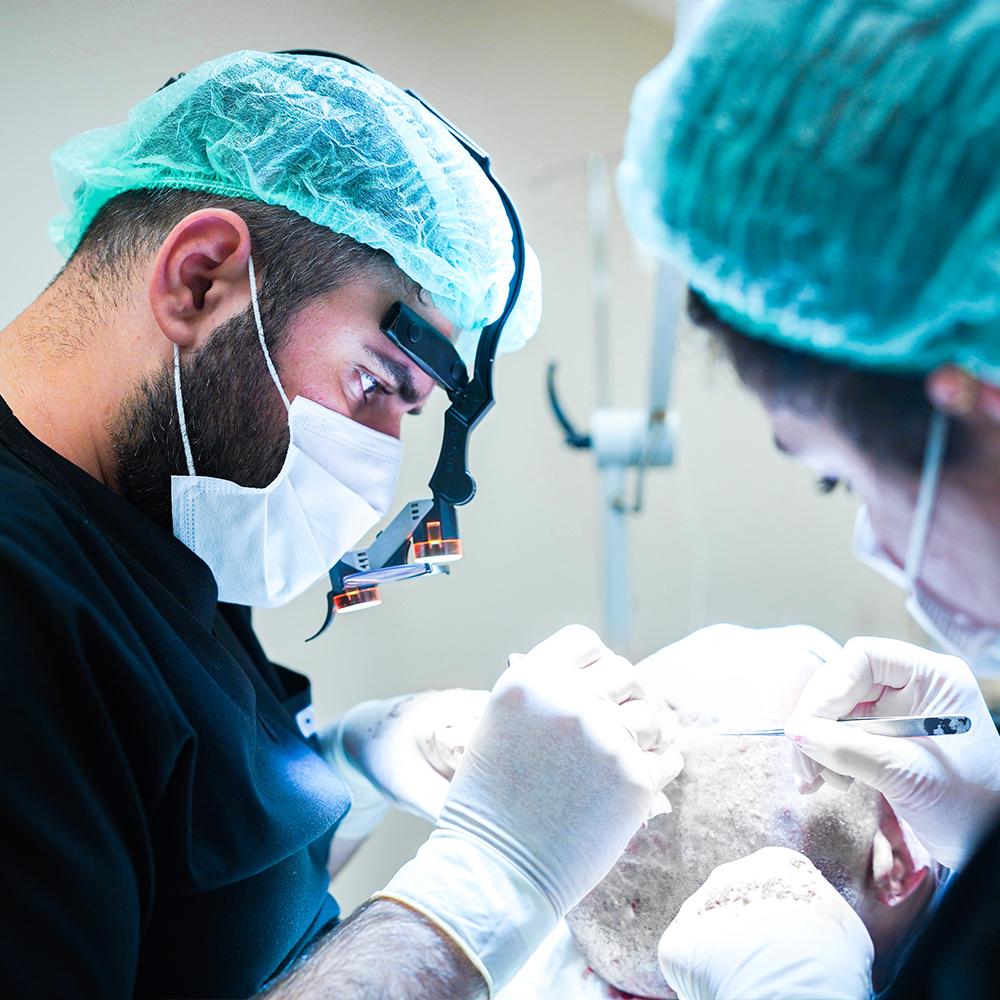
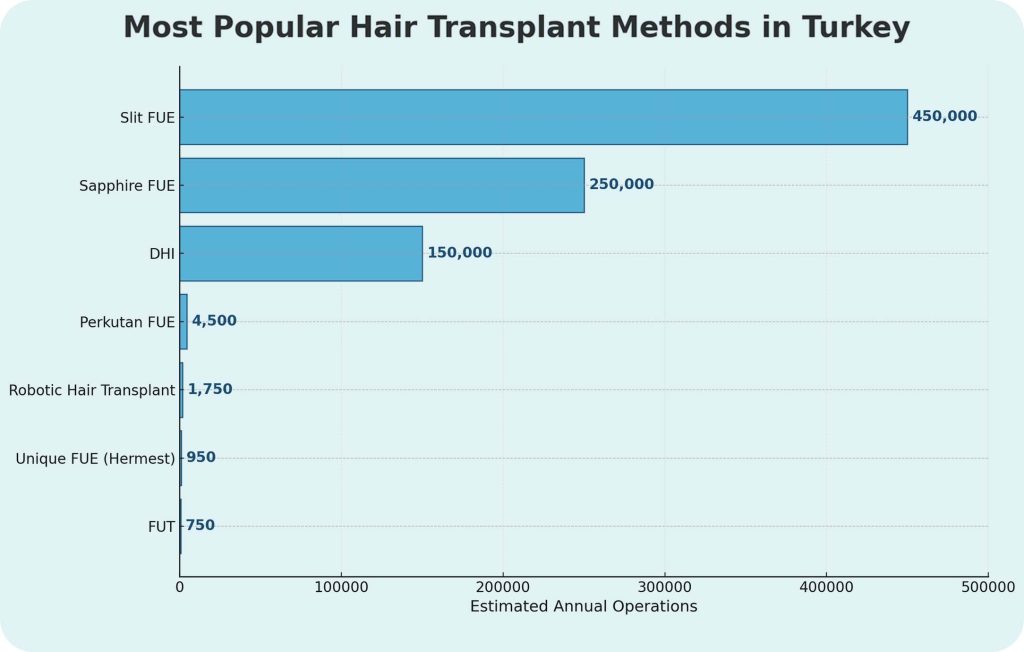
Achieving 10,000 grafts hair transplant results requires techniques that combine precision, speed, and graft survival. At Hermest Hair Clinic, advanced methods such as Sapphire FUE and Long DHI are the gold standard for high-volume procedures.
Sapphire FUE for Mega Sessions
- Uses sapphire blades for creating micro-channels.
- Allows dense packing of grafts for natural coverage.
- Minimizes trauma and promotes faster healing.
- Especially effective when covering large areas like the crown and mid-scalp.
Long DHI for Detailed Zones
- Grafts are implanted directly with Choi Implanter Pens.
- Ideal for frontal hairline design, temples, and refining density.
- Shortens graft out-of-body time, improving survival rates.
- Provides a natural, gradual transition for hairlines.
Combining Methods for 10,000 Grafts
- Stage 1 (5,000–6,000 grafts): Sapphire FUE for maximum area coverage.
- Stage 2 (3,000–4,000 grafts): Long DHI for detailing and density refinement.
- Beard hair may be used in secondary zones for additional support.
Candidacy: Who Actually Qualifies for 10,000 Grafts?
Not everyone is a candidate for a 10,000 grafts hair transplant. While the idea of full restoration in one or two stages sounds appealing, it requires very specific conditions in terms of donor supply, scalp health, and patient goals.
Main Factors That Define Eligibility
- Extent of Baldness: Usually, only patients with advanced Norwood stage 6–7 hair loss may need such high graft counts.
- Donor Area Capacity: A healthy scalp typically provides 5,000–7,000 grafts. To reach 10k, surgeons often use beard hair or occasionally body hair as supplemental sources.
- Hair Characteristics: Thicker shaft diameter, natural wave, and darker color can increase visual density, meaning fewer grafts might achieve the same effect.
- General Health: Patients should be free from conditions that slow healing, such as uncontrolled diabetes or autoimmune disorders.
Why 10,000 Grafts Isn’t Always Necessary
Many patients believe more grafts mean better results, but this isn’t always true. For many, 6,000–7,000 grafts may already provide complete coverage with natural density. A higher number should only be considered if donor resources allow it without risking over-harvesting.
When 10,000 Grafts Make Sense
- Patients with complete baldness across frontal, mid, and crown zones.
- Individuals with exceptional donor supply, including beard hair.
- Patients ready for multi-stage procedures over 12–18 months.
This evaluation step ensures patients receive realistic expectations, preventing unnecessary risks from oversized procedures.
Planning & Timeline for a 10,000 Grafts Hair Transplant
A 10,000 grafts hair transplant is never a single-day event. It requires careful planning, staged sessions, and long-term follow-up to balance safety with desired results. Patients should be prepared for a structured treatment roadmap that often spans over a year.
Session Breakdown
- Two to Three Sessions Needed: A typical scalp donor region can provide 3,000–4,000 grafts per session safely. To reach 10k, surgeons plan multiple sittings.
- Interval Between Sessions: Usually 6–12 months apart, allowing the scalp and donor area to recover.
- Use of Supplemental Grafts: When scalp donor capacity isn’t enough, beard or chest hair may be added in later sessions to reach full density.
Recovery Timeline
- Days 1–14: Healing of donor and recipient zones, scabs fall off.
- Months 1–3: Shedding phase (“shock loss”), followed by new hair entering growth cycle.
- Months 6–9: Visible regrowth, with improved density across transplanted zones.
- 12–18 Months: Full results from the first session become visible, and second session results continue maturing.
Expected Duration for Full 10k Results
Patients usually see the final transformation after 18–24 months, depending on the number of sessions performed and individual healing speed.
Dr. Ahmet Murat explains:
“Patients often ask if we can implant all 10,000 grafts in one go. That would compromise safety and donor survival. By spreading grafts across multiple sessions, we secure high survival rates while maintaining donor health. Our Hermest approach focuses on sustainable, natural growth, not shortcuts.”
Why Proper Planning Matters
- Prevents donor depletion.
- Increases graft survival rates.
- Minimizes shock loss and scarring.
- Ensures gradual, natural-looking transformation.
Proper staging guarantees that patients not only achieve maximum density but also preserve donor reserves for potential touch-ups in the future.
Alternatives When 10,000 Grafts Isn’t Feasible
Not every patient qualifies for a 10,000 grafts hair transplant, and in many cases, such a large procedure isn’t necessary. If donor limitations, health factors, or expectations make 10k grafts unrealistic, there are several effective alternatives to restore density and coverage.
Moderate Graft Sessions (5,000–7,000 grafts)
- Many patients with Norwood stage 5–6 baldness achieve excellent coverage with fewer grafts when the procedure is carefully planned.
- Combining scalp donor hair with beard grafts can increase density without overharvesting one source.
Staged Transplants
- Instead of one mega-session, results can be built gradually through two or three transplants over time.
- This approach gives the scalp time to heal and reduces risk while still creating a natural appearance.
Non-Surgical Options
- PRP therapy, exosome injections, and microneedling can stimulate existing follicles and improve density.
- Medications such as finasteride and minoxidil remain important tools for stabilizing hair loss progression.
Hybrid Strategies
- Pairing a 6,000 graft transplant with regenerative therapies can sometimes look as good as a 10,000 graft result.
- Advanced hairline design and smart graft distribution can create the illusion of higher density with fewer grafts.
Dr. Ahmet Murat notes:
“The goal isn’t always to chase a specific graft number like 10,000. What matters most is maximizing cosmetic impact safely. At Hermest Hair Clinic, we often use a blended approach — combining scalp, beard, and regenerative treatments — to achieve results that look full without exhausting donor reserves.”
Scalp Micropigmentation (SMP)
- For patients with limited donor supply, SMP offers a non-invasive alternative. It creates the appearance of thicker density or a buzz-cut style, often used alongside transplants.
A 10,000 grafts procedure may sound appealing, but the best solution depends on your donor capacity, lifestyle, and long-term goals. In many cases, a tailored mix of surgical and non-surgical treatments provides equally satisfying — and safer — outcomes.
FAQs About 10,000 Grafts Hair Transplant
Yes, but it is rare. Most patients don’t have the donor supply for a true 10k graft session. When it is done, it usually involves a combination of scalp and beard grafts, spread across multiple sessions.
Take the Next Step with Hermest Hair Clinic
Choosing a 10,000 grafts hair transplant is a life-changing decision that requires precision, safety, and an experienced team. At Hermest Hair Clinic, we understand the complexity of high-graft procedures and take every step to protect your donor area, maximize graft survival, and deliver natural-looking results.
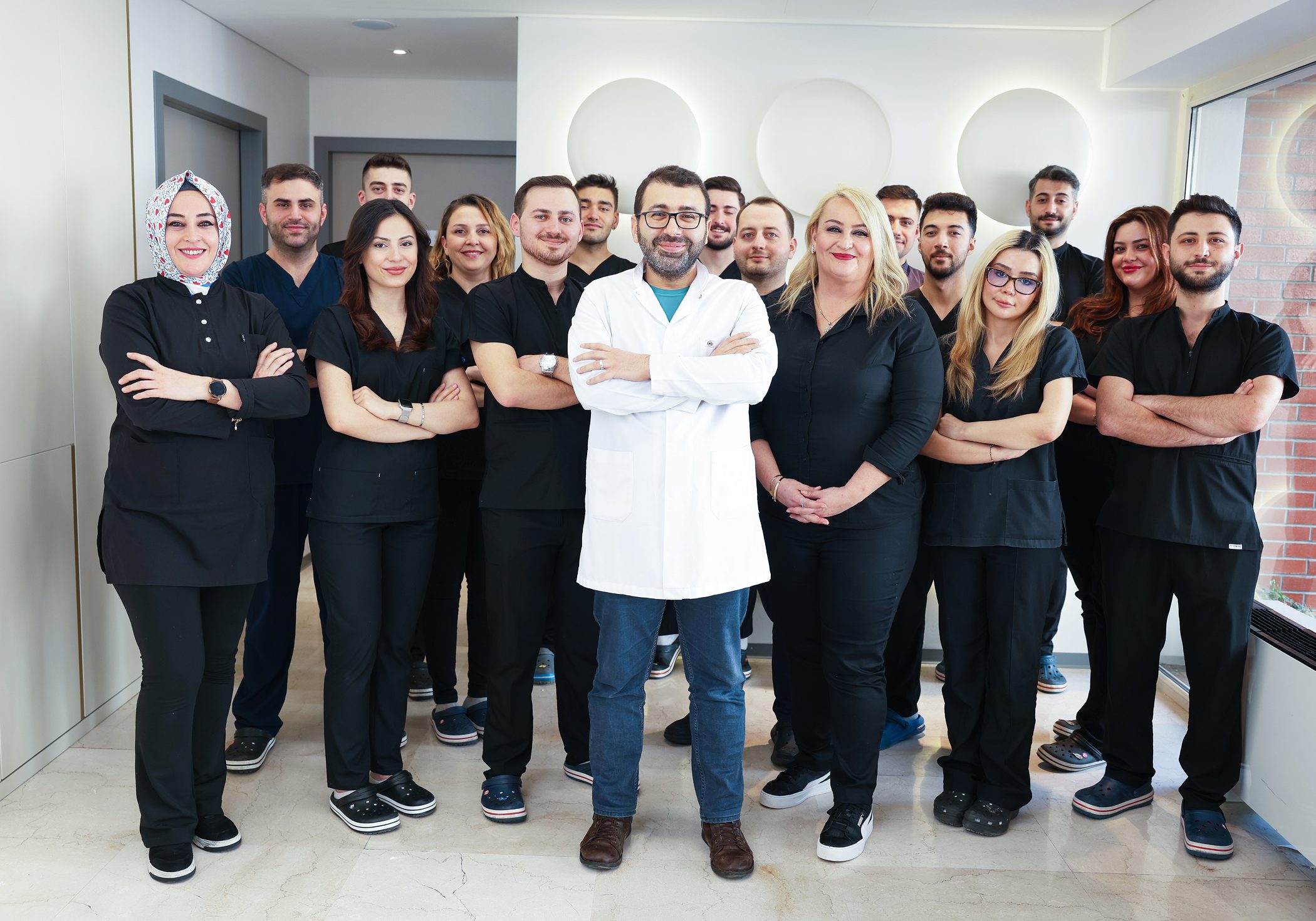
Our exclusive protocols—such as Unique FUE® and Sapphire FUE techniques—combined with Dr. Ahmet Murat’s expertise, allow us to handle advanced cases with safety and artistry. Whether your treatment requires two or three sessions, or a mix of scalp and beard grafts, our approach is always designed around your personal goals.
Dr. Ahmet Murat emphasizes:
“It’s not about chasing numbers; it’s about achieving a natural, lasting transformation while protecting your donor resources for life.”
If you are considering an extensive procedure like 10,000 grafts, you deserve transparent guidance, advanced technology, and a team that puts your safety first.
- Schedule a free consultation today with Hermest Hair Clinic
- Get a personalized graft assessment and treatment plan
- Discover why international patients trust us for mega-session procedures
Contact Hermest Hair Clinic now and start your transformation journey with confidence.