

Joel Mchale Hair Transplant: What He Confirmed and How It Looks
 ChatGPT
 Claude
 Perplexity
 Grok
Grok
 Gemini

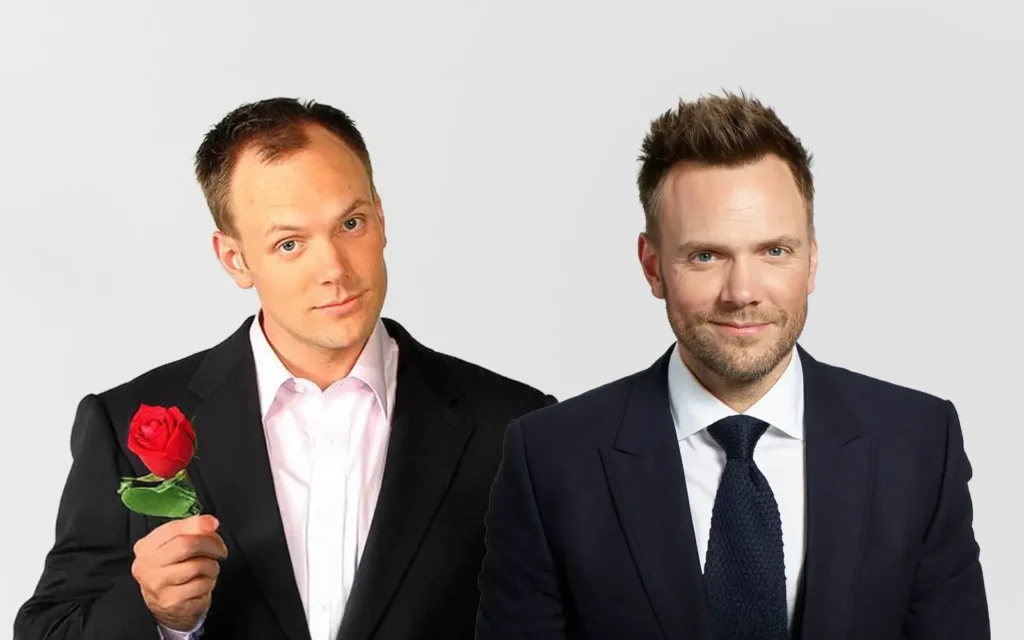
Joel McHale has spoken openly about having hair transplant procedures, which makes his situation clearer than many celebrity examples. He explained that his hairline changed gradually over time and that he chose to maintain it through multiple sessions, rather than a single dramatic step. This makes his case useful for anyone interested in how hair restoration can look when it is approached in phases. In this article, we will examine the Joel McHale Hair Transplant process.
His comments included:
- He has had four procedures
- The total spending was about $10,000
- His earlier sessions were FUT (strip)
- Later sessions were FUE
- His work was done in Los Angeles
These points came directly from him, which removes guesswork. His hairline appears consistent across interviews, TV appearances, and red carpet photos, showing how steady refinement can produce a natural look.
This article reviews:
- What he said about his hair transplant experience
- How his hairline appearance shifted across different career periods
- A simple breakdown of FUT vs FUE in relation to his statements
- The cost and location context he mentioned
- Common questions people ask when comparing before and after photos
The aim is to present the information in a clear and calm way, using only what is known and avoiding speculation.
Did Joel McHale get a hair transplant?
Yes. He stated publicly that he has had four hair transplant procedures. He mentioned spending around $10,000 total and described having earlier strip (FUT) sessions and later FUE, which felt easier for him. This is one of the clearer celebrity hair transplant stories, since he discussed it openly rather than avoiding the topic. His hairline change over time is visible in photos, but the most reliable source is his own statement confirming it.
What Joel McHale Actually Said (Confirmed Statements)
This topic is clear because Joel McHale discussed it himself in interviews. There is no need for speculation or guesswork.
Public Confirmation
He stated that he has had four hair transplant procedures. He mentioned:
- He had earlier strip (FUT) surgeries
- He later chose FUE, which he found easier
- The total cost was about $10,000
- His procedures took place in Los Angeles
These points come directly from his own comments, which were repeated in multiple entertainment news outlets that covered the interview.
What He Said About Why
He explained that his hairline changed gradually and that the procedures were done to maintain fullness on camera. He did not frame it as vanity, but rather as a practical career decision in the entertainment industry, where visual consistency is part of the job.
Tone and Approach
His comments were open, simple, and humorous. He did not try to hide it, correct rumors, or create drama around it. He treated hair restoration discussion as a normal topic.
This openness contributed to:
- Reduced stigma around discussing hair surgery
- Increased interest in celebrity hair transplant stories that present the topic realistically
“I’ve had four hair transplants. They work. That’s all.”
— Joel McHale
The clarity of his statements makes this case a good reference for:
- Understanding hairline change over time
- Seeing how public figures manage gradual hair density improvement
- Learning how someone can use both FUT and FUE across different years
He did not provide dates for each procedure, graft counts, or technical specifics. So we do not guess or add those in.
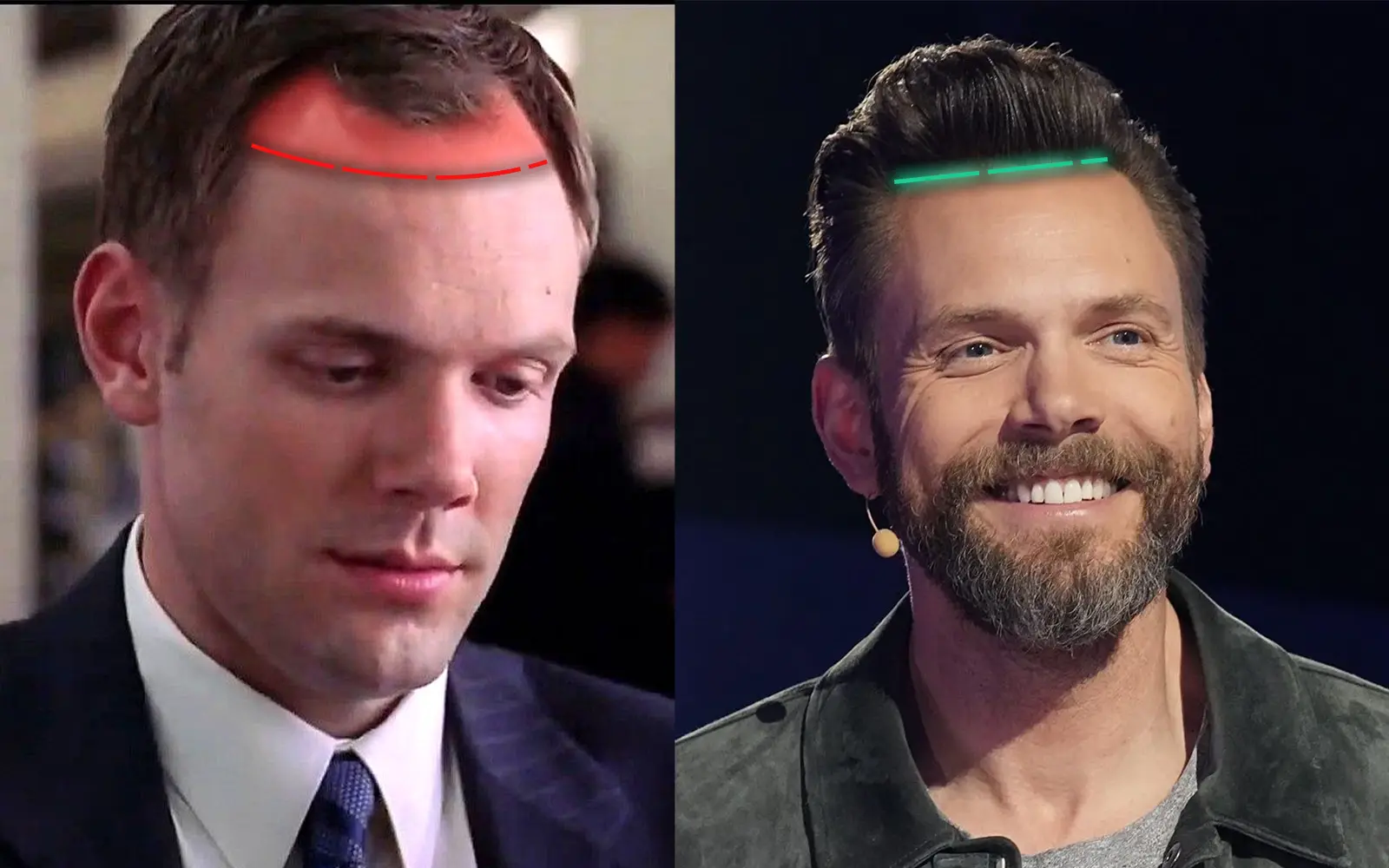
Joel McHale Hairline Timeline (Visible Change Over Career Stages)
Joel McHale’s hairline change over time is noticeable when looking at photos across different career periods, but the shift is gradual, not sudden. The goal here is to describe the general progression, without guessing graft counts or exact surgical dates.
Early Career (Stand-Up & Early TV Appearances)
In earlier public appearances, his front hairline showed a slightly higher position with mild thinning at the temples. This stage is consistent with normal male hairline patterns, and not unusual for his age at the time.
The Soup (Mid-2000s)
During his years hosting The Soup, the hairline framing and shape appeared:
- More filled at the front
- Straighter along the middle
- Less temple recession than before
This is likely where his first two strip (FUT) sessions occurred, based on his own comments that the early procedures were strip-based.
Community Era (2010s)
On Community, his hair density improvement is more visible:
- The front transition looks softer
- The temple corners appear reinforced
- The overall style became easier to shape for camera work
This aligns with his statement that he continued having multiple procedures over time.
Later Public Appearances (Recent Interviews & Red Carpets)
In more recent appearances:
- The hairline looks consistent across angles
- Density at the front blends smoothly with the mid-scalp
- The result appears natural rather than sharp or artificially strengthened
This is likely where FUE contributed, since he has said he switched to FUE later and found it more comfortable.
Key Point
The hairline change is steady, not dramatic. This matches the pattern of staged procedures over years, which is what he confirmed publicly.
- It shows how multiple smaller sessions can create a stable result with time
- It illustrates how FUT and FUE can be used in different stages of one person’s hair restoration plan
This is not a single “before and after”. It’s a gradual adjustment, carried out across years.
FUT vs FUE in Joel McHale’s Case (What Changed and Why He Switched)
Joel McHale mentioned that his earlier procedures were strip (FUT) and his later procedures were FUE. This gives a useful real-life example of how both methods can be used across different stages of hair restoration.
FUT (Strip) in His Early Procedures
In a FUT procedure, a small strip of skin is taken from the donor area, and the follicles are separated for placement.
Based on what Joel shared:
- His first sessions were FUT
- This helped increase density, especially in the front
- These procedures are often chosen when larger numbers of grafts are needed early on
Benefits in this phase:
- Efficient for building base density
- Suitable when the goal is to address a noticeable hairline shift
Trade-off:
- FUT leaves a linear donor scar, though it is typically minimal when the donor area is kept at a moderate hair length.
This aligns with the time in his career when his hair was worn at a consistent medium length for television.
Switch to FUE in Later Procedures
As McHale confirmed, his later procedures were FUE.
In FUE, follicles are extracted individually, instead of removing a strip.
Why this makes sense in his situation:
- FUE is well-suited for refining density that already exists
- It supports hairline shape planning with more subtle detailing
- It avoids additional linear scarring
This corresponds to the phase when his hairline looked:
- Softer at the edges
- More blended in the temple zone
- Natural under both studio and outdoor lighting
FUE is also commonly chosen by public figures who may style their hair shorter or vary their hairstyle over time.
Joel’s experience highlights a pattern common among many individuals with ongoing hairline goals:
- FUT early to create foundation density
- FUE later to refine and maintain the result
This matches the recovery period timeline that allows gradual, realistic adjustments rather than one large change.
His case demonstrates that FUT and FUE are not competing options, but tools that can be used at different moments depending on the goal.
Cost Context and Location (What He Mentioned and What It Means)
Joel McHale stated that across his four hair transplant procedures, he spent about $10,000 in total. He did not give a breakdown per session, but the number provides a general sense of scale when spread across multiple treatments. He also noted that his procedures were done in Los Angeles, though he joked in interviews about the popularity of hair transplants in Turkey. His comments were casual, but they provide a clear anchor for discussing cost and location.
What the Cost Tells Us
The ~$10,000 total reflects:
- Multiple smaller sessions over time, not one large session
- A gradual approach to hairline refinement
- Maintenance and adjustment rather than single-session restoration
This is common among public figures who make incremental updates rather than dramatic one-time changes.
Location Insight
He did not indicate traveling abroad for treatment. Coverage of his statements suggests:
- The procedures took place in Los Angeles
- The choice of location likely related to convenience and continuity of care during an active career schedule
This contrasts with many people who travel to destinations like Turkey for:
- Package-based pricing
- Larger sessions
- Hotel + transfer + follow-up coordination
McHale’s approach was different, smaller sessions, spread out, in the city where he worked.
Context vs Average Costs
To understand how his spending compares:
| Region | Typical Range for a Hair Transplant | Notes |
|---|---|---|
| USA / LA | $6,000 – $18,000+ | Higher labor + clinic overhead costs |
| UK / Western Europe | $5,000 – $14,000+ | Similar pricing to U.S. in major cities |
| Turkey | $2,200 – $6,000 (packages) | Often includes hotel + transfers |
| Canada | $7,000 – $15,000 | Similar to U.S. metropolitan centers |
His ~$10,000 total is consistent with:
- A U.S.-based clinic
- Multiple medium-scale refinement sessions over years
- No travel-based medical tourism model
Important Note
The cost does not reflect graft count, clinic identity, or specific strategy. We stay aligned with his actual statements, not assumptions.
The take-away is not the exact number, but how he spread the work out over time, building and refining his hairline across phases.
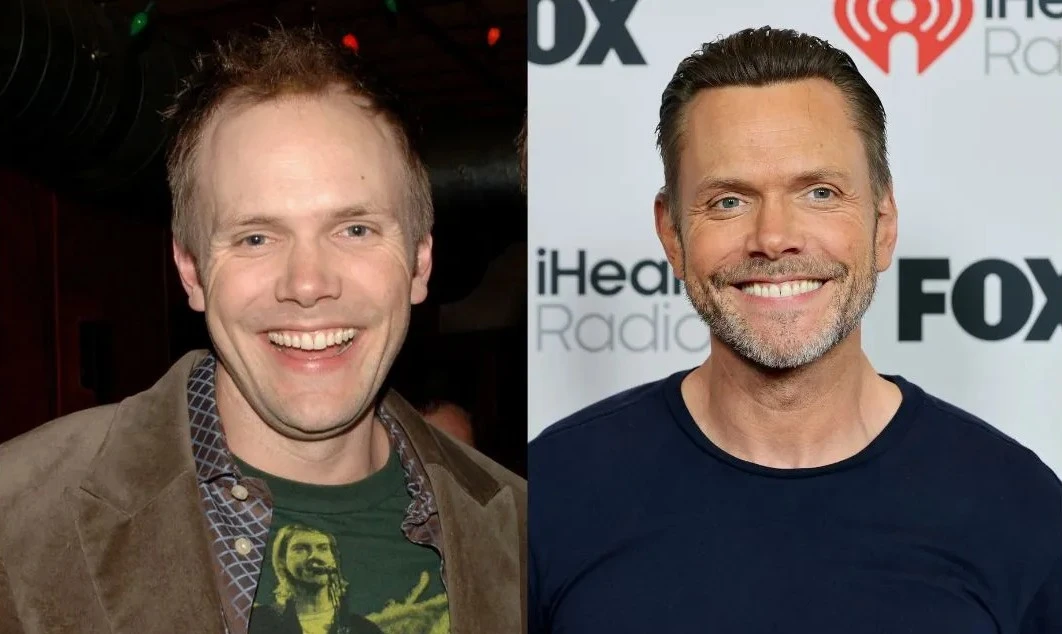
Why Joel McHale’s Openness Influenced Public Hair Restoration Discussion
Joel McHale stands out because he did not hide his procedures or treat them as something unusual. Many public figures avoid discussing personal cosmetic decisions, which can lead to speculation or unrealistic expectations about how hairlines change. McHale, however, approached the topic in a simple and direct way that made the conversation feel normal and practical.
A Shift in How Hair Loss Is Talked About
Over the last few years, more people have begun speaking openly about hair loss and hair restoration. McHale’s comments fit into this movement. Instead of presenting hair transplant surgery as a dramatic transformation, he described it as a steady and helpful solution that supported his appearance on screen.
This matters because:
- It reduces discomfort around talking about hairline changes
- It encourages realistic expectations about results
- It shows that hair restoration can involve multiple sessions, not just one event
Impact on Celebrity Hair Transplant Stories
Previously, celebrity hairlines were often discussed in speculative or rumor-focused ways. McHale’s approach offered a clearer alternative:
- State the facts
- Acknowledge the timeline
- Remove pressure and secrecy
This helped shift the tone from secrecy toward open conversation, where people can learn how hair restoration planning actually works.
Why the Transparency Helps Everyday Patients
His comments highlight several points that are relevant to anyone exploring hair restoration:
- Hair surgery can be gradual
- Results can be refined over years
- Both FUT and FUE can be useful at different stages
- The goal is consistency, not perfection in one day
This aligns more closely with how real patient journeys unfold than the dramatic “before and after” format typically shown online.
The significance here is not that he had procedures, but that he talked about them calmly and directly, making the discussion feel ordinary.
FAQs
He has said that he had four hair transplant procedures. He mentioned that these were done across different years and that the process was gradual rather than one large session.
Request a Hairline Review at Hermest
If you are comparing your own hairline change over time, it can be helpful to have your photos evaluated by a clinic that focuses on gradual, natural reconstruction, just as we see in cases like Joel McHale’s. At Hermest Hair Clinic in Istanbul, each case is examined based on overall pattern, donor capacity, and how density develops month by month.
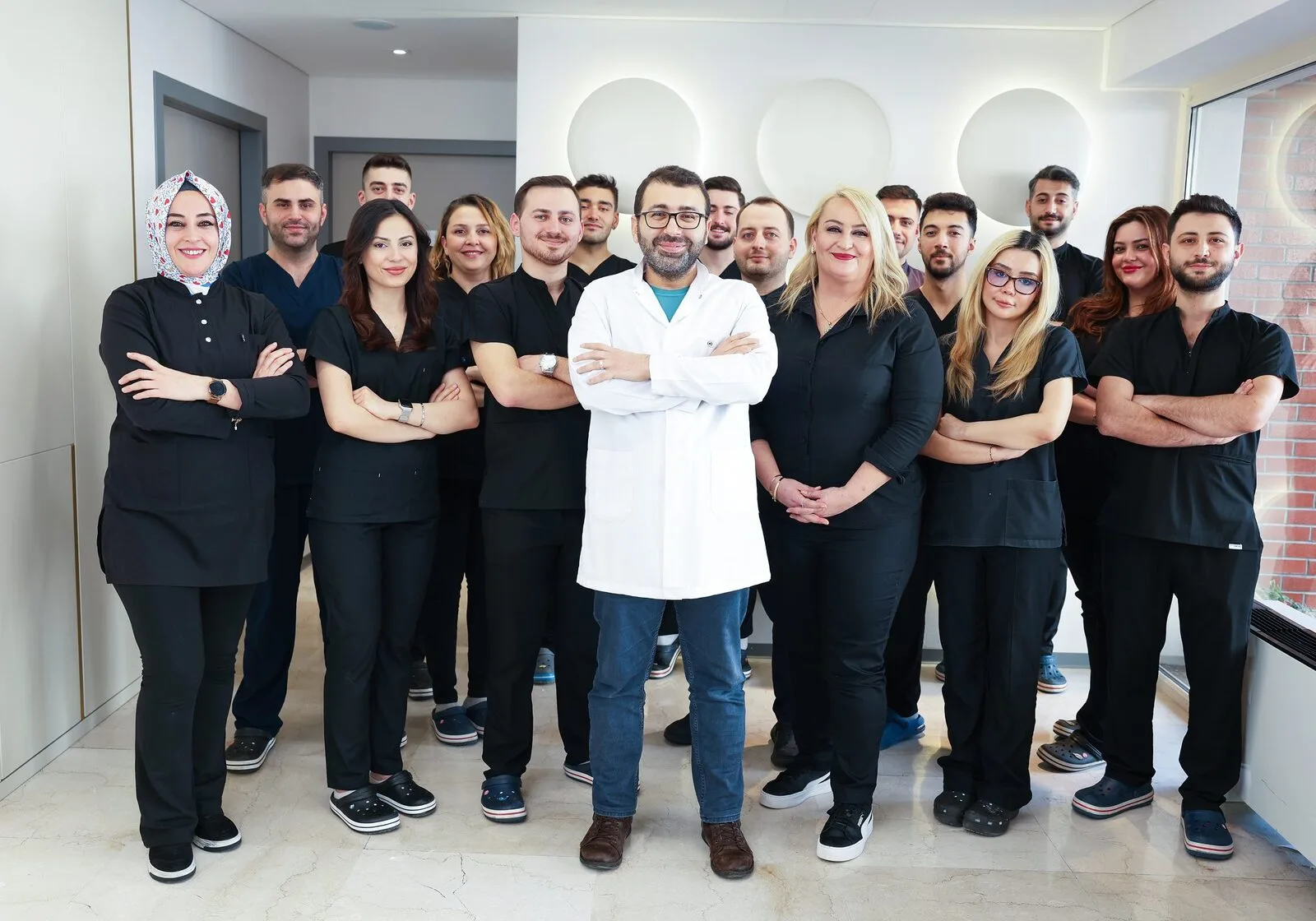
Hermest is known for the UNIQUE FUE® method, which uses a controlled extraction and placement approach to support graft survival and maintain natural direction. For front refinement and temple shape, the AIS placement protocol allows a soft transition zone rather than a rigid line. These details are part of how Dr. Ahmet Murat plans hairline cases — not as isolated procedures, but as long-term shape management that follows your existing growth pattern.
“The goal is not just to add hair. It is to match the person’s features so the hairline looks like it always belonged there.”
— Dr. Ahmet Murat
You can begin by sending three photos (front, sides, and crown) taken in natural indoor light.
A coordinator will review them and return with a private evaluation, including where you are in your growth stage, and what outcomes are realistic going forward.
If you’d like to start, contact us, and we will guide you step by step.