

Do Hair Transplant Work? Success Rates & Results
 ChatGPT
 Claude
 Perplexity
 Grok
Grok
 Gemini

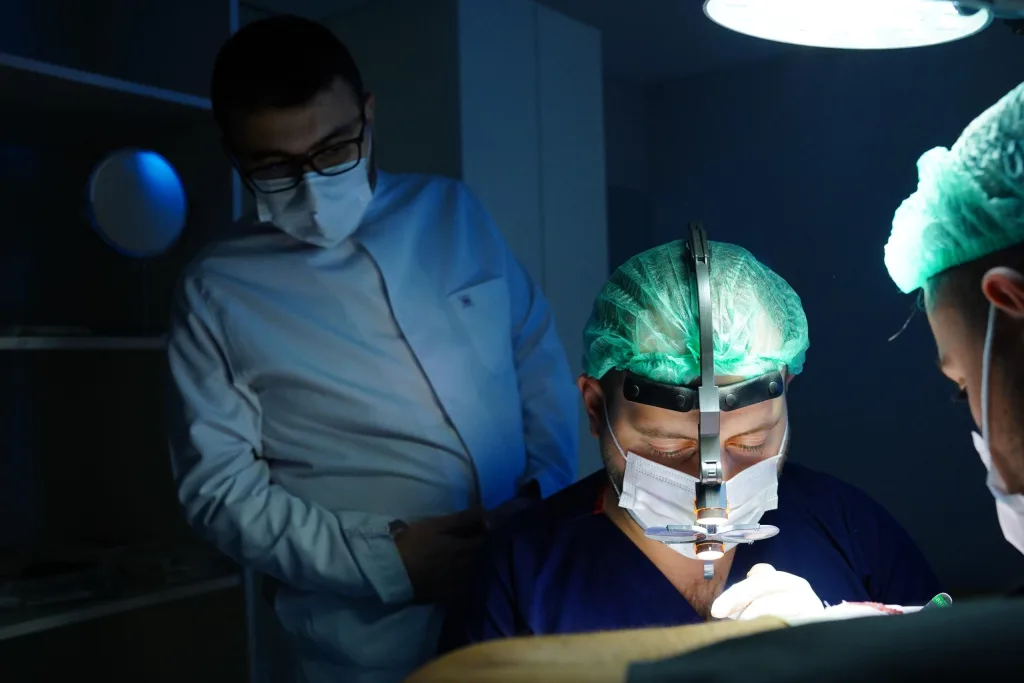
When people search for “do hair transplant work”, what they really want to know is whether the investment of time, money, and trust will give them natural, lasting results. At Hermest Hair Clinic, we see this question daily from patients who have struggled with thinning, receding hairlines, or bald patches. The short answer is: yes, hair transplants work—if you’re the right candidate, treated with the right technique, and under the care of an experienced team.
Hair transplants don’t magically bring back the same density you had at 18. Instead, they redistribute existing healthy follicles—usually from the back or sides of the head (the “donor area”)—to thinning or balding zones. These transplanted hairs are resistant to hormonal hair loss, which means once they take root, they’re designed to grow for a lifetime.
What defines “working” for most patients?
- Achieving a natural-looking hairline
- Getting thicker coverage in thinning zones
- Hair that grows, sheds, and feels like your own
- Long-term stability when combined with medical treatments
Dr. Ahmet Murat often emphasizes:
“The success of a hair transplant is not just about putting in grafts. It’s about strategic placement, respecting natural hairline design, and ensuring donor management for the patient’s lifetime. At Hermest, our Unique FUE® method allows us to achieve growth rates and density that exceed industry averages.”
Why results differ between patients
- Type of hair loss: Pattern baldness responds best; scarring alopecias or unstable shedding may not.
- Donor quality: The number, density, and health of donor hairs.
- Technique used: Advanced FUE methods minimize trauma and improve survival.
- Aftercare & medications: Using minoxidil or finasteride post-transplant can support results and slow future loss.
Who Hair Transplants Work Best For (and Who Should Avoid Them)
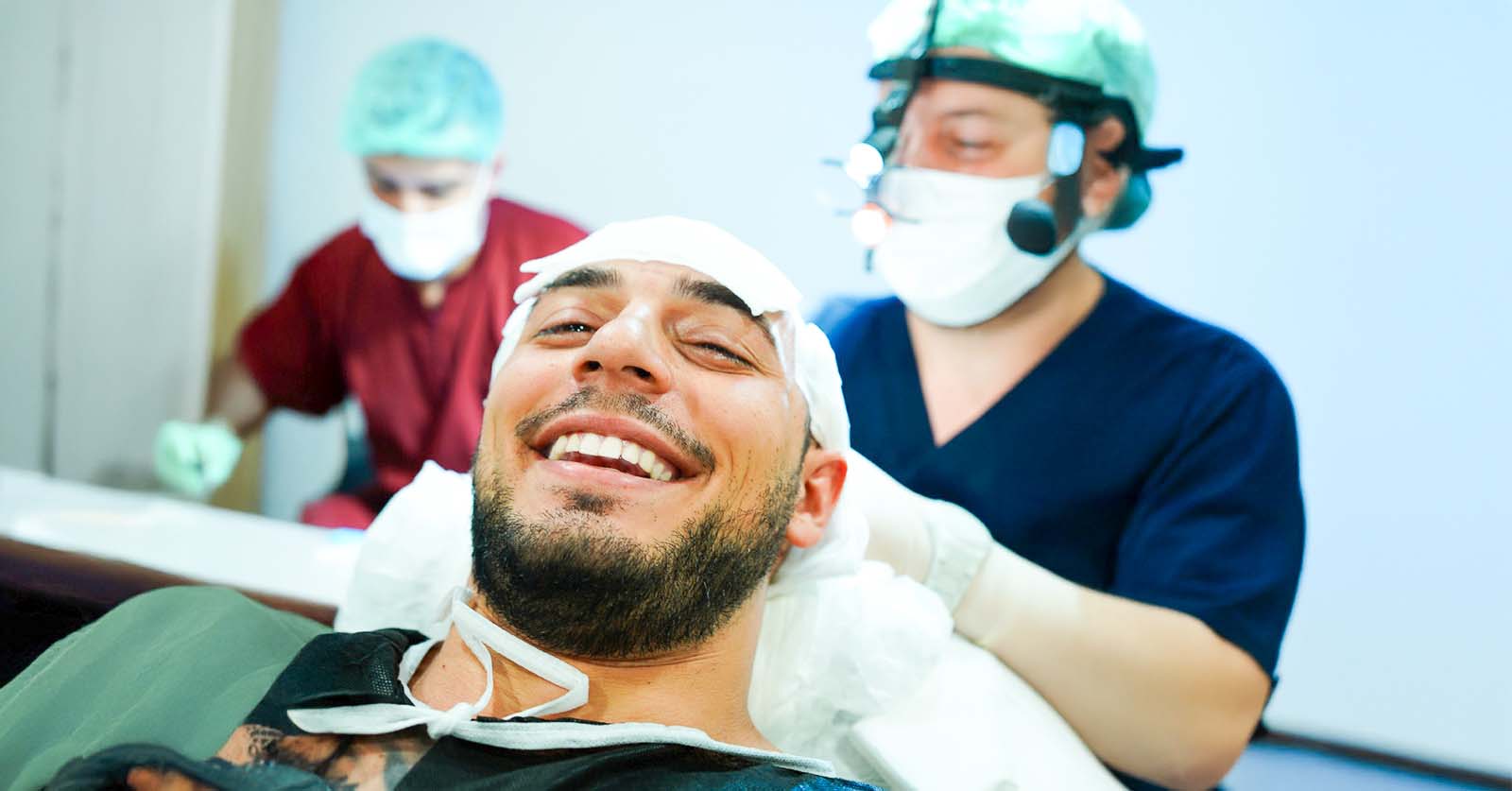
Not everyone experiencing hair loss will benefit equally from a transplant. At Hermest Hair Clinic, one of the most important steps we take is carefully assessing who is a good candidate. This ensures the treatment delivers natural, long-lasting results without wasting valuable donor hair.
Ideal Candidates
A successful hair transplant depends on stability, donor quality, and realistic expectations. You’re likely to see the best results if you have:
- Androgenetic alopecia (male or female pattern baldness): The most predictable and treatable type of hair loss.
- Stable hair loss: Balding has slowed or been stabilized with treatments like finasteride or minoxidil.
- Adequate donor supply: Strong, healthy follicles at the back and sides of the head.
- Good scalp condition: No active inflammation or scarring.
- Realistic goals: Understanding that a transplant restores coverage and density, but not “teenage” fullness.
Dr. Ahmet Murat explains:
“We always look at the donor area like a bank account—you only have so much to withdraw in a lifetime. At Hermest, we plan transplants strategically so patients achieve natural results today while keeping reserves for potential future needs.”
Who Should Wait or Avoid Surgery
Some patients are better suited for medical management or alternative treatments first. A hair transplant may not be suitable if:
- You are under 25 with rapidly progressing hair loss.
- You have diffuse unpatterned alopecia, where thinning affects both donor and recipient areas.
- You suffer from autoimmune conditions like alopecia areata, or scarring alopecias such as lichen planopilaris.
- You are experiencing temporary shedding (e.g., telogen effluvium).
- You have unrealistic expectations about coverage and density.
For these cases, we often recommend medical therapy or PRP (Platelet-Rich Plasma) before surgery. Stabilizing the condition first prevents disappointment and protects long-term donor resources.
Why Patient Selection Matters
Hair transplants are permanent, so deciding when and how to proceed is critical. At Hermest Hair Clinic, we never rush this process. Every consultation includes:
- A scalp analysis to evaluate donor strength.
- A future loss forecast to plan long-term.
- A treatment roadmap—which may start with medications before surgery.
Techniques That Drive Results in Hair Transplantation
The effectiveness of a hair transplant is not just about being a suitable candidate—it also depends on the technique used. At Hermest Hair Clinic, we specialize in advanced methods like FUE, Sapphire FUE, and DHI, which allow us to achieve high graft survival rates, natural density, and minimal scarring.
Follicular Unit Extraction (FUE)
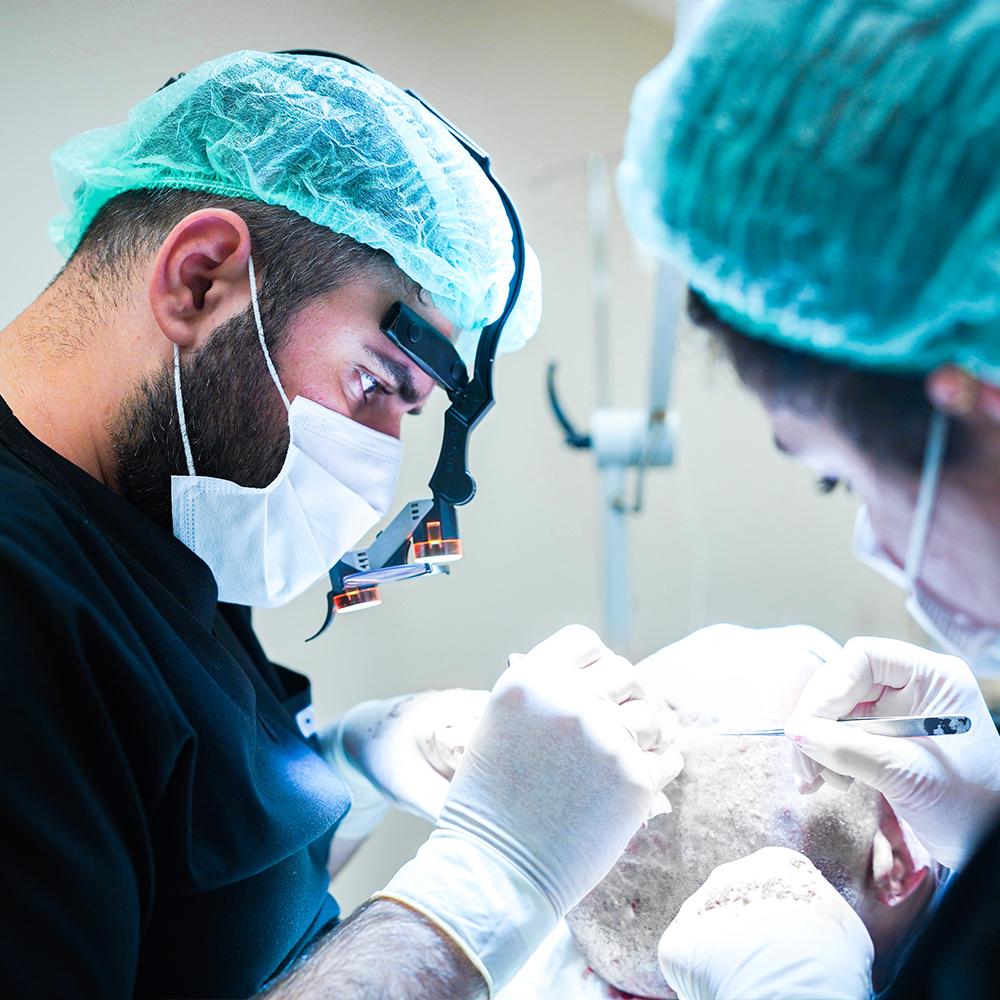
FUE hair transplant is one of the most widely practiced methods worldwide. Individual follicles are extracted from the donor area and transplanted into thinning regions.
Advantages of FUE include:
- Minimally invasive with tiny dot scars that are hardly visible.
- Faster healing compared to traditional strip surgery (FUT).
- Ability to cover large balding areas with thousands of grafts.
Dr. Ahmet Murat explains:
“With FUE, precision is everything. At Hermest, we use high-magnification extraction tools that protect graft integrity, ensuring each follicle survives and grows naturally.”
Sapphire FUE
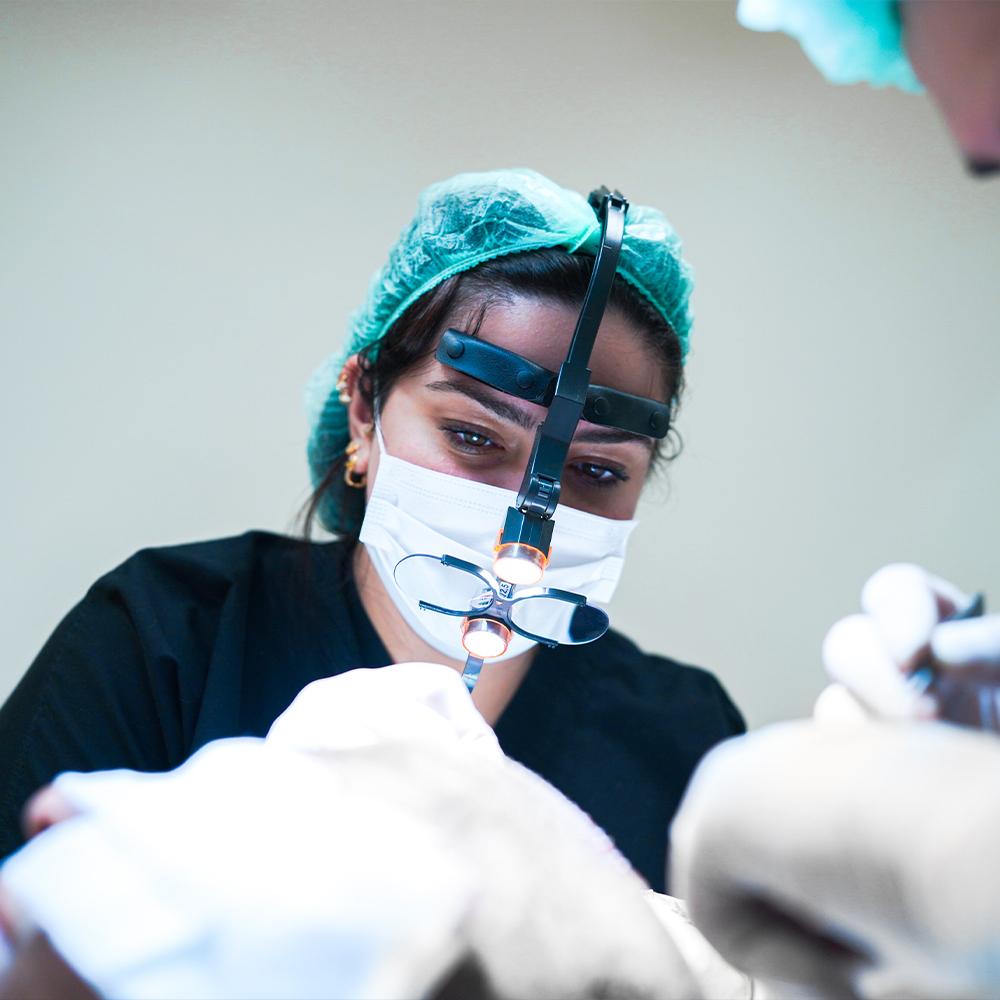
An advanced version of FUE, Sapphire FUE uses blades made from sapphire crystals rather than steel. This allows for smaller, more precise incisions.
Benefits of Sapphire FUE:
- Reduced trauma to the scalp.
- Higher density results because channels can be placed closer together.
- Less bleeding and faster recovery.
Our Unique FUE® technique at Hermest builds on Sapphire FUE principles, offering patients industry-leading graft survival rates that help us stand apart from other clinics.
Direct Hair Implantation (DHI)

DHI hair transplant uses an implanter pen to place follicles directly into the scalp without first creating recipient channels. This technique allows for meticulous control of angle, depth, and direction.
Key benefits:
- Maximally natural-looking results, especially for hairlines and crown areas.
- Reduced time the follicles spend outside the body, increasing survival.
- Faster healing with minimal scabbing.
Choosing the Right Technique
The choice between FUE, Sapphire FUE, and DHI depends on:
- The size of the balding area.
- The patient’s donor capacity.
- Desired density and naturalness.
- Recovery speed preferences.
At Hermest, we don’t believe in a one-size-fits-all approach. Instead, we design a personalized plan for each patient, selecting the technique—or a combination of them—that will deliver the most reliable results.
What “Success Rate” Really Means in Hair Transplantation
When people ask “do hair transplant work”, what they often want to know is the success rate. Success, however, is not just about the number of grafts implanted—it’s about how many survive, how naturally they grow, and how satisfied patients feel with their long-term results.
Growth Milestones You Can Expect
Hair transplant results don’t happen overnight. At Hermest Hair Clinic, we guide patients through each stage of the timeline so expectations are realistic:
- 0–2 weeks: Initial healing, with scabbing and slight redness.
- 1–3 months: Shedding phase, often called “shock loss,” which is normal.
- 3–4 months: First new hairs begin to sprout, usually fine and thin.
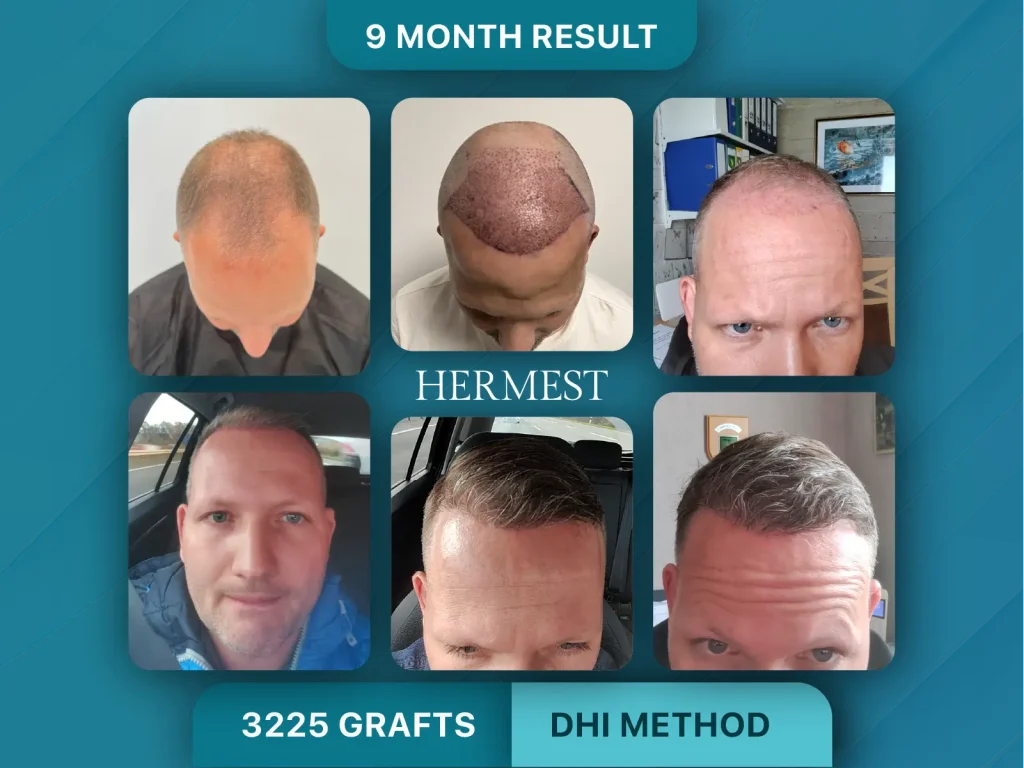
- 6–9 months: About 60% visible growth in most patients; hair starts to thicken and blend naturally.
- 9–12 months: Density improves, hairline matures.
- 12–18 months: Final results—full growth and texture refinement.
Dr. Ahmet Murat points out:
“Patience is key. A hair transplant is a biological process, not an instant fix. By month 12, most patients see a complete transformation, but the real magic is in the natural way the hair continues to grow and age just like your original hair.”
Measuring “Success” Beyond Numbers
- Graft survival rate: At Hermest, our Unique FUE® technique achieves higher-than-average graft survival, ensuring each follicle has the best chance to grow.
- Naturalness of design: Proper angles, direction, and density determine how natural results look—not just how many grafts were used.
- Longevity: A successful transplant lasts a lifetime, provided the donor area is managed wisely.
Why Long-Term Planning Matters
One of the biggest challenges we see in patients treated elsewhere is poor donor management. Some clinics focus on short-term density without thinking about how hair loss might progress in the future. At Hermest, we take a different approach:
- We create a long-term donor strategy that considers future loss.
- We balance immediate coverage with preserving follicles for later.
- We integrate medical therapy when needed to protect non-transplanted hair.
Timeline of Hair Transplant Results: Month-by-Month Expectations
One of the most common questions we hear from patients is “When will I see results after a hair transplant?” Understanding the growth timeline helps reduce anxiety and sets realistic expectations. At Hermest Hair Clinic, we provide detailed guidance so every patient knows what to expect from day one until full recovery.
Days 0–14: Healing and Early Care
- Tiny scabs form around the transplanted follicles.
- Mild redness and swelling may occur but usually resolve within a week.
- Patients are advised to follow strict aftercare routines: gentle washing, avoiding scratching, and protecting the scalp from trauma.
Dr. Ahmet Murat notes:
“This is the most delicate phase. We educate our patients closely—how to wash, how to sleep, and what to avoid—so grafts remain secure. Care in the first two weeks has a big impact on final outcomes.”
Months 1–3: Shedding and Patience
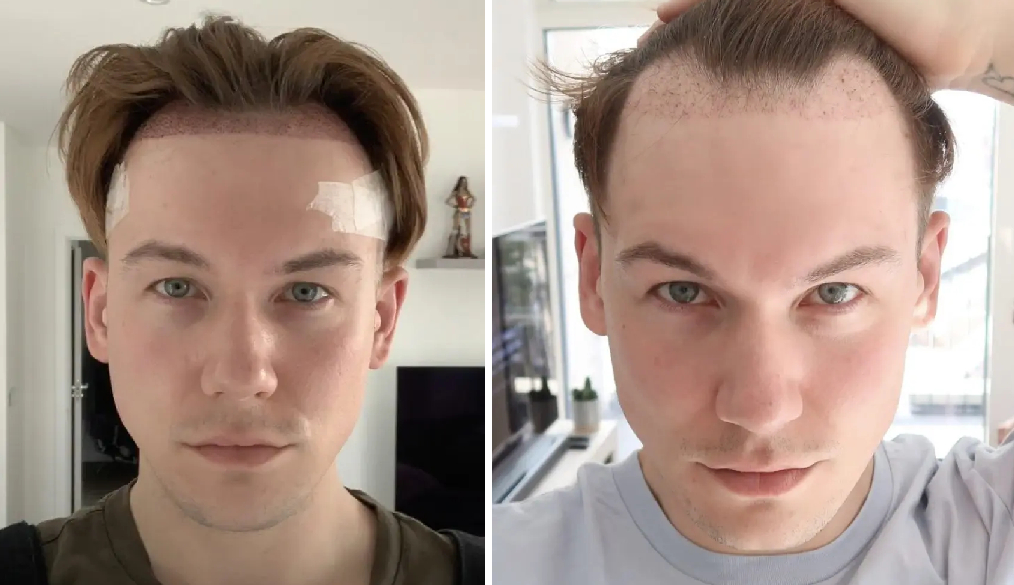
- Newly transplanted hairs often shed, which is known as shock loss.
- This is a normal stage and not a sign of failure.
- Patients may feel concerned, but we reassure them that follicles remain intact beneath the scalp.
Months 3–6: Early Growth Phase
- Fine, thin hairs start emerging.
- By month 4–5, noticeable sprouting begins across the transplanted zones.
- Texture is soft at first but gradually thickens.
Months 6–9: Major Visible Change
- Around 60% of growth is usually visible by this time.
- Hair gains volume and starts blending with existing strands.
- Many patients feel confident styling their hair again.
Months 9–12: Density and Maturation
- The hairline takes shape, and density improves further.
- Transplanted hair thickens and strengthens, making it indistinguishable from natural hair.
Months 12–18: Final Results
- Full maturity is achieved, with hair reaching its permanent texture and density.
- Patients enjoy natural coverage, which continues to grow and age like original hair.
Why Guidance Matters
At Hermest Hair Clinic, we don’t just perform the surgery and send patients home. We follow up regularly with check-ins, photos, and medical support to track progress. Each patient’s timeline may vary slightly, but the end result is consistent: a fuller, natural-looking head of hair that restores confidence.
Risks, Side Effects, and How to Lower Them
Like any medical procedure, a hair transplant comes with potential risks and side effects. While complications are rare, patients should be informed about what to expect and how to minimize them. At Hermest Hair Clinic, safety is at the core of our approach—we combine advanced technology, sterile environments, and strict protocols to keep risks as low as possible.
Common and Temporary Side Effects
- Swelling: Often around the forehead or eyes for a few days.
- Scabbing and crusting: Normal healing response in the first 1–2 weeks.
- Itching: A sign of healing; controlled with proper washing and soothing sprays.
- Numbness or tingling: Usually temporary and resolves within weeks.
Possible Complications (Rare)
- Infection: Prevented with antibiotics and sterile surgical protocols.
- Poor graft survival: Can occur if grafts are mishandled or placed improperly.
- Visible scarring: Tiny dot scars in FUE or linear scars in FUT; minimized with modern tools and proper technique.
- Uneven results: Hairline irregularities or density imbalance if not designed carefully.
Dr. Ahmet Murat explains:
“Most complications are preventable with the right technique and aftercare. At Hermest, we focus on precision graft handling, minimal trauma extractions, and detailed patient education to reduce every possible risk.”
How Hermest Reduces Risks
- Unique FUE® Technique: Achieves higher graft survival rates by minimizing follicle damage.
- Sapphire Blades: Create smoother, smaller incisions, reducing trauma and scarring.
- Strict Hygiene Standards: International sterilization protocols for every procedure.
- Comprehensive Aftercare: Patients receive a step-by-step recovery guide, along with follow-up check-ins to monitor healing.
- Personalized Planning: Every hairline design is tailored to the patient’s age, face shape, and future loss patterns—eliminating the risk of unnatural results.
Patient Responsibility
Patients also play a role in minimizing risks:
- Following aftercare instructions carefully.
- Avoiding smoking and alcohol in the healing phase.
- Protecting the scalp from direct sun or trauma.
- Attending follow-up appointments.
Medications and Adjuncts That Support Hair Transplant Results
A successful hair transplant doesn’t end when the surgery is over. For the best long-term results, most patients benefit from combining their procedure with ongoing medical treatments and supportive therapies. At Hermest Hair Clinic, we design a holistic hair restoration plan that strengthens transplanted hair and protects existing follicles from further thinning.
Finasteride (Oral Medication)
- Works by blocking DHT, the hormone responsible for pattern baldness.
- Helps preserve non-transplanted hair, which remains vulnerable to thinning.
- Reduces the risk of future bald spots around transplanted areas.
Dr. Ahmet Murat highlights:
“A transplant restores what is lost, but medication protects what you still have. Combining both ensures a natural, lasting balance.”
Minoxidil (Topical Solution or Foam)
- Stimulates follicles in both transplanted and native hair.
- Speeds up the regrowth process after transplant.
- Often prescribed for 6–12 months post-surgery to boost density.
PRP Therapy (Platelet-Rich Plasma)
- Involves drawing a small amount of the patient’s blood, processing it, and injecting the plasma into the scalp.
- Growth factors in PRP improve healing and may enhance graft survival.
- Especially effective in the early recovery phase to reduce shedding and accelerate new growth.
Why Medications and Adjuncts Matter
Hair transplants move permanent follicles to new areas, but they don’t stop ongoing hair loss in untreated regions. Without medical support, patients risk losing surrounding hair and developing unnatural gaps over time.
At Hermest, we integrate:
- Long-term medical therapy (finasteride, minoxidil) to stabilize loss.
- Adjunct treatments like PRP for improved healing and density.
- Lifestyle advice on nutrition, stress management, and scalp health.
Our Approach at Hermest
We don’t treat every patient the same. Some need only surgical restoration, while others benefit from a combined approach. Before surgery, our team runs a comprehensive scalp analysis to determine:
- Whether medications are needed before or after surgery.
- If PRP or other regenerative treatments can boost results.
- How to build a lifelong hair maintenance strategy.
Costs, Packages, and Value of Hair Transplants
When researching hair transplant costs, patients often notice a wide range of prices from one clinic to another. What matters most, however, is not just the price—but the value you receive in terms of expertise, safety, and long-term satisfaction. At Hermest Hair Clinic, our goal is to provide transparent, all-inclusive pricing that ensures patients understand exactly what they’re investing in.
What Influences Hair Transplant Costs
Several factors affect the overall price of a procedure:
- Number of grafts required: More grafts mean longer procedures and higher costs.
- Technique used: Advanced methods like Sapphire FUE or DHI may be priced higher than standard FUE due to precision and equipment.
- Clinic experience: Established clinics with proven results often charge more, but deliver greater security and quality.
- Aftercare and extras: Post-op medications, follow-up visits, and additional therapies like PRP can influence cost.
All-Inclusive Packages at Hermest
Many patients travel internationally for their procedures, so Hermest provides comprehensive packages to simplify the process. These typically include:
- Pre-surgery consultation and scalp analysis.
- Full surgical procedure with the chosen technique.
- Medications, shampoos, and aftercare products.
- Accommodation and airport transfers for international patients.
- Post-surgery follow-up and long-term care plan.
Dr. Ahmet Murat emphasizes:
“A low-cost transplant might look appealing, but cutting corners often means compromised safety, rushed procedures, and poor long-term results. At Hermest, we focus on value over price—delivering permanent, natural outcomes that patients can rely on for life.”
Why Value Matters More Than Price Alone
Choosing a clinic based only on the cheapest quote can be risky. Patients sometimes arrive at Hermest after unsuccessful surgeries elsewhere, needing repair procedures that cost more in the long run. True value comes from:
- High graft survival rates that maximize every follicle.
- Natural hairline design tailored to each patient.
- Safe and sterile conditions with international medical standards.
- Dedicated aftercare, ensuring healing and growth are closely monitored.
Realistic Before/After Planning in Hair Transplantation

When considering a hair transplant, many patients dream of a full head of hair overnight. The truth is, results take time, and achieving natural density requires careful planning. At Hermest Hair Clinic, we focus on delivering realistic, sustainable transformations that look good not only today but for decades to come.
Designing a Natural Hairline
The hairline is the frame of the face. A poorly designed line can look artificial or awkward as the patient ages. At Hermest, we design hairlines by considering:
- Age and facial proportions – avoiding unnaturally low or straight lines.
- Hair type and density – curly, wavy, or fine hair affects how dense the line appears.
- Future hair loss forecast – ensuring the hairline remains natural as more hair thins over time.
Dr. Ahmet Murat explains:
“Our priority is to create hairlines that are timeless. We avoid aggressive designs that may look good at 25 but unrealistic at 45. Every line we build is meant to age gracefully with the patient.”
Graft Budgeting for the Future
The donor area is a limited resource. If too many grafts are extracted at once, patients risk running out of donor supply for future procedures. That’s why we:
- Plan each surgery with a long-term strategy.
- Leave donor reserves for possible future thinning.
- Distribute grafts in a way that balances density with sustainability.
Managing Expectations
A hair transplant restores thickness and coverage, but it cannot replicate the original density of teenage years. Patients should expect:
- Improved coverage and volume, not absolute fullness.
- A natural blend with existing hair.
- The possibility of multiple sessions for extensive baldness.
Before/After at Hermest
Our results are built on:
- Unique FUE® technique for higher survival rates.
- Sapphire and DHI options for refined density and natural growth.
- Step-by-step aftercare to ensure smooth healing and strong growth.
Patients often tell us that their transformation is not just physical but emotional—restoring self-confidence and improving quality of life.
How to Pick a Surgeon and Clinic for Hair Transplant
Choosing the right clinic and surgeon is one of the most important decisions you’ll make in your hair transplant journey. The procedure is permanent—there are no second chances with donor hair—so trusting your care to qualified hands makes all the difference. At Hermest Hair Clinic, we believe informed patients make better decisions, which is why we emphasize transparency, credentials, and long-term results.
Main Factors When Choosing a Clinic
- Surgeon credentials: Look for licensed, board-certified doctors with proven experience in hair restoration.
- Portfolio of results: Before-and-after photos, especially at 12+ months post-op, show real success.
- Techniques offered: Ensure the clinic provides advanced methods like FUE, Sapphire FUE, and DHI.
- Facility standards: The clinic should operate with international sterilization protocols and hospital-level safety.
- Patient reviews and testimonials: Consistent positive feedback signals trust and reliability.
Dr. Ahmet Murat advises:
“Patients should never hesitate to ask who will perform the surgery, how many grafts are planned, and what technique is being used. A good surgeon explains every step with clarity and ensures expectations are realistic.”
Red Flags to Avoid
Unfortunately, some clinics operate with volume-driven models, rushing procedures without proper care. Warning signs include:
- Prices that seem too good to be true.
- Lack of direct access to the surgeon before surgery.
- No clear aftercare program or follow-up plan.
- Generic promises of “unlimited grafts,” which often harm donor supply.
Why Hermest Hair Clinic Stands Out
At Hermest, our philosophy is simple: quality over quantity. Every patient is treated individually, with a dedicated plan designed for their unique case. We provide:
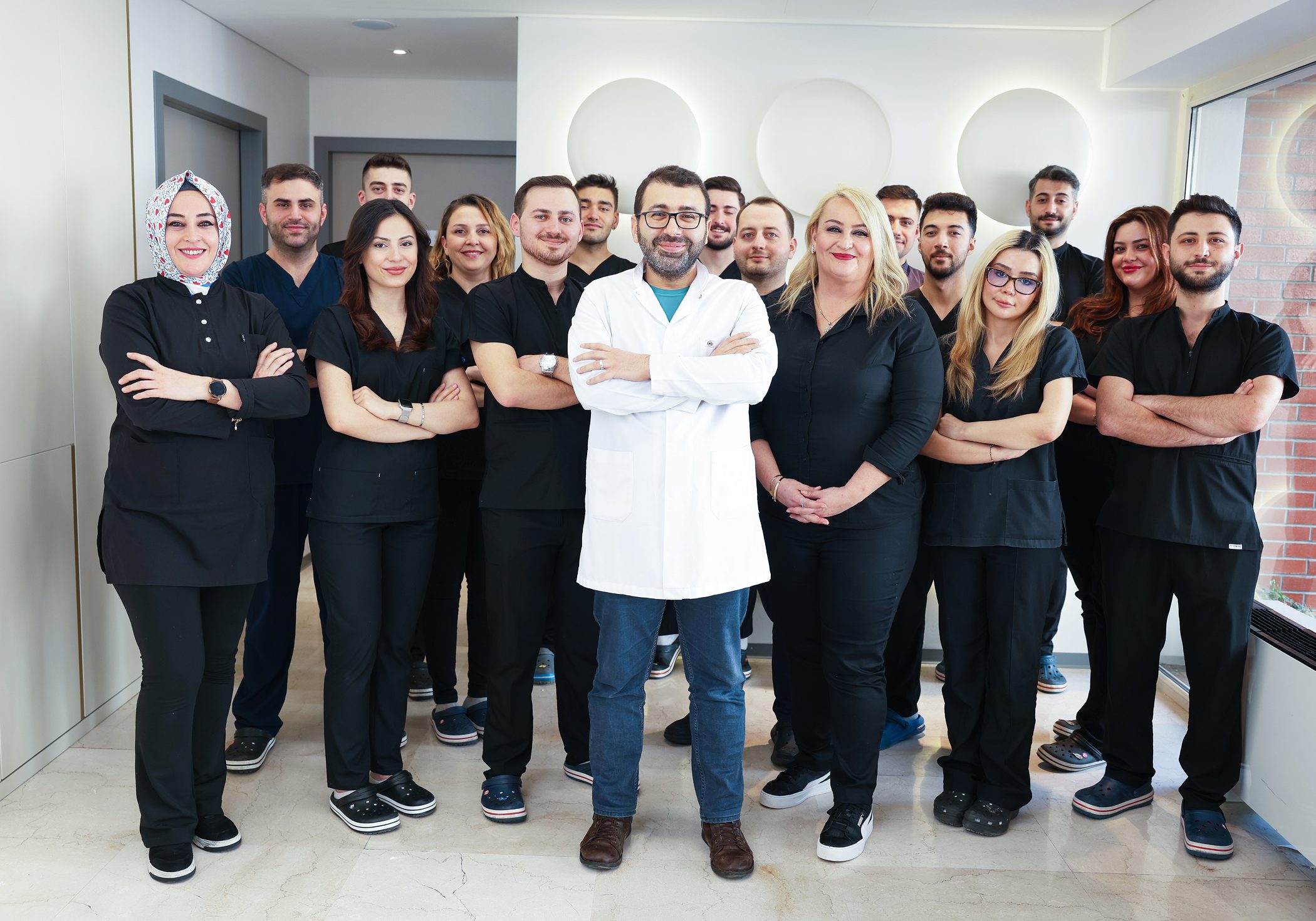
- Direct consultation with Dr. Ahmet Murat, ensuring you understand every detail.
- Unique FUE® innovation, improving graft survival and density.
- Complete care packages, covering surgery, aftercare, and long-term support.
- Proven results, backed by patient testimonials and consistently high success rates.
Frequently Asked Questions About Hair Transplants
Most patients begin to see new growth by 3–4 months, but full density usually appears between 9–12 months. In some cases, final maturation takes up to 18 months. At Hermest Hair Clinic, we guide patients through this entire timeline with regular follow-ups, ensuring they understand each stage of progress and what to expect as the hair thickens and blends naturally.
Start Your Hair Restoration Journey with Hermest
A hair transplant can restore not just your hair, but your confidence and quality of life. With Hermest Hair Clinic’s advanced techniques, experienced team, and patient-first approach, you can be certain your results will be natural, lasting, and safe.
Book your consultation today and let Dr. Ahmet Murat and our experts design a personalized plan for your hair restoration. Your journey to fuller, permanent hair starts here.