

Chris Pratt Hair Transplant: Facts, Hairline Analysis & Truth
 ChatGPT
 Claude
 Perplexity
 Grok
Grok
 Gemini

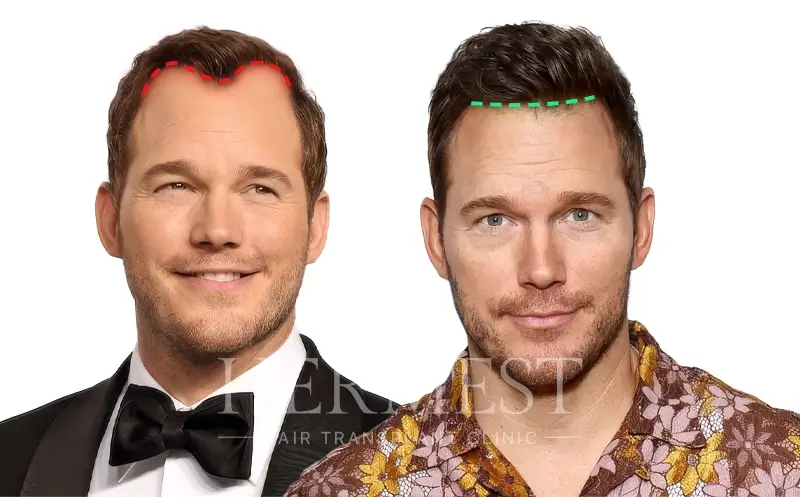
Search interest around the Chris Pratt hair transplant topic has grown steadily. Fans noticed changes in his hairline over time and began asking the same question: did he have a hair transplant, or is it something else?
Chris Pratt’s appearance changed significantly during his transition from comedy roles to action films. Alongside weight loss and styling changes, his hairline began to look fuller and more structured. This sparked ongoing discussion about Chris Pratt hair loss, possible treatments, and whether a procedure like FUE could explain the transformation.
The short reality is simple. There is no confirmed evidence that Chris Pratt had a hair transplant. He has never publicly stated undergoing a procedure. According to analyses from hair restoration sources and clinical perspectives, visible changes can often be explained by styling, grooming, lighting, and natural hair maturation, rather than surgery.
This distinction matters. Many present speculation as fact. That creates confusion for readers trying to understand real hair loss solutions.
Dr. Ahmet Murat explains:
“In my clinical experience, visual comparisons alone are not enough to confirm a hair transplant. Lighting, styling, and hair direction can significantly change how density appears.”
Another key point often missed is the type of hair loss visible in early photos. Pratt appeared to show mild temple recession, which is common in adult men and does not always progress to advanced hair loss.
This guide breaks the topic down clearly:
- what we actually know about Chris Pratt hair transplant rumors
- how his hairline changed over time
- medical explanations behind those changes
- what a real transplant would look like
Quick Insights
- There is no confirmed evidence of a Chris Pratt hair transplant.
- Changes in the Chris Pratt hairline appear gradual, not sudden.
- Early photos show mild temple recession, common in many men.
- His hair does not show signs of advanced male pattern hair loss.
- Improved styling can make hair appear thicker and fuller.
- Professional grooming plays a major role in Chris Pratt hair transformation.
- If a transplant were done, FUE would be the most likely method (speculative).
- Visual comparisons alone are not enough to confirm a hair transplant.
Did Chris Pratt get a hair transplant?
The direct answer is: there is no confirmed proof that Chris Pratt had a hair transplant.
He has not publicly discussed any procedure, and no verified medical source confirms surgical treatment. Most claims found online are based on visual comparisons rather than documented evidence.
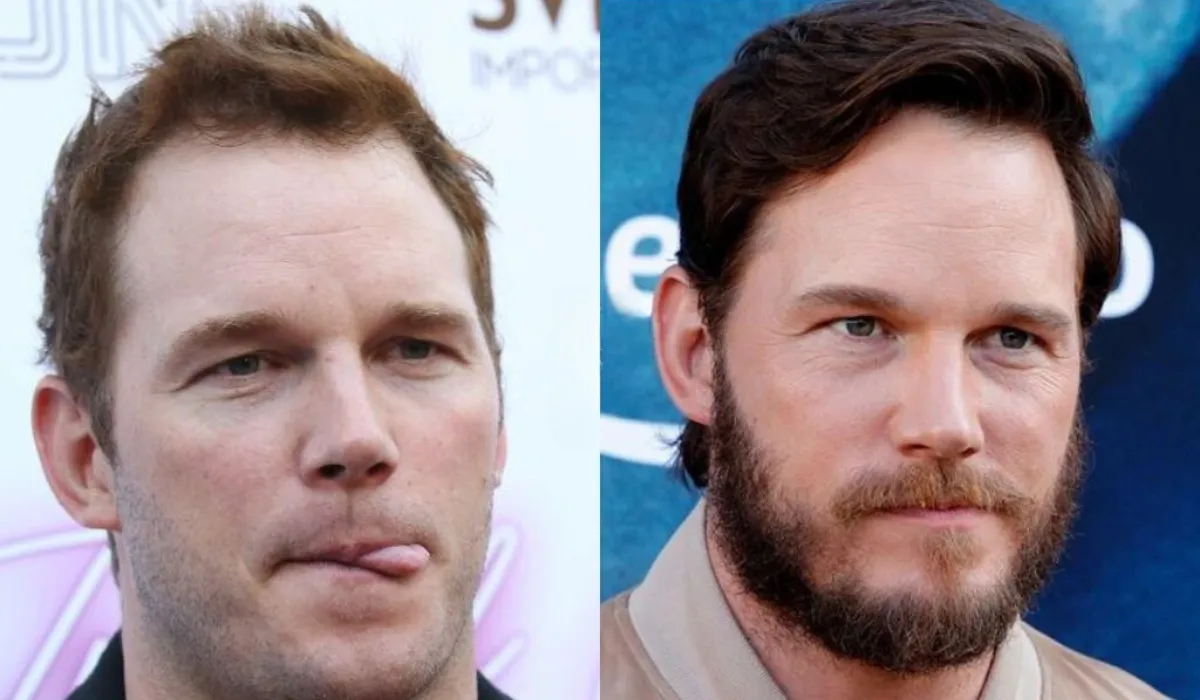
This is an important distinction when analyzing celebrity hair transplant Chris Pratt discussions. Many articles rely on before-and-after photos, which can be misleading.
According to expert commentary from hair restoration clinics and dermatology perspectives, changes in hair appearance can result from:
- improved styling techniques
- professional grooming
- hair products that increase volume
- lighting differences in photos and film
Why there is no confirmed evidence
Celebrities rarely disclose cosmetic procedures unless they choose to. Even when they do, confirmation usually comes through interviews or medical disclosures.
In this case, there is no such confirmation.
Visual changes in Chris Pratt hairline over time are subtle rather than dramatic. This is another reason why experts remain cautious about labeling it as a transplant.
According to Dr. Ahmet Murat:
“A true hair transplant often shows specific patterns. These include donor area changes and graft distribution. Without those signs, conclusions remain speculative.”
Why people still think he had one
People often associate fuller hairlines with surgical treatment. When hair appears denser or better styled, the immediate assumption is a transplant.
In reality, mild recession combined with improved styling can create a noticeable transformation.
Chris Pratt hairline: before and after analysis
Understanding the Chris Pratt hair transplant discussion requires looking closely at how his hairline changed over time. When you compare early photos with more recent appearances, the differences are noticeable but not extreme.
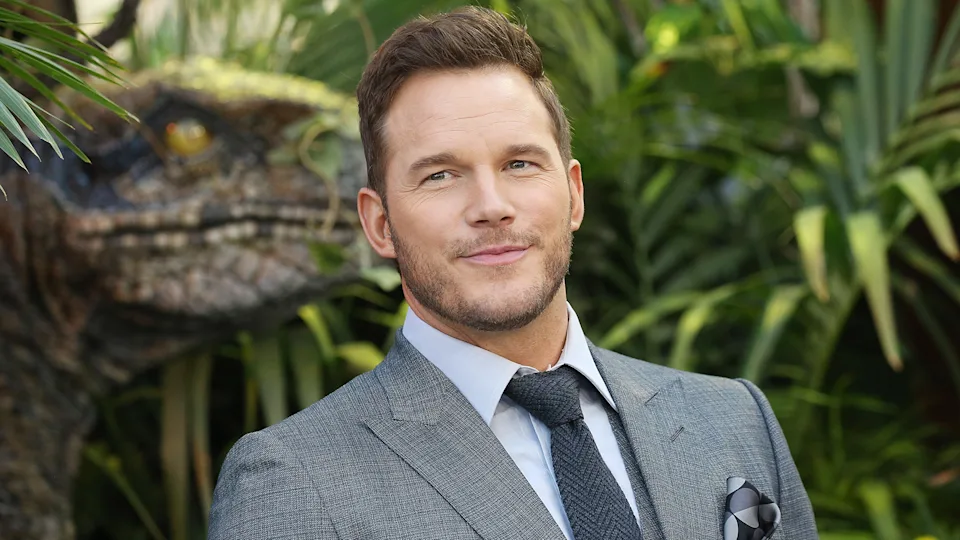
This is where careful analysis matters.
Early career hairline
In his early roles, especially during Parks and Recreation, Chris Pratt hairline appeared slightly softer and less defined. There were early signs of temple recession, which is common in men entering their late 20s and early 30s.
This type of change is often part of male pattern hair loss, particularly at the temples.
Typical features seen at that stage include:
- slight recession at the corners
- uneven front hairline
- reduced density near temples
According to dermatology references such as the American Academy of Dermatology (AAD), this pattern is one of the earliest and most common forms of hairline change in men.
Signs of temple recession
Temple recession does not always mean progressive baldness. In many cases, it stabilizes.
In Chris Pratt’s case, the changes appeared mild rather than aggressive. The hairline did not move significantly backward over time. This is important when evaluating Chris Pratt hair loss claims.
Dr. Ahmet Murat explains:
“Mild temple recession is very common and often stabilizes. It does not always require medical or surgical treatment.”
Recent appearance changes
In later films and public appearances, Chris Pratt’s hair appears:
- thicker at the front
- more structured
- better defined along the hairline
This is where speculation around Chris Pratt hair transplant before and after images begins.
However, several non-surgical factors can explain this improvement:
- professional styling techniques
- strategic haircuts adding volume
- use of thickening products
- controlled lighting and camera angles
These factors can significantly improve how hair density appears on screen.
The takeaway is that his transformation looks natural and gradual, rather than sudden. This makes it difficult to confirm any surgical intervention.
Why do people think Chris Pratt had a hair transplant?
The idea of a Chris Pratt hair transplant largely comes from visual perception. When people compare older and newer images, they notice a fuller, more defined hairline. This leads many to assume surgical intervention, even when no confirmed evidence exists.
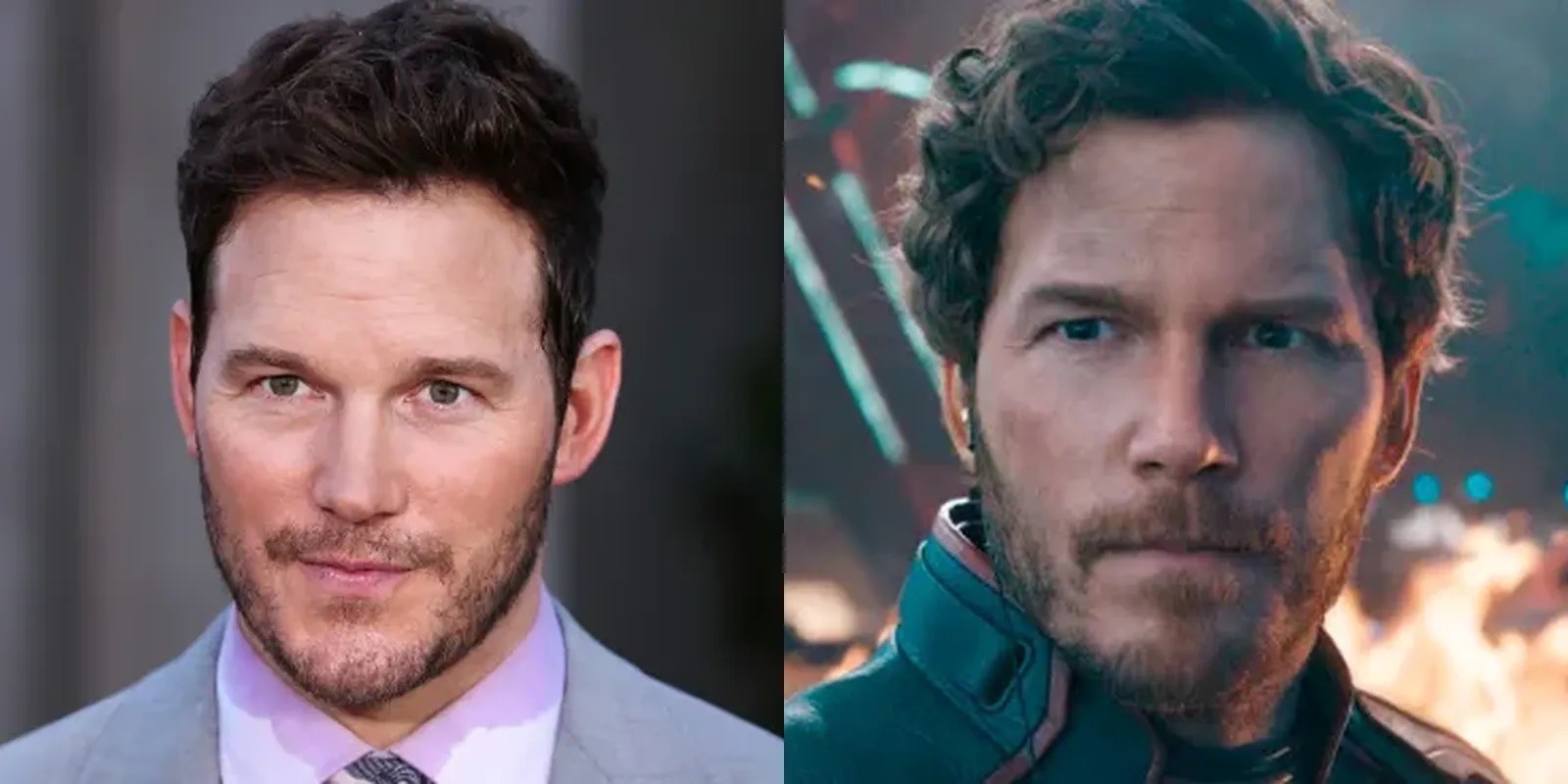
Hair density changes
One of the main reasons people suspect a transplant is the improved density seen in later appearances.
Hair may look:
- thicker at the front
- more evenly distributed
- better shaped along the hairline
This creates the impression of regrowth.
However, dermatology research and clinical experience show that perceived density can change without altering follicle count. Styling, haircut structure, and hair direction all influence how full hair appears.
Dr. Ahmet Murat explains:
“Hair density is not only about follicle numbers. Direction, layering, and styling can significantly change how dense hair looks.”
Styling, lighting, and grooming effects
Professional styling plays a major role in celebrity appearance. Hair is often cut and styled to enhance volume and hide weaker areas.
Common techniques include:
- textured layering for volume
- blow-drying to lift the roots
- matte products to create thickness
- strategic hair direction to cover temples
Lighting also changes perception. Bright, front-facing light can reduce shadows on the scalp, making hair appear denser.
According to grooming experts and media production insights, camera angles and lighting setups can significantly alter how hair looks on screen.
Hollywood hair and image management
Actors often work with professional stylists, especially for major roles. These teams optimize appearance for film, red carpets, and media.
Changes in Chris Pratt hairline may align with:
- fitness and weight transformation
- grooming upgrades
- higher production styling standards
These factors together explain why Chris Pratt hair transformation appears more dramatic than it actually is.
What type of hair loss did Chris Pratt show?
When analyzing the Chris Pratt hair transplant discussion, it helps to first understand what type of hair change he actually showed. Based on visual timelines, Chris Pratt appears to have had mild temple recession, not advanced hair loss.
This distinction is important.
Male pattern hair loss explanation
The most common form of hair loss in men is androgenetic alopecia, often called male pattern hair loss. According to the American Academy of Dermatology (AAD), this condition typically begins with:
- slight recession at the temples
- gradual thinning at the crown
- slow progression over time
This process is influenced by genetics and hormones, particularly sensitivity to DHT.
In many cases, early-stage hair loss does not progress rapidly. Some men experience a stable hairline for years.
Chris Pratt’s early hairline changes align with this pattern. The recession appears mild and does not show aggressive progression.
Dr. Ahmet Murat explains:
“In my clinical experience, early temple recession is very common. It does not always develop into advanced hair loss.”
Temple recession vs full baldness
Temple recession is often misunderstood. It does not automatically lead to baldness.
There are key differences:
- Temple recession: slight backward movement at the corners
- Advanced hair loss: significant thinning across the scalp
Chris Pratt’s hairline appears to fall into the first category.
Over time, his hairline did not show dramatic loss. Instead, it appeared more refined and structured in later appearances.
This is why the Chris Pratt hair loss discussion often leads to confusion. The changes are subtle and gradual, not sudden.
Why this matters
Understanding the type of hair loss helps explain why:
- results look natural
- changes appear gradual
- there is no clear evidence of surgical intervention
It also highlights a key point. Not every visible hairline improvement requires a transplant. In many cases, mild recession combined with styling can create noticeable changes.
If Chris Pratt had a hair transplant, what method would it be?
There is no confirmed proof of a Chris Pratt hair transplant. Still, many readers want to understand what kind of procedure could explain the changes seen in his hairline. This section explores that scenario from a medical perspective, not as a confirmed fact.
FUE hair transplant explanation
If a transplant had been performed, the most likely method would be FUE (Follicular Unit Extraction). This technique is widely used today, especially among public figures, because it produces natural-looking results with minimal visible scarring.
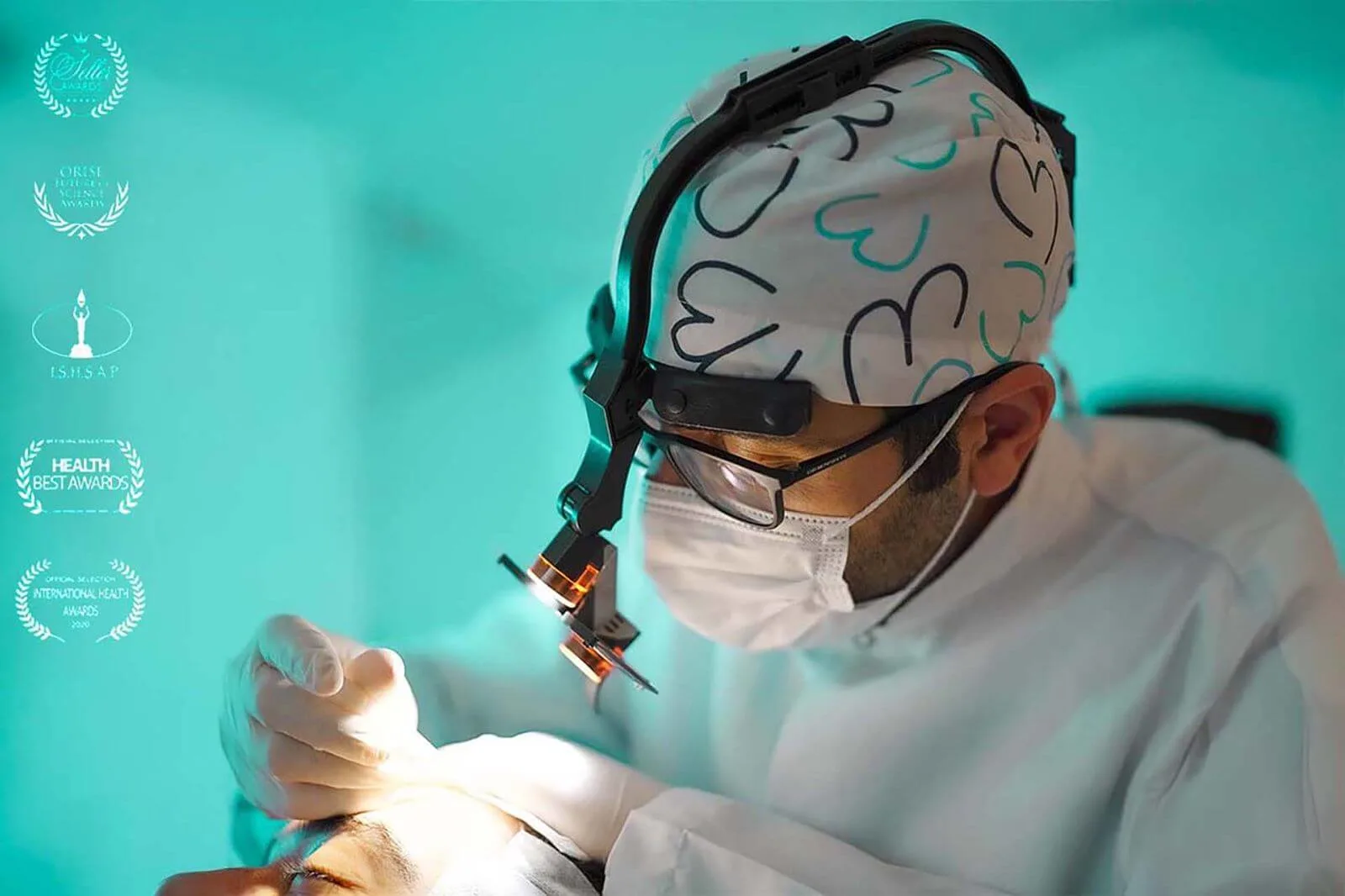
In an FUE procedure:
- individual hair follicles are extracted from the donor area
- grafts are placed into thinning or receding areas
- hair direction and angle are carefully controlled
According to organizations such as the International Society of Hair Restoration Surgery (ISHRS), FUE is one of the most common methods used for restoring hairlines.
FUE is often preferred for cases involving temple recession, similar to what was observed in Chris Pratt hairline changes.
Dr. Ahmet Murat explains:
“FUE allows precise placement of grafts. When designed correctly, the hairline looks natural and blends with existing hair.”
Estimated graft numbers (speculative)
Any discussion of graft numbers in celebrity hair transplant Chris Pratt scenarios remains purely speculative.
For mild temple recession, a typical procedure may involve:
- approximately 1,000 to 2,000 grafts
- focused placement along the hairline
- density adjustment rather than full coverage
These estimates are based on clinical standards, not confirmed information.
Why results appear natural
If a transplant had been performed, the outcome appears subtle rather than dramatic. This is consistent with modern hair restoration techniques.
Natural results depend on:
- correct hairline design
- appropriate graft density
- alignment with natural hair growth direction
These factors prevent the “plugged” look seen in older procedures.
Natural explanations for Chris Pratt’s hair change
Not every visible transformation points to surgery. In the case of the Chris Pratt hair transplant discussion, several natural factors can explain the changes seen in his hairline over time. These factors are often overlooked, yet they play a major role in how hair appears on screen.
Weight loss and facial structure
Chris Pratt’s physical transformation for action roles significantly changed his facial structure. Weight loss can alter how the face frames the hairline.
When facial fat decreases:
- the jawline becomes more defined
- the forehead appears more structured
- the hairline can look sharper
This shift alone can make hair appear fuller and more balanced.
Hair styling and grooming
Professional styling is one of the most influential factors in chris pratt hair transformation discussions. Celebrities work with stylists who understand how to create the illusion of density and volume.
Common techniques include:
- textured layering to increase movement
- blow-drying to lift hair at the roots
- directing hair forward to soften temples
- using matte products for thickness
These methods can significantly change how the Chris Pratt hairline appears in photos and film.
Dr. Ahmet Murat explains:
“Styling techniques can enhance hair density visually. In many cases, what appears as regrowth is actually improved hair direction and volume.”
Hair thickening products
Modern grooming products can temporarily increase hair thickness. Fibers, sprays, and volumizing formulas coat hair strands, making them appear fuller.
These products can:
- reduce scalp visibility
- improve texture
- enhance overall density appearance
Lighting and camera effects
Film lighting and camera angles also influence perception. Strong lighting can reduce shadows on the scalp, making hair look denser.
All of these factors combined explain why did Chris Pratt get a hair transplant remains an open question rather than a confirmed fact.
Frequently Asked Questions about Chris Pratt Hair Transplant
There is no confirmed proof that Chris Pratt had a hair transplant. Most claims are based on visual comparisons rather than verified information.
Not sure what’s happening with your hairline?
Online discussions like the Chris Pratt hair transplant topic often create confusion. It becomes hard to tell what is real change and what is just perception. Hair can look very different depending on lighting, styling, and even haircut structure.
If you are noticing similar changes in your own hair, the key step is understanding the cause behind it, not guessing the solution.
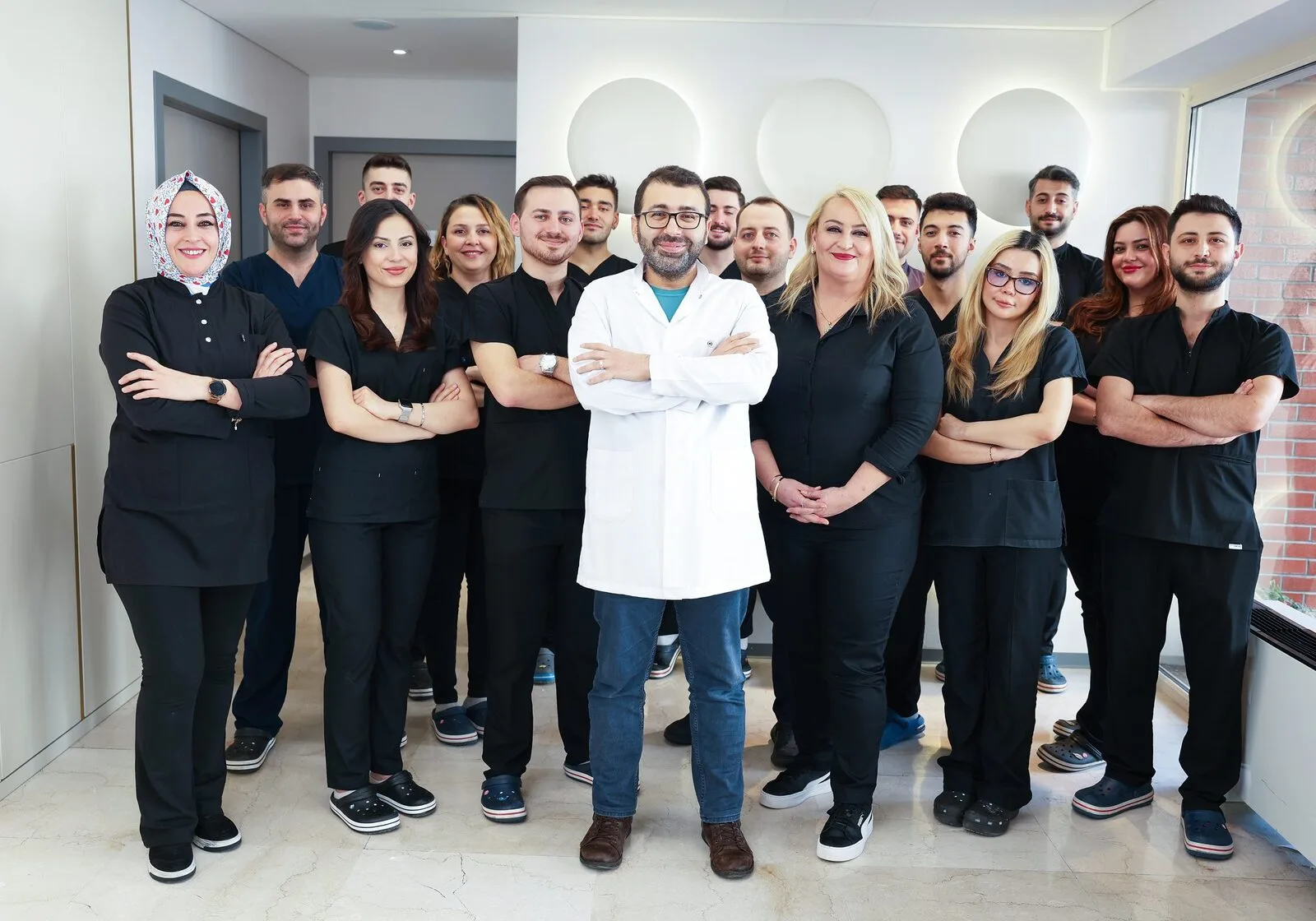
At Hermest Hair Transplant Clinic, Dr. Ahmet Murat and his medical team analyze:
- hairline pattern and progression
- follicle density and strength
- scalp condition and underlying causes
This approach helps separate hair breakage, natural maturation, and true hair loss.
Dr. Ahmet Murat explains:
“Before recommending any treatment, we evaluate whether the issue is styling-related, temporary shedding, or follicle-level hair loss.”
Some patients do not need surgery at all. Others benefit from medical treatments or advanced hair restoration techniques.
The difference comes from accurate diagnosis.
If you are dealing with:
- receding temples
- thinning hair
- sudden changes in density
getting a professional evaluation can give you clear answers and realistic options.
Book a consultation with Hermest Hair Clinic and receive a personalized hair analysis with treatment recommendations tailored to your needs.