

Turkish Visa for Medical Tourism: Requirements, e-Visa Rules & Documents
 ChatGPT
 Claude
 Perplexity
 Grok
Grok
 Gemini

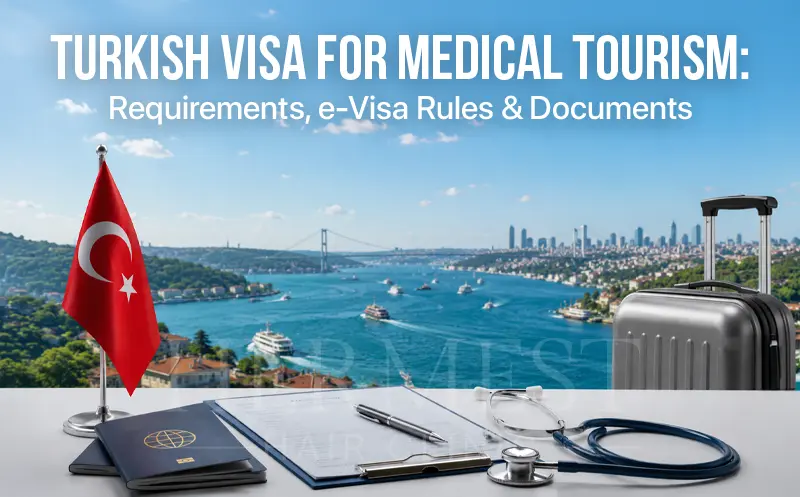
A Turkish visa for medical tourism is one of the first things international patients research before traveling for treatment. Whether the goal is a hair transplant, plastic surgery, dental work, bariatric surgery, or fertility treatment, visa rules can feel confusing at first.
The good news is this that many medical tourists do not need a separate “medical visa” in the traditional sense. Depending on nationality, patients may enter Turkey visa-free, with an e-Visa, or through a sticker visa process arranged through Turkish consulates. According to the Republic of Türkiye Ministry of Foreign Affairs, entry requirements depend primarily on:
- passport nationality
- length of stay
- purpose of travel
This is where confusion starts.
Many people search:
- Do I need a visa for medical treatment in Turkey?
- Can I travel to Turkey for surgery with a tourist visa?
- How do I get a medical visa for Turkey?
The answer is not identical for everyone.
This guide explains:
- the difference between e-Visa, tourist visa, and medical visa pathways
- what documents are usually required
- how HealthTürkiye works
- new 2026 insurance considerations
- how international patients typically enter Turkey for treatment
This article focuses on practical medical travel guidance, not generic visa theory.
Quick Insights
- Many international patients do not need a separate medical visa category to receive treatment in Turkey.
- Depending on nationality, patients may enter through visa-free access, e-Visa systems, or embassy-issued visas.
- The rules depend mainly on passport nationality and length of stay.
- Most clinics help patients prepare treatment confirmations and invitation documents when needed.
- HealthTürkiye is the official international health tourism platform supported by the Turkish Ministry of Health.
- Authorized clinics provide safer and more organized medical travel coordination.
- Insurance and complication coverage became a larger focus in Turkish medical tourism during 2026.
- Recovery planning matters just as much as the visa itself.
- Traveling with a companion is very common for international medical patients.
- Proper preparation reduces the likelihood of visa or travel problems significantly.
Do You Need a Medical Visa for Treatment in Turkey?
This is the most misunderstood part of medical travel to Turkey. Many patients assume they must apply for a separate “medical visa” before treatment. In reality, the correct entry pathway depends on nationality and travel duration.
Visa-free entry and e-Visa access
Citizens from many countries can enter Turkey without applying for a traditional sticker visa. Others qualify for the Turkish e-Visa system, which allows online application before travel.

According to the Republic of Türkiye Ministry of Foreign Affairs, eligibility depends entirely on passport type and country of origin.
This means many international patients traveling for:
- hair transplant
- cosmetic surgery
- dental treatment
Enter Turkey using standard tourist or e-Visa access rather than a dedicated medical visa.
When a medical or sticker visa may be required
Some nationalities must apply through Turkish embassies or consulates before travel.
In these cases, the process may involve:
- appointment confirmation from the clinic
- accommodation details
- financial documentation
- travel itinerary
A medical invitation letter may also be requested.
Tourist visa vs medical visa confusion
Turkey does not operate a completely separate visa category for every medical tourist. In practice, many patients legally receive treatment while entering through standard tourism pathways.
The difference usually depends on:
- treatment duration
- recovery needs
- nationality-specific visa rules
Dr. Ahmet Murat explains:
“Most international patients focus too much on the label of the visa. What matters is entering legally with the correct supporting documentation.”
Not every patient needs a dedicated medical visa. For many travelers, e-Visa or standard entry is sufficient. The main point is understanding which category applies to your passport and treatment plan.
Next, we’ll explore the actual application process and explain how to get a Turkey medical visa step by step.
How to Get a Turkey Medical Visa
Once patients understand which visa pathway applies to them, the next question becomes practical:
How do I get a medical visa for Turkey?
The process is usually simpler than many people expect, especially when treatment is arranged through an experienced clinic.
Step 1: Confirm your visa category
The first step is checking whether your nationality qualifies for:
- visa-free entry
- e-Visa access
- embassy or consulate application
According to the Republic of Türkiye Ministry of Foreign Affairs, visa eligibility changes depending on passport nationality and travel purpose.
This determines the rest of the process.
Step 2: Receive clinic documentation
Most international clinics in Turkey help patients prepare the required paperwork.
This usually includes:
- treatment confirmation
- appointment details
- clinic invitation letter if needed
The invitation letter is especially important for patients applying through embassies.
Step 3: Complete the visa application
For e-Visa eligible travelers, the process is usually completed online.
For sticker visa applicants, documents are submitted through Turkish embassies or visa centers. Processing times vary depending on the country and season.
This is why early planning matters.
Step 4: Prepare travel and accommodation details
Authorities may request:
- hotel confirmation
- return flight details
- proof of financial means
These are standard travel requirements and not unique to medical tourism.
People often assume medical travel requires a difficult approval system.
In reality, most legitimate patients experience a straightforward process once documentation is organized correctly.
Dr. Ahmet Murat says:
“The visa process becomes much easier when patients work with authorized clinics that regularly handle international medical travel.”
The process usually follows the same structure:
- determine your visa pathway
- collect clinic documents
- submit the application correctly
Once these steps are completed, the focus shifts from paperwork to treatment planning.
Next, we’ll break down the exact documents required for a Turkey medical visa, including passport rules, clinic confirmations, and insurance considerations.
Documents Required for a Turkey Medical Visa
One of the biggest concerns for international patients is paperwork.
People often ask: What documents are required for a Turkey medical visa?
The exact list depends on nationality and visa type, but the overall structure is usually straightforward.
Passport and validity requirements
Your passport is the foundation of the application.

According to the Republic of Türkiye Ministry of Foreign Affairs, many travelers must have a passport valid for at least six months beyond their planned stay.
Some countries may face additional requirements depending on bilateral agreements.
This is why checking validity early is important.
Medical appointment confirmation
Patients traveling for treatment are commonly asked to provide proof of their planned medical procedure.
This usually includes:
- clinic appointment confirmation
- treatment schedule
- invitation letter if necessary
Authorized clinics in Turkey often prepare these documents directly for patients.
Travel and accommodation details
Applicants may also need to show:
- hotel reservations
- return flight information
- temporary stay details during recovery
These documents help demonstrate the purpose and duration of travel.
Financial proof and insurance
Some applicants may be asked to provide evidence of sufficient financial means for treatment and stay expenses.
Insurance has also become a more visible topic in 2026. Recent reporting on Turkish medical tourism regulations highlights increased attention on complication coverage and international patient protection.
This reflects Turkey’s broader effort to strengthen trust and patient safety within medical tourism.
Why proper documentation matters
Most visa problems come from incomplete preparation rather than rejection itself.
Patients often underestimate small details:
- inconsistent booking dates
- missing clinic confirmations
- expired passports
Dr. Ahmet Murat says:
“Well-prepared documentation reduces stress for patients significantly. Most delays happen because paperwork is incomplete, not because treatment travel is prohibited.”
The process is less complicated than many people expect.
When documents are prepared correctly and treatment is arranged through an authorized clinic, the application usually becomes much smoother.
Next, we’ll explain an important trust factor many international patients overlook: what HealthTürkiye is and why it matters.
What Is HealthTürkiye and Why Does It Matter?
Many international patients hear the name HealthTürkiye during their research but are not fully sure what it means.
That uncertainty matters, especially when choosing a clinic abroad.
The official international health tourism platform
HealthTürkiye is the official medical tourism platform supported by the Republic of Türkiye Ministry of Health.
It was developed to organize and improve international patient services in Turkey.
The platform helps patients:
- access authorized healthcare providers
- receive verified information
- connect with internationally accredited facilities
This creates an additional layer of transparency.
Why authorization matters in medical tourism
Turkey receives hundreds of thousands of international health tourists each year. That growth increased the need for stronger regulation and patient protection.
According to Turkish Ministry of Health regulations, clinics serving international patients are expected to comply with specific international health tourism standards.
This includes areas such as:
- patient communication
- documentation systems
- treatment coordination
- follow-up processes
For patients, this means authorization is not just a formality. It is a trust signal.
Why many patients overlook this step
People often focus only on:
- price
- social media marketing
- before-and-after photos
They forget to verify whether the clinic is properly authorized for international medical tourism activities.
This can create unnecessary risks.
Dr. Ahmet Murat says:
“International patients should evaluate clinics the same way they evaluate surgeons. Authorization and safety systems matter as much as visual results.”
How HealthTürkiye affects visa and treatment planning
Some clinics use HealthTürkiye-supported systems to assist with:
- invitation letters
- treatment documentation
- patient coordination
This can simplify the medical travel process for international visitors.
HealthTürkiye is not just a website. It represents Turkey’s official framework for international medical tourism.
For patients considering treatment abroad, checking whether a clinic operates within authorized systems adds an important layer of confidence.
Next, we’ll address one of the most searched questions directly: can you travel to Turkey for hair transplant or surgery with a tourist visa?
Can You Travel to Turkey for Hair Transplant or Surgery With a Tourist Visa?
Many international patients ask: Can I travel to Turkey for surgery with a tourist visa?
In many cases, yes, and generally, the most convenient way to travel to Turkey
Why this creates confusion
People often assume medical treatment automatically requires a separate medical visa category.

In practice, many international patients enter Turkey through:
- visa-free access
- e-Visa systems
- standard tourist visa pathways
and legally receive medical treatment during their stay.
According to the Republic of Türkiye Ministry of Foreign Affairs, entry requirements are based primarily on nationality and travel eligibility rather than the specific procedure itself.
This is why the answer varies from country to country.
How this works in real medical tourism cases
Patients traveling for:
- hair transplant
- dental treatment
- cosmetic surgery
often stay in Turkey for a relatively short period.
For these shorter medical trips, standard travel authorization is commonly sufficient if the patient already qualifies for visa-free or e-Visa entry.
Longer recovery periods or nationality-specific rules may require different procedures.
Why clinic guidance matters
Experienced international clinics usually help patients understand:
- which visa route applies
- what documents should be prepared
- whether additional medical documentation is necessary
This reduces confusion before travel.
Dr. Ahmet Murat says:
“Patients often worry unnecessarily about the visa label itself. The important thing is entering Turkey legally with the correct documents and treatment plan.”
The difference between legality and medical planning
Even if tourist or e-Visa access is legally sufficient, patients should still travel with:
- treatment confirmation
- clinic contact details
- accommodation information
This creates a smoother experience during entry and recovery planning.
Many medical tourists travel to Turkey using standard tourism pathways.
The key is understanding:
- your nationality’s visa rules
- your expected treatment duration
- the clinic’s guidance process
Next, we’ll look at a newer development many patients still do not know about: the insurance rules for medical tourists in Turkey.
New 2026 Insurance Rules for Medical Tourists in Turkey
Insurance has become a much bigger topic in Turkish medical tourism during 2026.
For years, many international patients focused almost entirely on:
- clinic reputation
- surgeon experience
- treatment pricing
Now, recovery protection and complication coverage are receiving far more attention.
Why insurance rules are changing
Turkey’s medical tourism sector continues to grow rapidly. With that growth came increased focus on international patient protection and post-treatment responsibility.
Recent reporting on Turkish medical tourism regulations highlights stronger emphasis on complication insurance for elective procedures involving international patients.
The goal is simple:
improve safety standards and reduce uncertainty for patients traveling abroad for treatment.
What complication insurance usually covers
Coverage can vary depending on the provider and procedure.
In general, policies may include:
- treatment-related complications
- revision-related support
- hospitalization linked to procedural issues
- emergency medical assistance during recovery
This creates additional reassurance for international patients who may otherwise worry about returning home too quickly after surgery.
Why this matters for medical tourists
Patients often underestimate recovery logistics.
The procedure itself may last only a few hours, but medical travel involves:
- post-operative care
- medication management
- follow-up monitoring
- travel timing decisions
Insurance helps create a more structured safety framework around the full process.
Dr. Ahmet Murat says:
“Modern medical tourism is no longer just about the operation itself. International patients expect safety systems, structured follow-up, and recovery planning.”
How clinics are adapting
Many experienced clinics in Turkey now provide:
- clearer recovery protocols
- insurance guidance
- extended patient support systems
This reflects the broader shift in international health tourism standards.
Insurance is becoming an increasingly important part of treatment planning in Turkey.
Patients should not only ask:
- who performs the procedure
- how much it costs
They should also ask:
- what happens if recovery becomes complicated
- what protection systems are available
Next, we’ll discuss another practical concern international patients frequently search for: can a companion travel with a medical tourist to Turkey?
Can a Companion Travel With a Medical Tourist?
For many international patients, medical travel is not something they want to do alone.
This is especially true for:
- cosmetic surgery
- bariatric procedures
- larger dental treatments
- recovery-focused operations
One of the most common questions becomes: Can a companion travel with a medical tourist to Turkey?
In most cases, yes.
Why companions are common in medical tourism
Recovery can be physically and emotionally demanding.
Patients often prefer traveling with:
- a spouse
- family member
- close friend
Companions help with:
- airport logistics
- medication reminders
- mobility during recovery
- emotional support after surgery
For some procedures, having someone nearby during the first recovery days can significantly reduce stress.
How companion travel usually works
In many situations, companions follow the same entry rules as standard tourists.
If the patient qualifies for:
- visa-free entry
- e-Visa access
- standard tourist visa pathways
the companion usually follows the same process separately.
The important point is that companion travel authorization depends on nationality and passport eligibility, not the patient’s treatment itself.
Why clinics often help organize companion logistics
Experienced international clinics frequently coordinate:
- shared hotel arrangements
- airport transfers
- recovery scheduling
- post-operative transport
This is especially common in Turkey’s medical tourism sector, where international patient packages often include logistical support.
Dr. Ahmet Murat says:
“Recovery is smoother when patients feel supported. For many international visitors, having a companion improves comfort and reduces anxiety during the healing process.”
What companions should prepare
Even though the companion is not receiving treatment, they should still travel with:
- accommodation information
- return flight details
- travel documentation matching the stay duration
This helps avoid unnecessary complications during entry.
Traveling with a companion is very common in Turkish medical tourism.
The key is planning recovery logistics properly before arrival rather than treating the trip like a standard vacation.
Next, we’ll look at another practical concern many patients overlook until the last minute: how long medical tourists can legally stay in Turkey after treatment.
How Long Can Medical Tourists Stay in Turkey?
Length of stay is one of the most important parts of treatment planning.
Patients often focus heavily on the procedure itself and forget to calculate recovery time correctly. That can create unnecessary pressure after surgery.
The standard stay rules most patients encounter
For many nationalities, Turkey applies the common “90 days within 180 days” framework for tourist and e-Visa entries.
Some countries receive shorter durations, such as 30-day access, depending on bilateral agreements and visa type.
According to the Republic of Türkiye Ministry of Foreign Affairs, permitted stay duration depends entirely on nationality and visa eligibility.
This is why patients should always verify rules specific to their passport before booking treatment.
Why recovery time matters more than expected
Many procedures require more recovery than patients initially assume.
Hair transplant patients often stay:
- 3 to 5 days
Plastic surgery patients may stay:
- 7 to 14 days or longer
More extensive surgeries can require additional monitoring before international flights are recommended.
This is where proper planning becomes important.
Why overstaying creates unnecessary problems
Some patients underestimate recovery and extend their stay informally.
That creates risk.
Overstaying can lead to:
- fines
- future visa complications
- entry restrictions during future visits
It is far better to plan conservatively from the beginning.
Dr. Ahmet Murat says:
“Patients should plan recovery timelines realistically. Leaving too early or overstaying unnecessarily both create avoidable stress.”
Why clinics often recommend buffer days
Experienced clinics usually suggest additional recovery time beyond the minimum surgical schedule.
This allows:
- swelling to decrease
- post-operative checks to be completed
- patients to travel more comfortably
It also reduces pressure if small scheduling changes occur.
Medical travel is not only about the procedure date. Recovery time, flight planning, and legal stay duration should all be considered together before booking treatment.
Next, we’ll focus on one of the most valuable practical sections in the article: how to avoid visa problems when traveling to Turkey for medical treatment.
How to Avoid Visa Problems When Traveling for Treatment in Turkey
Most visa problems are preventable.
In reality, international patients rarely face issues because they are traveling for treatment itself. Problems usually happen because documentation, timing, or planning was handled poorly.
Verify the clinic before anything else
This is one of the most important steps.
Patients should confirm that the clinic operates legally within Turkey’s international health tourism framework. Authorized clinics are generally more experienced with:
- international patient coordination
- medical travel documentation
- invitation letters
- recovery planning
According to Turkish Ministry of Health regulations, authorized facilities are expected to comply with specific international patient standards.
Authorization is only one layer of verification. Patients can also cross-check a clinic on independent comparison platforms, which score clinics on surgeon background, safety protocols, and aftercare rather than marketing material. Hermest’s profile is published on TurkHairIndex, an independent hair transplant clinic index.
This creates a safer and more organized process overall.
Do not leave paperwork until the last minute
Many delays happen because patients underestimate preparation time.
Even when using:
- visa-free entry
- e-Visa systems
- standard tourist pathways
patients should still prepare their documents carefully.
This includes:
- passport validity
- hotel details
- clinic confirmations
- return travel information
Small inconsistencies can create unnecessary stress during entry.
Be cautious with unofficial intermediaries
Some patients rely entirely on third-party brokers without verifying information independently.
That creates risk.
Treatment planning, visa guidance, and financial arrangements should always be transparent and documented properly.
Dr. Ahmet Murat says:
“Patients should focus on structured planning, not rushed decisions. Most travel issues happen because people prioritize speed over preparation.”
Plan recovery realistically
Another common mistake is scheduling flights too aggressively.
Patients often try to minimize hotel nights or recovery time. That may create unnecessary pressure after treatment.
Giving yourself additional recovery days creates a much smoother experience overall.
Avoiding visa problems usually comes down to preparation.
Patients who:
- verify clinics properly
- organize documents early
- plan recovery realistically
rarely encounter serious difficulties during medical travel.
Frequently Asked Questions About Turkish Visa for Medical Tourism
It depends on your nationality. Many international patients enter Turkey through visa-free access or the e-Visa system, even when traveling for treatment. Others may need to apply through a Turkish embassy or consulate. According to the Republic of Türkiye Ministry of Foreign Affairs, entry rules vary by passport type and country of origin.
Take the Next Step With Confidence
If you are considering treatment in Turkey, understanding the visa and travel process early makes everything easier.
Medical tourism should feel organized, not stressful.
Dr. Ahmet Murat says:
“Patients feel much more comfortable once they understand the full process. Good planning creates a safer and more confident treatment journey.”
At Hermest Hair Transplant Clinic, international patient coordination is handled with a structured approach from the beginning.
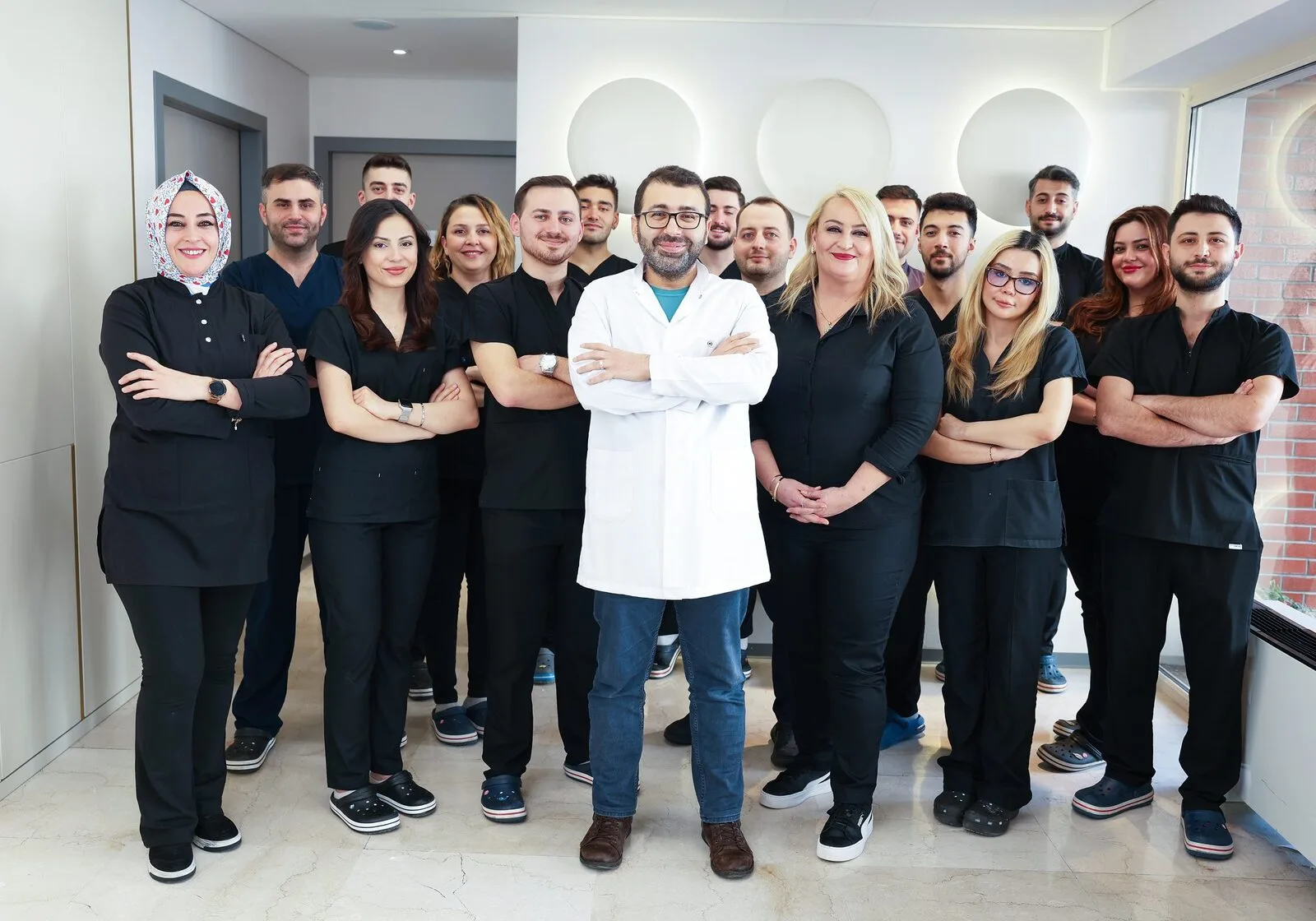
The clinic assists patients with:
- treatment planning
- documentation guidance
- airport and accommodation coordination
- post-operative scheduling
Every process is designed to make medical travel clearer, safer, and more comfortable for international visitors.
If you are planning a hair transplant or other treatment in Turkey, the next step is simple:
Get clear information.
Verify your options properly.
Plan your treatment journey with confidence.
Request your free consultation and speak directly with an international patient specialist today.