
Patchy Beard Growth: Causes, Fixes, Minoxidil & Transplant Guide
 ChatGPT
 Claude
 Perplexity
 Grok
Grok
 Gemini

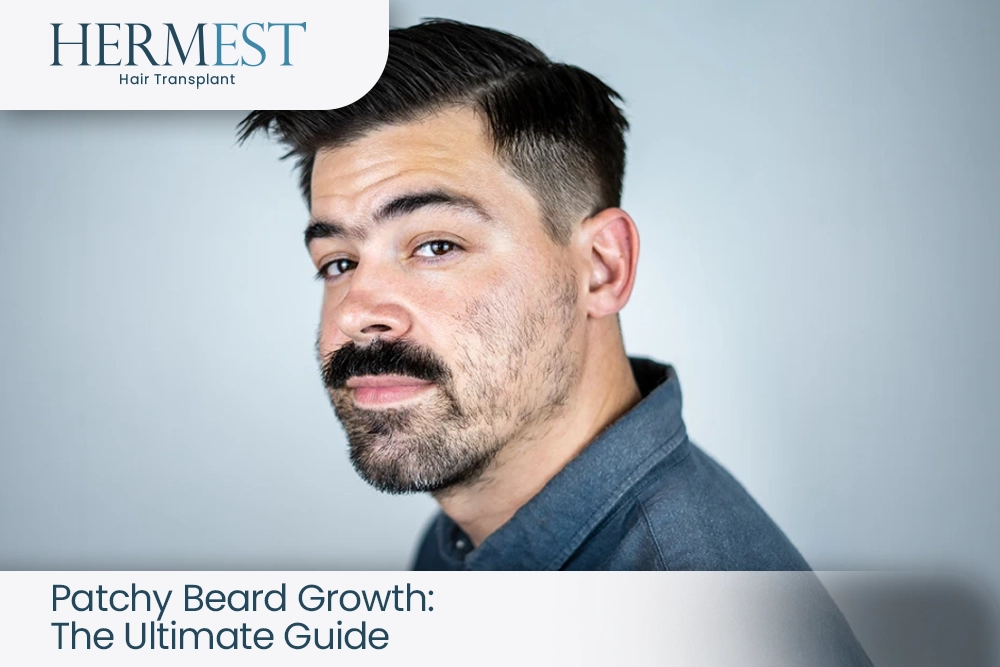
Patchy beard growth is one of the most common concerns among men, especially in their 20s and early 30s. You might see uneven areas, gaps on the cheeks, or thin coverage that never seems to fill in. Naturally, the next question becomes: how to fix a patchy beard and whether it can ever become full.
Here’s the clear answer.
Most uneven beard patterns come down to genetics and follicle distribution. Some areas simply have fewer or weaker follicles. Others may have dormant follicles that can still be stimulated. Understanding that difference changes everything.
They suggest oils, brushing, or random routines without explaining what’s actually happening under the skin. In reality, beard density depends on how your follicles respond to hormones like DHT and whether those follicles exist in the first place.
According to clinical insights referenced in PubMed, facial hair growth is strongly influenced by androgen sensitivity and follicle presence, not just external care routines.
That leads to three real solution paths:
- natural improvement if follicles are active
- stimulation using treatments like minoxidil for men beard
- permanent correction through beard transplant for patchy beard
Each works differently. Not every option fits every case.
Dr. Ahmet Murat explains:
“The key question is not just how to grow a beard, but whether the follicles are present and responsive. That determines which solution will actually work.”
This guide will help you:
- understand why your beard is uneven
- identify what type of patchiness you have
- choose the right solution based on your situation
Let’s start with the most important question.
Quick Insights
- Patchy beard growth is primarily determined by genetics and follicle distribution.
- The most important factor is whether hair follicles exist in the patchy areas.
- If follicles are present but weak, growth can improve over time or with stimulation.
- If follicles are absent, natural methods and products will not create new hair.
- Knowing how to fix a patchy beard starts with understanding this difference.
- Minoxidil for men beard can help activate dormant follicles but has limitations.
- Minoxidil does not create new follicles and requires consistency for results.
- A beard transplant for patchy beard is the only permanent solution for empty areas.
- Choosing the right method depends on your beard’s biology, not trends or assumptions.
- Early evaluation helps avoid wasted time and leads to more predictable results.
Why is my beard patchy?
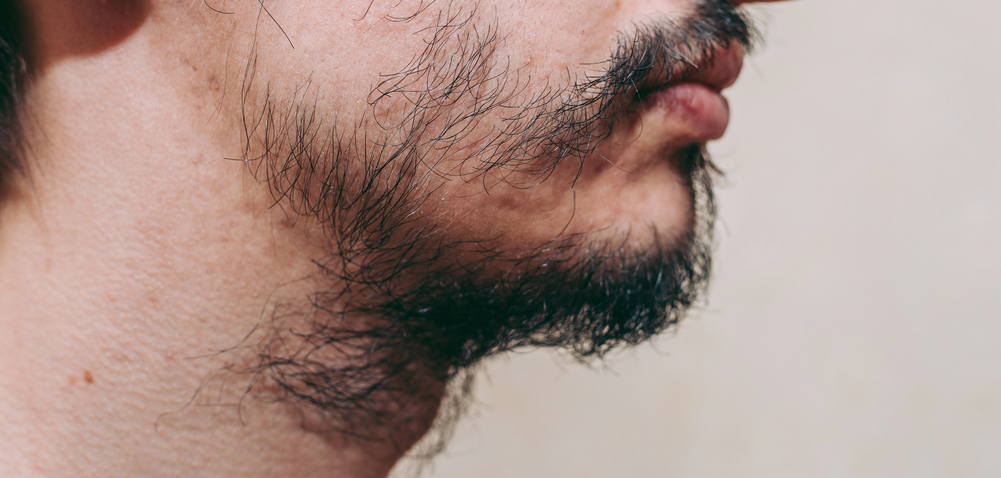
Uneven beard growth is not random. It follows clear biological patterns. Once you understand those patterns, it becomes easier to choose the right approach.
Genetics and follicle distribution
The main reason for patchy beard growth is genetic follicle distribution.
Each person is born with a fixed number of hair follicles in the beard area. These follicles are not evenly spread. Some areas naturally have higher density, while others remain sparse.
This explains why:
- cheeks are often patchier than the chin
- sideburn areas fill in earlier
- some gaps never grow hair at all
Short truth. No follicle, no hair.
Hormones and DHT sensitivity
Beard growth depends heavily on DHT, the same hormone linked to scalp hair loss.
But here’s the difference.
On the face, DHT stimulates hair growth. If follicles are sensitive to it:
- hair becomes thicker
- growth becomes denser
- patches may improve over time
If sensitivity is low, growth remains limited even if follicles exist.
Age and beard development timeline
Many men expect a full beard too early.
Beard development continues well into the late 20s and sometimes early 30s. What looks patchy at 20 may look completely different a few years later.
This is often misunderstood. According to clinical observations referenced in PubMed, androgen-dependent hair growth can continue developing for years after puberty.
The key distinction most people miss
There are two types of patchiness:
- areas with weak or slow-growing follicles
- areas with no follicles at all
Only the first type can improve naturally or with stimulation.
Dr. Ahmet Murat says:
“When patients understand whether follicles exist in a patch, everything becomes clearer. That’s what determines whether growth is possible or not.”
This is the foundation. Everything else builds on this.
Can a patchy beard become full?
This is the question most people care about after noticing uneven growth. The honest answer depends on one factor: whether your follicles are active or absent.
When it improves naturally
In many cases, beard density improves over time. This is especially true for men in their early 20s.
If follicles are present but not fully developed:
- hair may be thinner or lighter
- growth may be slower
- coverage may look uneven
As hormone sensitivity increases, those follicles can mature. Over time, patches may fill in and blend with surrounding areas.
Short insight. Time helps, if follicles exist.
When it won’t change much
Some areas remain patchy no matter how long you wait.
This happens when:
- follicles are sparse or missing
- genetic density is low in specific zones
- hormone response is limited in those regions
In these cases, natural growth will not significantly improve coverage.
This is where many people get stuck. They wait years expecting change that never comes.
The difference that matters
You are dealing with one of two situations:
- Dormant or weak follicles → potential for improvement
- Absent follicles → no natural growth possible
Understanding this difference is more important than any product or routine.
According to clinical data referenced in PubMed, hair growth potential depends on follicle presence and androgen responsiveness, not just external factors.
Realistic expectations
Beard growth is not unlimited.
Even with optimal conditions:
- density has a genetic ceiling
- patterns remain individual
- not every beard can become fully dense
Dr. Ahmet Murat explains:
“We always assess whether the follicles are there. If they are, we can stimulate them. If not, no topical treatment will create new ones.”
This is the turning point. Expectation should match biology.
How to fix a patchy beard naturally
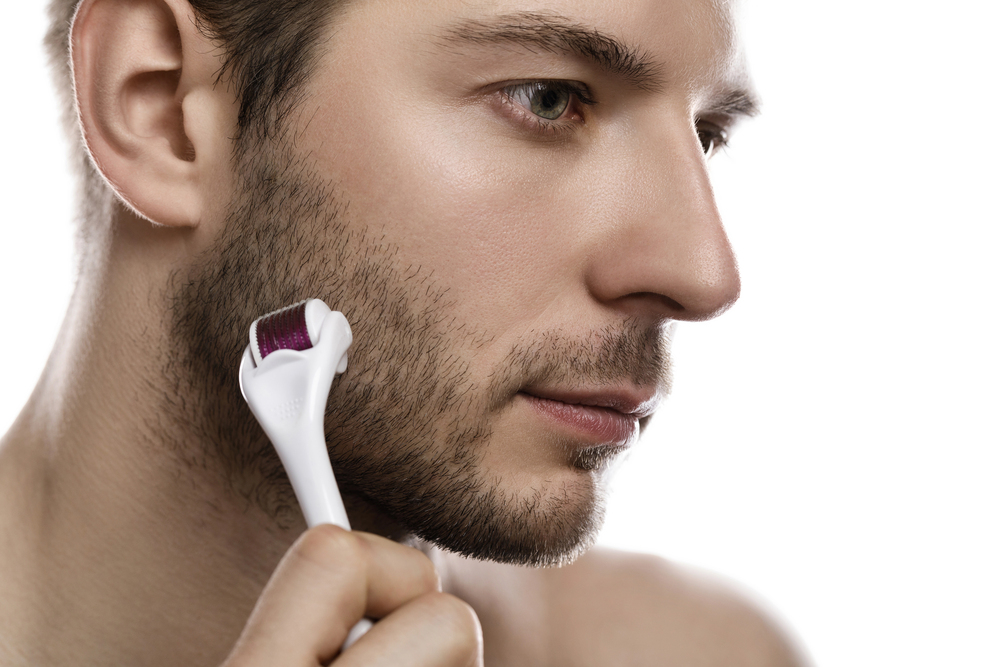
Before jumping into treatments, many people want to know if they can improve patchy beard growth without medical intervention. The answer is yes, but only within certain limits.
Natural methods can support existing follicles. They cannot create new ones where none exist.
Lifestyle factors that influence beard growth
Beard growth reflects overall health more than most people realize.
Key factors include:
- consistent nutrition, especially protein and micronutrients
- quality sleep, which supports hormone balance
- stress control, which affects hair cycles
If these areas are neglected, even strong follicles may underperform.
Short truth. Your body affects your beard.
Blood flow and skin condition
Healthy skin supports better follicle function.
Improving circulation and skin condition can:
- enhance nutrient delivery
- reduce dryness and irritation
- support stronger hair growth
Simple habits like regular cleansing and avoiding clogged pores can make a visible difference over time.
Grooming strategies that actually help
This is often misunderstood.
Grooming does not increase the number of follicles, but it can improve how your beard looks and develops.
Practical adjustments include:
- trimming evenly to reduce contrast between dense and sparse areas
- letting growth continue longer before shaping
- brushing to train direction and coverage
These small changes can make patchiness less noticeable.
What natural methods cannot do
This is where expectations need to stay realistic.
Natural approaches will not:
- create follicles in empty areas
- dramatically increase density
- change genetic patterns
According to clinical insights referenced in PubMed, follicle presence is genetically determined, and external methods cannot generate new follicles.
When natural improvement is enough
If your patchiness is mild and follicles are present, these methods may be enough to improve appearance.
Dr. Ahmet Murat explains:
“Natural methods can enhance what you already have. But they cannot replace follicles that were never there. That distinction is critical.”
This is the key takeaway. Support growth, don’t expect transformation.
Minoxidil for men beard: does it work?
This is one of the most searched solutions for patchy beard growth. Many people turn to minoxidil for men beard hoping it will fill gaps and create a fuller look.
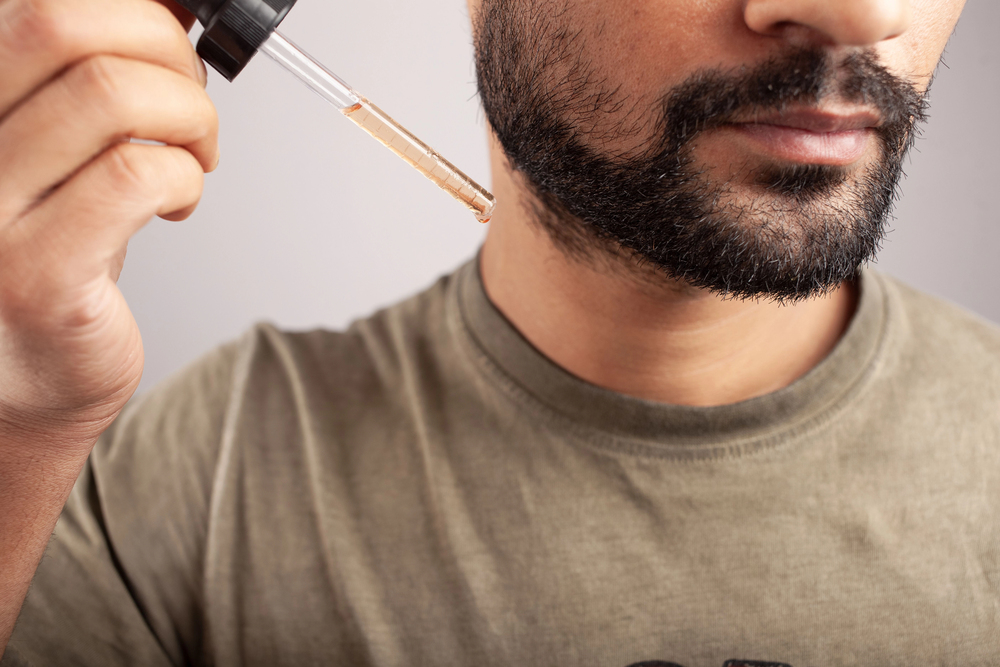
The answer is nuanced. It can work, but only in the right situations.
How minoxidil works
Minoxidil is a topical treatment that improves blood flow and prolongs the growth phase of hair follicles.
On the face, it can:
- stimulate dormant or weak follicles
- increase hair thickness over time
- improve overall beard density
According to clinical research referenced in PubMed, minoxidil has been shown to increase facial hair count in controlled studies, especially when follicles are already present.
Short insight. It activates, not creates.
Realistic results
This is where expectations often go wrong.
Minoxidil works best when:
- follicles exist but are underperforming
- growth is thin or slow
- patches are not completely empty
In these cases, users may see:
- increased coverage
- thicker hair strands
- gradual improvement over several months
However, it will not:
- generate new follicles
- fully fill areas with no hair roots
- guarantee uniform density
Timeline and consistency
Results take time. Typical progression:
- first 2–3 months: minimal visible change
- 3–6 months: noticeable thickening
- 6–12 months: improved coverage
Consistency is important. Stopping early often limits results.
Risks and limitations
Minoxidil is generally safe, but not perfect.
Possible issues:
- skin irritation or dryness
- uneven results
- dependency for maintaining gains
Some users also experience shedding early in the process, which can be temporary.
Dr. Ahmet Murat explains:
“Minoxidil can improve beard density when follicles are present, but it has limits. It cannot replace missing follicles. That’s where patients need realistic expectations.”
This is the key takeaway. Helpful, but not a complete solution.
Beard transplant for patchy beard
When certain areas of the beard never grow hair, the reason is simple. There are no active follicles in those zones. In these cases, the only way to create real density is through a beard transplant for patchy beard.
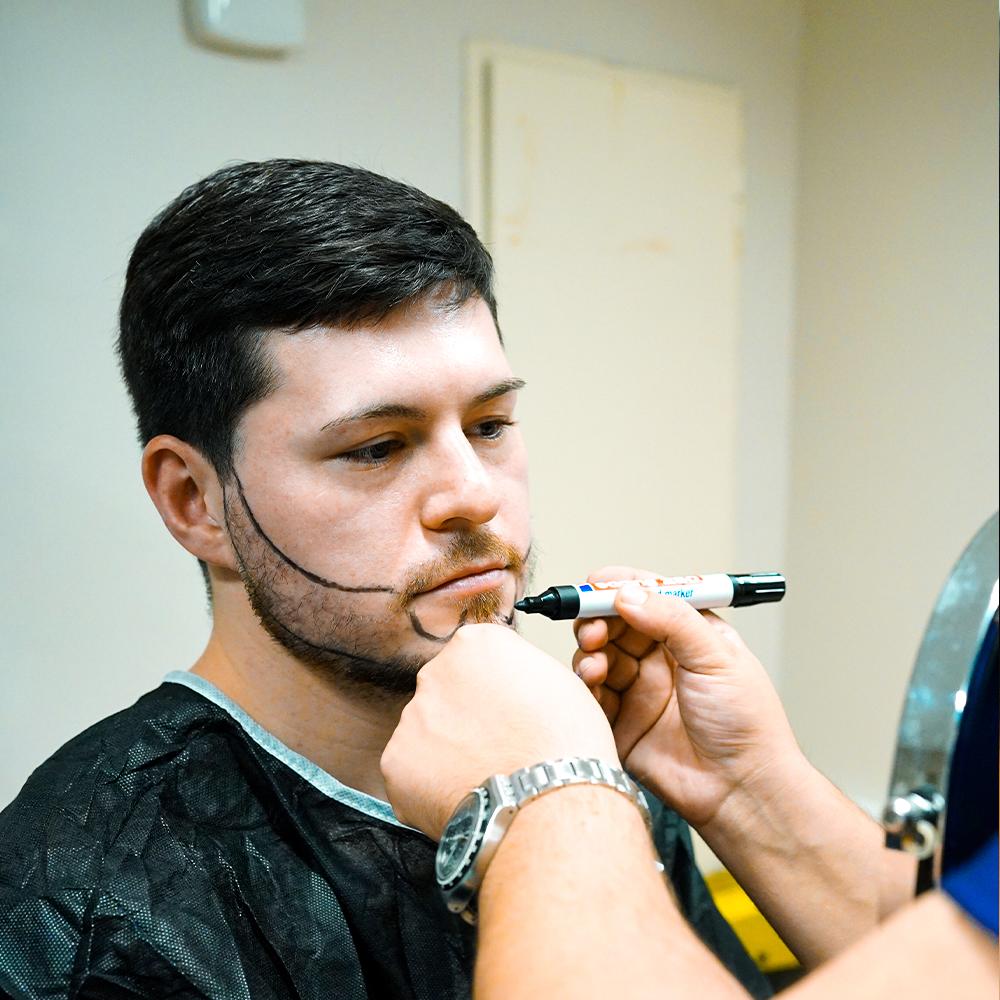
This is the point where many people realize topical treatments are not enough.
How a beard transplant works
A beard transplant involves taking healthy hair follicles from a donor area, usually the back of the scalp, and placing them into patchy or empty beard areas.
Once transplanted:
- the follicles establish blood supply
- they begin producing hair in the new location
- growth continues permanently
The technique used is typically FUE (Follicular Unit Extraction), which allows precise placement and natural direction.
According to clinical insights referenced in PubMed, transplanted follicles retain their original characteristics and continue growing in the recipient area long-term.
Short truth. New follicles. Permanent result.
Who is a good candidate
Not everyone needs a transplant.
It is most suitable when:
- certain areas have no visible hair growth
- patchiness has not improved over time
- density is uneven despite other methods
In these situations, adding new follicles is the only way to achieve full coverage.
What results actually look like
Beard transplants are not about creating artificial density. The goal is to design a natural pattern that blends with existing hair.
Results depend on:
- proper angle placement
- density planning
- facial structure
When done correctly, the outcome looks completely natural.
What most people misunderstand
Many expect treatments like minoxidil for men beard to fill completely empty areas. That is not how it works.
If follicles are absent, only transplantation can introduce new growth.
Dr. Ahmet Murat explains:
“The biggest difference is whether follicles exist. If they don’t, no product can create them. Transplantation allows us to design a beard where nature didn’t provide density.”
This is the turning point. From improvement to reconstruction.
Minoxidil vs beard transplant: which is right for you?
At this stage, the real question is not just how to fix a patchy beard, but which method actually fits your situation. Both options work, but they solve different problems.
Temporary stimulation vs permanent solution
Minoxidil works by improving the performance of existing follicles. It helps weaker hairs grow thicker and more visible over time.
A beard transplant does something different. It adds new follicles where none existed before.
That is the fundamental difference.
Minoxidil:
- enhances what you already have
- requires consistent use
- results depend on follicle presence
Transplant:
- creates new growth in empty areas
- does not depend on ongoing products
- offers permanent coverage
Cost vs long-term outcome
Minoxidil is more accessible at the start. It is a lower-cost option that many people try first.
A transplant requires a higher upfront investment. However, it is a one-time procedure with long-term results.
Over time, this difference becomes important. Temporary methods require ongoing use, while transplantation provides lasting density.
Who should choose what
The decision depends on your beard type.
If you have:
- thin or uneven growth with visible hairs → stimulation can help
- completely empty patches → only transplantation can fix them
Understanding this saves time and frustration.
According to clinical comparisons referenced in PubMed, treatments like minoxidil improve hair count, while transplantation provides definitive structural correction.
The most common mistake
Many people rely on stimulation methods for areas where follicles do not exist. This leads to limited or no improvement.
Dr. Ahmet Murat explains:
“We always assess whether the follicles are present. That determines the treatment path. Using the wrong method delays results and creates unnecessary frustration.”
This is the key takeaway. Match the solution to the biology.
FAQs
Beard development can continue into the late 20s or early 30s. If follicles are present, density may improve gradually over time. However, the process is slow and varies by individual. Some areas may fill in partially, while others remain unchanged depending on genetics.
Stop Guessing — Get a Clear Plan for Your Beard
If you’re dealing with patchy beard growth, trying random products won’t give you consistent results. The real solution starts with understanding whether your follicles are weak or completely absent.
At Hermest Hair Transplant Clinic, we assess beard growth at the follicle level and show you exactly what’s possible in your case.
You’ll get:
- a detailed beard density and follicle analysis
- clarity on whether minoxidil for men beard can help
- expert guidance on whether a beard transplant for patchy beard is the right option
- a personalized plan to achieve natural, fuller coverage
Dr. Ahmet Murat advises:
“The difference between good and great results is choosing the right method from the start. Once we understand the follicles, we can guide patients with precision.”
Book your consultation today and find out exactly what your beard needs to achieve a fuller, natural look without wasting time on ineffective solutions.