

Hormonal Hair Loss: Causes, Symptoms & Treatment Options
 ChatGPT
 Claude
 Perplexity
 Grok
Grok
 Gemini

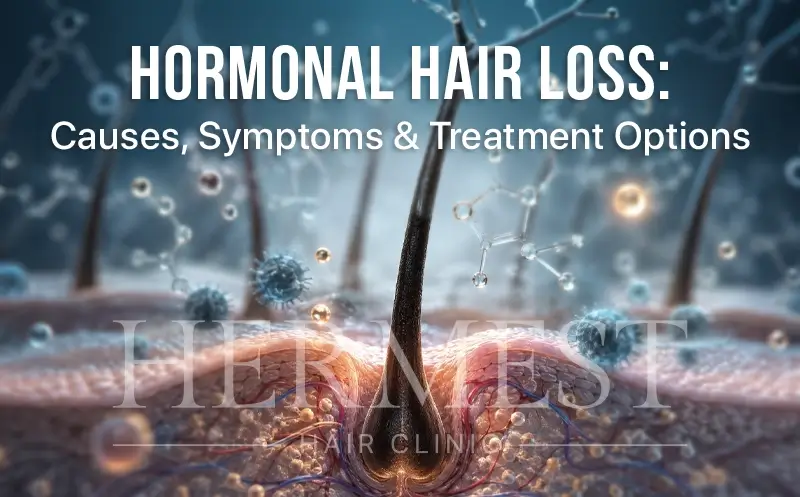
Hair loss rarely happens without a reason. Sometimes genetics play the biggest role. In other cases, the trigger may come from shifts happening inside the body. That is where hormonal hair loss becomes an important topic to understand.
Many people notice increased shedding in the shower. Others see a widening part, thinning crown, or a receding hairline that seems to appear gradually. Some experience sudden hair fall after pregnancy, during menopause, after stopping birth control, or following a thyroid diagnosis. The challenge is that different hormone-related conditions can produce very similar symptoms.
What makes the situation more confusing is that hormones are not always the direct cause. A person may have normal hormone levels on blood tests and still develop androgenetic alopecia due to genetic sensitivity to DHT. Another person may experience temporary shedding from a hormonal shift and recover naturally within several months.
According to the American Academy of Dermatology, hair loss can be linked to several medical conditions and hormonal changes, making proper diagnosis one of the most important steps before treatment decisions are made.
“One of the biggest mistakes we see is assuming all hormone-related hair loss is the same. Different causes require different treatment strategies. A patient with postpartum shedding needs a very different approach than someone experiencing progressive DHT-related miniaturization,” says Dr. Ahmet Murat.
Many focus exclusively on women. Others discuss only DHT and male pattern baldness. In reality, DHT hair loss, thyroid hair loss, PCOS hair loss, menopause hair loss, postpartum hair loss, and stress-related shedding all belong to a much larger picture.
This guide explains which hormones affect hair growth, how doctors identify the underlying cause, which treatments have scientific support, and when a hair transplant may become a suitable option. It will also help you understand whether your hair loss is temporary, progressive, or somewhere in between.
Quick Insights
- Hormonal hair loss can result from DHT sensitivity, thyroid disorders, PCOS, menopause, postpartum changes, stress, and other hormonal shifts.
- Temporary shedding conditions such as telogen effluvium often improve after the underlying trigger is addressed.
- Progressive conditions like androgenetic alopecia typically require ongoing treatment to preserve hair density.
- Blood tests can be helpful, but normal hormone levels do not automatically rule out hormone-related thinning.
- Hair transplantation may be highly effective for stable pattern hair loss, but active shedding should be properly evaluated before surgery is considered.
What Is Hormonal Hair Loss?
Hair growth depends on a delicate balance of biological signals. When those signals change, the hair cycle can change with them. That is why hormone-related thinning can appear suddenly in some people and gradually in others.
The term hair loss hormone imbalance describes hair shedding or follicle miniaturization linked to hormonal changes, hormonal sensitivity, or endocrine disorders. These changes can affect both men and women, although the patterns often look different.
Hormonal Shedding vs Hormone-Sensitive Follicles
Not every case follows the same pathway.
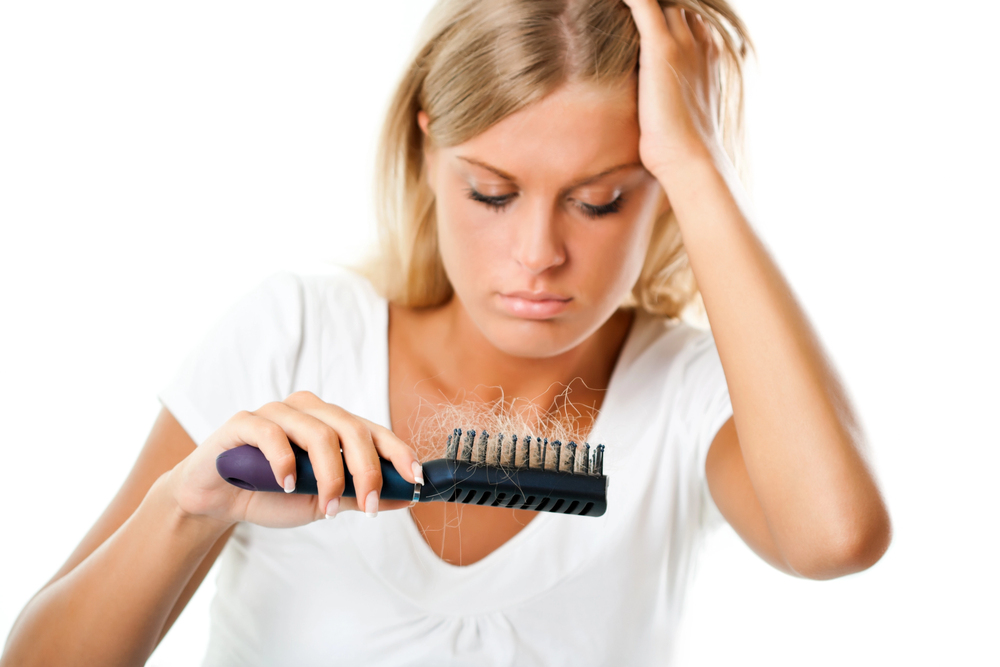
Some people experience excessive shedding after a hormonal event. Pregnancy, menopause, thyroid disorders, and certain medications can push more hairs into the resting phase. This often leads to a condition called telogen effluvium.
Others develop progressive thinning due to sensitivity to androgens such as DHT. In these cases, the follicles gradually shrink over time. This process is commonly seen in male pattern baldness and female pattern hair loss.
A key distinction exists here.
Shedding disorders often improve once the trigger is resolved. Follicle miniaturization usually requires ongoing management.
Why Normal Hormone Levels Can Still Cause Hair Loss
One of the most misunderstood aspects of hormonal hair loss is that blood test results may appear completely normal.
The issue is often sensitivity rather than quantity.
A person can have hormone levels within normal ranges yet possess follicles that react strongly to DHT. This explains why some individuals develop significant thinning even without detectable hormonal abnormalities.
“Patients frequently arrive expecting a single blood test to reveal the answer. Hair loss is often more complex. We evaluate medical history, scalp characteristics, family patterns, and follicle health before recommending treatment,” explains Dr. Ahmet Murat.
At Hermest, this distinction matters greatly when evaluating transplant candidates. Active hormonal shedding requires investigation first. Stable androgenetic alopecia may respond well to restoration procedures once progression is properly assessed.
Quick Answer
If you are wondering how to know if hair loss is hormonal, common clues include:
- Diffuse shedding across the scalp
- A widening part line
- Crown thinning
- Receding hairline
- Hair loss after pregnancy, menopause, or birth control changes
- Hair thinning associated with thyroid disease or PCOS
The next step is identifying which hormone pathway is involved. That determines whether recovery is likely to happen naturally or whether treatment may be needed.
Which Hormones Cause Hair Loss?
Hair follicles are surprisingly sensitive structures. They respond to signals from multiple hormones throughout the body. When those signals shift, hair growth can slow down, shedding can increase, or follicles can gradually shrink.
Understanding which hormones are involved helps explain why two people with seemingly similar symptoms may need completely different treatment plans.
DHT and Androgen Sensitivity
When discussing DHT hair loss, it is important to understand that DHT itself is not inherently harmful.
Dihydrotestosterone (DHT) is a natural hormone derived from testosterone. The problem arises when genetically susceptible hair follicles become overly sensitive to it.
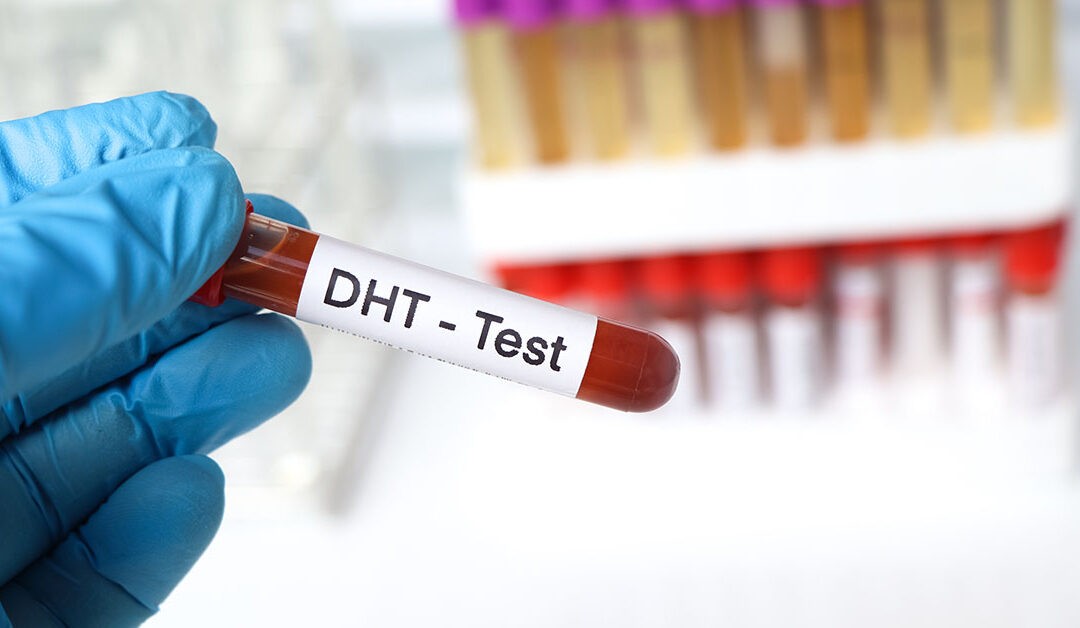
Over time, DHT shortens the growth phase of the hair cycle. Each new hair grows thinner than the one before. Eventually, some follicles stop producing visible hairs altogether.
This process drives most cases of androgenetic alopecia, including male pattern baldness and many cases of female pattern hair loss.
According to the American Academy of Dermatology, hereditary pattern hair loss remains the most common cause of progressive thinning in both sexes.
“The hormone itself is only part of the story. Genetics determine how strongly follicles respond to DHT. Two people with similar hormone levels can experience very different outcomes,” says Dr. Ahmet Murat.
Estrogen and Progesterone Changes
Estrogen helps support hair growth and prolong the active growth phase.
When estrogen levels fall, more follicles can enter the shedding phase.
This explains why many women notice increased hair thinning during:
- Perimenopause
- Menopause
- After childbirth
- After stopping hormonal contraception
A drop in estrogen does not always cause permanent loss. In many cases, hair density improves once hormonal balance stabilizes.
Thyroid Hormones
Both underactive and overactive thyroid conditions can affect hair growth.
Thyroid hair loss often presents as diffuse thinning across the entire scalp rather than a specific pattern. Thyroid disorders can disrupt normal follicle cycling and contribute to widespread shedding.
People may also notice symptoms such as:
- Fatigue
- Weight changes
- Dry skin
- Temperature sensitivity
- Brittle hair
These clues can help doctors distinguish thyroid-related shedding from classic pattern hair loss.
Cortisol and Stress-Related Shedding
Stress hormones deserve attention as well. Severe physical illness, surgery, emotional stress, rapid weight loss, or major life changes can trigger telogen effluvium.

In these cases, elevated stress responses push large numbers of follicles into the resting phase simultaneously.
The shedding often begins two to four months after the triggering event, making the connection difficult for many patients to recognize.
“Patients frequently focus on what happened last week. We often need to investigate events from several months earlier to identify the true trigger,” notes Dr. Ahmet Murat.
Insulin Resistance and PCOS
Women with PCOS hair loss often experience a combination of hormonal changes.
Insulin resistance can increase androgen activity, which may contribute to scalp thinning while increasing unwanted facial or body hair growth.
Common signs include:
- Irregular menstrual cycles
- Acne
- Weight gain
- Difficulty losing weight
- Scalp hair thinning
This is one reason doctors often evaluate metabolic health alongside hormone levels.
Prolactin and Less Common Hormonal Causes
Some cases involve less common endocrine disorders.
Elevated prolactin levels, adrenal gland disorders, and certain ovarian conditions may contribute to hair loss in specific situations.
These causes are far less common than DHT hair loss, thyroid dysfunction, menopause, or PCOS. Still, they may need investigation when symptoms do not fit typical patterns.
The challenge is that hormone-related hair loss rarely announces itself clearly. Many different pathways can produce similar thinning patterns. That is why identifying the root cause is often more important than choosing a treatment too early.
Symptoms of Hormonal Hair Loss in Men and Women
Many people expect hormone-related hair loss to be obvious. In reality, the early signs can be subtle and easy to dismiss.
You might notice extra hairs on your pillow. Your ponytail may feel thinner. Photos taken a year apart may reveal changes that were difficult to see day to day.
Recognizing these patterns early can make a significant difference. Some forms of hair loss respond well to treatment when addressed promptly. Waiting until large areas become visible often limits the available options.
Male Pattern Signs
In men, hormone-sensitive hair loss usually follows a predictable pattern.
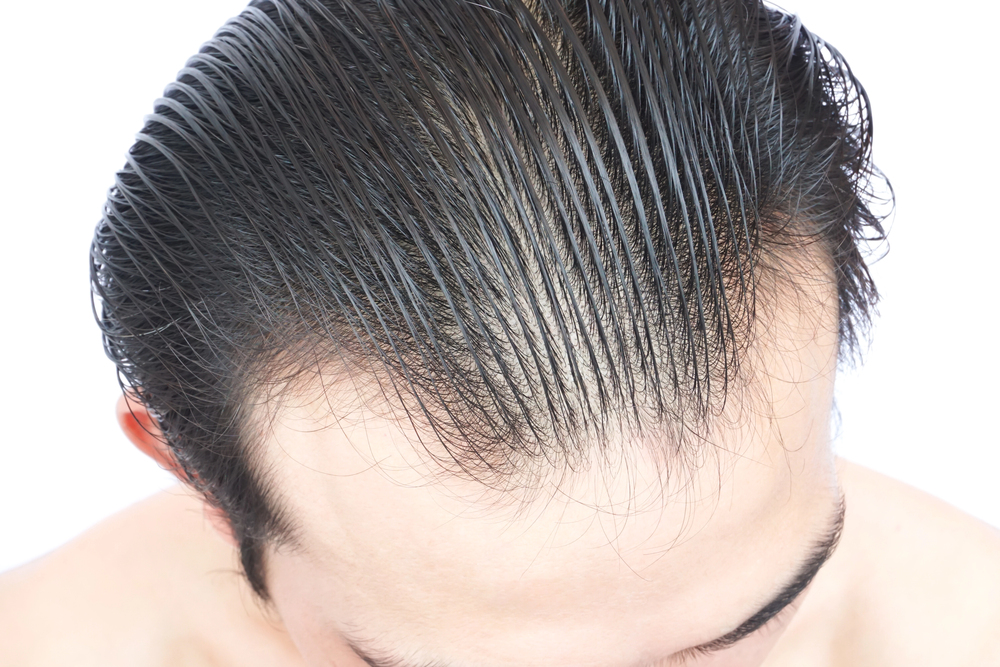
The process often begins at the temples or frontal hairline. Over time, the corners recede and create an M-shaped appearance. Crown thinning may develop simultaneously or several years later.
Common signs include:
- Receding hairline
- Temple recession
- Crown thinning
- Increased scalp visibility under bright light
- Finer and weaker hairs around affected areas
The progression is usually gradual. Many men notice changes over several years rather than months.
Female Pattern Signs
Women often experience a different presentation.
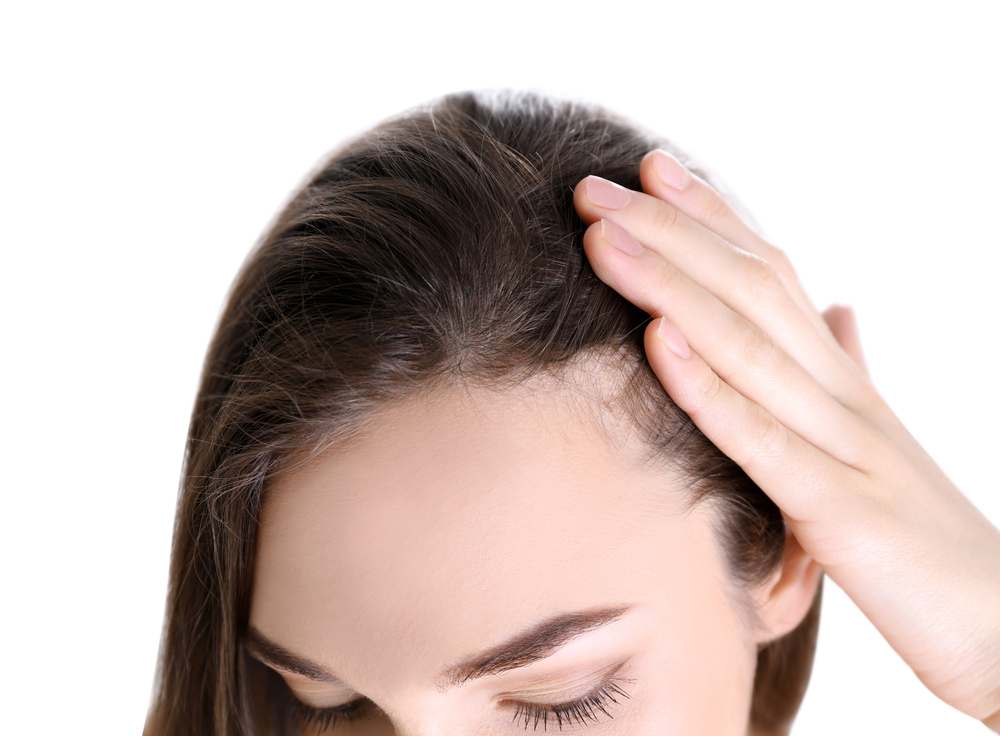
Instead of a receding hairline, female pattern hair loss typically causes diffuse thinning across the top of the scalp. The central part line becomes wider, and overall volume decreases.
Women frequently report:
- A widening part
- Reduced hair density
- Less volume when styling
- Increased scalp visibility
- Smaller ponytail circumference
Unlike men, many women maintain their frontal hairline even when significant thinning develops behind it.
Sudden Shedding Signs
Not all hormone-related hair loss progresses slowly.
Conditions such as postpartum hair loss, thyroid hair loss, medication changes, severe stress, and telogen effluvium can trigger noticeable shedding within a relatively short period.
You may see:
- Large amounts of hair during washing
- Excessive shedding when brushing
- Hair accumulating on clothing
- Increased hair fall throughout the day
This type of shedding often feels alarming, particularly when it begins suddenly.
“One of the first questions we ask patients is whether they are losing existing hairs or whether their hairs are becoming progressively thinner. Those are often two very different processes,” says Dr. Ahmet Murat.
Texture Changes and Eyebrow Thinning
Hair loss does not always start with visible bald spots.
Some hormonal conditions first affect hair quality.
People may notice:
- Finer hair strands
- Reduced growth rate
- Increased breakage
- Loss of shine
- Changes in texture
In cases involving thyroid dysfunction, eyebrow thinning can sometimes accompany scalp changes. Loss affecting the outer third of the eyebrows is a classic sign doctors often evaluate.
Signs That Should Not Be Ignored
Many competitor articles stop at common symptoms. What they often miss are the warning signs that point away from routine androgenetic alopecia.
You should seek medical evaluation if you notice:
- Patchy bald areas
- Scalp pain
- Burning sensations
- Persistent itching
- Redness or inflammation
- Rapid hair loss over weeks
According to the American Academy of Dermatology, some scarring forms of alopecia can permanently damage follicles if treatment is delayed.
“Progressive thinning and temporary shedding are common. Pain, inflammation, and scarring signs are different. Those patients should be evaluated as early as possible,” advises Dr. Ahmet Murat.
The next step is understanding what may be causing these symptoms. Hormonal changes are only one piece of the puzzle, and identifying the underlying trigger is where accurate diagnosis begins.
Common Causes of Hormonal Hair Loss
Hormone-related thinning is not a single condition. It is a broad category that includes several different disorders, life stages, and biological changes.
This is where many people become frustrated.
They search for one answer and discover dozens of possible explanations. The reality is that the same symptom, such as increased shedding or a widening part, can originate from very different causes.
Understanding the most common triggers helps narrow the possibilities and guides the next steps.
Androgenetic Alopecia
The most common cause of long-term hair thinning is androgenetic alopecia.
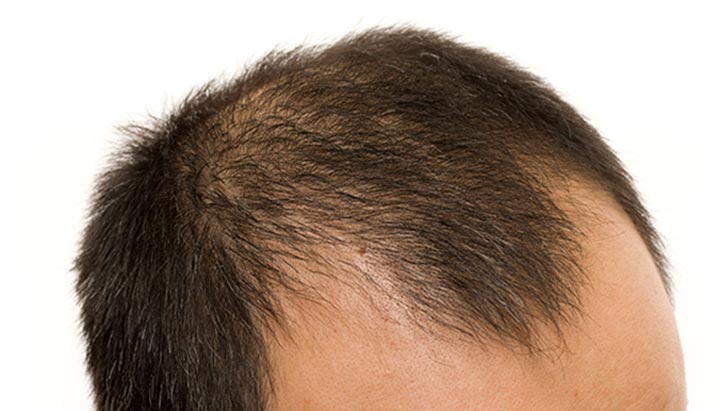
This condition develops when genetically susceptible follicles become sensitive to DHT. Over time, follicles gradually miniaturize and produce thinner, weaker hairs.
In men, this often appears as male pattern baldness with temple recession and crown loss.
In women, female pattern hair loss usually presents as diffuse thinning along the top of the scalp.
Unlike temporary shedding disorders, androgenetic alopecia tends to be progressive without treatment.
“When patients ask whether their hair will return naturally, the answer depends heavily on the diagnosis. Genetic pattern hair loss behaves very differently from temporary shedding conditions,” says Dr. Ahmet Murat.
PCOS
PCOS hair loss is one of the most common hormonal causes of thinning in younger women.
Polycystic ovary syndrome can increase androgen activity, leading to scalp hair loss while simultaneously increasing facial or body hair growth.
Women with PCOS may also experience:
- Irregular periods
- Acne
- Weight fluctuations
- Difficulty conceiving
- Insulin resistance
In many cases, hair thinning develops gradually and may resemble hereditary pattern loss.
Menopause and Perimenopause
Hormonal changes during menopause affect millions of women worldwide.
As estrogen and progesterone levels decline, hair growth cycles may shorten. Existing hairs can become finer, and overall density may decrease.
Many women notice:
- Reduced volume
- Increased scalp visibility
- Slower hair growth
- Thinner strands
Menopause-related thinning often overlaps with underlying genetic predisposition, making diagnosis more complex.
Pregnancy and Postpartum Hair Loss
Pregnancy usually increases hair retention. Many women enjoy thicker, fuller hair during this period.

Several months after delivery, the opposite often occurs.
Postpartum hair loss develops when a large number of follicles enter the resting phase simultaneously. The resulting shedding can feel dramatic.
According to the Cleveland Clinic, this form of shedding is typically temporary and often improves as the hair cycle normalizes.
“Postpartum shedding can be alarming, but it is one of the conditions where we frequently see significant recovery over time without surgical intervention,” explains Dr. Ahmet Murat.
Birth Control Changes
Hormonal contraceptives can influence hair growth in different ways.
Some formulations may help reduce androgen activity. Others may trigger shedding when started, changed, or discontinued.
This explains why hormonal hair loss after stopping birth control is a common search query among women experiencing unexpected thinning.
Thyroid Disease
Thyroid hair loss can occur with both hypothyroidism and hyperthyroidism.
Unlike classic pattern baldness, thyroid-related shedding often affects the entire scalp more uniformly.
Additional symptoms may include fatigue, weight changes, dry skin, mood changes, and temperature sensitivity.
Stress and Telogen Effluvium
One of the most overlooked causes is telogen effluvium.
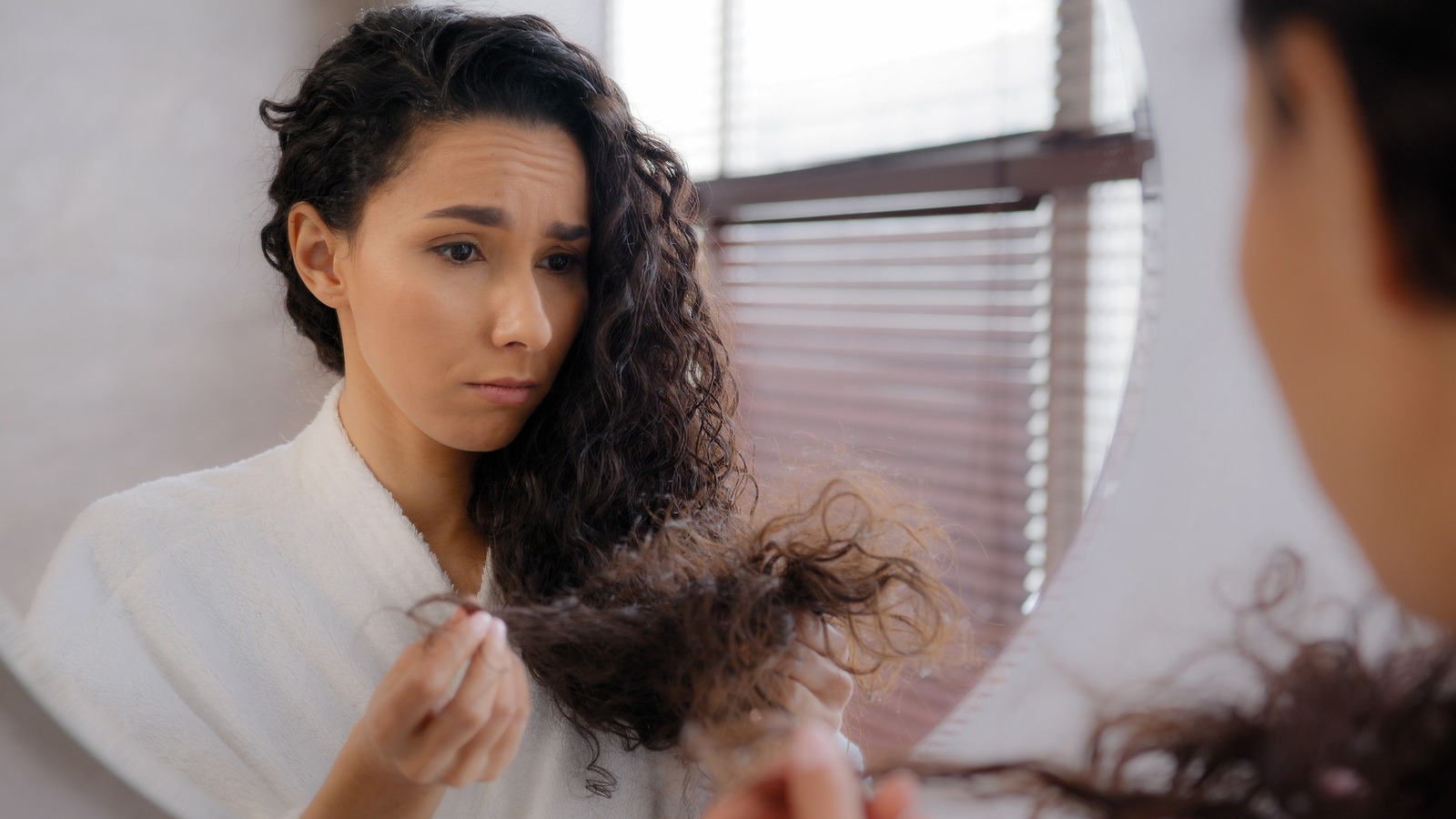
Major illness, surgery, rapid weight loss, severe emotional stress, or significant hormonal fluctuations can push large numbers of follicles into the resting phase.
The shedding usually begins several months after the triggering event.
This delayed timeline often causes confusion. Many patients focus on current circumstances and overlook events that occurred three or four months earlier.
The next question becomes even more important: how do doctors determine which of these causes is actually responsible for your hair loss? That answer starts with a detailed evaluation and, in some cases, targeted testing.
How Doctors Diagnose Hormonal Hair Loss
The biggest mistake many people make is trying to diagnose their own hair loss online.
A widening part can be caused by female pattern hair loss, thyroid disease, postpartum shedding, iron deficiency, or several other conditions. Looking at symptoms alone rarely tells the full story.
This is why experienced hair restoration specialists and dermatologists focus on identifying the underlying cause before discussing treatment options.
A proper diagnosis often saves patients months of frustration, unnecessary supplements, and ineffective treatments.
Scalp Examination and Trichoscopy
The diagnostic process usually begins with a detailed consultation and scalp assessment.
Doctors evaluate:
- Hair density
- Hairline changes
- Miniaturization patterns
- Shedding distribution
- Family history
- Recent medical events
A trichoscopy examination allows specialists to view follicles under magnification. This helps distinguish between androgenetic alopecia, telogen effluvium, inflammatory disorders, and other causes of thinning.
Miniaturized follicles often point toward DHT-related hair loss. Uniform shedding across the scalp may suggest a temporary shedding disorder instead.
“The scalp often tells a story long before blood work does. Trichoscopic examination helps us identify patterns that patients cannot see with the naked eye,” says Dr. Ahmet Murat.
At Hermest, scalp analysis forms an important part of evaluating both treatment candidates and prospective hair transplant patients.
Blood Tests That May Help
Many patients searching for what blood tests for hormonal hair loss expect one definitive result.
Unfortunately, hair loss rarely works that way.
Blood tests are valuable tools, but they must be interpreted alongside clinical findings.
Common investigations may include:
- TSH
- Free T3
- Free T4
- Ferritin
- Vitamin D
- Vitamin B12
- Complete blood count (CBC)
- Testosterone
- Free testosterone
- DHEA-S
- SHBG
- Prolactin
Women with suspected PCOS hair loss may require additional endocrine evaluation.
Patients experiencing thyroid hair loss often benefit from a comprehensive thyroid assessment rather than a single laboratory value.
Why Normal Results Do Not Rule Out Hair Loss
One of the most overlooked facts in online discussions is that normal blood tests do not automatically exclude hormone-related thinning.
A person with completely normal testosterone levels can still develop severe DHT hair loss.
The reason is simple.
The issue may lie within the follicle’s sensitivity to hormones rather than the hormone level itself.
This distinction explains why many individuals with hereditary hair loss show no significant abnormalities during routine testing.
“Patients are often surprised when laboratory results come back normal. In genetic hair loss, the follicles themselves may be the primary issue rather than hormone production,” explains Dr. Ahmet Murat.
When a Scalp Biopsy May Be Needed
Most patients never require a biopsy.
However, certain warning signs warrant additional investigation.
Doctors may consider a scalp biopsy when they observe:
- Scarring
- Persistent inflammation
- Rapid progression
- Unusual patchy loss
- Painful scalp symptoms
- Diagnostic uncertainty
According to the American Academy of Dermatology, early diagnosis is particularly important when scarring alopecia is suspected, since permanent follicle damage can occur if treatment is delayed.
Quick Answer: How Is Hormonal Hair Loss Diagnosed?
Doctors diagnose hormone-related hair loss through:
- Medical history review
- Scalp examination
- Trichoscopy
- Blood testing when appropriate
- Biopsy in selected cases
The goal is not simply confirming hair loss. The goal is determining whether the condition is temporary, progressive, hormone-sensitive, inflammatory, or linked to an underlying medical disorder.
Once the diagnosis is established, the next question becomes the one every patient wants answered: can hormonal hair loss grow back?
Can Hormonal Hair Loss Grow Back?
One of the most common questions patients ask is simple:
Can hormonal hair loss grow back?
The honest answer is that it depends entirely on the underlying cause.
Some forms of hormone-related shedding are temporary and highly reversible. Others involve progressive follicle miniaturization that requires long-term treatment. Understanding which category your hair loss falls into is one of the most important parts of diagnosis.
This is where many online articles oversimplify the issue.
Hair loss is rarely just “permanent” or “temporary”. There is often a spectrum between the two.
Temporary Shedding Often Improves
Many hormone-related shedding disorders have an excellent prognosis.
Conditions such as:
- Postpartum hair loss
- Certain cases of thyroid hair loss
- Stress-induced telogen effluvium
- Some medication-related shedding
can improve once the trigger is addressed.
Telogen effluvium frequently resolves after the underlying cause is corrected and normal hair cycling resumes. Patients often become discouraged during recovery because regrowth takes time. Hair follicles do not recover overnight.
In many cases:
- Shedding improves first
- New growth follows later
- Density gradually returns over several months
Patience becomes part of the treatment process.
Progressive Miniaturization Is Different
The situation changes when androgenetic alopecia is involved. In hereditary pattern hair loss, follicles become progressively smaller over time due to genetic sensitivity to DHT.
Without intervention, affected follicles may eventually stop producing visible hairs.
This is why male pattern baldness and female pattern hair loss often require ongoing management.
“Many patients wait until they have lost a significant amount of density. Earlier intervention usually provides more options and often leads to better long-term outcomes,” says Dr. Ahmet Murat.
The goal in these cases is often to slow progression, preserve existing hair, and stimulate healthier growth where possible.
Can Dormant Follicles Be Reactivated?
Sometimes. The answer depends on whether the follicle remains alive. A miniaturized follicle may still have the potential to produce thicker hair when treated appropriately.
A follicle that has been inactive for many years may have far less recovery potential. This is one reason specialists evaluate the scalp carefully before recommending treatments.
The appearance of the scalp alone does not always reveal how much follicular activity remains beneath the surface.
Factors That Influence Recovery
Several variables affect whether regrowth is possible:
- Cause of hair loss
- Duration of thinning
- Age of the patient
- Genetic factors
- Overall health
- Hormonal stability
- Early treatment initiation
Patients who seek evaluation sooner often have more opportunities to preserve existing hair.
When Hair Transplant Becomes Part of the Solution
Many people searching is hormonal hair loss permanent assume a transplant is always the answer.
That is not necessarily true.
Temporary shedding disorders generally do not require surgery.
On the other hand, stable DHT hair loss with permanent follicle loss may be an excellent candidate for restoration.
“A hair transplant does not stop active hormonal shedding. The first step is identifying the cause and stabilizing the condition. Once that foundation is established, surgical restoration can produce highly natural results,” explains Dr. Ahmet Murat.
Quick Answer: Can Hormonal Hair Loss Grow Back?
Yes, some forms can. Conditions such as postpartum hair loss, telogen effluvium, and certain thyroid-related shedding disorders often improve after the trigger is corrected.
Progressive conditions such as androgenetic alopecia typically require ongoing treatment to maintain and improve hair density.
The next step is understanding which treatments actually work and which popular solutions often fail to deliver meaningful results.
Hormonal Hair Loss Treatment Options
Once the cause has been identified, treatment becomes much more straightforward. This is where many patients waste valuable time.
They try supplements recommended on social media. They buy expensive shampoos. They switch products repeatedly. Yet the underlying issue often remains untouched.
The reality is simple. The best hormonal hair loss treatment depends on what is causing the problem in the first place.
A treatment that works for DHT hair loss may do very little for thyroid hair loss. Likewise, a patient recovering from postpartum hair loss requires a different strategy than someone with long-term androgenetic alopecia.
Treating the Underlying Condition
Hair follicles respond to the body’s internal environment.
If a hormonal disorder is present, addressing it often becomes the first priority.
Depending on the diagnosis, treatment may involve:
- Managing thyroid disease
- Treating PCOS
- Adjusting medications
- Addressing nutritional deficiencies
- Improving metabolic health
- Managing chronic stress
According to the American Academy of Dermatology, successful treatment often starts with identifying and correcting the underlying trigger rather than focusing exclusively on the hair itself.
Minoxidil
Minoxidil remains one of the most widely used treatments for pattern hair loss. It can help extend the growth phase of the hair cycle and improve follicular activity in suitable candidates.

Both men and women may benefit from minoxidil when recommended by their physician.
Patients should understand one important point.
Results take time.
Visible improvements often require several months of consistent use.
Temporary shedding during the early stages can also occur as follicles transition into new growth cycles.
“One reason patients stop treatment too early is unrealistic expectations. Hair follicles operate slowly. Consistency is often more important than speed,” says Dr. Ahmet Murat.
Finasteride and DHT Blockers
For men with male pattern baldness, DHT reduction remains one of the most effective evidence-based approaches.
Finasteride works by reducing the conversion of testosterone into DHT.
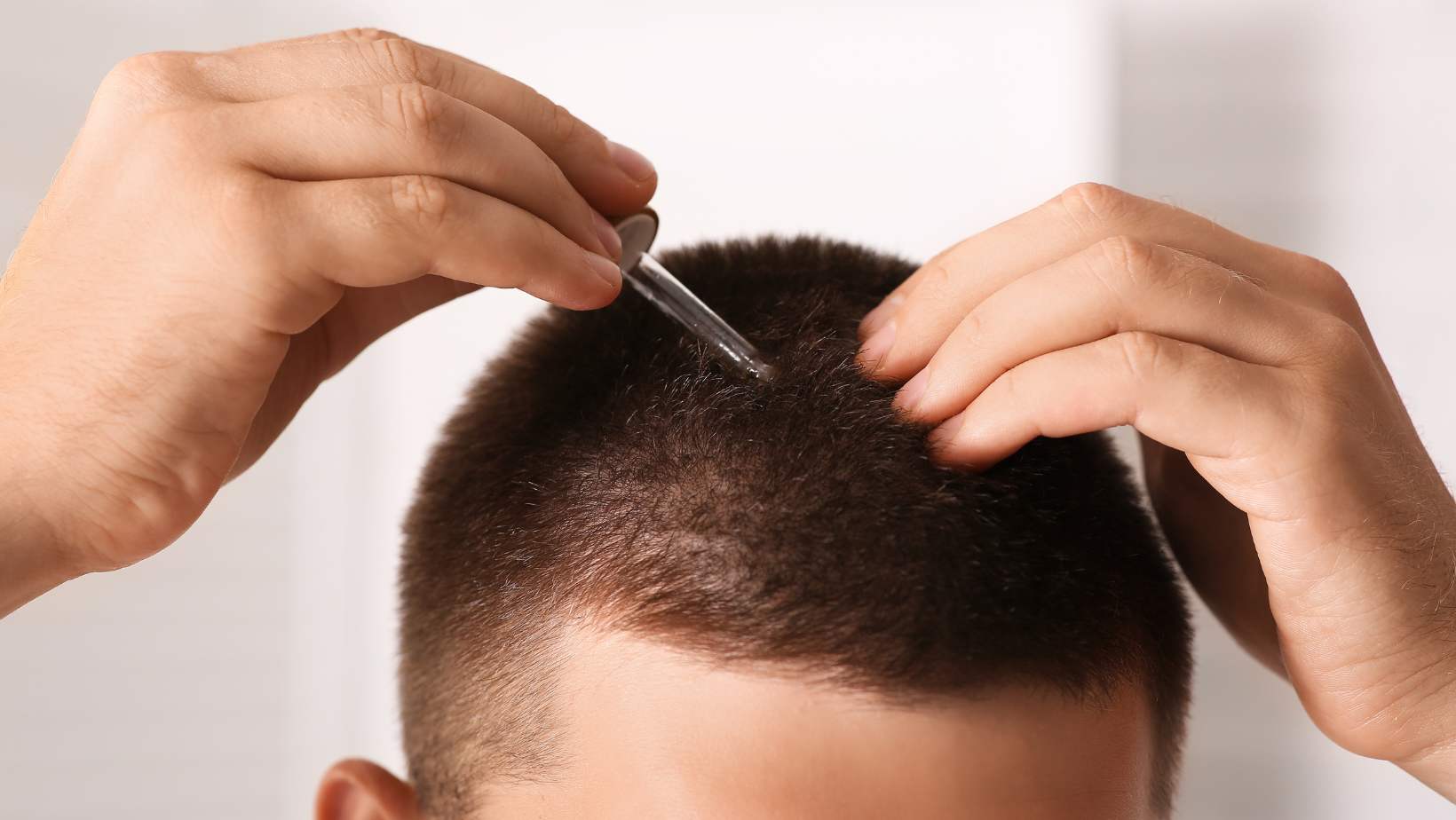
This helps slow follicular miniaturization and can preserve existing hair.
Patients often search:
- best treatment for hormonal hair loss
- does high testosterone cause hair loss
- is DHT hair loss permanent
The important distinction is that DHT sensitivity, rather than testosterone levels alone, drives most hereditary pattern hair loss.
Treatment decisions should always be individualized and discussed with a qualified physician.
Spironolactone for Women
Women with androgen-related thinning may benefit from medications that help reduce androgen effects at the follicle level.
Spironolactone is commonly used in selected female patients, particularly those experiencing PCOS hair loss or signs of androgen excess.
Treatment suitability depends on age, medical history, pregnancy considerations, and overall health.
PRP and Supportive Therapies
Platelet-rich plasma (PRP) has gained attention as a supportive treatment for certain forms of hair loss. PRP uses growth factors derived from the patient’s own blood to support follicular function.
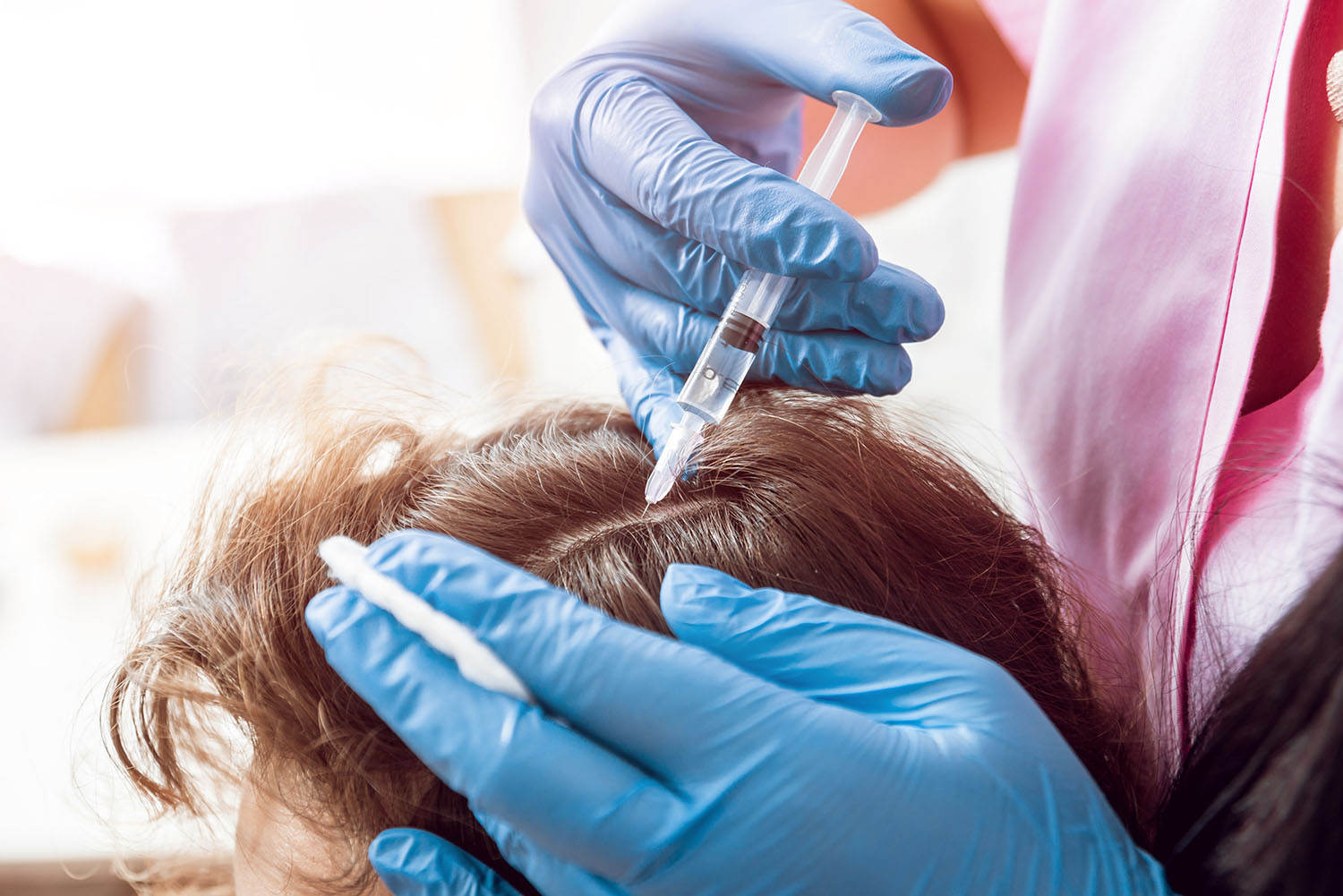
Research continues to evolve, but many specialists use PRP as part of a broader treatment plan rather than as a standalone solution.
At Hermest, supportive therapies may be considered alongside medical management when appropriate for the individual patient.
“The most successful outcomes usually come from combining the right diagnosis with the right treatment strategy. There is rarely a universal solution that works for every patient,” explains Dr. Ahmet Murat.
Supplements Only When Deficiencies Exist
This is an area where misinformation is common. Many patients assume vitamins will solve hormone-related thinning.

In reality, supplementation is most useful when testing confirms a deficiency.
Common deficiencies that may contribute to shedding include:
- Iron deficiency
- Vitamin D deficiency
- Vitamin B12 deficiency
- Protein deficiency
Taking large amounts of supplements without medical guidance rarely addresses the true cause of hair loss hormone imbalance.
Quick Answer: What Is the Best Treatment for Hormonal Hair Loss?
The best treatment depends on the cause.
Temporary shedding may improve after correcting hormonal or medical triggers. Progressive androgenetic alopecia often responds to treatments such as minoxidil, finasteride, selected anti-androgen therapies, PRP, and long-term hair preservation strategies.
For patients who have already experienced permanent follicle loss, restoration procedures may become part of the discussion. That raises another important question: when is a hair transplant suitable for hormonal hair loss?
When Is Hair Transplant Suitable for Hormonal Hair Loss?
A hair transplant can produce life-changing results for the right candidate. For the wrong candidate, it can lead to disappointment.
This is why responsible hair restoration specialists spend considerable time determining whether surgery is actually appropriate before discussing graft numbers or hairline designs.
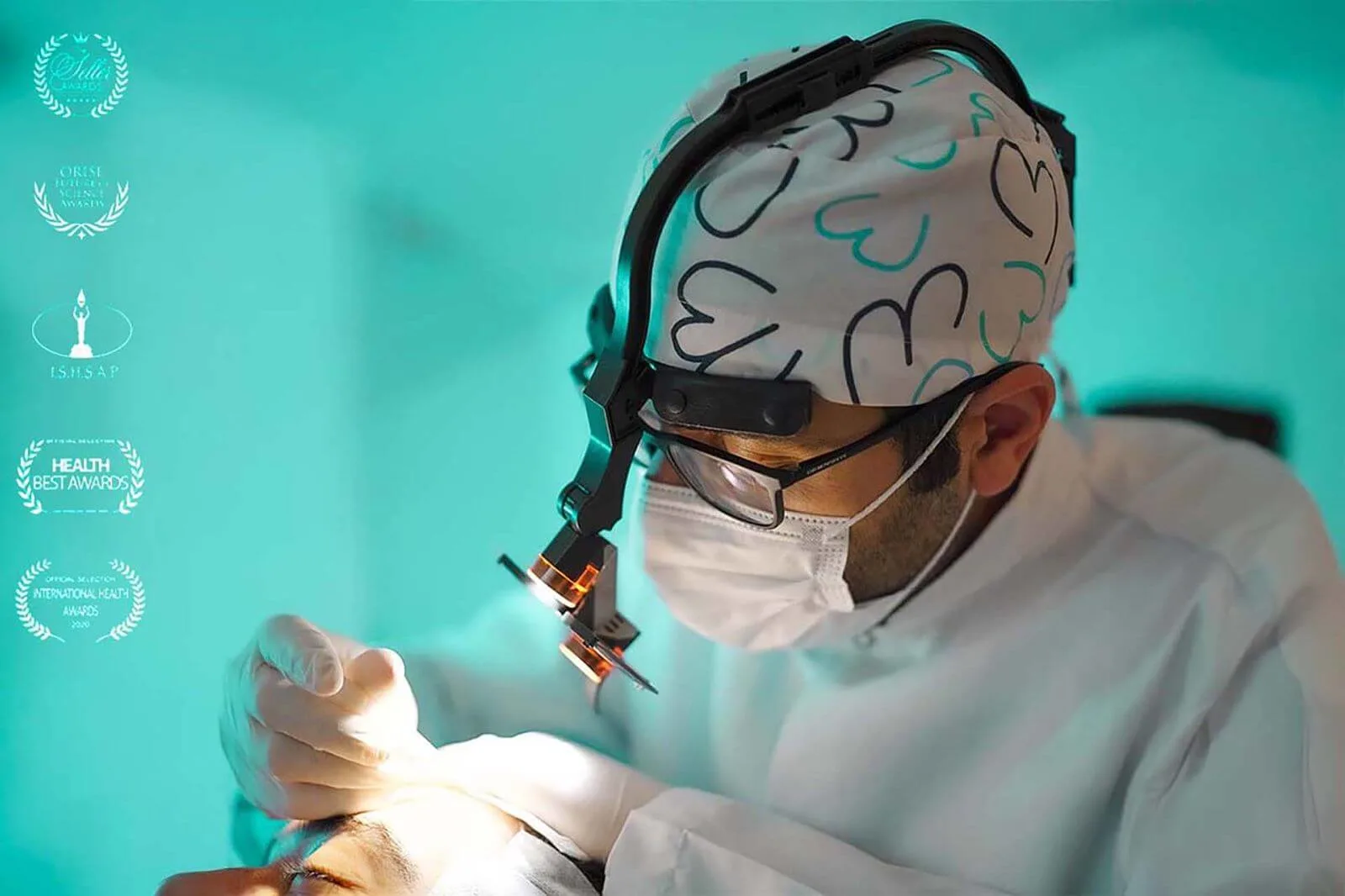
Many patients searching for hair transplant for hormonal hair loss assume every type of thinning can be fixed surgically.
Unfortunately, that is not always the case.
The underlying diagnosis matters just as much as the procedure itself.
Best Candidates for Hair Restoration
Generally speaking, hair transplantation works best when hair loss has become relatively stable and permanent.
The strongest candidates often include:
- Men with established androgenetic alopecia
- Women with stable female pattern hair loss
- Patients with adequate donor hair reserves
- Individuals whose underlying medical conditions are controlled
In these situations, transplantation can redistribute healthy follicles from donor areas that are genetically resistant to DHT.
Those transplanted follicles typically retain their characteristics after relocation.
When It Is Better to Wait
Not every patient should proceed immediately.
Hair transplantation may need to wait if the patient is experiencing:
- Active telogen effluvium
- Uncontrolled thyroid disease
- Untreated PCOS hair loss
- Significant hormonal instability
- Rapid unexplained shedding
- Certain inflammatory scalp disorders
“A transplant should never be used as a shortcut around diagnosis. If active shedding is still occurring, our first responsibility is identifying and addressing the cause,” says Dr. Ahmet Murat.
At Hermest, patients undergo detailed assessment before surgery is considered. In many cases, stabilizing the condition first leads to better long-term outcomes.
FUE, Sapphire FUE, and DHI Options
Once a patient becomes a suitable candidate, several modern techniques may be considered.
The most commonly performed procedures include:
FUE (Follicular Unit Extraction)
In FUE, individual follicular units are extracted and transplanted into thinning areas.
A variation of FUE that uses sapphire blades during recipient site creation. This allows precise incision planning and natural density distribution.
DHI (Direct Hair Implantation)
In DHI, follicles are implanted using specialized implantation tools that provide precise placement control.
The best approach depends on:
- Hair characteristics
- Degree of loss
- Donor quality
- Hairline goals
- Available density
Why Donor Stability Matters
A successful transplant depends on more than moving follicles.
The donor area must remain strong enough to support both current and future needs.
This is particularly important for younger patients whose DHT hair loss may continue progressing over time.
“We always think beyond today’s result. Hair restoration planning should account for how the patient may look five, ten, or even fifteen years later,” explains Dr. Ahmet Murat.
This long-term approach helps create results that remain natural as the patient ages.
Hair Transplant Does Not Replace Medical Management
Another common misconception is that surgery eliminates the need for treatment.
In reality, transplantation addresses areas where follicles have already been lost.
It does not stop ongoing miniaturization in surrounding native hairs.
For many patients with male pattern baldness or female pattern hair loss, long-term medical management remains an important part of preserving overall density.
Quick Answer: Can You Get a Hair Transplant for Hormonal Hair Loss?
Yes, but only in selected cases.
Hair transplantation is often effective for stable androgenetic alopecia and permanent follicle loss. Patients experiencing active hormonal shedding, uncontrolled endocrine disorders, or temporary forms of hair loss usually require diagnosis and treatment before surgery is considered.
Just as important as knowing when surgery helps is understanding what mistakes can make hair loss worse. Many patients unknowingly delay recovery by following advice that sounds convincing but lacks scientific support.
What Not to Do If You Suspect Hormonal Hair Loss
When people notice thinning hair, they often want answers immediately. That urgency is understandable.
Hair plays a major role in confidence, self-image, and daily life. The problem is that urgency can lead to poor decisions. Many patients spend months or even years following advice that sounds logical but does little to address the real cause.
In our experience, avoiding the wrong steps is often just as important as choosing the right treatment.
Do Not Self-Diagnose Through Social Media
Hair loss content has exploded across social media platforms.
Some information is helpful. Much of it is not.
Two people can have nearly identical symptoms and completely different diagnoses. A widening part may indicate female pattern hair loss, thyroid hair loss, PCOS hair loss, or even temporary telogen effluvium.
Relying on videos, influencers, or anecdotal stories can easily lead patients down the wrong path.
“Hair loss diagnosis is rarely based on a single symptom. We look at scalp findings, medical history, progression patterns, and sometimes laboratory testing before recommending treatment,” says Dr. Ahmet Murat.
Do Not Assume Every Case Is Caused by Hormones
Another common mistake is assuming that every shedding episode must be hormonal.
Hair loss may also be linked to:
- Nutritional deficiencies
- Autoimmune disorders
- Medications
- Severe illness
- Scalp diseases
- Genetic factors
Hormones may play a role, but they are not always the primary cause.
This is one reason why proper evaluation remains so valuable.
Do Not Depend on “Hormone Balance” Supplements
Many products promise to restore hormonal harmony and regrow hair naturally.
Most provide little evidence to support those claims.
Some patients spend substantial amounts of money on supplements without ever identifying whether a hormone-related problem exists.
According to the American Academy of Dermatology, treatment should focus on the underlying cause rather than generalized wellness claims.
If deficiencies such as iron, vitamin D, or vitamin B12 are present, supplementation may help. If deficiencies are absent, benefits are often limited.
Do Not Ignore Rapid Changes
Gradual thinning often points toward androgenetic alopecia.
Rapid changes deserve attention.
Seek medical evaluation if you notice:
- Sudden excessive shedding
- Patchy bald areas
- Scalp pain
- Burning sensations
- Persistent itching
- Visible inflammation
- Eyebrow loss
These symptoms may indicate conditions that require medical treatment rather than routine hair loss management.
Do Not Rush Into Surgery
This is a topic many competitor articles avoid.
A hair transplant should not be the first solution for every patient experiencing thinning.
Active postpartum hair loss, uncontrolled thyroid disease, and ongoing telogen effluvium often improve without surgery once the underlying trigger is addressed.
“One of the most important parts of ethical hair restoration is knowing when not to operate. Proper timing can make a tremendous difference in long-term results,” explains Dr. Ahmet Murat.
At Hermest, determining whether surgery is appropriate is part of the consultation process, not an afterthought.
When to See a Doctor or Hair Restoration Specialist
Many people wait longer than they should before seeking help.
They hope the shedding will stop on its own. They change shampoos, try supplements, or convince themselves the problem is temporary. Sometimes they are right.
Sometimes they are not.
The challenge is knowing the difference.
Hair loss is often easier to manage during the early stages. Once significant follicle miniaturization occurs, restoring density becomes more difficult. That is why timely evaluation can make a meaningful difference.
Shedding That Lasts Longer Than Expected
Temporary shedding disorders do occur.
For example, postpartum hair loss and many cases of telogen effluvium may improve naturally after the triggering event has passed.
However, persistent shedding deserves attention.
If excessive hair fall continues for more than three to six months, professional assessment is usually worthwhile.
Long-lasting shedding can sometimes indicate:
- Ongoing hormonal imbalance
- Thyroid dysfunction
- Nutritional deficiencies
- Chronic stress triggers
- Early androgenetic alopecia
Identifying the cause early often prevents unnecessary progression.
Your Hairline or Crown Keeps Getting Thinner
Gradual changes are easy to overlook.
Many patients only notice the extent of their thinning after comparing photographs taken several years apart.
You should consider an evaluation if you observe:
- Progressive temple recession
- Crown thinning
- A widening part line
- Increased scalp visibility
- Reduced hair density year after year
These signs commonly appear in male pattern baldness and female pattern hair loss, both of which tend to worsen over time without intervention.
“One of the advantages of early assessment is preserving existing hair. It is often easier to protect follicles that are still functioning than to replace follicles that have already disappeared,” says Dr. Ahmet Murat.
Hormonal Symptoms Accompany the Hair Loss
Hair changes rarely occur in isolation.
Certain symptoms may point toward an underlying endocrine issue that deserves further investigation.
Examples include:
- Irregular menstrual cycles
- Acne
- Increased facial hair growth
- Unexplained weight changes
- Persistent fatigue
- Heat or cold intolerance
- Fertility concerns
These symptoms can sometimes be associated with PCOS hair loss, thyroid hair loss, or other hormone-related conditions.
A medical evaluation can help determine whether further testing is needed.
Before Considering a Hair Transplant
Many patients begin researching surgery before obtaining a diagnosis.
That sequence should ideally be reversed.
The most successful transplant outcomes occur when the underlying condition is clearly understood and reasonably stable.
At Hermest, transplant planning starts with understanding:
- The cause of hair loss
- Current progression rate
- Donor area quality
- Future hair loss risk
- Long-term expectations
“A successful transplant is not simply about adding grafts. It is about creating a result that still looks natural many years from now,” explains Dr. Ahmet Murat.
This long-term perspective helps avoid overharvesting and supports sustainable results.
FAQs About Hormonal Hair Loss
Hormonal hair loss refers to hair thinning or excessive shedding linked to hormonal changes, hormone sensitivity, or endocrine disorders. Common causes include DHT hair loss, menopause, pregnancy, postpartum hormone shifts, thyroid disease, and PCOS hair loss. The condition can affect both men and women, though the pattern and progression often differ depending on the underlying cause.
Ready to Find Out What’s Really Causing Your Hair Loss?
Hair loss caused by hormones can be frustrating, confusing, and emotionally draining. The good news is that effective treatment starts with an accurate diagnosis.

At Hermest Hair Clinic, Dr. Ahmet Murat and his team take a personalized approach to every patient. Through detailed scalp analysis, medical history evaluation, and advanced hair restoration planning, we identify whether your thinning is linked to androgenetic alopecia, DHT hair loss, PCOS hair loss, thyroid hair loss, menopause, postpartum changes, or another underlying cause.
“Successful treatment begins with understanding why the hair loss is happening. Once we identify the cause, we can create a strategy that protects existing hair and restores lost density when appropriate,” says Dr. Ahmet Murat.
Whether you need medical treatment, hair preservation strategies, PRP therapy, or advanced restoration with Hermest’s proprietary UNIQUE FUE® technique, our goal is to help you achieve natural-looking, long-lasting results.
Schedule your consultation with Hermest Hair Transplant Clinic today and take the first step toward healthier, fuller hair with a treatment plan tailored to your specific condition and goals.