
Can Spironolactone Cause Hair Loss? What You Need to Know
 ChatGPT
 Claude
 Perplexity
 Grok
Grok
 Gemini

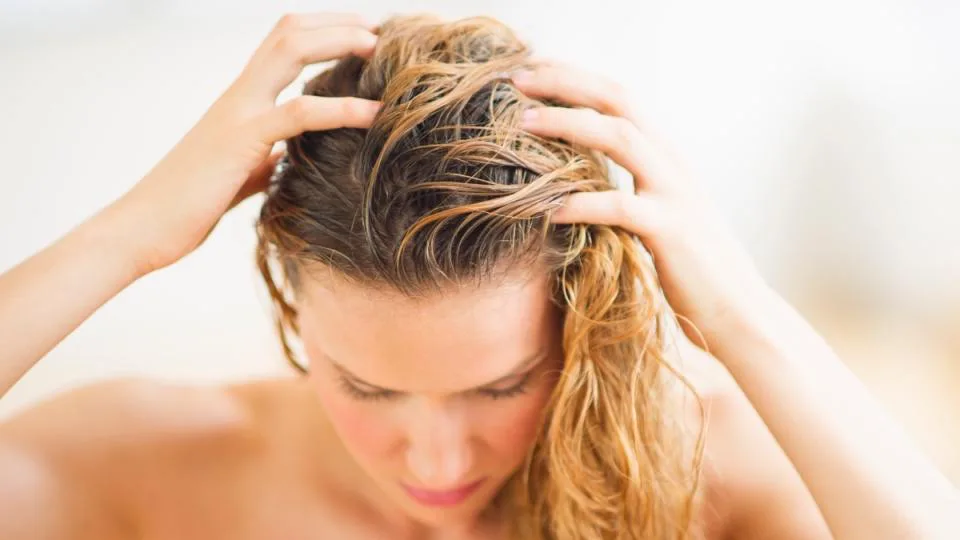
Spironolactone is commonly prescribed for conditions such as hormonal acne, polycystic ovary syndrome (PCOS), high blood pressure, and even hair loss. However, many people worry: Can spironolactone cause hair loss?
While spironolactone is often used as a treatment for female pattern hair loss, some individuals experience spironolactone hair shedding when they start the medication. This article explores the connection between spironolactone and hair loss, explains potential spironolactone hair side effects, and provides guidance on what to do if you notice excessive shedding.
Quick Insights
- Spironolactone does not cause permanent hair loss but may lead to temporary shedding as the body adjusts.
- Initial shedding typically lasts 2-4 months before stabilizing, after which hair regrowth improves.
- Stopping spironolactone can cause temporary hair loss as androgen levels rise again, but hair should recover over time.
- Spironolactone is effective for hormonal hair loss and works best when combined with Minoxidil, PRP therapy, or DHT-blocking shampoos.
- Most people see results within 6-12 months, with full benefits appearing after a year of consistent use.
Can Spironolactone Cause Hair Loss?
Spironolactone does not cause permanent hair loss, but some individuals experience temporary shedding during the first 2-4 months as the body adjusts to hormonal changes. This shedding phase is normal and often followed by hair regrowth over time. Spironolactone is commonly prescribed for hormonal hair loss and female pattern baldness, as it helps reduce DHT levels and prevents further thinning. If excessive shedding persists beyond six months, consulting a doctor is recommended to explore alternative treatments.
How Does Spironolactone Work and Affect Hair Growth?
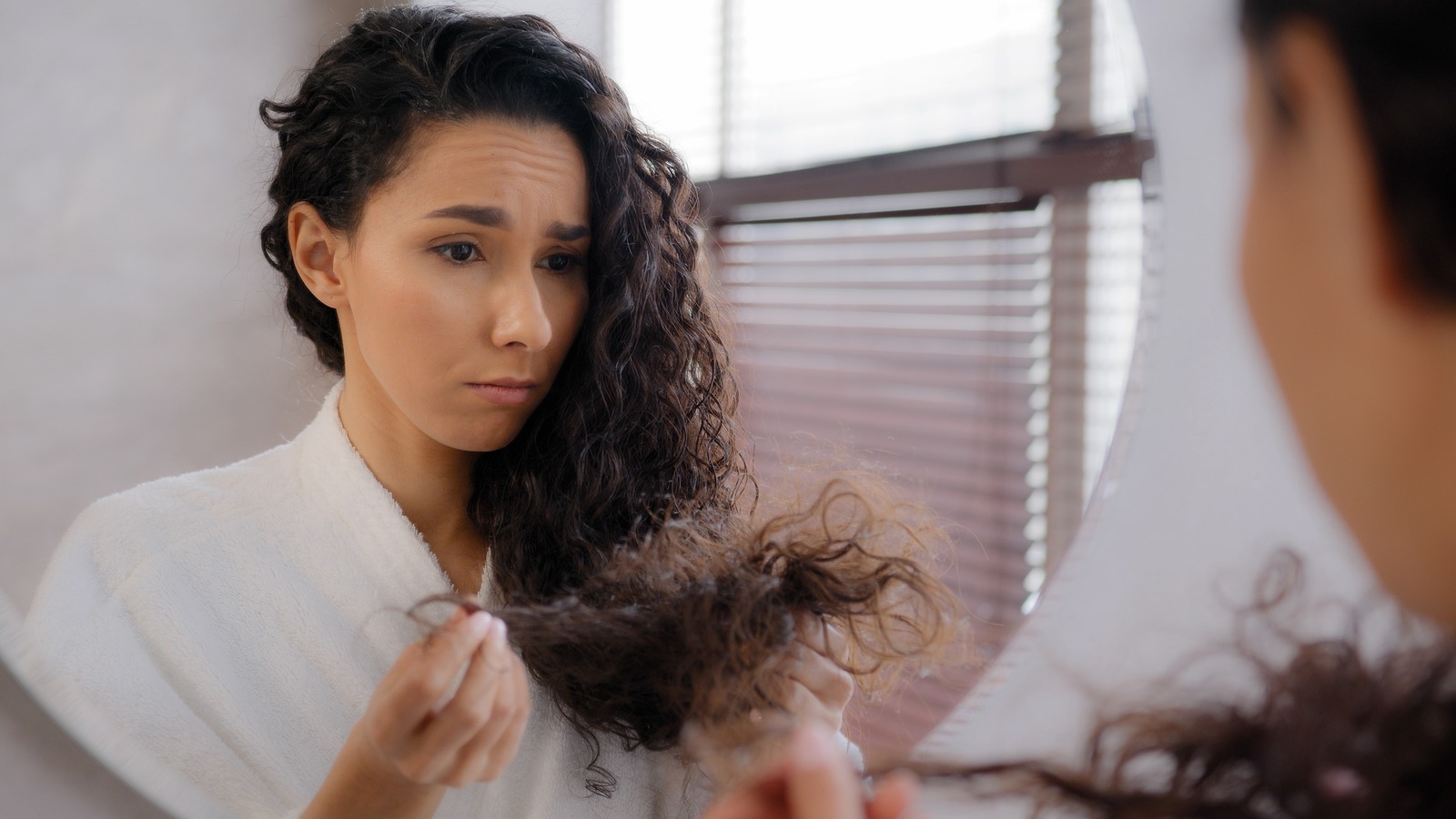
Spironolactone is a potassium-sparing diuretic that also works as an anti-androgen. Androgens like dihydrotestosterone (DHT) play a significant role in androgenetic alopecia (female pattern hair loss).
How Spironolactone Affects Hair Growth:
✔ Reduces DHT levels, preventing miniaturization of hair follicles.
✔ Blocks androgen receptors, reducing the impact of male hormones on hair thinning.
✔ Promotes hair regrowth in women with hormonal hair loss or PCOS-related hair thinning.
Does spironolactone cause hair thinning? In some cases, people experience temporary shedding as hair follicles adjust to hormonal changes. However, for most individuals, spironolactone improves hair thickness over time.
Spironolactone and Hair Loss: Shedding vs. Permanent Thinning

Some individuals notice spironolactone hair shedding after starting the medication. This can be alarming, but it is often a temporary phase.
Why Does Spironolactone Cause Hair Shedding?
✔ Adjustment Phase: The body responds to hormonal shifts, leading to temporary shedding.
✔ Increased Hair Turnover: Old, weak hairs are pushed out as new, stronger hairs grow in.
✔ Spironolactone shedding phase duration: Typically lasts 2-4 months before stabilizing.
Spironolactone Hair Shedding vs. Permanent Hair Loss
❌ Temporary Shedding: Expected in the first few months but improves with time.
❌ Permanent Hair Loss: Rare unless caused by underlying medical conditions.
If shedding persists beyond six months, consult a doctor to rule out other causes of hair loss.
Can Stopping Spironolactone Cause Hair Loss?
Some people experience hair loss from spironolactone withdrawal after stopping the medication. This happens because:
✔ Androgen levels increase again, potentially accelerating hair thinning.
✔ The body readjusts to hormone fluctuations, causing a temporary shedding phase.
What to Do If Spironolactone Is Causing Hair Loss?
- Continue taking the medication as prescribed unless otherwise advised by a doctor.
- Support hair health with biotin, iron, and vitamin D supplements.
- Use gentle hair care products to reduce breakage.
- Consider Minoxidil (Rogaine) or PRP therapy to enhance regrowth.
Spironolactone for Hair Loss: Does It Work?
Despite initial hair shedding, spironolactone is widely used as a treatment for female pattern baldness and hormonal hair loss.
✔ Spironolactone for thinning hair can help prevent further hair loss by blocking androgens.
✔ It is commonly prescribed for women with PCOS, postpartum hair loss, or hormonal imbalances.
✔ Works best when combined with Minoxidil or other hair regrowth treatments.
How long does spironolactone take to work for hair loss?
Most people notice improvements within 6-12 months, with full effects visible after one year.
Best Treatments to Combine with Spironolactone for Hair Growth
For better results, spironolactone can be combined with:
✔ Minoxidil (Rogaine): Stimulates hair follicles for faster growth.
✔ PRP Therapy: Platelet-Rich Plasma injections enhance hair regeneration.
✔ Low-Level Laser Therapy: Promotes thicker hair growth.
✔ DHT-Blocking Shampoos: Prevents further hair loss.
These treatments maximize hair regrowth potential, especially for those with hormonal hair loss.
FAQs
Spironolactone is primarily prescribed for conditions such as high blood pressure, heart failure, hormonal acne, and polycystic ovary syndrome (PCOS). It is also used as an anti-androgen medication to help women experiencing hormonal hair loss or conditions like hirsutism (excess facial and body hair growth).
Final Thoughts: Is Spironolactone a Good Option for Hair Regrowth?
Spironolactone is effective for treating hair loss in women with hormonal imbalances, despite the initial shedding phase. If you’re experiencing persistent hair thinning, consult a dermatologist or trichologist to explore personalized treatment options.
Key Takeaways:
✔ Spironolactone does not cause permanent hair loss.
✔ Initial shedding is temporary and stabilizes within a few months.
✔ Stopping spironolactone can lead to temporary hair loss due to hormonal changes.
✔ Combining spironolactone with Minoxidil or PRP therapy improves results.
If you’re considering spironolactone for hair loss, consult a professional to determine if it’s the right option for you!