

Does Radiotherapy Cause Hair Loss? Hair Loss from Radiation Explained
 ChatGPT
 Claude
 Perplexity
 Grok
Grok
 Gemini

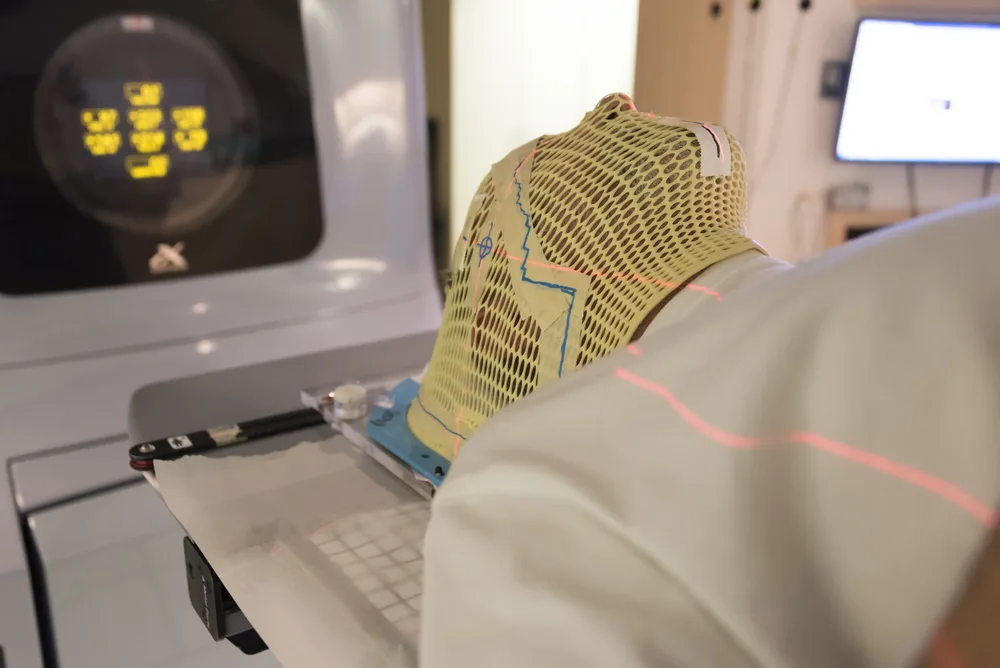
Patients starting cancer treatment often ask one question early: does radiotherapy cause hair loss? The answer is yes, but the pattern differs from chemotherapy. Radiation therapy hair loss usually occurs only in the area being treated, not across the entire scalp or body.
Radiotherapy works by directing high-energy radiation at cancer cells. These beams damage rapidly dividing cells so tumors shrink or stop growing. Hair follicles contain rapidly dividing cells too. When radiation reaches follicles in the treatment field, hair loss after radiotherapy can occur.
The effect depends heavily on where the radiation is delivered. According to the National Cancer Institute, hair loss from radiation typically happens only on the part of the body receiving treatment. For example, brain radiotherapy may cause scalp hair loss, while chest radiation may cause temporary loss of chest hair.
Hair shedding does not usually happen immediately. It often begins two to three weeks after treatment starts, as follicles become damaged during therapy. Sources such as Cancer Research UK explain that hair may fall out in the treatment zone and sometimes at the exit point of the radiation beam.
Dr. Ahmet Murat explains:
“Radiotherapy hair loss is different from chemotherapy. The hair loss usually appears exactly where radiation passes through the scalp or skin.”
For many patients, the biggest concern is whether the hair will grow back. The answer depends on radiation dose and treatment location. In many cases, hair regrows months after treatment ends. With higher doses, the loss may become permanent.
In this guide we explain radiotherapy hair loss, when it begins, whether it grows back, and how patients can manage scalp changes during treatment.
Quick Insights
- Radiotherapy can cause hair loss, but usually only in the treated area.
- Radiotherapy hair loss is different from chemotherapy hair loss.
- Hair typically falls out 2–3 weeks after treatment begins.
- Hair loss usually appears in the radiation treatment field.
- Some patients experience entry and exit site hair loss.
- Hair often begins growing back 3–6 months after treatment ends.
- Regrown hair may be thinner, patchy, or a different texture.
- Higher radiation doses increase the risk of permanent hair loss.
- Gentle scalp care helps reduce discomfort during treatment.
- Medical guidance is important if hair does not regrow after several months.
Does radiotherapy cause hair loss?
Yes. Radiotherapy can cause hair loss, but it usually affects only the area exposed to radiation. This localized pattern is the biggest difference between radiation therapy and chemotherapy.
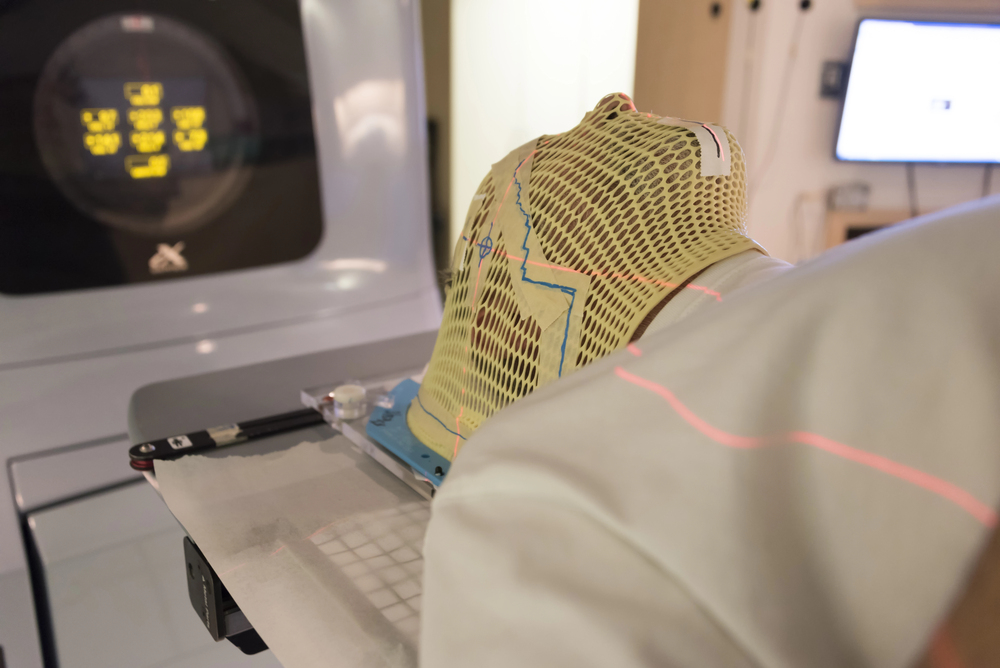
Radiation damages cells that divide quickly. Hair follicle cells divide rapidly to produce hair fibers. When radiation reaches these follicles, the hair shaft weakens and eventually sheds.
According to guidance from the National Cancer Institute, radiation therapy hair loss happens specifically in the part of the body receiving treatment.
For example:
- brain radiotherapy may cause scalp hair loss
- head and neck radiation may affect beard or facial hair
- chest radiation may affect chest hair
- Hair loss does not usually occur outside the treatment area.
Why radiation causes hair loss
Hair follicles produce hair through rapid cell division. Radiation interferes with this process by damaging cellular DNA. When follicle cells cannot divide normally, hair growth stops.
This damage leads to radiation-induced alopecia, a medical term describing hair loss caused by radiation exposure.
Hair shedding typically develops gradually during treatment.
Dr. Ahmet Murat says:
“Hair follicles are sensitive to radiation. When radiation disrupts follicle activity, hair production pauses and shedding begins.”
How common is hair loss during radiotherapy?
Hair loss occurs mainly when radiation is directed at areas where hair grows. Treatments targeting organs such as the prostate or breast may not affect scalp hair.
The risk increases with:
- higher radiation doses
- repeated treatment sessions
- radiation targeting the scalp or head
Where does hair loss happen during radiotherapy?
Hair loss during radiotherapy hair loss usually appears exactly where radiation beams pass through the body. Unlike chemotherapy, which circulates through the bloodstream, radiation treatment targets a specific location. This means hair loss after radiotherapy is typically localized, not widespread.
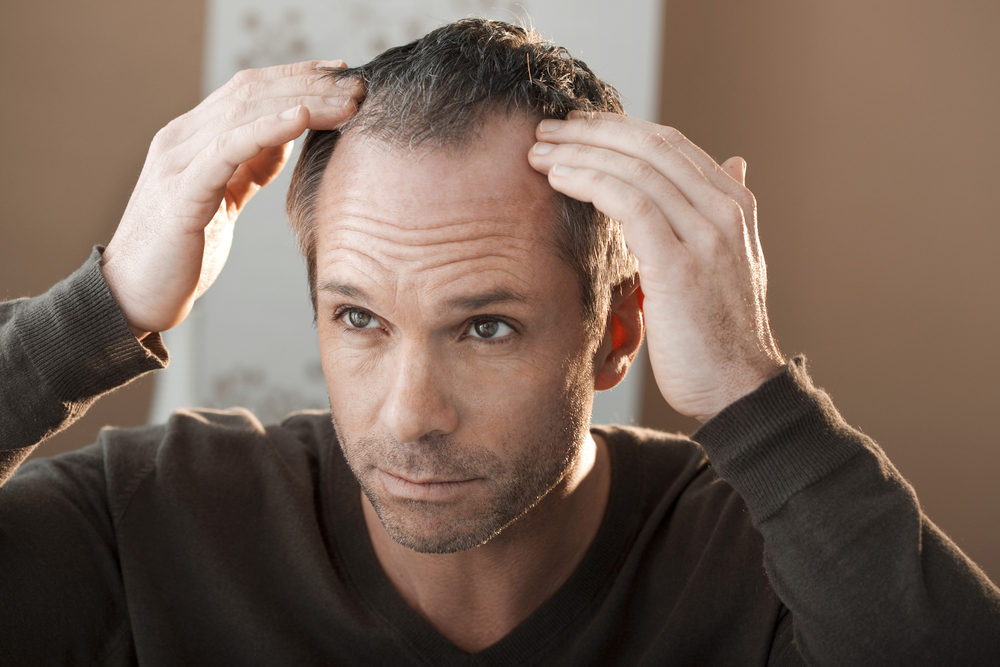
Understanding where hair loss occurs helps patients prepare for what they may see during treatment.
Hair loss in the treated area
The most common pattern is hair loss directly within the radiation field. When radiation targets tissues beneath the skin, hair follicles in that zone may temporarily stop producing hair.
For example:
- brain radiotherapy may cause scalp hair loss
- head and neck radiotherapy may affect beard or facial hair
- radiation to the chest may cause chest hair thinning
- pelvic radiation may cause loss of pubic hair
According to Cancer Research UK, this hair loss occurs because the radiation beam damages follicle cells in the treated area.
Hair loss may appear as:
- thinning patches
- small bald areas
- complete hair loss in a treatment zone
Dr. Ahmet Murat explains:
“Radiation affects hair follicles only in the path of the beam. Patients often notice hair loss that matches the exact shape of the treated area.”
Why brain radiotherapy can cause patchy scalp hair loss
Hair loss from brain radiotherapy often appears patchy rather than evenly distributed. Radiation beams are carefully directed to target tumors while sparing healthy tissue.
Because of this precise targeting, hair may fall out only in the exact path of the beam.
Some patients may lose hair on one side of the scalp or in specific areas.
What is exit-site hair loss?
Radiation beams do not simply stop when they reach the tumor. They pass through the body and exit on the opposite side.
Hair loss may occur at:
- the entry site where radiation enters
- the exit site where the beam leaves the body
This phenomenon explains why some patients notice hair loss on two opposite areas of the scalp during brain radiotherapy.
According to Cancer Research UK, both entry and exit sites can experience temporary hair loss depending on the radiation path.
When does hair fall out after radiotherapy?
Hair loss from radiotherapy hair loss does not usually begin immediately after the first treatment session. Most patients notice changes gradually. Shedding often begins two to three weeks after treatment starts, though the exact timing varies depending on the radiation dose and the treated area.

This delay happens because hair follicles continue producing hair briefly after radiation exposure. Over time, the damage to rapidly dividing follicle cells slows hair production, and the existing hair shafts weaken and fall out.
According to Cancer Research UK, hair loss related to radiation therapy typically develops within a few weeks after treatment begins and may continue during the course of therapy.
Typical timeline after starting radiotherapy
The progression of hair loss after radiotherapy usually follows a recognizable pattern.
A general timeline looks like this:
- Week 1–2: hair growth slows but shedding may not be visible
- Week 2–3: hair begins thinning or falling out in the treatment area
- Week 3–5: more noticeable patchy hair loss may occur
- During treatment: shedding may continue in the radiation field
Patients often first notice hair falling out while washing or brushing their hair.
Dr. Ahmet Murat explains:
“Hair follicles react gradually to radiation exposure. Most patients begin to see hair thinning a few weeks after treatment begins.”
Why shedding is delayed
Hair strands visible above the scalp formed weeks earlier during the growth phase of the hair cycle. Even after follicle cells are affected by radiation, these existing strands remain attached for some time.
Eventually the damaged follicle cannot support the hair shaft, and shedding occurs.
How long radiotherapy hair loss lasts
The duration of radiation therapy hair loss depends on treatment intensity.
Hair may begin regrowing:
- several weeks after treatment ends in mild cases
- three to six months later in many patients
Some individuals may notice that regrown hair appears thinner or has a slightly different texture.
In higher-dose treatments targeting the scalp or brain, hair loss may persist longer or occasionally become permanent.
Does hair grow back after radiotherapy?
In many cases, hair grows back after radiotherapy once treatment ends. The follicles often recover gradually and begin producing new hair fibers. Still, the outcome depends on the radiation dose, treatment location, and the sensitivity of individual hair follicles.
Radiation temporarily disrupts follicle activity. When therapy finishes, some follicles resume their normal growth cycle. According to guidance from Cancer Research UK, hair regrowth commonly begins several weeks to a few months after treatment ends.
Patients frequently notice the first signs of regrowth between 3 and 6 months after completing therapy.
When hair regrowth usually starts
Hair follicles that were temporarily damaged may restart their growth phase after the skin heals.
Typical regrowth patterns include:
- 1–2 months after treatment: early soft hair begins appearing
- 3–6 months: visible regrowth in the treated area
- 6–12 months: hair may regain more normal thickness
The process is gradual because hair grows slowly, about half an inch per month.
Dr. Ahmet Murat explains:
“Hair follicles often recover after radiation, but the regrowth cycle can take months. Patience is important during the recovery phase.”
Why hair may grow back differently
Hair regrowth after radiation therapy hair loss may not look exactly the same as before.
Some patients notice:
- thinner hair strands
- patchy regrowth
- different hair texture
- slightly different hair color
These changes occur because radiation affects follicle structure during treatment.
Over time, many people experience gradual improvement as follicles stabilize.
When hair loss can become permanent
In some cases, permanent hair loss after radiotherapy can occur. This risk increases when radiation doses are high or when the scalp receives repeated treatments.
Permanent alopecia may develop when radiation damages follicle stem cells responsible for producing new hair.
Higher-dose treatments for brain tumors or head and neck cancers carry a greater risk of long-term hair thinning.
Which types of radiotherapy are most likely to cause hair loss?
Not all radiation treatments affect hair in the same way. When patients ask does radiotherapy cause hair loss, the answer depends heavily on the type of radiation therapy used and the area being treated.
Radiation treatments differ in how radiation is delivered to the body. Some methods target a small, precise area, while others expose larger regions of tissue.
According to information from the National Cancer Institute, radiation therapy may be delivered through several techniques, each with different side-effect profiles.
External beam radiation therapy
External beam radiotherapy is the most common type of radiation treatment. A machine directs radiation beams toward the tumor from outside the body.
This method is most likely to cause localized radiation therapy hair loss because the radiation passes through the skin and hair follicles in the treatment area.
Examples include:
- brain radiotherapy, which can cause scalp hair loss
- head and neck radiation, which may affect beard or facial hair
- skin radiation treatments, which may affect hair in the treated area
Hair loss usually appears exactly where the beam passes through the skin.
Dr. Ahmet Murat explains:
“External beam radiation can affect hair follicles in the path of the beam. This is why hair loss during radiotherapy usually matches the treated area.”
Brachytherapy
Brachytherapy delivers radiation from a source placed inside or near the tumor. Because the radiation source is very localized, it often affects only nearby tissues.
Hair loss from brachytherapy is uncommon unless the treatment occurs near hair-bearing skin.
For example, brachytherapy for prostate or cervical cancer usually does not affect scalp hair.
Systemic radiation therapy
Systemic radiation therapy involves radioactive substances that travel through the bloodstream to treat cancer cells throughout the body.
This type of treatment is less common but may affect larger areas of tissue.
Hair loss patterns vary depending on the drug used and the radiation exposure.
Why treatment type is important
The risk of hair loss after radiotherapy increases when:
- radiation passes through hair-bearing skin
- higher radiation doses are used
- repeated treatment sessions occur
How is radiotherapy hair loss different from chemotherapy hair loss?
Patients often assume that radiotherapy hair loss will look the same as chemotherapy hair loss. The two treatments affect the body in very different ways. Understanding the difference helps patients anticipate what may happen during treatment.

The key distinction is how each therapy travels through the body.
Radiotherapy targets a specific location, while chemotherapy circulates through the bloodstream. This difference explains why hair loss after radiotherapy is usually localized and why chemotherapy often causes widespread hair loss.
According to the National Cancer Institute, chemotherapy drugs travel through the bloodstream and affect rapidly dividing cells throughout the body. Hair follicles are among the fastest dividing cells, so chemotherapy often causes hair loss across the entire scalp and sometimes body hair as well.
Localized vs widespread hair loss
With radiation therapy hair loss, hair typically falls out only in the treated area.
Examples include:
- scalp hair loss during brain radiotherapy
- beard loss during head and neck radiation
- localized hair loss where radiation enters or exits the body
Chemotherapy hair loss is usually more widespread because the drugs reach hair follicles everywhere in the body.
Patients receiving chemotherapy may experience:
- scalp hair loss
- eyebrow and eyelash loss
- body hair thinning
Dr. Ahmet Murat explains:
“Radiotherapy hair loss follows the radiation field. Chemotherapy hair loss is systemic because the medication circulates throughout the body.”
Timing differences
The timing of hair loss also differs.
Radiotherapy hair loss usually begins two to three weeks after treatment starts, while chemotherapy hair loss may occur within two to four weeks after the first treatment cycle.
Regrowth patterns
Hair regrowth after chemotherapy often begins several weeks after treatment ends. Radiotherapy regrowth depends more heavily on radiation dose and whether follicle stem cells were damaged.
In many cases hair returns, though it may initially appear thinner or patchy.
What can you do to manage radiotherapy hair loss?
Hair loss during cancer treatment can be emotionally difficult. Many patients worry about appearance, comfort, and scalp sensitivity. Managing radiotherapy hair loss focuses on protecting the scalp, reducing irritation, and helping patients feel more comfortable during treatment.
Radiation therapy can make the skin in the treatment area sensitive. Hair follicles in that region may temporarily stop producing hair, leading to hair loss after radiotherapy. Gentle scalp care becomes important during this time.
Gentle scalp care during radiotherapy
The scalp may become dry, tender, or irritated during treatment. Oncology teams often recommend simple care routines to reduce discomfort.
Helpful practices include:
- washing hair with mild, fragrance-free shampoo
- using lukewarm water instead of hot water
- gently patting hair dry instead of rubbing
- avoiding harsh hair products or chemical treatments
According to Cancer Research UK, patients receiving radiation therapy should avoid strong hair treatments such as bleaching or perming during treatment.
Dr. Ahmet Murat explains:
“Radiation can make the scalp more sensitive. Gentle care helps protect the skin and reduce irritation during treatment.”
Wigs, scarves, and head coverings
Many patients choose to use head coverings while experiencing radiation therapy hair loss.
Options may include:
- wigs matched to the patient’s natural hair
- scarves or head wraps
- soft hats or caps
Some cancer centers offer wig-fitting services or support groups that help patients choose comfortable options.
Protecting the scalp from the sun
The scalp becomes more sensitive when hair is lost. Direct sunlight may cause irritation or sunburn.
Patients are often advised to:
- wear protective hats outdoors
- apply sunscreen on exposed scalp areas
- avoid prolonged sun exposure
When hair does not grow back
In rare cases, permanent hair loss after radiotherapy can occur if high radiation doses damage follicle stem cells.
If hair does not return months after treatment, patients may discuss options with specialists. Some dermatologists may recommend treatments such as topical therapies or hair restoration procedures depending on the situation.
When should you speak to your cancer team or a dermatologist?
Hair loss during radiation treatment is common, especially when the therapy targets areas where hair grows. Many patients experiencing radiotherapy hair loss recover without complications. Still, certain symptoms or concerns may require medical advice.
Knowing when to ask for help helps prevent unnecessary discomfort and ensures that scalp health is properly monitored.
Signs the scalp may need medical attention
Radiation can make the skin in the treated area sensitive. Mild redness or dryness is common. Stronger symptoms may require evaluation by your treatment team.
Contact your oncology team if you notice:
- persistent scalp pain or burning
- severe redness or skin peeling
- open sores or infection signs
- swelling or unusual skin changes
According to patient guidance from Cancer Research UK, the skin in the treatment field may become irritated during radiotherapy, so monitoring scalp changes is important.
Dr. Ahmet Murat explains:
“During radiation therapy the scalp can become fragile. Any severe irritation or delayed healing should be evaluated by the medical team.”
When hair regrowth does not occur
Hair often begins regrowing several months after treatment ends. If hair does not return as expected, a dermatologist may assess the scalp and follicles.
Medical evaluation may be useful when:
- hair has not started regrowing after 6–12 months
- patchy hair loss persists
- the scalp shows scarring or thinning
Higher radiation doses can occasionally damage follicle stem cells, leading to permanent hair loss after radiotherapy.
Questions patients may ask before treatment
Patients preparing for radiotherapy often benefit from discussing potential side effects in advance.
Helpful questions may include:
- Will my treatment cause hair loss?
- Which part of my body might lose hair?
- Will the hair grow back after treatment?
- What scalp care products should I use?
These discussions help patients prepare for treatment and reduce anxiety about radiation therapy hair loss.
Statistics & Trends
- According to the International Agency for Research on Cancer, about 50–60% of cancer patients receive radiotherapy as part of their treatment plan at some point during their care.
- Research cited by the National Cancer Institute (NCI) shows that hair loss from radiotherapy typically begins 2–3 weeks after treatment starts when follicles in the radiation field become damaged.
- Radiation-induced hair loss is localized in most cases, affecting only the body area exposed to radiation beams rather than the entire scalp.
- Studies indicate that 85–90% of scalp hairs are normally in the anagen (growth) phase, which makes follicles sensitive to treatments like radiation that target rapidly dividing cells.
- Clinical observations show that hair regrowth often begins 3–6 months after radiotherapy ends, although full recovery may take up to 12 months depending on dose and treatment location.
- Research on radiation-induced alopecia suggests that higher radiation doses above approximately 40–45 Gy significantly increase the risk of permanent hair loss in the treated area.
- In patients receiving cranial radiotherapy for brain tumors, temporary hair loss occurs in a majority of cases, with regrowth occurring in many patients within several months.
- Dermatology research reports that radiation-induced alopecia can appear at both the beam entry and exit sites, which may lead to patchy hair loss patterns.
- Surveys of cancer patients indicate that hair loss remains one of the most emotionally distressing treatment side effects, affecting quality of life and body image during therapy.
- Advances in modern radiation techniques such as intensity-modulated radiotherapy (IMRT) are helping reduce damage to surrounding tissues, which may lower the risk and severity of hair loss in some treatments.
Frequently Asked Questions about Radiotherapy and Hair Loss
Common side effects include fatigue, skin irritation in the treated area, and hair loss in the radiation field. Side effects depend on the treatment location and radiation dose.
Concerned about hair loss or scalp health after treatment?
Hair changes during cancer treatment can be distressing. Many patients experiencing radiotherapy hair loss worry about whether hair will grow back or how their scalp will recover.

At Hermest Hair Transplant Clinic, Dr. Ahmet Murat and his medical team specialize in evaluating hair follicle health and scalp recovery after medical treatments.
Dr. Ahmet Murat says:
“Hair follicles often recover after radiation therapy, but every patient’s scalp responds differently. Careful evaluation helps determine the best approach for hair recovery.”
If you are experiencing persistent hair thinning, patchy regrowth, or scalp concerns after treatment, expert evaluation can help identify possible solutions.
Book a consultation with Hermest Hair Transplant Clinic to receive personalized guidance and explore treatment options for restoring healthy hair growth.