


Norwood 7 Hair Loss: Grafts, Coverage Limits & Transplant Guide
 Medically reviewed by Dr. Ahmet Murat, MD
Written by Mehmet Y. — Updated on February 20th, 2026
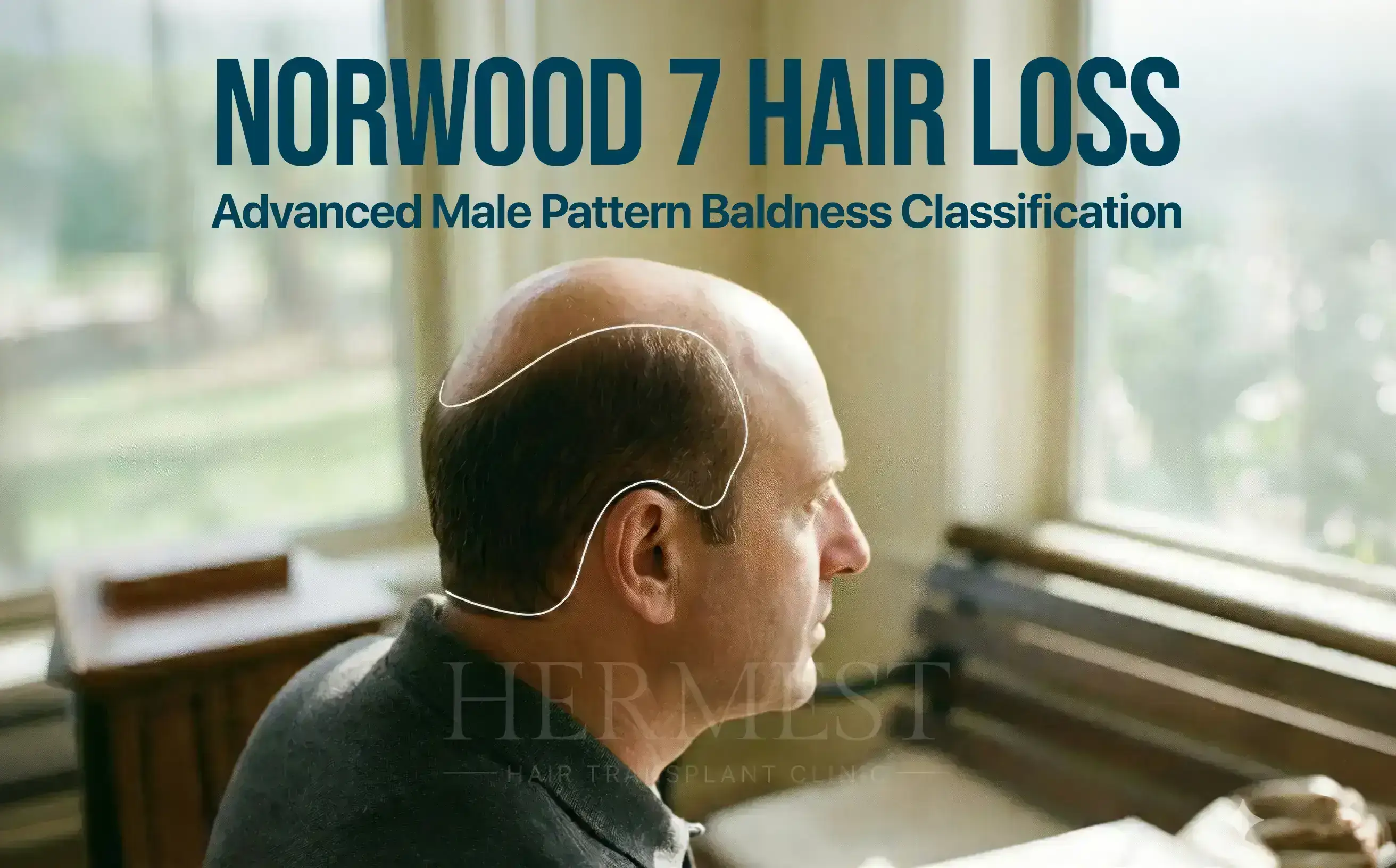
Norwood 7 hair loss represents the most advanced stage of male pattern baldness. At this point, the entire top of the scalp is bald, and only a horseshoe-shaped band of hair remains on the sides and back. Many patients who search for Norwood 7 treatment or Norwood 7 hair transplant are not looking for perfection. They want to know what is realistically possible and whether restoration is still worth pursuing.
This stage can feel discouraging. It often develops over many years, gradually moving from early recession to full top baldness. According to the American Academy of Dermatology (AAD), androgenetic alopecia is progressive, meaning the pattern continues without treatment. By the time someone reaches Norwood 7 baldness, both the frontal hairline and crown have merged into a single bald area.
Still, options exist. With the right plan, patients can rebuild a natural-looking frontal frame and improve overall coverage. The key is honest expectations, careful donor management, and long-term strategy.
Dr. Ahmet Murat says:
“At Norwood 7, the goal is not to recreate teenage density. The goal is to design a hairline and coverage pattern that looks natural, balanced, and sustainable for life.”
In this guide, you will learn:
- What Norwood 7 actually means
- Whether Norwood 7 hair transplant is possible
- How many grafts are typically required
- What realistic results look like
- How to plan a long-term restoration strategy
If you are at Norwood 7 male pattern baldness, you still have options. The difference comes down to planning, experience, and understanding the limits of your donor area.
Let’s start with how Norwood 7 is defined and how it differs from earlier stages.
Quick Insights
- Norwood 7 hair loss is the most advanced stage, with full top baldness and only a horseshoe-shaped donor zone remaining.
- The original Norwood 7 hairline is completely gone, so any restoration requires building a new hairline from scratch.
- Hair loss can still continue at this stage, especially along the edges of the donor area.
- Non-surgical options like finasteride or minoxidil can help protect remaining hair, but they cannot regrow hair on fully bald scalp.
- A Norwood 7 hair transplant is possible, but it requires realistic expectations, staged planning, and careful donor management.
- Most patients need 5,500 to 8,500+ grafts, often across multiple sessions to balance coverage and density.
- The priority is creating a natural frontal frame and mid-scalp coverage, not full high density across the entire scalp.
- The donor area is limited and must be preserved for long-term results and possible future refinement.
- Long-term success depends on maintenance, scalp care, and periodic monitoring, not just the initial procedure.
What is Norwood 7 Hair Loss?
Norwood 7 is the final stage on the Norwood scale of male pattern hair loss. It describes a situation where the entire top of the scalp is bald, with only a narrow band of hair remaining on the sides and back. This pattern is often called the Norwood 7 horseshoe pattern and is considered the most advanced form of Norwood 7 male pattern baldness.
At this stage, the frontal hairline, mid-scalp, and crown have completely merged into one large bald area. The only permanent hair left is in the safe donor zone.
This area is genetically resistant to DHT, the hormone responsible for androgenetic alopecia. According to the International Society of Hair Restoration Surgery (ISHRS), donor hair in this region is typically stable over time, which is why it can be used for transplantation.
Norwood scale simplified
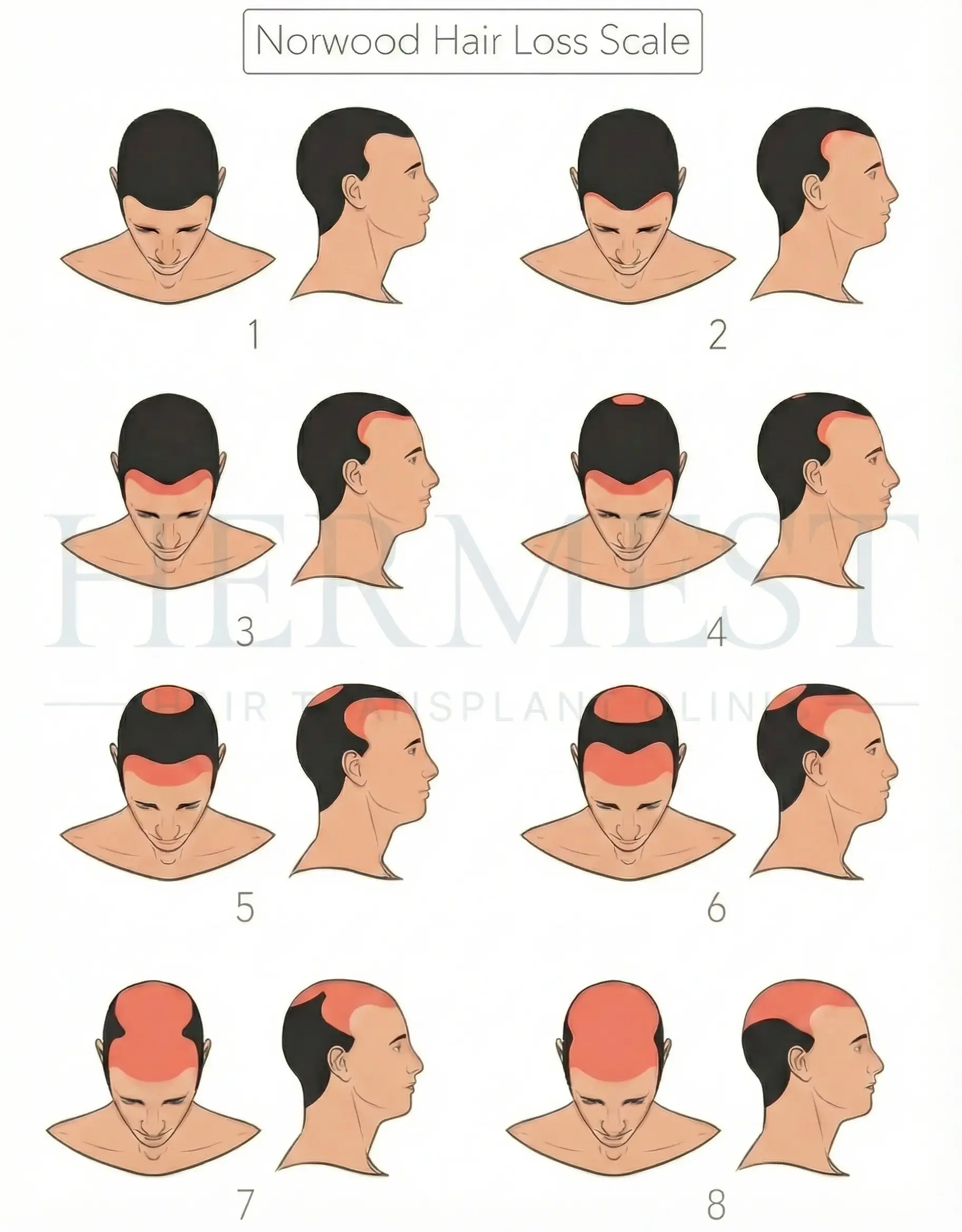
The Norwood scale tracks hair loss progression from early recession to advanced baldness:
- Norwood 1–2: minimal or early temple recession
- Norwood 3–4: deeper hairline recession with crown thinning
- Norwood 5–6: large top area thinning with bridge loss
- Norwood 7: full top baldness with only side and back hair remaining
Understanding where you are on this scale helps guide treatment planning and expectations.
Norwood 7 hairline and pattern
In Norwood 7 hair loss, the original hairline is completely gone. There is no natural mid-scalp density left. The remaining hair forms a thin horseshoe shape that can vary in thickness depending on genetics and age.
Patients often notice:
- No visible hairline frame
- Full scalp shine on top
- Thin or reduced donor density in some cases
Dr. Ahmet Murat explains:
“At Norwood 7, we must design a new hairline from scratch. The challenge is not just coverage, but creating a result that still looks natural ten years later.”
Is Norwood 7 the final stage of hair loss?
Many patients assume Norwood 7 is the end point. In practice, it is the most advanced stage on the scale, but hair loss can still evolve. The pattern may not move to a “Norwood 8,” yet density within the remaining horseshoe zone can thin over time.
Differences from Norwood 6
The shift from Norwood 6 to Norwood 7 hair loss is about the donor zone and the bridge area. At Norwood 6, a thin connection often remains between the frontal region and the crown. At Norwood 7, that bridge is gone and the top is fully bald.
Key differences patients notice:
- Wider bald surface across the entire top
- Narrower side bands of hair
- Lower overall donor density in some cases
This difference matters. It directly affects how many grafts are available and how coverage can be planned.
Can progression continue at Norwood 7?
Hair loss is driven by androgenetic alopecia. According to the American Academy of Dermatology (AAD), the process can continue with age, even when the pattern looks “stable.” At Norwood 7 baldness, the remaining side and back hair can slowly thin, especially near the upper edges of the donor zone.
This is why long-term planning is essential. A transplant done without considering future thinning can look unnatural later.
Dr. Ahmet Murat says:
“Even at Norwood 7, we plan for the next ten to fifteen years. The donor area must be preserved, and the hairline must age well.”
Why this matters for treatment decisions
Understanding progression helps set realistic expectations:
- The donor area is limited and must be protected
- Coverage must be prioritized over maximum density
- Future sessions may be needed for refinement
Patients often ask if Norwood 7 can be fixed. The honest answer is that it can be improved significantly, but not fully reversed to teenage density.
Can Norwood 7 be treated without surgery?
At the Norwood 7 stage, most of the top scalp is already bald. This means non-surgical options have limits. Still, they play an important role in stabilizing the remaining hair and supporting long-term planning.
Role of medication at Norwood 7
Medical therapy targets androgenetic alopecia, the process behind Norwood 7 hair loss. According to the American Academy of Dermatology (AAD), medications like finasteride and minoxidil can slow further thinning by reducing DHT impact and supporting follicle activity.
At this stage, medication can:
- Help maintain the side and back donor hair
- Slow further miniaturization near the donor edges
- Support any thinner hairs that remain around the perimeter
What it cannot do:
- Regrow hair in fully bald areas
- Restore a complete hairline or crown
- Replace the need for surgical restoration
Dr. Ahmet Murat explains:
“At Norwood 7, medication is about preservation. It helps protect what you still have, but it cannot rebuild a hairline by itself.”
Other non-surgical options

Some patients explore alternative approaches such as:
- PRP (platelet-rich plasma) sessions
- Low-level laser therapy
- Scalp micropigmentation for visual density
These methods can improve appearance or support existing follicles, but they do not create new permanent hair coverage on bald scalp.
Realistic expectations without surgery
If you are searching Norwood 7 treatment without transplant, the goal shifts from regrowth to stability and cosmetic enhancement. Non-surgical options may improve contrast, strengthen donor hair, and create the illusion of density, but they will not replace lost hair.
For most patients, a meaningful transformation at Norwood 7 baldness involves a surgical approach combined with medical maintenance.
Hair transplant at Norwood 7 – is it possible?
A Norwood 7 hair transplant is possible, but it requires careful planning and realistic goals. At this stage, the entire top scalp is bald. The only available hair comes from the donor zone on the sides and back. This means every graft must be used strategically to create the best visual impact.
According to the International Society of Hair Restoration Surgery (ISHRS), advanced stages like Norwood 7 baldness require a long-term approach that balances coverage, density, and donor preservation.
How many grafts does Norwood 7 require?
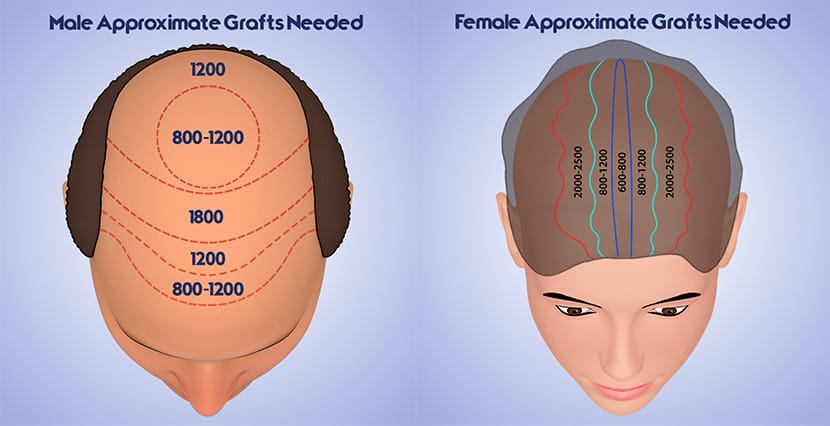
Patients often search how many grafts Norwood 7 needs. The answer varies based on donor density and scalp characteristics, but typical ranges are:
- 5,500–8,500 grafts for frontal and mid-scalp coverage
- Additional grafts for crown improvement if donor allows
In many cases, this is done over two or more sessions to protect the donor area and achieve better density distribution.
Coverage vs density expectations
One of the biggest misunderstandings about Norwood 7 hair transplant results is expecting full density across the entire scalp. At this stage, the priority is creating a natural frame that looks balanced from all angles.
What a good plan focuses on:
- A natural-looking hairline design
- Strong density in the frontal third
- Gradual density reduction toward the crown
What is not realistic:
- Full teenage density everywhere
- Complete crown closure in one session
Dr. Ahmet Murat says:
“At Norwood 7, we design for visual balance. The eye reads the hairline and frontal density first. That is where we create the strongest impact.”
Multi-session planning
Most Norwood 7 transplant results are achieved through staged procedures. This allows:
- Better healing between sessions
- More precise graft placement
- Long-term donor preservation
Donor area limitations at Norwood 7
At Norwood 7 hair loss, the donor area becomes the most valuable resource. Every graft comes from a limited supply on the sides and back of the scalp. Planning at this stage is not about how many grafts you can take in one session. It is about how many you can use safely over your lifetime.
According to the International Society of Hair Restoration Surgery (ISHRS), the concept of the “safe donor zone” is based on hair that is genetically resistant to DHT. This hair is expected to remain stable over time, but the usable density still varies from patient to patient.
Donor depletion risk
Patients often search about donor depletion when researching Norwood 7 treatment. This risk becomes real if grafts are overharvested or extracted too aggressively.
Signs of donor strain include:
- Visible thinning or patchiness in the donor region
- Wider spacing between follicles
- Reduced density at the edges of the safe zone
Once the donor area is depleted, it cannot be fully restored. This is why conservative extraction and long-term planning are essential.
Dr. Ahmet Murat explains:
“The donor area is a lifetime resource. If it is used too aggressively, future options become limited. We always plan with the next ten years in mind.”
Lifetime graft management
A typical patient with Norwood 7 baldness may have around 5,000 to 7,000 grafts available safely, depending on density and scalp characteristics. These grafts must be distributed strategically across multiple sessions.
Key planning principles include:
- Prioritizing the frontal hairline and mid-scalp
- Preserving grafts for possible future refinement
- Avoiding overharvesting in a single session
Good Norwood 7 hair transplant planning always respects donor limits first, then builds coverage around what is safely available.
Realistic results for Norwood 7
At Norwood 7 hair loss, results are about balance, not full reversal. The goal is to rebuild a natural frame that looks convincing in daily life. This means focusing on the frontal third and mid-scalp, then approaching the crown with restraint.
According to the International Society of Hair Restoration Surgery (ISHRS), advanced cases require strategic graft placement to create the strongest visual impact with a limited supply. A well-planned Norwood 7 hair transplant can transform how you look and how your face is framed, even if density is not uniform everywhere.
What a successful Norwood 7 result looks like
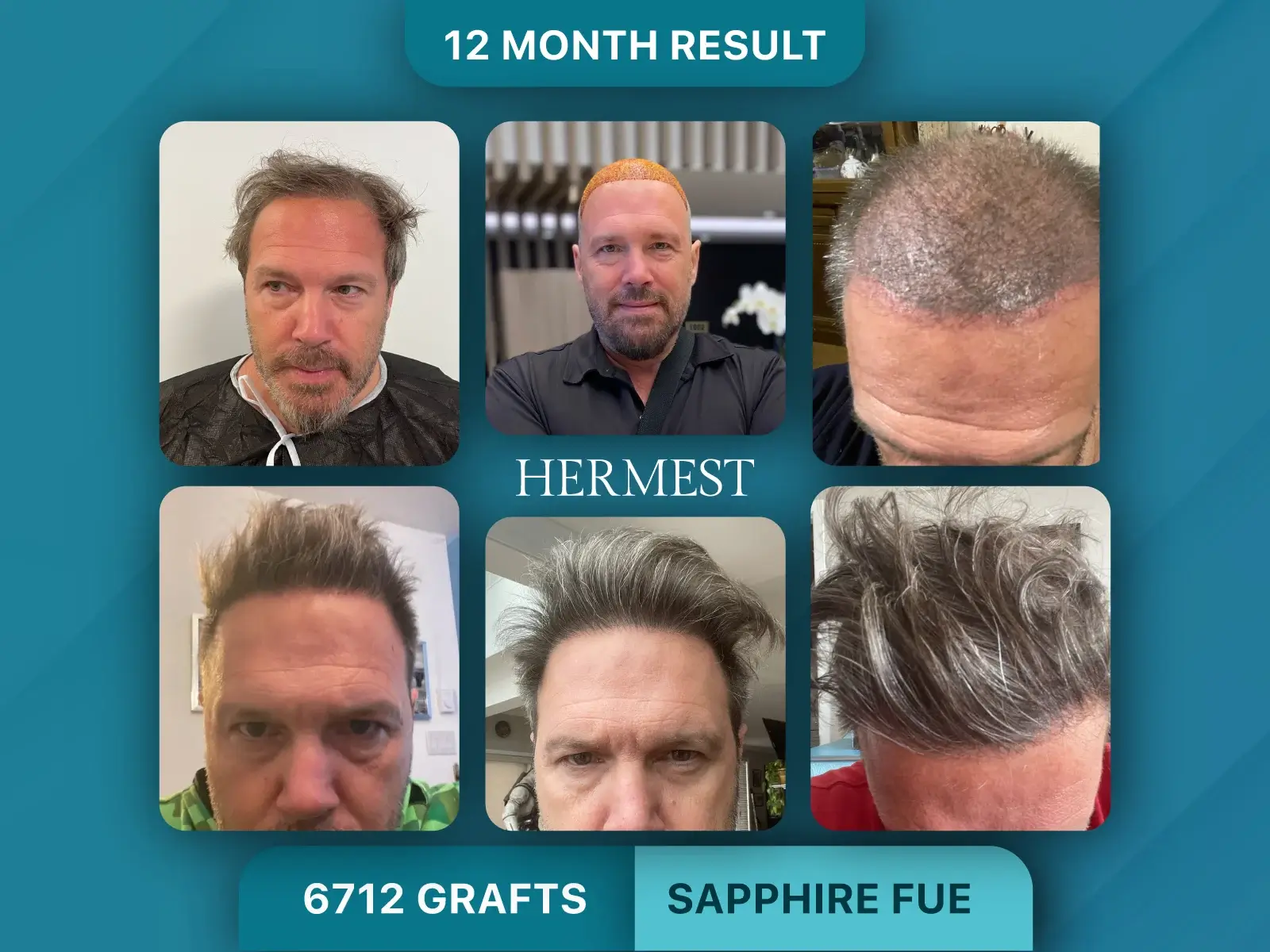
A good outcome creates a natural outline that matches your age and features. The hairline sits at a mature position, with soft irregularity and appropriate temple angles.
You should expect:
- A defined, natural Norwood 7 hairline
- Stronger density in the frontal third
- Gradual density transition toward the crown
- Improved overall scalp coverage from normal viewing distance
Close inspection may still reveal lower density at the crown. That is normal at this stage.
Dr. Ahmet Murat says:
“We design Norwood 7 results to look natural in real life. The frontal frame is what people notice first. That is where we focus density and design.”
Crown restoration limitations
The crown uses a large number of grafts for relatively small visual change. In many Norwood 7 transplant results, surgeons treat the crown conservatively or in a later session if donor capacity allows.
Patients often ask if full coverage is possible. The honest answer is that full, high density across the entire scalp is not realistic at Norwood 7 baldness. What is realistic is a balanced, age-appropriate result that looks natural and stable over time.
Long-term maintenance after Norwood 7 restoration
After restoring Norwood 7 hair loss, long-term care protects your investment. A transplant provides permanent grafts from the donor zone, yet surrounding native hair can still change over time. Maintenance keeps the overall look balanced and natural for years.
Medical stabilization after Norwood 7 treatment
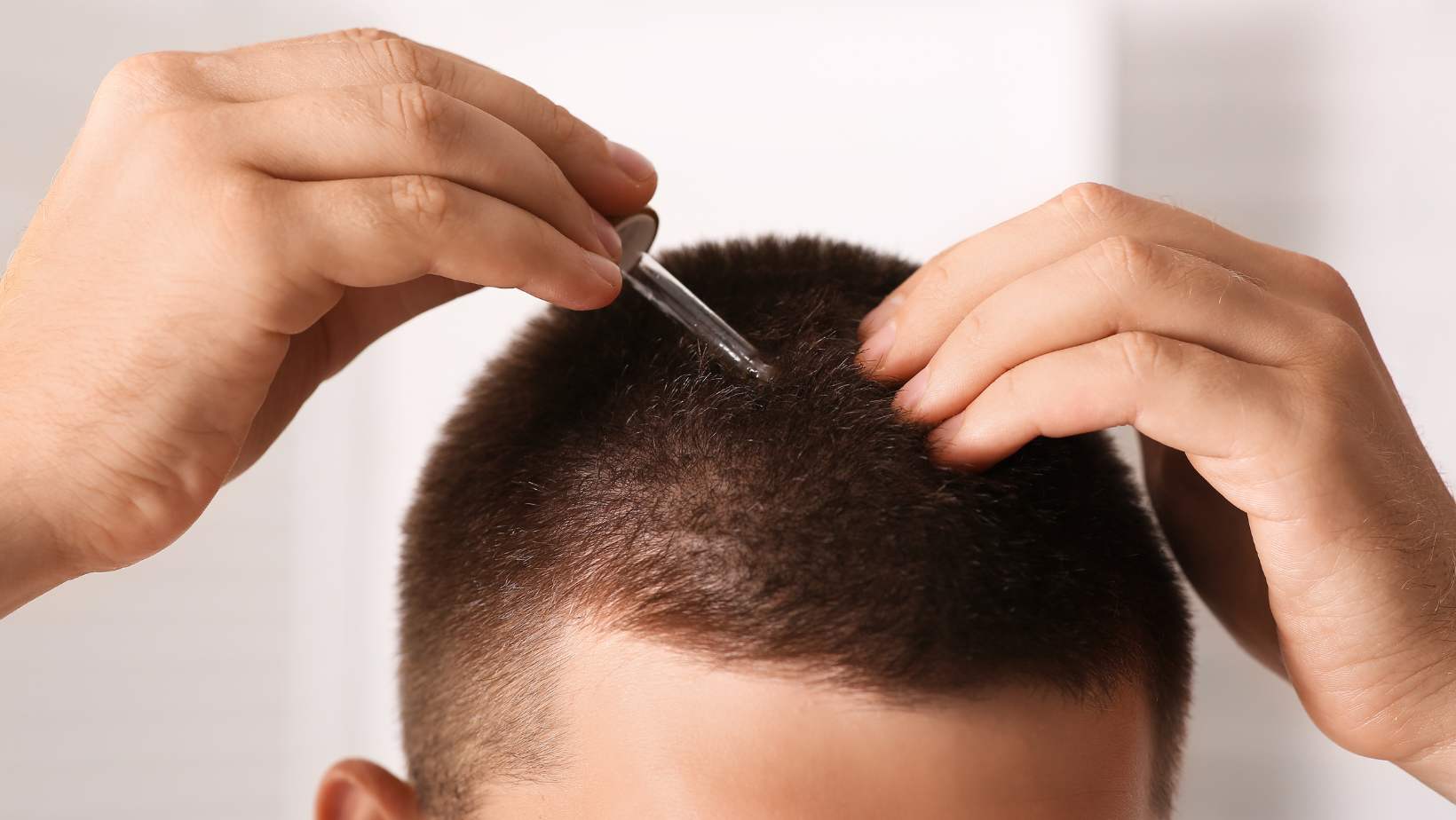
Medication supports the remaining hair along the sides and edges of the donor area. It reduces further miniaturization and helps preserve density where possible. According to the American Academy of Dermatology (AAD), medical therapy can slow androgenetic alopecia progression.
Typical maintenance options include:
- Finasteride to reduce DHT impact
- Minoxidil to support follicle activity
- Periodic check-ups to monitor density
These treatments do not affect transplanted grafts. They protect the remaining natural hair around them.
Dr. Ahmet Murat says:
“Maintenance keeps the result natural. Protecting your remaining hair is just as important as placing new grafts.”
Scalp care and daily habits
Good scalp care improves comfort and supports long-term appearance. Patients benefit from simple, consistent habits.
Helpful practices include:
- Gentle washing with suitable shampoos
- Sun protection during peak hours
- Avoiding aggressive chemical treatments
- Balanced nutrition and hydration
These steps help maintain scalp health and reduce irritation.
Monitoring changes over time
Hair changes slowly, so regular tracking helps you stay ahead. Taking photos every few months gives a clear record of density and coverage.
Watch for:
- Thinning along donor edges
- Changes in side density
- Contrast differences between transplanted and native hair
Some patients choose a small follow-up session years later to refine density or improve the crown.
FAQs about Norwood 7 hair loss and treatment
Can Norwood 7 be reversed?
No. Norwood 7 baldness cannot be reversed back to full natural density. Once follicles are gone, they cannot regrow naturally. Treatment focuses on restoration and improvement, not reversal. A Norwood 7 hair transplant can rebuild the hairline and improve coverage, but it cannot recreate teenage density across the entire scalp.
How many grafts are needed for Norwood 7?
Most patients need 5,500 to 8,500 grafts, depending on donor density and scalp size. In many cases, this is completed over two or more sessions to protect the donor area and improve overall density distribution.
Is Norwood 7 treatable without surgery?
Non-surgical treatments like finasteride or minoxidil can slow further hair loss, but they cannot regrow hair in fully bald areas. For visible coverage improvement, Norwood 7 treatment usually requires transplantation.
Can you get full coverage at Norwood 7?
Full, high-density coverage across the entire scalp is not realistic at Norwood 7 hair loss. The goal is a natural, balanced appearance, focusing on the frontal hairline and mid-scalp. The crown may be partially covered or treated in a later stage if donor capacity allows.
Is a Norwood 7 hair transplant worth it?
For many patients, yes. A well-planned Norwood 7 hair transplant can significantly improve facial framing and confidence.
How long do Norwood 7 transplant results last?
Transplanted hair from the donor area is genetically resistant to DHT and usually lasts long term. Ongoing care helps maintain surrounding hair and overall balance.
Take the first step toward restoring Norwood 7 hair loss
If you are dealing with Norwood 7 hair loss, the most important step is getting a clear, honest plan built around your donor capacity and long-term goals. This stage requires careful design, not guesswork.
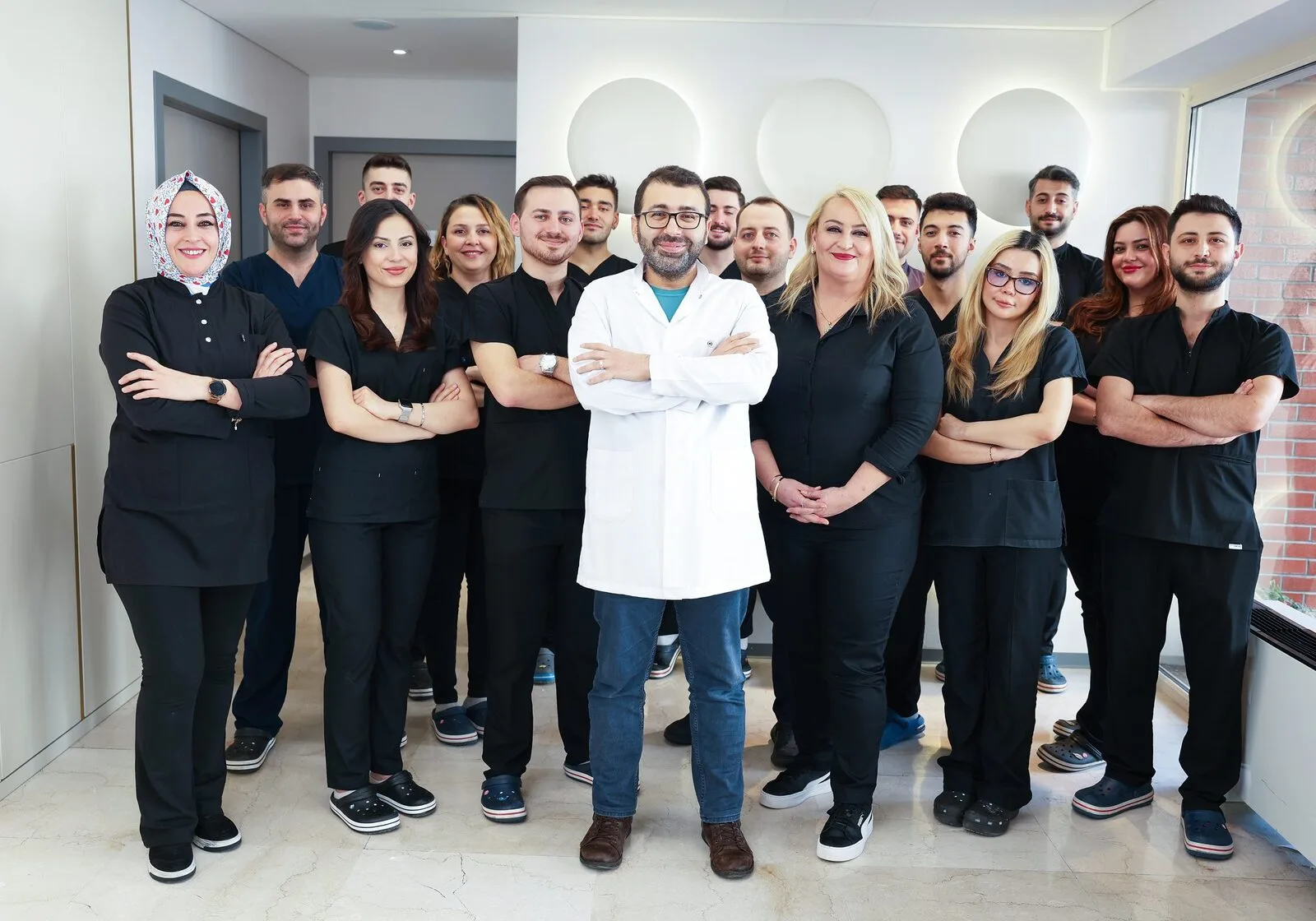
At Hermest Hair Transplant Clinic, each Norwood 7 hair transplant is planned to create a natural frontal frame, balanced mid-scalp coverage, and a strategy for the crown that respects your donor limits. The team uses UNIQUE FUE® for controlled extraction and the AIS Protocol to place grafts at the right angle and density for a natural look that ages well.
Your evaluation includes:
- Detailed donor area analysis
- Graft planning based on density and scalp size
- A staged restoration strategy if needed
- Guidance on maintenance and long-term stability
Dr. Ahmet Murat says:
“At Norwood 7, a good result comes from planning for the future. We design a hairline and coverage that will still look natural many years later.”
If you are exploring Norwood 7 treatment or wondering whether a transplant is possible in your case, you can share your photos and expectations with the Hermest team. You will receive a personalized assessment with realistic coverage options, graft estimates, and a clear long-term plan tailored to you.