
Men’s Hairstyles for Thin Hair: 30 Best Haircuts to Look Thicker
 ChatGPT
 Claude
 Perplexity
 Grok
Grok
 Gemini

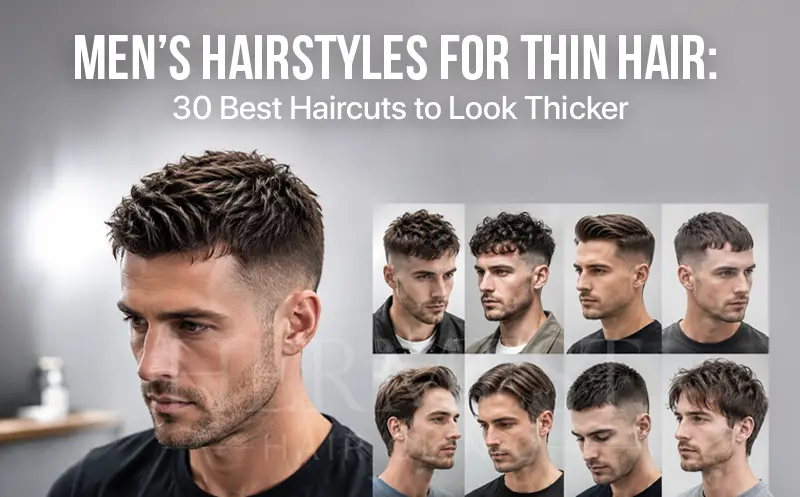
The best men’s hairstyles for thin hair are not necessarily the trendiest cuts on social media. They are the styles that create texture, reduce scalp contrast, and build the illusion of fuller density. That distinction changes everything.
Many men make thinning hair look worse accidentally by choosing:
- long flat hairstyles
- greasy products
- harsh middle parts
- styles with no texture or movement
According to grooming analysis from GQ Grooming and Men’s Health Grooming, shorter textured styles usually create the strongest visual density for men with fine or thinning hair.
This guide covers more than 30 hairstyle ideas, including:
- short hairstyles for men with thin hair
- hairstyles for thinning crown
- haircuts for receding hairlines
- textured modern cuts
- low-maintenance options
- professional hairstyles
- medium-length styles for thin hair
It will also explain:
- why certain cuts work better
- which hairstyles make thinning look worse
- how to style thin hair correctly
- when haircut changes are not enough anymore
Dr. Ahmet Murat says:
“The right haircut can improve visual density dramatically. But the best results happen when hairstyle strategy and hair preservation are considered together.”
This article is not just a list of haircut names. It is a practical guide for making thin hair look stronger, fuller, and more balanced in real daily life.
Quick Insights
- Short textured hairstyles usually make thin hair appear fuller than long flat styles.
- Buzz cuts, crew cuts, textured crops, and French crops remain some of the safest options for thinning hair.
- Crown thinning and receding hairlines require different haircut strategies.
- Matte styling products generally work better than shiny pomades or wet-look gels.
- Texture is one of the strongest tools for reducing scalp visibility.
- Layering and movement help medium-length hairstyles look fuller naturally.
- Slick backs and hard middle parts often make thinning appear more obvious.
- Haircuts improve visual density, but they do not stop androgenetic hair loss itself.
- Early hair preservation strategies may improve long-term styling flexibility significantly.
- The best hairstyle is usually the one that looks natural and easy to maintain daily.
Why Thin Hair Needs Different Haircuts
Not all thin hair looks the same. Some men have naturally fine hair strands since childhood. Others develop visible thinning later because of androgenetic alopecia. The haircut strategy changes depending on which issue is actually present.
Fine hair vs thinning hair
This is one of the biggest misunderstandings online. Fine hair means the individual strands are naturally thinner in diameter. Thinning hair means follicle density itself is decreasing.
A man can have:
- dense fine hair
- thick strands with thinning areas
- both conditions together
The visual effect may look similar, but the haircut approach differs.
Why texture matters so much
Texture is one of the most important tools for creating density illusion. Flat hair exposes scalp visibility more easily. Textured hair creates irregular shadows and movement, making the scalp appear less visible.
This is why modern barber recommendations often favor:
- textured crops
- messy quiffs
- layered short styles
- matte-finish styling
According to Forte Series Hairstyles Guide, matte products and controlled texture usually make thin hair appear significantly fuller than shiny styling products.
Why long flat styles often fail
Many men try to hide thinning by growing hair longer.
Unfortunately, long flat hair often separates more easily and reveals the scalp under lighting. Heavy pomades can worsen this effect dramatically.
Shorter structured cuts usually create stronger visual balance.
Dr. Ahmet Murat says:
“Haircuts for thinning hair should reduce contrast and create controlled texture. Simplicity often looks denser than complicated styling.”
Why haircut strategy matters emotionally
A strong haircut does more than improve appearance. It changes confidence, styling ease, and how men feel during different stages of hair loss progression.
Best Very Short Hairstyles for Thin Hair
Very short hairstyles are often the safest and most effective option for men dealing with visible thinning. They reduce the contrast between hair and scalp, create cleaner proportions, and make uneven density less noticeable.
They are simple. That is the advantage.
Buzz Cut
The buzz cut remains one of the strongest choices for thinning hair.
Keeping the hair extremely short minimizes visual contrast across the scalp. Areas with lower density blend more naturally into surrounding hair instead of standing out sharply.
This style works especially well for:
- diffuse thinning
- early crown loss
- receding hairlines
It also requires almost no styling effort.
High Fade Buzz Cut
This variation creates stronger structure around the face.
The faded sides pull visual attention away from thinning zones and create sharper facial definition. Many barbers recommend this approach for younger men who want a cleaner modern appearance without exposing crown thinning aggressively.
Crew Cut
The crew cut keeps slightly more length on top while maintaining short sides.
That small amount of texture helps the hair appear fuller without requiring heavy styling products. According to Men’s Health Grooming, short structured cuts often create better density illusion than longer flat styles.
Burr Cut
The burr cut is slightly softer than a traditional buzz cut and leaves a touch more visible texture across the scalp.
It works particularly well for men with:
- fine straight hair
- mild recession
- uneven crown density
Induction Cut
This ultra-short military-inspired style embraces minimalism completely.
For men with advanced thinning, the induction cut often looks more intentional and confident than trying to disguise severe loss with longer hairstyles.
Dr. Ahmet Murat says:
“Very short cuts reduce visual imbalance. They often make thinning look cleaner and more natural instead of drawing attention to weak areas.”
Why short styles work psychologically too
Many men feel relief after switching to shorter hair.
The styling becomes easier, scalp visibility feels less dramatic, and the daily stress around “covering” thinning decreases significantly.
Best Textured Haircuts for Men With Thin Hair
Texture changes everything for thin hair.
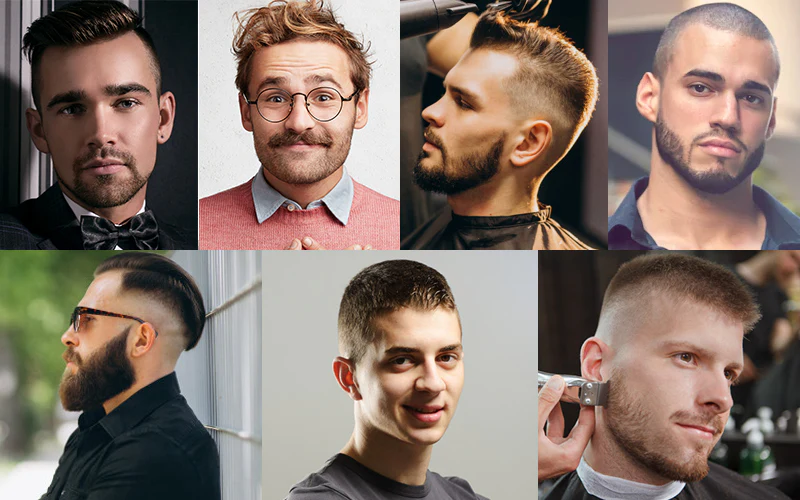
When hair has movement and irregular layering, the scalp becomes less visible. This is why textured hairstyles remain some of the most recommended options for men experiencing density loss or fine hair.
Textured Crop
The textured crop is one of the strongest modern haircuts for thinning hair.
The style keeps the sides short while leaving controlled texture on top. Choppy layering creates visual depth, helping the hair appear fuller than it actually is.
This cut works especially well for:
- thinning crown areas
- diffuse thinning
- early recession
It is also low maintenance compared to longer volume-heavy styles.
French Crop
The French crop adds a short forward fringe across the front hairline.
That small detail helps soften recession and reduce forehead exposure naturally. It is one of the best hairstyles for men who want a clean modern cut without obvious “cover-up” styling.
According to GQ Grooming, forward texture often helps thinning appear less noticeable than slicked-back styles.
Caesar Cut
The Caesar cut uses a short horizontal fringe with textured layering throughout the top.
This style works particularly well for:
- temple recession
- early frontal thinning
- fine straight hair
It keeps the hair structured without exposing scalp separation too aggressively.
Choppy Fringe
This cut creates uneven movement at the front rather than perfect symmetry.
That irregular texture helps distract from density loss and creates a younger, fuller appearance.
Spiky Texture
Short spiky texture can work surprisingly well for men with thin hair when styled correctly.
The key is using matte products instead of wet glossy gels. Controlled separation creates density illusion, while shiny products expose the scalp more easily.
Dr. Ahmet Murat says:
“Texture creates visual fullness. Flat hairstyles reveal thinning much faster, especially under direct lighting.”
Why matte styling matters
Men with thin hair should usually avoid heavy pomades.
Matte clays, texture powders, and lightweight styling products create volume without compressing the hair against the scalp.
Best Professional Hairstyles for Thin Hair
Professional hairstyles for thin hair need balance.
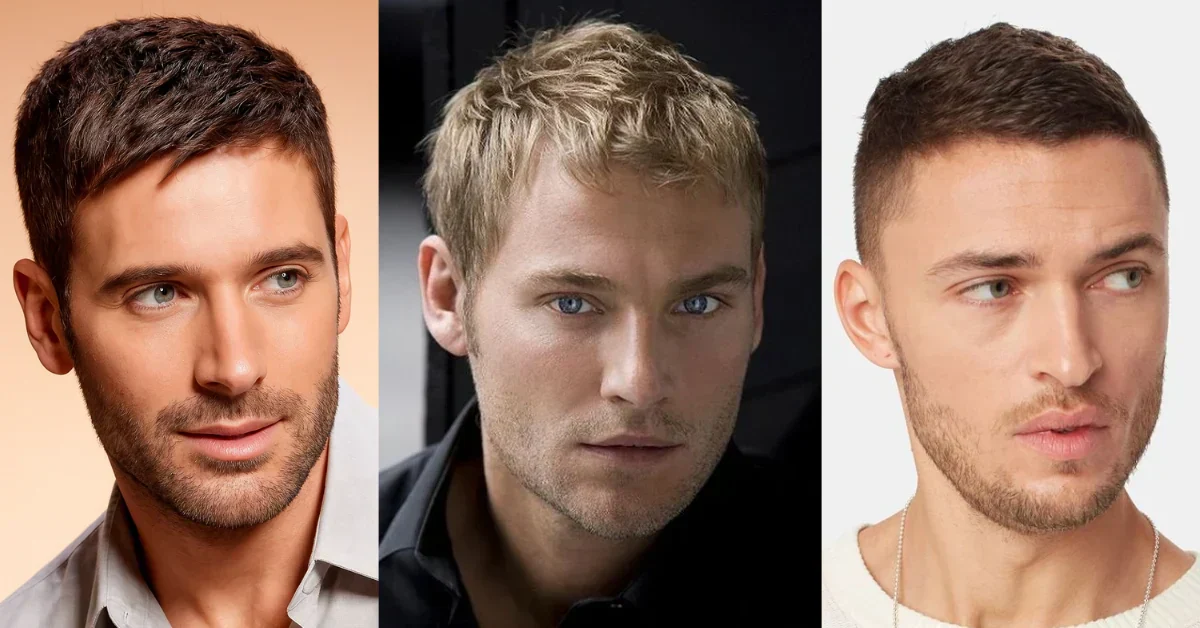
They should look clean and polished without making scalp visibility more obvious. This is why structured classic cuts usually work better than overly styled business hairstyles with heavy shine or rigid comb lines.
Ivy League Haircut
The Ivy League remains one of the safest professional options for thinning hair.
It keeps the sides neat while leaving slightly more controlled length on top. The style creates enough movement to soften density differences without appearing messy.
This cut works particularly well for:
- fine straight hair
- mild crown thinning
- early recession
It also transitions easily between casual and formal settings.
Side Part With Texture
A side part can still work for thin hair when it is softened properly.
The mistake many men make is creating a sharp wet-looking part line. That usually exposes scalp visibility more aggressively.
A textured side part with matte styling creates a more natural appearance and avoids harsh separation.
According to Byrdie Hairstyles for Thin Hair, softer directional styling generally creates better density illusion than rigid polished styling.
Comb Over Fade
The modern comb over fade is very different from the old-fashioned “comb-over” stereotype.
Today’s version uses:
- faded sides
- subtle directional movement
- light texture on top
This helps create structure without obvious concealment.
Regulation Cut
This military-inspired professional cut blends short sides with moderate controlled top length.
It looks disciplined and clean while minimizing visual imbalance around thinning areas.
Short Quiff
A short textured quiff adds moderate height at the front without requiring excessive volume.
The key is restraint.
Too much height can separate thin hair and expose the scalp more easily. Controlled lift works much better.
Dr. Ahmet Murat says:
“Professional hairstyles for thin hair should prioritize natural texture and balance rather than trying to hide every thinning area aggressively.”
Why conservative styling often looks thicker
Men with thin hair frequently over-style.
Ironically, simpler styling with light texture usually appears denser and healthier than complicated polished looks.
Best Hairstyles for Receding Hairlines
A receding hairline changes facial proportions quickly. The wrong haircut can make the recession look sharper, wider, and more noticeable than it actually is.
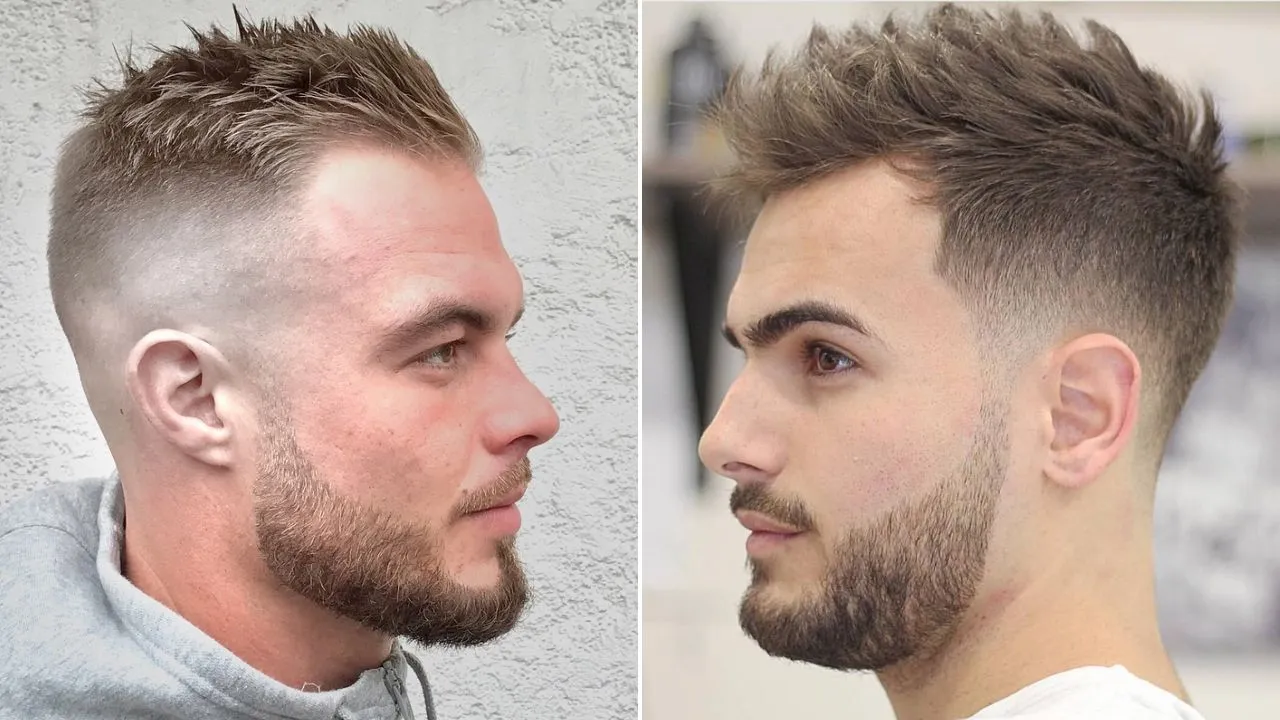
The right hairstyle does the opposite.
It softens transitions, reduces contrast, and creates better visual balance around the forehead and temples.
Forward Fringe Style
Forward fringe hairstyles remain one of the strongest options for men with temple recession.
The hair is styled slightly forward rather than pushed backward. This reduces forehead exposure and creates a softer front profile naturally.
The key is keeping the fringe textured rather than heavy or flat.
Temple Fade Crop
This modern style blends fading around the temples with textured hair on top.
The fade reduces harsh visual lines around recession points, making the hairline appear cleaner and more intentional.
This cut works especially well for younger men who want a sharp modern look without drawing attention to thinning.
Widow’s Peak Crop
Men with widow’s peak recession often try to hide it completely.
That usually backfires.
A textured crop that works with the natural shape instead of fighting it generally looks more confident and balanced. Controlled irregularity often appears more natural than aggressive concealment.
Side Swept Fringe
This style uses diagonal movement across the forehead rather than a straight horizontal fringe.
The angled direction helps soften asymmetry around the temples and creates more visual density at the front.
According to GQ Grooming, textured directional movement usually flatters receding hairlines better than slicked-back styles.
Caesar Variations
Modern Caesar cuts remain popular because the short textured fringe helps reduce attention on temple recession without looking artificial.
This is one reason many barbers recommend them for early androgenetic hair loss.
Dr. Ahmet Murat says:
“The goal should not be hiding the hairline completely. The goal is creating balance and natural proportion around the face.”
Why slick backs often fail with recession
Many men instinctively push thinning hair backward.
Unfortunately, slicked-back styling usually exposes recession more dramatically, especially under overhead lighting or wet product shine.
Textured forward movement generally creates a fuller appearance.
Best Hairstyles for Crown Thinning
Crown thinning creates a different challenge than hairline recession.
The problem is usually scalp visibility from above, especially under bright lighting. The right haircut needs to reduce contrast and create more visual texture around the vertex area.
Crown-Blending Crop
This haircut is designed specifically to soften crown visibility.
The top remains textured and slightly layered, allowing the hair to move naturally across thinner areas instead of separating sharply. Keeping the sides shorter also helps reduce contrast between dense and thinning regions.
This style works particularly well for:
- early crown thinning
- diffuse vertex loss
- fine straight hair
Textured Quiff
A short textured quiff can improve crown appearance when styled correctly.
The additional movement at the front helps shift visual attention away from the vertex area. The key is keeping the quiff controlled rather than oversized.
Too much height can expose scalp separation.
Faux Hawk
The faux hawk creates a central line of texture from the forehead toward the crown.
This directional styling can help blend thinning zones more naturally and create stronger density illusion through movement.
It also works surprisingly well for men with moderate diffuse thinning.
Messy Layers
Messy layered cuts create irregular texture patterns across the scalp.
This reduces the eye’s ability to focus on a single thinning spot. According to Men’s Health Grooming, layered texture often makes fine or thinning hair appear fuller than rigid flat styling.
Short Buzz Variations
For more advanced crown thinning, very short cuts often become the cleanest option.
Trying to maintain long thinning hair around the crown can sometimes increase scalp visibility instead of reducing it.
Dr. Ahmet Murat says:
“Crown thinning usually responds best to texture and controlled movement. Flat hairstyles tend to expose the scalp much more aggressively.”
Why overhead lighting changes everything
Many men judge their hair only in bathroom mirrors.
Crown thinning becomes far more visible under:
- sunlight
- office lighting
- restaurant overhead lighting
This is why haircut texture matters so much in real-world environments.
Medium-Length Hairstyles for Thin Hair
Many men assume medium-length hair automatically makes thinning worse. That is not always true.
The problem is not length alone. The real issue is flatness, weight, and lack of movement.
When medium-length hair has layering and texture, it can create a fuller and more relaxed appearance than overly short cuts in some cases.
Bro Flow
The bro flow works best for men with mild thinning rather than advanced density loss.
The style keeps natural movement around the sides and top while allowing the hair to flow backward softly instead of being tightly slicked down.
This creates:
- softer transitions
- reduced scalp contrast
- more relaxed texture overall
The key is keeping the style light and layered.
Messy Layers
Messy layered cuts are excellent for creating density illusion.
The irregular texture prevents the hair from separating into thin visible sections. This makes scalp exposure less noticeable under normal lighting.
This approach works especially well for:
- fine wavy hair
- diffuse thinning
- medium-density crown thinning
Mop Top
A modern mop top with texture can work surprisingly well when styled correctly.
The style frames the face naturally and avoids exposing temple recession aggressively. It is particularly useful for younger men with finer hair texture.
Wavy Push Back
This style uses soft backward movement rather than tight slicking.
Natural waves create volume automatically, which helps reduce scalp visibility. According to Byrdie Hairstyles for Thin Hair, movement and natural texture are usually more flattering for thin hair than rigid polished styling.
Curly Fringe
Men with natural curls often underestimate how useful texture can be.
Controlled curly fringes create excellent density illusion because curl patterns naturally reduce visible scalp separation.
Dr. Ahmet Murat says:
“Medium-length hairstyles work best when movement remains natural. Heavy flat styling usually makes thin hair appear weaker.”
Why layering matters more than length
Many bad medium hairstyles fail because the hair becomes too heavy.
Proper layering removes weight, improves movement, and prevents thin hair from collapsing flat against the scalp.
Hairstyles Men With Thin Hair Should Avoid
Choosing the wrong hairstyle can make thinning look dramatically worse, even when hair loss itself is still relatively mild.
This is one of the biggest mistakes men make.
Instead of working with their density pattern, they choose styles that expose scalp contrast and emphasize weak areas unnecessarily.
Slick backs with shiny products
This is one of the most common problems.
Wet-looking pomades and slick-back styles flatten the hair against the scalp, making separation and density loss far more visible under light.
The scalp reflects through the hair much more easily when the strands are compressed tightly together.
Matte texture usually works far better.
Long flat hairstyles
Many men try to hide thinning by growing the hair longer.
Unfortunately, long thin hair often separates into visible sections and exposes scalp areas more aggressively, especially around:
- the crown
- the part line
- temple recession zones
Without layering and texture, long hair can actually magnify thinning visually.
Hard middle parts
Sharp middle parts create direct contrast lines across the scalp.
For men with fine or thinning hair, this usually exposes density reduction immediately. Softer directional styling creates a more natural appearance.
Heavy pompadours
Large pompadours require strong density to look balanced.
Thin hair often collapses during the day, revealing scalp visibility beneath the styled volume. Many men end up fighting the hairstyle constantly instead of working with their natural density.
Extremely tight fades with weak top density
Very aggressive skin fades can sometimes make thinning on top appear even thinner by increasing contrast between the dense sides and weak upper sections.
Balance matters more than extreme trends.
According to Forte Series Hairstyles Guide, softer transitions and textured styling usually create better density illusion than highly polished dramatic cuts.
Dr. Ahmet Murat says:
“The best hairstyle for thin hair should reduce visual contrast, not intensify it. Simplicity often creates the strongest result.”
Why copying celebrity styles can backfire
Many celebrity hairstyles depend on:
- dense hairlines
- professional styling
- hair fibers
- studio lighting
Real-life daily styling requires more practical decisions.
How to Make Thin Hair Look Thicker
The right haircut helps, but styling technique often determines whether thin hair looks fuller or flatter during daily life.
Small adjustments can change visual density dramatically.
Blow drying creates structure
Many men skip blow drying completely and let thin hair dry naturally against the scalp.
That usually reduces volume.
Using a blow dryer with moderate heat while lifting the roots upward creates separation and texture. This makes the hair appear thicker without requiring excessive product.
The direction matters too.
Drying the hair slightly forward or diagonally often creates better density illusion than pushing everything straight backward.
Matte products work better than shiny products
This is one of the biggest styling upgrades for thin hair.
Shiny pomades and greasy gels expose scalp visibility much faster under lighting. Matte clays, texture creams, and lightweight pastes create movement without flattening the hair.
According to Men’s Health Grooming, lightweight matte styling usually creates stronger visual fullness for fine or thinning hair.
Texture powders can improve density illusion
Texture powders have become extremely popular for men with thinning hair.
They increase friction between strands, helping the hair stay lifted instead of collapsing flat throughout the day. The result often appears noticeably fuller within minutes.
The key is moderation.
Too much product can create clumping and dryness.
Hair fibers for temporary coverage
Hair fibers can temporarily reduce scalp visibility in thinning crown areas.
These products attach to existing hairs and create stronger visual density under normal lighting conditions. Many men use them successfully for:
- social events
- professional settings
- photography
They are cosmetic tools, not treatment.
Why scalp contrast matters so much
Thin hair becomes more noticeable when there is strong contrast between scalp color and hair density.
Texture, layering, and matte styling all help reduce that contrast naturally.
Dr. Ahmet Murat says:
“Hair density illusion is often about controlling texture and light reflection rather than simply adding more volume.”
Why daily styling should stay realistic
Complicated routines rarely last long-term.
The best styling strategy is usually the one a man can maintain consistently every morning without frustration.
Can Haircuts Alone Fix Thinning Hair?
A strong haircut can improve appearance immediately. It can create density illusion, reduce scalp visibility, and make thinning look far less noticeable.
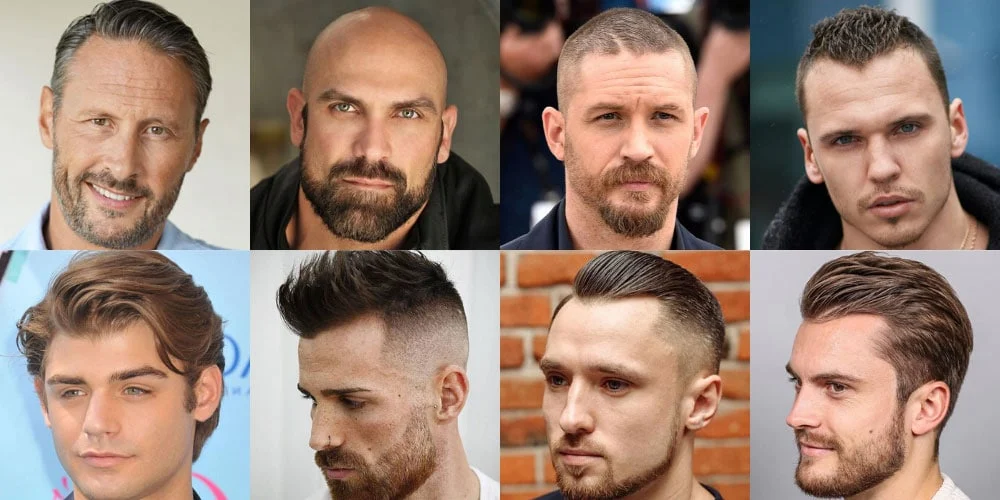
But a haircut does not stop androgenetic hair loss itself.
That distinction is important.
Styling improves appearance, not follicle biology
Haircuts work visually.
They change:
- shape
- texture
- contrast
- volume perception
What they do not change is the biological process happening underneath the scalp.
If follicles continue miniaturizing because of androgenetic alopecia, thinning may still progress over time even with excellent styling.
When styling alone is enough
Some men simply have naturally fine hair without active hair loss.
Others experience only mild early thinning and can manage appearance successfully for years using:
- textured cuts
- proper styling products
- smart barber techniques
In these situations, hairstyle strategy may be all that is needed cosmetically.
When treatment becomes important
Men with progressive thinning usually notice:
- increasing crown visibility
- widening recession
- weaker density each year
At that point, hairstyle optimization alone may no longer maintain the same visual effect.
According to guidance associated with the American Academy of Dermatology and International Society of Hair Restoration Surgery, early treatment generally improves long-term preservation outcomes.
This is why many men eventually explore:
- finasteride
- minoxidil
- PRP therapy
- hair transplantation
Why early intervention changes options
The earlier thinning is addressed, the more follicles can often be preserved.
Waiting until large smooth bald areas develop usually limits non-surgical options significantly.
Dr. Ahmet Murat says:
“Haircuts improve presentation, but preserving follicles early gives patients more long-term flexibility and stronger future outcomes.”
Why haircut and treatment should work together
The strongest results often come from combining:
- intelligent haircut selection
- realistic styling
- medical preservation strategies
This creates both immediate cosmetic improvement and long-term density protection.
Frequently Asked Questions About Men’s Hairstyles for Thin Hair
Haircuts with texture usually create the strongest density illusion. Styles such as textured crops, French crops, crew cuts, and short quiffs help reduce scalp visibility and add movement. Matte styling products also improve fullness visually.
Find the Right Hairstyle and Hair Loss Strategy for Your Hair Type
The best haircut for thin hair is not always the most popular trend online.
It is the style that matches:
- your density pattern
- hair texture
- face shape
- recession level
- daily styling routine
Some men only need a smarter haircut and better styling approach. Others may already be experiencing progressive androgenetic hair loss that requires long-term preservation planning.
That difference matters.
Dr. Ahmet Murat says:
“A good hairstyle can improve appearance immediately, but preserving follicles early gives patients far more flexibility for the future.”
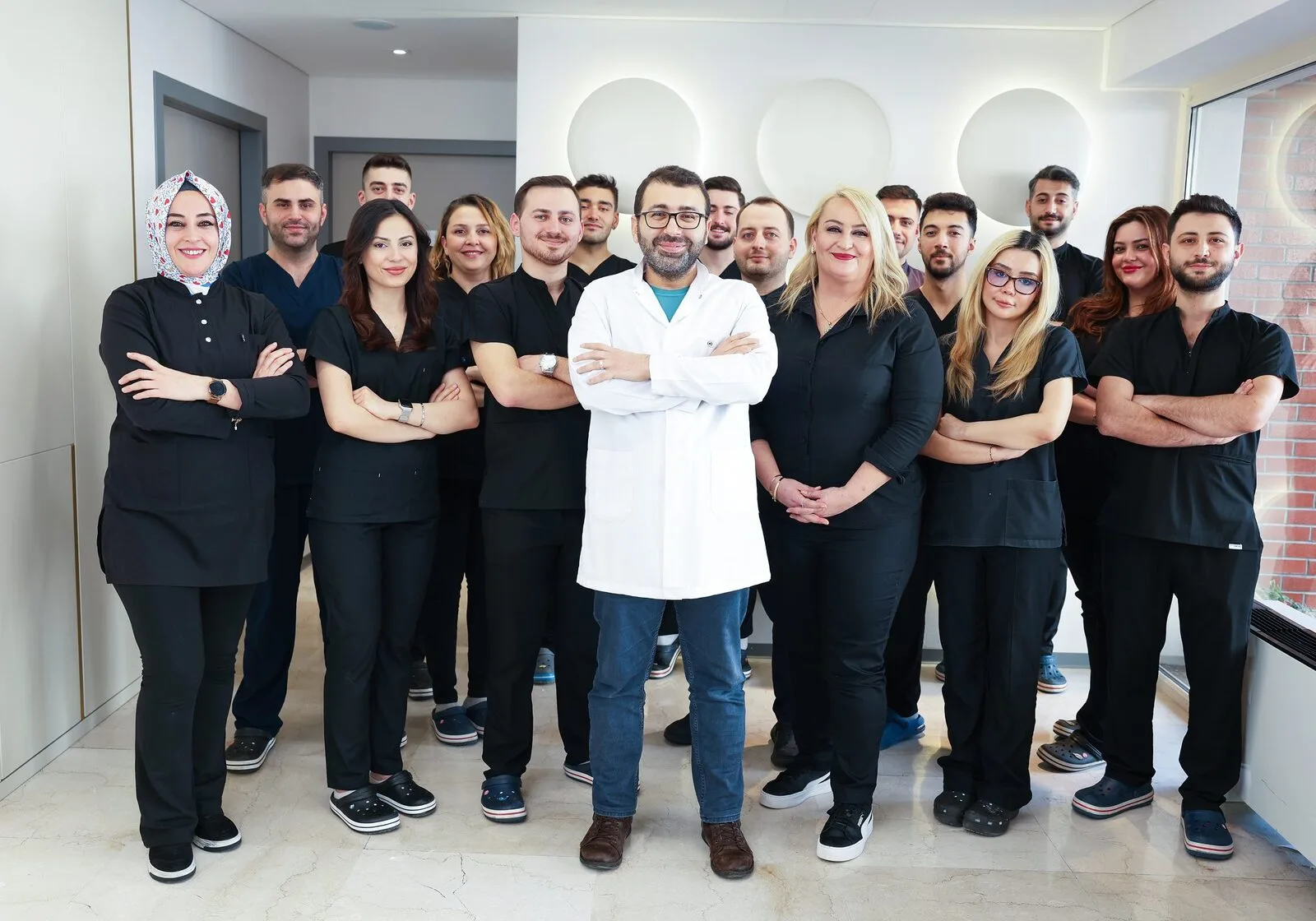
At Hermest Hair Transplant Clinic, hair analysis focuses not only on transplantation but also on:
- thinning pattern evaluation
- crown and hairline assessment
- donor preservation strategy
- non-surgical treatment planning
- realistic hairstyle guidance for current density levels
The goal is helping patients maintain the strongest and most natural appearance possible at every stage of hair loss.
If you are struggling with thinning hair, crown visibility, or recession, now is the best time to understand what options fit your hair pattern realistically.
Request your free hair analysis and speak directly with an experienced hair restoration specialist today.