

Hair Transplant for Female Celebrities: Real Cases, Causes & Results
 ChatGPT
 Claude
 Perplexity
 Grok
Grok
 Gemini

The topic of hair transplant for female celebrities has become more visible in recent years, but it is still surrounded by confusion. Unlike male hair loss, which is openly discussed, women’s hair changes are often hidden behind styling, extensions, or wigs. This creates a gap between what people see and what is actually happening.
Many wonder whether female celebrities truly undergo hair transplants or if the results are just styling tricks. The answer is not always straightforward. In some cases, the change comes from non-surgical methods. In others, there may be subtle medical or surgical intervention.
Hair loss in women is also very different from men. It rarely follows a simple pattern. Instead, it is influenced by multiple factors such as styling habits, hormonal changes, and stress.
According to American Academy of Dermatology, women often experience diffuse thinning or traction-related loss rather than the classic receding pattern seen in men.
That difference changes everything.
When people search for celebrity transformations, they are often comparing results without understanding the cause behind them. This leads to unrealistic expectations and confusion about what is actually possible.
Dr. Ahmet Murat explains:
“Female hair restoration is not about creating a new hairline from scratch. It is about preserving natural softness and improving density without disrupting the overall balance.”
In this guide, we will clarify what is real and what is misunderstood. You will see how hair loss happens in women, what treatments are actually used, and what you can realistically expect.
Do female celebrities get hair transplants?
This question becomes clearer when you look at real names instead of general assumptions. The short answer is yes, some female celebrities do undergo hair restoration procedures, but most do not openly confirm it.

That’s why context matters.
Why most celebrities don’t openly talk about it
Hair is closely tied to public image, especially for women in the spotlight. Because of that, even when procedures are done, they are often presented as styling or maintenance.
This creates a gap between what is visible and what is explained.
You may see:
- a sharper hairline
- improved density
- long-term stability
But no direct confirmation. Results are visible, explanations are not.
Examples where intervention is likely or confirmed
Some cases stand out more clearly than others.
Chrissy Teigen is one of the rare examples who openly confirmed a hairline procedure. She shared that it was done to restore areas affected by styling damage, especially around the front.
Naomi Campbell has shown visible traction alopecia over the years, followed by improvement in her hairline. While she has not confirmed a transplant, the pattern suggests some level of restoration or medical support.
Tyra Banks discussed hair loss due to stress, but her case reflects non-surgical recovery rather than confirmed transplantation.
These examples show that not all changes come from the same source.
When it’s styling, not surgery
Some celebrities are frequently mentioned, but their results can often be explained without surgery.
Jennifer Lopez maintains a consistent hairline through styling and maintenance rather than visible structural change.
Cardi B often uses lace front wigs and edge styling, which can completely reshape the appearance of the hairline.
These techniques are powerful and can easily be mistaken for permanent results.
Dr. Ahmet Murat explains:
“In female patients, changes are usually subtle and controlled. The goal is to improve without making it obvious that anything was done.”
This is the key point. Yes, some do. But what you see is usually a combination, not just a transplant.
Why female celebrities lose hair
Hair loss in women is often misunderstood. It does not usually follow the same pattern as male hair loss, and the causes are more varied. When people search for female celebrity hair transplant, they often assume the reason is the same as in men. That is rarely the case.
Traction alopecia from styling
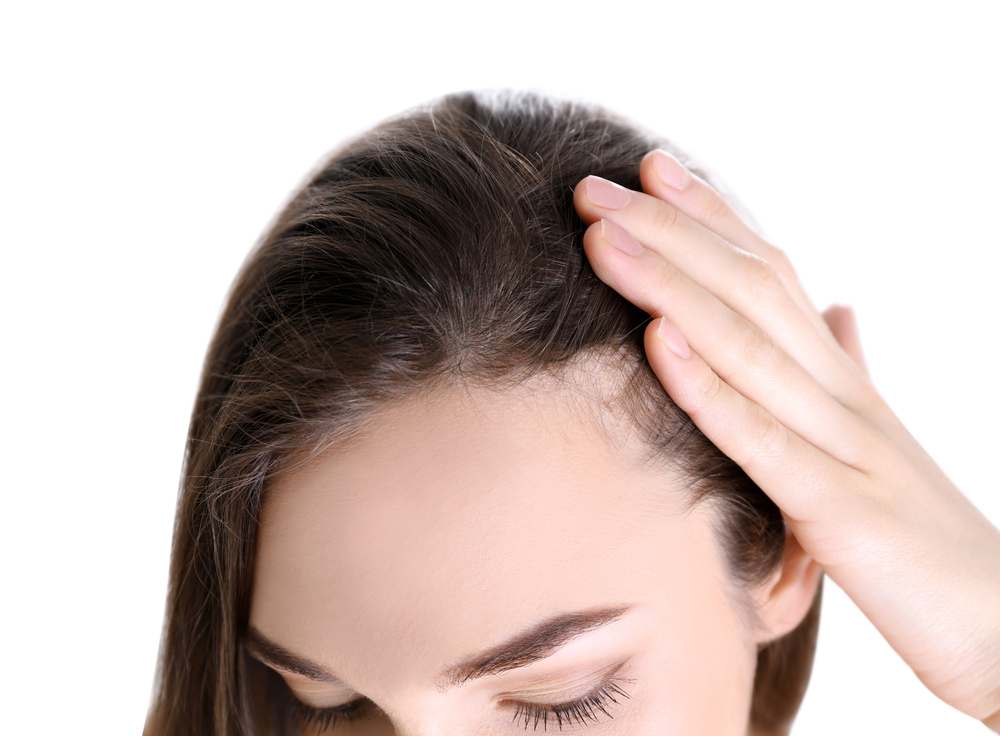
One of the most common causes among female celebrities is traction alopecia. This happens when hair is repeatedly pulled tight over long periods.
Think of:
- tight ponytails
- braids or cornrows
- frequent use of extensions
Over time, this constant tension weakens follicles, especially around the hairline and temples.
This is why some public figures, such as Naomi Campbell, have shown visible thinning in these areas. It is not random. It is mechanical stress.
According to American Academy of Dermatology, traction alopecia is a leading cause of hair loss in women who frequently use tight hairstyles.
Stress and hormonal factors
Another major factor is internal. Stress, hormonal changes, and lifestyle pressures can trigger hair shedding. This type of loss is often diffuse, meaning it spreads across the scalp rather than focusing on one area.
Celebrities often deal with:
- intense work schedules
- physical transformations for roles
- hormonal fluctuations
These can all contribute to hair thinning.
Tyra Banks, for example, has spoken about experiencing hair loss related to stress. This highlights how common and complex the issue can be.
Chemical and heat damage
Frequent styling also plays a role.
Regular exposure to:
- heat tools
- chemical treatments
- coloring processes
can weaken hair over time. While this does not always destroy follicles, it can reduce hair quality and make thinning more noticeable.
Why this matters for treatment
The cause determines the solution. Hair loss from traction or damage may be partially reversible. Hair loss from follicle destruction may require restoration.
Dr. Ahmet Murat explains:
“In women, we always start by identifying the cause. Without that, choosing the right treatment becomes guesswork.”
This is the key takeaway. Understanding the cause comes first.
Celebrity case studies: what’s real and what’s speculation?
This is where the topic of female celebrity hair transplant becomes complicated. Most people rely on photos and headlines, but those rarely tell the full story. The same visual change can come from styling, recovery, or medical intervention.
Looking at individual cases with context helps separate reality from assumption.
Naomi Campbell: traction alopecia and visible recovery
Naomi Campbell is one of the clearest examples of traction-related hair loss. Over the years, she showed visible thinning at the temples, a classic pattern linked to tight hairstyles.
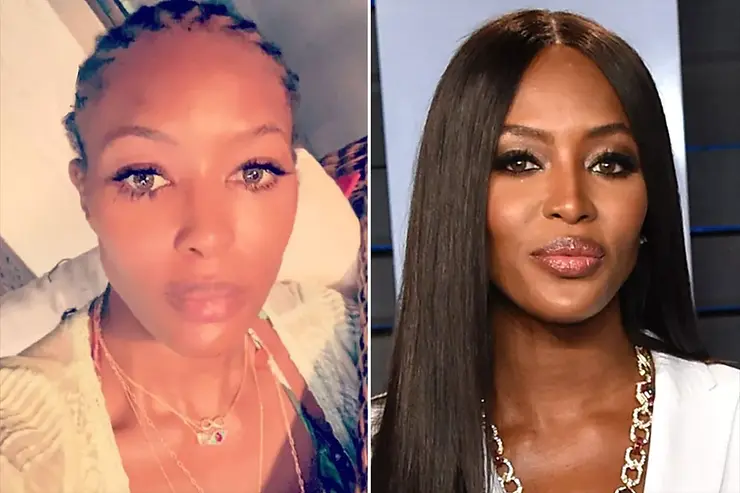
Later appearances showed improvement. This raised questions about whether she underwent restoration.
What’s realistic here:
- long-term traction can damage follicles
- early stages can recover with reduced tension
- advanced cases may require surgical restoration
There is no official confirmation of a transplant, but her case reflects how styling habits can lead to real hairline changes.
Dr. Ahmet Murat explains:
“Traction alopecia is one of the few conditions where we sometimes combine recovery methods with transplantation, depending on follicle damage.”
Tyra Banks: stress-related shedding, not hairline surgery
Tyra Banks has openly discussed hair loss linked to stress. Her case is important because it is often misunderstood.
Instead of a receding hairline, she experienced:
- overall thinning
- reduced density
- temporary shedding
This type of hair loss, often called telogen effluvium, does not require a transplant. It can improve once the underlying cause is managed.
What people often misinterpret is the visual change. Volume can fluctuate significantly without any surgical intervention.
Jennifer Lopez: consistency through maintenance and styling
Jennifer Lopez is frequently mentioned in hairline discussions, but her case is more about consistency than transformation.
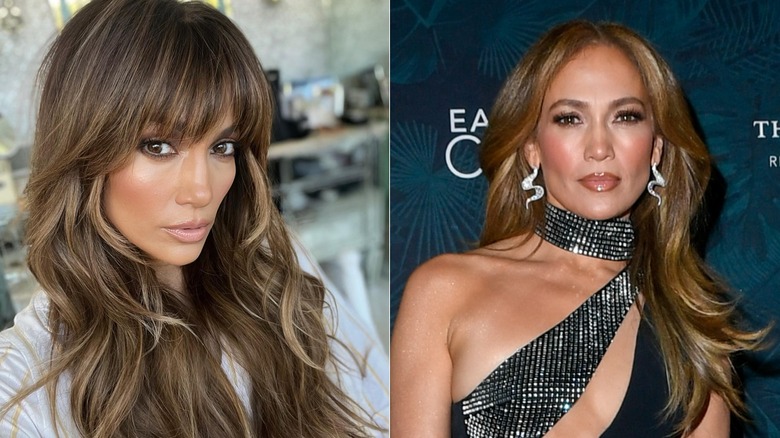
Her hairline has remained:
- stable over time
- well-defined but natural
- supported by professional styling
In many cases, what people interpret as change is actually:
- advanced styling techniques
- high-quality hair systems
- regular maintenance
There is no strong evidence suggesting a hair transplant here.
Cardi B: hairline reshaping through styling
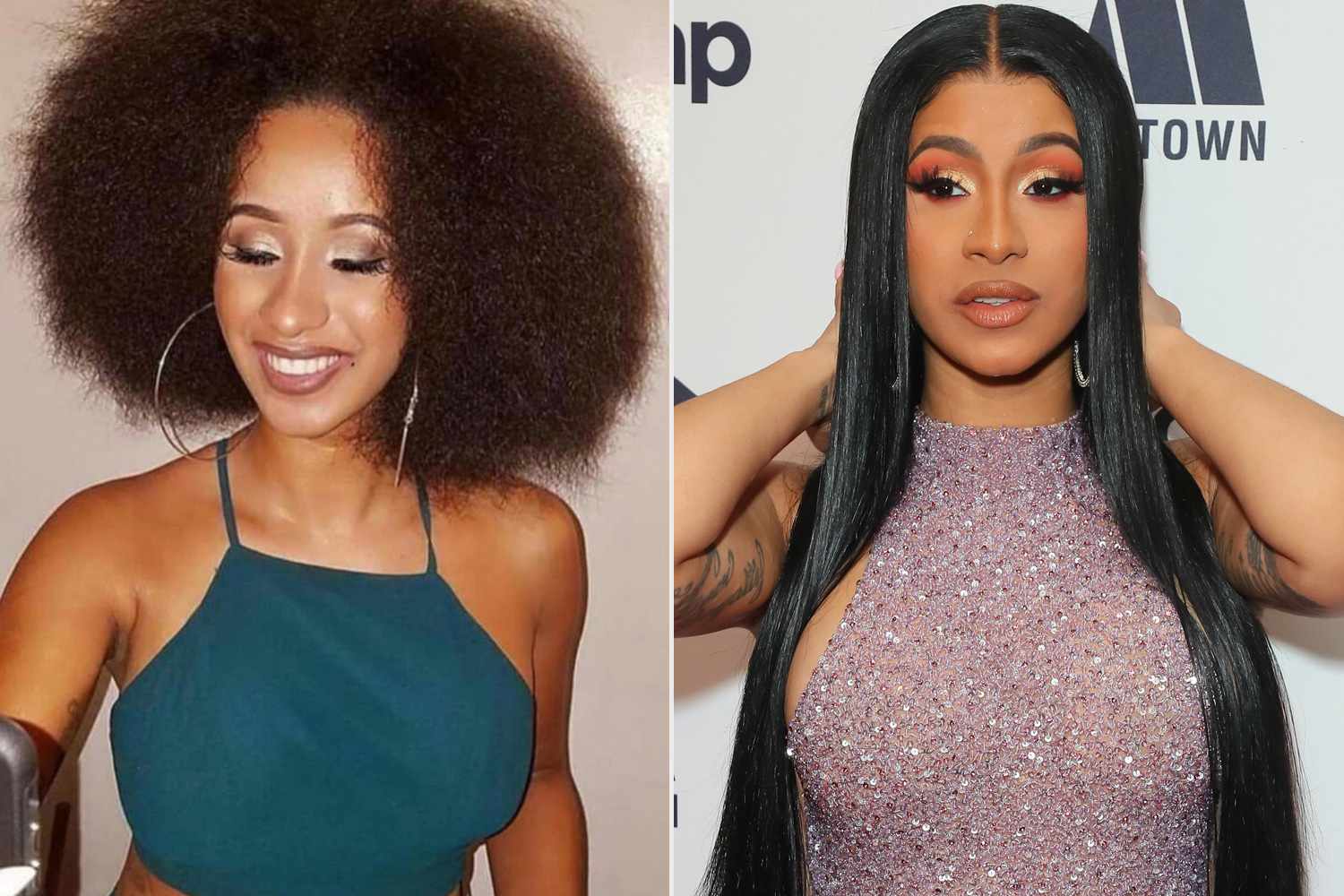
Her looks often involve:
- lace front wigs
- edge styling
- temporary reshaping techniques
These can create the appearance of a perfectly defined hairline without any permanent change.
This is one of the biggest sources of confusion online. A dramatic visual improvement does not always mean surgery.
Keira Knightley: temporary damage and regrowth

Her case shows how:
- repeated styling can weaken hair
- temporary thinning can occur
- recovery is possible when the stress is removed
This is not a transplant case, but it highlights how hair can change significantly without permanent damage.
Chrissy Teigen: confirmed hairline procedure
She shared details about:
- restoring her hairline after styling damage
- visible improvement in the frontal area
- realistic expectations rather than dramatic change
This case provides a clear example of how female hair restoration can look when done properly.
Dr. Ahmet Murat says:
“When patients see confirmed cases, they understand that female hair restoration is about refinement, not transformation.”
What these cases actually show
There is no single explanation.
Some cases involve:
- traction-related damage
- stress-related shedding
- cosmetic styling
- possible medical or surgical intervention
Dr. Ahmet Murat explains:
“In celebrity cases, what you see is often a combination of factors. It is rarely just one treatment or one cause.”
Not every transformation means a transplant.
What treatments are actually used
When discussing female celebrity hair transplant, it’s important to understand that surgery is only one part of the picture. Most visible results come from a combination of methods rather than a single solution.
Hair transplant for women

Female hair transplantation is used in selected cases, especially when there is clear hairline recession or permanent follicle loss.
In women, the approach is different from men. The goal is not to create a sharp new hairline. It is to restore density while preserving a soft, natural appearance.
This usually involves:
- placing grafts carefully along the hairline
- maintaining natural spacing between hairs
- avoiding overly dense or artificial designs
According to clinical insights referenced in PubMed, natural-looking results in women depend heavily on conservative placement and correct angulation.
Hairline lowering procedures
Some women undergo hairline lowering surgery instead of a transplant. This involves advancing the scalp forward rather than adding new follicles.
It is less common but can be effective in specific cases where the hairline is naturally high and density is otherwise good.
Non-surgical treatments

In many celebrity cases, non-surgical methods are the first step.
These include treatments such as:
- PRP (platelet-rich plasma) to support follicle function
- medical therapies to slow shedding
- scalp care to improve overall hair quality
These approaches do not create new follicles, but they can improve existing hair.
The role of styling
Styling is often underestimated.
Professional techniques can:
- reshape the visible hairline
- increase perceived density
- hide thinning areas effectively
This is why some transformations appear dramatic without any surgery.
Why combination matters
Most results are not based on a single treatment.
They come from combining:
- medical support
- cosmetic techniques
- and, in some cases, surgical correction
Dr. Ahmet Murat explains:
“In female patients, we rarely rely on one method. The best results come from combining approaches that support both density and natural appearance.”
This is the key takeaway. It’s not one solution. It’s a strategy.
Female hair transplant: how it’s different
Hair transplantation in women follows a different logic than in men. The goal is not to rebuild a receding pattern. It is to restore density while preserving a natural, soft appearance.
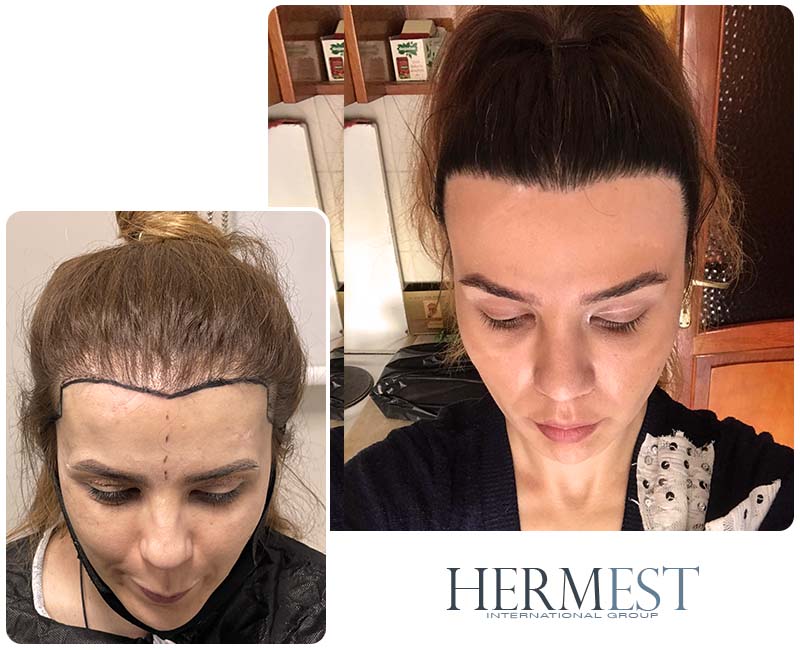
This difference changes everything.
Density expectations are more conservative
In men, procedures often aim to create visible density at the hairline. In women, the approach is more subtle.
The focus is on:
- filling thinning areas
- softening the hairline
- maintaining natural spacing
An overly dense or sharp hairline can look unnatural in female patients. That is why planning is more conservative.
Short insight. Softness matters more than density.
Technique requires more precision
Female hairlines are less defined than male hairlines. They have natural irregularity and fine transitions.
This means graft placement must be:
- carefully angled
- spaced to mimic natural growth
- blended with existing hair
Even small mistakes can disrupt the natural flow.
According to clinical insights referenced in PubMed, achieving natural results in women depends heavily on correct angulation and distribution of grafts.
Donor area considerations
Women often experience diffuse thinning rather than isolated hair loss. This affects how donor hair can be used.
Unlike men, where donor areas are typically stable, women may have:
- reduced density across the scalp
- less clearly defined donor zones
This limits how many grafts can be safely extracted.
Hairline design is different
A female hairline is not straight or geometric. It is softer, with gradual transitions.
The design must:
- match facial proportions
- follow natural contours
- avoid artificial symmetry
Dr. Ahmet Murat explains:
“In women, the goal is not to rebuild a hairline, but to refine it. The design must remain soft and consistent with natural growth patterns.”
Why this matters for expectations
Many people compare female results to male cases or celebrity images. This leads to unrealistic expectations.
A successful outcome in women is not dramatic. It is subtle and balanced.
This is the key takeaway. The best results are the ones that do not look like a procedure.
FAQs
Yes, some do, but most do not publicly confirm it. Many visible changes come from a mix of styling, medical treatments, and sometimes surgical procedures. This makes it difficult to separate real transplants from cosmetic enhancements.
Get Real Answers — Not Assumptions About Your Hair
The discussion around hair transplant for female celebrities shows one thing clearly. What you see online is rarely the full story. Styling, treatments, and subtle procedures all play a role, but your hair situation is unique.
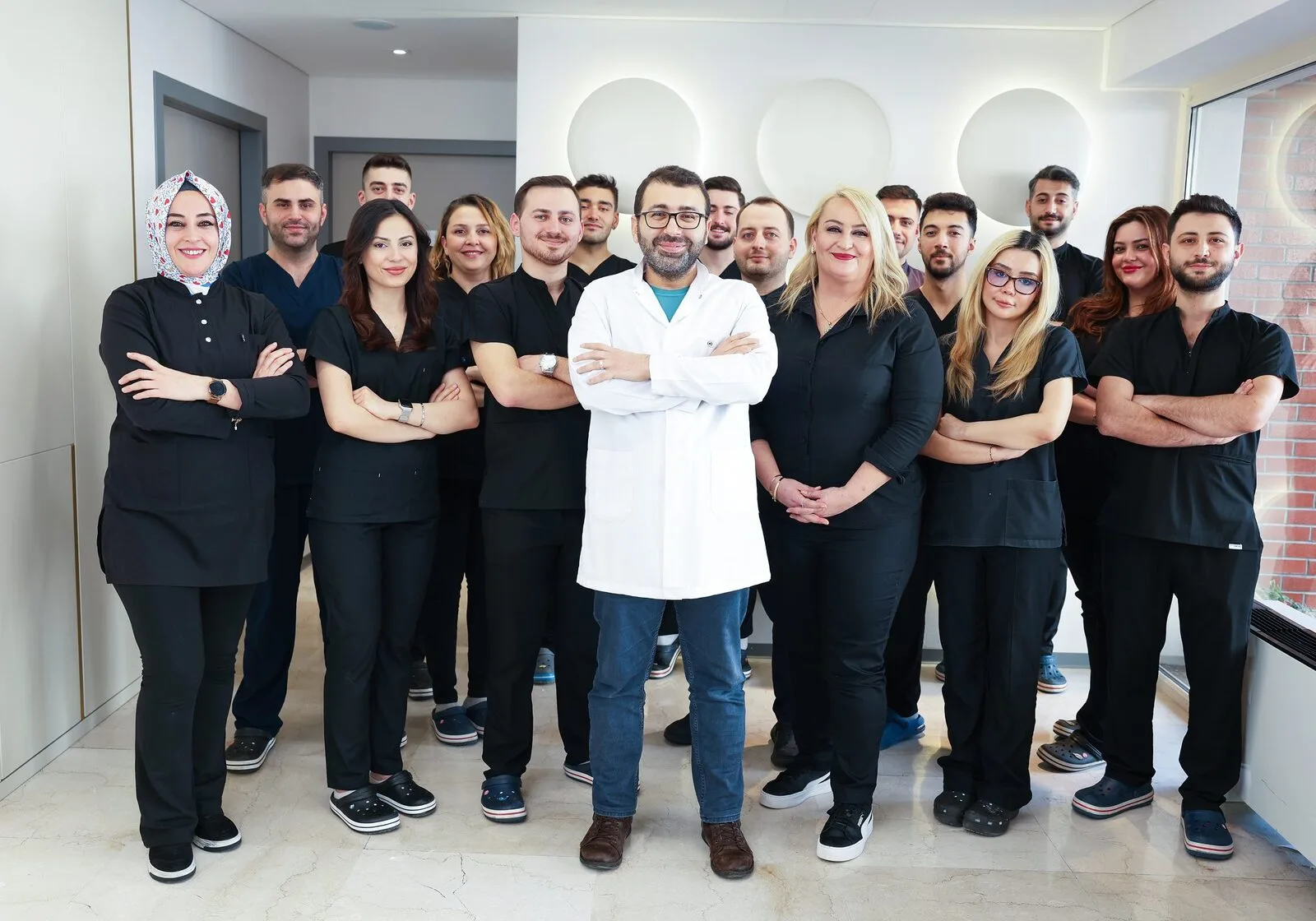
At Hermest Hair Transplant Clinic, we focus on understanding your hair first, not applying generic solutions.
You’ll get:
- a detailed analysis of your hairline and density
- clarity on the actual cause of your hair loss
- honest guidance on whether medical or surgical options are suitable
- a personalized plan designed to preserve a natural, soft appearance
Dr. Ahmet Murat advises:
“In female patients, the goal is always natural balance. When we understand the cause, we can choose the right method and avoid unnecessary treatments.”
Book your consultation today and get a clear, personalized plan that helps you restore your hair naturally — without relying on guesswork or celebrity comparisons.