

50+ Bald Celebrities – Famous Bald Men, Actors & Athletes
Bald celebrities changed how many men view hair loss completely. For decades, thinning hair was treated like something to hide. Actors wore hairpieces. Athletes avoided close-up cameras. Public figures tried comb-overs that became more memorable than their careers.
That changed. Today, some of the world’s most recognizable men built their entire image around a shaved head or naturally bald appearance. In many cases, losing hair actually strengthened their identity instead of weakening it.
Think about:
- Dwayne Johnson
- Jason Statham
- Vin Diesel
- Michael Jordan
- Patrick Stewart
Most people cannot even imagine them with full hair anymore. That psychological shift is important. According to American Academy of Dermatology, male pattern hair loss commonly begins with a receding hairline or thinning crown and may progress gradually for years.
Millions of men experience it. Still, confidence often shapes perception more strongly than density itself.
At Hermest Hair Transplant Clinic, many patients arrive believing baldness automatically makes them look older or less attractive. Yet public figures helped normalize several different paths:
- embracing baldness
- shaving early
- restoring hair medically
- choosing transplantation
- balancing facial hair strategically
There is no single “correct” decision.
Dr. Ahmet Murat says many men delay action because they think hair loss only has two extremes: panic or complete surrender. At Hermest, the focus stays on helping patients choose the option that fits their facial structure, lifestyle, donor quality, and long-term comfort realistically.
This guide covers:
- 50+ famous bald celebrities
- actors, athletes, musicians, and entrepreneurs
- celebrities with alopecia
- shaved-head style psychology
- hair loss realities behind celebrity appearances
- treatment options men consider today
Baldness changed culturally. Celebrity visibility played a huge role in that shift.
50+ Famous Bald Celebrities
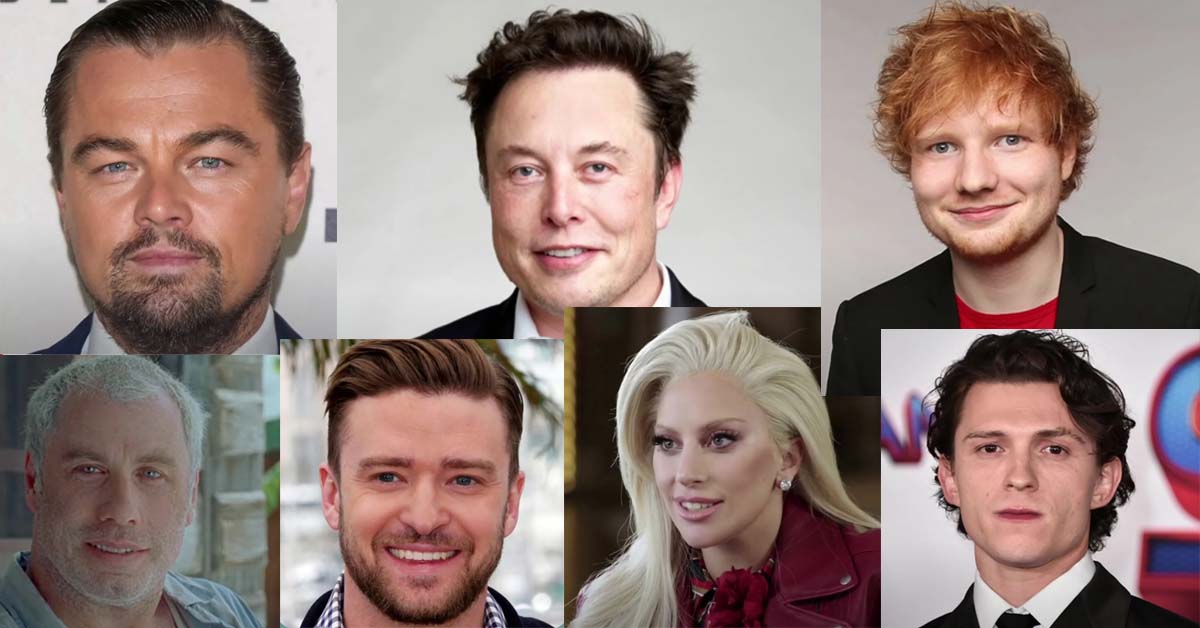
Some men became famous before losing hair. Others built their entire public image around being bald from the beginning.
Either way, many turned hair loss into part of their identity rather than something to hide.
Bald Hollywood Actors
Some bald Hollywood actors became more recognizable after losing their hair. In several cases, the shaved look actually strengthened their screen presence instead of limiting it.
That shift changed how many men viewed hair loss completely.
Dwayne Johnson
Very few celebrities shaped the modern bald look more than Dwayne Johnson.
Early in his wrestling career, he still appeared with closely cropped hair. Over time, the shaved head became inseparable from his identity. Combined with his physique and confident presence, the look helped create one of Hollywood’s strongest action-star images.
Many men searching best looking bald celebrities point to Johnson immediately.
His appearance works particularly well because:
- his scalp shape suits a shaved style
- facial structure remains strong
- grooming stays consistent
- he never appears to hide thinning
That last point matters psychologically.
Jason Statham
Jason Statham became one of the best examples of how men can age naturally without aggressively hiding recession. Unlike celebrities who dramatically altered their appearance, Statham kept a very closely shaved style as his hairline matured and thinned gradually.
This created authenticity.
Many men with receding hairlines relate to his appearance because he never tried obvious concealment strategies. Instead, the minimal hair and stubble combination became part of his masculine image.
His look demonstrates something important: a shaved style often appears stronger than thinning coverage attempts.
Bruce Willis
Bruce Willis helped normalize male hair loss long before social media existed.
During earlier films, signs of recession were already visible. Eventually, the closely shaved appearance became central to his tough on-screen identity, especially during the peak of the Die Hard era and later action roles.
Many modern bald actors followed a similar path afterward. Willis showed audiences that charisma and screen presence rarely depend entirely on dense hair.
Vin Diesel
Vin Diesel built one of the most visually recognizable bald celebrity brands in Hollywood. The shaved look contributed heavily to the aggressive, minimalist image associated with the Fast & Furious franchise.
Interestingly, older photos showing him with hair circulate online frequently because many fans genuinely forget he originally had hair at all.
That says a lot about identity transformation.
Samuel L. Jackson
Samuel L. Jackson turned baldness into part of his cinematic authority. Unlike actors who keep one carefully controlled appearance, Jackson experimented with different facial hair styles, glasses, and character looks throughout his career while maintaining the shaved head consistently.
That consistency became powerful.
Whether appearing in Pulp Fiction, The Avengers, or intense dramatic roles, the bald appearance reinforced confidence and screen presence rather than limiting versatility.
His look works particularly well because:
- facial expressions remain dominant
- grooming stays clean
- the shaved scalp complements strong facial structure
- styling appears intentional, never compensatory
This intentionality matters psychologically for many men experiencing thinning.
Patrick Stewart
Patrick Stewart represents a completely different type of bald icon. His look projects intelligence, calm authority, and sophistication rather than physical aggression. For decades, Stewart became one of the clearest examples showing that baldness can appear elegant and distinguished rather than intimidating.
His role as Captain Jean-Luc Picard changed public perception significantly.
Many younger viewers grew up seeing a bald leading character portrayed as:
- intelligent
- respected
- charismatic
- emotionally composed
That cultural impact often gets overlooked. Interestingly, Stewart has spoken openly about losing hair at a young age, which makes him especially relatable for men experiencing early androgenetic alopecia.
Stanley Tucci
Stanley Tucci demonstrates how baldness can complement refinement and understated style. Unlike action-oriented bald celebrities, Tucci’s appearance relies more on:
- tailored grooming
- facial symmetry
- elegant styling
- confidence without overcompensation
His shaved head became part of a highly recognizable intellectual and sophisticated image in Hollywood.
This matters for readers searching famous bald men because not every successful bald style depends on hyper-masculine presentation.
Mark Strong
Mark Strong often surprises audiences when older photos with hair appear online.
The shaved look suits him so naturally that many viewers assume he was always bald. His facial structure, deep voice, and sharp features created one of Hollywood’s most convincing examples of how baldness can strengthen character identity.
He also illustrates another important point: many actors stop looking “thinner” and start looking more intentional once they fully embrace the shaved style.
Ben Kingsley
Ben Kingsley proves that baldness can project authority, depth, and elegance simultaneously.
His appearance became especially iconic after Gandhi, where the shaved look aligned naturally with the historical figure he portrayed. Over time, audiences began associating Kingsley’s bald appearance with intelligence and emotional intensity rather than hair loss itself.
Many men fear baldness automatically reduces attractiveness or presence. Kingsley demonstrates the opposite. His shaved appearance helped create a highly recognizable cinematic identity across dramas, thrillers, and historical films.
The look works particularly well because:
- scalp shape appears balanced
- facial expressions remain dominant
- grooming stays clean and understated
- confidence never feels forced
Woody Harrelson
Woody Harrelson represents a more relaxed and natural version of celebrity baldness.
Unlike actors who maintain extremely polished grooming constantly, Harrelson often embraces a casual appearance publicly. This makes him relatable for many men dealing with gradual thinning or mature recession patterns.
His look never appears overly managed. That authenticity became part of his appeal.
Harrelson also highlights something many competitors ignore: not every bald celebrity relies on hyper-fitness or aggressive masculine styling. Personality, comfort, and consistency often matter more.
Dave Bautista
Dave Bautista followed a similar transition path to Dwayne Johnson. His shaved appearance became strongly connected to physical dominance and screen intensity, especially after joining the Guardians of the Galaxy franchise.
Still, Bautista’s look works for another reason too:
he fully committed to it visually.
Many men experiencing thinning remain trapped between partial recession and incomplete concealment. Bautista demonstrates how decisiveness often creates stronger visual impact than uncertainty.
J.K. Simmons
J.K. Simmons offers a different kind of bald celebrity presence entirely. Rather than relying on physical intimidation, his look projects discipline, seriousness, and authority. Roles in films like Whiplash reinforced that image dramatically.
His bald appearance feels natural rather than styled aggressively.
This becomes important for older men searching famous bald celebrities who want realistic, age-appropriate examples rather than extreme celebrity aesthetics.
Ed Harris
Ed Harris represents another classic example of how baldness can age gracefully without diminishing screen presence.
His look remained consistent for decades across:
- dramas
- thrillers
- westerns
- historical films
Instead of hiding hair loss, Harris allowed the shaved appearance to become part of his identity naturally.
Billy Zane
Billy Zane became one of Hollywood’s classic examples of how shaving can dramatically improve visual identity.
Older photos showing visible thinning and recession still circulate online frequently. Once he embraced the shaved appearance fully, the look appeared sharper, cleaner, and far more intentional.
Many men searching bald celebrities before and after mention Zane specifically for this reason.
Corey Stoll
Corey Stoll demonstrates how baldness can complement sophistication and authority naturally.
His performances in political dramas and thrillers helped normalize shaved or closely cropped styles for men outside the action-star stereotype.
The look feels intelligent rather than aggressive.
Christopher Meloni
Christopher Meloni became a strong example of how baldness and aging can work together naturally without reducing screen presence.
His shaved look projects:
- discipline
- confidence
- maturity
- physical strength
without appearing overly styled.
Taye Diggs
Taye Diggs combines a shaved scalp with polished grooming and facial balance extremely effectively.
His appearance highlights another important point: skin care and scalp maintenance often influence attractiveness more strongly than hair density itself.
Ving Rhames
Ving Rhames built a highly recognizable Hollywood identity around a shaved appearance long before it became a mainstream grooming trend.
The look reinforced authority and screen intensity naturally across action and drama roles.
Boris Kodjoe
Boris Kodjoe demonstrates how facial symmetry and grooming consistency can make baldness appear highly refined rather than limiting.
Many readers searching best looking bald celebrities include Kodjoe because his appearance feels balanced and effortless.
Danny DeVito
Danny DeVito represents another important category entirely: baldness connected to personality rather than conventional grooming standards.
His career proves charisma and memorability rarely depend on dense hair alone.
Bald Celebrities With Beards
The beard-and-bald combination changed modern male grooming completely.
For many men, facial hair creates balance after scalp recession or shaving. Strong beard structure can enhance:
- jawline definition
- facial symmetry
- masculine contrast
- overall visual balance
This explains why so many bald celebrities with beards became style references globally.
Terry Crews
Terry Crews built one of the most recognizable bald celebrity images in entertainment. His shaved scalp, muscular physique, expressive personality, and clean beard styling created a highly memorable look that feels energetic rather than intimidating.
Crews also demonstrates another important psychological shift:
he never presents baldness as something unfortunate.
That attitude changes audience perception dramatically.
Instead of appearing self-conscious, his confidence makes the shaved appearance feel intentional and powerful.
Common
Common represents a more refined and minimalist version of the bald-and-beard aesthetic.
His carefully groomed beard and consistently shaved scalp create balance without appearing overly aggressive. Many men searching best looking bald celebrities mention Common because his appearance feels elegant and controlled rather than extreme.
This matters for readers who want sophisticated inspiration rather than hyper-muscular celebrity examples.
LL Cool J
LL Cool J helped popularize the bald-with-beard look long before it became a dominant grooming trend online.
For decades, his appearance remained remarkably consistent:
- shaved scalp
- shaped beard
- strong confidence
- athletic styling
That consistency became part of his brand identity.
Many younger celebrities later adopted very similar aesthetics afterward.
Joe Rogan
Joe Rogan’s appearance became especially relatable for men experiencing androgenetic alopecia gradually.
Older photos showing visible thinning and recession still circulate heavily online. Eventually, Rogan fully embraced the shaved look instead of continuing partial coverage.
That transition resonates with many ordinary men emotionally. His look demonstrates a common reality: many men appear younger and sharper after shaving than during prolonged thinning stages.
Tyrese Gibson
Tyrese Gibson combines a shaved scalp with highly structured beard grooming, creating strong facial framing.
His appearance highlights another overlooked point: skin care and scalp grooming matter heavily for bald presentation.
A clean scalp, even tone, and intentional beard maintenance often influence attractiveness more than hair density alone.
Shemar Moore
Shemar Moore demonstrates how facial symmetry and confidence often matter more than hairstyle itself.
His bald look appears polished because:
- scalp grooming stays clean
- facial proportions remain balanced
- beard styling stays controlled
- presentation feels intentional
Bald Athletes and Sports Icons
Athletes helped normalize baldness long before social media grooming culture existed.
In professional sports, performance mattered more than maintaining a youthful hairline. Many legendary athletes embraced shaving early instead of fighting progressive thinning publicly.
That honesty made them relatable.
Michael Jordan
Michael Jordan may be the most influential bald sports icon ever. Before Jordan, baldness was rarely associated with athletic coolness or global style. His shaved head during the peak Chicago Bulls era transformed that perception completely.
Millions of men copied the look.
Jordan’s appearance worked because:
- the shave was clean and intentional
- facial structure remained highly balanced
- confidence dominated public perception
- baldness never became the “story”
Instead, it became part of greatness itself.
Shaquille O’Neal
Shaquille O’Neal embraced a shaved look that complemented his physical presence naturally.
Like many athletes experiencing recession or thinning, Shaq avoided awkward transitional styling stages completely. This helped create a more consistent and powerful public image over time.
Another important point: many athletes choose shaving for simplicity and maintenance as much as aesthetics.
Zinedine Zidane
Zinedine Zidane became one of football’s most recognizable bald figures globally. Even during his playing career, visible thinning progressed naturally before he eventually embraced a closely shaved appearance fully.
Fans rarely viewed it negatively. If anything, the look strengthened his calm, disciplined image both as a player and later as a manager.
Many men with early recession patterns identify strongly with Zidane because his transition happened gradually and publicly.
Mike Tyson
Mike Tyson’s shaved appearance became inseparable from his intimidating public identity.
Unlike actors using styling teams constantly, Tyson’s bald look felt raw and authentic. This authenticity made the image even more memorable culturally.
The look projected:
- aggression
- focus
- simplicity
- dominance
without appearing artificial.
Floyd Mayweather Jr.
Floyd Mayweather represents a more modern luxury-oriented bald aesthetic.
His highly maintained grooming, beard shaping, and polished presentation helped redefine how wealthy athletes approach bald style publicly.
Thierry Henry
Thierry Henry demonstrates how elegance and baldness can coexist naturally.
His shaved appearance feels refined rather than overly aggressive, proving that athletic bald icons are not limited to hyper-masculine stereotypes alone.
Pep Guardiola
Pep Guardiola helped normalize shaved styles within elite football culture.
His appearance feels disciplined and intentional, matching the tactical precision associated with his coaching identity.
Kelly Slater
Kelly Slater represents a more relaxed and natural bald aesthetic.
Instead of hyper-polished grooming, his shaved look feels effortless and athletic, fitting surfing culture naturally.
Tyson Fury
Tyson Fury demonstrates how confidence and personality can dominate perception more strongly than appearance alone.
His bald look feels authentic rather than image-managed, which makes him relatable for many ordinary men.
Andre Agassi
Andre Agassi’s hair journey became one of sports’ most discussed transformations publicly.
Agassi later revealed emotional struggles involving hair systems and concealment earlier in his career. His eventual shaved appearance looked far more natural and comfortable psychologically.
This story resonates strongly with men hiding thinning anxiously.
Roberto Carlos
Roberto Carlos helped normalize shaved athletic looks globally during the peak years of international football visibility.
His appearance always felt functional, confident, and naturally masculine.
Vincent Kompany
Vincent Kompany represents another modern example of baldness associated with leadership and discipline in professional sports culture.
The shaved appearance complements his calm and authoritative public image strongly.
Bald Musicians and Performers
Music and entertainment created another major cultural shift around baldness.
Unlike actors tied to one visual role repeatedly, musicians often build highly recognizable personal identities around appearance itself. Some performers turned the shaved look into part of their artistic signature permanently.
Pitbull
Pitbull may be one of the clearest examples of a celebrity whose bald appearance became inseparable from his brand identity. The clean shave, tailored suits, sunglasses, and polished presentation created an instantly recognizable image worldwide.
Many younger fans barely remember him with hair at all.
His look works because everything feels cohesive:
- scalp grooming stays sharp
- styling remains consistent
- confidence feels effortless
- the appearance appears intentional
This intentionality changes how baldness is perceived socially.
Phil Collins
Phil Collins represents a very different bald celebrity journey.
Instead of building a hyper-styled image around shaving, Collins aged naturally in public over decades. Audiences watched gradual thinning happen openly without dramatic concealment or reinvention.
That honesty made him relatable.
Many men experiencing mature recession patterns identify more closely with Collins than highly polished modern celebrity aesthetics.
Seal
Seal demonstrates how individuality often matters more than hair itself.
His facial scars, shaved scalp, and distinct voice created one of music’s most recognizable appearances. Baldness never became the defining feature because his identity already felt visually complete.
This highlights another important point: strong personal style often outweighs hair density psychologically.
Howie Mandel
Howie Mandel openly discussed shaving his head for both personal comfort and obsessive-compulsive disorder management. His transparency helped normalize baldness from another angle entirely: practicality.
Many men shave not only for aesthetics but:
- convenience
- maintenance simplicity
- comfort
- scalp consistency
Mandel’s openness made the shaved look feel approachable rather than purely image-driven.
Matt Lucas
Matt Lucas represents an important distinction often ignored online. Lucas has spoken publicly about experiencing alopecia universalis since childhood, meaning his hair loss differs biologically from standard male pattern baldness.
This matters medically.
According to discussions referenced through NIH / PMC and broader alopecia literature, autoimmune hair loss conditions behave very differently from androgenetic alopecia progression.
Larry David
Larry David became famous partly because he never tried to hide thinning convincingly.
His honesty around aging, recession, and appearance turned baldness into comedy rather than insecurity. That self-awareness made him surprisingly relatable for many men experiencing gradual hair loss themselves.
Public Figures and Entrepreneurs
Baldness is no longer associated only with athletes or action stars.
Some of the world’s most recognizable business leaders and public figures also normalized thinning, shaving, and mature recession patterns publicly. That visibility changed professional perceptions significantly.
Especially in corporate culture.
Jeff Bezos
Jeff Bezos became one of the clearest examples of a modern billionaire embracing baldness completely instead of hiding it.
Older photos showing visible thinning still circulate online frequently. Over time, Bezos transitioned into a clean shaved appearance that aligned much more naturally with his facial structure and public image.
The difference was dramatic.
Many men searching bald celebrities before and after notice the same pattern repeatedly: fully embracing the shaved look often appears more confident than prolonged visible thinning.
Steve Ballmer
Steve Ballmer represents another example of public baldness without image anxiety.
Unlike celebrities with highly curated grooming aesthetics, Ballmer’s appearance remained authentic and energetic rather than heavily styled. His success helped normalize the reality that leadership, authority, and influence rarely depend on dense hair.
That message matters psychologically for many professionals experiencing recession during their careers.
Prince William
Prince William became one of the most publicly discussed examples of male pattern hair loss progression globally.
Unlike Hollywood celebrities surrounded by aggressive styling teams, his thinning occurred gradually under constant media attention. Millions of men related to that visibility.
His situation also sparked wider conversations around:
- genetics
- mature hairlines
- recession
- hair transplant speculation
- public pressure surrounding appearance
Androgenetic alopecia can begin relatively early and often progresses gradually with age in genetically susceptible individuals.
Prince William made that progression visible publicly instead of hidden.
Dana White
Dana White helped popularize the bald executive image in sports business culture.
The shaved appearance became associated with:
- authority
- decisiveness
- confidence
- masculinity
especially within combat sports branding.
Elon Musk
Elon Musk represents a different side of the hair conversation entirely.
Older photographs showing significant thinning fueled years of public speculation surrounding possible restoration procedures. His case became one of the internet’s most discussed celebrity hair transformation examples.
Another important reminder: not every celebrity chooses to embrace baldness permanently.
Some pursue medical stabilization or transplantation instead.
Patrick Bet-David
Patrick Bet-David demonstrates how baldness can align naturally with authority and executive presence.
His closely shaved appearance feels intentional and highly maintained rather than connected to insecurity.
Joe Rogan
Joe Rogan became especially relatable for men experiencing progressive recession publicly.
Older images showing thinning remain widely discussed online, making his shaved transition feel authentic and realistic for many viewers.
Howie Mandel
Howie Mandel openly discussed shaving his head for personal comfort and OCD-related reasons, helping normalize baldness from a practical rather than purely aesthetic perspective.
Bald by Choice vs Hair Loss: What’s the Difference?
Many people assume every shaved celebrity is naturally bald.
That is not always true.
Some public figures shave intentionally despite still having hair. Others experienced progressive androgenetic alopecia. A smaller group lives with autoimmune conditions such as alopecia areata or alopecia universalis.
These situations are biologically very different.
What is bald by choice?
Some celebrities maintain shaved heads primarily for:
- style
- simplicity
- branding
- maintenance
- facial balance
In these cases, the shaved look becomes part of identity rather than a response to advanced thinning.
For example, celebrities like Pitbull or Terry Crews maintain highly polished shaved styles that feel deliberate and consistent visually.
The appearance becomes intentional.
What is male pattern baldness?
Male pattern baldness, or androgenetic alopecia, is the most common form of progressive hair loss in men.

According to NIH / StatPearls, androgenetic alopecia usually affects the frontal scalp, temples, and crown gradually through follicle miniaturization.
This process explains:
- receding hairlines
- crown thinning
- reduced density
- visible scalp exposure
Celebrities such as Jason Statham and Prince William became highly recognizable examples of visible recession patterns publicly.
What about alopecia conditions?
Autoimmune conditions like alopecia areata or alopecia universalis differ completely from androgenetic alopecia biologically.
For example:
- Matt Lucas
- Anthony Carrigan
have openly discussed alopecia-related hair loss.
This distinction matters medically and emotionally.
Why the difference matters psychologically
Men often compare themselves unfairly online without understanding the underlying condition behind celebrity appearances.
Some celebrities:
- embrace shaving
- stabilize medically
- undergo restoration
- experience autoimmune loss
- naturally age into mature recession
Those journeys are not identical.
Dr. Ahmet Murat says patients often believe there is only one “correct” response to hair loss because celebrity images appear simplified online. At Hermest, understanding whether the issue involves genetics, autoimmune loss, temporary shedding, or personal style preference completely changes treatment planning and expectations.
Celebrities With Alopecia
Not every bald celebrity experienced standard male pattern hair loss.
Some public figures live with autoimmune conditions that affect hair growth very differently from androgenetic alopecia. This distinction matters medically and emotionally.
Online articles often blur these conditions together incorrectly.
Anthony Carrigan
Anthony Carrigan became one of the most recognizable actors openly discussing alopecia areata publicly. Known for roles in Barry and superhero productions, Carrigan explained that hair loss initially created major insecurity during auditions and acting opportunities.
Over time, embracing the condition transformed his confidence dramatically.
His story resonates strongly with readers searching:
- celebrities with alopecia
- bald actors with alopecia
- famous bald men
because his experience feels honest rather than image-managed.
Matt Lucas
Matt Lucas lost his hair during childhood due to alopecia universalis, a condition involving widespread hair loss across the body. This differs completely from typical receding hairlines or male pattern thinning.
Lucas often discussed the emotional side of growing up visibly different while building a successful television career publicly afterward.
That visibility helped normalize autoimmune hair loss significantly.
Jada Pinkett Smith
Jada Pinkett Smith brought mainstream attention to alopecia conversations after openly discussing her hair loss journey publicly.
Her experience increased awareness surrounding:
- autoimmune hair loss
- emotional stress
- scalp visibility
- social stigma
especially among women.
This matters because hair loss conversations historically focused mostly on men.
Pierluigi Collina
Legendary referee Pierluigi Collina also experienced alopecia universalis. His appearance became globally recognizable during major international football tournaments.
Collina demonstrated something important psychologically:
visible hair loss does not automatically reduce authority, confidence, or public respect.
Why alopecia differs from male pattern baldness
According to American Academy of Dermatology and broader NIH discussions surrounding alopecia disorders, autoimmune hair loss may involve sudden immune-related attacks on hair follicles rather than gradual DHT-driven miniaturization.
The emotional experience can differ significantly too.
Why celebrity openness matters
Many patients feel isolated emotionally after sudden or visible hair loss.
Public figures discussing alopecia honestly help reduce shame around conditions that millions experience privately.
Why Do So Many Men Go Bald?
Hair loss feels deeply personal. Biologically, though, it is extremely common.

Millions of men experience some degree of thinning, recession, or crown loss over time. The process often begins much earlier than people expect.
Sometimes in the twenties.
What causes male pattern baldness?
The most common cause is androgenetic alopecia, also called male pattern baldness.
This condition involves genetic sensitivity to DHT, a hormone derived from testosterone. Over time, susceptible follicles gradually shrink through a process called miniaturization.
The hairs become:
- thinner
- shorter
- weaker
- less pigmented
Eventually, some follicles stop producing visible hairs completely.
According to NIH / StatPearls, androgenetic alopecia typically affects the frontal scalp, temples, and crown progressively over time.
This explains why so many bald male celebrities share similar recession patterns publicly.
Why do some men lose hair earlier?
Genetics play the largest role.
Hereditary factors strongly influence:
- age of onset
- progression speed
- thinning pattern
- severity
This is why two men living similarly may experience completely different outcomes.
Hair loss is not simply caused by “stress” alone in most cases.
Can stress still worsen shedding?
Yes. Stress can contribute to telogen effluvium, a temporary shedding condition where larger numbers of hairs enter resting phases simultaneously.
This differs biologically from progressive androgenetic alopecia.
The distinction matters enormously.
Why some celebrities shave early
Many public figures recognize that visible thinning often draws more attention than a clean shaved appearance.
Celebrities like:
- Jason Statham
- Dwayne Johnson
- Joe Rogan
helped normalize early shaving culturally.
Why hair loss feels emotional
Hair often connects strongly to:
- youth
- identity
- attractiveness
- confidence
- masculinity
This explains why even gradual thinning can feel psychologically intense.
What Can Men Learn From Bald Celebrities?
One of the biggest lessons from famous bald celebrities has very little to do with hair itself.
It is about decision-making.
Many celebrities who look strongest bald reached a point where they stopped fighting visible thinning awkwardly and chose a clear direction confidently instead.
That shift changes appearance psychologically.
Why confidence usually looks better than concealment
Another major content gap competitors rarely discuss honestly.
Men often spend years trying to:
- hide recession
- disguise crown thinning
- maintain weak density
- avoid shaving emotionally
Yet many celebrity transformations improved dramatically after embracing either:
- a shaved style
- proper restoration
- medical stabilization
instead of staying trapped in between.
Jason Statham became a perfect example of this. His closely shaved look appears intentional and masculine rather than defensive.
Why grooming matters more than many expect
Hair is only one part of facial presentation.
Several bald celebrities with beards improved visual balance through:
- beard structure
- scalp grooming
- skin care
- posture
- fitness
- wardrobe consistency
Celebrities such as:
- Common
- Terry Crews
- Shemar Moore
demonstrate how overall presentation often matters more than dense hair alone.
Why shaving sometimes looks younger
Many men fear shaving will make them appear older.
The opposite often happens.
Visible thinning, patchy recession, and sparse comb-overs can age the face more dramatically than a clean shaved appearance. This explains why some celebrities looked noticeably sharper after embracing baldness fully.
Why not every man needs the same path
Another important lesson.
Some celebrities:
- embrace shaving
- pursue transplantation
- stabilize medically
- accept mature recession naturally
There is no universal “correct” choice.
At Hermest, treatment planning focuses on:
- donor quality
- progression stage
- facial proportions
- patient goals
- long-term sustainability
rather than emotional panic alone.
Dr. Ahmet Murat says the strongest aesthetic outcomes usually happen when patients stop comparing themselves blindly to celebrity photos and instead choose the approach that fits their own facial structure, donor capacity, lifestyle, and long-term confidence realistically.
Confidence becomes far more believable when the decision feels intentional.
Do Celebrities Get Hair Transplants?
Some do. Some shave. Some use medications. Others simply age naturally.
The problem is that internet discussions often turn speculation into “fact” without evidence.
That creates unrealistic expectations quickly.
Why celebrity hair transplant rumors spread constantly
Fans compare old and new photos obsessively online.
A fuller hairline years later immediately triggers speculation surrounding:
- hair transplants
- medications
- scalp micropigmentation
- hair systems
- styling changes
Still, photographs alone rarely prove anything medically.
Lighting, angles, grooming, wet hair, and styling all affect appearance dramatically.
Elon Musk
Elon Musk became one of the internet’s most discussed celebrity hair transformation examples.
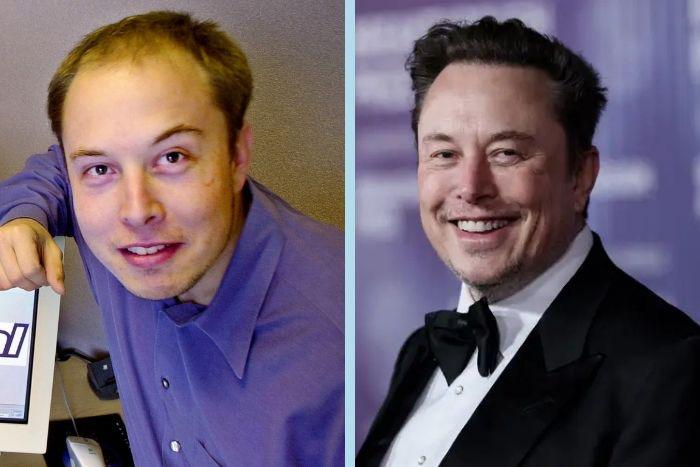
Older images showed visible thinning and recession patterns. Later appearances displayed significantly improved density publicly, leading to years of widespread transplant speculation online.
Still, unless a celebrity confirms procedures personally, absolute certainty remains impossible.
This distinction matters ethically.
John Travolta
John Travolta represents another interesting public evolution.

Over the years, he alternated between:
- fuller hairstyles
- visible thinning
- shaved appearances
- changing hairline presentations
His shaved look later received strong positive reactions from audiences, reinforcing the idea that many celebrities actually appear more natural after embracing baldness directly.
Why some celebrities choose restoration instead
Not every man wants the shaved look.
Public figures working in:
- film
- television
- politics
- media
may prefer maintaining hairline framing professionally. This explains why some celebrities pursue:
- transplantation
- medications
- PRP
- supportive therapies
rather than shaving entirely.
According to ISHRS, modern hair restoration focuses heavily on natural planning, donor preservation, and long-term progression management rather than aggressive “plug” techniques associated with older procedures.
Why celebrity results can mislead patients
Another huge content gap.
Celebrities often have:
- elite lighting
- makeup teams
- styling professionals
- image management
- unlimited maintenance budgets
Ordinary patients should not expect identical visual conditions daily.
At Hermest, treatment planning focuses on realistic density and sustainable donor management rather than celebrity imitation.
Dr. Ahmet Murat says many patients arrive with celebrity photos without understanding the genetics, donor quality, lighting, styling, or maintenance behind those appearances. At Hermest, the goal is creating natural long-term results that suit the patient’s own face and progression pattern rather than copying another person’s hairline blindly.
Hair Loss Treatment Options for Men
Not every man experiencing thinning needs the same solution. Some benefit from shaving confidently. Others respond well to medical stabilization. Some become strong candidates for transplantation later.

The correct approach depends on:
- progression stage
- donor quality
- genetics
- age
- expectations
- long-term planning
This is why proper evaluation matters more than chasing trends.
Can medications slow hair loss?
In many cases, yes.
Two of the most discussed treatments remain:
- minoxidil
- finasteride
Minoxidil may help support follicle activity and improve miniaturized hairs gradually in selected patients.
Finasteride works differently by targeting DHT-related follicle miniaturization biologically.
According to FDA, oral finasteride products are approved for androgenetic alopecia treatment in the United States.
Still, results vary substantially.
What about PRP and regenerative therapies?

Many clinics now offer:
- PRP
- exosome therapy
- supportive regenerative treatments
These approaches aim to support scalp environment and follicular health rather than instantly creating unlimited new density.
Another important reality competitors often avoid: advanced inactive follicles may not fully recover regardless of supportive therapy intensity.
When does a hair transplant make sense?

Hair transplantation may help improve:
- frontal density
- temple recession
- crown thinning
- facial framing
Still, surgery works best when:
- progression is evaluated properly
- donor preservation remains realistic
- long-term planning exists
At Hermest, techniques like Unique FUE® prioritize natural transitions and donor management instead of chasing artificially aggressive density.
Is shaving still a valid option?
Absolutely. Some men genuinely look stronger and more comfortable embracing baldness directly rather than fighting ongoing recession for years emotionally.
This choice should not be viewed as failure.
Why early action matters
According to American Academy of Dermatology, androgenetic alopecia progresses gradually over time. Earlier evaluation may preserve more options later.
Dr. Ahmet Murat says the goal should never be blindly “saving every hair” at any cost. At Hermest, treatment planning focuses on creating the most natural, sustainable, and psychologically comfortable long-term outcome for each patient individually.
FAQs About Bald Celebrities & Hair Loss
Who are the most famous bald celebrities?
Some of the most recognizable bald celebrities include Dwayne Johnson, Jason Statham, Vin Diesel, Michael Jordan, and Samuel L. Jackson.
Are bald celebrities naturally bald or shaved?
Some celebrities experience androgenetic alopecia naturally, while others shave intentionally for style, simplicity, or branding reasons.
Which celebrities have alopecia?
Public figures including Anthony Carrigan, Matt Lucas, and Jada Pinkett Smith have openly discussed alopecia publicly.
Why do so many actors shave their heads?
Many actors feel a shaved appearance looks cleaner and more intentional than visible thinning or recession. Bald looks can also strengthen character identity visually.
Do bald celebrities get hair transplants?
Some likely do, though many cases remain speculative unless confirmed publicly. Others choose shaving, medications, or simply embrace natural progression.
Can male pattern baldness be treated?
Yes. Treatments may include:
- minoxidil
- finasteride
- PRP
- regenerative therapies
- hair transplantation
depending on progression stage and follicle condition.
Is shaving your head better than hiding thinning?
For many men, yes. Visible thinning sometimes draws more attention than a clean shaved appearance psychologically and aesthetically.
Can bald men still look attractive?
Absolutely. Facial structure, confidence, grooming, posture, beard styling, and overall presentation often influence attractiveness more strongly than dense hair alone.
When should men seek professional hair evaluation?
Evaluation becomes worthwhile when noticing:
- temple recession
- crown thinning
- excessive shedding
- widening scalp visibility
- miniaturized hairs
- rapid density changes
Does every bald man need a hair transplant?
No. Some men prefer shaving confidently, while others pursue medical stabilization or transplantation depending on personal goals and donor quality.
Unsure Whether to Shave, Treat, or Restore Your Hair?
Hair loss affects men very differently emotionally. Some feel comfortable embracing a shaved appearance immediately. Others prefer stabilizing recession medically or restoring density surgically. The right decision depends on:
- progression stage
- donor quality
- facial structure
- scalp condition
- long-term expectations
- personal confidence

At Hermest Hair Transplant Clinic, Dr. Ahmet Murat and the team evaluate:
- follicle miniaturization
- hairline recession
- crown thinning
- donor capacity
- scalp health
- long-term hair loss progression
The goal is creating realistic, natural-looking outcomes rather than pushing every patient toward the same solution.
Dr. Ahmet Murat says many men wait too long emotionally because they fear judgment around baldness or treatment. At Hermest, the focus stays on helping patients make confident, informed decisions that feel sustainable both aesthetically and psychologically over time.
Whether you are considering:
- shaving your head
- medical hair loss treatment
- PRP or regenerative therapies
- hair transplantation
- long-term hair preservation
a professional scalp and hair analysis can help clarify your options realistically.