

How to Stop Hair Loss From Ozempic: Causes, Timeline & Solutions
How to stop hair loss from Ozempic is one of the most searched concerns among people using GLP-1 medications. You start treatment to improve your health. Then, a few months later, you notice more hair in the shower. That timing feels alarming.
Here’s the key point early: Hair shedding linked to Ozempic is usually temporary. It is not typically caused by the drug damaging hair follicles. Instead, it is most often related to telogen effluvium, a condition triggered by rapid weight loss and metabolic stress.
Hair loss associated with medications like Ozempic is often connected to nutritional changes and rapid weight reduction rather than direct drug toxicity. That distinction matters. You are not losing hair because your follicles are failing. You are seeing a shift in the hair growth cycle.
This guide will give you clear answers. You’ll understand:
- why ozempic hair loss happens
- how long it lasts
- how severe it can be
- how to stop hair loss from ozempic female cases
- what vitamins and nutrition actually help
- whether anything works “overnight”
- and how to prevent it while continuing treatment
Dr. Ahmet Murat says:
“The biggest mistake is assuming the medication is directly damaging hair. In most cases, it is the body adapting to rapid change. That changes how we approach the solution.”
You don’t need to panic. You need to understand the mechanism and respond correctly.
Quick Insights
- Ozempic hair loss is usually temporary and linked to telogen effluvium.
- The main trigger is rapid weight loss, not direct damage from the medication.
- Shedding often starts 2–4 months after weight loss begins.
- The process typically stabilizes within weeks to a few months.
- Recovery depends on restoring nutritional balance, especially protein and iron.
- There is no overnight fix, but there is a clear path to improvement.
- How to stop hair loss from ozempic female cases often requires closer monitoring of iron levels and overall nutrition.
- Preventing excessive shedding is possible by controlling weight loss speed and maintaining consistent intake.
Does Ozempic Cause Hair Loss?
This is the question most people start with. You begin treatment, then notice shedding. The connection feels obvious. But the answer needs a bit more nuance.
Drug effect vs weight loss effect
Does Ozempic directly cause hair loss? In most cases, no.
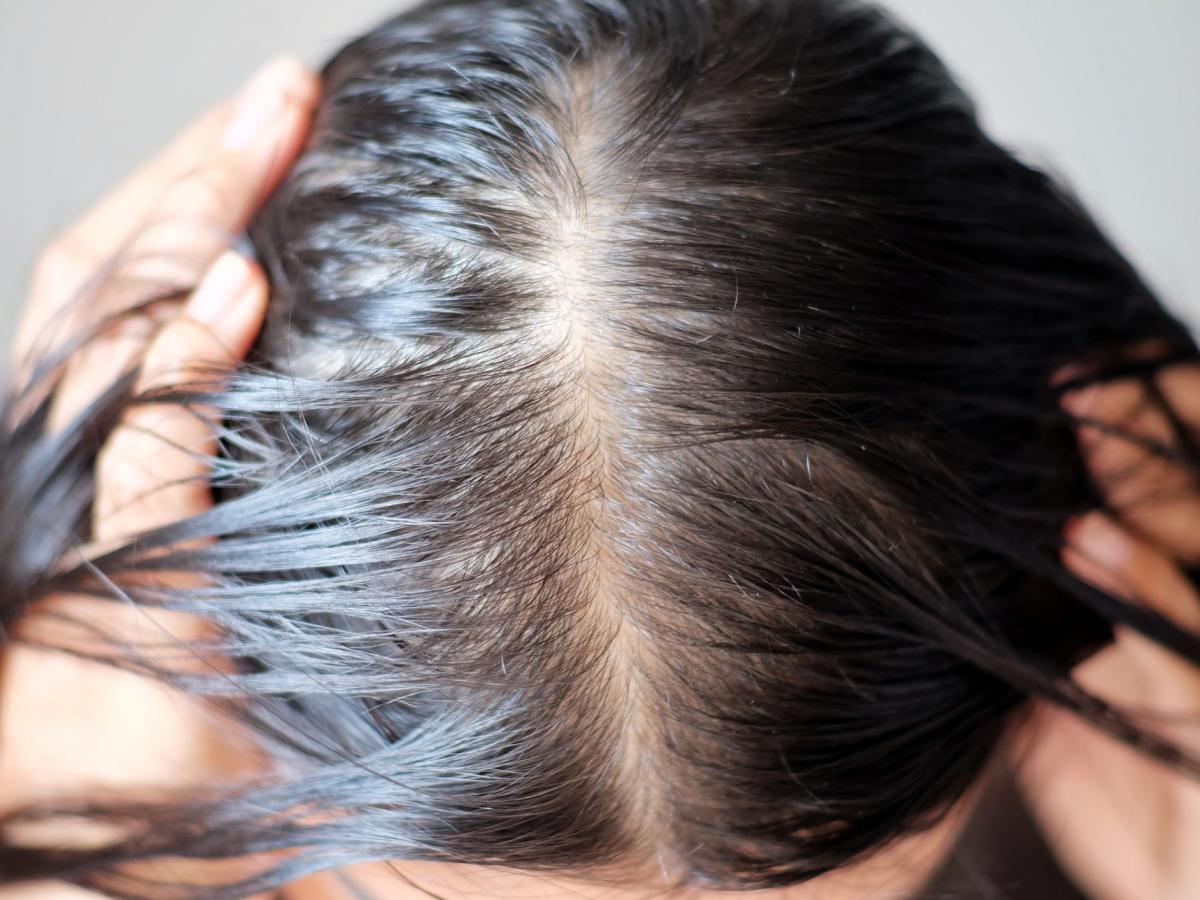
Hair shedding linked to ozempic hair loss is usually not caused by the medication damaging hair follicles. Instead, it is triggered by the body’s response to rapid weight loss.
That response matters more than the drug itself.
According to insights referenced by Healthline and clinical commentary, hair loss seen with GLP-1 medications is commonly associated with telogen effluvium, which occurs after physical or metabolic stress.
Rapid weight loss is one of the most well-known triggers.
What research and clinical guidance suggest
GLP-1 medications like semaglutide help reduce appetite and calorie intake. This often leads to significant weight loss over a relatively short period.
That shift can affect:
- nutrient intake
- protein levels
- metabolic balance
These changes can push more hair follicles into the resting phase, which leads to shedding later. The delay is important.
Hair loss often appears 2 to 4 months after weight loss begins, not immediately.
Why it is not listed as a primary side effect
This is another point of confusion. Hair loss is not consistently listed as a direct side effect in medication labeling. That’s because the mechanism is indirect.
It is linked to:
- rapid weight change
- nutritional shifts
- physiological stress
Not toxicity.
Why this feels misleading
From a patient perspective, the timing creates a strong association.
You take the medication. Hair shedding follows. It feels like cause and effect.
Dr. Ahmet Murat explains:
“Patients connect the medication with the outcome, but the real trigger is often the body adapting to rapid weight loss. That distinction changes how we manage it.”
The goal is not to stop the medication immediately. The goal is to understand the underlying cause and address it properly.
Why Ozempic Causes Hair Loss
Understanding the mechanism changes everything. Once you see why shedding happens, it becomes less alarming and more predictable.
Telogen effluvium explained
The most common explanation behind ozempic hair loss is a condition called telogen effluvium.
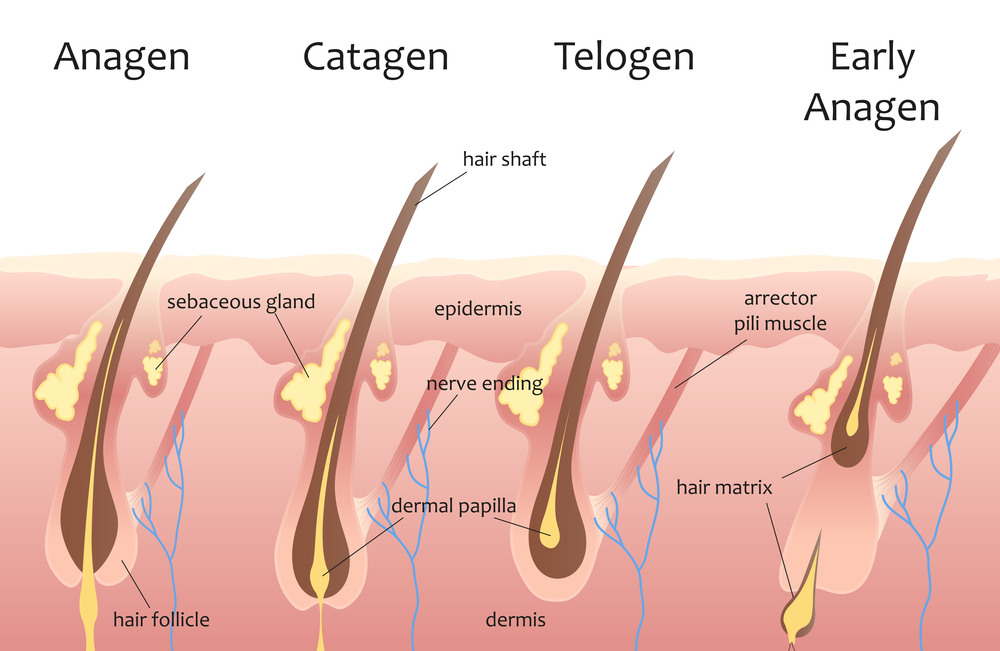
Hair grows in cycles:
- growth phase (anagen)
- transition phase
- resting phase (telogen)
Normally, only a small percentage of hairs are in the resting phase at any time.

With telogen effluvium, a larger number of hairs shift into that resting phase at once. After a delay, they shed together.
That creates noticeable hair loss.
According to insights referenced by many clinics, telogen effluvium is commonly triggered by stressors such as rapid weight loss, illness, or nutritional imbalance.
Rapid weight loss as a stress trigger
This is the core driver. GLP-1 medications reduce appetite and calorie intake. When weight drops quickly, the body interprets it as a stress signal.
That signal can affect:
- energy allocation
- hormone balance
- hair growth priority
Hair is not essential for survival. The body shifts resources elsewhere.
Nutritional deficiencies and hair shedding
This is where many cases worsen.
During rapid weight loss, intake of key nutrients may drop.
Common contributors include:
- low protein intake
- reduced iron levels
- zinc deficiency
These factors can amplify shedding.
Why shedding is delayed
This part confuses many people. Hair does not fall out immediately after the trigger.
Instead:
- follicles shift phase first
- shedding happens weeks later
That is why hair loss often appears months after starting treatment.
Why this is usually reversible
The follicles are not destroyed. They are simply cycling differently.
Once the body stabilizes, the cycle can normalize.
Dr. Ahmet Murat says:
“This type of shedding is not permanent damage. It is a temporary shift. The key is supporting the body during that transition.”
The mechanism is predictable. Which means the next step is also predictable.
When Does Hair Loss Start and How Long Does It Last?
Timing is what most people want clarity on. If you’re dealing with ozempic hair loss, the delay can feel confusing. You start treatment, everything seems fine, and then shedding begins weeks later.
That delay is expected.
When does shedding start?
Hair loss linked to GLP-1 medications does not happen immediately.
In most cases, shedding begins:
- around 2 to 4 months after starting treatment
- or after noticeable weight loss has occurred
This timing reflects the hair cycle, not the medication itself.
According to clinical explanations, telogen effluvium typically appears after a delay because hair follicles first shift into a resting phase before shedding.
How long does Ozempic hair loss last?
For most individuals:
- shedding lasts a few weeks to a couple of months
- it gradually slows down
- regrowth follows after stabilization
The full cycle can take several months. Hair does not recover overnight. It follows its natural timeline.
What affects the duration?
The length of the shedding phase depends on several factors:
- how fast weight loss occurred
- nutritional intake during that period
- overall health and stress levels
Faster weight loss often leads to a more noticeable response.
When timelines start to look unusual
If shedding:
- continues for many months without slowing
- becomes progressively worse
- is combined with other symptoms
it may not be typical telogen effluvium alone.
Dr. Ahmet Murat explains:
“The timeline is one of the most important clues. Temporary shedding follows a pattern. If that pattern is missing, we investigate further.”
Do not measure progress day by day. Look at trends over time. Once you understand the timeline, the situation becomes more manageable.
How Bad Is Ozempic Hair Loss?
This is where concern peaks. You start noticing more hair fall than usual. It feels sudden. It feels excessive. The question becomes direct: how serious is this? The honest answer is that severity varies.
Mild to noticeable shedding
In many cases, the shedding is mild. You see more hair during washing or brushing, but there is little visible change in overall density.

For others, the shedding is more noticeable. The hair may feel thinner, especially around the crown or part line. This is where concern increases, particularly in hair loss ozempic female cases, where volume changes are easier to detect.
A smaller group experiences more pronounced shedding. This can create temporary thinning that feels dramatic, even though it is still part of a reversible process.
Why some people experience more shedding
The intensity depends on how the body responds to change.
Factors include:
- how quickly weight is lost
- baseline nutritional status
- individual sensitivity to metabolic stress
When more follicles shift into the resting phase at once, the shedding appears heavier.
According to explanations referenced by Cleveland Clinic, telogen effluvium can vary significantly in how it presents, even though the underlying mechanism is the same.
Why it feels worse than it is
Hair loss is highly visible.
You notice strands daily, which creates a sense of urgency. Even temporary shedding can feel permanent in the moment.
Dr. Ahmet Murat says:
“Patients often overestimate how severe the shedding is because they see it daily. The key is whether the process stabilizes, not how intense it feels at its peak.”
What matters more than severity
The most important factor is progression over time.
Does shedding slow down?
Does density stabilize?
Does regrowth begin?
These questions matter more than how much hair falls in a single week.
How to Stop Hair Loss From Ozempic
There is no instant switch. There is a clear strategy.
Focus on the real cause, not the symptom
The shedding is usually driven by:
- rapid weight loss
- nutritional imbalance
- metabolic stress
That means the solution is not about stopping the medication alone. It is about supporting the body during change.
Nutrition is the foundation
This is the most overlooked factor.
Hair growth depends heavily on protein and micronutrients. During weight loss, intake often drops without people realizing it.
Key areas to focus on:
- adequate daily protein intake
- maintaining iron levels
- supporting zinc and vitamin D balance
Nutritional deficiencies are a common contributor to hair shedding during weight loss. If this part is ignored, shedding tends to persist longer.
Avoid aggressive weight loss
Faster is not better here.
Rapid weight reduction increases the likelihood of telogen effluvium. Slowing the pace can reduce the intensity of shedding.
This does not mean stopping progress. It means making it more controlled.
Support the hair cycle
The goal is to stabilize the system. This includes:
- consistent nutrition
- regular monitoring
- avoiding sudden changes
Some patients may benefit from medical support, depending on their profile.
Dr. Ahmet Murat says:
“The focus should not be on stopping the shedding instantly. It should be on correcting the conditions that caused it. Once the body stabilizes, the hair cycle follows.”
What you should expect
Improvement takes time.
Hair growth is gradual. Even after shedding slows, visible recovery may take months.
What Vitamins Are Good for Ozempic Hair Loss?
Once shedding starts, many people turn to supplements.
The question comes up quickly: what vitamins are good for Ozempic hair loss?

The answer is not about taking everything. It is about correcting what your body is missing.
Protein comes first
Before vitamins, protein matters most.
Hair is primarily made of keratin, which depends on adequate protein intake. During rapid weight loss, protein intake often drops without being noticed.
Low protein alone can trigger or worsen shedding.
If this is not corrected, supplements will not be enough.
Key nutrients linked to hair health
Certain deficiencies are commonly associated with shedding during weight loss.
Iron plays a central role, especially in women. Low iron levels can significantly affect hair growth cycles. Zinc supports follicle function and repair. Vitamin D is linked to overall hair cycle regulation.
These deficiencies are among the most common contributors to hair shedding during periods of rapid weight change.
Correcting them can support recovery.
Should I take biotin with Ozempic?
Biotin is often marketed for hair growth. In reality, it only helps if there is a deficiency.

For most people, biotin alone does not stop shedding caused by telogen effluvium.
It is not harmful in typical doses, but expectations should remain realistic.
Why supplements alone are not enough
This is where many people go wrong.
Taking vitamins without addressing:
- protein intake
- calorie balance
- overall nutrition
limits results.
Dr. Ahmet Murat says:
“Supplements can support recovery, but they cannot replace proper nutrition. Hair reflects the body’s overall balance, not a single vitamin.”
What you should focus on
Start with nutrition. Then correct deficiencies if needed.
Once those are in place, the hair cycle has the support it needs to normalize.
How to Stop Hair Loss From Ozempic Female
Hair shedding during weight loss often affects women more visibly. That’s why searches like how to stop hair loss from ozempic female are so common.
The mechanism is the same. The impact is different.
Why women are more affected
Women tend to notice density changes faster.
Hair is often longer, styled with a visible part line, and more dependent on volume for overall appearance. Even moderate shedding can feel significant.
There are also biological factors.
Iron deficiency is more common in women. Hormonal fluctuations can influence the hair cycle. These factors can make hair loss ozempic female cases more noticeable and sometimes more persistent.
How to stop hair loss on a GLP-1 female
The approach needs to be slightly more targeted.
Focus areas include:
- maintaining adequate protein intake
- monitoring iron levels more closely
- avoiding extreme calorie restriction
Iron status is especially important. Even mild deficiency can affect hair growth.
According to guidance referenced by Cleveland Clinic, nutritional deficiencies are a key driver of shedding during rapid weight loss, particularly in women.
Hormonal balance and hair response
Hormonal shifts can amplify shedding.
This does not mean the medication is directly affecting hormones in a harmful way. It reflects how the body adapts to weight change.
The result is a more noticeable shedding phase for some women.
What women should expect
The timeline is similar to men:
- delayed onset
- temporary increase in shedding
- gradual stabilization
The difference is perception and sensitivity to change.
Dr. Ahmet Murat says:
“In female patients, we pay closer attention to iron levels and nutritional balance. Small deficiencies can have a larger visible effect.”
What makes the biggest difference
Consistency and monitoring.
Once nutrition is stable and the body adapts, the shedding phase usually resolves.
How to Stop Hair Loss From Ozempic Overnight
The honest answer is simple. You cannot stop it overnight.
That does not mean you cannot fix it. It means the timeline is different.
Why an instant fix is not realistic
Hair does not respond in hours or days. The shedding you see today started weeks earlier. Hair follicles already shifted into the resting phase before the hair falls out. That process cannot be reversed immediately.
Telogen effluvium follows a delayed cycle. By the time shedding becomes visible, the trigger has already occurred.
What actually works instead
Instead of looking for an overnight solution, focus on stabilizing the system.
That means:
- correcting nutritional intake
- maintaining consistent protein levels
- avoiding further rapid weight loss
These steps do not stop shedding instantly. They shorten the duration and support recovery.
What you can expect in the short term
Shedding may continue for a period even after you correct the cause. This is normal.
What changes first is not the shedding itself, but the underlying balance. Once that stabilizes, the hair cycle begins to normalize.
Why patience matters here
This is the part many people struggle with.
Hair growth operates on a slower timeline than most other body systems. Even when everything is done correctly, visible improvement takes time.
Dr. Ahmet Murat says:
“Patients often want immediate results, but hair recovery follows biological timing. Once the cause is addressed, improvement will come, but not instantly.”
There is no overnight fix. There is a clear path to recovery.
Understanding that difference helps you avoid unnecessary stress and ineffective solutions.
How to Prevent Hair Loss While Taking Ozempic
Prevention is where you have the most control. If you’re starting treatment or already using it, the question becomes practical: how do you prevent hair loss while taking Ozempic?
You cannot control every response. You can reduce the risk.
Before starting treatment
Preparation matters more than most people realize.
Before beginning a GLP-1 medication, it helps to check your baseline:
- nutritional status
- iron levels
- overall protein intake
Starting from a stable position reduces the shock to the system once weight loss begins.
During weight loss
This is the most critical phase. The goal is not just losing weight. It is losing weight in a controlled way.
Key focus areas:
- maintaining adequate daily protein
- avoiding extreme calorie restriction
- monitoring how fast weight is dropping
Rapid weight loss and nutritional deficiencies are major contributors to shedding during this process. Slowing the pace slightly can make a significant difference.
Monitoring early signs
Early awareness helps.
If you notice:
- increased shedding
- changes in hair texture
- reduced density
it’s a signal to adjust your approach, not panic.
Addressing nutrition and stability early can reduce the intensity of the shedding phase.
Why consistency is more effective than reaction
Many people wait until shedding becomes noticeable. At that point, the process has already started.
Preventive care focuses on maintaining balance from the beginning rather than trying to fix the problem later.
Dr. Ahmet Murat says:
“Prevention is not about eliminating risk completely. It is about keeping the body stable while it adapts. That stability protects the hair cycle.”
Most advice focuses on reaction. The real advantage comes from prevention. If the body is supported early, the likelihood and severity of shedding can be reduced.
Does Ozempic Wear Off as the Week Goes On?
This question comes up more than you might expect.
Does Ozempic wear off as the week goes on? And if it does, does that affect hair loss?
The answer is that the medication is designed to stay active throughout the week. Any perceived fluctuation does not directly influence hair shedding.
How weekly dosing actually works
Ozempic (semaglutide) is a long-acting GLP-1 receptor agonist.
It is formulated to:
- release slowly over time
- maintain relatively stable levels in the body
- support appetite control throughout the week
This is why it is taken once weekly rather than daily.
Some people feel that appetite control is stronger in the first few days and slightly reduced toward the end of the week. That perception can vary between individuals.
Why this does not affect hair loss
Hair loss linked to GLP-1 medications is not driven by short-term fluctuations.
It is tied to:
- overall weight loss
- nutritional intake
- metabolic adaptation over time
These are long-term processes.
Shedding occurs weeks or months after the initial trigger, not day by day.
Telogen effluvium follows a delayed pattern linked to physiological stress, not short-term medication levels.
Why people connect the two
The timing can feel misleading. If appetite changes throughout the week, people assume the medication’s effect is fluctuating in a way that might impact hair.
In reality, hair follicles respond to cumulative changes, not daily variation.
Dr. Ahmet Murat says:
“Hair loss does not respond to short-term changes in medication levels. It reflects the body’s overall state over time, not day-to-day fluctuations.”
Even if the medication feels different across the week, it does not change the underlying cause of shedding.
The focus should remain on:
- maintaining consistent nutrition
- managing weight loss pace
- supporting overall balance
These factors have a far greater impact than weekly perception differences.
Frequently Asked Questions About Ozempic Hair Loss
How long does Ozempic hair loss last?
Hair shedding linked to GLP-1 medications usually lasts a few weeks to a couple of months. It often begins 2–4 months after weight loss starts and gradually slows down. Full recovery can take several months as the hair growth cycle resets. The key sign of improvement is stabilization, followed by regrowth.
Is Ozempic hair loss permanent?
In most cases, no. The shedding is typically a form of telogen effluvium, which is reversible. The hair follicles are not damaged. Once the body adapts and nutritional balance improves, the hair cycle can return to normal. Permanent loss is uncommon when the cause is temporary metabolic stress.
How to stop hair loss from Ozempic female?
The approach focuses on stability. Women should pay close attention to protein intake and iron levels, as deficiencies can worsen shedding. Managing the speed of weight loss and maintaining consistent nutrition are key steps. Recovery takes time, but proper support can reduce severity and duration.
How to stop hair loss from Ozempic overnight?
There is no overnight solution. Hair shedding reflects changes that happened weeks earlier. The most effective approach is correcting the underlying causes, such as nutritional imbalance and rapid weight loss. Once those are addressed, the hair cycle gradually stabilizes.
What vitamins are good for Ozempic hair loss?
The most important factor is protein intake. Beyond that, iron, zinc, and vitamin D are commonly linked to hair health. According to the Cleveland Clinic, deficiencies in these nutrients can contribute to shedding. Supplements help only if a deficiency exists.
Should I take biotin with Ozempic?
Biotin can support hair health if there is a deficiency, but it is not a guaranteed solution. For most people, it does not stop shedding caused by telogen effluvium. It can be used as part of a broader approach, but expectations should remain realistic.
How do you prevent hair loss while taking Ozempic?
Prevention focuses on maintaining balance. This includes adequate protein intake, avoiding rapid weight loss, and monitoring nutrient levels. Starting treatment with a stable nutritional baseline reduces the likelihood of noticeable shedding.
How to stop hair loss on a GLP-1 female?
The strategy is similar but requires closer monitoring of iron and hormonal factors. Women are more sensitive to small changes in nutrient levels, which can affect hair density. Supporting the body during weight loss is the most effective approach.
Does Ozempic wear off as the week goes on?
Some people feel changes in appetite control toward the end of the week, but this does not affect hair loss. Shedding is linked to long-term physiological changes, not daily fluctuations in medication levels.
Will hair grow back after Ozempic shedding?
Yes, in most cases. Once the underlying trigger is resolved and the hair cycle stabilizes, regrowth begins.
Take the Next Step with Expert Guidance
If you’re dealing with ozempic hair loss, the most important step is not guessing. It’s understanding exactly what’s causing it.
Hair shedding during weight loss can look alarming, but the reason behind it is often clear once properly evaluated. The difference between temporary shedding and a more complex condition is not something you should leave to chance.
Dr. Ahmet Murat says:
“When we identify the real cause early, we can guide the process correctly. Hair loss should never be managed based on assumptions.”
At Hermest Hair Transplant Clinic, every case starts with a detailed assessment. The goal is to understand your hair loss pattern, evaluate nutritional and metabolic factors, and create a plan that fits your situation.

If you are unsure whether your shedding is temporary or something else, now is the right time to act.
Get a professional evaluation.
Understand your condition clearly.
Move forward with the right strategy.
Request your free hair analysis and speak directly with a specialist today.