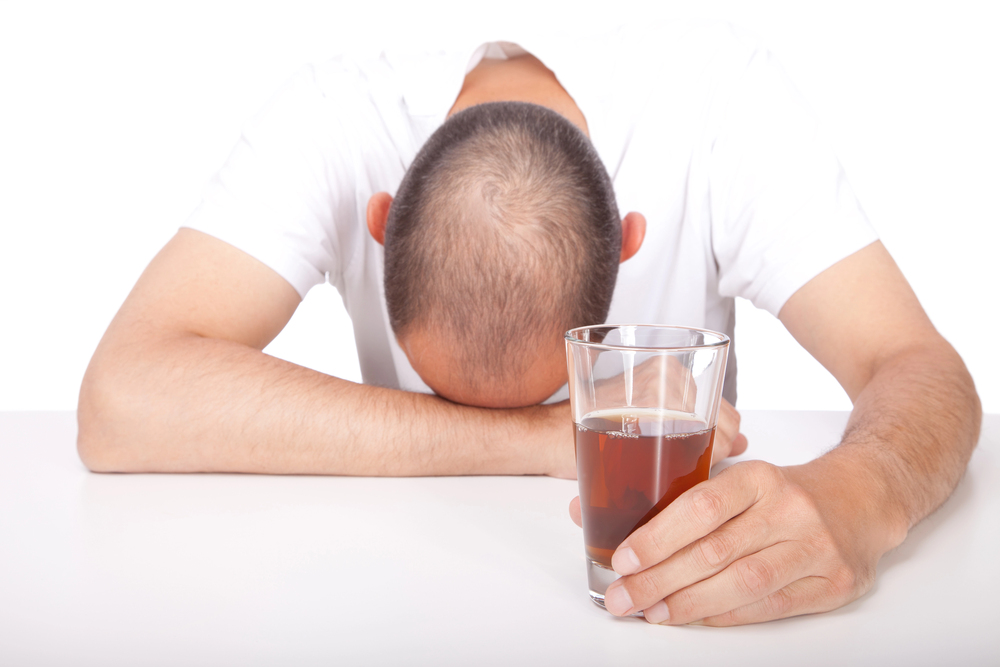
A few days after surgery, many patients ask the same question: when can I drink alcohol after hair transplant procedures without affecting recovery? It is a reasonable concern.
Hair transplant recovery involves thousands of newly placed grafts establishing blood supply and healing connections within the scalp. During this period, lifestyle choices can influence swelling, bleeding, hydration, and overall healing quality.
That does not mean one accidental drink automatically ruins a transplant. Far from it. Still, timing matters.
Most reputable clinics recommend avoiding alcohol after hair transplant surgery for at least 7 to 10 days, with many surgeons preferring a 10 to 14-day waiting period for maximum graft protection. The reason is not that alcohol directly kills grafts. The concern is its effect on circulation, bleeding tendency, hydration, inflammation, and medication interactions during the most sensitive recovery phase.
We will cover:
day-by-day recovery timelines
beer, wine, and spirits
what happens if you drink too early
alcohol and antibiotics
FUE vs DHI considerations
graft survival and healing biology
practical recommendations from Dr. Ahmet Murat
At Hermest Hair Transplant Clinic, patients frequently travel internationally for treatment. Naturally, many wonder whether they can enjoy a drink during their stay in Istanbul or shortly after returning home.
The answer depends largely on where you are in the healing process.
Dr. Ahmet Murat says many patients worry that one mistake will destroy their results. In reality, successful recovery usually depends on understanding the entire healing timeline and avoiding unnecessary risks during the first critical days after surgery.
Understanding why alcohol matters makes the recommendations much easier to follow.
Why Alcohol Matters After Hair Transplant Surgery
Many patients hear “avoid alcohol” after surgery but never receive a detailed explanation. That creates confusion. Some assume alcohol directly damages grafts. Others believe the warning is overly cautious and harmless to ignore.
The truth sits somewhere in between.
How Newly Transplanted Grafts Survive
During a hair transplant, each graft is carefully placed into tiny recipient sites created within the scalp. Immediately after placement, those grafts are fragile. They do not yet have their own established blood supply.
Instead, they rely on surrounding tissue and microscopic healing processes to remain viable. Over the following days, the grafts gradually connect to nearby blood vessels and become increasingly stable. This is why the first week matters so much.
According to guidance from the International Society of Hair Restoration Surgery (ISHRS), proper post-operative care plays an important role in supporting successful healing and graft survival.
Why the First 7–10 Days Are Critical
Patients often hear that grafts become “secure” after several days, but healing occurs in stages. During the earliest period, the scalp is managing:
inflammation
microscopic wounds
new blood vessel formation
tissue repair
crust development
Anything that increases bleeding, swelling, or healing disruption is best minimized.
That is where alcohol enters the discussion.
The Relationship Between Blood Supply and Graft Survival
Healthy circulation supports healing. At the same time, excessive bleeding or prolonged swelling can create unnecessary challenges during recovery.
Alcohol may contribute to:
temporary blood vessel dilation
increased bleeding tendency
dehydration
delayed recovery quality in some individuals
This does not mean one drink automatically causes graft failure. It means surgeons prefer reducing avoidable variables during the most vulnerable healing phase.
At Hermest, this philosophy forms part of the AIS / All-In Safety Protocol™ approach, where every stage of recovery is designed to support graft stability and long-term growth.
Dr. Ahmet Murat says patients often focus entirely on the transplanted hairs themselves, but successful recovery depends heavily on the healing environment surrounding those grafts. At Hermest, protecting the scalp during the first days after surgery is considered just as important as the implantation process itself.
Understanding the biology makes the alcohol recommendations far more logical than simply following rules blindly.
How Alcohol Affects Hair Transplant Recovery
Most surgeons do not recommend avoiding alcohol simply out of habit. There are biological reasons behind the advice.
The concern is not that alcohol instantly damages transplanted follicles. The concern is how it may influence the healing environment during the most sensitive recovery period.
Increased Bleeding Risk
One of the biggest concerns involves bleeding. Alcohol may temporarily affect blood vessel behavior and blood clotting mechanisms. Shortly after surgery, tiny recipient sites and donor areas are still healing.
Additional bleeding can:
disturb newly forming tissue
prolong recovery
increase crust formation
make the scalp more sensitive
This risk becomes especially relevant during the first several days.
Swelling and Inflammation
Many patients experience some degree of forehead or scalp swelling after surgery. Alcohol may contribute to fluid shifts and inflammatory responses that potentially worsen swelling in susceptible individuals.
This is one reason many clinics recommend avoiding drinking during the first week.
Another content gap competitors rarely address: patients often assume swelling is purely cosmetic.
It is not.
Excessive swelling may create unnecessary discomfort during recovery.
Dehydration and Slower Healing
Alcohol can promote dehydration. Healing tissue performs best when hydration levels remain adequate.
Proper hydration supports:
circulation
oxygen delivery
tissue repair
overall recovery quality
Patients recovering from a FUE hair transplant or DHI procedure are usually encouraged to drink plenty of water during the early healing phase.
Heavy alcohol consumption works against that goal.
Medication Interactions
This issue deserves more attention than it receives online.
Many patients are prescribed:
antibiotics
pain medications
anti-inflammatory drugs
anti-swelling medications
Alcohol may interact with some of these medications and increase the risk of unwanted side effects.
According to information provided by the U.S. Food and Drug Administration (FDA), alcohol interactions can affect how certain medications work within the body.
Does Alcohol Reduce Graft Survival?
Direct evidence showing that one moderate drink destroys grafts is lacking. However, surgeons generally prefer avoiding anything that could potentially compromise healing during the critical early period.
At Hermest, the focus remains on maximizing conditions for healthy recovery rather than testing unnecessary risks.
Dr. Ahmet Murat says successful hair transplantation is often about protecting small advantages during recovery. One drink may not ruin results, but avoiding alcohol temporarily removes a variable that offers no benefit during the healing phase.
The safest approach is simple: allow the scalp to heal first, then celebrate later.
When Can I Drink Alcohol After Hair Transplant? Complete Recovery Timeline
This is the question most patients really want answered. The challenge is that recovery does not happen overnight. Graft stability improves gradually, which means the answer changes depending on the day.
Many say “wait two weeks” without explaining what actually happens during those two weeks.
Day 0–3: Absolutely Avoid Alcohol
The first 72 hours represent the most sensitive phase of recovery.
Fresh grafts are still establishing themselves within the recipient area. Tiny wounds remain open, and the scalp is actively beginning the healing process.
During this stage, alcohol offers no advantage and several potential downsides.
Concerns include:
increased bleeding
dehydration
medication interactions
unnecessary swelling
If you are asking, can I drink alcohol 3 days after hair transplant surgery?
The answer is generally no.
Day 4–7: Healing Improves, But Wait Longer
Many patients feel significantly better by this stage. Swelling often decreases. Crusting develops. The scalp starts looking more normal.
That can create a false sense of security. Internally, healing remains active.
This is why most clinics still advise avoiding drinking alcohol after hair transplant procedures during the first week.
Day 8–10: Risk Continues to Decline
At this point, grafts are considerably more secure than during the first few days.
Many surgeons become more comfortable as recovery progresses.
Still, if patients are taking medications or experiencing persistent swelling, additional caution remains sensible.
This period often represents the gray zone.
Day 11–14: Most Clinics Feel Comfortable
Many clinics consider this period the safer window for returning to moderate alcohol consumption.
The recipient area typically demonstrates:
improved healing
stronger graft stability
reduced swelling
fewer recovery restrictions
After Two Weeks: Usually the Safest Point
For most healthy patients, this is when normal social drinking becomes much less concerning.
That does not mean excessive alcohol suddenly becomes beneficial.
It simply means the most vulnerable graft-healing phase has largely passed.
At Hermest, patients are generally advised to prioritize graft protection during the first 10–14 days whenever possible.
Dr. Ahmet Murat says patients spend months planning their hair transplant and years enjoying the results. Waiting an extra week before drinking alcohol is usually a very small sacrifice compared with the long-term value of protecting the healing process properly.
A short period of patience can help eliminate unnecessary recovery risks entirely.
Can I Drink Beer After Hair Transplant?
This is one of the most searched questions after surgery. Interestingly, many patients do not ask about alcohol in general. They ask specifically about beer.
The assumption is understandable. People often believe beer is milder than wine or spirits and therefore safer during recovery.
Unfortunately, recovery biology does not work that way.
Is Beer Safer Than Other Alcoholic Drinks?
From a graft-healing perspective, the body mainly responds to the alcohol itself.
Whether it comes from:
beer
wine
whiskey
vodka
cocktails
the same concerns remain relevant.
These include:
dehydration
increased bleeding tendency
swelling
medication interactions
This is why clinics generally discuss alcohol after hair transplant rather than focusing on specific beverage types.
What About Wine?
Wine often carries a healthier public image.
Some people assume a glass of red wine must be safer than beer after surgery.
The issue is timing rather than drink selection.
During the first week, even moderate wine consumption still introduces alcohol into the recovery process.
The scalp does not distinguish between a glass of wine and another alcoholic beverage when healing is the priority.
Are Spirits Worse?
Higher-alcohol beverages may contribute to dehydration more quickly, especially if consumed in larger amounts.
Heavy drinking sessions create much greater concern than one moderate drink later in recovery.
The biggest issue is often quantity, not the specific type of alcohol.
What About Non-Alcoholic Beer?
This question deserves more attention.
Many patients want the social experience of drinking without affecting recovery.
Most non-alcoholic beers contain either no alcohol or extremely small amounts.
For many patients, this becomes a practical alternative during the first recovery period.
Still, ingredients and alcohol content vary by brand, so following your clinic’s guidance remains important.
Should You Wait Even If You Feel Fine?
Yes. Feeling good and being fully healed are not always the same thing.
Many patients feel normal by Day 5 or Day 6 even though internal healing continues actively.
At Hermest, the recommendation remains simple: prioritize healing first, celebrations later.
Dr. Ahmet Murat says patients often search for a “safe” type of alcohol after surgery, but the more useful question is whether drinking offers any recovery benefit. The answer is no. Waiting a little longer simply removes an avoidable risk during a very important healing period.
A few extra alcohol-free days are usually worth the peace of mind.
What Happens If You Accidentally Drink Alcohol Too Early?
This is usually the question patients ask in a panic. They attend a wedding. A friend offers a drink. They forget a recovery instruction.
Then they immediately start searching:
“Did I ruin my hair transplant?”
In most cases, the answer is reassuring.
Probably not.
Does One Drink Cause Graft Failure?
Many discuss alcohol risks but never address what happens after an actual mistake. A single drink rarely destroys a transplant. Hair grafts do not suddenly die because of one beer or one glass of wine.
The concern is more about increasing recovery risks during a period when the scalp is already healing.
Factors that matter include:
timing
quantity
medications
swelling
overall health
One drink on Day 8 creates a very different situation than heavy drinking on Day 2.
What If You Drank During the First Week?
Do not panic immediately.
Instead:
stay hydrated
follow your aftercare instructions
avoid additional alcohol
monitor recovery normally
Most patients will not notice any obvious problem.
The goal becomes minimizing further stress on the healing process.
When Should You Contact Your Clinic?
Contact your surgeon if alcohol consumption is followed by:
unusual bleeding
significant swelling
severe discomfort
signs of infection
medication-related symptoms
These situations are uncommon but worth discussing professionally.
What About Heavy Drinking?
This is where concerns become more legitimate.
Large amounts of alcohol may increase:
dehydration
poor sleep quality
inflammation
recovery stress
medication complications
Heavy drinking shortly after surgery creates a much less favorable healing environment than one isolated drink.
Did You Waste Your Money?
Almost certainly not. Patients often imagine one mistake erased thousands of grafts instantly. Recovery is rarely that fragile.
At Hermest, patients are encouraged to focus on the overall recovery period rather than obsessing over a single event.
Dr. Ahmet Murat says patients sometimes become more worried about one accidental drink than the entire recovery process combined. At Hermest, we remind patients that successful healing is usually determined by consistent aftercare habits over days and weeks, not by one isolated mistake that is corrected quickly.
The best response after an early drink is simple: learn from it, stay hydrated, and continue following your recovery plan carefully.
Alcohol and Hair Transplant Medications
One of the most overlooked recovery topics involves medications. Many patients focus entirely on graft survival and forget that alcohol can interact with the medicines commonly prescribed after surgery.
In some cases, this concern is actually more important than the grafts themselves.
Alcohol and Antibiotics
Many hair transplant patients receive antibiotics during the first days after surgery.
The purpose is straightforward: reduce infection risk while the donor and recipient areas heal.
Not every antibiotic interacts with alcohol in the same way.
However, alcohol may:
increase side effects
worsen stomach irritation
contribute to dehydration
reduce overall recovery comfort
This is one reason many surgeons recommend avoiding alcohol completely while antibiotics are being used.
Alcohol and Pain Medication
Another area patients often overlook.
Pain medications can affect:
alertness
coordination
reaction time
drowsiness
Alcohol may amplify some of these effects significantly. This is one reason why combining alcohol and prescription pain medication is generally discouraged after surgery.
Alcohol and Anti-Swelling Medication
Many clinics prescribe medications designed to reduce:
inflammation
swelling
discomfort
Adding alcohol into the recovery period may work against some of these goals.
Many restrictions actually exist to support the entire healing process.
Why Surgeons Prefer Simplicity
From a medical perspective, the safest recovery environment is often the simplest one.
The fewer unnecessary variables introduced during healing, the easier recovery becomes to monitor and manage.
At Hermest, patients receive detailed aftercare instructions designed to support:
graft stability
scalp healing
medication effectiveness
overall recovery quality
What If You Already Mixed Alcohol and Medication?
Do not panic.
The appropriate response depends on:
which medication you took
how much alcohol was consumed
when it happened
whether symptoms developed
If uncertainty exists, contacting your clinic remains the safest option.
According to guidance from the U.S. Food and Drug Administration (FDA), alcohol can affect how certain medications behave within the body and may increase unwanted side effects.
Dr. Ahmet Murat says many patients worry about alcohol affecting grafts while overlooking medication interactions entirely. At Hermest, we generally recommend avoiding alcohol during the medication period whenever possible, as this creates the simplest and safest recovery environment.
The less your body has to manage during healing, the better.
Alcohol After FUE vs DHI Hair Transplant
Patients often ask whether recovery rules differ between procedures. The question makes sense.
If FUE and DHI use different implantation methods, should alcohol restrictions also be different?
In most cases, not significantly.
Does the Recovery Timeline Change?
Both procedures rely on the same biological principle.
Regardless of whether grafts are placed using FUE or DHI techniques, the transplanted follicles still need time to:
establish blood supply
stabilize within the scalp
heal properly
adapt to their new environment
The healing process remains remarkably similar.
This is why most reputable clinics provide nearly identical alcohol recommendations for both methods.
Are DHI Grafts More Vulnerable?
This topic generates considerable confusion online. Some imply DHI grafts require completely different recovery rules.
The reality is more nuanced.
DHI and FUE differ primarily in implantation methodology. Once grafts are placed successfully, healing biology follows the same general principles.
The scalp still undergoes:
inflammation
tissue repair
blood vessel development
graft anchoring
Alcohol affects those healing processes similarly regardless of implantation technique.
What About Sapphire FUE?
The same logic applies.
Whether a patient undergoes:
FUE
Sapphire FUE
DHI
the concern remains protecting the healing environment during the first several days.
Does Hermest Recommend Different Waiting Periods?
At Hermest, recommendations focus primarily on healing progress rather than procedure branding.
Patients undergoing:
Unique FUE®
Sapphire FUE
DHI-based approaches
receive recovery guidance designed to maximize graft protection during the most sensitive period.
The emphasis remains:
hydration
medication compliance
scalp protection
sleep positioning
avoiding unnecessary risks
including alcohol.
What Matters Most?
The question should not be: “Was my procedure FUE or DHI?”
The better question is: “Is my scalp still healing?”
That answer determines recovery priorities far more accurately.
Dr. Ahmet Murat says patients sometimes become overly focused on procedural differences while forgetting that every transplanted graft relies on the same healing biology afterward. At Hermest, protecting graft stability during the first 10 to 14 days remains the priority regardless of whether Unique FUE® or another implantation approach is used.
Successful growth depends far more on healing conditions than on the name of the procedure alone.
Alcohol, Smoking and Caffeine: Which Is Worse?
Patients often ask a surprisingly practical question: “If I can only avoid one thing, what should it be?”
The answer is not always alcohol.
Different habits influence recovery in different ways.
Comparing the Three Most Common Habits
Alcohol primarily raises concerns involving:
dehydration
swelling
medication interactions
temporary bleeding risk
Caffeine creates a different discussion.
Most clinics allow moderate caffeine intake after surgery, although excessive consumption may contribute to dehydration in some individuals.
Smoking is often viewed more seriously.
Why?
Because nicotine may affect blood vessel function and circulation, both of which play important roles during healing.
Which Habit Concerns Surgeons Most?
While alcohol restrictions usually last days or weeks, smoking may remain a concern much longer because of its potential effect on tissue healing and circulation.
Many surgeons consider smoking the more significant recovery risk.
Does Coffee Affect Grafts?
Moderate coffee consumption is generally less concerning than alcohol or smoking.
The key word is moderation.
Patients recovering from surgery should still prioritize:
hydration
sleep
nutrition
scalp care
rather than relying heavily on caffeine.
What Creates the Best Healing Environment?
The strongest recovery habits remain surprisingly simple:
drink water consistently
avoid smoking
delay alcohol temporarily
follow medication instructions
protect the scalp carefully
At Hermest, patients receive recovery guidance that focuses on the entire healing environment rather than one isolated factor.
Dr. Ahmet Murat says patients sometimes spend hours worrying about one glass of wine while continuing habits that may have a much greater impact on healing. At Hermest, we encourage patients to look at recovery as a complete system rather than focusing on a single restriction in isolation.
The goal is not perfection. The goal is giving your grafts the best possible conditions to heal and grow successfully.
Dr. Ahmet Murat’s Recommendations for Patients
Patients often spend months researching clinics, comparing techniques, and planning travel arrangements. Then recovery begins.
At that point, many of the most important questions become surprisingly simple:
“When can I sleep normally?”
“When can I exercise?”
“When can I drink alcohol again?”
The first two weeks matter more than many patients realize.
The Safest Timeline for Alcohol After Hair Transplant
At Hermest, the recommendation is intentionally conservative.
Why?
Because there is very little benefit to drinking alcohol during the early healing period and several potential disadvantages.
For most patients:
Day 0–7: avoid completely
Day 8–10: continue avoiding if possible
Day 11–14: recovery becomes much more stable
After two weeks: moderate alcohol is usually far less concerning
This approach removes unnecessary variables while grafts are establishing themselves.
Common Recovery Mistakes
Most patients do not damage results through dramatic mistakes.
Instead, problems often arise from multiple small decisions:
poor hydration
inconsistent aftercare
smoking
alcohol
touching grafts
returning to activities too quickly
Individually, each issue may seem minor.
Together, they can create a less favorable healing environment.
How Hermest Protects Graft Survival
At Hermest, recovery begins before surgery even takes place.
The clinic’s AIS / All-In Safety Protocol™ focuses on:
patient selection
donor management
surgical planning
graft handling
post-operative guidance
Combined with Unique FUE®, the goal is supporting natural growth while protecting long-term donor resources.
Patients receive detailed instructions covering:
sleeping position
washing routines
medications
travel
exercise
alcohol consumption
This structured approach helps eliminate confusion during recovery.
Why Patience Pays Off
Many patients view recovery restrictions as obstacles.
A better perspective is protection.
You may spend years enjoying your final result. Waiting an extra week before drinking alcohol is a very small investment compared with the potential value of healthy graft growth.
Dr. Ahmet Murat says the first two weeks after surgery are temporary, but the results may last for many years. At Hermest, we encourage patients to treat recovery as seriously as the procedure itself, because healing quality plays an important role in the final outcome.
Small sacrifices during recovery often produce the greatest long-term rewards.
FAQs About Alcohol After Hair Transplant
Most surgeons recommend avoiding alcohol for at least 7 to 10 days. Many prefer waiting 10 to 14 days to provide the safest healing environment for newly transplanted grafts.
Generally, no. Day 5 still falls within the most sensitive healing period. Most clinics recommend continuing alcohol avoidance during the first week.
Healing is improving by Day 7, but many surgeons still prefer patients wait a few more days before resuming alcohol consumption.
Beer contains alcohol and therefore raises similar concerns regarding hydration, swelling, and medication interactions. It is not automatically safer than wine or spirits during early recovery.
There is no evidence that one drink directly kills transplanted grafts. The concern involves creating a less favorable healing environment during the critical recovery phase.
Most patients do not ruin their transplant because of one accidental drink. Staying hydrated and following aftercare instructions carefully afterward is usually the best approach.
Many surgeons recommend avoiding alcohol during antibiotic treatment due to possible interactions and increased side effects.
Many surgeons consider smoking the greater concern because nicotine may affect circulation and tissue healing. Both are best avoided during recovery.
Moderate alcohol consumption after full healing is unlikely to determine long-term transplant success. The primary concern involves the early healing period.
Many patients feel comfortable attending social events after several days. Drinking alcohol, heavy activity, and late nights should ideally wait until healing becomes more stable, often around two weeks.
Want the Best Possible Hair Transplant Recovery?
The procedure is only one part of the journey.
Successful growth depends on:
proper planning
surgical precision
graft handling
recovery quality
long-term scalp health
At Hermest Hair Transplant Clinic, Dr. Ahmet Murat and the team guide patients through every stage of recovery, from surgery day through the first critical weeks of healing.
Whether you are considering:
Unique FUE®
Sapphire FUE
DHI techniques
hairline restoration
crown reconstruction
you will receive detailed aftercare guidance designed to support healthy graft survival and natural-looking growth.
Dr. Ahmet Murat says patients often focus on the operation itself, but recovery is where the foundations of long-term success are built. At Hermest, every patient receives clear instructions designed to protect grafts and simplify healing during the most important weeks after surgery.
If you are planning a hair transplant or have questions about recovery, contact Hermest for a personalized consultation and professional hair analysis.
Get Free Hair Analysis
Let us send your hair transplant plan!
Your Free Hair Analysis
Let us send you your hair transplant plan!
Hermest Hair Clinic
Online · Typically replies within minutes
Today
Hermest Consultation TeamHello! How can we help you? Choose a topic or send us a message directly.
Your message will open in WhatsApp.
Hermest Hair ClinicOnline · Typically replies within minutes
Today
Hermest Consultation TeamHello! How can we help you? Choose a topic or send us a message directly.


 ChatGPT
 Claude
 Perplexity
 Grok
Grok
 Gemini