


The Advantages and Disadvantages of Hair Transplants: Full Guide
When people search for the advantages and disadvantages of hair transplants, they are usually not looking for a generic list. They are trying to answer one real question: is this worth it for me, or could it go wrong? That’s a different kind of conversation.
A hair transplant can deliver natural, long-lasting results. It can restore a hairline, improve density, and reduce the need for daily camouflage. At the same time, it is still a surgical procedure with limits, costs, and risks that are often simplified online.
This is where most articles fall short. They list benefits and drawbacks, but they don’t explain how those actually play out in real decisions. It works. But not for everyone.
According to National Health Service guidance, hair transplantation is most suitable for specific types of hair loss and requires careful evaluation of donor area, expectations, and long-term planning. That alone already tells you something important. This is not a one-size-fits-all solution.
If you’ve been researching:
- hair transplant pros and cons
- is hair transplant worth it
- or hair transplant risks and benefits
you’re already in the decision phase.
Dr. Ahmet Murat explains:
“A transplant is not just about moving hair. It is about planning how that hair will look years later, not just after the first result.”
In this guide, we’ll break things down clearly:
- what the real advantages are and when they matter
- where the limitations start to appear
- who should consider surgery and who should wait
- what most people misunderstand about “permanent results”
Quick Insights
- The advantages and disadvantages of hair transplants depend heavily on planning, not just the procedure itself.
- A transplant can provide long-lasting, natural-looking results when the right candidate is selected.
- It does not stop ongoing hair loss, so long-term strategy is essential.
- Results take time, often 9–12 months for full visibility.
- Donor area limitations play a major role in what can be achieved.
- Poor planning or execution can lead to unnatural results that are difficult to correct.
- Cost should be evaluated based on long-term value, not just the initial price.
- Technique choice (FUE, Sapphire FUE, DHI) matters less than design and graft placement.
- Not everyone is a suitable candidate, especially with diffuse thinning or unstable hair loss.
- Realistic expectations are the most important factor for satisfaction.
What are the main advantages of a hair transplant?
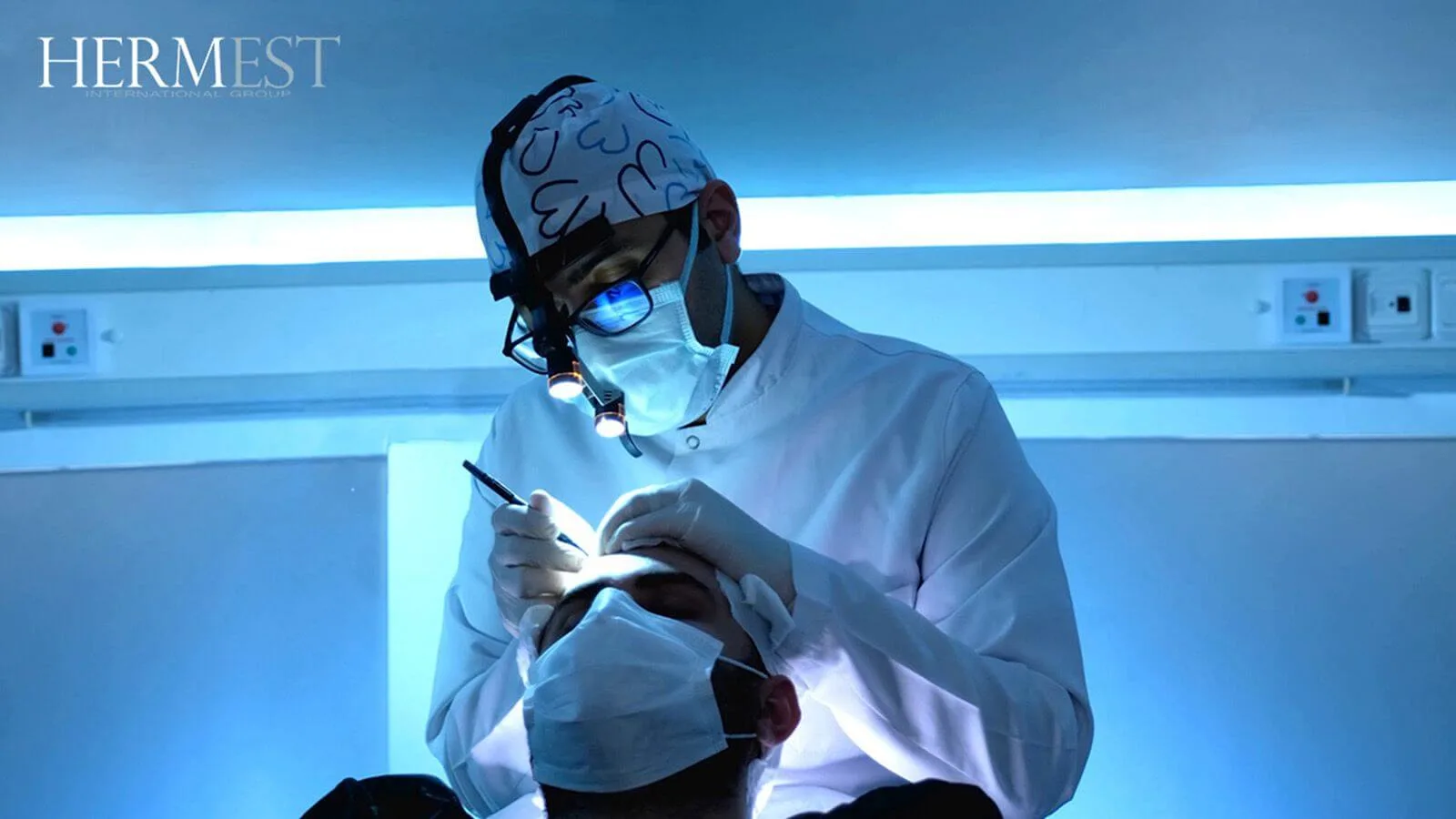
A hair transplant can be one of the most effective solutions for hair loss when used in the right situation. The key is understanding what the benefits actually mean in real life, not just in marketing terms.
Why transplanted hair can last long term
The strongest advantage is permanence, but it needs context. Transplanted follicles are taken from areas that are genetically resistant to hair loss. Once they are placed in a new area, they tend to retain that resistance.
This is why results can last for many years.
According to International Society of Hair Restoration Surgery, transplanted hair continues to grow naturally because it carries the genetic characteristics of the donor area.
It’s relocation, not creation.
Why results can look natural today
Modern techniques allow precise placement of each follicle. Angle, direction, and spacing can be controlled in detail.
When done properly:
- the hairline blends with existing hair
- density looks gradual, not artificial
- styling becomes easier and more flexible
This is why many results today are difficult to detect.
Why it can reduce daily maintenance
Before surgery, many people rely on:
- fibers
- sprays
- styling tricks
A transplant reduces dependence on these.
It does not eliminate maintenance completely, but it simplifies daily routines significantly.
Why confidence often improves
Hair loss affects how people see themselves.
Restoring the hairline or density can:
- improve facial framing
- reduce self-consciousness
- increase comfort in social situations
Studies referenced in clinical literature, including findings indexed in PubMed, show that hair restoration can positively affect self-perception and confidence.
Dr. Ahmet Murat says:
“The benefit is not just physical. When patients feel comfortable with their appearance again, it reflects in how they carry themselves.”
This is the key takeaway. The advantages are real, but they depend on proper planning.
What are the biggest disadvantages?
This is the part most people skim, then regret later. The advantages and disadvantages of hair transplants only make sense when you understand the limits clearly.

A transplant can work well. It can also disappoint if expectations are off or planning is weak.
Surgery, cost, and time are real commitments
A hair transplant is not a quick fix. It involves a procedure, recovery, and a waiting period before results appear.
You need to consider:
- upfront cost, which can be significant
- time off or adjustment during recovery
- patience for results that take months
According to National Health Service, procedures may require more than one session, and results are not immediate.
It takes time.
Recovery is manageable but not instant
Many people underestimate this part.
After surgery, you may experience:
- redness and swelling
- scabbing in the recipient area
- temporary shedding of transplanted hairs
This phase is normal, but it can feel discouraging if you expect quick improvement.
The visible result usually starts after a few months, not weeks.
It does not stop future hair loss
This is one of the most misunderstood points.
A transplant moves existing follicles. It does not stop ongoing thinning in other areas.
That means:
- native hair can continue to fall
- density may change over time
- additional treatments or procedures may be needed
According to American Academy of Dermatology, hair loss progression continues unless medically managed.
Results depend heavily on planning and skill
Not all outcomes are equal.
Poor execution can lead to:
- unnatural hairlines
- uneven density
- visible scarring or overharvesting
These are harder to fix than to avoid.
Dr. Ahmet Murat explains:
“Most dissatisfaction comes from design, not the technique itself. If the plan is wrong, even a technically correct procedure will not look natural.”
The real limitation
A transplant does not create new hair. It redistributes what you already have. This means donor area limits everything.
This is the key takeaway. The disadvantages are not small. They are manageable, but only with the right expectations.
Who is a good candidate and who is not?
This is where many decisions go wrong. People focus on the hair transplant pros and cons, but skip the most important question: should I even do this?
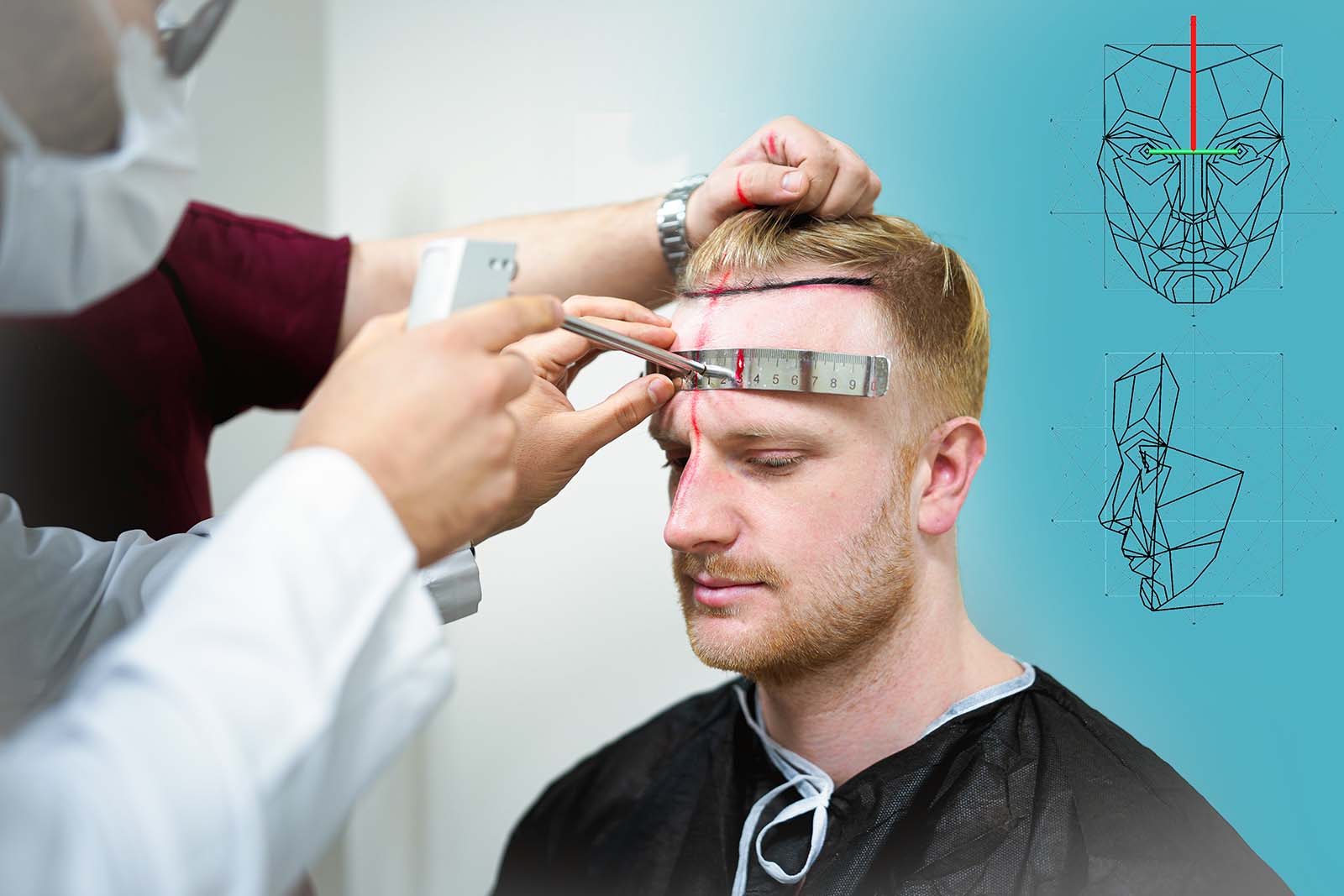
A transplant works best in specific situations. Outside of those, results become unpredictable.
Who is a good candidate for a hair transplant?
The ideal candidate has a stable pattern of hair loss and a strong donor area. This usually means androgenetic alopecia with enough healthy follicles at the back or sides of the scalp.
Good candidates typically have:
- localized thinning or recession
- clear donor density
- realistic expectations about density and coverage
They also understand that this is part of a long-term plan, not a one-time fix.
According to National Health Service, a transplant is most effective when there is sufficient donor hair and a defined pattern of hair loss.
Right case, better outcome.
Who is not a good candidate?
Not everyone benefits from surgery.
Some situations require caution or delay:
- diffuse thinning across the entire scalp
- active conditions like alopecia areata
- very limited donor area
- unstable or rapidly progressing hair loss
In these cases, moving hair from one area to another may not create meaningful improvement.
Why age and timing matter
Many people want to act early. That can be a mistake.
If hair loss is still progressing, designing a permanent hairline too soon can lead to imbalance later. You may end up needing multiple corrections.
This is why timing matters more than urgency.
The role of expectations
Even technically successful procedures can feel disappointing if expectations are unrealistic.
A transplant can improve density. It cannot recreate teenage thickness across the entire scalp.
Dr. Ahmet Murat explains:
“We sometimes advise patients to wait. The best results come when we understand the long-term pattern, not just the current situation.”
This is the key takeaway. The right candidate matters more than the procedure itself.
FUE vs Sapphire FUE vs DHI — what are the tradeoffs?
When comparing the advantages and disadvantages of hair transplants, many people focus only on results. In reality, the technique you choose affects healing, density, and long-term planning.
FUE, Sapphire FUE, and DHI are often presented as completely different procedures. They are not. They are variations of the same core principle: extracting follicles individually and placing them strategically.
The difference lies in how implantation is done.
What is FUE and when is it used?
FUE (Follicular Unit Extraction) is the foundation.
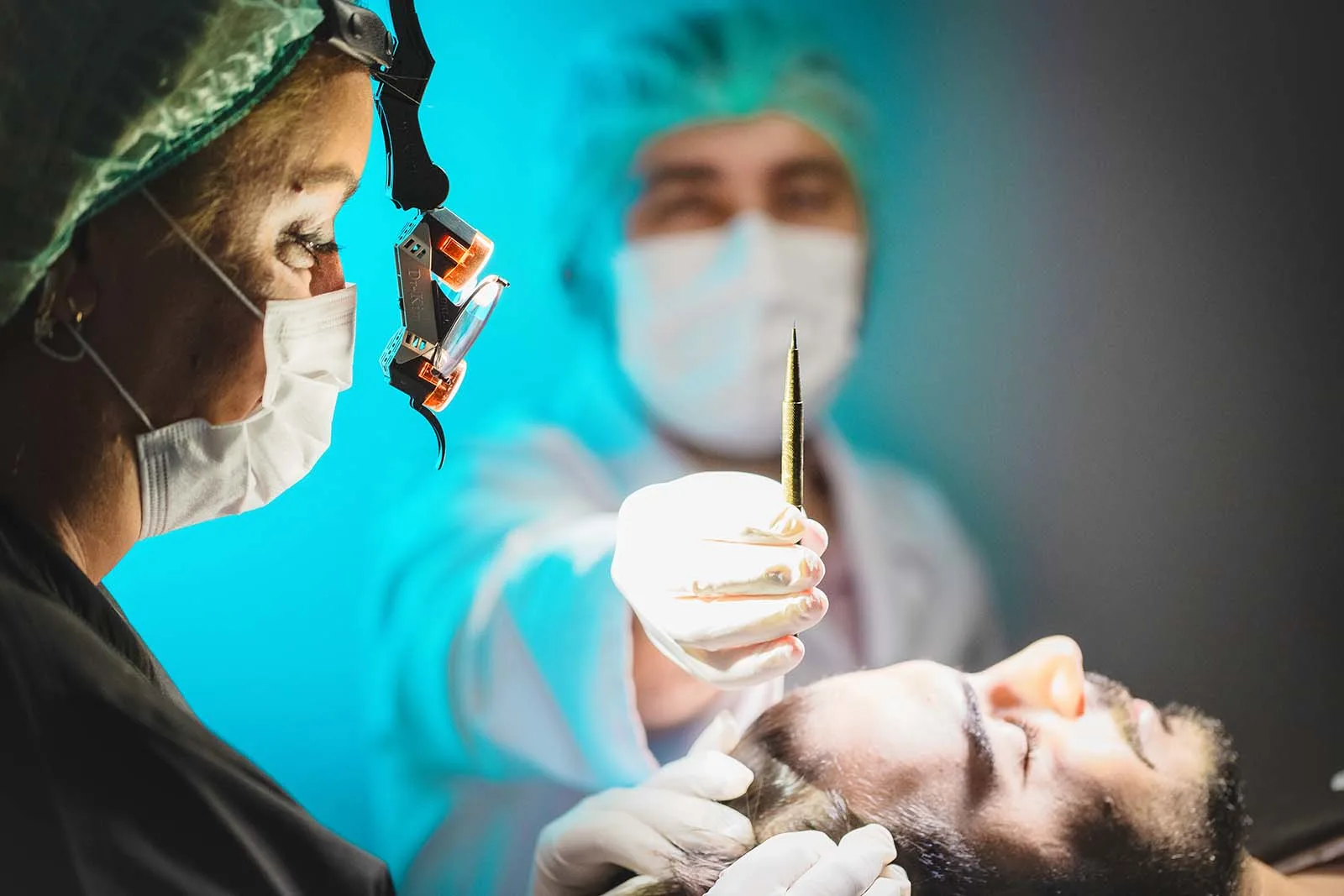
Hair follicles are extracted one by one and implanted into channels created in the recipient area. It is widely used because it balances flexibility, efficiency, and natural results.
It works well for:
- large areas of thinning
- hairline and mid-scalp restoration
- patients needing higher graft numbers
The advantage is versatility. The limitation is that density and precision depend heavily on the surgeon’s planning and technique.
Reliable and adaptable.
What is Sapphire FUE and how is it different?
Sapphire FUE follows the same extraction method as standard FUE. The difference is in the blades used to create recipient channels.
Instead of steel, sapphire blades are used.
This allows:
- finer channel creation
- slightly denser packing in some cases
- potentially less tissue trauma
The result can be:
- faster healing
- more controlled implantation angles
However, the improvement is incremental, not revolutionary.
According to clinical insights referenced in PubMed, outcomes depend more on surgical skill and graft placement than on the blade material itself.
What is DHI and where does it fit?
DHI (Direct Hair Implantation) changes the implantation step.

Instead of opening channels first, follicles are implanted directly using a specialized pen. This allows simultaneous channel creation and placement.
It is often preferred for:
- hairline refinement
- smaller, detailed areas
- increasing density between existing hairs
The advantage is precision in tight spaces. The limitation is speed. It is slower and not always ideal for very large sessions.
What actually matters most
Technique choice matters, but not as much as people think.
What determines results:
- hairline design
- graft distribution
- long-term planning
Dr. Ahmet Murat explains:
“Patients often focus on technique names. In reality, the outcome depends on how we design and place the grafts, not the label of the method.”
Technique is a tool. Planning creates the result.
What most people misunderstand about “permanent” results
“Permanent” is the word that convinces most people. It’s also the one most often misunderstood when discussing the advantages and disadvantages of hair transplants.
Yes, transplanted hair can last. But that does not mean your entire head of hair stays the same forever.
Permanent grafts do not mean permanent density
The follicles used in a transplant are typically resistant to hair loss. Once they are moved, they continue to grow in their new location. That part is true. What changes over time is everything around them.
Your existing, non-transplanted hair can still thin or fall. This creates a shift in overall density, especially if the original loss pattern continues.
According to American Academy of Dermatology, androgenetic hair loss is progressive unless managed, even after surgical restoration.
Hair moves. Loss continues.
Why maintenance may still be needed
Many people assume surgery replaces the need for treatment. In reality, it often works best alongside it.
Medical therapies can:
- slow ongoing thinning
- preserve existing hair
- support overall density
Without this, the contrast between transplanted and native hair can become more noticeable over time.
The importance of long-term planning
A transplant is not just about how things look at 12 months. It is about how they look at 5 or 10 years. This is where planning matters most.
Designing a hairline without considering future loss can lead to:
- unnatural gaps behind the transplanted area
- imbalance between front and crown
- need for additional procedures
Donor area is limited
This is the most important limitation.
You only have a finite number of usable grafts. Once they are used, they cannot be replaced.
This means every decision affects future options.
Dr. Ahmet Murat explains:
“We always plan beyond the first procedure. The goal is to protect the donor area and create a result that will still look natural as hair loss progresses.”
The real meaning of “permanent”
A transplant gives you stable hair in selected areas. It does not freeze your entire hair pattern in time.
Permanent does not mean unchanged.
Risks, side effects, and complications
This is the part people often underestimate. When looking at the advantages and disadvantages of hair transplants, risks are usually mentioned briefly, but they deserve a clearer explanation.
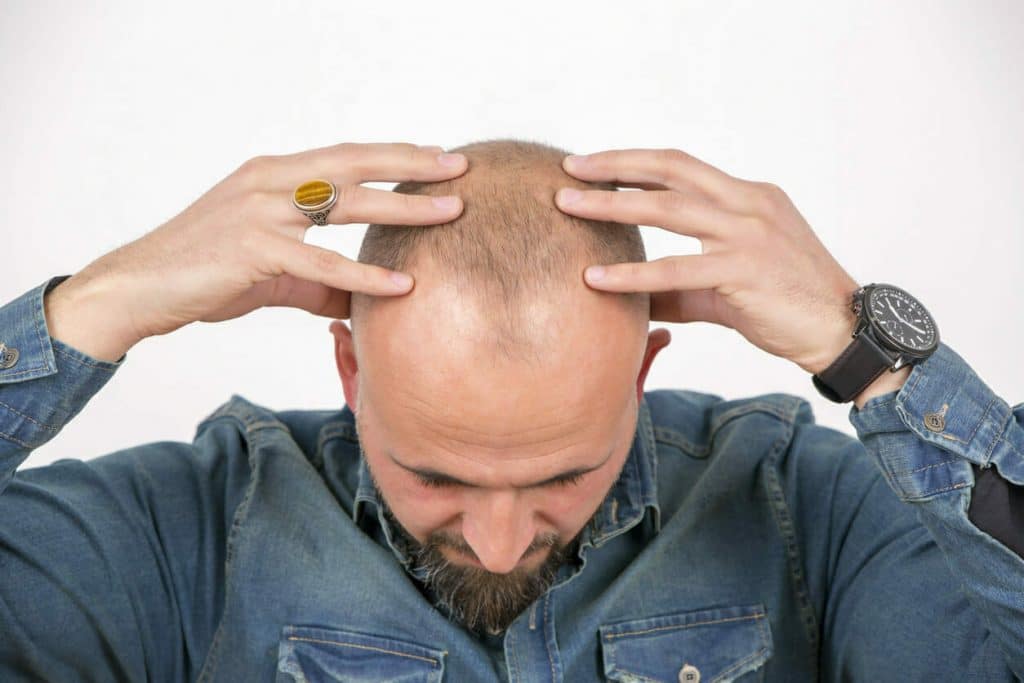
Most procedures go smoothly. Still, it is surgery. That means there are predictable side effects and less common complications.
Common early effects after surgery
In the first days and weeks, certain reactions are expected.
You may notice:
- redness in the recipient area
- mild swelling around the forehead
- small scabs where grafts were placed
These are part of the healing process. They usually resolve within days to a couple of weeks.
Another common phase is shock shedding. Transplanted hairs fall out shortly after the procedure, which can feel alarming if you are not prepared for it.
So, shedding is normal.
Less common but real complications
Some risks are less frequent but important to understand.
These can include:
- infection if aftercare is not followed
- prolonged redness or sensitivity
- poor graft growth in certain areas
According to National Health Service, complications can occur if procedures are performed in non-medical settings or without proper standards.
Cosmetic complications that matter most
The biggest risks are not always medical. They are visual.
Poor planning or execution can lead to:
- unnatural or straight hairlines
- incorrect angles causing hair to grow in the wrong direction
- uneven density or patchy results
These outcomes are harder to correct than to prevent.
Donor area damage
Overharvesting is another critical issue.
If too many grafts are taken from the donor area:
- it can appear visibly thin
- future procedures become limited
- overall balance is affected
Why clinic choice matters
Most complications are avoidable with proper planning and experienced hands.
Dr. Ahmet Murat explains:
“The risk is not just the surgery itself. The risk is choosing the wrong plan or the wrong team. That is where most problems begin.”
Risks are manageable, but not negligible.
Cost vs value — when is it worth it?
This is where most decisions become real. The advantages and disadvantages of hair transplants are easy to list, but the question people actually ask is simple: is it worth the money?
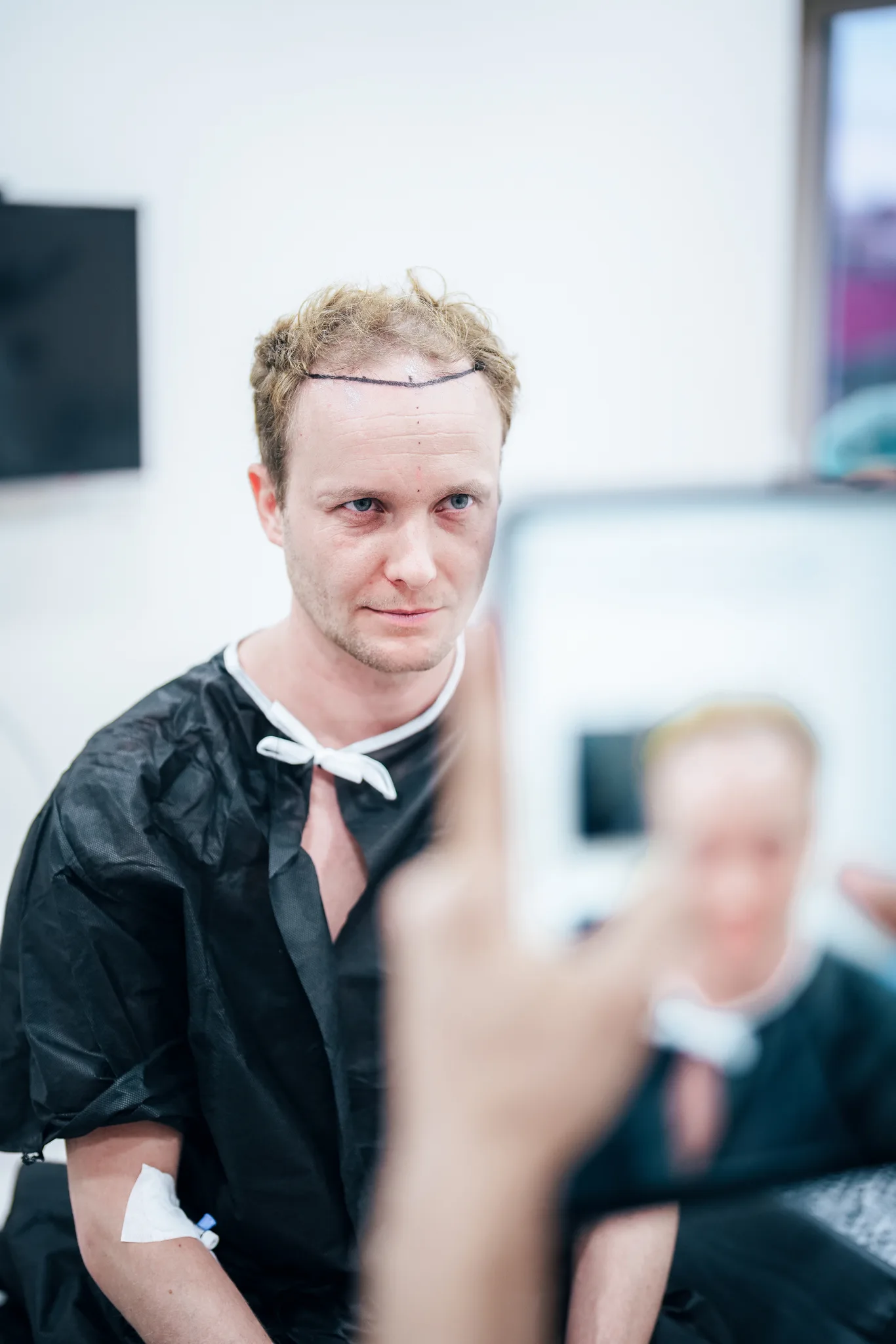
The answer depends on how you define value.
What you’re really paying for
A hair transplant is not just a procedure. It includes:
- surgical planning and design
- graft extraction and placement
- medical supervision and aftercare
- long-term strategy for future hair loss
Costs vary widely depending on location, clinic, and technique. According to National Health Service, procedures can require multiple sessions, which increases total cost over time.
It’s not one payment.
Cheap vs well-planned procedures
This is where many people make mistakes.
Lower-cost options often focus on:
- high graft numbers
- fast procedures
- minimal planning
At first glance, this looks like better value. In reality, it can lead to:
- unnatural results
- poor growth
- need for corrective procedures
A well-planned procedure may use fewer grafts but deliver a more natural and lasting outcome.
When it is worth it
A transplant tends to be worth it when:
- hair loss is stable and clearly defined
- the donor area is strong
- expectations are realistic
- the plan includes long-term thinking
In these cases, the result can reduce the need for ongoing cosmetic fixes and improve daily confidence.
When it may not be worth it
It becomes less valuable when:
- hair loss is still progressing rapidly
- donor supply is limited
- expectations are unrealistic
- surgery is chosen too early
In these situations, the same investment may not produce satisfying results.
Thinking long-term
Value is not just about the first result.
You need to consider:
- how the result will look in 5–10 years
- whether additional procedures may be needed
- how well the design adapts to future hair loss
Dr. Ahmet Murat explains:
“A transplant is worth it when it is planned for the long term. Short-term thinking often leads to long-term regret.”
Value comes from planning, not price.
What results should you realistically expect?
This is where expectations need to be grounded. When people explore the advantages and disadvantages of hair transplants, they often focus on dramatic before-and-after photos. Real outcomes are more nuanced.
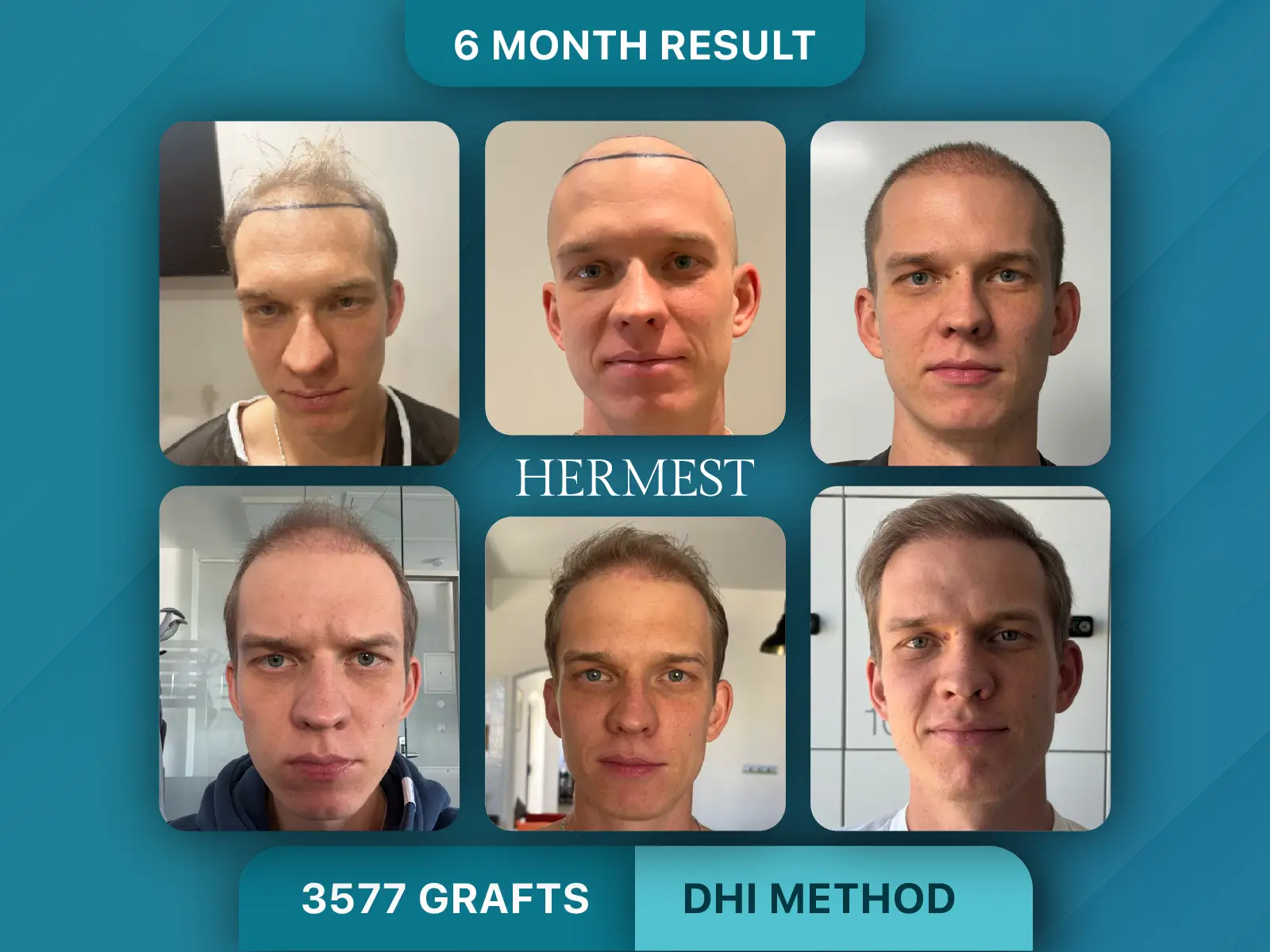
A good result improves your appearance. It does not create unlimited density or a completely new head of hair.
Growth timeline from week 1 to month 12
Results follow a predictable pattern, but patience is required. In the first weeks, the scalp heals. Scabs fall off and redness fades. Then comes a phase that surprises many patients. The transplanted hairs shed.
This is normal. The follicles remain under the skin and enter a resting phase. New growth typically starts after a few months.
The general timeline looks like this:
- first month: healing and shedding
- 3–4 months: early regrowth
- 6 months: visible improvement
- 9–12 months: final result takes shape
Results take time.
According to clinical observations referenced in International Society of Hair Restoration Surgery, full cosmetic results are usually evaluated after one year.
Density expectations based on reality
A transplant redistributes existing hair. It does not recreate the density you had as a teenager. Final density depends on:
- donor area strength
- number of grafts used
- hair thickness and texture
The goal is visual improvement, not perfection.
Why “before and after” can be misleading
Photos are often taken under controlled conditions. Lighting, styling, and angles can enhance results. What matters more is how the hair looks in everyday situations.
This is why realistic expectations are important.
Blending with existing hair
A natural result depends on how well transplanted hair integrates with native hair.
If the design is correct:
- transitions look smooth
- density appears balanced
- styling feels natural
Dr. Ahmet Murat explains:
“The best results are the ones that fit the patient’s natural pattern. When we aim for realism instead of perfection, outcomes are more satisfying.”
The goal is improvement, not illusion.
FAQs
How do I know if a hair transplant is worth it for me?
A hair transplant is worth it when hair loss is stable, the donor area is strong, and expectations are realistic. It becomes less effective when hair loss is still progressing or donor supply is limited. A proper evaluation helps determine if surgery will deliver meaningful improvement.
What are the biggest disadvantages of a hair transplant?
The main drawbacks include cost, recovery time, and the fact that it does not stop future hair loss. Results also depend heavily on planning and execution. Poorly designed procedures can lead to unnatural outcomes that are difficult to correct.
Is a hair transplant a permanent solution?
Transplanted hair is generally permanent, but surrounding native hair may continue to thin over time. This means overall density can change, and additional treatments or procedures may be needed in the future.
How painful is a hair transplant procedure?
Most procedures are performed under local anesthesia, so pain during the procedure is minimal. Some discomfort or tightness may occur afterward, but it is usually manageable and temporary.
How long does it take to recover from a hair transplant?
Initial healing takes about 1 to 2 weeks. Redness and scabbing typically resolve during this time. Full recovery, including visible hair growth, takes several months, with final results usually seen around 9 to 12 months.
Can a hair transplant fail?
Yes, although it is not common. Failure can occur due to poor graft survival, incorrect placement, or underlying medical conditions. Choosing an experienced team and proper planning reduces this risk significantly.
Will I need more than one hair transplant?
In some cases, yes. If hair loss continues or if larger areas need coverage, additional sessions may be required. This is why long-term planning is important from the beginning.
What is the difference between FUE, Sapphire FUE, and DHI?
All three involve extracting individual follicles. The main difference lies in how grafts are implanted. FUE is the standard approach, Sapphire FUE uses refined blades for channel creation, and DHI allows direct implantation with more precision in smaller areas.
Can women benefit from hair transplants as well?
Yes, but the approach is different. Female hair restoration focuses on improving density and maintaining a natural hairline rather than creating sharp or aggressive designs. Proper diagnosis is especially important in women.
What happens if I don’t treat ongoing hair loss after a transplant?
If underlying hair loss continues, untreated areas may become thinner over time. This can create imbalance between transplanted and natural hair. Medical treatments are often recommended to maintain overall results.
Make the Right Decision Before You Commit
Understanding the advantages and disadvantages of hair transplants is only the first step. The real difference comes from knowing whether it’s the right move for your hair, your timeline, and your long-term goals.
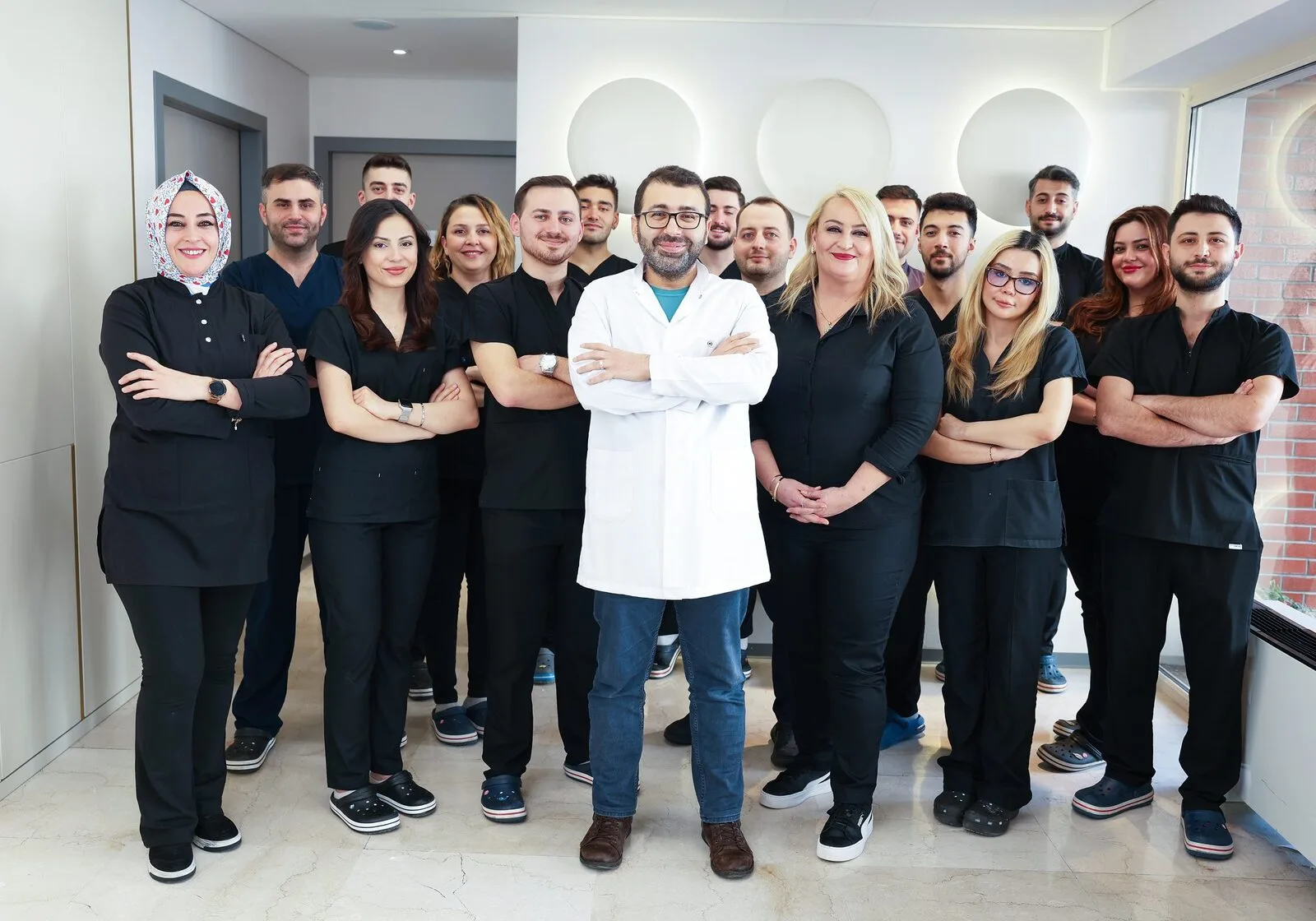
At Hermest Hair Transplant Clinic, we don’t push procedures. We start with clarity.
You’ll get:
- a detailed assessment of your hair loss pattern
- an honest evaluation of your donor capacity
- clear guidance on whether surgery or medical treatment is the better option
- a long-term plan designed for natural, lasting results
Dr. Ahmet Murat advises:
“The best results come from the right decision, not the fastest one. When we plan carefully, we avoid problems before they start.”
Book your consultation today and get a personalized plan that helps you move forward with clarity — not guesswork.