

How to Stop Hair Loss in Teenage Guys: Causes, Reversal & Treatment
 ChatGPT
 Claude
 Perplexity
 Grok
Grok
 Gemini

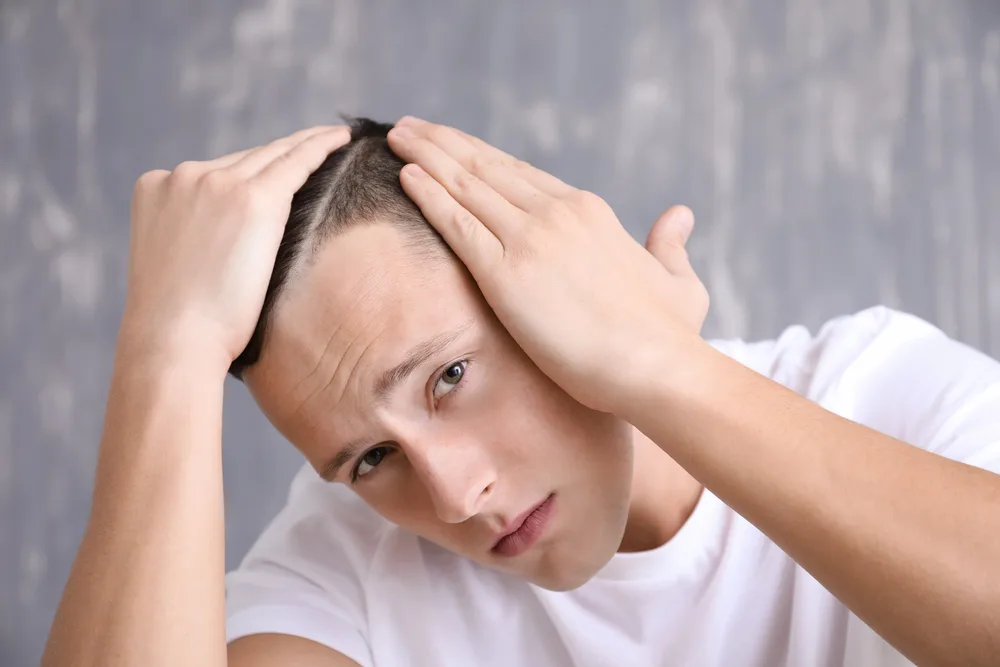
How to stop hair loss in teenage guys is a question many young men search after noticing more hair fall than usual. It often starts suddenly. You see hair on your pillow, in the shower, or while styling. That creates panic. Here’s the important part early: Hair loss in teenagers is not always permanent. In many cases, it is temporary and reversible. The challenge is understanding what type of hair loss you are dealing with.
According to American Academy of Dermatology, hair shedding can be linked to several causes, including stress, nutritional deficiencies, hormonal changes, and genetic patterns. That means there is no single answer.
This guide will help you understand:
- the real causes of hair loss in teenage males
- whether can teenage hair loss be reversed
- how to slow or stop shedding early
- how to prevent hairloss as a teen guy with realistic steps
- when hair loss is normal and when it is not
You may also be asking:
Why is my teenage boy losing hair?
Why is my 15 year old son’s hair falling out?
Is balding at 17 normal?
These are valid questions.
Dr. Ahmet Murat says:
“Hair loss at a young age feels alarming, but not every case is permanent. The most important step is identifying the pattern early.”
You don’t need to guess. You need to understand what your hair is telling you. Once that becomes clear, the next steps become much easier.
Quick Insights
- Hair loss in teenage males is not always permanent. Many cases are temporary and reversible.
- The most common causes of hair loss in teenage males include stress, nutritional deficiencies, hormonal changes, and genetics.
- Can teenage hair loss be reversed? Yes, especially if the cause is temporary like telogen effluvium.
- Early genetic hair loss can start in the late teens, but it can often be managed if identified early.
- Shedding alone is not the full picture. Pattern and progression matter more.
- Proper nutrition, stable routines, and early awareness are key to prevention.
- How to prevent hairloss as a teen guy depends on maintaining internal balance rather than relying on products.
- Seeing a doctor early can help avoid confusion and unnecessary treatments.
Is Hair Loss Normal in Teenage Males?
Hair shedding at a young age can feel abnormal.

But not all hair fall is a problem.
Normal shedding vs real hair loss
Everyone loses hair daily. On average, it is normal to shed around 50 to 100 hairs per day. In some situations, especially after stress or illness, this number can increase temporarily.
So when people ask: Is losing 700 hairs a day normal?
The answer is no, that is usually excessive and may indicate a temporary shedding phase such as telogen effluvium.
Is balding at 17 normal?
This depends on the pattern.
Some teenage boys may begin to notice early signs of genetic hair loss. This is known as early-onset androgenetic alopecia.
It can present as:
- slight temple recession
- thinning at the crown
- gradual density loss
Androgenetic alopecia can begin in late adolescence in some individuals.
When hair loss is considered abnormal
Hair loss becomes more concerning when it shows clear patterns:
- rapid shedding
- visible thinning
- receding hairline at a young age
It is not just about how much hair falls. It is about how the hair looks over time.
Why this distinction matters
Many teenagers assume the worst immediately.
In reality, some shedding is temporary.
Dr. Ahmet Murat says:
“The difference between normal shedding and real hair loss is progression. If density is changing, we pay attention.”
So, hair fall alone is not the full picture. Pattern and progression matter more.
Causes of Hair Loss in Teenage Males
Understanding the causes of hair loss in teenage males is the most important step. Without that, any solution becomes guesswork. Hair loss at a young age is not one condition. It can come from different sources, and each behaves differently.
Genetics and early androgenetic alopecia
This is the most talked-about cause. Some teenagers experience early-onset male pattern hair loss. It is driven by genetic sensitivity to hormones like DHT.
It usually appears as:
- gradual thinning at the temples
- early recession of the hairline
- slow density loss over time
Androgenetic alopecia can begin during late teenage years in some individuals. This type is progressive.
Telogen effluvium from stress or illness
This is one of the most misunderstood causes.
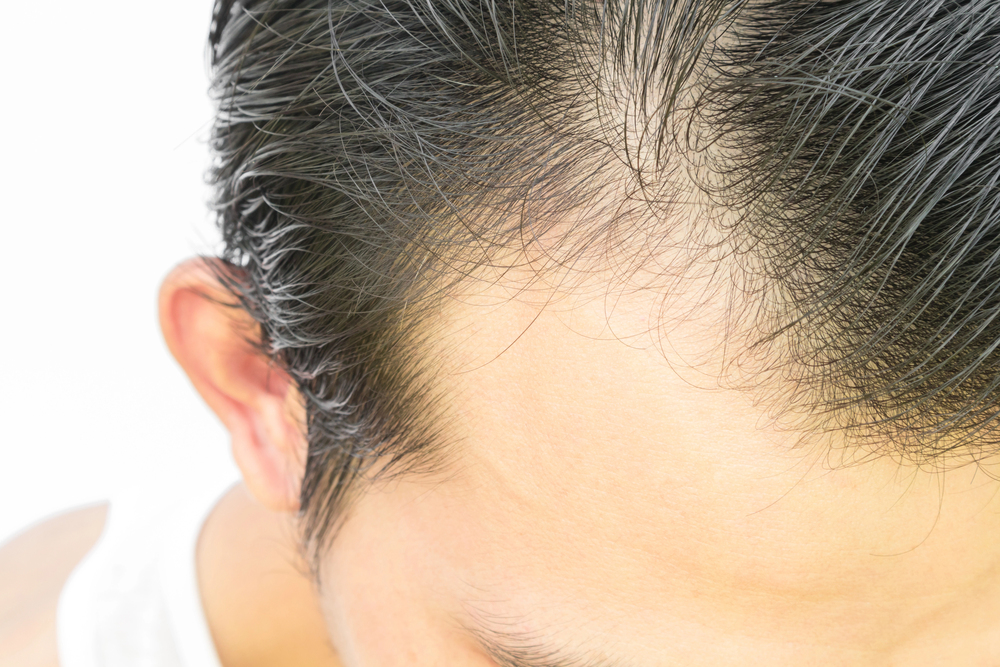
Telogen effluvium happens when the body experiences stress. That stress can come from:
- illness
- emotional pressure
- sudden lifestyle changes
Hair enters a resting phase, then sheds later.
This type is usually temporary.
Nutritional deficiencies
Diet plays a bigger role than most people think.
Low intake of key nutrients can lead to shedding. Common contributors include:
- iron deficiency
- low protein intake
- vitamin deficiencies
According to American Academy of Dermatology, nutritional imbalances are a common factor in hair loss, especially in younger individuals.
Hormonal changes during puberty
Puberty brings rapid hormonal shifts.
These changes can affect:
- oil production
- hair growth cycles
- sensitivity of follicles
In some cases, this can temporarily increase shedding.
Alopecia areata
This is an autoimmune condition.
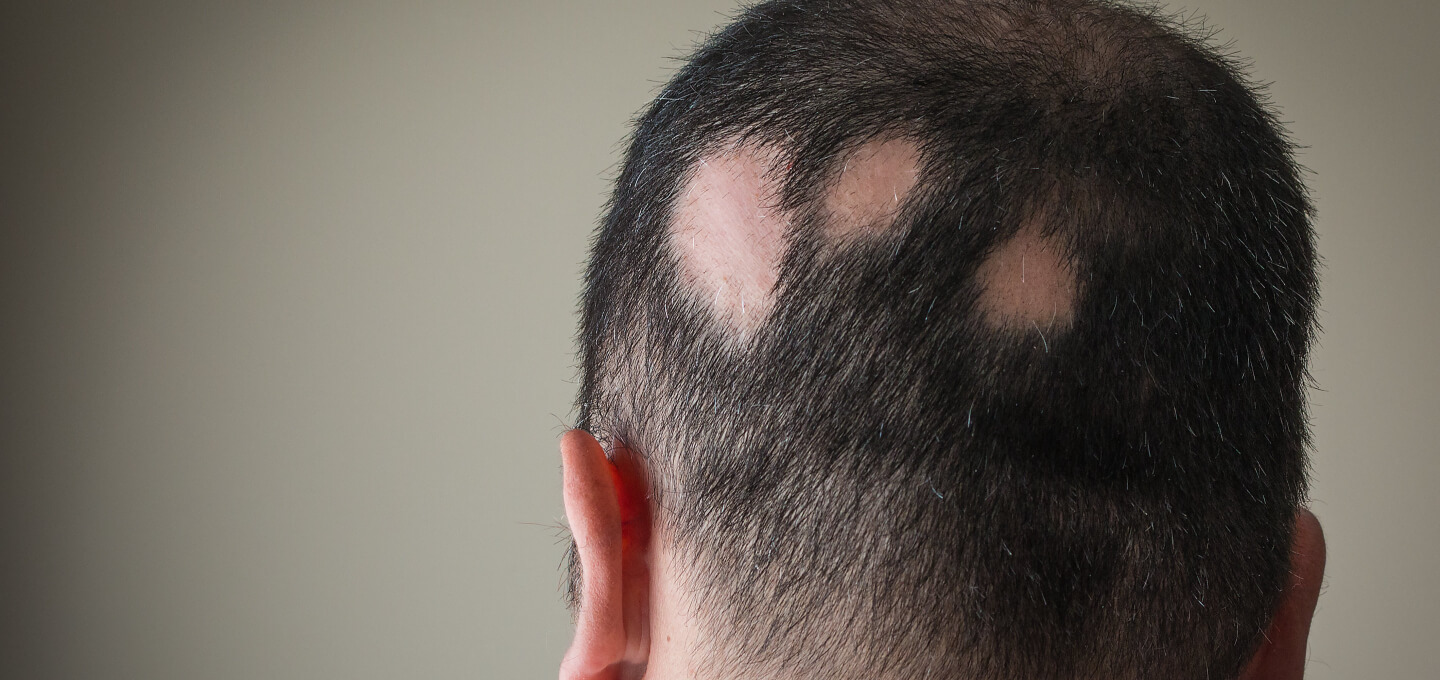
It usually appears as:
- round or patchy hair loss
- sudden onset
- smooth bald areas
It behaves differently from other types and requires medical evaluation.
Dr. Ahmet Murat says:
“Hair loss in teenagers is rarely caused by a single factor. In many cases, there is a combination of triggers.”
What you should take from this
Not all hair loss is permanent.
Some causes are reversible. Others require early management.
Can Teenage Hair Loss Be Reversed?
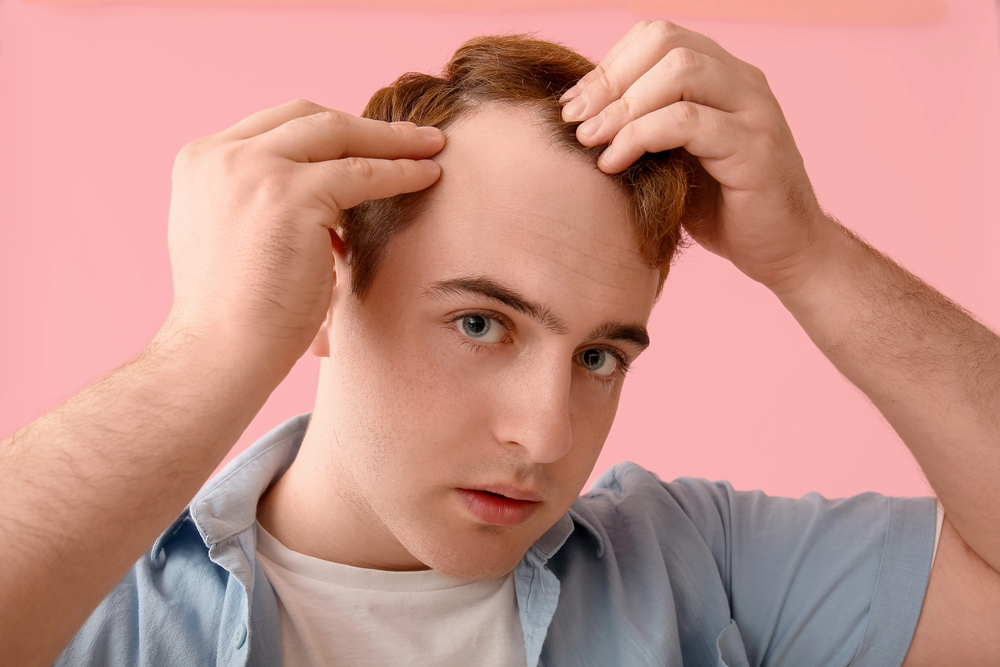
In many cases, yes. But the answer depends on the cause.
When hair loss is reversible
Some types of hair loss in teenagers are temporary.
If shedding is caused by stress, illness, or nutritional imbalance, the condition is often reversible. This type is usually telogen effluvium, where the hair cycle shifts but the follicles remain healthy.
According to American Academy of Dermatology, hair can regrow once the underlying trigger is addressed and the body returns to balance.
In these cases, the key is correction, not aggressive treatment.
Once:
- nutrition improves
- stress stabilizes
- the body recovers
the hair cycle can normalize.
When hair loss may not fully reverse
Genetic hair loss behaves differently. If the cause is early androgenetic alopecia, the process tends to be progressive. It does not usually reverse on its own.
That does not mean nothing can be done.
Early management can slow progression and preserve existing hair.
What affects recovery
The outcome depends on several factors.
Timing plays a major role. The earlier the cause is identified, the better the chances of improvement.
Overall health also matters. Hair reflects internal balance, not just external care.
Why many teenagers misjudge their situation
Hair shedding feels urgent.
Seeing hair fall daily can make it seem permanent, even when it is not.
Dr. Ahmet Murat says:
“Most young patients assume the worst too quickly. In many cases, the condition is reversible once we identify what triggered it.”
Hair loss at a young age is not always permanent. In many cases, it can be reversed or improved.
The key is knowing which type you are dealing with.
How to Stop Hair Loss in Teenage Guys
Once you understand the cause, the next step becomes practical. How to stop hair loss in teenage guys is not about one solution. It is about using the right approach for the right cause.
Start with identifying the pattern
This is the most important step. Hair loss in teenage males can look similar on the surface, but behave very differently underneath. Diffuse shedding, patchy loss, and gradual thinning each point to different causes.
If you skip this step, you risk treating the wrong problem.
Correct internal factors first
In many cases, hair loss is linked to internal balance. This includes nutrition, health, and recovery. If your body is lacking key nutrients, the hair cycle is affected. Iron levels, protein intake, and overall diet play a direct role in how hair grows.
According to American Academy of Dermatology, correcting underlying deficiencies is a central part of managing hair shedding.
Once the body stabilizes, the hair often follows.
Reduce stress on the system
Stress is not just emotional. It can come from:
- illness
- lack of sleep
- sudden lifestyle changes
These factors can push hair into a shedding phase. Stabilizing daily habits can reduce that impact.
When treatment may be needed
If the cause is genetic, the approach changes. In these cases, early management becomes important to slow progression. Waiting too long can make the process harder to control.
Avoid common mistakes
Many teenagers try quick fixes. Hair oils, random supplements, or internet advice often do not address the real issue.
For example, people often ask: Does hair oil reduce hair fall?
Hair oil can improve scalp condition, but it does not stop underlying hair loss.
Dr. Ahmet Murat says:
“The solution depends on the cause. Without understanding that, most treatments become ineffective.”
So, there is no single answer. There is a structured approach that works when applied correctly.
How to Prevent Hair Loss as a Teen Guy
Prevention is where you have the most control. If you’re wondering how to prevent hairloss as a teen guy, the focus should be on keeping your body stable while it develops. At this age, small imbalances can have a visible impact.
Build a strong foundation with nutrition
Hair growth depends on what your body receives daily. Teenagers often skip meals, eat inconsistently, or follow restrictive diets. That creates gaps in protein and micronutrients, which can affect the hair cycle.
Consistent intake matters more than occasional fixes.
According to American Academy of Dermatology, nutritional balance plays a key role in maintaining healthy hair growth and preventing unnecessary shedding.
Avoid sudden lifestyle extremes
Rapid changes can trigger shedding. This includes:
- sudden weight loss
- intense stress periods
- irregular sleep patterns
Hair responds to internal stability. When the body is under pressure, it shifts resources away from non-essential functions like hair growth.
Be careful with hair care habits
External habits matter, but they are often misunderstood. Rough styling, excessive heat, or tight hairstyles can increase breakage. That is different from true hair loss, but it can make the situation look worse.
People often ask: Does hair oil reduce hair fall?
Hair oil can improve scalp condition and reduce dryness, but it does not prevent hair loss caused by internal factors.
Understand what actually helps long-term
Prevention is not about one product. It is about:
- consistent nutrition
- stable routines
- early awareness of changes
Dr. Ahmet Murat says:
“Prevention is about keeping the system balanced. When the body is stable, the hair cycle tends to remain stable as well.”
So, you cannot control genetics completely. You can control how your body responds to change.
When Should a Teen See a Doctor for Hair Loss?
Not every case needs medical attention. But some situations should not be ignored.
When shedding goes beyond normal patterns
Hair fall becomes a concern when it changes your appearance over time.
If you notice:
- visible thinning
- widening part or reduced density
- a receding hairline at a young age
it is worth getting evaluated.
Questions like “Why is my teenage boy losing hair?” or “Why is my 15 year old son’s hair falling out?” usually come up at this stage.
When hair loss is sudden or patchy
Sudden changes need attention. Patchy hair loss, especially in round or smooth areas, may indicate conditions like alopecia areata.
This type behaves differently from typical shedding and requires proper diagnosis.
When shedding continues for months
Temporary shedding phases usually stabilize.
If hair loss continues for several months without improvement, it may not be simple telogen effluvium.
According to DermNet, prolonged diffuse hair loss should be evaluated to identify underlying causes.
When there are other symptoms
Hair loss combined with other signs can point to internal issues.
These may include:
- fatigue
- changes in weight
- skin or nail changes
These clues can indicate nutritional or hormonal imbalances.
What a doctor may check
Evaluation often includes:
- scalp examination
- discussion of lifestyle and history
- blood tests if needed
This helps identify whether the cause is temporary or something that needs targeted management.
Dr. Ahmet Murat says:
“Early evaluation helps us avoid unnecessary worry. It allows us to identify whether the condition is temporary or something that needs intervention.”
Waiting too long can create uncertainty. Getting clarity early makes everything easier.
Statistics & Trends
- Between 15% and nearly 40% of adolescents experience some form of hair loss at some point.
- Around 37% of teenagers (ages 14–19) show signs of alopecia in population-based studies.
- Male pattern hair loss can start shortly after puberty, not only in adulthood.
- About 25% of men with androgenetic alopecia notice it before age 21.
- In teenage genetic hair loss cases, over 70% have a family history of balding.
- The most common causes in teens are telogen effluvium, androgenetic alopecia, and alopecia areata.
- Alopecia areata affects roughly 1 in 1,000 children and teens, making it a notable cause of patchy loss.
- Telogen effluvium can cause temporary shedding of up to 30% of scalp hair during peak phases.
- Nutritional deficiencies (iron, protein, vitamins) are found in a significant portion of teenagers with diffuse hair loss, especially those with poor diet habits.
- Early identification improves outcomes, with studies suggesting that early-stage hair loss management can slow progression significantly in young males.
Frequently Asked Questions About Teenage Hair Loss
Hair loss in teenage males can have several causes. It may be temporary, such as telogen effluvium triggered by stress, illness, or poor nutrition. It can also be genetic, especially if there is a family history of early hair thinning. According to American Academy of Dermatology, identifying the pattern and cause is the most important step before deciding on treatment.
Take the Next Step with Expert Guidance
If you’re dealing with teenage hair loss male patterns, the most important step is understanding what’s happening. Hair loss at a young age can feel overwhelming. But in many cases, it is manageable once the cause is clear.
Dr. Ahmet Murat says:
“Hair loss in young patients is often reversible when we act early. The key is identifying the type before trying to treat it.”
At Hermest Hair Transplant Clinic, every case begins with a detailed evaluation.

The goal is to:
- identify the exact cause
- assess contributing factors
- create a plan based on your situation
If you are unsure whether your hair loss is temporary or something more, now is the right time to act.
Get a professional evaluation.
Understand your condition clearly.
Move forward with confidence.
Request your free hair analysis and speak directly with a specialist today.