


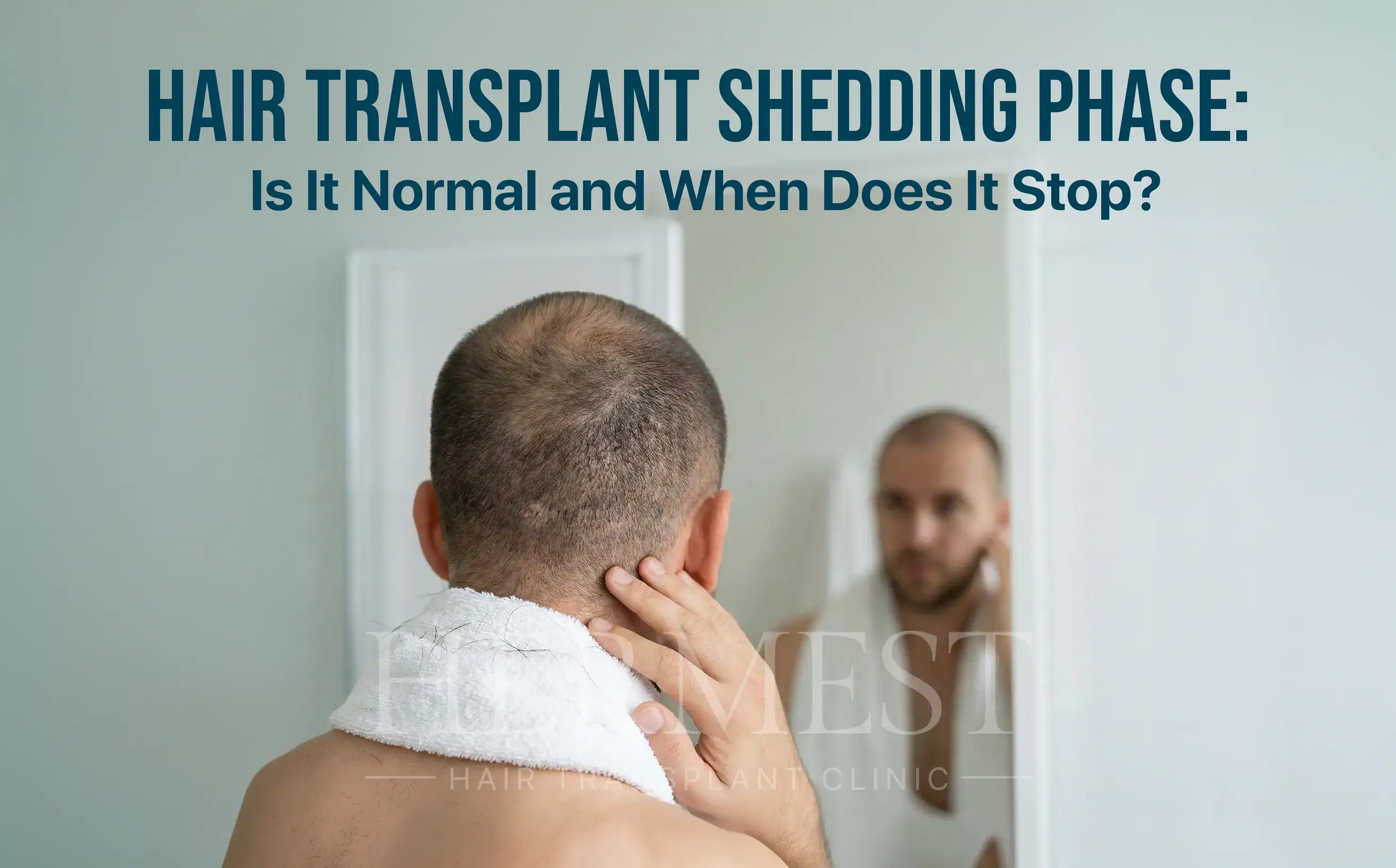
Hair Transplant Shedding Phase: Is It Normal and When Does It Stop?
 Medically reviewed by Dr. Ahmet Murat, MD
Written by Mehmet Y. — Updated on February 18th, 2026
The hair transplant shedding phase is one of the most misunderstood parts of recovery. It is also the stage that causes the most anxiety. Many patients search for answers when they see hair shedding after hair transplant and immediately worry that something has gone wrong.
In reality, the shedding phase after hair transplant is usually expected. It happens in the early months and affects most patients to some degree. This process is often called hair transplant shock loss, and it does not mean the transplant has failed. It reflects how hair follicles respond to surgical stress and temporary changes in blood supply.
Confusion starts because shedding looks dramatic. Patients see newly transplanted hairs falling out and assume grafts are lost. Others panic when there is no shedding after hair transplant, thinking something abnormal is happening. Both reactions are common. Both are usually unnecessary.
According to dermatology literature and hair restoration guidelines, transplanted follicles often enter a resting stage known as telogen effluviumafter hair transplant. The hair shaft falls out, but the follicle stays alive beneath the skin. This is a key distinction. The follicle survives. The visible hair does not.
This guide explains the full hair transplant shedding timeline, from the first week after hair transplant shedding concerns to questions like when does shedding stop after hair transplant and how long does shedding phase last. It also addresses high-stress questions patients ask but rarely get clear answers to.
- Is my hair transplant failing?
- Is shedding a bad sign?
- Will hair grow back after shedding?
- Can shock loss be permanent?
Dr. Ahmet Murat explains:
“Shedding is one of the most emotionally difficult phases for patients, but medically it is one of the most predictable. When we explain the hair growth cycle properly, patients understand that shedding is part of the process, not a complication.”
By the end of this article, you will understand what is normal, what is not, and how the shedding phase and final results are connected. The goal is clarity, not reassurance without context.
Let’s start by defining what the shedding phase actually is.
Quick Insights
- The hair transplant shedding phase is a normal, temporary stage of recovery for most patients. It usually reflects a pause in visible growth, not graft failure.
- Shedding phase after hair transplant typically begins between weeks two and four. It often peaks around one month and slows by weeks six to eight.
- Seeing hair shedding after hair transplant does not mean grafts are lost. The hair shaft falls out, but the follicle usually stays alive under the skin.
- Hair transplant shock loss is a stress response. It can affect transplanted hair and, in some cases, nearby native hair. Regrowth is common once healing stabilizes.
- No shedding after hair transplant can still be normal. Light, heavy, or absent shedding patterns can all lead to good results.
- Questions like is shedding normal after hair transplant and is shedding a bad sign usually come from timing, not complications. Visual density often looks worst before regrowth begins.
- Early regrowth commonly starts around months three to four. Density continues improving through months nine to twelve, shaping hair transplant results after shedding.
- Permanent shock loss is uncommon and usually related to already weakened native hair rather than transplanted follicles.
- Shedding does not reduce graft survival. There is no negative link between the shedding phase and final results when healing is healthy.
- Proper aftercare supports recovery, but shedding itself cannot be stopped. The focus should be scalp health, not preventing hair fall.
What is the hair transplant shedding phase?
The shedding phase after hair transplant refers to the temporary loss of visible hair shafts following surgery. It usually occurs within the first few weeks and is part of the normal healing and adaptation process. Although it looks alarming, it is one of the most predictable stages of recovery.
Why transplanted hair falls out after surgery
During a hair transplant, follicles are moved from the donor area to the recipient area. This relocation causes short-term stress. Blood supply changes. Inflammation occurs. As a response, many follicles shift into a resting stage of the hair growth cycle after transplant.
When this happens, the hair shaft is released. The follicle remains alive under the skin. This process is known as telogen effluvium after hair transplant and is the biological reason behind transplanted hair falling out.
This is why shedding does not equal graft loss. The follicle survives. Growth pauses. Regrowth comes later.
Shedding phase versus a failed transplant
Patients often search is my hair transplant failing because they see hair loss where hair was just placed.
A failing transplant shows different signs. Shedding happens evenly. The scalp looks healthy. There is no increasing pain, redness, or scarring. In contrast, failure involves infection, necrosis, or widespread graft loss, which is rare in properly performed procedures.
Is shedding normal after hair transplant?
Yes. For most patients, is shedding normal after hair transplant has a simple answer. It is expected. Some patients shed heavily. Others shed lightly. A small group experiences no shedding after hair transplant. All of these patterns can still lead to good results.
Dr. Ahmet Murat explains:
“Shedding is not something we measure success by. We evaluate scalp health, graft stability, and blood supply. Those tell us far more than how much hair falls out early.”
If you understand what shedding is, and what it is not, prevents unnecessary panic and sets realistic expectations for the months ahead.
Next, we’ll break down the shedding process week by week so you know exactly what tends to happen and when.
Hair transplant shedding timeline (week by week)
The hair transplant shedding timeline follows a fairly consistent pattern, although the intensity varies between patients. Knowing what usually happens at each stage helps reduce anxiety and prevents false assumptions about failure.
First week after hair transplant shedding concerns
During the first week after hair transplant, shedding is uncommon. The grafts are settling, scabs are forming and then falling off, and the scalp is still healing. Patients may notice redness or mild swelling, but visible hair loss is usually minimal at this point.
If no hair falls out during the first week, that is normal. Shedding is not expected this early.
2 weeks after hair transplant: hair falling out
Around 2 weeks after hair transplant, many patients begin to notice hair falling out from the transplanted area. This is when the hair transplant shedding phase typically starts. The hairs often fall out during washing or gentle rubbing.
This stage is when panic peaks. Patients see short hairs coming out and immediately think grafts are lost. In reality, this is classic hair transplant shock loss related to telogen effluvium after hair transplant.
The follicle stays in place. Only the hair shaft sheds.
1 month after hair transplant shedding
By 1 month after hair transplant, shedding is usually well underway or nearing its peak. Density can look worse than before surgery. This visual drop often triggers searches like is shedding a bad sign or is my hair transplant failing.
This phase is uncomfortable psychologically but expected medically. The scalp should still look healthy, without increasing redness or pain.
When does shedding stop after hair transplant?
For most patients, shedding slows between weeks 6 and 8. This answers the common question when does shedding stop after hair transplant. Some fine hairs may continue to fall for a bit longer, but heavy shedding usually ends by the second month.
How long does the shedding phase last?
In most cases, how long does shedding phase last comes down to 4 to 8 weeks. The exact timing depends on individual healing, scalp sensitivity, and genetics.
Dr. Ahmet Murat explains:
“The shedding phase follows biology, not the calendar. What matters is not how much hair sheds, but whether the follicles remain healthy and undisturbed.”
Next, we’ll explain shock loss in more detail and clarify the difference between transplanted and native hair shedding.
Shock loss explained: transplanted hair vs native hair
Shock loss is often mentioned, rarely explained properly. This lack of clarity creates unnecessary fear during the hair transplant shedding phase, especially when patients see hair falling out beyond the transplanted zone.
What is shock loss after hair transplant?
Shock loss after hair transplant is a temporary form of hair shedding triggered by surgical stress. It occurs when hair follicles react to trauma, inflammation, or changes in blood supply by entering a resting phase. This reaction is medically classified as telogen effluvium after hair transplant.
Shock loss does not damage the follicle permanently in most cases. It pauses growth. Regrowth follows once the scalp environment stabilizes.
Transplanted hair shock loss
When shock loss affects transplanted hair, it is expected. This is the most common scenario patients experience during the shedding phase after hair transplant. The transplanted hair shafts fall out, but the follicles remain anchored beneath the skin.
This explains why transplanted hair falling out is not a sign of failure. The graft survives. Growth resumes later as the follicle re-enters the active phase of the hair growth cycle after transplant.
Native hair shock loss
Native hair shock loss causes more confusion. This happens when existing, non-transplanted hair near the recipient area sheds temporarily. Patients often interpret this as permanent loss, especially if thinning was already present.
Native shock loss is more likely in areas affected by androgenetic alopecia. While regrowth is common, recovery may be slower or incomplete if the hair was already weak.
Is shock loss permanent?
This is one of the most searched fears. Permanent shock loss is rare. It usually occurs only when native hair was already severely miniaturized or when excessive trauma occurred. In properly planned procedures, permanent loss is uncommon.
Dr. Ahmet Murat explains:
“Shock loss is temporary in the vast majority of cases. When we see lasting thinning, it usually reflects pre-existing hair weakness, not damage from the transplant itself.”
Understanding the difference between transplanted and native shock loss prevents misinterpretation and panic.
Will the hair grow back after shedding?
This is the question that sits behind almost every search about the hair transplant shedding phase. Patients want certainty. They want to know whether the hair that fell out is gone for good or simply part of the process.
What happens beneath the skin after shedding
When shedding occurs, only the visible hair shaft is lost. The follicle remains implanted and viable under the scalp. After entering a resting stage, the follicle slowly transitions back into active growth. This process follows the normal hair growth cycle after transplant, which includes anagen (growth), catagen (transition), and telogen (rest).
During the shedding phase, follicles are in telogen. Nothing appears to be happening. This silence causes anxiety. In reality, biological recovery is already underway.
According to dermatology references, this dormant period is expected after surgical stress and does not indicate graft damage.
When regrowth usually starts
For most patients, early regrowth begins around the third or fourth month. Fine hairs appear first. Density improves gradually. This timeline explains why patients often feel discouraged before feeling relieved.
Searches like will hair grow back after shedding usually peak around weeks six to ten. That timing matches the quiet phase, not failure.
By month six, growth becomes more noticeable. By months nine to twelve, density and texture continue to mature.
Why regrowth looks uneven at first
Early regrowth rarely appears uniform. Some follicles activate sooner than others. Hair caliber varies. Curl and direction can change temporarily. This unevenness is normal and settles with time.
Does shedding affect final results?
No. The shedding phase and final results are not negatively linked. Heavy shedding does not mean weak outcomes. Light shedding does not guarantee faster growth.
Dr. Ahmet Murat explains:
“We do not judge results during the shedding phase. We assess graft survival by scalp health and follow-up exams. Growth always lags behind healing.”
Regrowth requires patience, not intervention.
What is normal shedding and what is not?
Not all hair loss during recovery feels the same, but most of it follows a predictable pattern. Patients usually struggle because no one clearly explains where normal ends and when attention is needed.
Signs of normal shedding
Normal hair shedding after hair transplant happens gradually and evenly across the transplanted area. The scalp looks healthy. There is no increasing pain. Redness fades rather than worsens. Hairs fall out during washing or light contact, not in clumps of skin or tissue.
Typical normal signs include:
- Shedding starting between weeks two and four
- Short hairs falling without discomfort
- No spreading redness or warmth
- No unusual odor or discharge
Some patients experience heavy shedding. Others experience mild shedding. A small number report no shedding after hair transplant. All three patterns can still lead to good outcomes.
When shedding becomes a concern
Patients are told “don’t worry”, but not told when to check in.
Medical review is recommended if shedding is paired with:
- Increasing redness, pain, or swelling
- Persistent crusting beyond early healing
- Patchy areas with no regrowth after several months
- Sudden donor-area thinning
These signs do not automatically mean failure, but they deserve evaluation.
Is shedding a bad sign?
In isolation, no. Searching is shedding a bad sign usually reflects fear rather than a clinical issue. Shedding alone does not predict graft survival or final density.
Does shedding mean the transplant is failing?
No. The question is my hair transplant failing comes up often during weeks four to eight. Failure involves graft loss, infection, or scarring. Shedding involves hair shaft loss with intact follicles.
Dr. Ahmet Murat explains:
“We look at the scalp, not the sink. Healthy skin, stable graft sites, and normal healing tell us far more than how much hair falls out.”
Shedding is a phase, not a verdict.
Does shedding affect final hair transplant results?
This question comes up once the shedding phase peaks and density looks worse than expected. Patients start comparing photos. Doubt creeps in. The concern is understandable, but the answer is usually reassuring.
Graft survival versus hair shaft loss
The most important distinction is between graft survival and hair shaft loss. During the hair transplant shedding phase, the hair shaft falls out. The follicle stays implanted. This is why shedding does not reduce graft survival.
Clinical follow-ups and dermatology references describe this as a temporary pause in visible growth, not follicle death. The follicle remains nourished and capable of producing new hair once it re-enters the growth phase.
This explains why heavy shedding does not predict poor outcomes. It also explains why light shedding does not guarantee faster or denser regrowth.
Why shedding can feel like a setback
Shedding creates a visual low point. Density often looks worse than before surgery around weeks four to eight. This is when searches like hair transplant results after shedding and is my hair transplant failing peak.
The frustration comes from timing. Surgical healing happens first. Hair growth comes later. These two processes are not synchronized.
Long-term outcomes after shedding
Final results are shaped by graft quality, implantation accuracy, blood supply, and long-term planning. Shedding itself does not weaken these factors.
In well-executed procedures, the shedding phase and final results are not negatively connected. Patients who shed heavily often achieve the same density as those who shed lightly.
Does shedding delay results?
Shedding does not delay results beyond the normal timeline. Most patients begin seeing early regrowth around months three to four. Density improves gradually through months nine to twelve.
Dr. Ahmet Murat explains:
“Shedding does not steal density from the final result. It only hides it temporarily. The real work happens under the skin, long before hair becomes visible.”
Judging outcomes during shedding leads to false conclusions. Final assessment belongs months later, not weeks.
Can you reduce or prevent shedding after a hair transplant?
Shedding is largely driven by biology, not behavior. That said, some factors influence how intense the shedding phase after hair transplant feels and how smoothly recovery progresses.
What you cannot control
Patients often look for ways to stop shedding completely. That expectation needs adjustment. The hair transplant shedding phase happens because follicles temporarily shift into a resting stage after surgical stress. This response is part of the normal hair growth cycle after transplant.
You cannot prevent:
- The follicle entering telogen
- The hair shaft releasing
- Temporary dormancy under the skin
Trying to interfere with this process does not improve outcomes and can increase anxiety.
What you can influence
While shedding itself cannot be stopped, scalp conditions during this period matter. Proper aftercare supports follicle health and reduces unnecessary irritation.
Helpful actions include:
- Following washing instructions exactly as advised
- Avoiding scratching or picking the scalp
- Protecting the scalp from direct sun exposure
- Avoiding harsh chemical products during early healing
These steps do not stop shedding, but they support a healthy environment for regrowth.
Does technique affect shedding?
Patients often ask whether DHI or FUE changes shedding intensity. In practice, both techniques can involve shedding. Differences relate more to individual healing response than to implantation method.
Should medication be started during shedding?
This depends on the individual. Some patients use medical therapy to protect native hair, not transplanted follicles. Any decision about medication should be physician-guided, especially during early recovery.
Dr. Ahmet Murat explains:
“Our focus during shedding is not stopping hair from falling, but protecting the scalp and donor area. Healthy healing sets the stage for strong regrowth.”
Shedding feels passive, but recovery is not. The goal is to support the process, not fight it.
Hair transplant shedding phase: key statistics & trends
- Around 85–95% of patients experience some degree of shedding after a hair transplant, usually within the first 2–8 weeks. This makes shedding the most common early post-operative change.
- The peak shedding window occurs between weeks 3 and 5 for most patients, aligning with the transition of follicles into the telogen phase after surgical stress.
- Shedding typically lasts 4–8 weeks, after which visible hair loss slows significantly. Extended heavy shedding beyond 10 weeks is uncommon and usually warrants review.
- More than 90% of shed transplanted hairs regrow, as the follicle remains viable under the skin. Shedding reflects hair shaft loss, not follicle death.
- Up to 30% of patients experience temporary shock loss in native hair, especially near the recipient area, particularly in individuals with underlying androgenetic alopecia.
- Permanent shock loss is rare, estimated at under 5%, and is usually associated with already miniaturized native hair rather than transplanted grafts.
- Early regrowth commonly begins between months 3 and 4, with fine, thin hairs appearing first before thickening over time.
- Approximately 60–70% of final visual density is reached by month 6, while full maturation often continues until months 12–15.
- Shedding intensity does not correlate with final results. Patients with heavy shedding achieve comparable density outcomes to those with minimal or no shedding.
- Search interest for “is my hair transplant failing” spikes 4–6 weeks post-surgery, mirroring the emotional low point of the shedding phase rather than true complication rates.
FAQs
Is shedding mandatory after a hair transplant?
No. Most patients experience some level of shedding phase after hair transplant, but no shedding after hair transplant can also be normal. Lack of shedding does not mean grafts failed or that results will be worse. It simply means follicles did not release the hair shaft aggressively.
Is shedding normal after hair transplant, or a bad sign?
Yes, is shedding normal after hair transplant has a clear answer. Shedding is expected and temporary. It is not a bad sign and does not predict poor outcomes. It reflects a normal response to surgical stress.
When does shedding stop after hair transplant?
For most patients, shedding slows between weeks six and eight. This answers when does shedding stop after hair transplant for the majority of cases. Light shedding can continue slightly longer, but heavy loss usually ends within two months.
How long does the shedding phase last?
How long does shedding phase last depends on individual healing, but the typical range is four to eight weeks. The follicle remains dormant after shedding and regrowth follows later.
Does shedding mean my hair transplant is failing?
No. The fear behind is my hair transplant failing usually comes from seeing hair fall out. Failure involves graft loss or scarring, not temporary hair shaft shedding. Healthy scalp appearance matters more than what you see in the sink.
Will hair grow back after shedding?
Yes. In properly performed procedures, hair regrows once follicles re-enter the growth phase. This directly answers will hair grow back after shedding. Early regrowth often starts around months three to four.
Can shock loss be permanent?
Permanent shock loss is rare. It usually affects already weakened native hair rather than transplanted follicles. Most shock loss after hair transplant is temporary.
A calm next step if you’re unsure about shedding
If you are going through the hair transplant shedding phase and feel unsure about what you are seeing, getting a professional evaluation can bring clarity. Shedding timelines are helpful, but every scalp heals differently, and reassurance is most effective when it is personal.
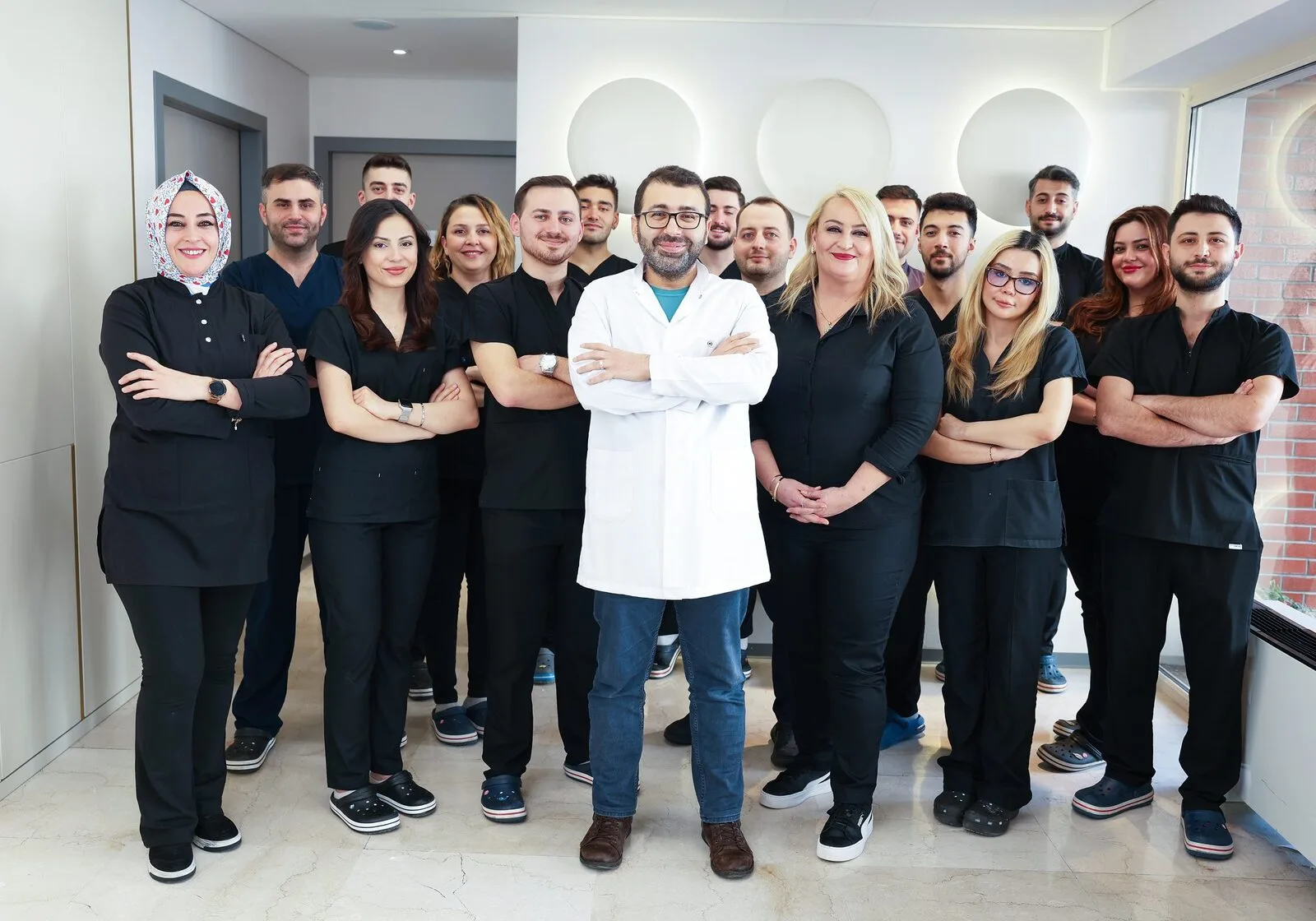
At Hermest Hair Transplant Clinic, recovery is followed carefully, especially during sensitive stages like shedding and early regrowth. Graft stability, scalp condition, and donor area health are assessed with a long-term perspective, not rushed conclusions. Techniques such as UNIQUE FUE® and the AIS Protocol are applied with a focus on balance, healing quality, and natural outcomes over time.
Dr. Ahmet Murat explains:
“Shedding is a phase we expect, but each patient experiences it differently. What matters is understanding whether healing is progressing normally and responding early if something feels off.”
If you want clear answers about hair transplant shock loss, regrowth timing, or whether your recovery is on track, you can book a consultation with the Hermest team and receive a personalized assessment based on your current stage.
Book your consultation at Hermest Hair Transplant Clinic and move through the shedding phase with confidence and clarity.