

Hair Transplant Infection: Causes, Signs & Prevention Guide
 ChatGPT
 Claude
 Perplexity
 Grok
Grok
 Gemini

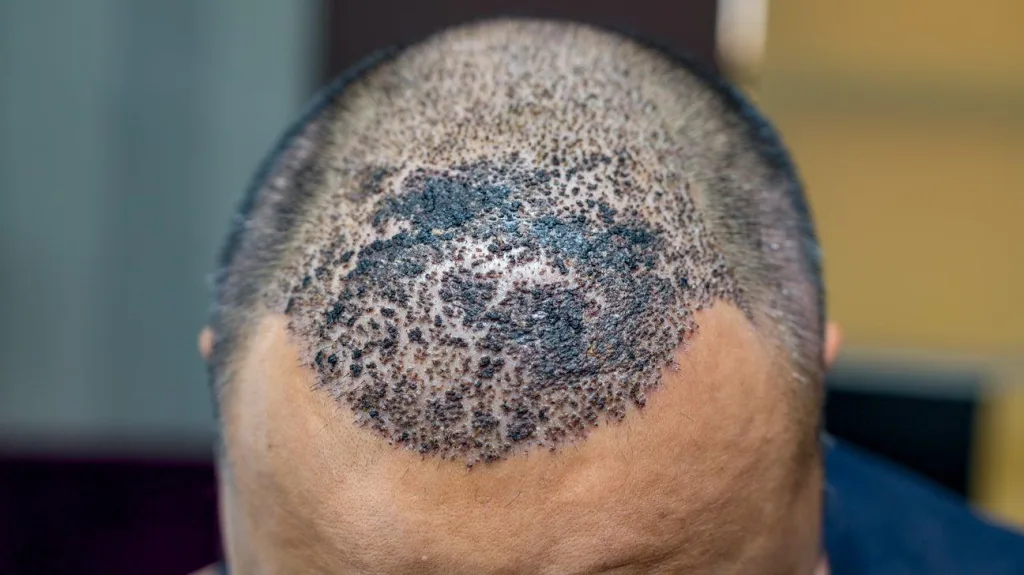
A successful hair transplant depends on much more than the procedure itself—post-operative care is equally critical. While rare, a hair transplant infection can develop if hygiene protocols are not followed or if underlying health factors interfere with healing.
If you’re noticing unusual redness, tenderness, or swelling after surgery, you may be wondering whether it’s a normal part of recovery—or a sign of something more serious.
In this guide, we explain the real hair transplant infection risks, how to recognize early infection signs, what causes these complications, and how to prevent them from occurring in the first place.
What Causes Hair Transplant Infections?
Infection after a hair transplant is uncommon—occurring in fewer than 1% of cases—but it can still happen. Understanding the primary hair transplant infection causes is the first step in minimizing your risk.
Common Causes:
- Improper sterilization during surgery or unlicensed clinics
- Poor post-op hygiene, such as touching the scalp with unwashed hands
- Crusting or scabbing, which traps bacteria if not cleaned gently
- Sweating excessively during early healing
- Pre-existing conditions: diabetes, immune suppression, or smoking history
How does hair follicle transplant get infected?
A hair follicle transplant can become infected when bacteria enter through the tiny incisions made during surgery. Causes include poor hygiene, contaminated tools, excess crusting, or patient-related factors like uncontrolled diabetes or compromised immunity.
Infections can occur in both the donor area and the recipient site, though most cases are localized and treatable if addressed early.
Symptoms of Hair Transplant Infection

In the first few days after surgery, mild redness and swelling are normal. But when these symptoms intensify or are accompanied by discharge, pain, or systemic signs, they may point to an infection.
Main hair transplant infection signs to watch for:
- Persistent redness that spreads beyond the graft area
- Swelling that doesn’t subside after day 3–4
- Pus or yellow discharge from the graft or donor area
- Localized heat or throbbing pain
- Fever, chills, or fatigue (in rare cases)
- Foul smell coming from the treated area
- Folliculitis—inflamed, pimple-like bumps around the follicles
What are the symptoms of hair transplant infection?
Common symptoms include redness, swelling, pus, tenderness, or a throbbing sensation around the graft area. In some cases, you may notice folliculitis (bumps), crusting, or fever. These symptoms typically appear within the first 3 to 7 days post-surgery.
Some patients may search for terms like “1 week hair transplant infection” because that’s a typical window when infections begin to surface. Others may develop localized inflammation such as folliculitis after hair transplant, which usually resolves with topical or oral antibiotics.
If you’re unsure whether your healing process is normal or not, always consult your surgeon rather than self-diagnosing.
FUE vs DHI: Infection Risk Compared
Both FUE (Follicular Unit Extraction) and DHI (Direct Hair Implantation) are minimally invasive and considered low-risk when performed in sterile environments by experienced surgeons. That said, there are slight differences in their post-operative infection profiles.
FUE Infection Risk:
- Involves micropunch incisions across the donor and recipient areas
- Slightly higher risk of scab formation, which can trap bacteria if not cleaned properly
- Open channel sites may remain exposed longer, requiring strict hygiene in the first 72 hours
DHI Infection Risk:
- Uses a Choi implanter pen for simultaneous extraction and implantation
- Fewer incisions exposed at once, as grafts are implanted immediately
- Slightly lower infection risk overall due to more controlled graft handling and reduced exposure
Is DHI safer than FUE in terms of infection risk?
Both methods are considered safe, but DHI may carry a slightly lower infection risk due to reduced incision exposure and more controlled implantation. However, with proper post-op care, the difference is minimal in clinical settings.
Ultimately, infection risk is less about the method and more about:
- The clinic’s sterilization protocols
- The patient’s health status
- Adherence to post-op care guidelines
Serious but Rare Complications After Infection
While most hair transplant infections are minor and treatable, ignoring early warning signs or delaying medical care can lead to more serious issues. Though extremely rare, these complications can affect both aesthetic outcomes and overall health.
Severe Infection Risks Include:
- Extensive folliculitis: when untreated, can lead to scarring or miniaturization of grafts
- Scalp necrosis: tissue death due to poor blood supply, excessive pressure, or severe infection
- Abscess formation: localized pus buildup that may require surgical drainage
- Hair transplant donor area infection: particularly problematic if it leads to delayed healing or visible scarring
- Systemic infection (sepsis): a life-threatening condition resulting from unchecked bacterial spread (very rare)
Some patients describe the visual result of severe infection as distressing or “botched hair transplant infection” — often requiring corrective surgery and longer recovery.
Dr. Ahmet Murat warns:
“If an infection is left untreated, it can compromise graft survival or, in extreme cases, require graft removal and skin reconstruction. That’s why we prioritize early intervention and clear post-op instructions.”
Fortunately, with professional care and early response, these complications are almost entirely avoidable.
Treatment Options for Hair Transplant Infection
When an infection is caught early, treatment is usually straightforward and highly effective. The key is not to wait—responding promptly can protect grafts, prevent scarring, and avoid escalation.
Common Treatments for Hair Transplant Infections:
- Topical antibiotics (e.g., mupirocin or fusidic acid) applied to affected areas
- Oral antibiotics prescribed for moderate to severe infections
- Warm compresses to ease swelling and promote drainage
- Sterile saline rinses to keep crusts and discharge from accumulating
- Medical drainage for abscesses, done by a specialist if needed
- Anti-inflammatory medication to reduce discomfort or swelling
How to treat a hair transplant infection?
Mild infections can be treated with topical antibiotics and proper hygiene. More serious cases may require oral antibiotics or drainage. Always consult your surgeon—self-medicating can worsen the condition.
If you notice persistent symptoms after 5–7 days or worsening redness, pus, or pain, contact your surgeon immediately. Home remedies or over-the-counter products are not substitutes for clinical care.
How to Prevent Infection After Hair Transplant (Pre- & Post-Op)
The best way to deal with infection is to avoid it entirely. With proper surgical hygiene and disciplined aftercare, the risk of infection after hair transplant is extremely low.
Pre-Op Prevention Tips:
- Choose a licensed clinic with certified surgeons and documented hygiene protocols
- Ensure your medical history is disclosed, especially conditions like diabetes or immune disorders
- Shower with antiseptic shampoo the day before (if instructed)
- Avoid alcohol, smoking, and blood thinners pre-surgery
Post-Op Care Essentials:
- Do not touch the graft area with unwashed hands
- Avoid scratching or picking at crusts—this is a common cause of infection
- Sleep with your head elevated to reduce swelling
- Use prescribed antiseptic sprays or shampoos as directed
- Avoid sweating, swimming, or exposing the scalp to dust/pollution for at least 7–10 days
- Report any unusual symptoms to your clinic right away
How to avoid infection after hair transplant?
Follow all aftercare instructions closely: keep your scalp clean, avoid touching grafts, and use any prescribed antiseptic sprays. Choose a reputable clinic with high sterilization standards and attend all follow-up appointments.
Following your surgeon’s protocol is essential for protecting both your recipient site and the donor area from infection or delayed healing.
Self-Care Tips During Recovery
Beyond medical treatment and clinical aftercare, your daily habits play a major role in protecting your scalp from infection and ensuring healthy graft survival. Small actions can have a big impact on recovery outcomes.
Practical Self-Care Measures:
- Set reminders for post-op rinsing, medications, or applying topical treatments
- Use clean towels and pillowcases every day for the first week
- Stay indoors in dusty or humid environments during the first 5–7 days
- Avoid tight hats, helmets, or anything that causes friction on the scalp
- Monitor yourself for signs of worsening symptoms—redness, pain, or discharge
It’s not uncommon to develop anxiety about the healing process. That’s why it’s helpful to document your scalp daily with clear photos to track healing and identify any changes early.
Dr. Ahmet Murat advises:
“Patient awareness is just as important as surgical skill. We encourage daily scalp hygiene and close monitoring in the first 10 days. Our clinic provides a structured follow-up schedule and digital support in case any signs of infection arise.”
Sticking to basic hygiene, staying calm, and trusting your surgeon’s protocol can significantly lower the risk of complications.
When to Contact Your Doctor Immediately
It’s important to distinguish between normal healing symptoms and signs of a potential infection. While some redness and itching are expected, certain warning signs require immediate medical attention.
Call your doctor if you experience:
- Fever above 38°C (100.4°F)
- Worsening redness that spreads beyond the treated area
- Pus-like discharge or foul odor from the scalp
- Throbbing pain not relieved by prescribed medications
- Soft or swollen areas that feel warm to the touch (may indicate an abscess)
- Black or dying skin patches, which may suggest tissue necrosis (extremely rare)
Dr. Ahmet Murat emphasizes:
“We always tell patients: if something feels off—report it. Timely communication allows us to treat issues before they escalate. Infection caught early is often resolved within a few days.”
Trust your instincts. If your scalp looks worse rather than better after Day 4 or 5, don’t delay reaching out to your medical provider.
Hair Transplant Infection: Statistics & Trends
- Infection rate after hair transplant is below 1% – Most studies report an infection incidence of 0.1% to 1%, making it a rare but possible complication. (Source: International Journal of Trichology)
- FUE and DHI techniques have similar infection rates – Comparative studies show no statistically significant difference in infection risk between FUE and DHI methods. (Source: Aesthetic Surgery Journal, 2023)
- 90% of post-transplant infections occur within the first 7 days – The majority of cases are reported between Day 3 and Day 7 after surgery, emphasizing the importance of early aftercare. (Source: Hair Transplant Forum International)
- Patients with diabetes are 3x more likely to develop infection – Those with underlying conditions such as diabetes or immune suppression are at higher risk and require closer follow-up. (Source: Journal of Dermatologic Surgery)
- Folliculitis is the most common minor complication post-transplant – Occurs in up to 15% of cases but is usually mild and resolves with conservative treatment. (Source: ISHRS Guidelines)
- Crusting and scab-related infections make up ~60% of cases – Poor crust management and scratching are leading contributors to localized infection. (Source: Turkish Journal of Dermatology)
- Antibiotic therapy resolves 98% of early infections without surgery – Most cases respond well to topical or oral antibiotics, eliminating the need for invasive intervention. (Source: Clinical Dermatology Reports)
- DHI reduces average graft exposure time by over 40% – The shorter duration that grafts are outside the scalp may slightly lower infection exposure. (Source: Pelage Clinical Whitepaper)
- Botched surgeries from unlicensed clinics account for rising infection rates globally – Patients treated in non-accredited clinics are 4–5 times more likely to report infection or complications. (Source: ISHRS Black Market Warning Reports, 2024)
- Infections are a top 3 concern among online hair transplant forums – Based on Reddit, RealSelf, and other forums, infection anxiety ranks behind graft survival and shock loss. (Source: Reddit /r/HairTransplants Analysis, 2025)
FAQs about Hair Transplant Infection
A hair follicle transplant can become infected if bacteria enter the micro-incisions made during the procedure. This typically happens from poor hygiene, touching the scalp with unclean hands, excessive scabbing, or pre-existing health conditions like diabetes. Choosing a sterile surgical environment and following proper aftercare reduces the risk significantly.
Our Thoughts & Advice
A hair transplant is a life-changing procedure, but like any surgery, it comes with some risk. Fortunately, hair transplant infections are rare, preventable, and easily treatable—especially when you’re working with an experienced medical team and following your aftercare instructions carefully.

To recap:
- Infection risk is below 1% when proper hygiene and care are maintained
- Warning signs include persistent redness, swelling, pus, and fever
- DHI may carry slightly lower infection exposure than FUE due to technique differences
- Serious complications like folliculitis, abscess, or scalp necrosis are extremely rare
- Most infections resolve quickly with topical or oral antibiotics
- Preventative care is your best defense—start with a trusted clinic and follow every post-op guideline
At Hermest Hair Clinic, we take every measure to minimize infection risk—from sterile surgical protocols to personalized aftercare programs monitored by your doctor.
Your safety is our priority.
Book your consultation today to receive expert care from one of Turkey’s leading hair restoration teams.