

Does Ashwagandha Cause Hair Loss? Hormones, Shedding & Risk
 ChatGPT
 Claude
 Perplexity
 Grok
Grok
 Gemini

The question does ashwagandha cause hair loss has become increasingly common, especially among people using supplements for stress, sleep, or hormone balance. Someone starts ashwagandha, feels calmer, then notices more hair shedding. The concern builds quickly. Is this a coincidence, or is ashwagandha hair loss actually a real side effect?
Online answers are rarely helpful. Many sources claim ashwagandha improves hair health for everyone. Others warn that it increases testosterone and worsens thinning. Neither view tells the full story. Hair loss is rarely about a single supplement. It is about how the body reacts to hormonal and physiological shifts.
Ashwagandha is an adaptogen. It affects cortisol, stress response, thyroid signaling, and in some people, androgen balance. According to clinical and endocrinology research, these systems are closely tied to the hair growth cycle. That means ashwagandha does not directly damage hair follicles, but it can change the environment they operate in.
This is why some people search ashwagandha shedding, hair fall after ashwagandha, or does ashwagandha make hair loss worse, while others see no change at all. Individual sensitivity matters. Genetics matter. Dose and duration matter.
Temporary shedding is often confused with permanent loss. Stress reduction can shift hair cycles. Hormonal adjustments can unmask existing conditions like androgenetic alopecia. Without context, normal biological responses feel alarming.
Dr. Ahmet Murat explains:
“Ashwagandha does not harm hair follicles directly. When patients notice shedding, we usually find hormonal sensitivity, thyroid issues, or genetic hair loss already present.”
This article explains does ashwagandha cause hair loss in clear, practical terms. It separates myths from mechanisms, explains who is more likely to experience shedding, and shows when stopping or adjusting ashwagandha actually helps.
Quick Insights
- Does ashwagandha cause hair loss has a clear answer for most people: ashwagandha does not directly damage hair follicles or cause baldness.
- Reports of ashwagandha hair loss are usually linked to hormonal sensitivity, stress-related shedding, or underlying conditions already present.
- Ashwagandha can influence cortisol, thyroid activity, and testosterone in some individuals, which may affect hair timing rather than hair survival.
- Ashwagandha shedding is often a form of telogen effluvium and is usually temporary.
- Diffuse shedding across the scalp points to stress or hormonal adjustment. Patterned thinning suggests genetic hair loss.
- People with androgenetic alopecia, PCOS, or thyroid disorders are more likely to notice hair changes.
- Stopping or reducing ashwagandha can help when shedding is recent and diffuse, but it does not reverse genetic hair loss.
- Higher doses and long, uninterrupted use increase the chance of noticeable adjustment effects.
- Hair regrowth after stopping ashwagandha depends on the underlying cause, not the supplement itself.
- The safest approach is monitoring response, adjusting dose thoughtfully, and seeking evaluation when hair changes persist.
What is ashwagandha and how it works in the body
Before deciding whether ashwagandha hair loss is real, it helps to understand what this supplement actually does. Ashwagandha is not a vitamin or a stimulant. It works through stress and hormone regulation.
Adaptogen basics
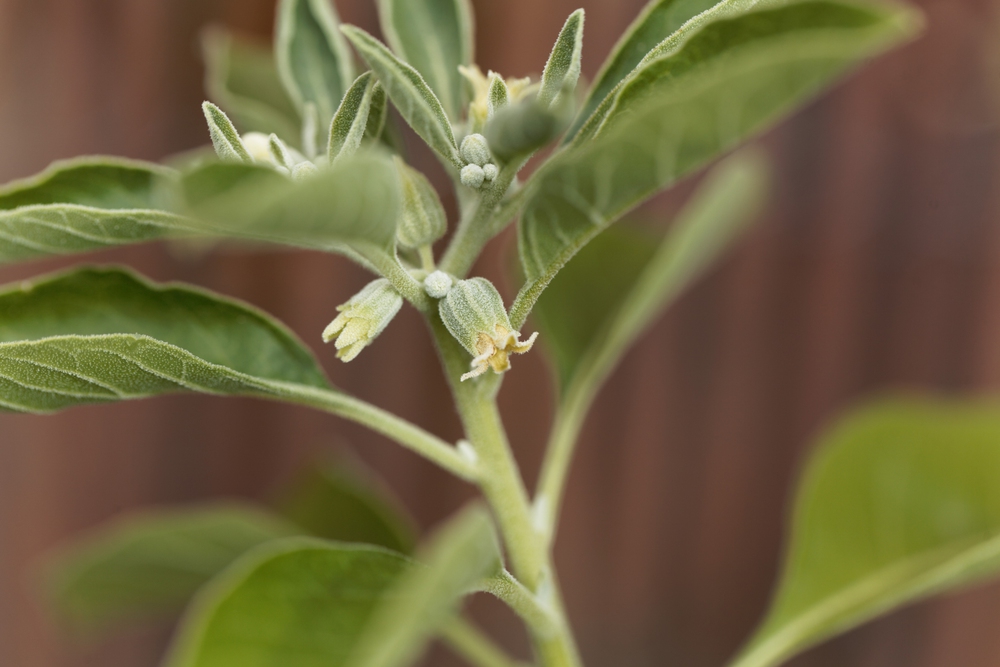
Ashwagandha is classified as an adaptogen. Adaptogens help the body respond to stress more efficiently. They do not push one system in a single direction. Instead, they influence balance.
Most people take ashwagandha to:
- Reduce chronic stress
- Improve sleep quality
- Support mood and focus
- Regulate cortisol levels
These effects explain why ashwagandha is often recommended for overall wellness.
Stress, cortisol, and hair cycles
Cortisol plays a direct role in hair growth. High or prolonged cortisol can push hair follicles into the resting phase. This leads to shedding weeks later. According to dermatology literature, stress-related shedding is a common trigger for telogen effluvium.
Ashwagandha lowers cortisol in many users. That shift can temporarily change hair cycling. When the body adjusts, some hairs move out of sync. Shedding may appear even though the long-term stress load improves.
This mechanism explains why people search ashwagandha shedding or hair fall after ashwagandha shortly after starting the supplement.
Hormonal ripple effects
Ashwagandha can influence more than cortisol. Research shows it may affect:
- Testosterone levels in some men
- Thyroid hormone activity
- Overall endocrine balance
These changes are usually mild. In hormone-sensitive individuals, even small shifts can matter.
This is why experiences vary so widely. One person feels better. Another notices hair changes.
Dr. Ahmet Murat explains:
“Adaptogens work through regulation, not stimulation. When hair shedding appears, it usually reflects the body adjusting, not damage.”
Why this matters for hair loss discussions
Many articles ignore this adjustment phase. They label shedding as damage or blame genetics immediately. Understanding how adaptogens work prevents panic and misinterpretation.
Ashwagandha changes the internal environment. Hair responds to that environment.
Does ashwagandha cause hair loss directly?
This is the core question behind searches like does ashwagandha cause hair loss and ashwagandha hair loss. A clear answer helps reduce unnecessary anxiety.
What research actually shows
There is no evidence that ashwagandha directly damages hair follicles or causes baldness. It does not poison follicles. It does not scar the scalp. It does not trigger hair loss in people with no underlying risk.
Clinical studies on ashwagandha focus on stress reduction, cortisol modulation, and endocrine balance. Hair loss is not listed as a primary adverse effect. According to dermatology references discussing hair loss mechanisms, supplements only influence hair indirectly through hormonal or stress-related pathways.
This distinction matters. Direct causes of hair loss are well known. Ashwagandha is not one of them.
Why some people still notice shedding
The confusion comes from timing. Ashwagandha is often started during high-stress periods. Sleep is poor. Workload is high. Hair may already be primed to shed. When cortisol drops and the body recalibrates, hair cycles can shift.
That shift can cause ashwagandha shedding without permanent damage.
Another scenario involves hormone-sensitive individuals. Small changes in testosterone or thyroid activity can expose underlying androgenetic alopecia. Ashwagandha did not create the condition. It made it visible sooner.
This explains searches like does ashwagandha make hair loss worse and ashwagandha side effects hair loss.
Correlation versus causation
Hair shedding often begins weeks after a trigger. People connect shedding to the most recent change. Ashwagandha becomes the suspect.
Stopping the supplement sometimes reduces shedding. That does not prove it caused hair loss. It often means the body stabilized.
Dr. Ahmet Murat explains:
“When patients stop ashwagandha and shedding slows, it usually reflects stress normalization, not reversal of follicle damage.”
Ashwagandha does not directly cause hair loss. It can influence systems that affect hair timing in sensitive people.
Hormones involved: testosterone, DHT, cortisol, and thyroid
Hair reacts to hormonal shifts more than to supplements themselves. Understanding these pathways explains why ashwagandha hair loss appears in some people and not others.
Testosterone and androgen sensitivity
Ashwagandha has been shown in some studies to modestly increase testosterone, mainly in men with low baseline levels. This does not mean it causes hair loss. Testosterone alone does not miniaturize follicles. Sensitivity to DHT does.
In people with androgenetic alopecia, even small hormonal shifts can make thinning more noticeable. Ashwagandha does not create this sensitivity. It can reveal it sooner. This is why searches like ashwagandha testosterone hair loss and ashwagandha male hair loss appear together. Pattern matters. Receding temples or crown thinning point to genetics, not supplement toxicity.
DHT: what ashwagandha does and does not do

There is no evidence that ashwagandha directly increases DHT or accelerates DHT conversion. Claims about ashwagandha DHT hair loss usually extrapolate from testosterone discussions without proof. If thinning follows classic patterns, DHT sensitivity was already present. Ashwagandha did not introduce it.
Cortisol reduction and hair cycles
Cortisol plays a role in hair timing. High cortisol can keep hair in a resting phase. Ashwagandha often lowers cortisol. That shift can synchronize follicles temporarily, leading to shedding weeks later.
This is a common pathway for ashwagandha shedding and explains why hair fall can start after stress improves. It is counterintuitive but well described in stress-related shedding.
Thyroid stimulation concerns
Ashwagandha can influence thyroid hormone activity. In people with thyroid sensitivity, this can affect hair cycling. This is why ashwagandha thyroid hair loss appears in searches, especially among women or those with existing thyroid conditions.
Dr. Ahmet Murat explains:
“Hormonal sensitivity determines response. Ashwagandha changes balance, not follicles. Hair reacts to balance.”
Why hormones get blamed
Hair loss rarely has one driver. Hormones, stress, and genetics interact. When ashwagandha enters the mix, it gets blamed for a process already in motion.
Who is more likely to experience hair loss with ashwagandha?
Most people take ashwagandha without any hair changes. The ones who notice shedding usually share specific risk factors. Identifying those factors matters more than blaming the supplement.
Androgenetic alopecia and genetic sensitivity
People with a family history of patterned thinning are more likely to notice changes. If androgenetic alopecia is already active, shifts in hormones or stress can make progression more visible. Ashwagandha does not create this condition. It can coincide with the moment thinning becomes noticeable. This explains why searches like ashwagandha male hair loss often describe temple or crown changes rather than diffuse shedding.
PCOS and hormonal imbalance
Women with PCOS often have sensitive androgen balance. Small hormonal shifts can affect hair cycles. In this group, ashwagandha PCOS hair loss concerns appear when the supplement alters cortisol or thyroid signaling. The pattern is usually diffuse shedding rather than recession. Dose and duration matter here.
Thyroid conditions
People with known thyroid issues should be cautious. Ashwagandha can influence thyroid hormone activity. In susceptible individuals, this can disrupt hair cycling. This is why ashwagandha thyroid hair loss appears in search trends. Monitoring symptoms matters more than assuming benefit.
High stress, rapid change, and adaptation phases
Ashwagandha is often started during burnout, poor sleep, or emotional stress. When stress improves, hair cycles can reset. Shedding may appear weeks later. This is often telogen effluvium, not permanent loss.
Common overlap factors include:
- Recent illness or emotional stress
- Sudden lifestyle improvement
- Sleep normalization after chronic deprivation
Who is least likely to be affected
People without genetic risk, hormonal conditions, or recent stress changes rarely experience shedding. For them, ashwagandha often feels neutral or beneficial.
Dr. Ahmet Murat explains:
“When hair shedding appears, we almost always find a sensitivity factor. Ashwagandha acts as a trigger, not a cause.”
Knowing risk profiles prevents unnecessary fear.
Ashwagandha and temporary hair shedding
Temporary shedding is the most common reason people associate ashwagandha hair loss with supplement use. This phase is alarming, but it behaves very differently from permanent thinning.
Telogen effluvium explained
Telogen effluvium is a temporary shedding condition. It happens when a physiological change shifts many hairs into the resting phase at the same time. Those hairs shed weeks later. The trigger can be stress, illness, hormonal adjustment, or lifestyle change.
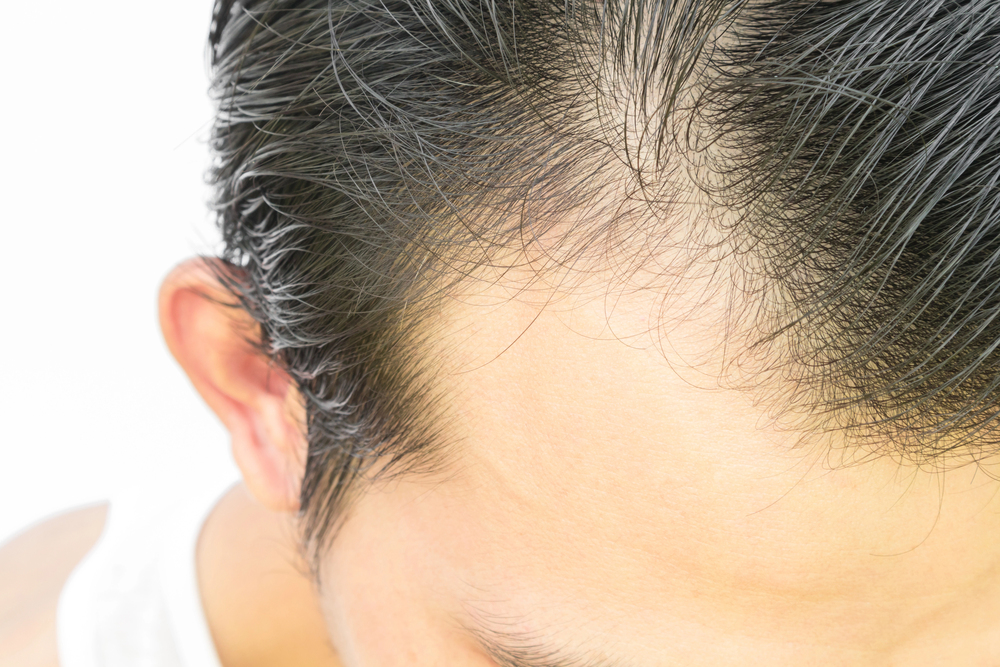
Ashwagandha often enters the picture during recovery phases. Someone reduces stress, improves sleep, or stabilizes cortisol. Hair follicles respond to that shift by resynchronizing. Shedding can appear even though the body is moving toward balance.
This explains searches like ashwagandha shedding, hair fall after ashwagandha, and sudden hair loss ashwagandha.
How this shedding looks and feels
Temporary shedding has a specific pattern:
- Hair falls diffusely across the scalp
- No clear recession or crown thinning
- Increased shedding during washing or brushing
- Gradual slowdown within weeks to months
This pattern is very different from genetic hair loss. It does not follow hairline shape. Density usually returns once cycles normalize.
Why shedding can start after stopping ashwagandha
Some people notice shedding after they stop the supplement. This is still part of the same cycle shift. The trigger occurred earlier. The shedding shows up later. This fuels questions like is hair loss from ashwagandha permanent. In most cases, it is not.
How long does shedding usually last?
For most people, shedding slows within two to three months. Full visual recovery can take longer, depending on hair length and growth speed. Panic often peaks long before recovery begins.
Dr. Ahmet Murat explains:
“Temporary shedding resolves on its own when the system stabilizes. The key is recognizing the pattern early.”
When shedding is not temporary
If shedding continues beyond several months, or thinning follows a patterned distribution, further evaluation is needed. At that point, genetics or hormonal conditions may be involved.
Should you stop ashwagandha if you notice hair loss?
This is the moment most readers reach after searching does ashwagandha cause hair loss and seeing mixed answers. Stopping can help in some cases. In others, it changes nothing. The difference depends on the pattern and timing.
When stopping or reducing ashwagandha makes sense
Pausing ashwagandha is reasonable if shedding began soon after starting, feels diffuse, and coincides with other adjustments. The goal is not punishment. It is observation.
Consider stopping or reducing if:
- Ashwagandha shedding started within weeks of use
- Hair fall is diffuse, not patterned
- You recently changed sleep, workload, or diet
- You have thyroid sensitivity or PCOS
- Anxiety increases while monitoring hair
In these situations, removing the supplement can help the system settle. Shedding often slows as balance returns.
When stopping is unlikely to help
If thinning follows a classic pattern, stopping ashwagandha rarely changes the trajectory. Androgenetic alopecia progresses with or without supplements. Removing ashwagandha may reduce worry, but it does not address the driver.
This is why some people stop, wait months, and see no improvement. The supplement was never the cause.
How to stop without adding stress
Abrupt changes can add stress, which worsens shedding. If you stop, do it calmly. Replace routine with stability.
Helpful steps include:
- Maintain sleep consistency
- Keep calorie intake adequate
- Avoid adding new supplements immediately
- Observe changes over 8–12 weeks
This window matches hair cycle timing.
What to watch after stopping
Improvement looks like less shedding, not instant regrowth. New growth takes time. If shedding slows, the trigger was likely temporary. If not, further evaluation helps.
Dr. Ahmet Murat explains:
“Stopping ashwagandha helps only when it aligns with a temporary shedding pattern. When genetics are involved, we shift focus to targeted care.”
Stopping can be useful. Understanding why you’re stopping matters more.
How to use ashwagandha more safely for hair
For most people, ashwagandha is well tolerated. Problems usually come from dose, duration, or ignoring individual sensitivity. Using it thoughtfully reduces the chance of ashwagandha hair loss concerns.
Dose and duration matter
Many users assume more is better. That is where issues start. Higher doses can amplify hormonal shifts, especially in sensitive people.
General patterns seen in practice:
- Lower doses tend to feel stabilizing
- Higher doses increase the chance of ashwagandha shedding
- Long, uninterrupted use raises adaptation effects
Cycling use often works better than continuous intake. Giving the body breaks helps prevent prolonged adjustment phases.
Monitor symptoms, not just stress relief
Ashwagandha affects more than mood. Pay attention to how your body responds overall.
Watch for:
- Changes in hair shedding patterns
- Increased scalp sensitivity
- Sleep changes beyond improvement
- Menstrual or hormonal shifts
If multiple changes appear together, reassessment is reasonable.
When to avoid ashwagandha
Some people should be cautious or avoid it altogether. This includes those with:
- Known thyroid disorders
- PCOS with androgen sensitivity
- Active androgenetic alopecia and rapid progression
- Previous strong reactions to adaptogens
In these cases, stress management strategies that do not alter hormones may be safer.
Do not stack blindly
Stacking ashwagandha with other hormone-influencing supplements increases uncertainty. Hair responds to cumulative signals. Keeping variables limited makes patterns easier to interpret.
Professional input helps sooner than later
If hair changes persist or worsen, evaluation clarifies the cause. Guessing extends anxiety.
Dr. Ahmet Murat advises:
“Supplements should support balance, not create new questions. When hair is affected, we reassess dose, duration, and individual sensitivity.”
FAQs about ashwagandha and hair loss
No, ashwagandha does not directly cause hair loss or damage hair follicles. There is no evidence showing it creates baldness. When ashwagandha hair loss is reported, it is usually linked to hormonal sensitivity, stress-related shedding, or an underlying condition already present.
A calm next step if hair loss is worrying you
If you started ashwagandha and noticed shedding, clarity beats speculation. Identifying whether hair loss is temporary, hormonal, or genetic guides the right response.

At Hermest Hair Transplant Clinic, hair changes are evaluated in context. Supplements are reviewed alongside stress history, hormones, and hair patterns.
If you want reassurance grounded in biology, not online extremes, a professional review can help you decide whether ashwagandha needs adjustment or whether something else deserves attention.