

Peppermint Oil for Hair: Benefits, Hair Growth Claims & Side Effects
Interest in peppermint oil for hair has exploded online over the last few years. People constantly search questions like:
- is peppermint oil good for your hair
- what does peppermint oil do for your hair
- can peppermint oil regrow hair
The problem is that many exaggerate the science. Peppermint oil may support scalp health and circulation, but strong evidence for human hair regrowth remains limited. Much of the excitement comes from animal studies rather than large human clinical trials. That distinction is important.
According to research indexed through PMC Research Study and PubMed Peppermint Oil Study, peppermint oil showed promising effects on hair growth in mice, likely related to increased circulation and follicle stimulation. However, human evidence is still far more limited than many social media claims suggest.
This guide explains:
- peppermint oil benefits for hair
- possible scalp and circulation effects
- realistic hair growth expectations
- how to use peppermint essential oil safely
- peppermint oil for hair side effects
- whether peppermint oil can reverse thinning hair
It will also clarify an important distinction many ignore:
Improving scalp comfort is not the same thing as reversing androgenetic hair loss.
Dr. Ahmet Murat says:
“Natural oils may support scalp health, but patients should avoid assuming every viral remedy can replace evidence-based hair loss treatment.”
Peppermint oil may help certain aspects of scalp care when used correctly. Used incorrectly, it can irritate the scalp significantly. That balance is what this article focuses on.
Quick Insights
- Peppermint oil may help improve scalp comfort and freshness.
- The cooling sensation comes mainly from menthol.
- Some users notice reduced itchiness and less oily buildup after regular use.
- Animal studies showed promising hair growth effects, but strong human evidence remains limited.
- Peppermint oil may support scalp health, but it is not proven to reliably reverse androgenetic alopecia in humans.
- Proper dilution with carrier oils is extremely important for scalp safety.
- Undiluted peppermint oil may cause burning, redness, and irritation.
- Sensitive scalps and inflammatory skin conditions may react more strongly to peppermint oil.
- Peppermint oil and rosemary oil work differently and neither replaces medically proven hair loss treatments.
- Natural oils may complement scalp care routines, but evidence-based therapies still remain stronger for long-term follicle preservation.
What Does Peppermint Oil Do for Your Hair?
The main reason people use peppermint oil for hair is the cooling sensation it creates on the scalp. That effect comes primarily from menthol, the active compound naturally present in peppermint oil.
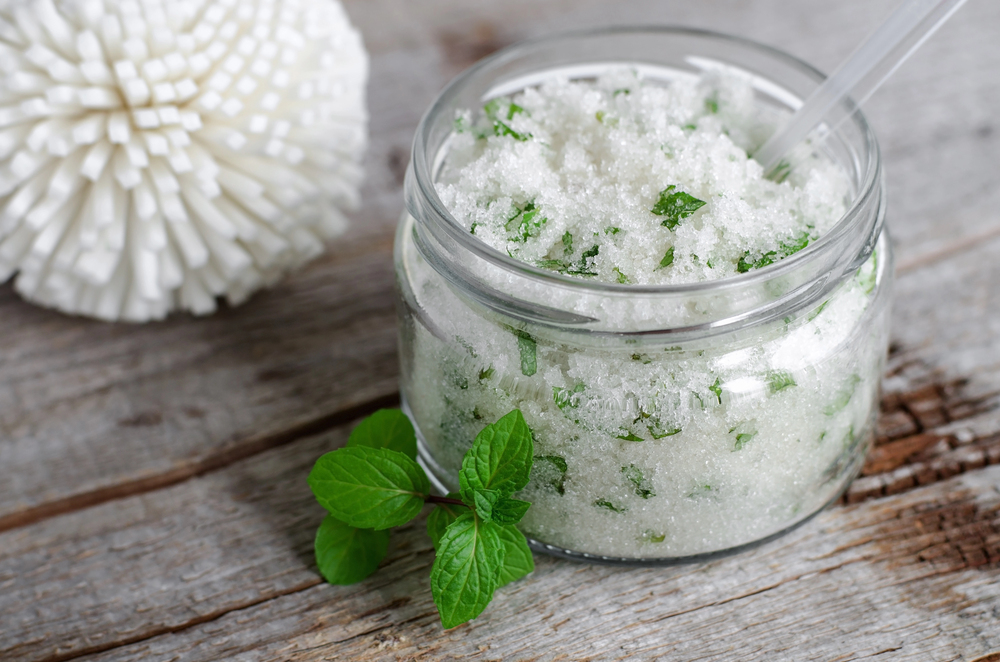
The sensation feels refreshing, but many people wonder whether something deeper is happening biologically.
Menthol and scalp circulation
One theory behind peppermint essential oil for hair involves blood flow.
Menthol may temporarily increase circulation around the scalp surface, which could help create a healthier follicle environment. This circulation-related effect is one reason peppermint oil became popular in hair growth discussions.
The famous 2014 mouse study suggested peppermint oil may stimulate follicles during the growth phase. Still, researchers did not prove the same outcome consistently in large human trials.
That limitation is important.
Cooling and soothing effects
Many people notice scalp comfort improvements quickly.
Peppermint oil may help reduce:
- itchiness
- mild dryness
- greasy buildup sensations
- temporary irritation feelings
This is one reason peppermint oil shampoos became popular for oily or uncomfortable scalps.
The cooling sensation can make the scalp feel cleaner and fresher immediately after use.
Scalp health support
Healthy scalp conditions support healthier-looking hair overall.
When irritation, excessive oil, or buildup decreases, the hair may appear:
- shinier
- cleaner
- more manageable
That does not necessarily mean new follicles are growing.
This is one of the biggest misunderstandings online. Many articles confuse scalp comfort improvements with proven hair regrowth.
Dr. Ahmet Murat says:
“Patients often interpret the cooling sensation as proof of regrowth. In reality, feeling stimulation and creating new follicles are very different biological processes.”
Why expectations should stay realistic
Peppermint oil may support scalp quality and temporary fullness perception, especially when combined with good hair care habits.
But current evidence does not prove it can reliably reverse advanced androgenetic alopecia by itself.
Next, we’ll examine the biggest question directly: is peppermint oil good for hair growth, and what the actual research really says about regrowth claims.
Is Peppermint Oil Good for Hair Growth?
This is the biggest reason people search for peppermint oil for hair online.
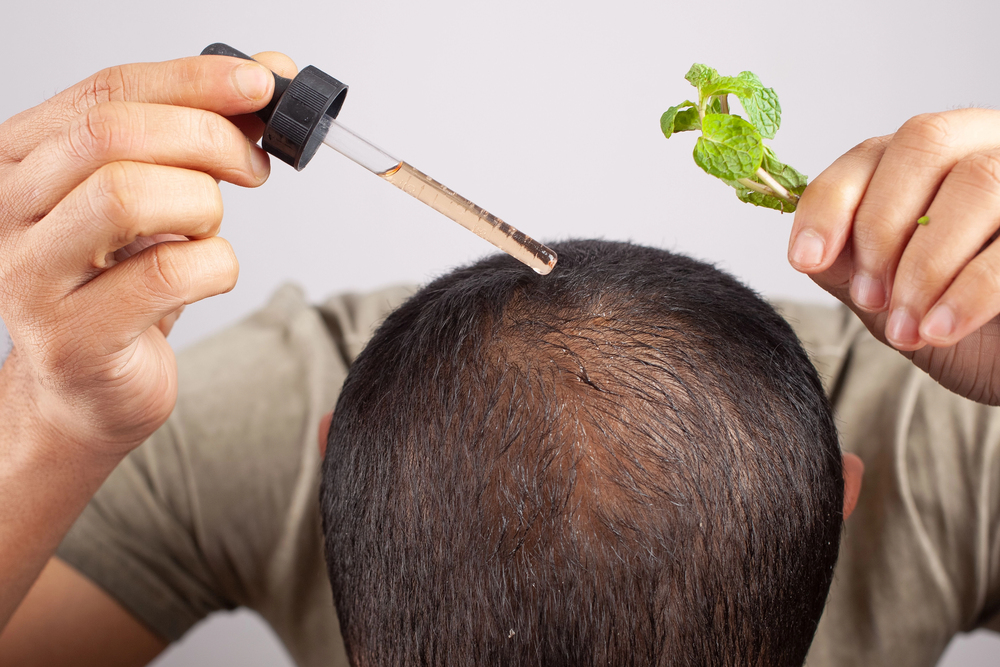
The short answer is: possibly, but the evidence is still limited.
That nuance gets lost constantly on social media.
The famous 2014 peppermint oil study
Much of the internet excitement comes from a 2014 animal study published through PubMed Peppermint Oil Study.
In that study, mice treated with peppermint oil showed signs of:
- increased follicle depth
- longer follicles
- increased dermal thickness
- faster hair growth activity
The results became widely shared online because peppermint oil appeared promising compared to saline and even minoxidil in certain measurements.
That sounds dramatic.
But there is an important limitation many articles ignore completely.
Why human evidence remains limited
The study involved mice, not humans.
Human scalp biology is significantly more complex than mouse models. According to Healthline Peppermint Oil for Hair, strong large-scale human clinical trials proving reliable hair regrowth from peppermint oil still do not exist.
This means:
- the oil may support scalp health
- it may improve temporary fullness perception
- it may stimulate circulation
But current research does not prove it can consistently reverse androgenetic alopecia in humans.
Peppermint oil vs minoxidil claims
Some incorrectly claim peppermint oil is “better than minoxidil”.
That interpretation is misleading.

The comparison originated from the mouse study, not large human trials. Minoxidil still has far stronger real-world human evidence for treating pattern hair loss.
This distinction matters medically.
Dr. Ahmet Murat says:
“Patients should separate promising natural ingredients from proven clinical treatments. Viral popularity does not automatically equal strong medical evidence.”
Can peppermint oil help thinning hair at all?
Possibly, especially when scalp irritation, oil buildup, or inflammation contribute to poor scalp conditions.
Some people notice:
- healthier-looking hair
- reduced itching
- improved scalp comfort
- temporary fullness improvements
Still, expectations should remain realistic.
Peppermint oil may support the scalp environment. That is very different from reliably regrowing lost follicles.
Next, we’ll focus specifically on the practical peppermint oil benefits for hair, including scalp comfort, dandruff reduction, and why some users feel their hair appears healthier after regular use.
Peppermint Oil Benefits for Hair
Many people using peppermint oil are not necessarily trying to regrow completely lost hair. In real life, most users are looking for healthier scalp conditions, cleaner-feeling roots, and hair that appears stronger overall.
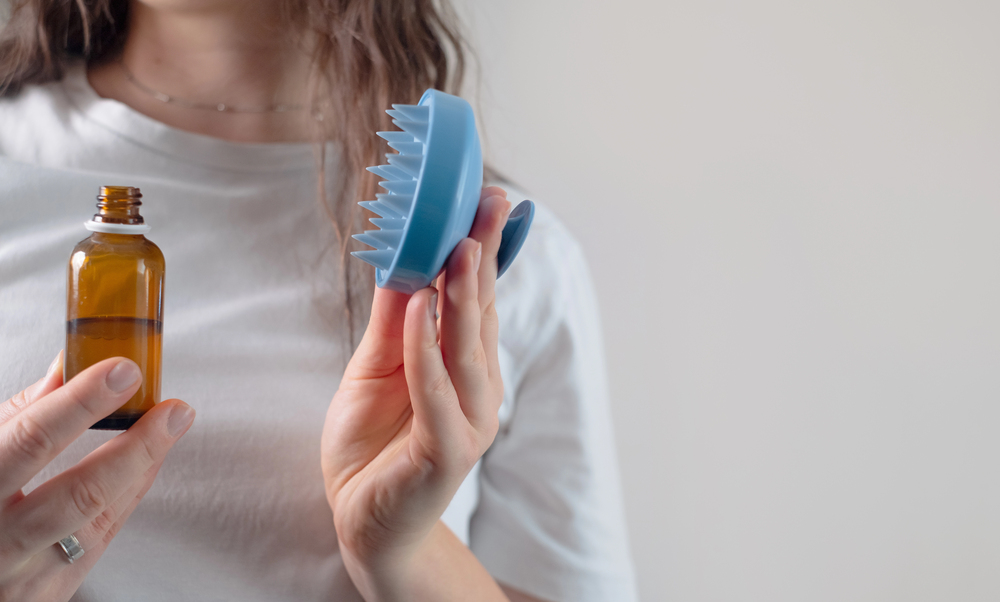
That is where peppermint oil may offer the most realistic benefits.
May improve scalp comfort
One of the most noticeable effects is the cooling sensation.
Peppermint oil can make the scalp feel fresher and less irritated temporarily. Some users report reduced itchiness and less greasy buildup after adding diluted peppermint oil products into their routine.
Peppermint oil may help soothe mild scalp discomfort because of menthol’s cooling properties. This is one reason peppermint shampoos remain popular.
May help dandruff and oily scalp conditions
Peppermint oil may help some people experiencing mild flaking or oily scalp buildup.
The refreshing effect can improve how clean the scalp feels, especially when combined with gentle cleansing routines. Healthier scalp conditions may indirectly help the hair appear:
- lighter
- cleaner
- fuller
- less weighed down
That visual improvement often gets mistaken for true regrowth online.
May improve the appearance of hair quality
When the scalp feels healthier, the hair itself may appear shinier and easier to manage.
Some users notice:
- improved texture
- reduced heaviness
- softer movement
- temporary volume improvement
Again, this does not necessarily mean new follicles are forming.
This distinction is one of the biggest content gaps online. Many blogs confuse cosmetic improvement with medically proven regrowth.
Dr. Ahmet Murat says:
“Healthy scalp conditions can improve how hair looks and behaves. But patients should avoid expecting natural oils to reverse advanced genetic hair loss alone.”
Why some people feel peppermint oil “works”
The cooling sensation creates an immediate physical response, which psychologically feels active and stimulating.
Combined with better scalp hygiene and lighter styling buildup, many users genuinely feel their hair looks healthier after regular use.
Next, we’ll examine an equally important topic many natural hair remedy articles avoid: peppermint oil for hair side effects, including irritation, burning, and why proper dilution matters so much.
Peppermint Oil for Hair Side Effects
Natural does not always mean harmless.
This is one of the most important things people misunderstand about peppermint essential oil for hair. When used incorrectly, peppermint oil can irritate the scalp quite aggressively.
The strongest problems usually happen when people apply undiluted oil directly onto the skin.
Irritation and burning sensations
Peppermint oil contains concentrated menthol compounds.
That intense cooling sensation may feel refreshing in small diluted amounts, but excessive concentration can create:
- burning
- redness
- stinging
- scalp sensitivity
Some people mistake irritation for “the oil working”. In reality, scalp inflammation is not a sign of healthy follicle stimulation. Concentrated essential oils can trigger irritation reactions when not diluted properly.
Allergic reactions and sensitive scalps
Some individuals react much more strongly than others.
People with:
- eczema
- psoriasis
- dermatitis
- highly sensitive skin
may experience worsening irritation after peppermint oil use.
Patch testing matters.
Applying a small diluted amount to a limited skin area first can help identify sensitivity before using larger amounts across the scalp.
Why dilution matters so much
Peppermint oil should almost never be applied directly to the scalp without a carrier oil.
Most safe routines dilute peppermint oil into:
- jojoba oil
- coconut oil
- argan oil
- shampoos or conditioners
This reduces irritation risk significantly while still allowing the cooling sensation many users want.
Dr. Ahmet Murat says:
“Patients often assume stronger concentration creates stronger results. In reality, excessive irritation may damage scalp comfort and worsen sensitivity.”
Can peppermint oil damage hair?
Improper use potentially can.
Excessive irritation, overuse, or harsh DIY mixtures may dry the scalp and make hair feel brittle or uncomfortable over time.
This is why moderation matters more than intensity.
Peppermint oil may support scalp health when used carefully, but aggressive application can create the opposite effect.
Next, we’ll explain how to use peppermint oil safely for hair, including dilution methods, carrier oils, shampoo mixing, and realistic usage frequency.
How to Use Peppermint Essential Oil for Hair Safely
Using peppermint oil correctly matters more than using large amounts.
Many scalp problems happen when people apply concentrated oil too aggressively or too often. A safer approach usually produces better long-term comfort.
Start with proper dilution
Peppermint oil should normally be mixed with a carrier oil before touching the scalp.
Common carrier oils include:
- jojoba oil
- coconut oil
- argan oil
- almond oil
These oils help reduce irritation and spread the peppermint oil more evenly across the scalp surface.
Most people only need a few drops mixed into a larger amount of carrier oil.
Mixing peppermint oil into shampoo
Another common method involves adding small diluted amounts into shampoo or conditioner.
This approach creates a milder cooling effect and lowers the chance of concentrated irritation. According to Healthline Peppermint Oil for Hair, dilution through hair products is one of the safer ways many people use peppermint oil routinely.
The goal is scalp comfort, not intense burning sensation.
How often should you use peppermint oil?
More is not always better.
Many people use peppermint oil:
- one to three times weekly
- during scalp massage routines
- occasionally in shampoo treatments
Daily heavy application may increase irritation risk, especially for sensitive scalps.
Why patch testing matters
Before applying peppermint oil widely, testing a small diluted amount on a limited skin area is strongly recommended.
This helps identify:
- allergic reactions
- burning sensitivity
- excessive redness
- itching problems
before the scalp becomes fully irritated.
Dr. Ahmet Murat says:
“Gentle scalp care usually works better long-term than aggressive routines. Irritating the scalp repeatedly rarely improves hair quality.”
Should peppermint oil stay on overnight?
Some people tolerate overnight application well when properly diluted. Others develop dryness or sensitivity after prolonged exposure.
Starting with shorter application times is usually safer before experimenting with longer treatments.
Next, we’ll compare two of the most viral natural hair remedies online directly: peppermint oil vs rosemary oil for hair, including circulation claims, DHT discussions, and which option currently has stronger evidence.
Peppermint Oil vs Rosemary Oil for Hair
This comparison appears constantly online.
Both oils became popular through social media hair growth discussions, but they work very differently biologically. Understanding those differences helps create more realistic expectations.
How peppermint oil may work
Peppermint oil is mainly associated with:
- menthol
- cooling sensation
- temporary circulation support
- scalp stimulation feelings
The focus is usually scalp comfort and blood flow perception rather than direct hormonal influence.
This is why many users describe the scalp as feeling:
- fresher
- cleaner
- more energized
after application.
How rosemary oil is discussed differently
Rosemary oil is often connected more directly with androgenetic hair loss discussions.
Some researchers believe rosemary oil may influence inflammatory pathways and potentially interact with mechanisms related to DHT activity, although evidence still remains limited compared to approved medical treatments.

According to broader hair oil discussions indexed through dermatology sources, rosemary oil generally has slightly stronger human research attention compared to peppermint oil alone.
Which oil is gentler?
Peppermint oil usually creates a stronger sensory reaction.
The cooling effect can feel intense, especially for sensitive scalps. Rosemary oil often feels milder and may cause less burning sensation for some users.
Still, either oil can irritate the scalp if used improperly or without dilution.
Which has stronger evidence?
Neither oil currently matches the human evidence available for:
- minoxidil
- finasteride
- medically supervised hair loss treatments
That distinction matters.
Peppermint oil became famous largely because of mouse studies, not large human trials. Rosemary oil has somewhat broader discussion in human hair loss conversations, but evidence still remains far more limited than many internet claims suggest.
Dr. Ahmet Murat says:
“Natural oils may support scalp routines, but patients should avoid treating them as replacements for evidence-based medical therapies.”
Can they be combined?
Some users combine rosemary and peppermint oil in diluted scalp treatments.
This may improve:
- scalp comfort
- massage routines
- cosmetic hair appearance
But expectations should remain realistic regarding true follicle regrowth.
Next, we’ll answer one of the most important questions directly: can peppermint oil actually reverse hair loss, or is it mainly supportive for scalp health and cosmetic improvement?
Can Peppermint Oil Reverse Hair Loss?
This is where expectations need to become realistic.
Peppermint oil may support scalp health and improve how hair feels or appears cosmetically, but current evidence does not prove it can reliably reverse androgenetic alopecia in humans.
That distinction is extremely important.
Temporary scalp support is not the same as follicle regrowth
Many people notice improvements after using peppermint oil regularly.
The scalp may feel:
- cleaner
- cooler
- less irritated
- more comfortable overall
Hair may also appear slightly fuller because of reduced oil buildup and improved texture.
These are real effects.
Still, healthier scalp conditions do not automatically mean dormant follicles are regenerating.
This is one of the biggest misconceptions online.
Why androgenetic alopecia is more complex
Male and female pattern hair loss involve hormonal and genetic processes that progressively miniaturize follicles over time.
Peppermint oil has not been proven to consistently stop or reverse that process in large human studies.
According to PMC Research Study, the strongest growth evidence still comes primarily from animal research rather than large-scale human clinical trials.
That does not make peppermint oil useless.
It simply means the internet often overstates what the evidence currently supports.
When medical treatment becomes more important
People experiencing progressive thinning usually require stronger interventions if they want long-term follicle preservation.
Evidence-based treatments may include:
- minoxidil
- finasteride
- PRP therapy
- medically supervised hair restoration plans
Natural oils may complement scalp care routines, but they should not automatically replace proven medical approaches for active pattern hair loss.
Dr. Ahmet Murat says:
“Patients often lose valuable time relying entirely on viral remedies. Early medically guided treatment usually creates stronger long-term preservation outcomes.”
Can peppermint oil still be useful?
Yes.
It may help:
- scalp comfort
- itchiness
- temporary fullness perception
- healthy scalp routines
For some people, that alone makes it worthwhile as part of broader hair care habits.
Next, we’ll discuss who should avoid peppermint oil entirely, including sensitive scalps, dermatitis conditions, and situations where peppermint oil may worsen irritation instead of helping the scalp.
Who Should Avoid Peppermint Oil?
Peppermint oil is not suitable for everyone.
Some people tolerate it very well, while others develop irritation quickly even with diluted use. Understanding scalp sensitivity matters before adding strong essential oils into a routine.
Sensitive scalps and irritation-prone skin
People with highly reactive skin should be especially careful.
Conditions such as:
- eczema
- seborrheic dermatitis
- psoriasis
- chronic scalp irritation
may become worse after peppermint oil application.
The menthol sensation can feel intensely uncomfortable on already inflamed skin. In some cases, redness and burning become more noticeable after repeated use.
Concentrated essential oils can trigger irritation reactions even in individuals without known scalp disorders.
Children and pregnancy considerations
Peppermint oil products are often marketed casually online, but concentrated essential oils should be approached more cautiously around children and during pregnancy.
Sensitive populations may react differently to strong menthol exposure. This is one reason medical guidance is usually recommended before using highly concentrated essential oils extensively.
People with active scalp inflammation
Applying peppermint oil onto damaged or inflamed skin may worsen discomfort.
Open scratches, aggressive dandruff inflammation, severe dryness, or scalp infections should usually be evaluated medically instead of treated aggressively with DIY oil mixtures.
Burning does not equal healing.
Why patch testing matters before full use
Even healthy scalps can react unpredictably.
Testing a small diluted amount first helps reduce the risk of widespread irritation. This simple step is often skipped by people following viral social media tutorials.
Dr. Ahmet Murat says:
“Healthy scalp care should reduce irritation, not intensify it. Strong burning sensations are usually a warning sign rather than proof of effectiveness.”
When to stop using peppermint oil
If you experience:
- persistent burning
- itching
- redness
- swelling
- scalp tenderness
it is usually best to stop use and allow the scalp barrier to recover.
Frequently Asked Questions About Peppermint Oil for Hair
Is peppermint oil good for your hair?
Peppermint oil may support scalp comfort and help the hair appear healthier by improving scalp freshness and reducing buildup sensations. However, strong evidence proving reliable human hair regrowth remains limited.
What does peppermint oil do for your hair?
Peppermint oil creates a cooling sensation through menthol and may temporarily support scalp circulation. Some users notice reduced itchiness, improved scalp comfort, and hair that feels cleaner or fuller cosmetically.
Does peppermint oil help hair growth?
Animal studies showed promising results, especially a widely discussed 2014 mouse study indexed through PubMed. However, large human clinical trials proving consistent regrowth are still limited.
Can peppermint oil regrow hair?
Current evidence does not prove peppermint oil can reliably reverse androgenetic alopecia in humans. It may support scalp health, but proven medical treatments still have much stronger scientific evidence for long-term hair loss management.
Is peppermint oil good for hair thinning?
Peppermint oil may improve scalp comfort and temporary fullness perception in some people with thinning hair. Still, progressive genetic hair loss usually requires medically guided treatment for stronger long-term results.
What are peppermint oil for hair side effects?
Possible side effects include burning, redness, itching, irritation, dryness, and allergic reactions, especially when the oil is applied without proper dilution.
Can peppermint oil damage hair?
Improper use potentially can. Excessive concentration or repeated irritation may dry the scalp and worsen sensitivity over time. Gentle diluted application is usually safer.
How often should you use peppermint oil on hair?
Many people use diluted peppermint oil one to three times weekly. Overuse may increase irritation risk, particularly for sensitive scalps.
Can you mix peppermint oil with shampoo?
Yes. Many users add small diluted amounts into shampoos or conditioners for milder scalp stimulation and reduced irritation risk compared to direct application.
Is peppermint oil better than minoxidil?
There is currently no strong human evidence proving peppermint oil performs better than minoxidil for pattern hair loss. Much of that comparison online comes from animal research rather than large human studies.
Understand What Your Hair Loss Really Needs Before Relying on Viral Remedies
Natural oils can support scalp care routines. But scalp comfort and true follicle restoration are not always the same thing.
Many people spend months trying:
- oils
- shampoos
- DIY mixtures
- viral social media treatments
without understanding what type of hair loss they actually have.
That delay matters.
Dr. Ahmet Murat says:
“The earlier we identify active follicle miniaturization, the more options patients usually have for long-term preservation and natural-looking results.”

At Hermest Hair Transplant Clinic, every hair evaluation focuses on:
- scalp condition
- thinning pattern
- follicle miniaturization
- donor preservation
- evidence-based treatment planning
The goal is not recommending unnecessary procedures.
It is helping patients understand whether they need:
- scalp care optimization
- medical treatment
- preventive maintenance
- or advanced hair restoration planning
Natural oils like peppermint oil may improve scalp comfort for some individuals, but progressive hair loss often requires a broader long-term strategy.
Request your free hair analysis today and speak directly with an experienced hair restoration specialist about the most realistic approach for your scalp condition, thinning pattern, and long-term hair goals.