

Minoxidil Beard: Growth Results, Timeline, Safety & Side Effects
The topic of minoxidil beard growth attracts a lot of interest, and just as much confusion. Many men want fuller facial hair and turn to minoxidil after seeing dramatic minoxidil beard before and after photos online. The first questions are always practical. Does minoxidil work for beard growth? Can I use minoxidil on beard safely? And how long does minoxidil take to work beard areas compared to the scalp?
Minoxidil was originally developed for scalp hair loss, but its off-label use for beard growth has become common. The reason is simple. Facial hair follicles respond to stimulation, blood flow, and growth-phase extension in ways that are similar to scalp follicles, though not identical. According to dermatology references, minoxidil can push certain follicles into an active growth phase, which may support minoxidil beard growth results in selected users.
Still, expectations often run ahead of biology. Beard follicles are influenced by genetics, hormones, and skin sensitivity. Some men see visible changes within weeks. Others experience slower progress or irritation and conclude minoxidil not working beard areas at all. This gap between expectation and reality causes frustration.
This guide explains minoxidil for beard use clearly and realistically. It covers how minoxidil works on facial hair, what timelines usually look like, how to apply it properly, and which side effects deserve attention. It also addresses common concerns such as why is my beard falling out with minoxidil, whether results last, and is it safe to use minoxidil on face daily.
Dr. Ahmet Murat explains:
“Minoxidil can support beard growth in some men, but it does not change genetics. When patients understand the limits as well as the benefits, outcomes are far more satisfying.”
You will also learn how to judge progress beyond early hype, including what 2 month minoxidil beard results realistically mean and how long to use minoxidil for beard areas before reassessing.
Let’s start by clarifying what minoxidil actually is and why it can affect beard follicles at all.
Quick Insights
- Minoxidil beard use can support growth in existing facial hair follicles, but it cannot create new follicles where none exist.
- Does minoxidil work for beard growth depends on genetics, follicle presence, skin tolerance, and consistent use over time.
- Early minoxidil beard growth is subtle. Most minoxidil beard results become noticeable between months 3 and 6, not weeks.
- 2 month minoxidil beard results usually show darker vellus hairs and slight coverage changes, not full density.
- The minoxidil beard timeline is uneven. Some areas respond faster than others, and progress often looks patchy at first.
- Correct application matters. Knowing how to apply minoxidil beard products helps reduce irritation and improves adherence.
- Minoxidil 5% vs 2% beard choices depend on skin sensitivity. Higher strength increases stimulation but also irritation risk.
- Common minoxidil beard side effects include dryness, flaking, redness, and occasional acne. Serious systemic effects are rare when used properly.
- Shedding can occur during use or after stopping. This explains worries like why is my beard falling out with minoxidil and does not usually signal damage.
- Will beard remain after stopping minoxidil depends on hair maturity. Thicker, terminal hairs are more likely to stay than early, medication-dependent hairs.
What is minoxidil and how it applies to beard growth
Minoxidil is a topical medication best known for treating scalp hair loss. Its use for facial hair is considered off-label, but it has become widespread because of visible minoxidil beard growth results reported by users. To use it properly, it helps to understand what the drug actually does at a follicle level.
How minoxidil works on hair follicles
Minoxidil acts as a growth stimulant. According to dermatology references, it increases local blood flow and helps prolong the anagen, or growth, phase of the hair cycle. This does not create new follicles. It supports existing ones.
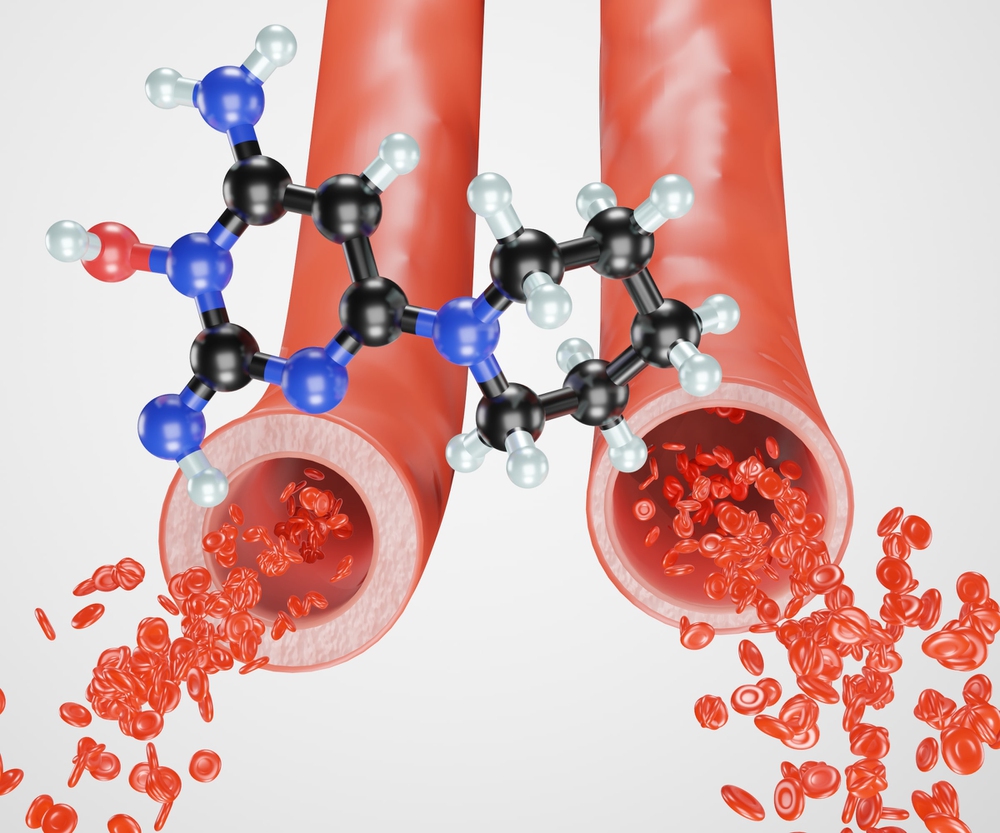
When applied to the beard area, minoxidil can stimulate vellus hairs. These are fine, light hairs that many men already have on the face. With time and continued stimulation, some of these hairs may thicken and darken, contributing to visible beard growth minoxidil outcomes.
This explains why results vary so much. Minoxidil works best where follicles already exist but remain weak or inactive.
Facial hair follicles versus scalp follicles
Beard follicles respond differently than scalp follicles. Facial hair growth is more dependent on androgen sensitivity and genetics. Minoxidil does not change hormone levels. It only influences growth conditions.
Because of this, how long does minoxidil take to work beard areas often differs from scalp timelines. Beard progress is usually slower and less predictable.
Why minoxidil is used for beard growth
Men turn to minoxidil for beard development because it is accessible and relatively well tolerated. It offers a non-surgical option for those with patchy growth or thinning areas.
However, not everyone responds.
Dr. Ahmet Murat explains:
“Minoxidil supports existing beard follicles. If follicles are absent, it will not create them. We see the best results in men who already have some facial hair potential.”
Understanding this mechanism prevents unrealistic expectations and reduces frustration early on.
Does minoxidil work for beard growth?
This is the question behind almost every search related to minoxidil beard use. The short answer is yes, it can work, but not for everyone and not in the same way.
What evidence and clinical experience show
There are limited large-scale clinical trials focused specifically on minoxidil beard growth. However, dermatology research on minoxidil’s mechanism, combined with widespread clinical observation, shows that facial hair follicles can respond to stimulation under the right conditions.
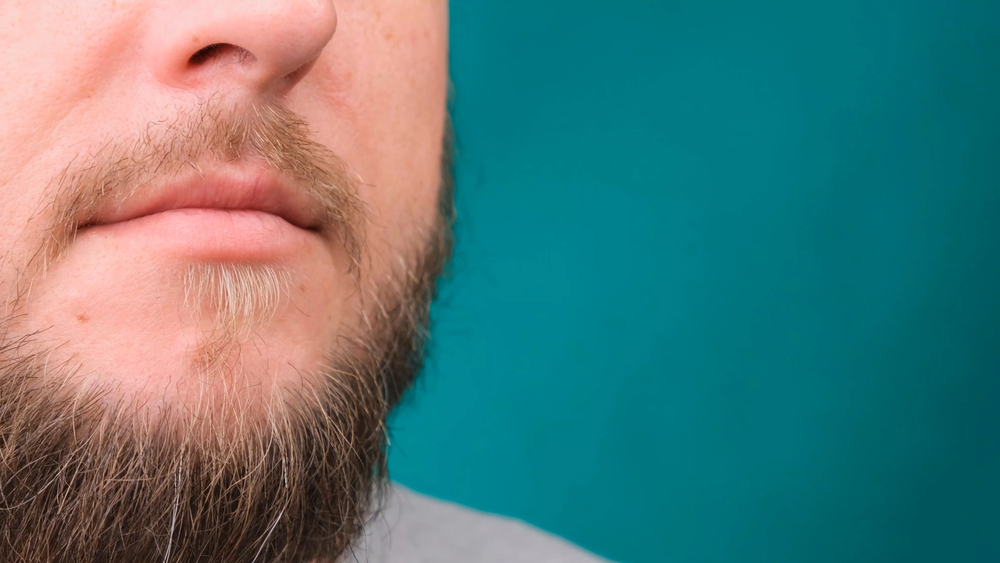
Minoxidil does not create new follicles. It enhances activity in follicles that already exist but are underperforming. This is why some men see clear minoxidil beard growth results, while others notice only subtle changes.
Response depends on:
- Genetic beard potential
- Follicle presence in patchy areas
- Skin tolerance and absorption
- Consistency of use
Men with fine, light facial hair often respond better than those with completely smooth skin in target areas.
What realistic results look like
Online photos often exaggerate outcomes. In real life, progress tends to be gradual. Early improvements usually involve texture changes rather than density. Vellus hairs become darker. Coverage improves slowly.
This is why 2 month minoxidil beard results are often modest. Expecting a full beard at that stage leads to disappointment.
Searches like minoxidil not working beard often come from stopping too early or comparing progress to unrealistic examples.
Before-and-after expectations
Most genuine minoxidil beard before and after changes appear between months four and eight. Even then, density may remain uneven. Symmetry improves with time, not speed.
Dr. Ahmet Murat explains:
“Minoxidil can enhance beard growth where follicles already exist. Patients who expect transformation without patience usually stop before results have time to develop.”
Who benefits most
Men with patchy or thin beards benefit more than those with no visible follicles. Those with sensitive skin or underlying dermatologic conditions may struggle with side effects before seeing results.
So, does minoxidil work for beard? It can. But only within biological limits.
Minoxidil beard timeline: what to expect
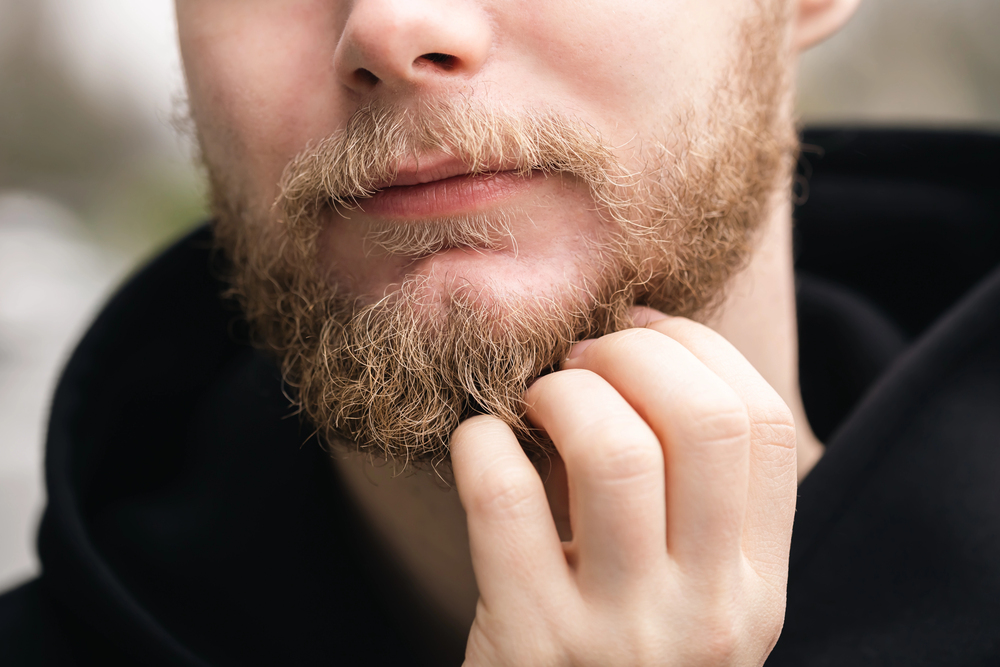
Progress with minoxidil beard use follows a slow, staged pattern. Knowing the typical minoxidil beard timeline helps separate normal changes from false alarms and keeps expectations realistic.
Weeks 4–8: early activity, subtle changes
During the first month, most users notice very little. Around weeks four to eight, early responders may see fine, light hairs becoming more visible. Texture changes come before density. Skin dryness or mild irritation can appear as the product begins regular contact with facial skin.
At this stage, many people search how long does minoxidil take to work beard and worry that nothing is happening. That concern is common. Early progress is microscopic and easy to miss.
Months 2–3: visible but uneven growth
By months two to three, changes become easier to spot. 2 month minoxidil beard results often include darker vellus hairs and improved coverage in patchy areas. Growth is uneven. Some spots respond faster than others.
Shedding can occur in this window. This triggers questions like why is my beard falling out with minoxidil. In most cases, shedding reflects hairs cycling, not failure.
Months 4–6: consolidation phase
Between months four and six, many users see clearer minoxidil beard growth results. Hair shafts thicken. Color deepens. Coverage improves. The beard starts to look more intentional rather than fuzzy.
This is when minoxidil beard before and after photos begin to show meaningful contrast. Consistency matters here. Missed applications slow progress.
Months 6–12: stabilization and limits
After six months, progress slows. Some hairs mature further. Others plateau. This is when users reassess how long to use minoxidil for beard areas. Not all hairs become terminal. Genetics still sets limits.
Dr. Ahmet Murat explains:
“Beard growth with minoxidil is gradual. The mistake is judging success too early or expecting uniform density. Time reveals the true response.”
How to apply minoxidil to your beard correctly
Using minoxidil beard products correctly matters as much as patience. Many complaints about irritation or poor results trace back to application mistakes rather than the medication itself.
How to apply minoxidil to beard areas
For most users, liquid or foam formulations are applied once or twice daily to clean, dry skin. Consistency matters more than quantity. Applying more does not speed up minoxidil beard growth and often increases irritation.
Basic steps most users follow:
- Wash and dry the face gently before application
- Apply a thin, even layer to target areas
- Avoid rubbing aggressively into the skin
- Allow the product to dry before touching or covering
This approach supports absorption without stressing facial skin.
Minoxidil 5% vs 2% for beard use
Most users choose minoxidil 5% vs 2% beard formulations because higher concentration is associated with stronger stimulation. However, 5% also increases the risk of dryness, redness, and flaking on the face.
Men with sensitive skin often tolerate 2% better, especially at the start. Some begin with 2% and increase later if tolerated. There is no universal “best minoxidil for beard.” Skin response determines the right choice.
How often should you apply it?
Once daily application is common and often sufficient. Twice daily may increase stimulation but also raises the chance of irritation. Skipping days slows progress. Overuse creates problems.
People asking how to use minoxidil for beard often underestimate how much irritation affects adherence. Comfort supports consistency.
Minoxidil beard micro-needling
Some combine minoxidil beard micro-needling with topical use. Micro-needling may improve absorption and stimulate local growth factors, but it also increases irritation risk. If used, spacing sessions and keeping the skin clean is important.
Common mistakes to avoid
- Applying to broken or inflamed skin
- Using excessive amounts
- Not moisturizing appropriately
- Expecting faster results from heavier dosing
Dr. Ahmet Murat explains:
“Most beard-related side effects come from overapplication. Facial skin is more sensitive than the scalp, so control matters.”
Correct application supports results and protects skin health.
Minoxidil beard side effects and safety
Side effects are the main reason people stop using minoxidil for beard growth. Facial skin behaves differently than the scalp, so understanding what is normal helps prevent unnecessary concern.
Common and expected reactions
The most frequent minoxidil beard side effects involve the skin rather than hair. Dryness, mild redness, and flaking are common during the first weeks. These reactions usually improve as the skin adapts or with proper moisturizing.
Mild itching or tightness can also occur. This does not mean the product is unsafe. It reflects increased contact time between the medication and sensitive facial skin.
Facial irritation and rashes
Searches like facial irritation minoxidil beard and minoxidil beard rash usually follow incorrect application or overuse. Applying too much, using it on broken skin, or combining it with harsh cleansers increases irritation risk.
Reducing frequency or switching formulations often resolves the issue. Persistent redness, burning, or swelling should prompt a pause and evaluation.
Acne and clogged pores
Some users report breakouts and ask can minoxidil cause acne on beard areas. This is more likely with liquid formulations containing propylene glycol, which can clog pores in acne-prone skin. Foam versions tend to be better tolerated.
Systemic safety concerns
Questions like is minoxidil safe for beard and is it safe to use minoxidil on face daily are common. According to FDA labeling and dermatology guidance, topical minoxidil has low systemic absorption when used correctly. Serious systemic side effects are rare.
However, facial use increases absorption slightly compared to the scalp. Using the lowest effective dose and avoiding overapplication keeps risk low.
Dr. Ahmet Murat explains:
“Minoxidil is generally safe on the face when used responsibly. Most problems we see come from irritation, not systemic effects.”
When to stop or reassess
Stop and seek advice if you experience:
- Severe or spreading facial swelling
- Persistent burning or dermatitis
- Dizziness or palpitations
Most side effects are manageable. Ignoring them is not.
Will beard growth remain after stopping minoxidil?
This question usually appears once early results start showing. Users invest months of effort and want to know whether minoxidil beard results are temporary or lasting.
What happens when minoxidil is stopped
Minoxidil supports hair growth while it is used. When it is stopped, follicles that relied on that stimulation may slow down or shed. This leads many users to worry that everything they gained will disappear overnight.
In reality, the outcome depends on hair maturity. Early-stage hairs that were still thin and dependent on stimulation often shed. Thicker, more developed hairs have a higher chance of remaining.
This explains why some users report partial loss and others maintain much of their progress.
Temporary versus more stable beard hairs
Facial hair responds in stages. Vellus hairs are fine and lightly pigmented. With time and repeated growth cycles, some of these hairs can become terminal, meaning thicker and darker.
Terminal hairs are more likely to persist after stopping. Vellus or intermediate hairs are more likely to shed.
This distinction answers many searches related to will beard remain after stopping minoxidil and minoxidil not working beard. The medication did not fail. The follicles simply did not reach full maturity yet.
How long to use minoxidil for beard permanence
There is no fixed duration, but many users continue for six to twelve months before reassessing. Stopping too early increases the chance that gains were still dependent on stimulation.
This is why questions like how long to use minoxidil for beard matter more than daily dosing debates.
Dr. Ahmet Murat explains:
“Beard hairs need time to mature. Stopping too early often means losing hairs that were still developing, not proof that minoxidil never worked.”
Shedding after stopping
Some shedding after stopping is expected. It does not mean all progress is gone. Density often stabilizes after a few weeks or months.
Special considerations for minoxidil beard use
Not every face reacts the same way to minoxidil beard treatment. Skin type, genetics, and grooming habits all influence results and side effects. This section addresses situations that often get overlooked but matter in real use.
Sensitive skin and irritation risk
Men with sensitive skin tend to experience dryness, redness, or burning earlier. Facial skin is thinner than the scalp, which explains why facial irritation minoxidil beard complaints are common.
Helpful adjustments include:
- Using foam instead of liquid formulations
- Applying once daily instead of twice
- Moisturizing after absorption
- Avoiding alcohol-based skincare products
If irritation persists, pausing use is better than pushing through discomfort.
Acne-prone skin and clogged pores
Users with acne-prone skin often ask can minoxidil cause acne on beard areas. The answer depends on formulation and skin care. Liquid minoxidil contains propylene glycol, which can clog pores in some people. Foam versions usually reduce this risk.
Keeping the beard area clean and avoiding heavy oils helps limit breakouts.
Ethnic hair texture and absorption
Hair texture and follicle shape affect outcomes. Curly or coarse hair may appear denser sooner, even with modest follicle activation. Straighter hair types may take longer to show visible change.
Absorption also varies with skin thickness and oil production. This explains why minoxidil beard growth results differ even with identical routines.
Beard thinning versus full absence
Minoxidil works best for minoxidil for beard thinning, not complete absence. If an area has no follicles, minoxidil cannot create them. Patchy growth responds better than smooth skin.
Combining treatments cautiously
Some users add micro-needling or supplements. While minoxidil beard micro-needling may improve absorption, it also raises irritation risk. Combining too many methods often causes setbacks rather than faster results.
Dr. Ahmet Murat explains:
“The face is less forgiving than the scalp. When patients simplify their routine and respect skin limits, results are more consistent and side effects drop.”
Accounting for these factors helps personalize expectations and avoid unnecessary frustration.
FAQs about minoxidil for beard growth
Can I use minoxidil on beard safely?
Yes, many people use minoxidil on the beard safely. This addresses can I use minoxidil on beard and is minoxidil safe for beard directly. Safety depends on correct application, reasonable dosing, and skin tolerance. Facial skin is more sensitive than the scalp, so irritation risk is higher, but serious systemic side effects are uncommon when used properly.
Does minoxidil work for beard growth in everyone?
No. Does minoxidil work for beard depends on whether follicles already exist in the target area. Minoxidil can stimulate weak or inactive follicles, but it cannot create new ones. Genetics still set the ceiling for beard density.
How long does minoxidil take to work on beard?
Most users begin noticing subtle changes between 6 and 8 weeks. Clearer minoxidil beard results often appear after 3 to 6 months. This answers how long does minoxidil take to work beard realistically. Early progress is usually uneven.
What are realistic 2 month minoxidil beard results?
At two months, results are usually limited to darker vellus hairs and slight coverage improvement. 2 month minoxidil beard results rarely mean a full beard. Expect texture changes, not transformation.
Why is my beard falling out with minoxidil?
This question reflects anxiety, not failure. Shedding can occur as hairs cycle. This explains why is my beard falling out with minoxidil. It does not mean follicles are damaged. Shedding is usually temporary.
Can minoxidil cause acne or skin burning on the beard?
Yes, some users experience breakouts or irritation. This answers can minoxidil cause acne on beard and minoxidil beard and skin burning concerns. Foam formulations and reduced frequency often help.
Is it safe to use minoxidil on face daily?
For most users, yes. This addresses is it safe to use minoxidil on face daily. Once-daily use is often enough and reduces irritation risk compared to twice daily application.
Will beard growth remain after stopping minoxidil?
Some hairs may remain, others may shed. Thicker, more mature hairs have a better chance of staying. This answers will beard remain after stopping minoxidil honestly.
A calm next step if you’re considering beard growth options
If you are unsure whether minoxidil for beard growth fits your skin type, hair pattern, or long-term goals, professional guidance helps. Online routines work for some, but they are not universal.

At Hermest Hair Transplant Clinic, facial hair concerns are evaluated with a long-term perspective. Whether the issue is patchy beard growth, irritation from topical products, or questions about permanence, the goal is clarity before commitment.
Dr. Ahmet Murat notes:
“Not every beard concern needs treatment. When treatment is chosen, understanding limits matters more than speed.”
If you want clear answers about minoxidil beard growth, realistic expectations, or alternative options, you can arrange a consultation and get advice based on your individual situation.